Moundsville Mound

Another post by Lee, because Trace has a job and stuff.

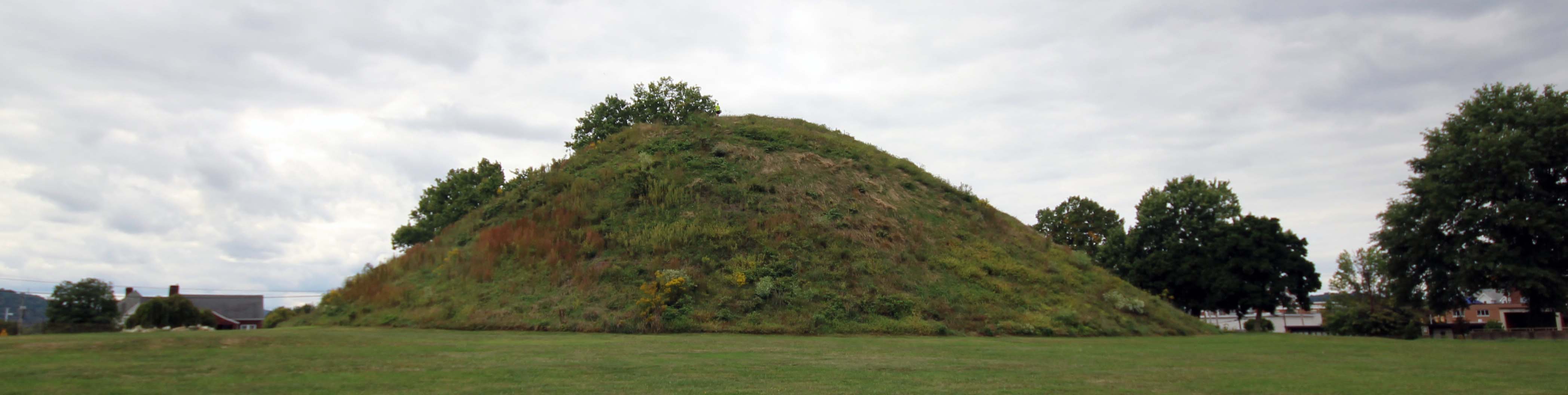
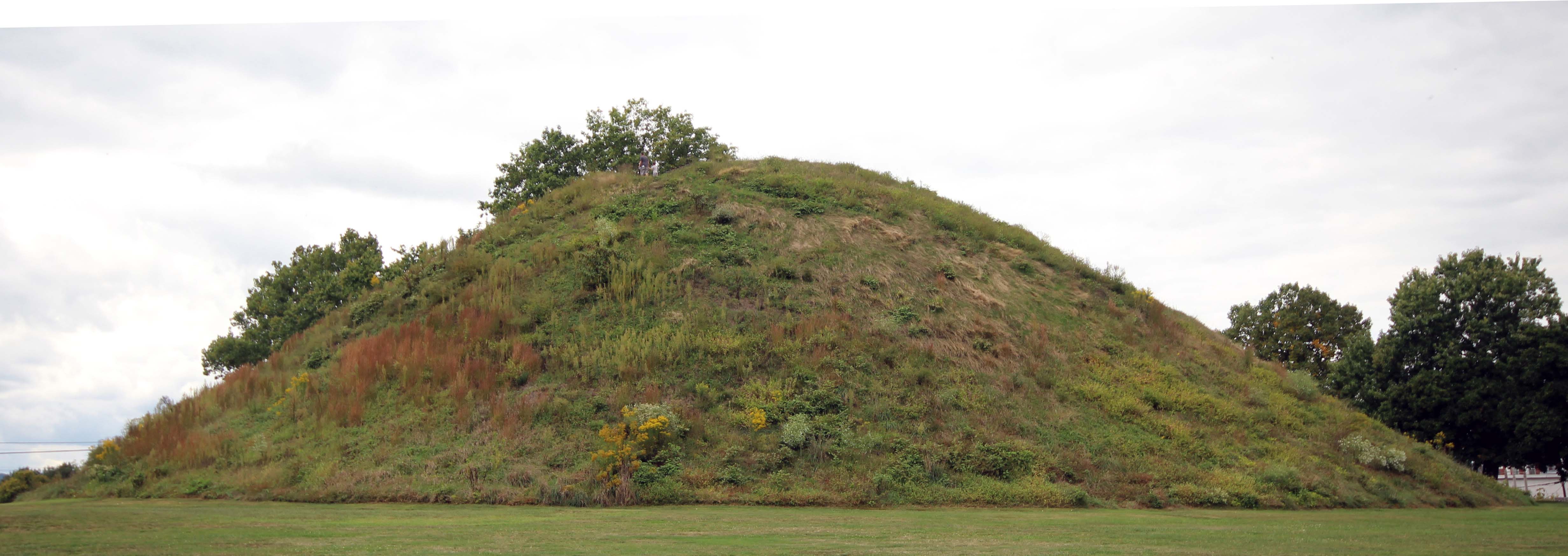
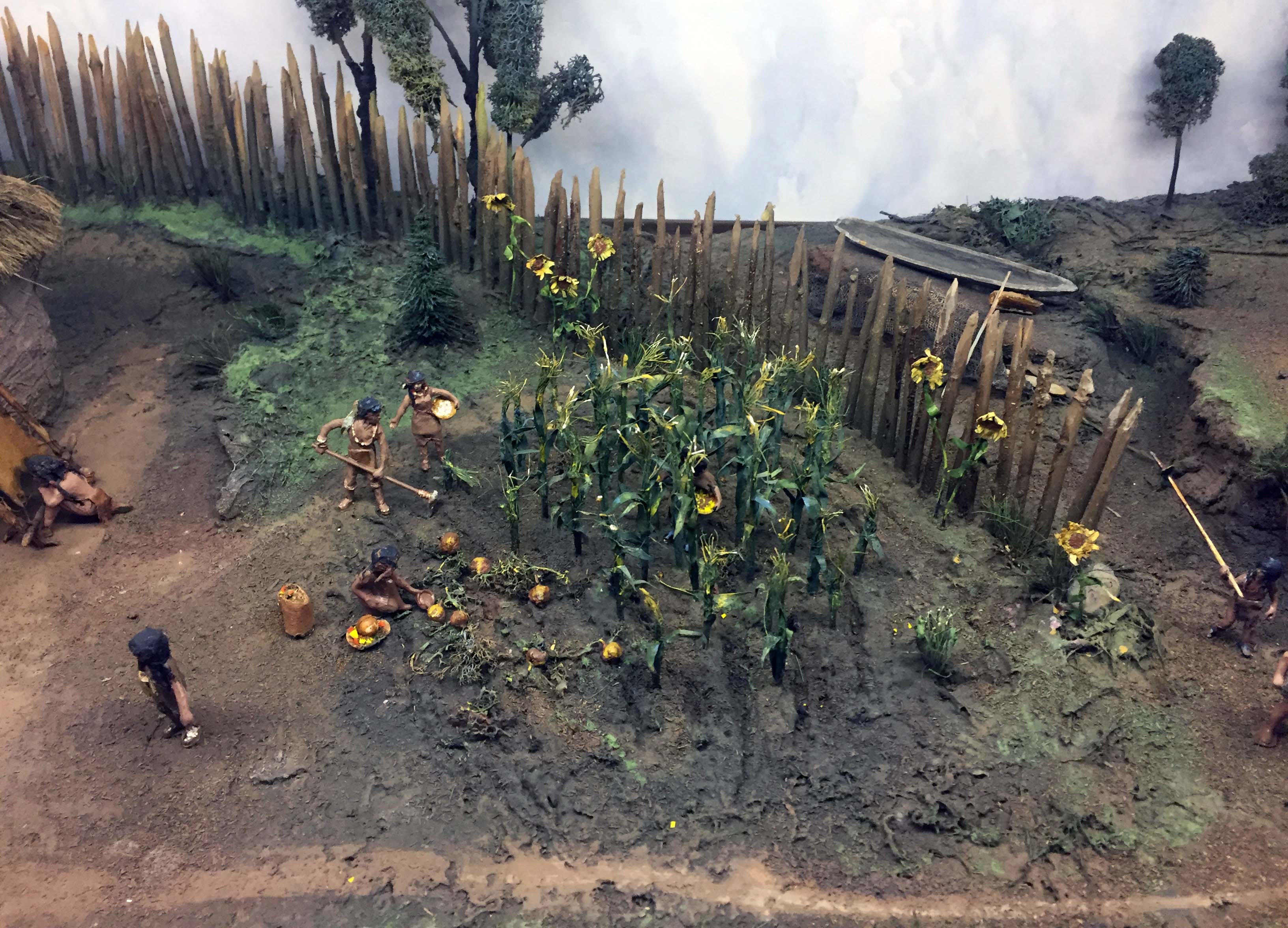
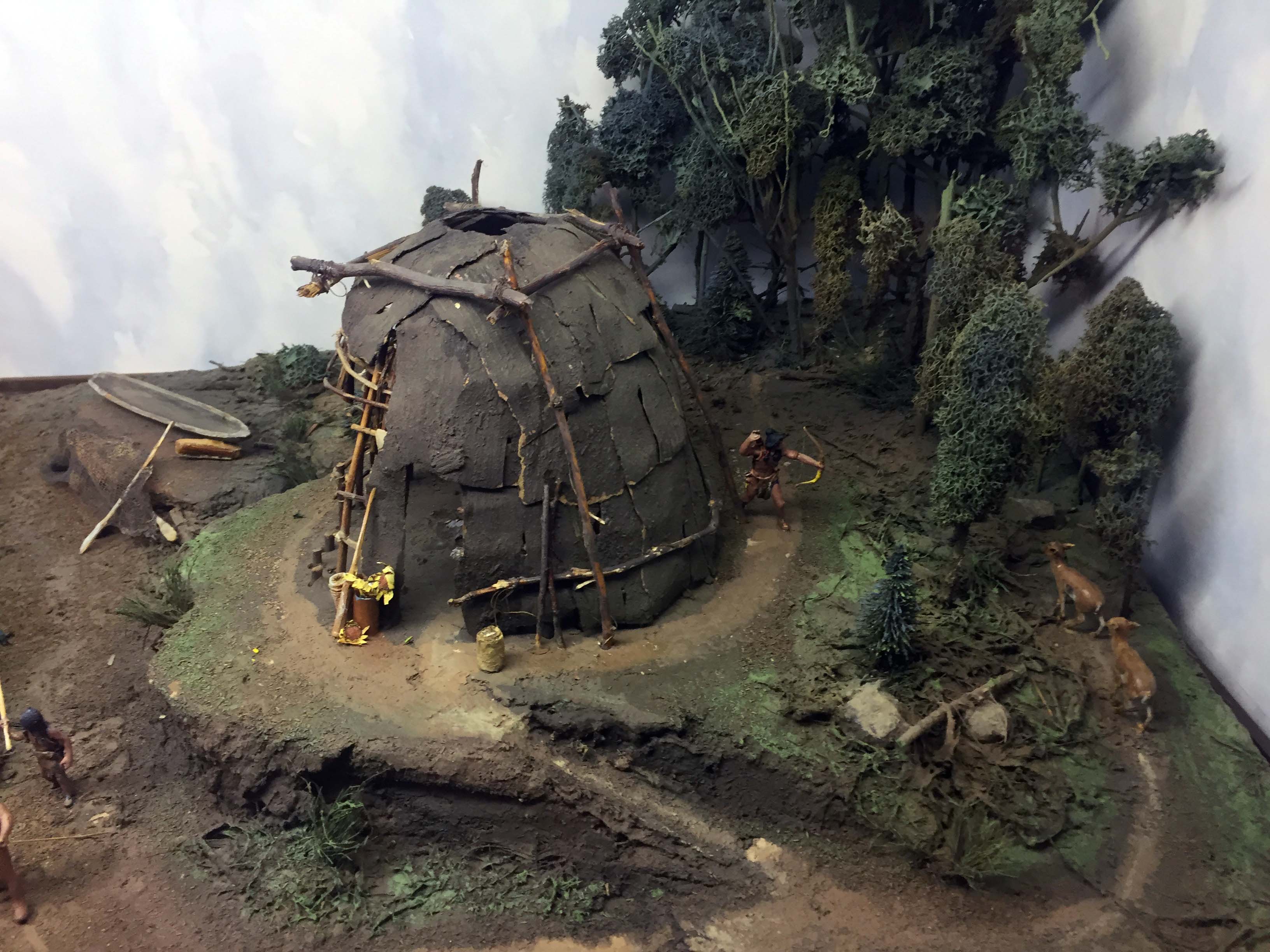
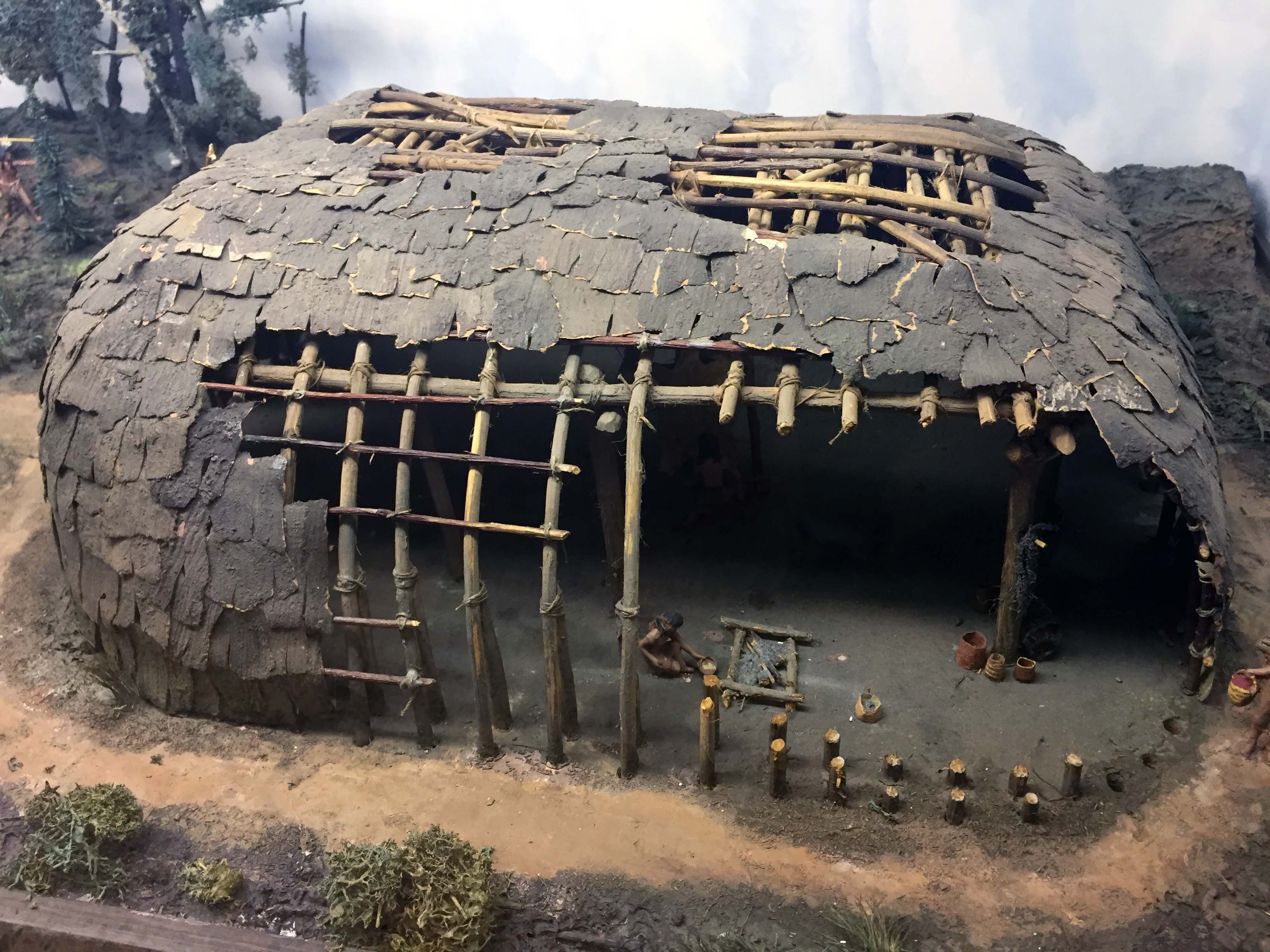
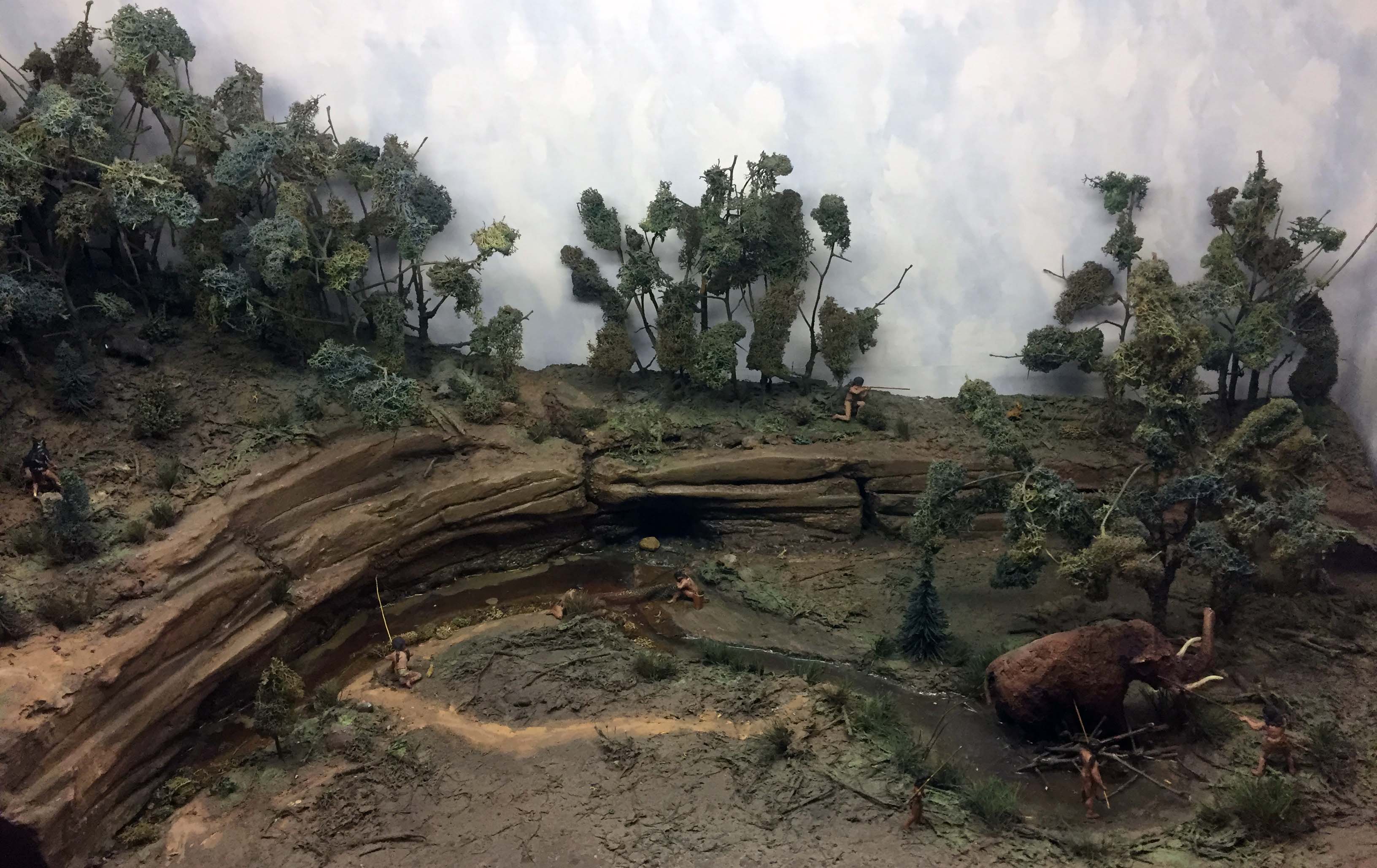
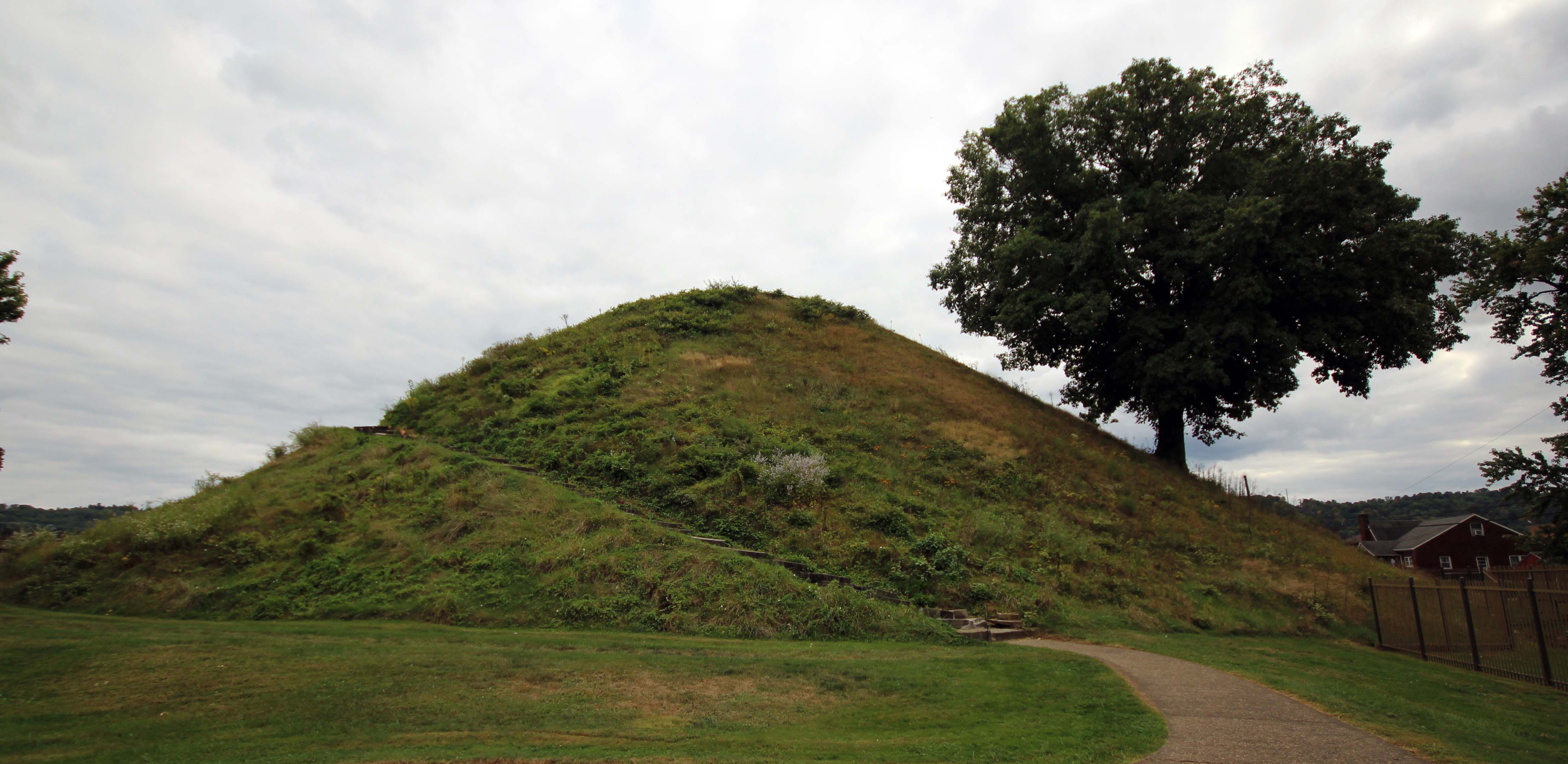
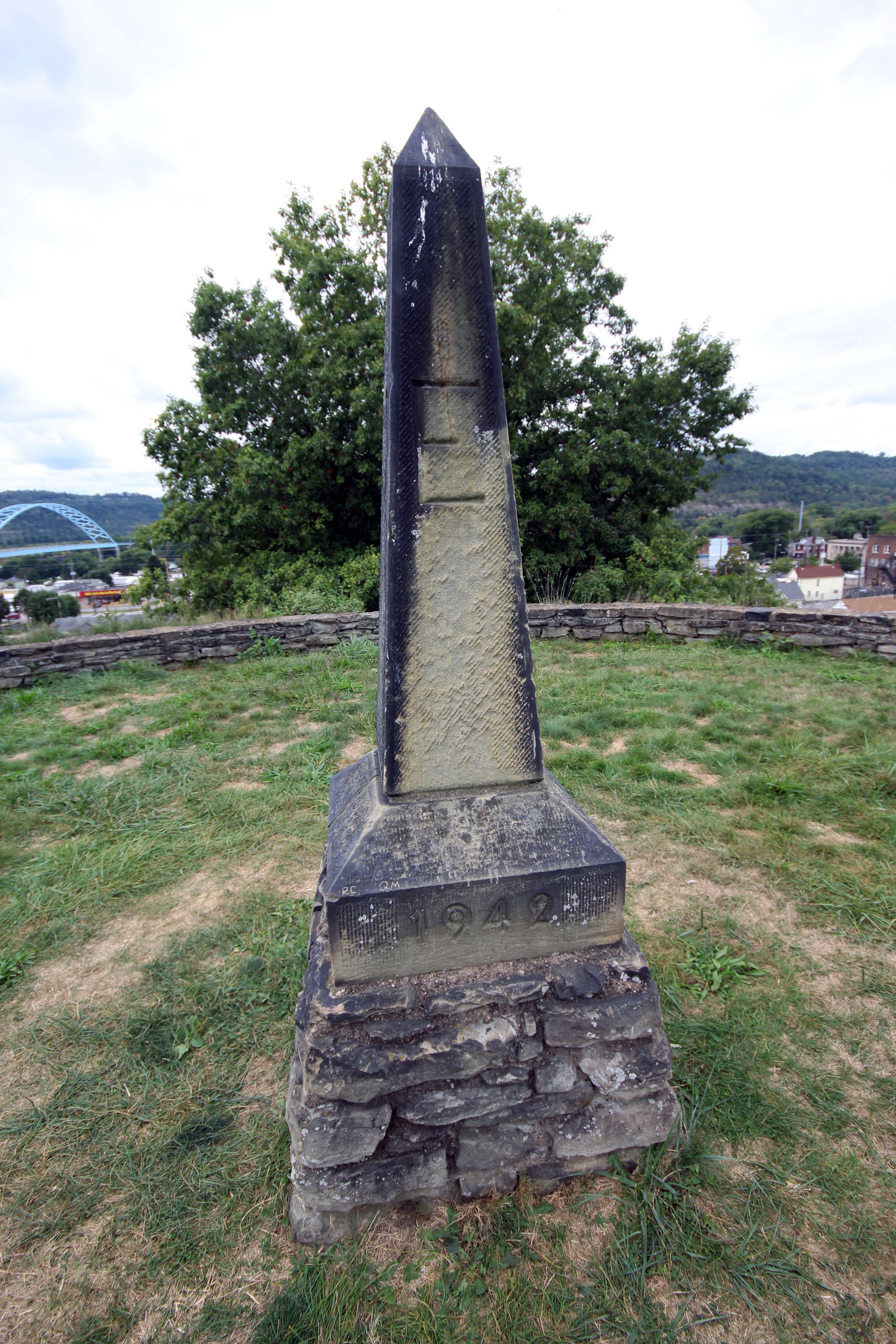
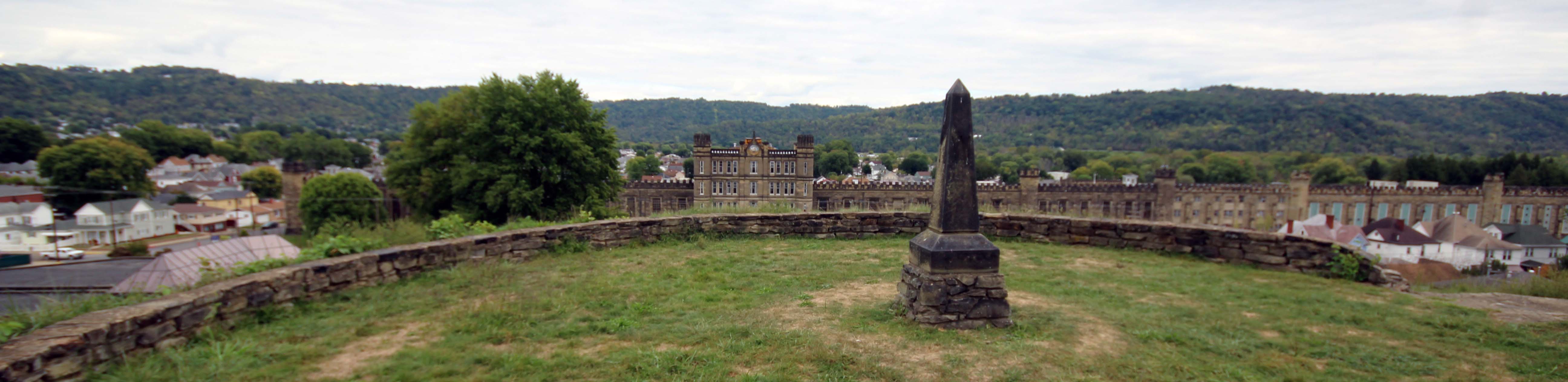
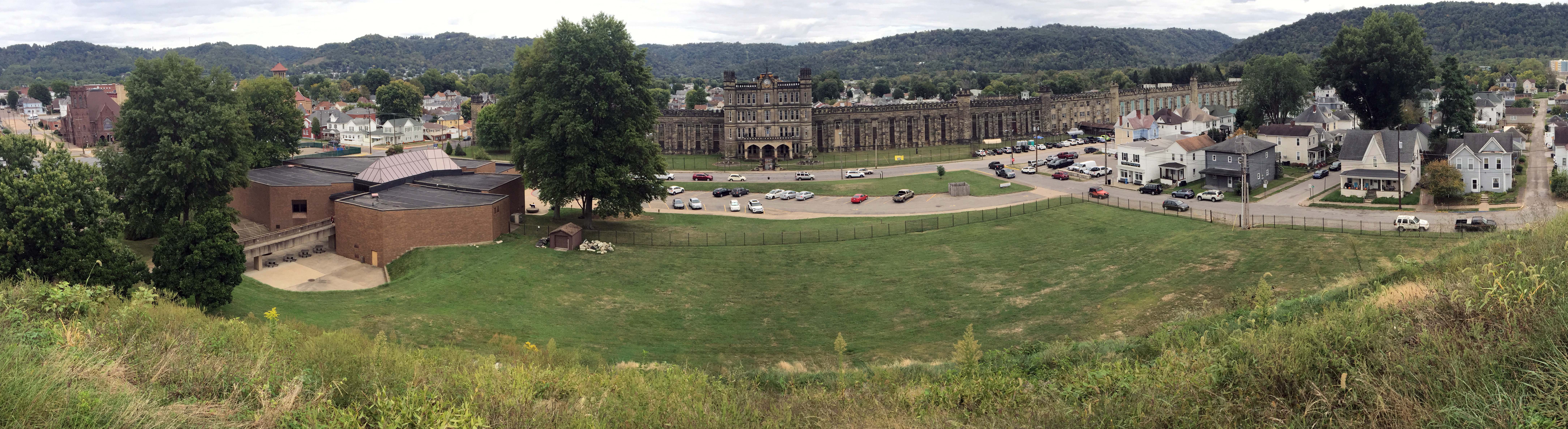
Just across the street from the West Virginia State Penitentiary is the Grave Creek Mound. There were actually many of these mounds in the area, hence the name, Moundsville. The Grave Creek Mound is one of the largest conical-type burial mounds in the United States, at 62′ high and 240′ in diameter. The Adena (pre-Columbian native Americans) built it, moving over 60,000 tons of dirt, and it was created around 250-150 BC. The first recorded excavation was in 1838 and their tunnel revealed two log tombs with graves and burial offerings. This is the largest of these mounds remaining, and has been designated a National Historic Landmark.

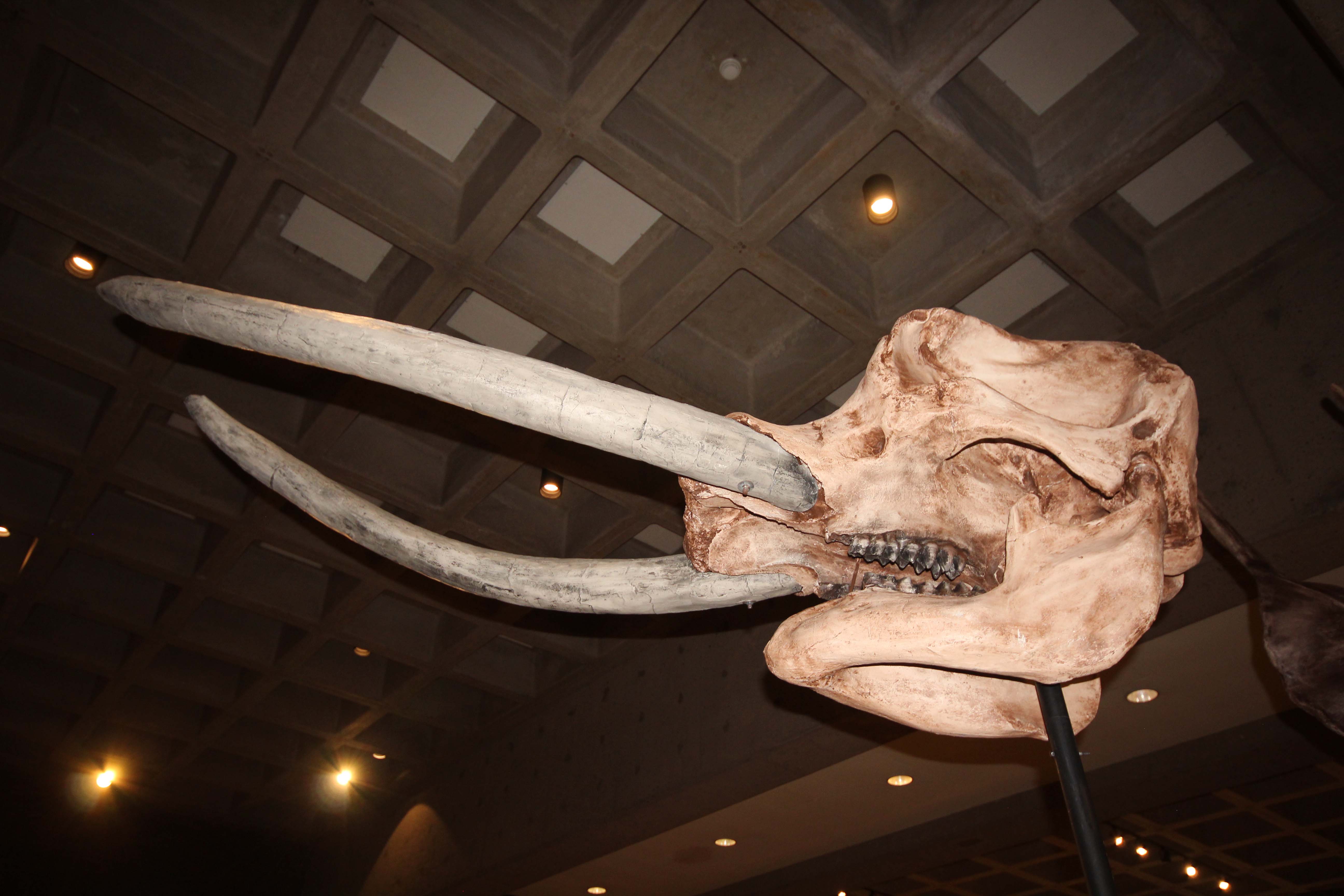
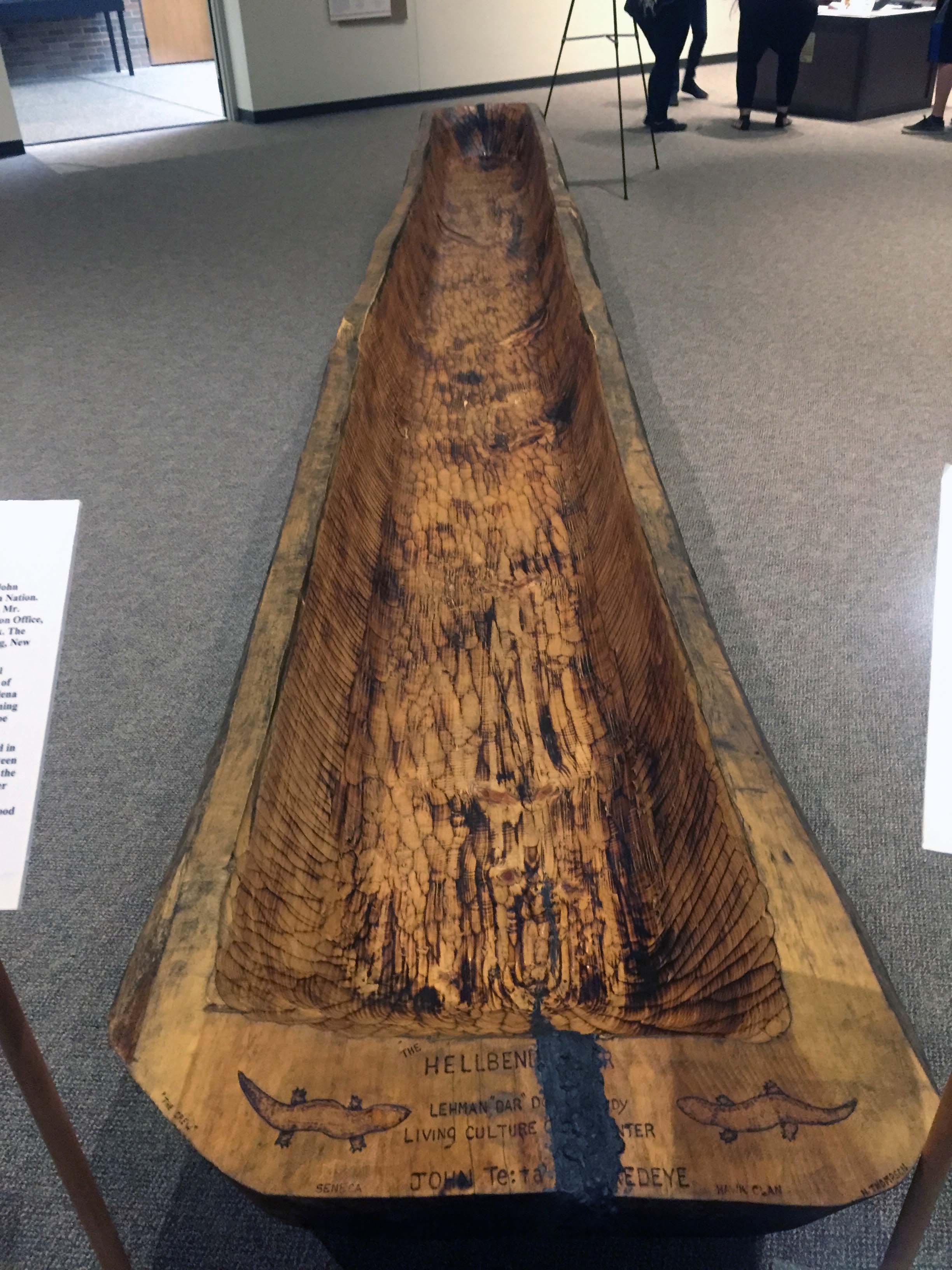
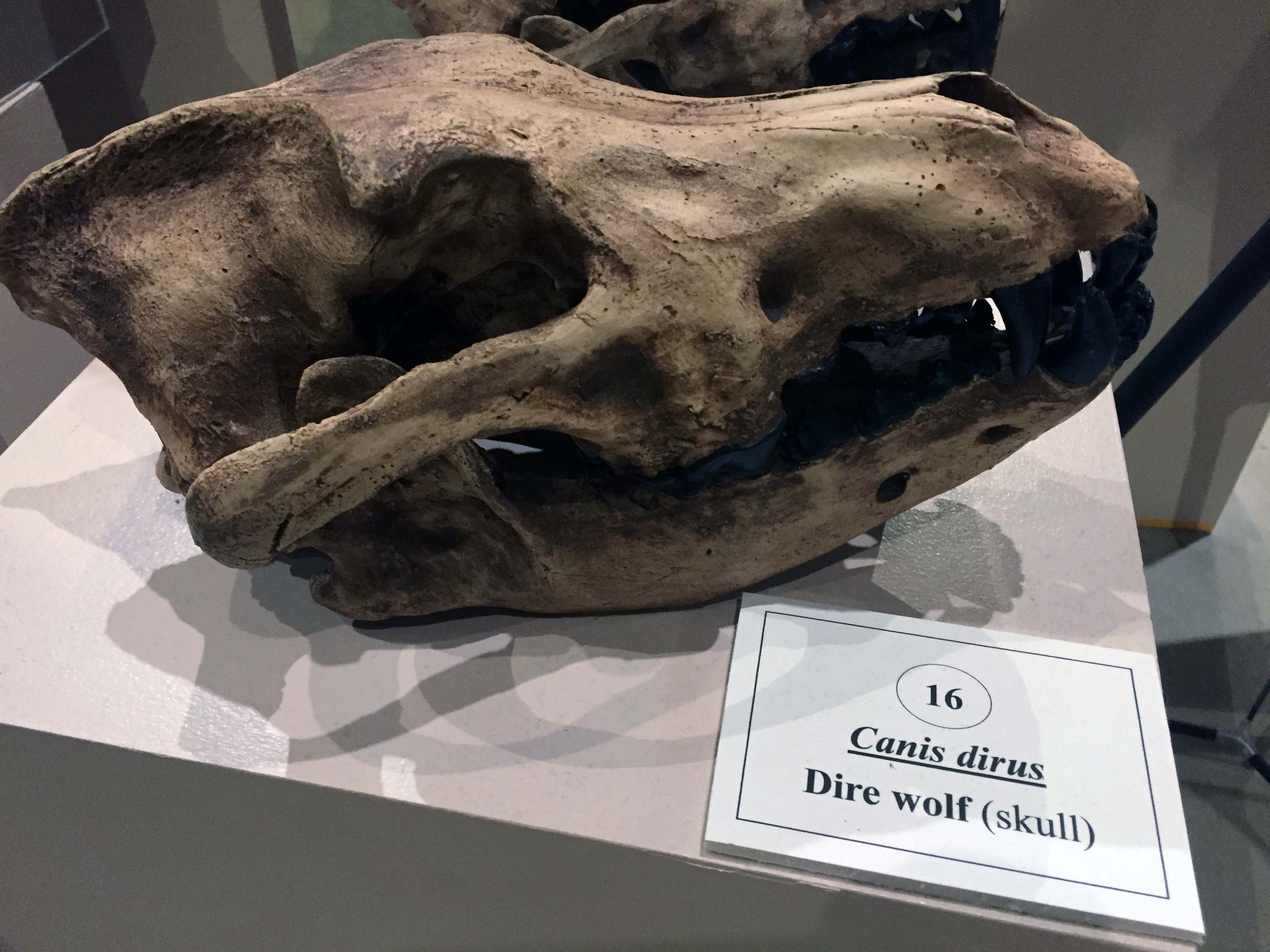
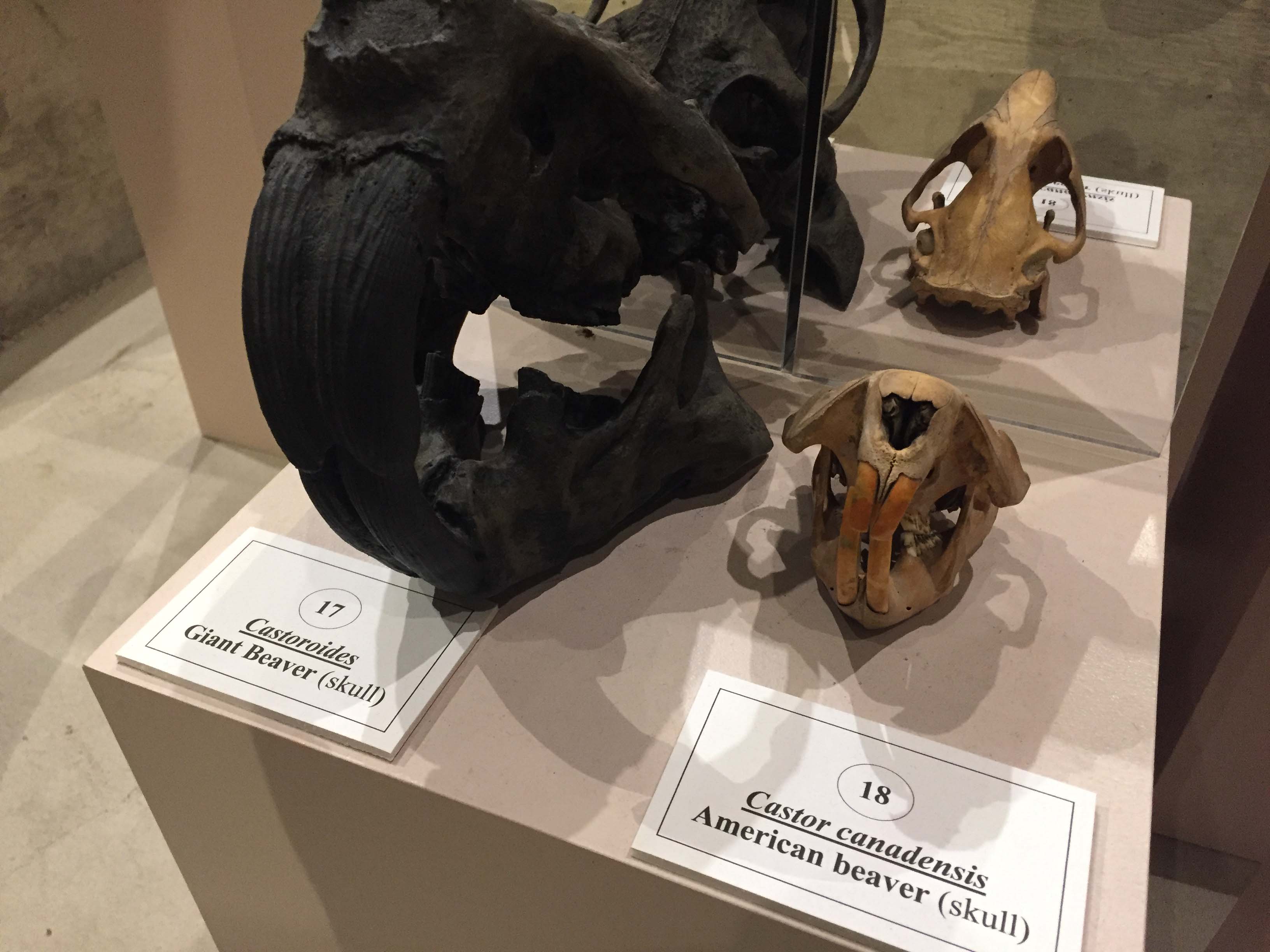
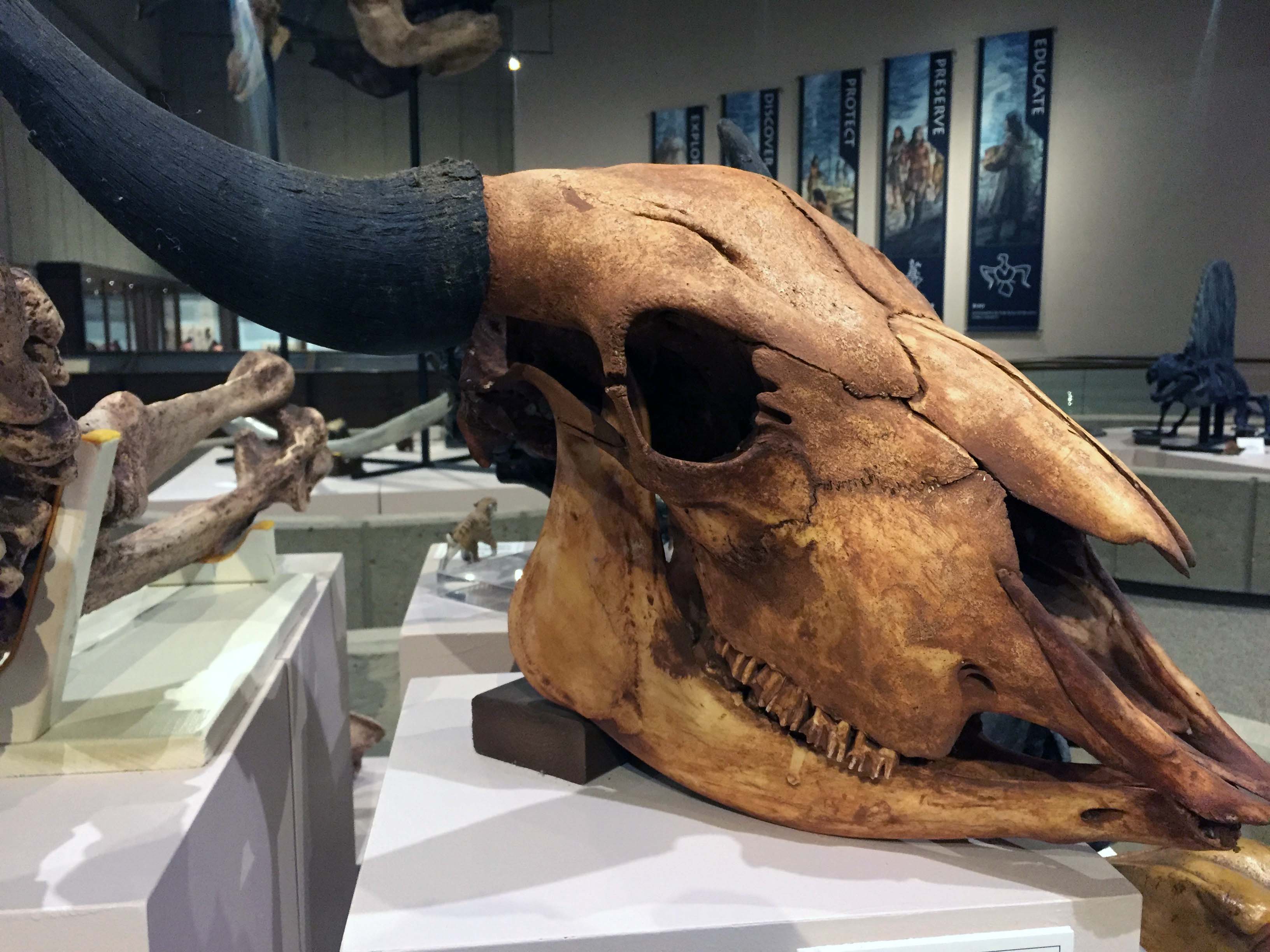
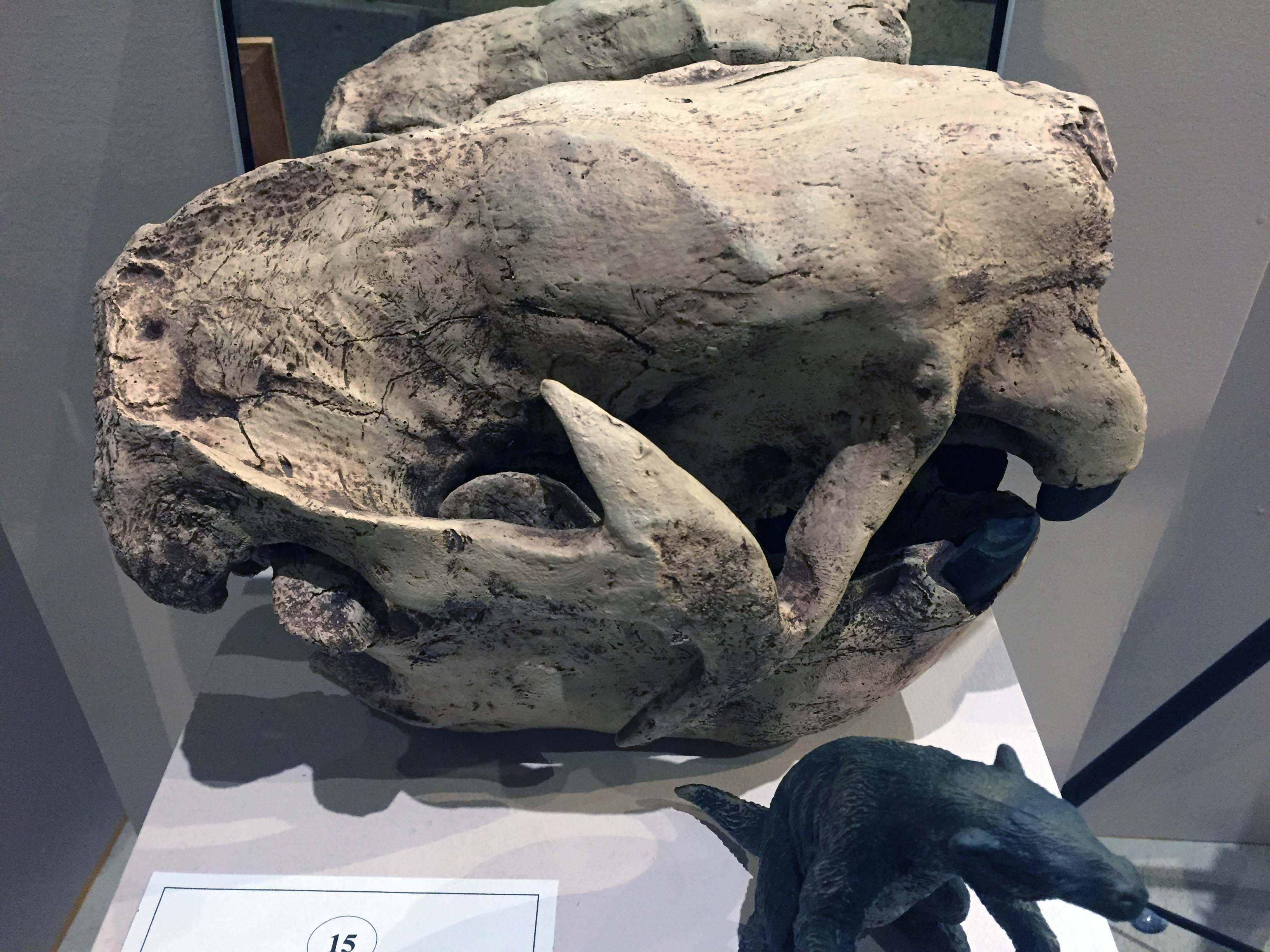
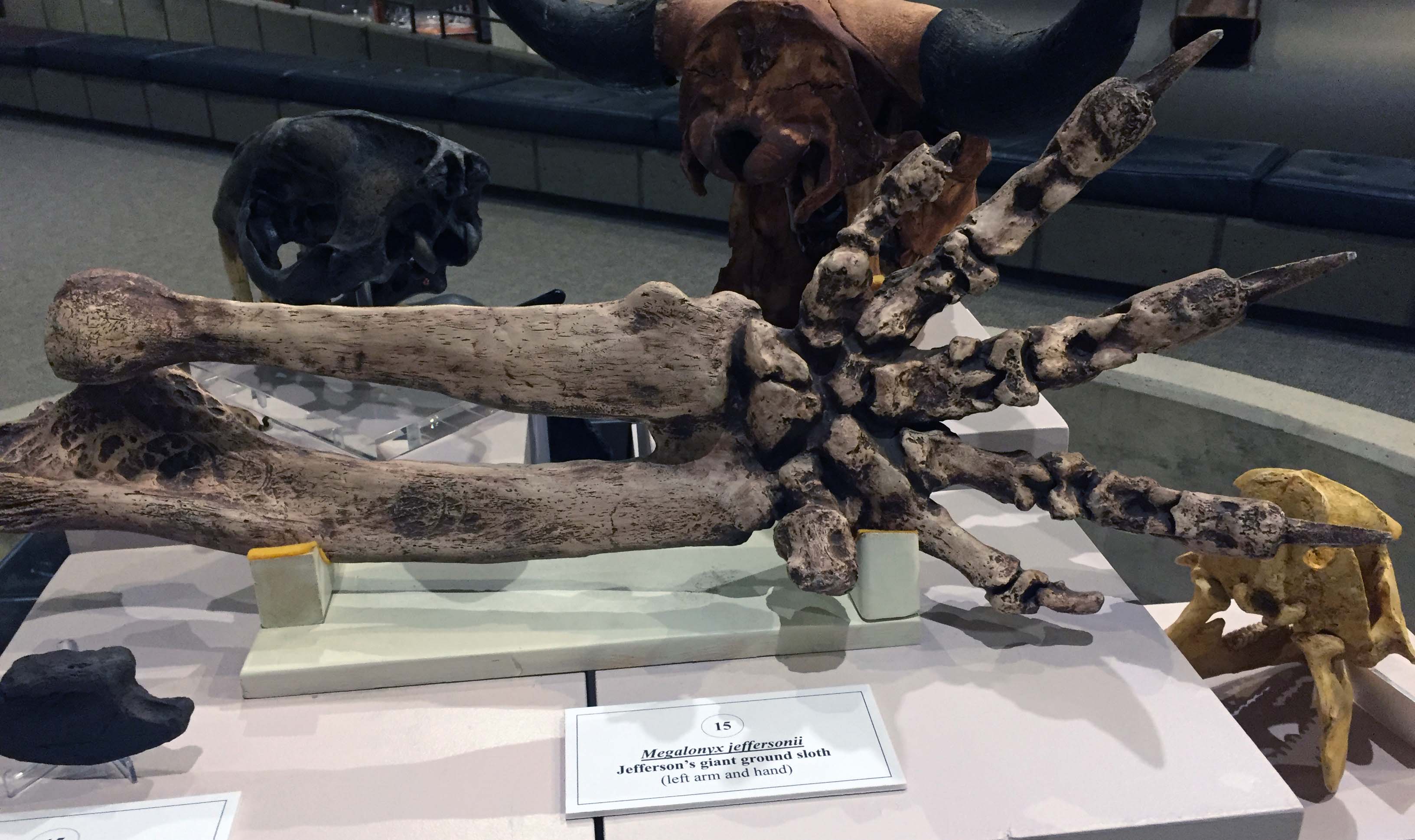
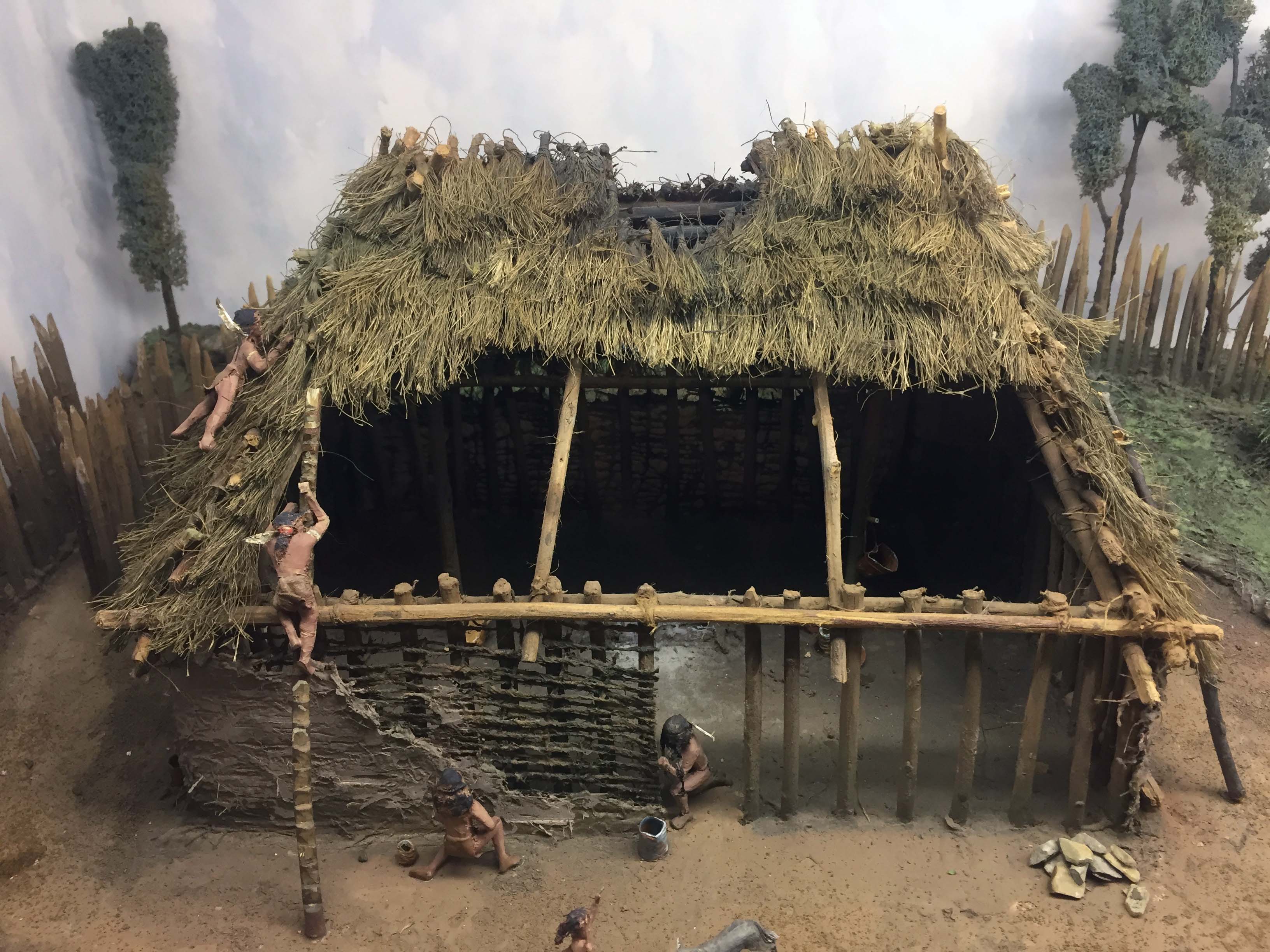
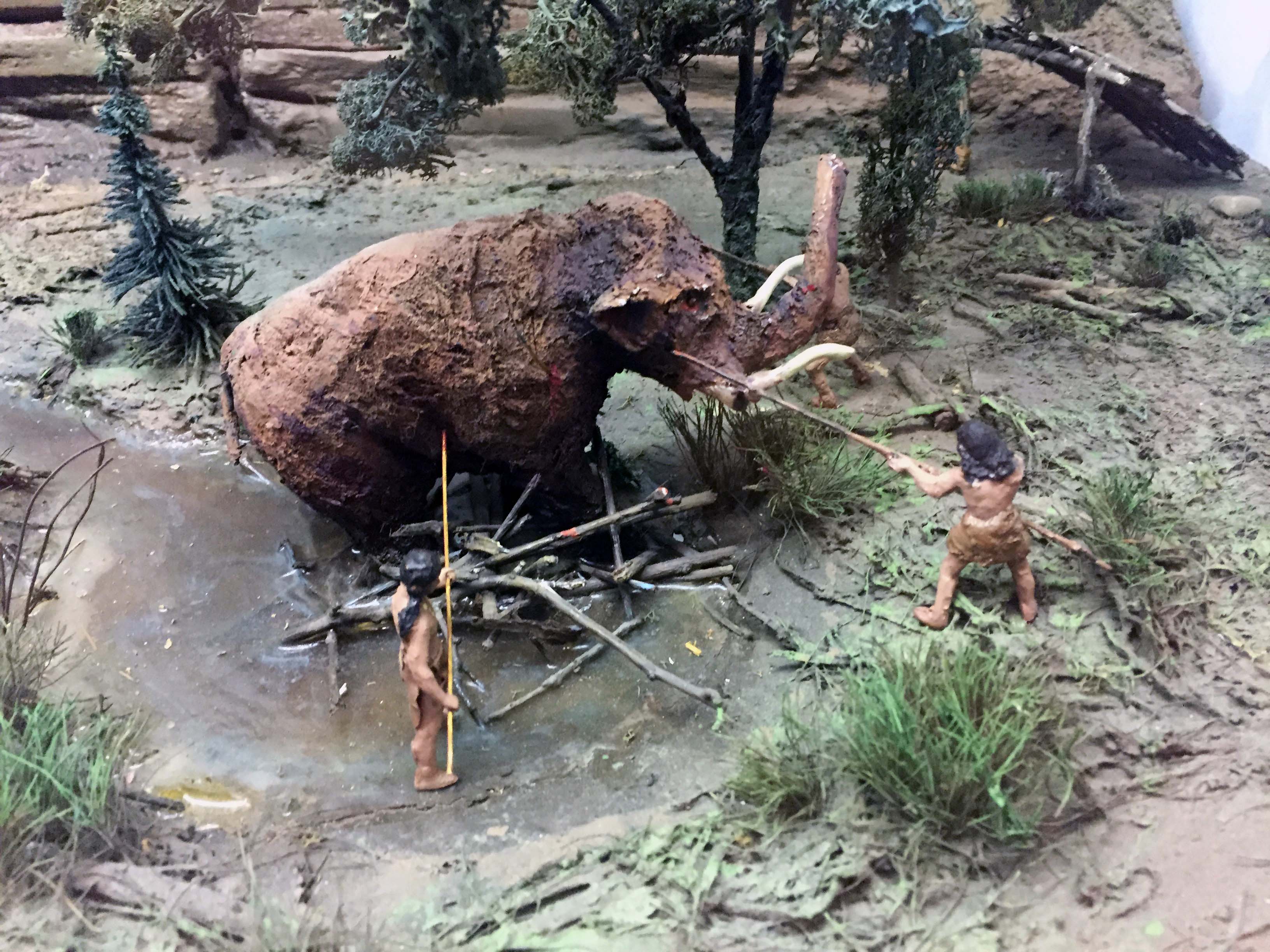
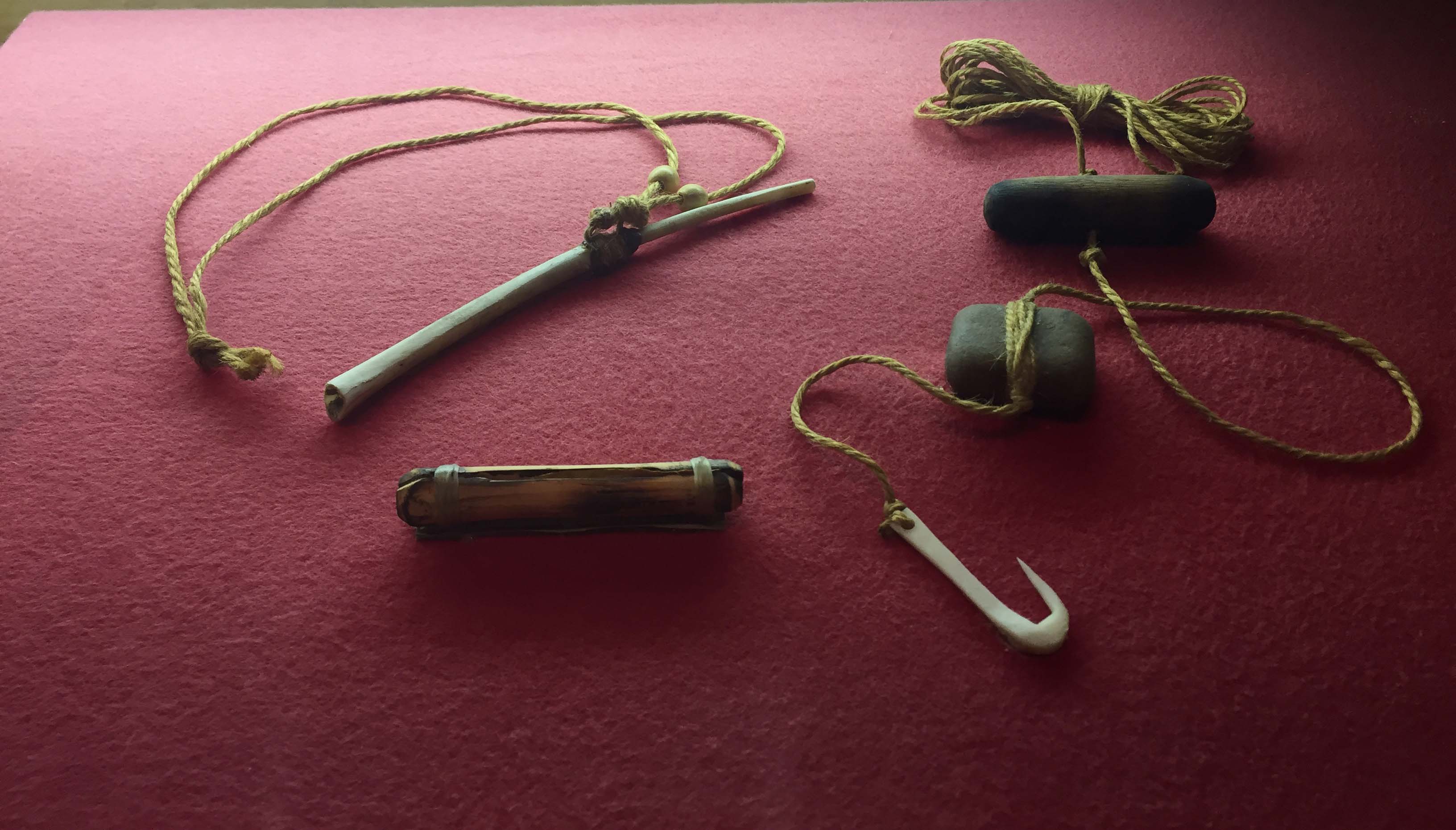
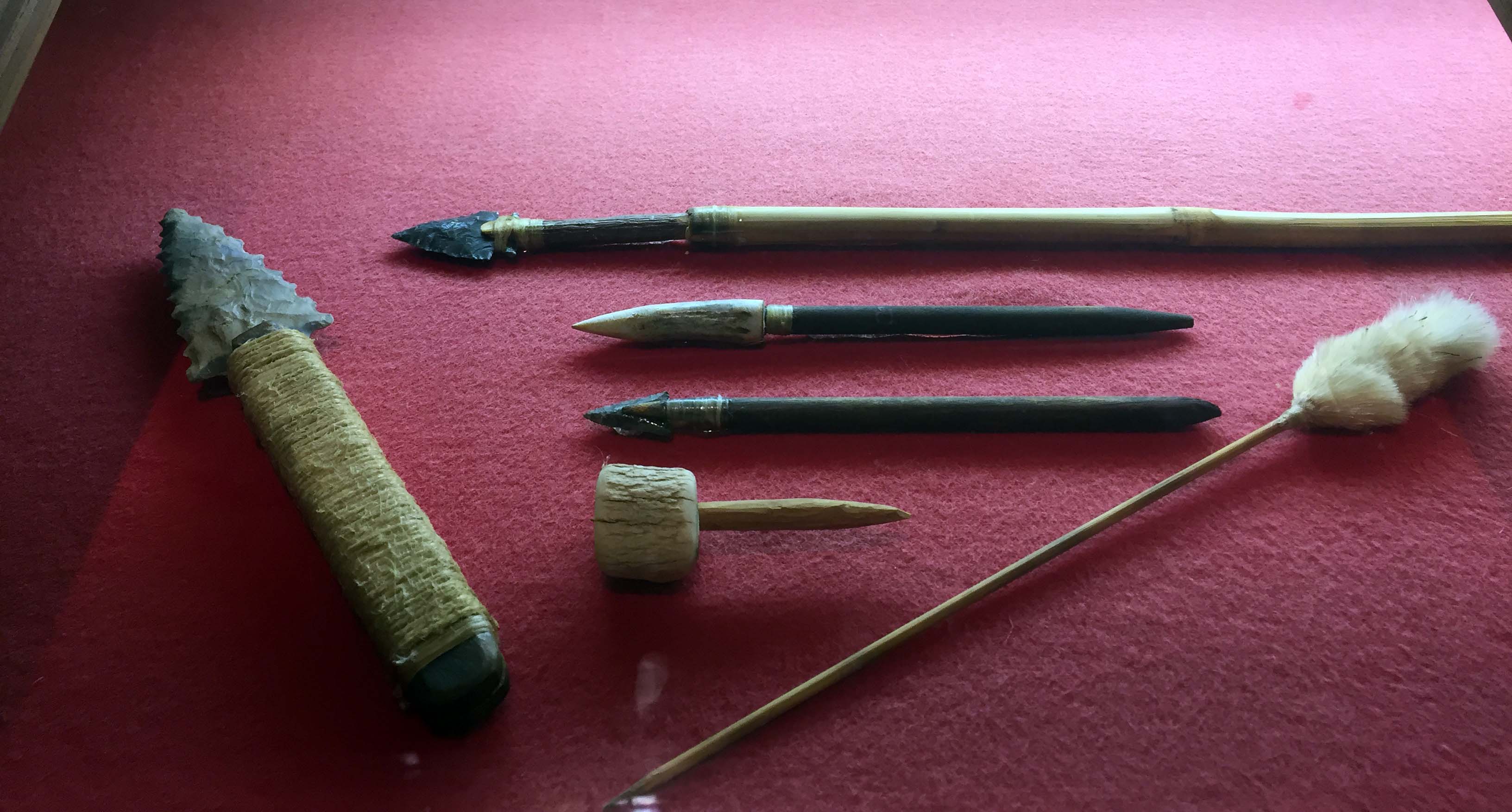
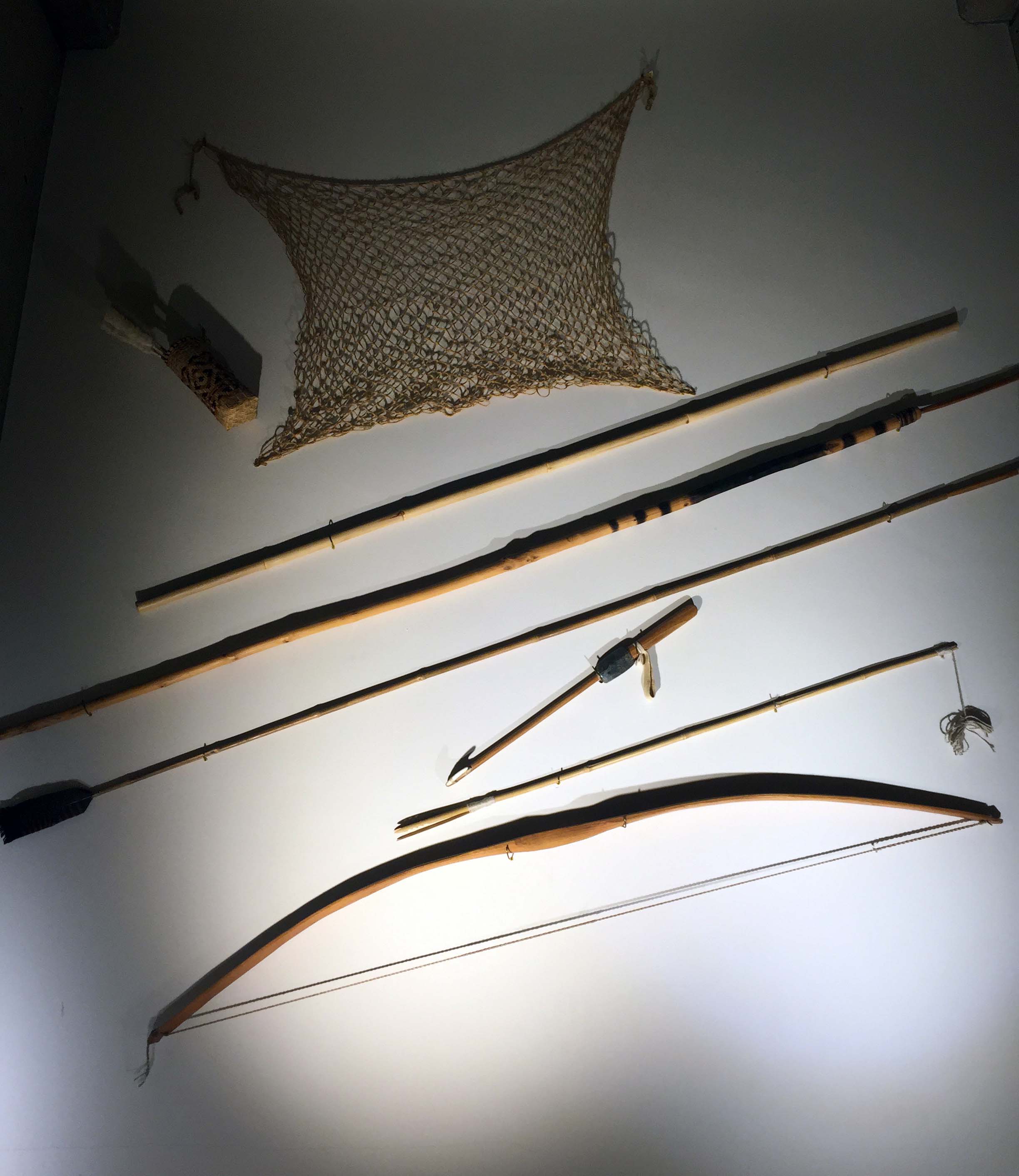
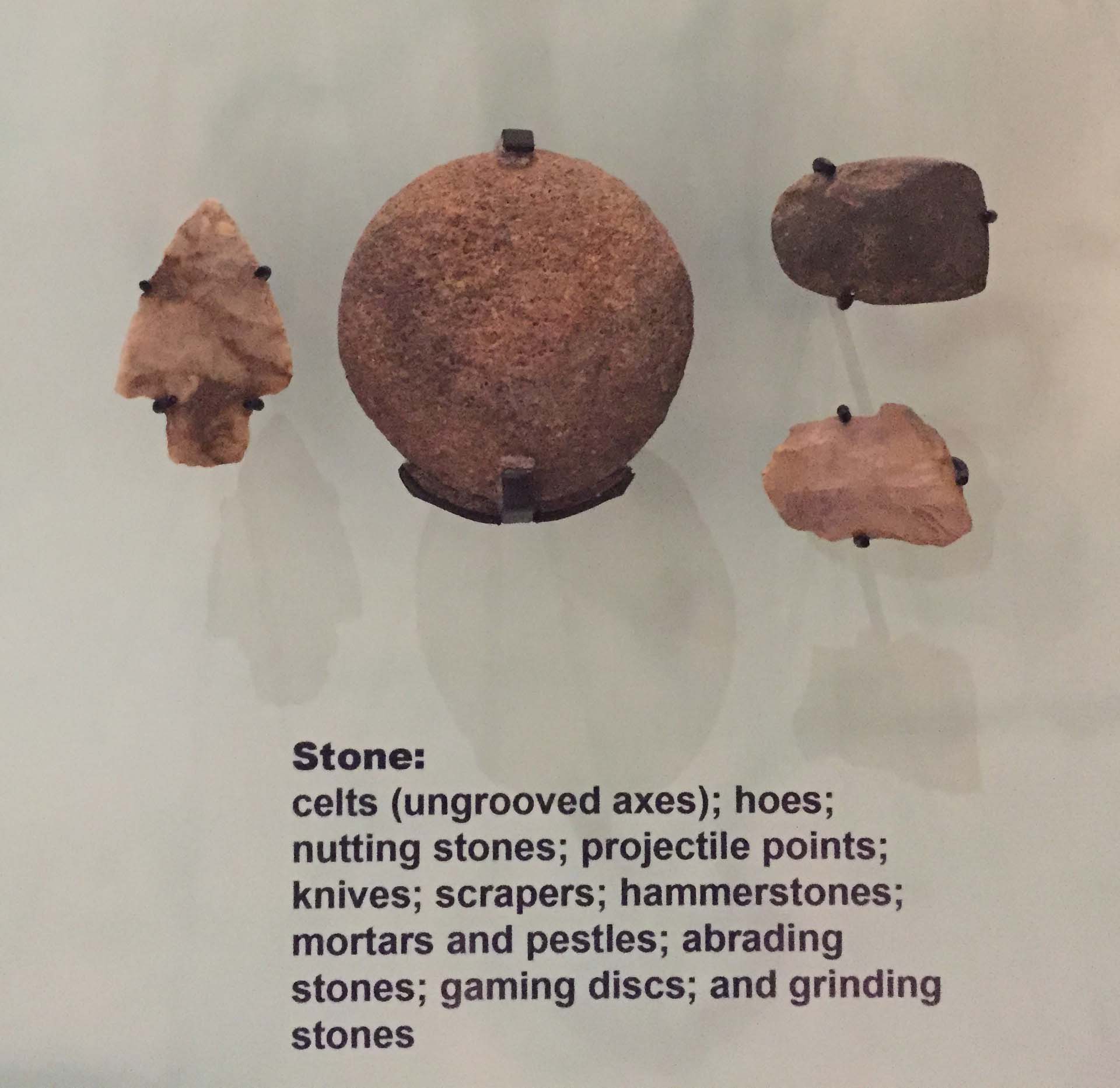
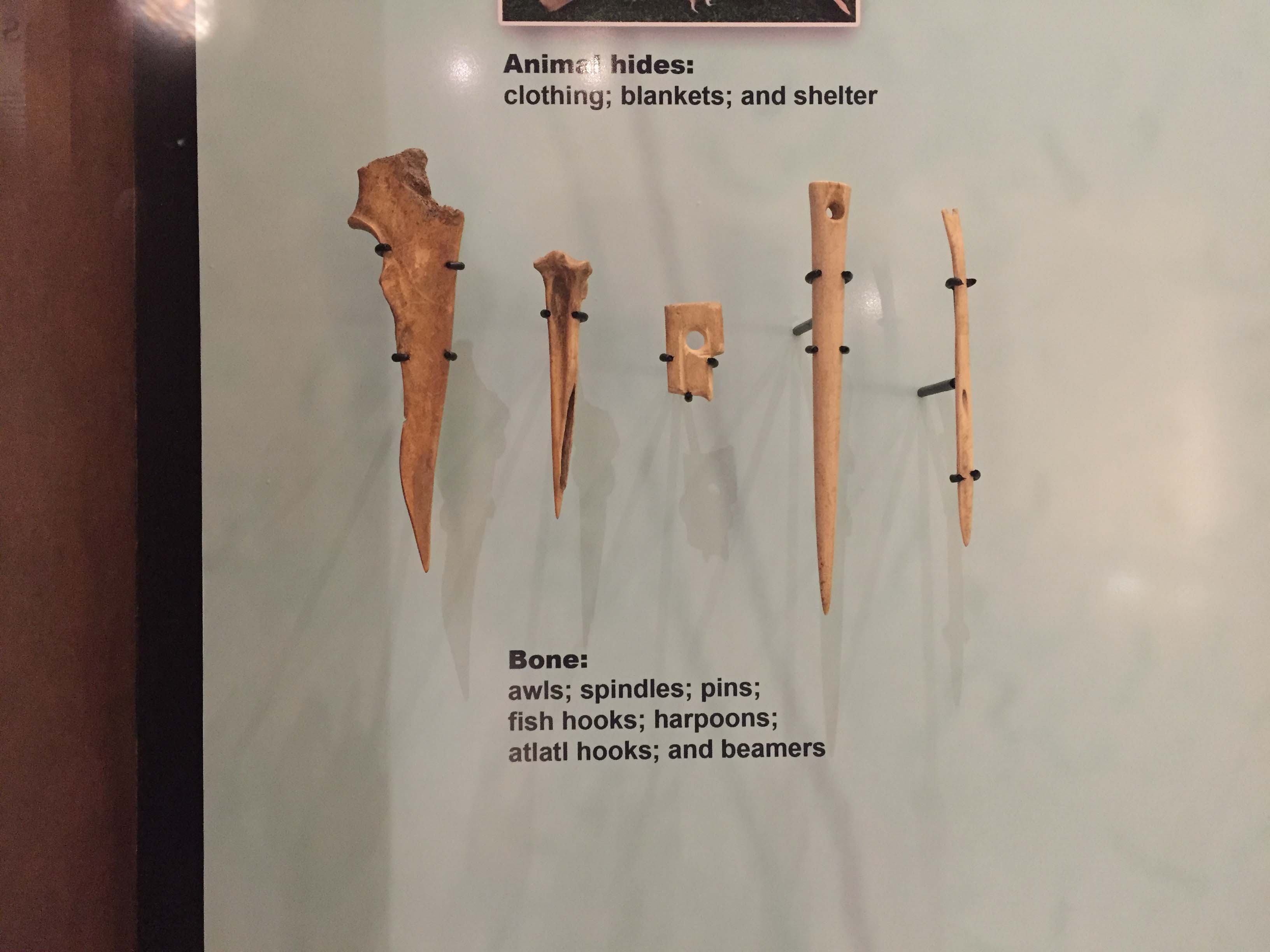
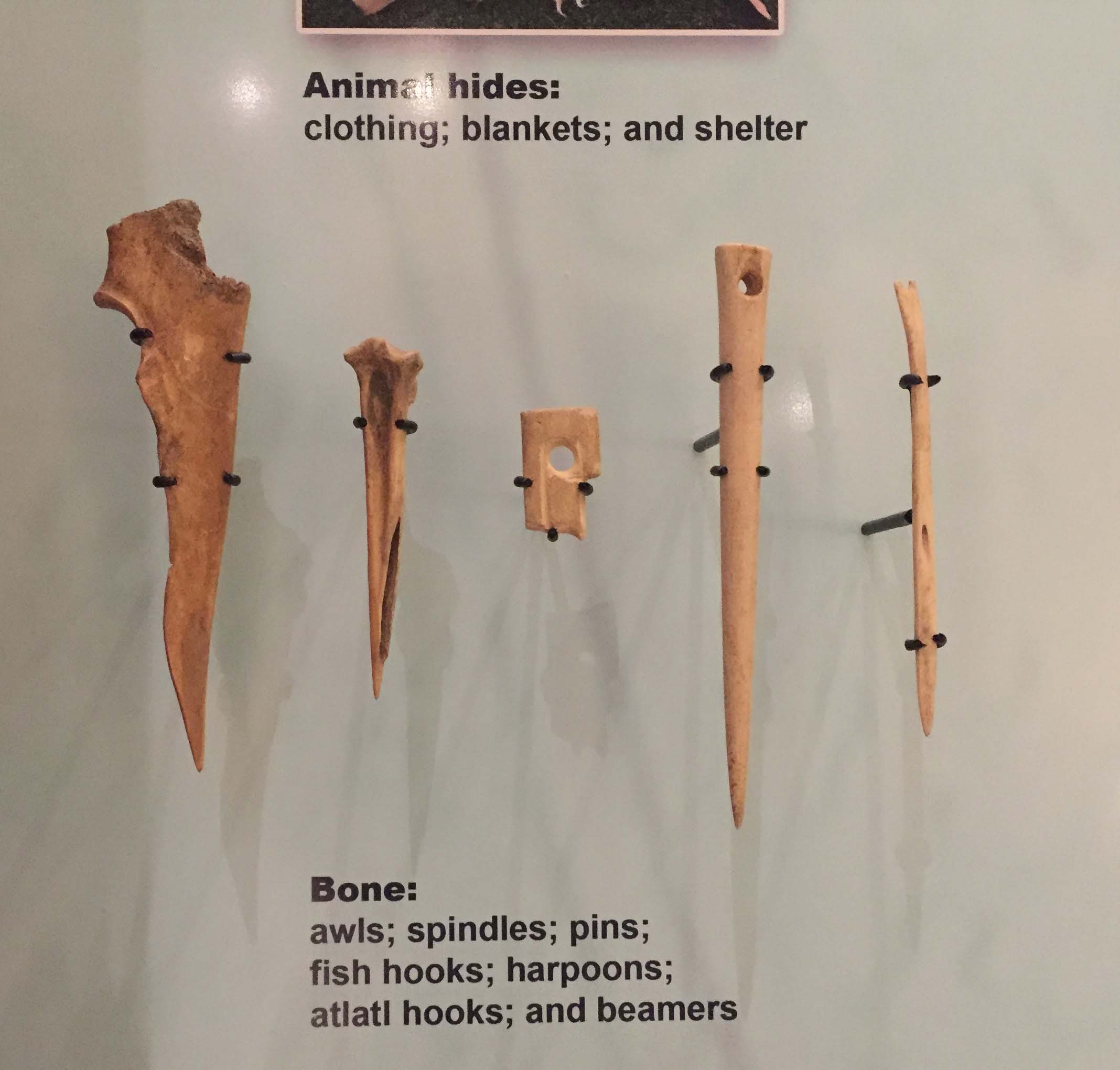
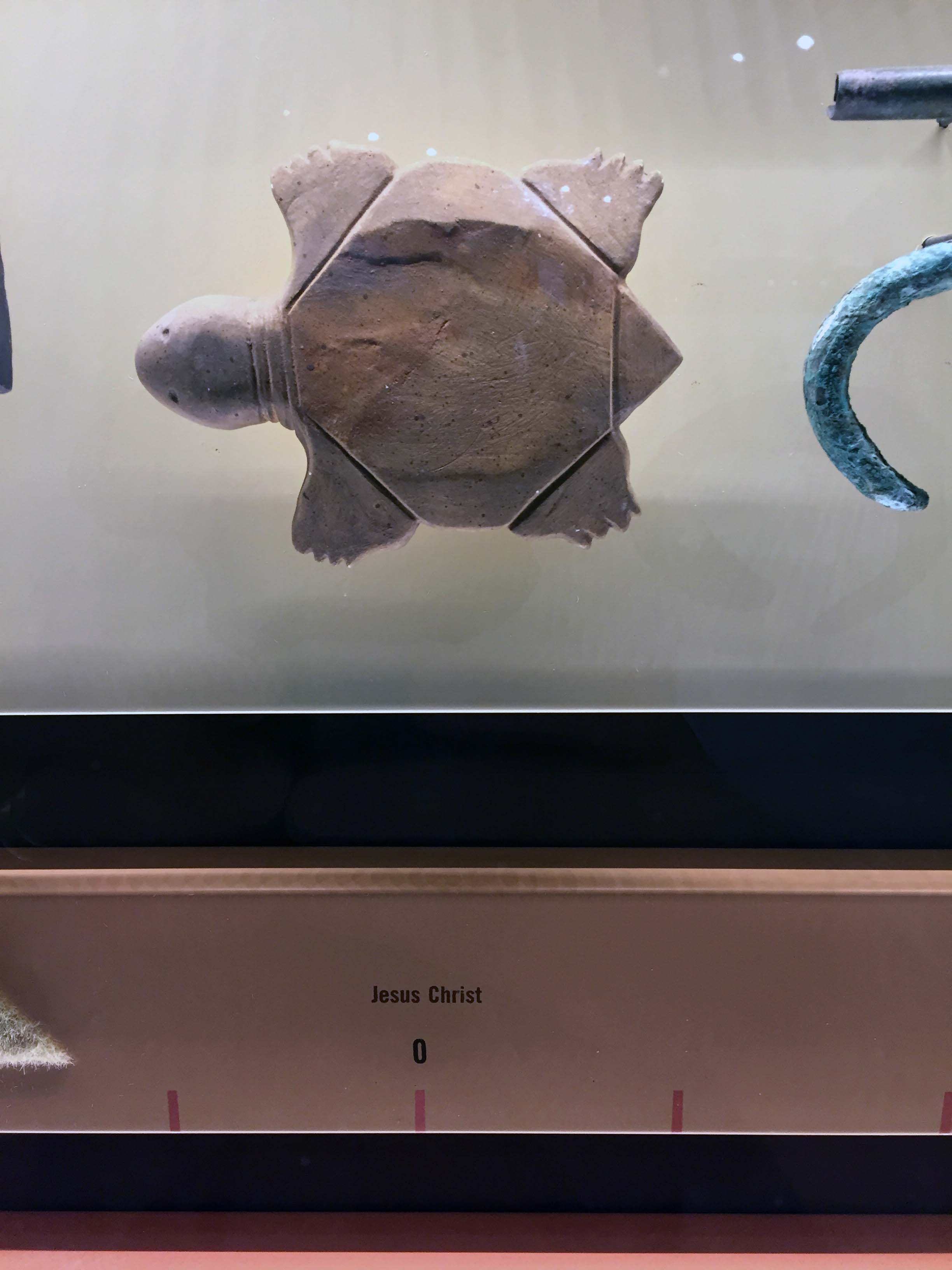
On the site is the Delf Norona Museum, displaying artifacts and interpretations of the Adena Culture. 


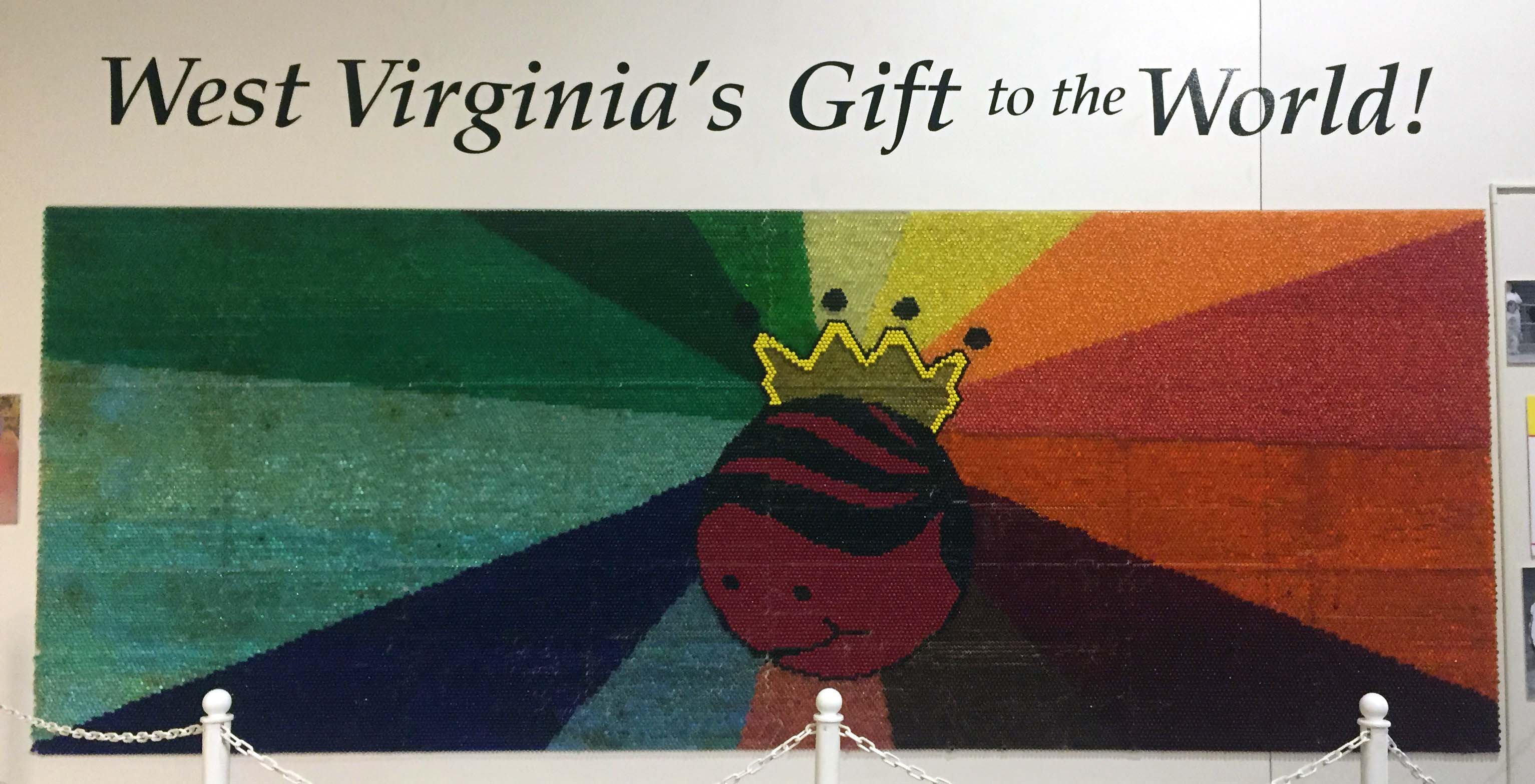
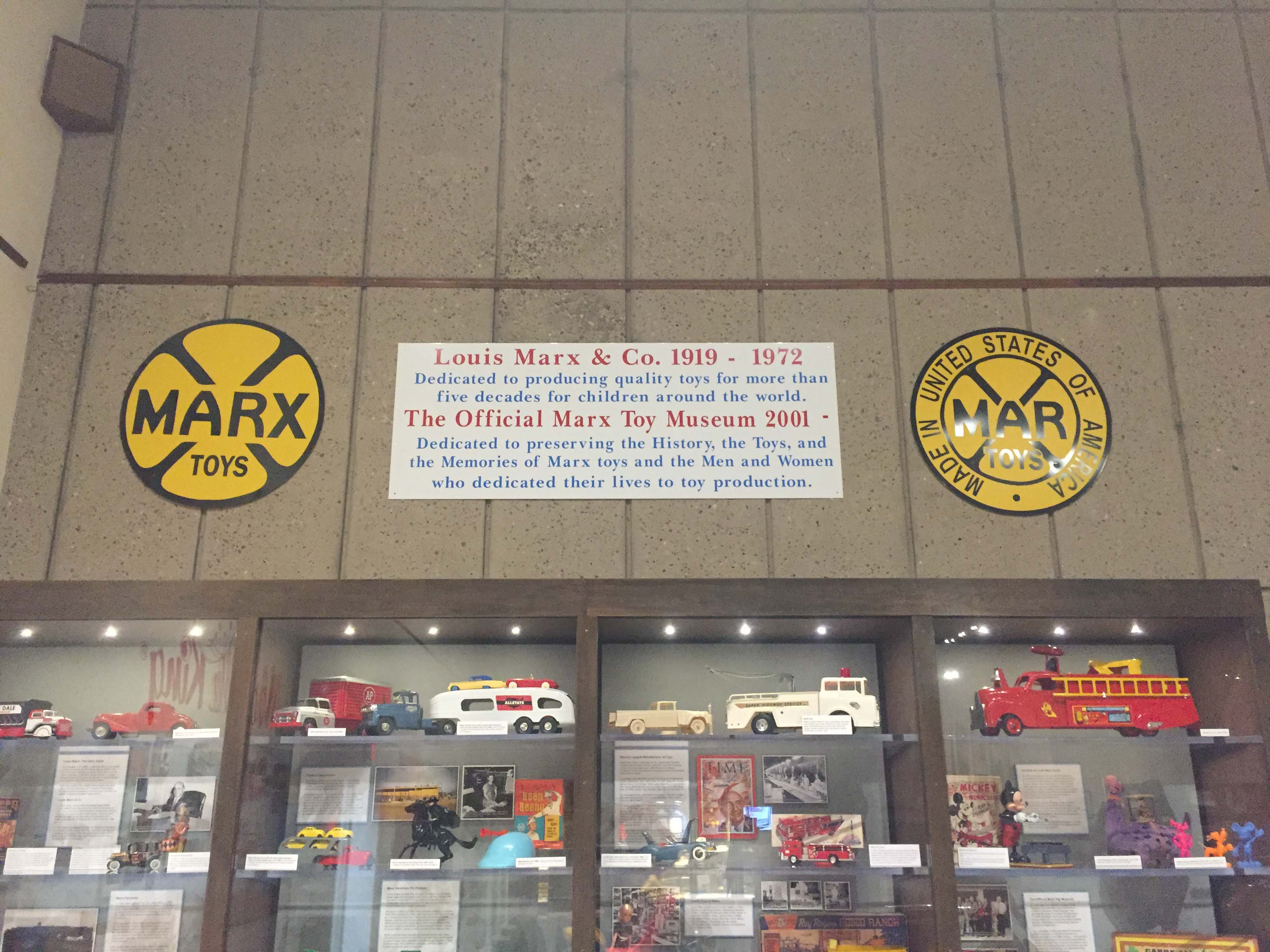
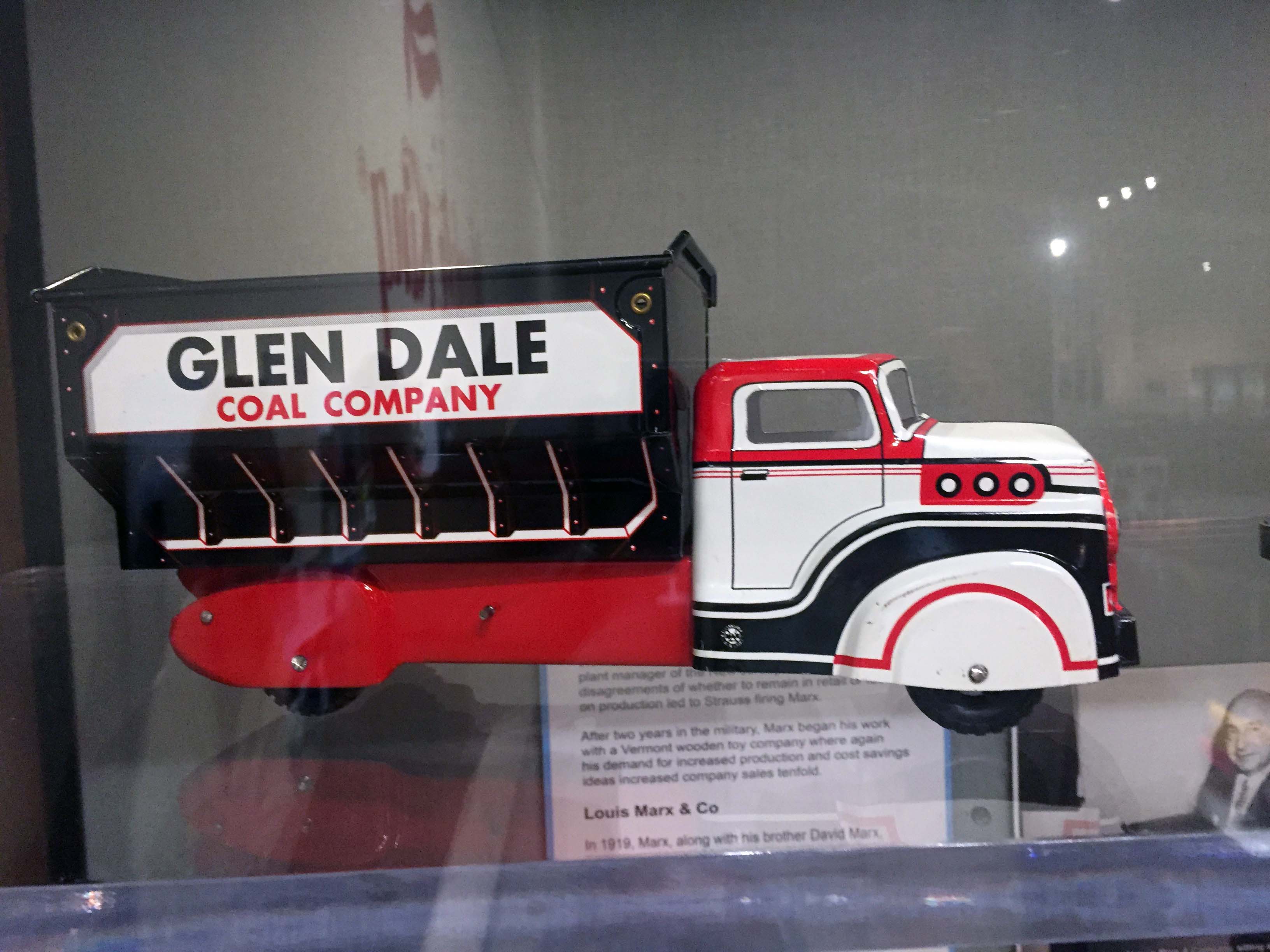
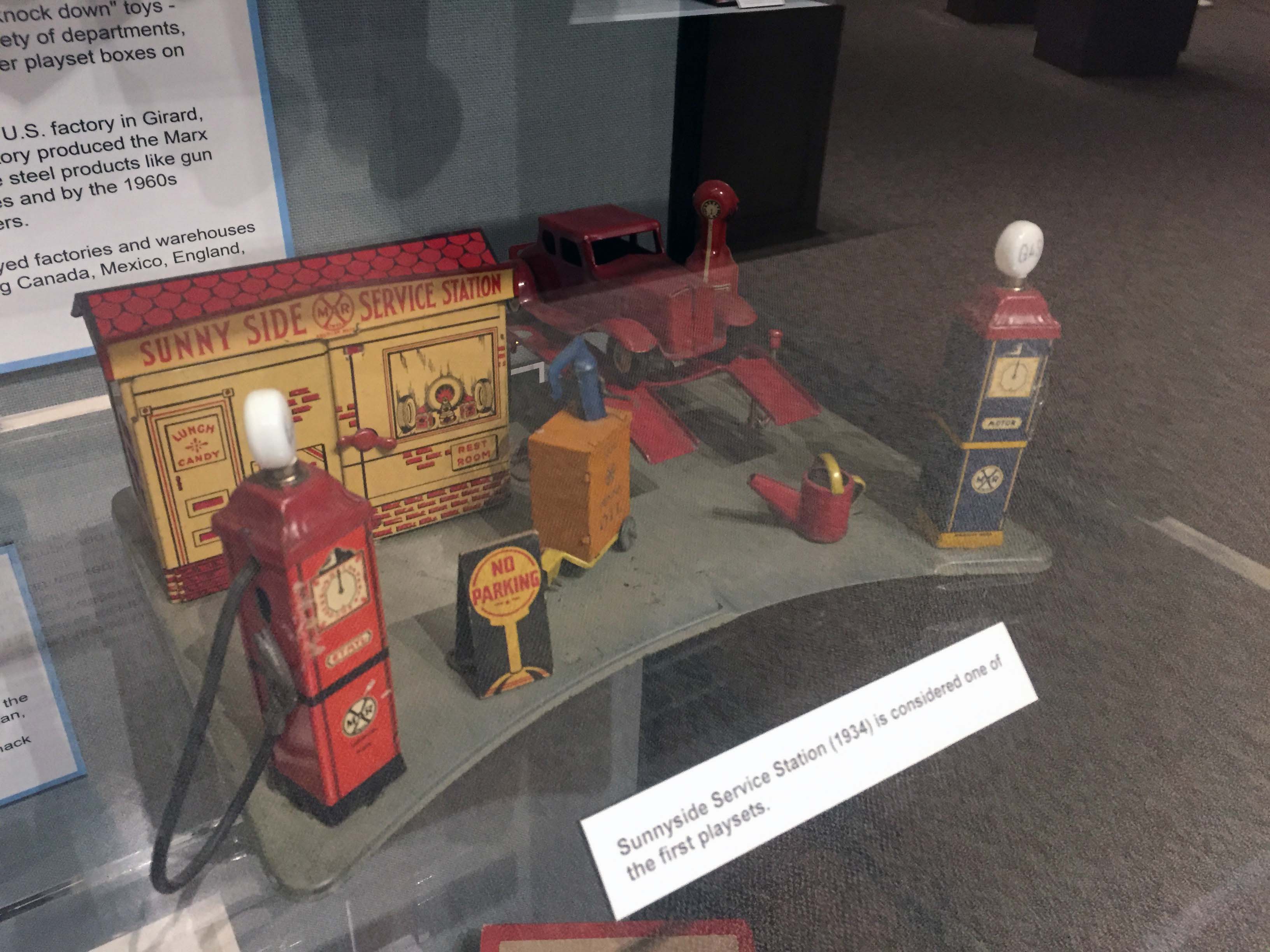
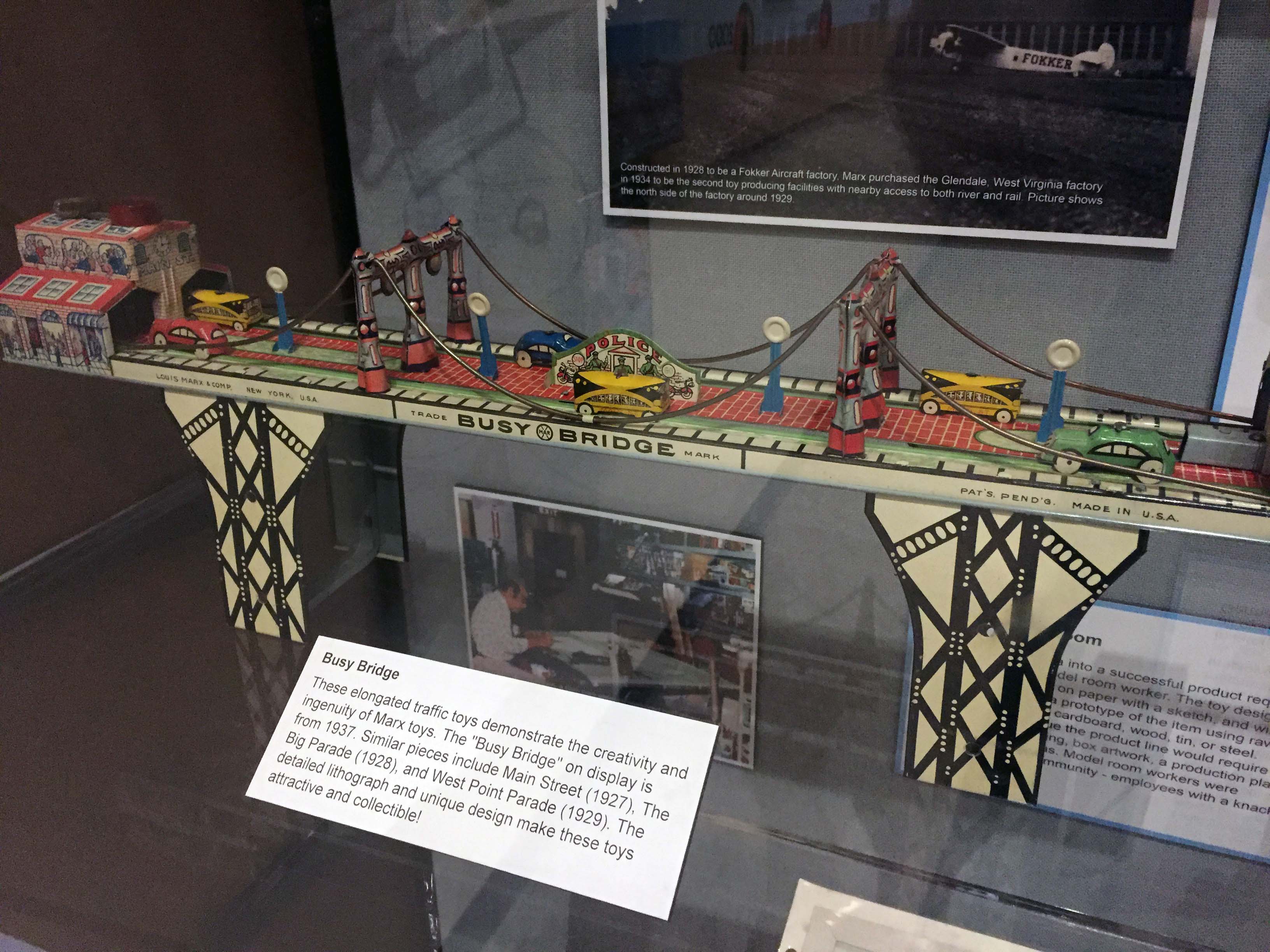
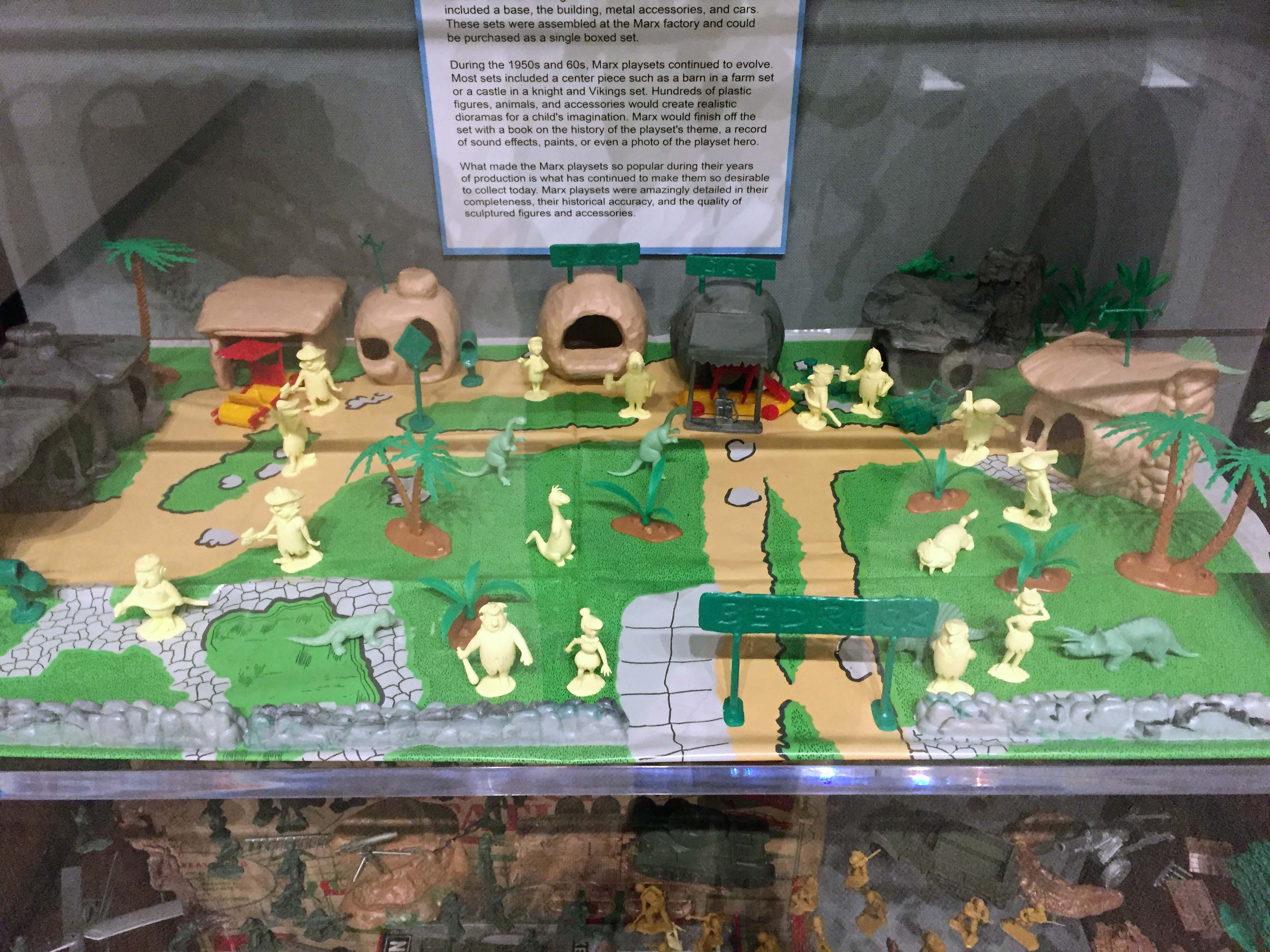
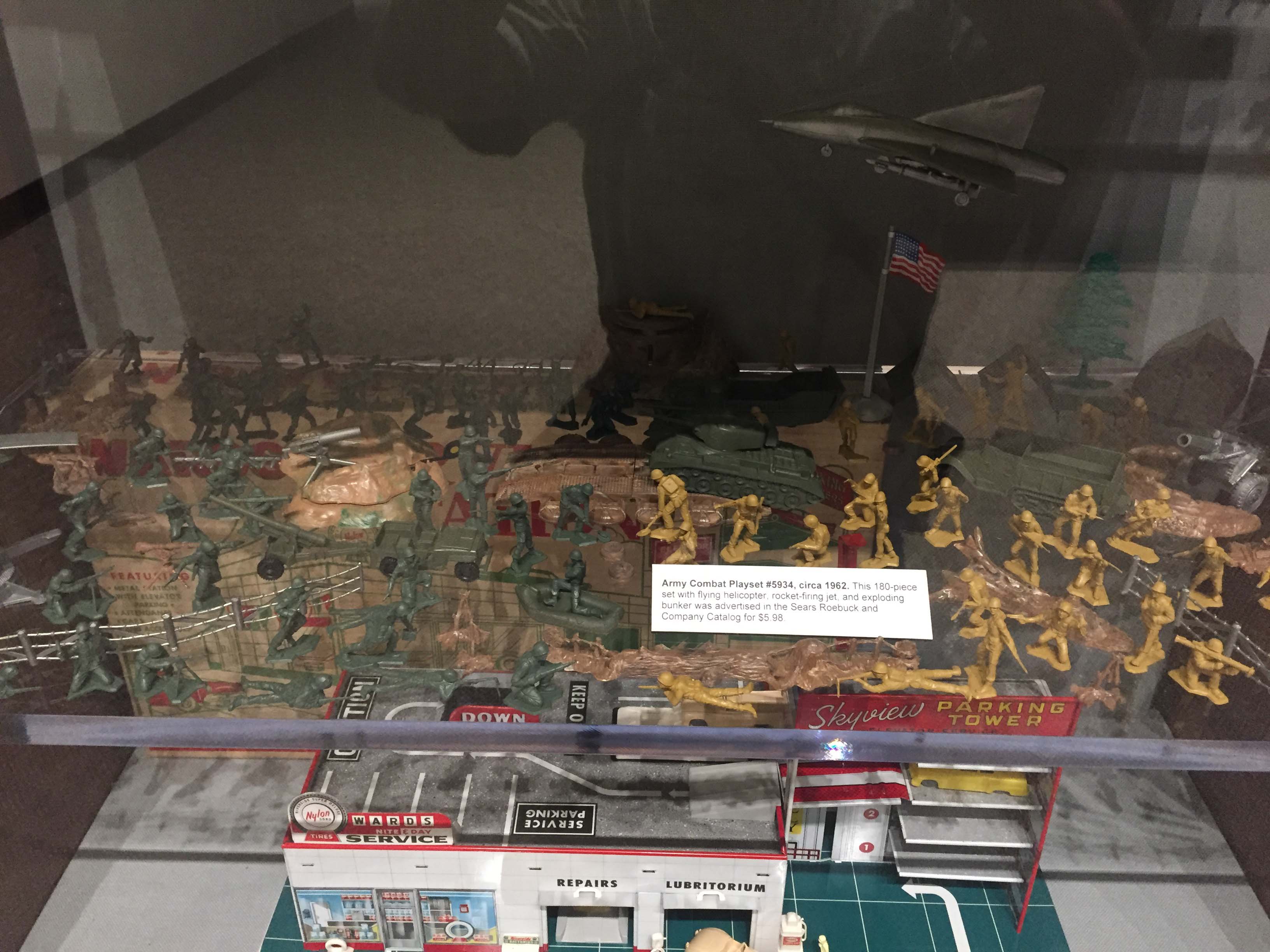
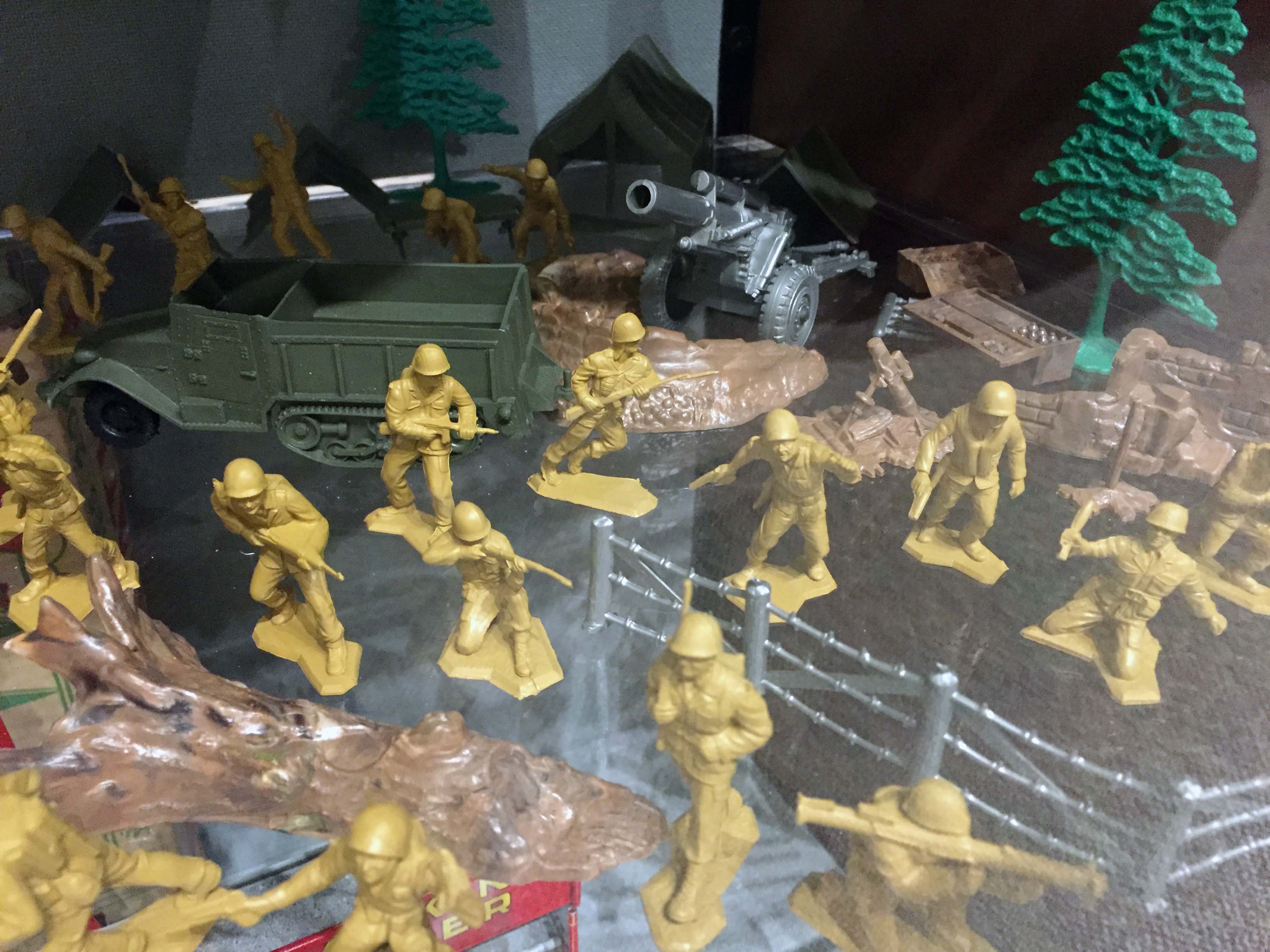
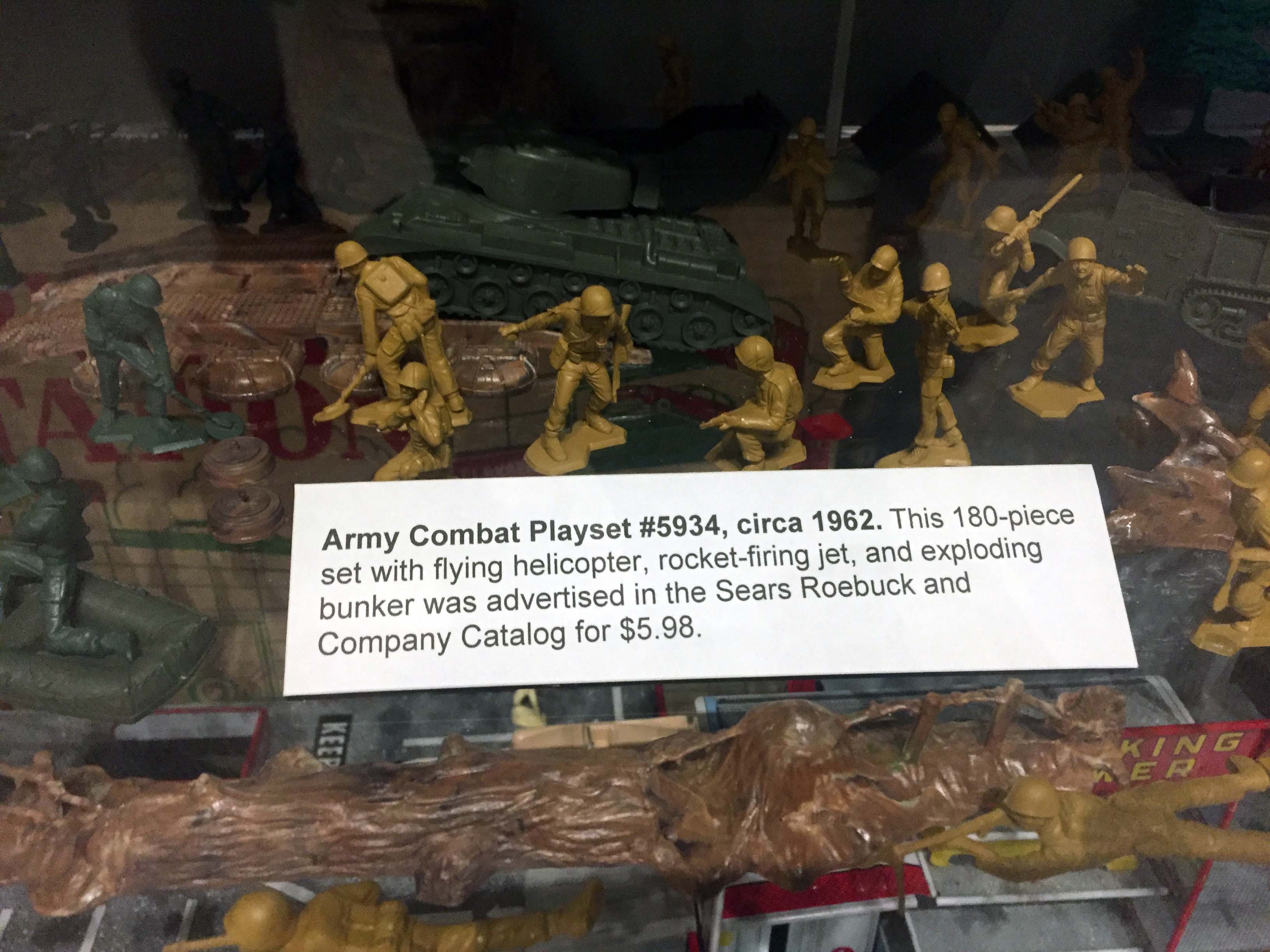
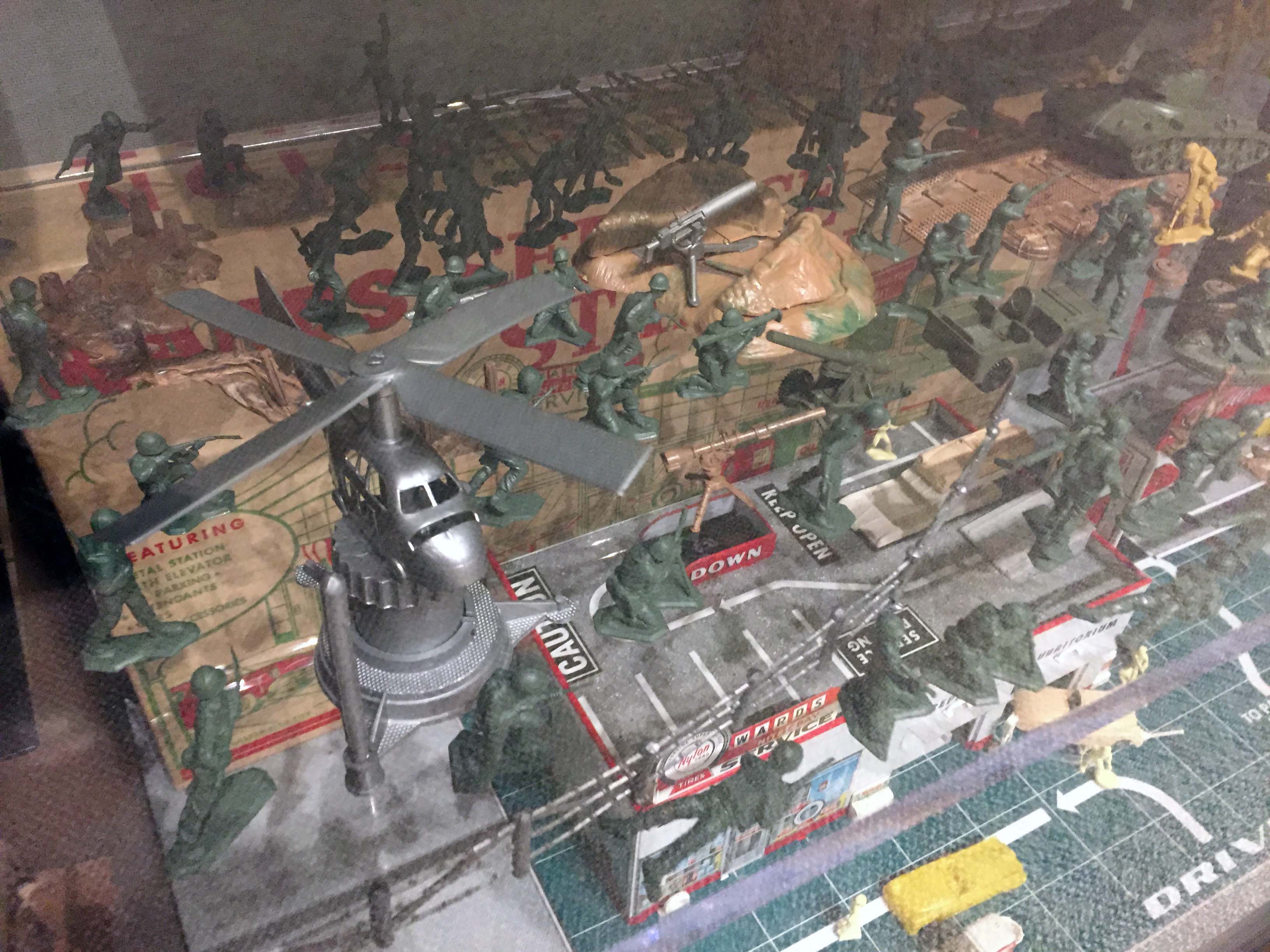
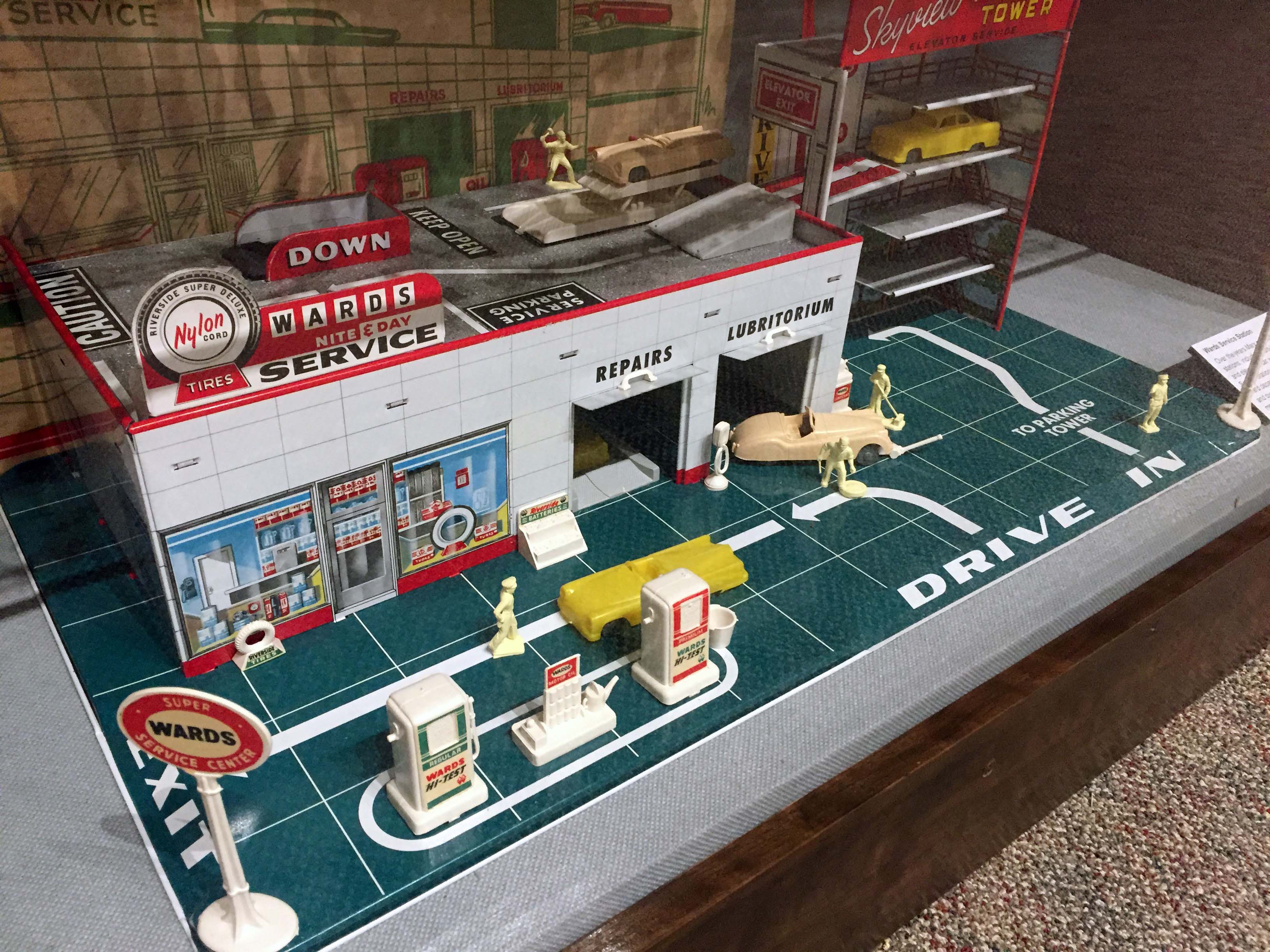
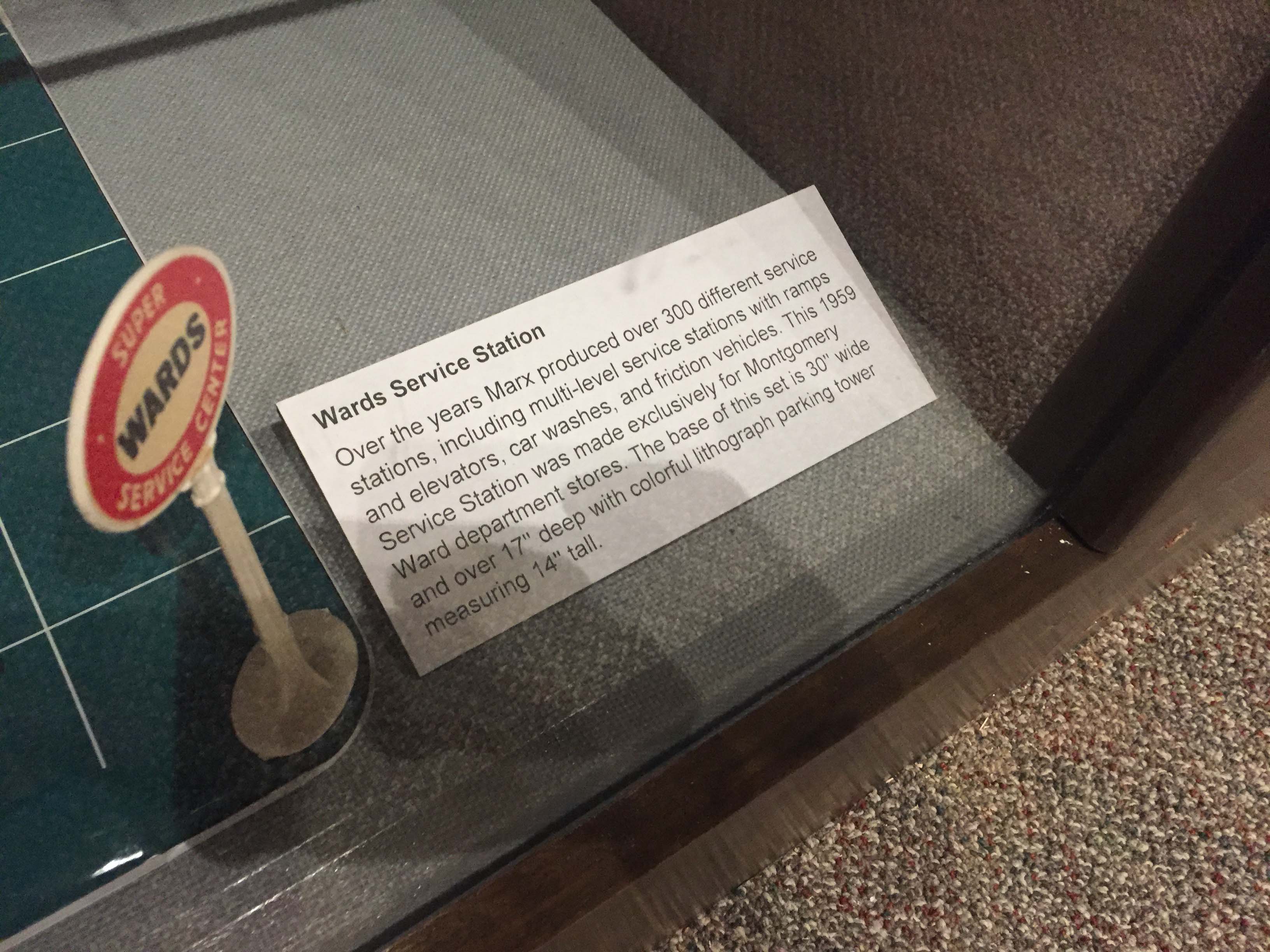
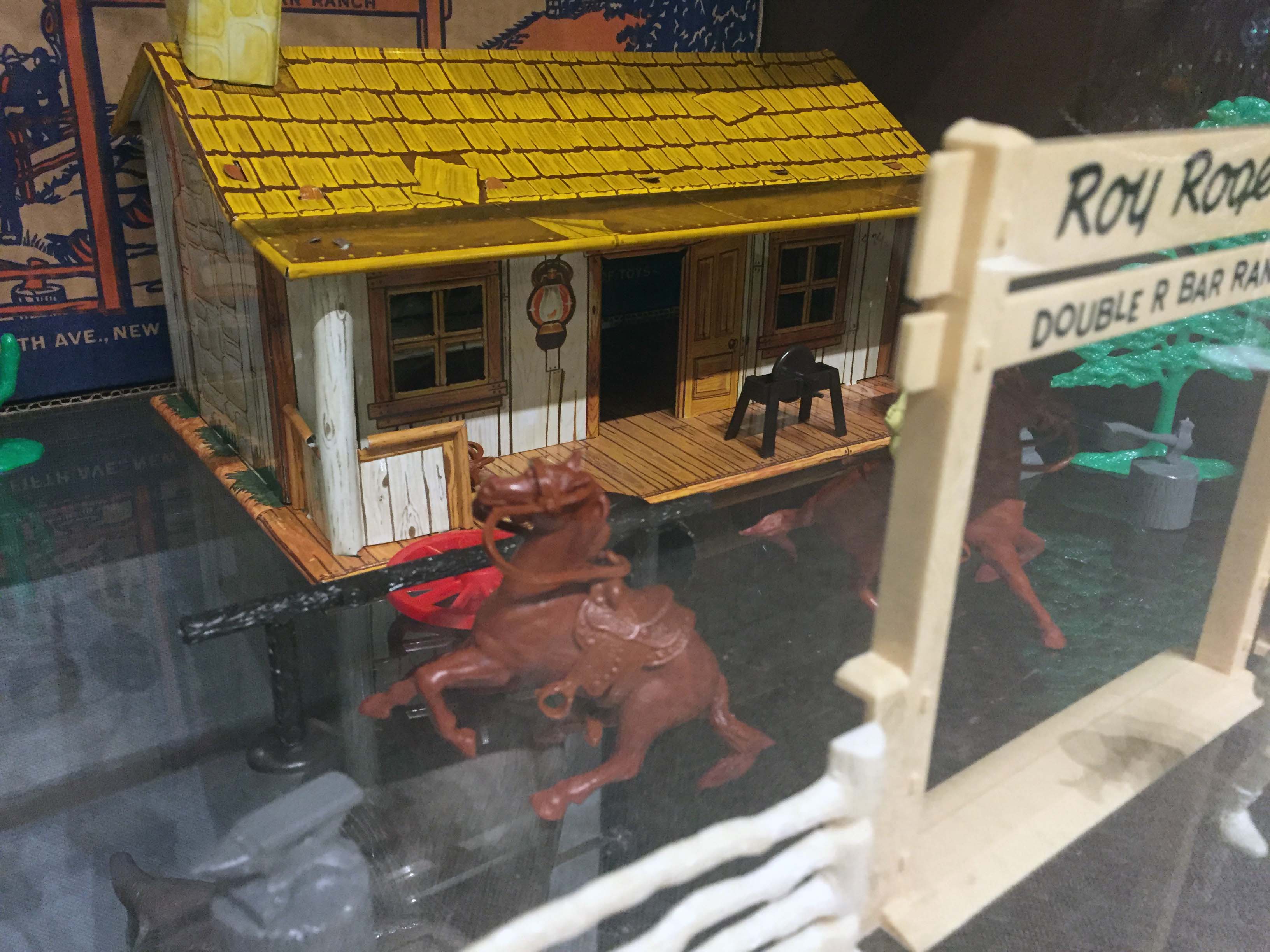
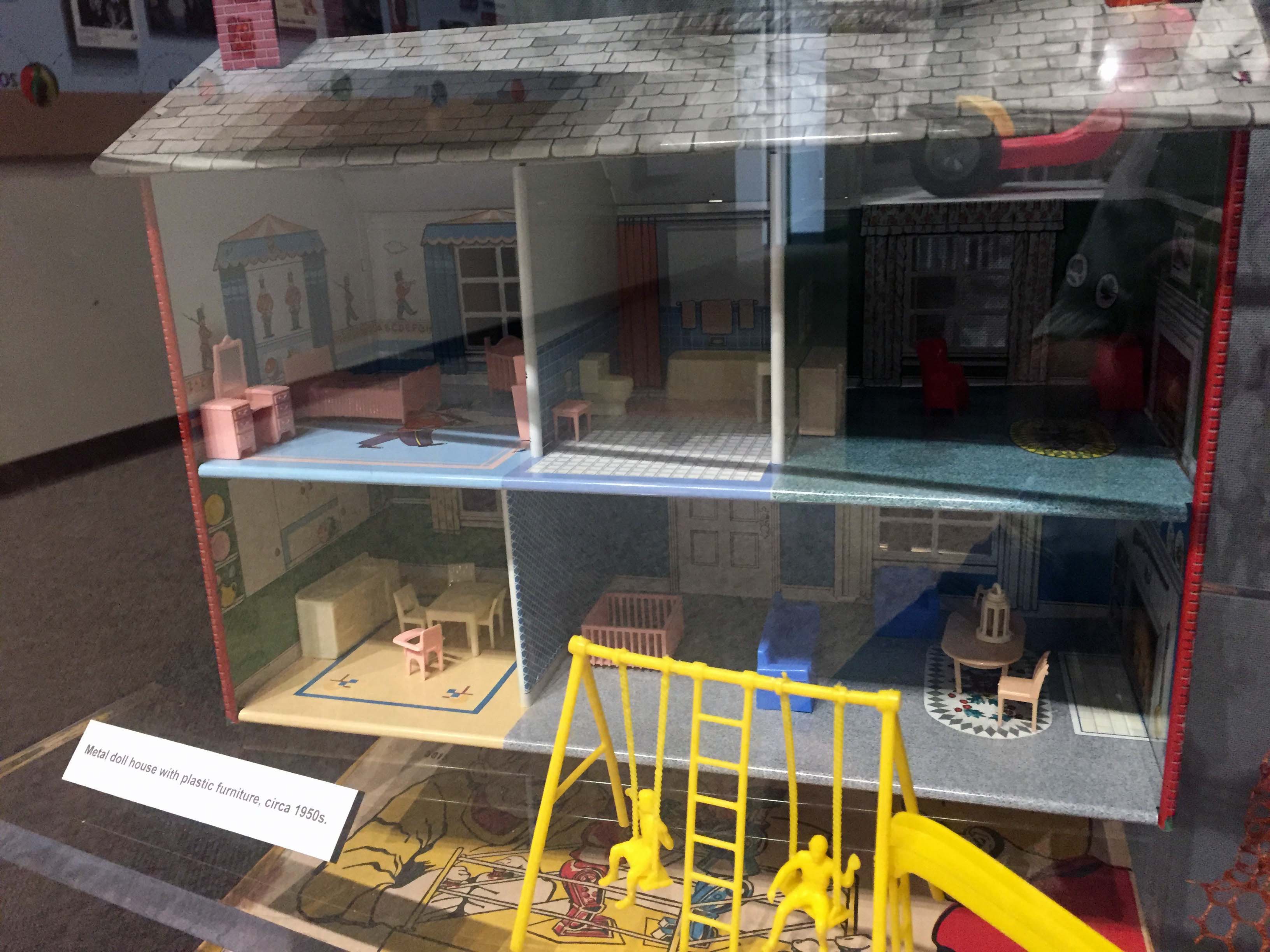
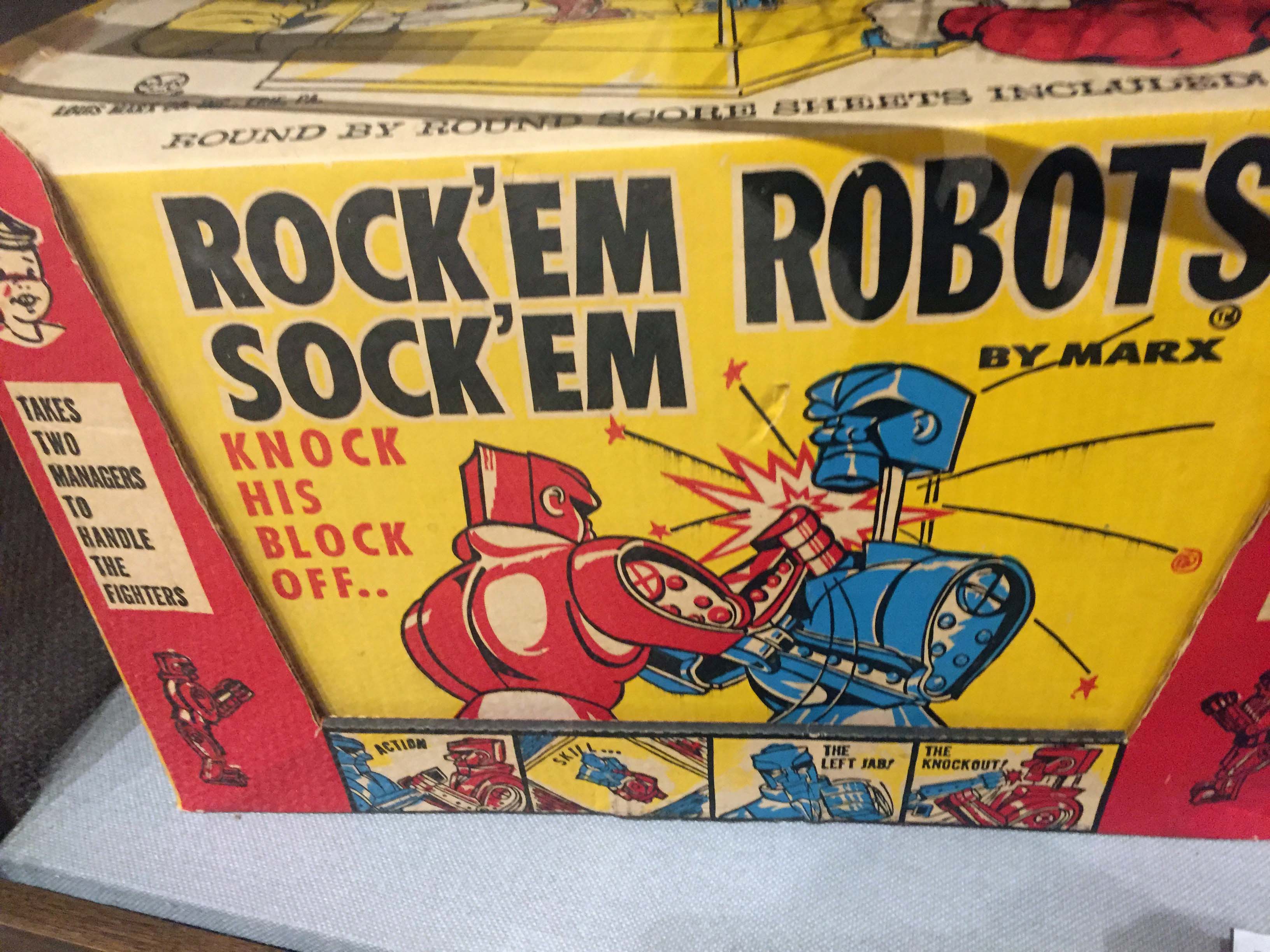
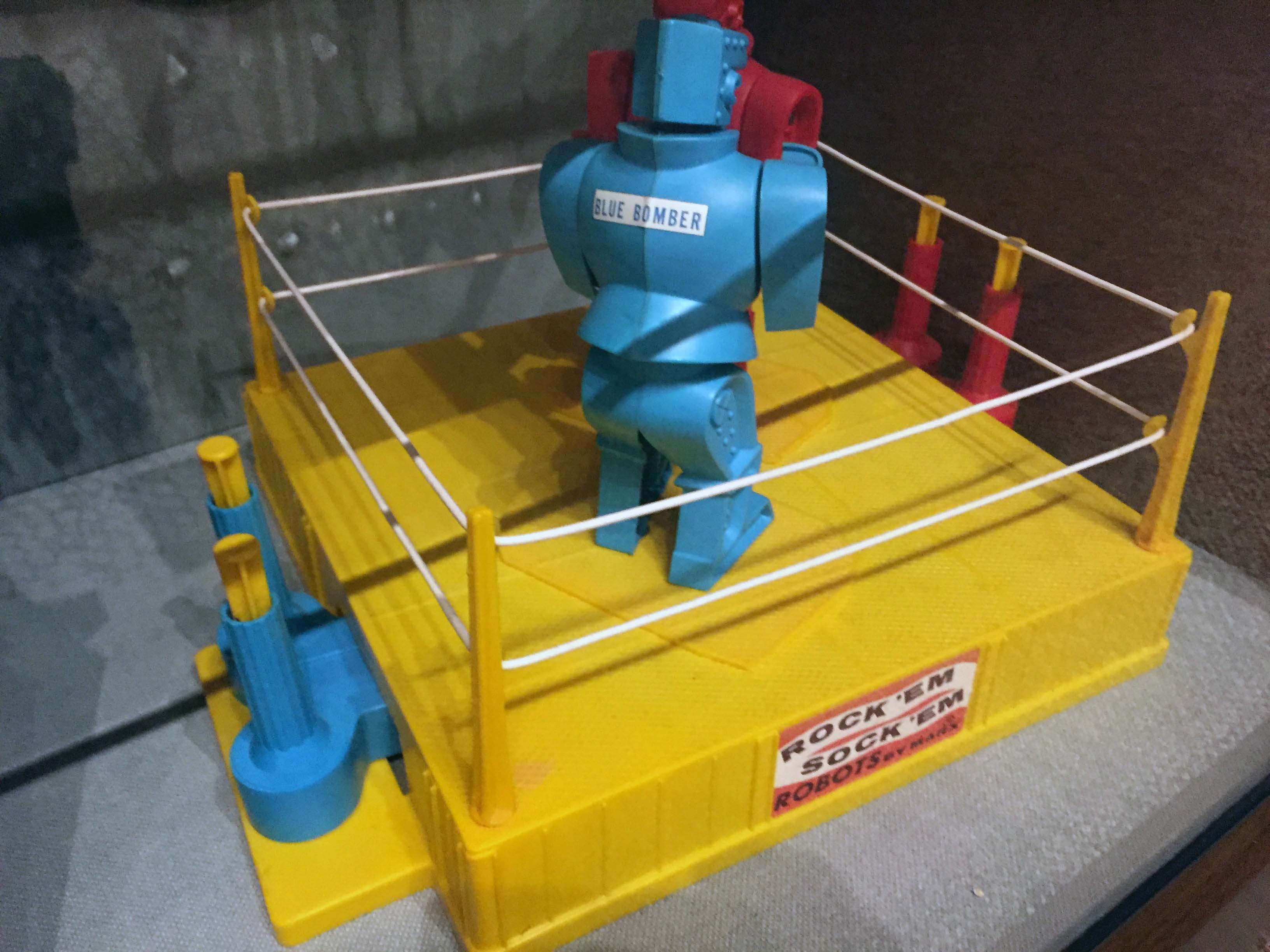
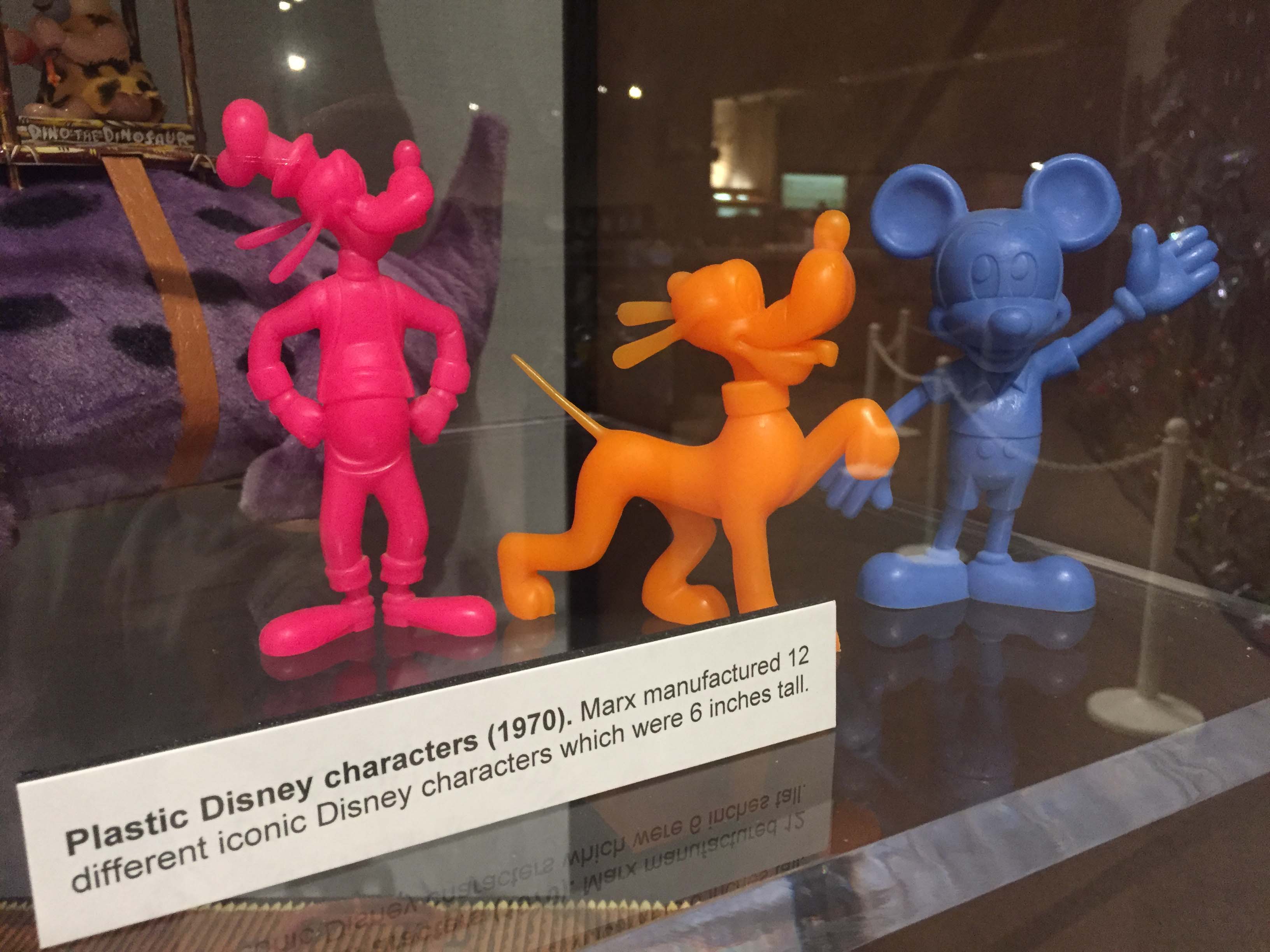
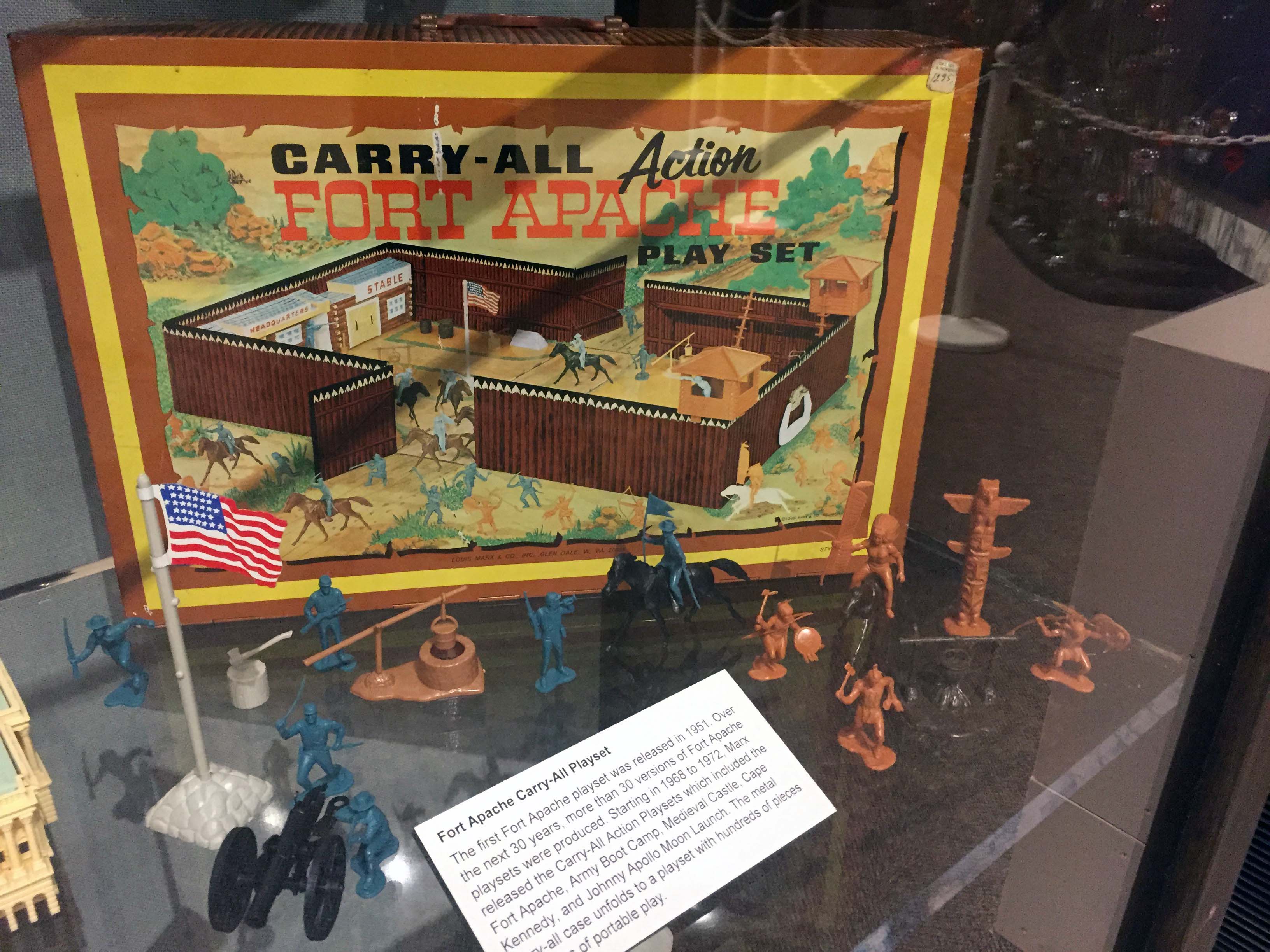
The museum also has great exhibits of the Marble King company, and Marx Toys, which had factories in the area.


Love this marble mural!


A side perspective of the marble mural


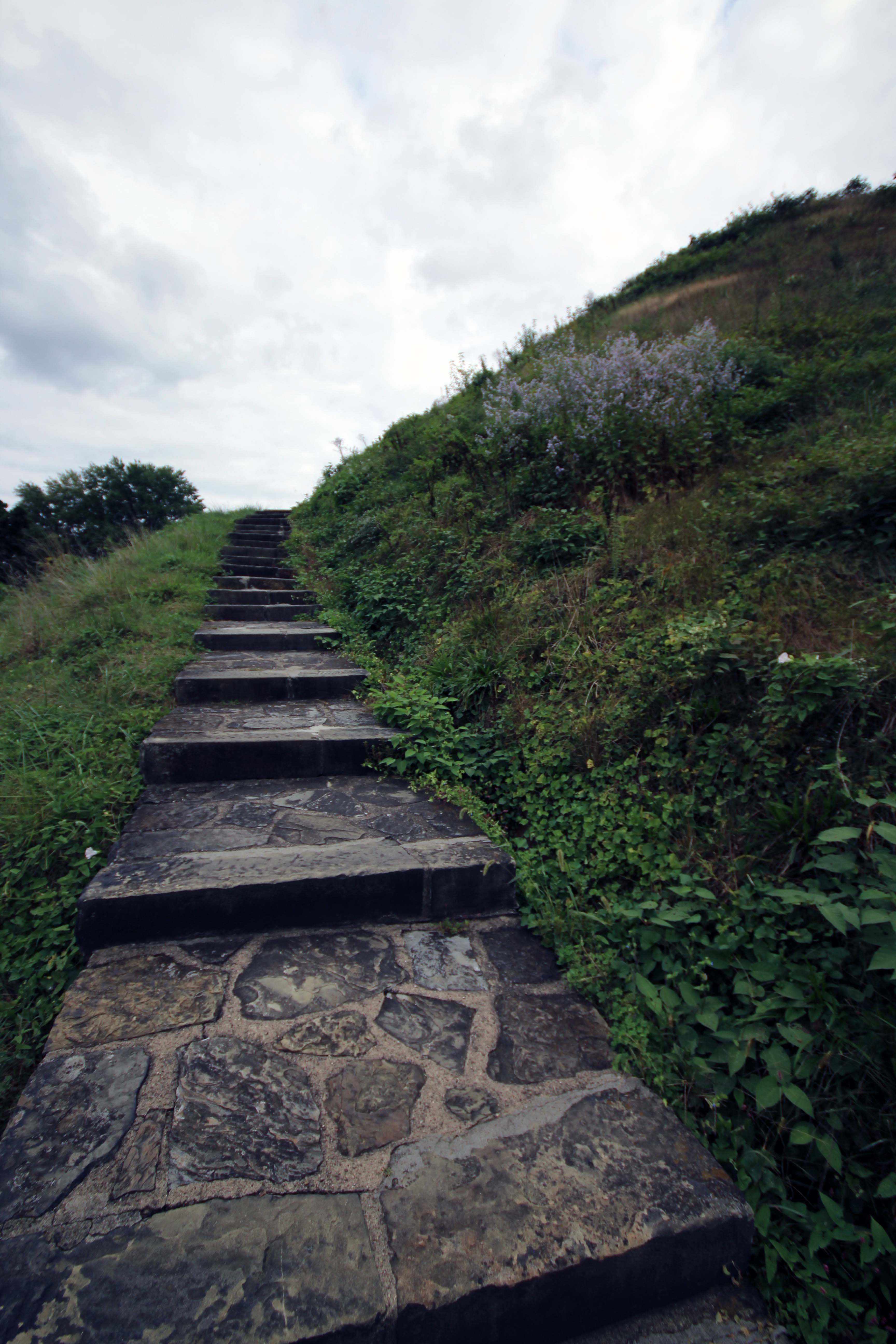
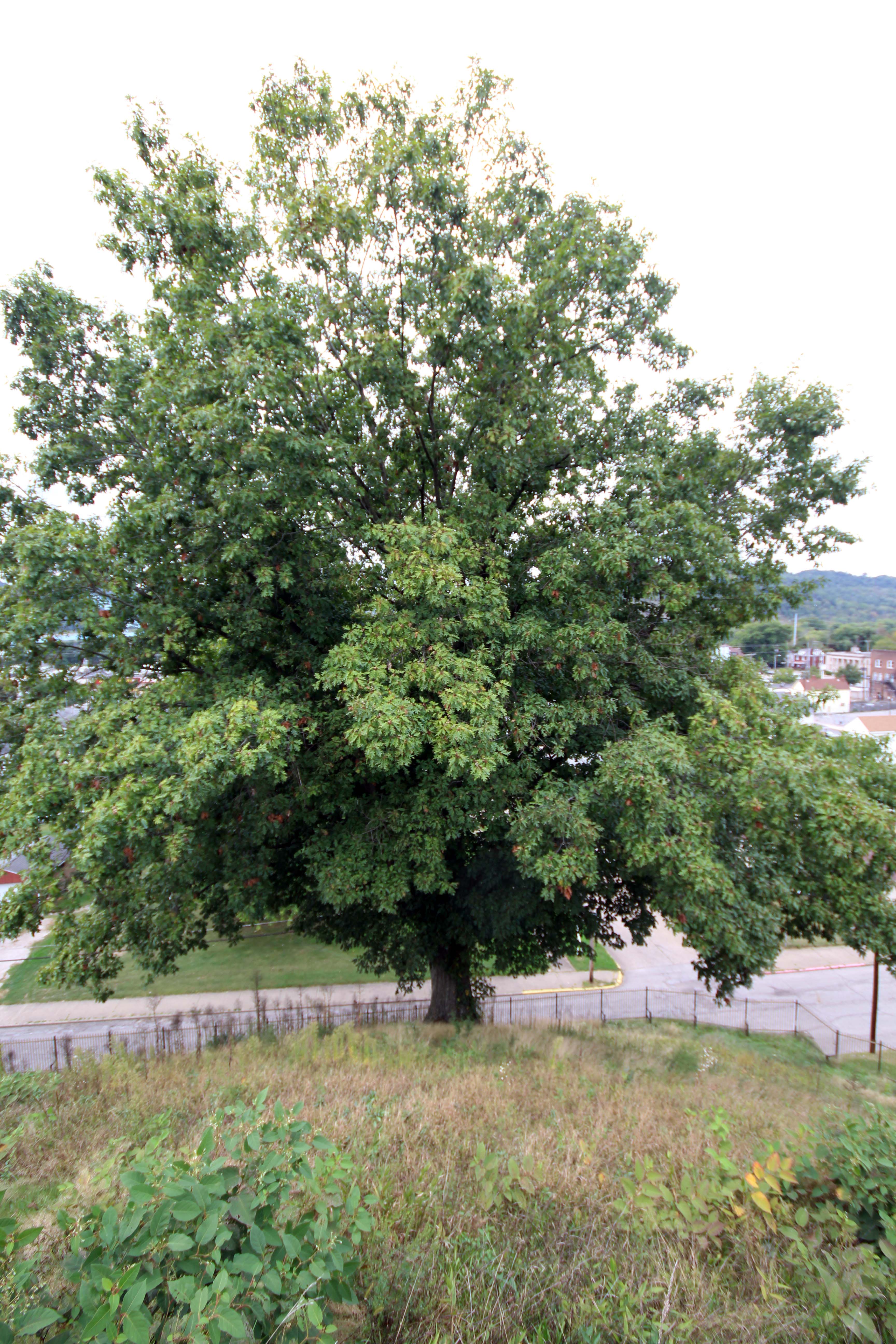
After enjoying all of the exhibits and artifacts inside, I took a stroll up to the top of the mound.


Going down was much easier than going up!!!


Supporting our Blog

We very much appreciate your support of our blog.

  • You can purchase the ebook telling the story of how we became full-time RVers.
  • You can purchase our recipe book filled with 80 recipes we have cooked in our RV and taste tested by Lee himself. You can purchase the kindle or paperback version on Amazon or buy the Apple version on iTunes.

First Time in ISKCON New Vrindaban

We are always on the lookout for interesting things to do, so when Cori mentioned we should check out the Palace of Gold in the unincorporated town of New Vrindaban it immediately went on my list.  Unfortunately it is in a remote area of West Virginia, so we never “drove by” but it did become one of my main motivators for wanting to explore West Virginia. Because Krishna is a religion,  I will be handling this post the same way I wrote about the ARK encounter.   I ask that your comments are respectful.

According to their website, “New Vrindaban was founded in 1968 in pursuance of Srila Prabhupada’s mission to give Westerners an alternative to the materialistic way of life and to teach a lifestyle based on the principle of “simple living and high thinking.” The project is named after the holy land of Vrindavan, India, the place of Krishna’s birth, where life is centered around the service and glorification of Lord Krishna.”

The Golden Palace is at the entrance. We drove past it to get to the visitors center.  I definitely recommend you do the same and end with the palace.

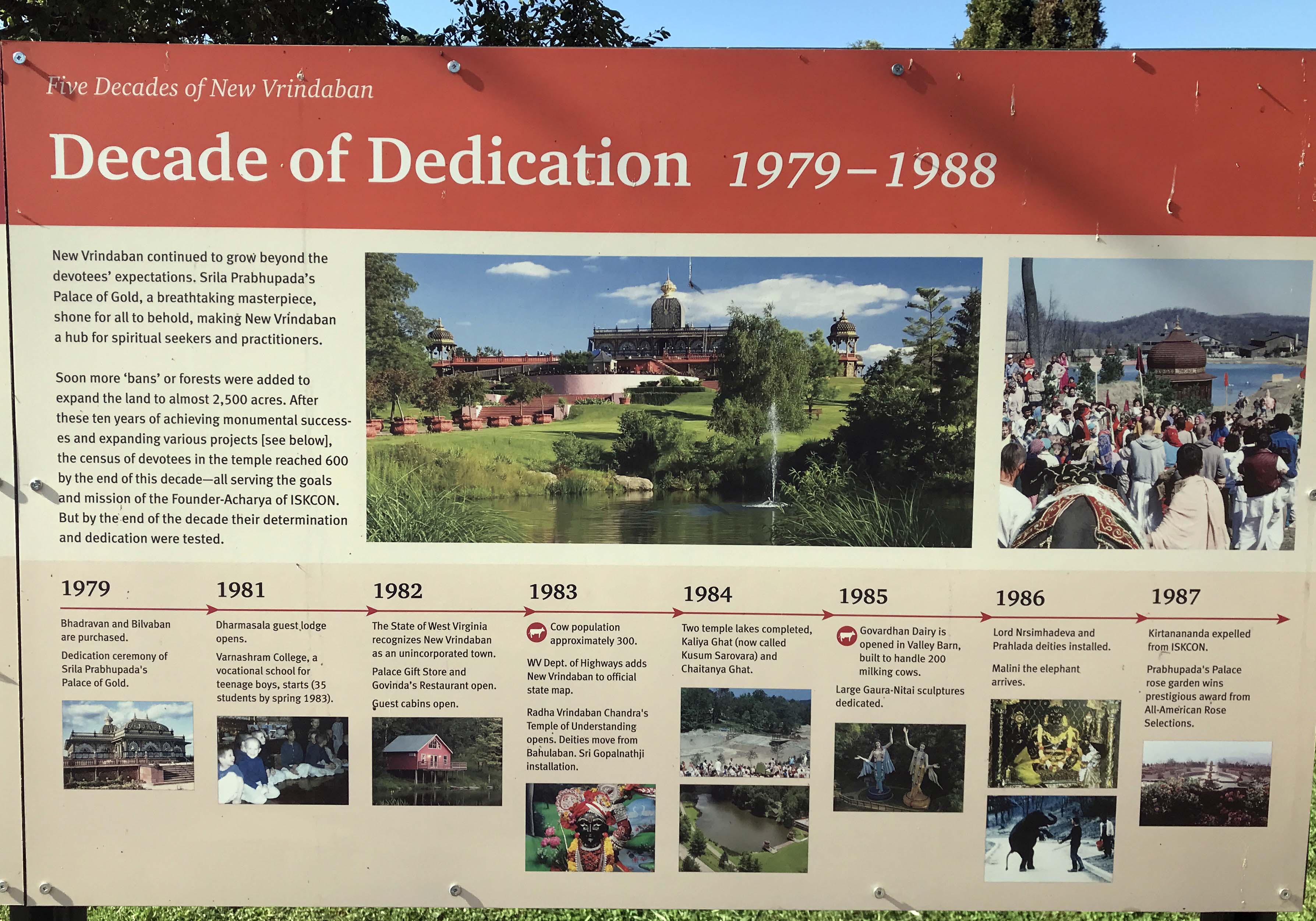
ISKON is the International Society for Krishna Consciousness or is otherwise known as the Hari Krishna movement.  If you are old enough, this term probably evokes lots of images of singers in American airports, but the religion was based in India and has over a million followers worldwide. New Vrindaban has had a complicated history with ISKON and for a time was expelled from the parent organization.  There was a change in leadership and practices and they were reinstated.  These panels show the history if you are interested. I appreciated that they were located right in front of the temple.

.

.

.


We picked up a map here. It is also check in for people staying in the cabins and lodge.


When I saw they only had a vegetarian restaurant I thought Lee might want to leave. 🙂


Map of the grounds


Temple


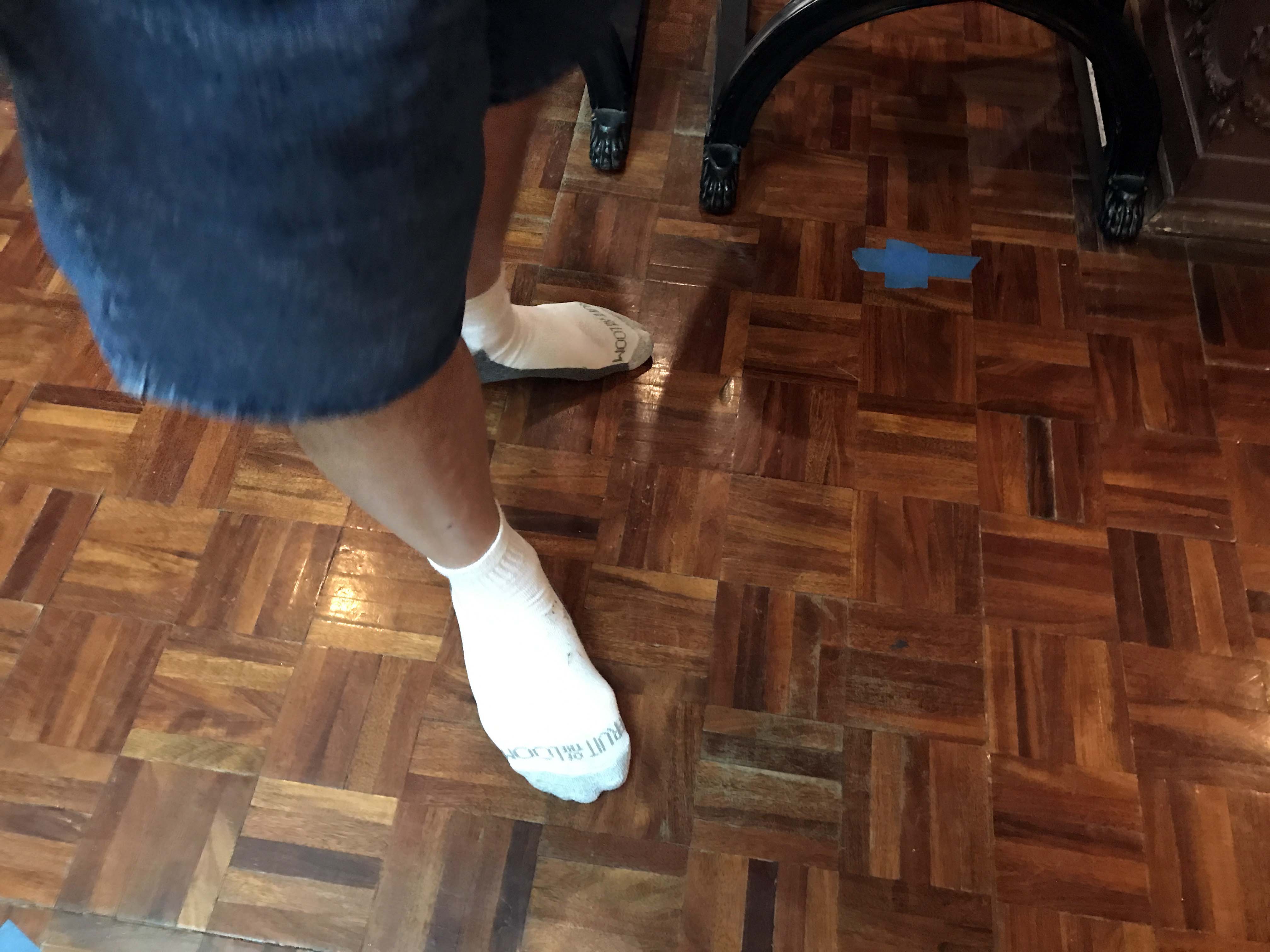
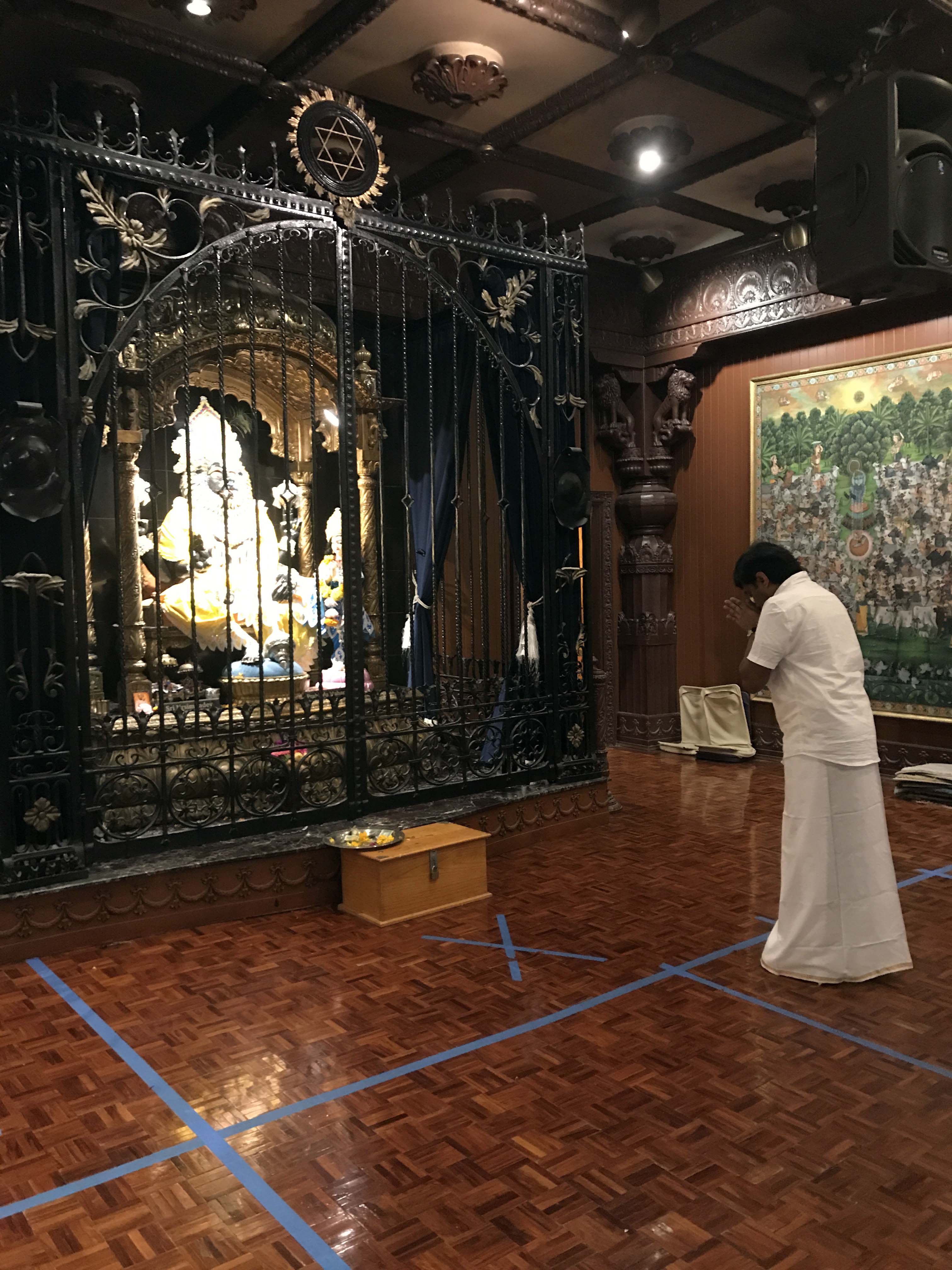
We took our shoes off to enter.


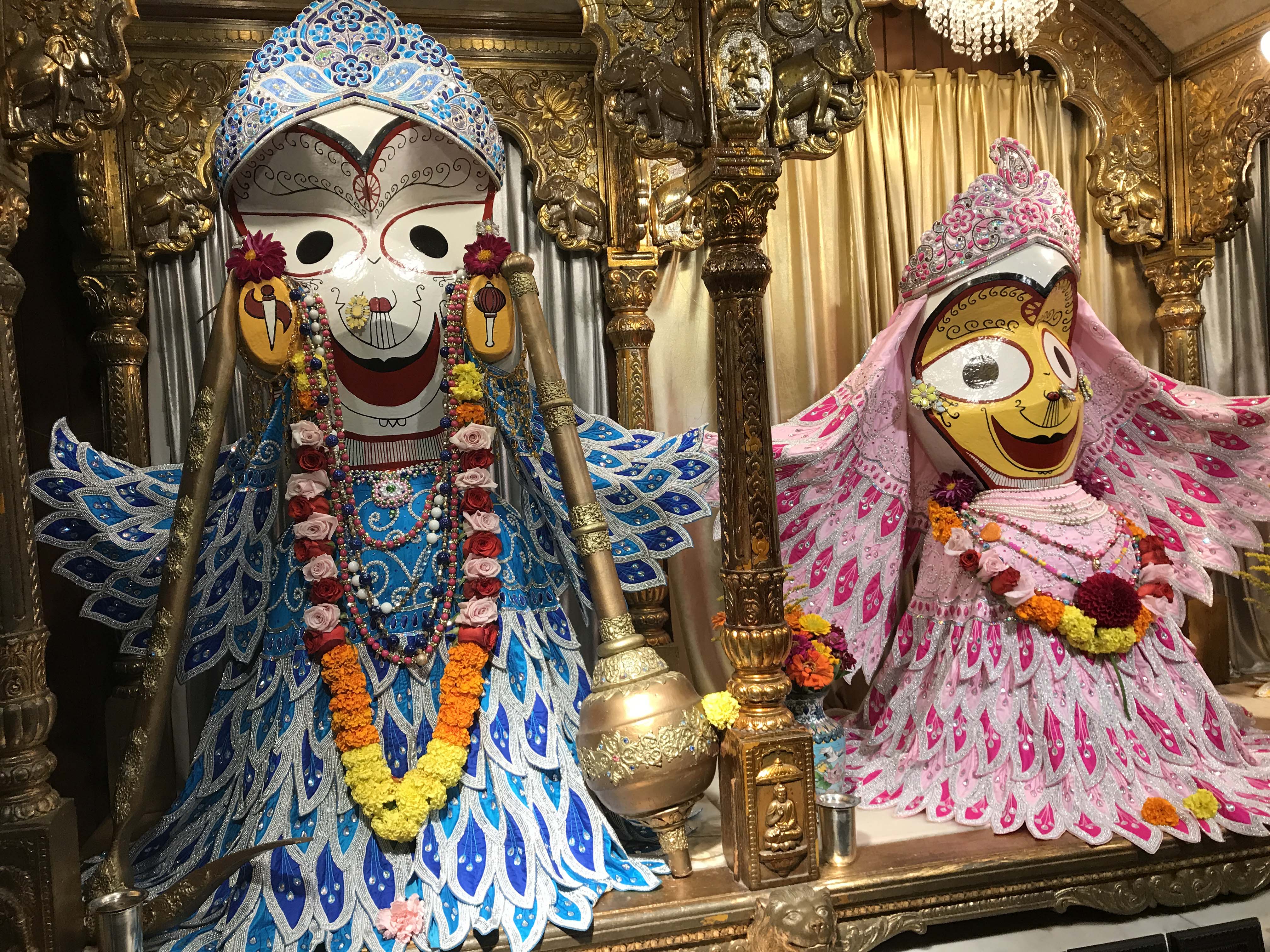
Inside the temple was really amazing.  It was a bit crowded with large family groups, but we waited our turn to see the different displays.  The religion appeared to be very interactive with offerings made, prayers said, and pictures taken all at the same time.   I enjoyed the festive atmosphere, but tried to be careful not to accidentally offend anyone.

Golden Swing


.


Radha is a Hindu goddess who is almost always depicted alongside Krishna and is often revered as the original Goddess. Fresh Flowers are often left as an offering.


.


.


.


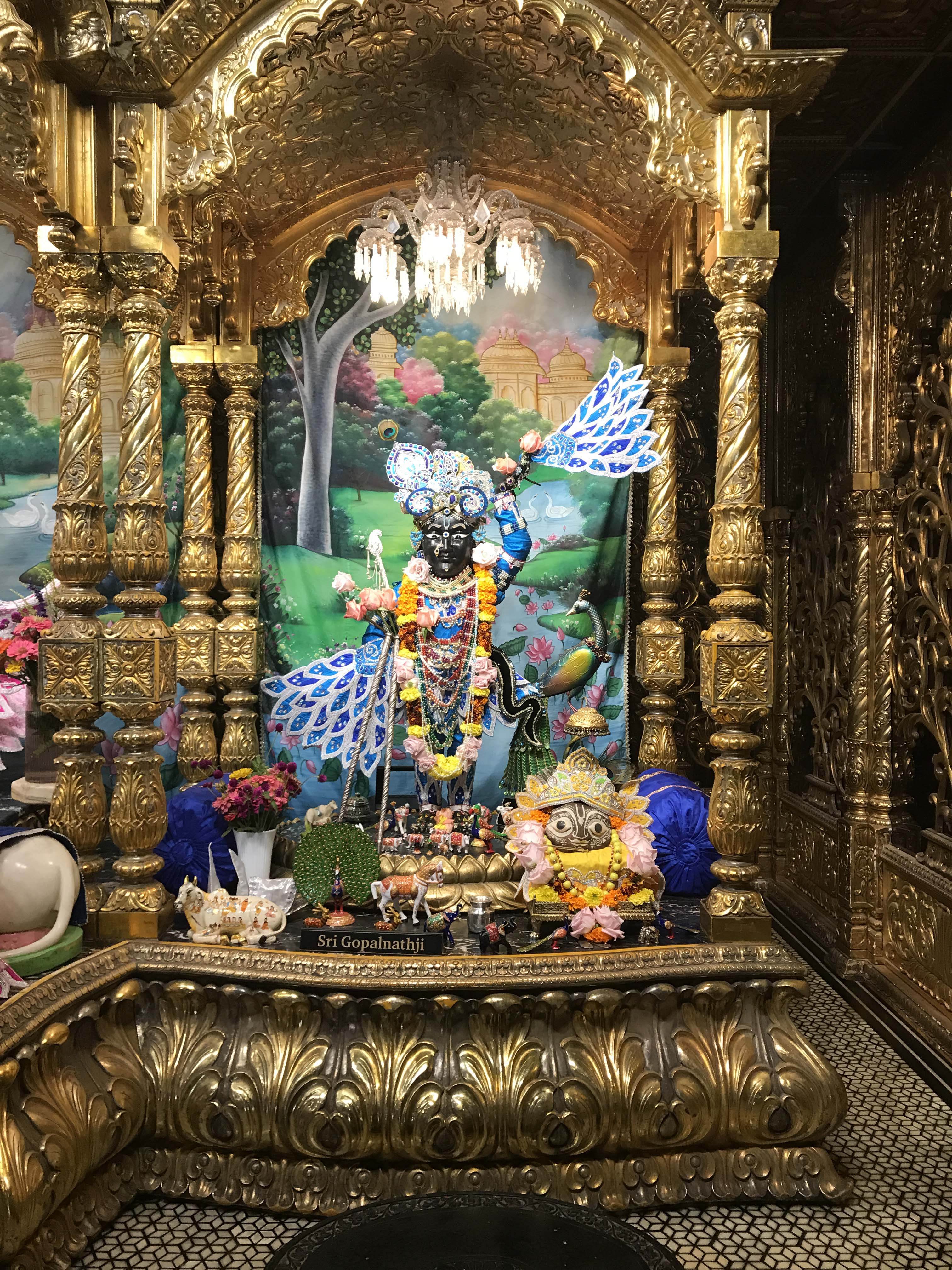
Sri Nathji, the Master of all Creation.


.

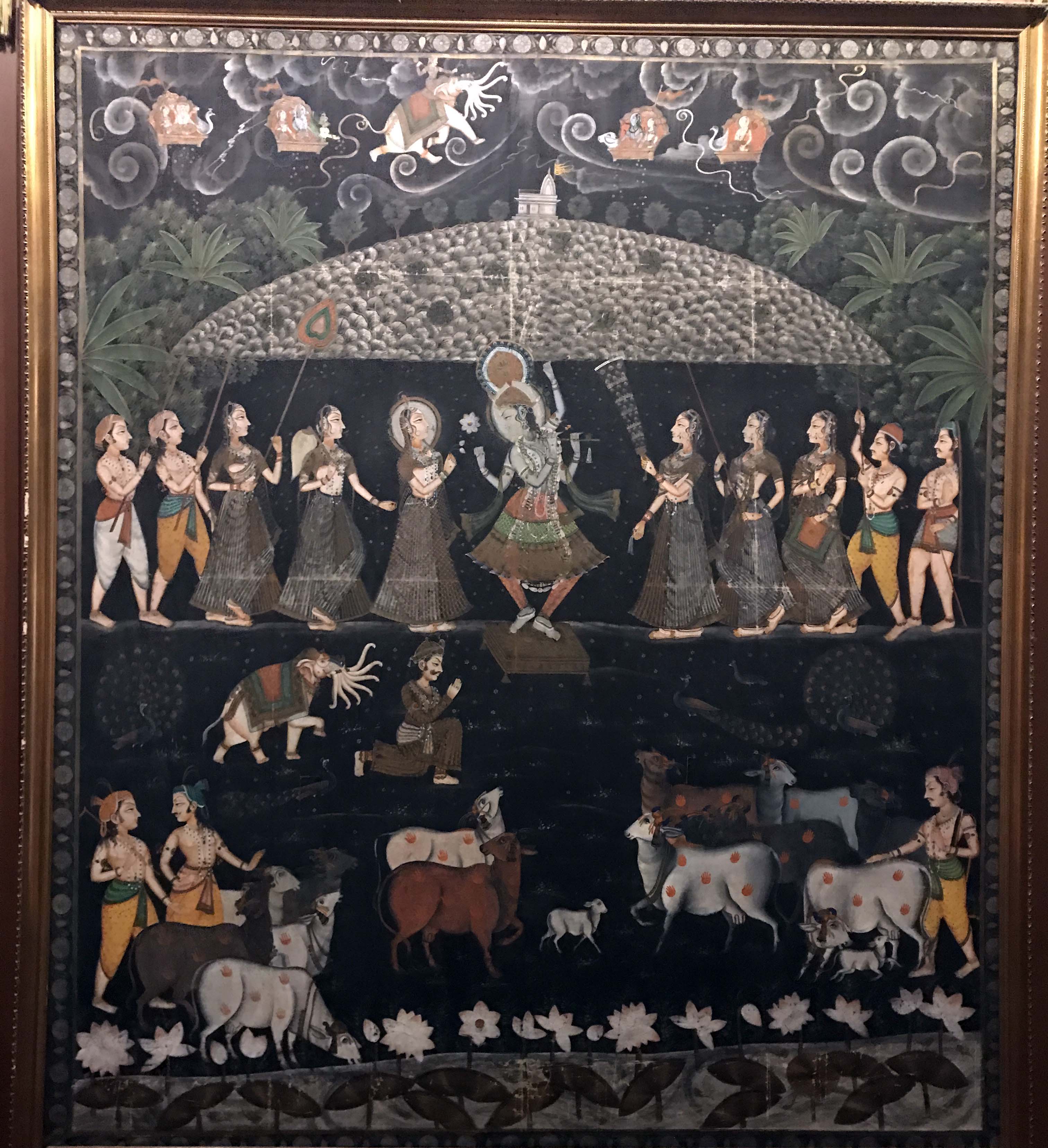
Each display was really elaborate and they also had panels showing stories of Krishna’s life.  These reminded me of stories from the bible and I appreciated the elaborate artwork.  The most beautiful part though was the ceiling.


.

.


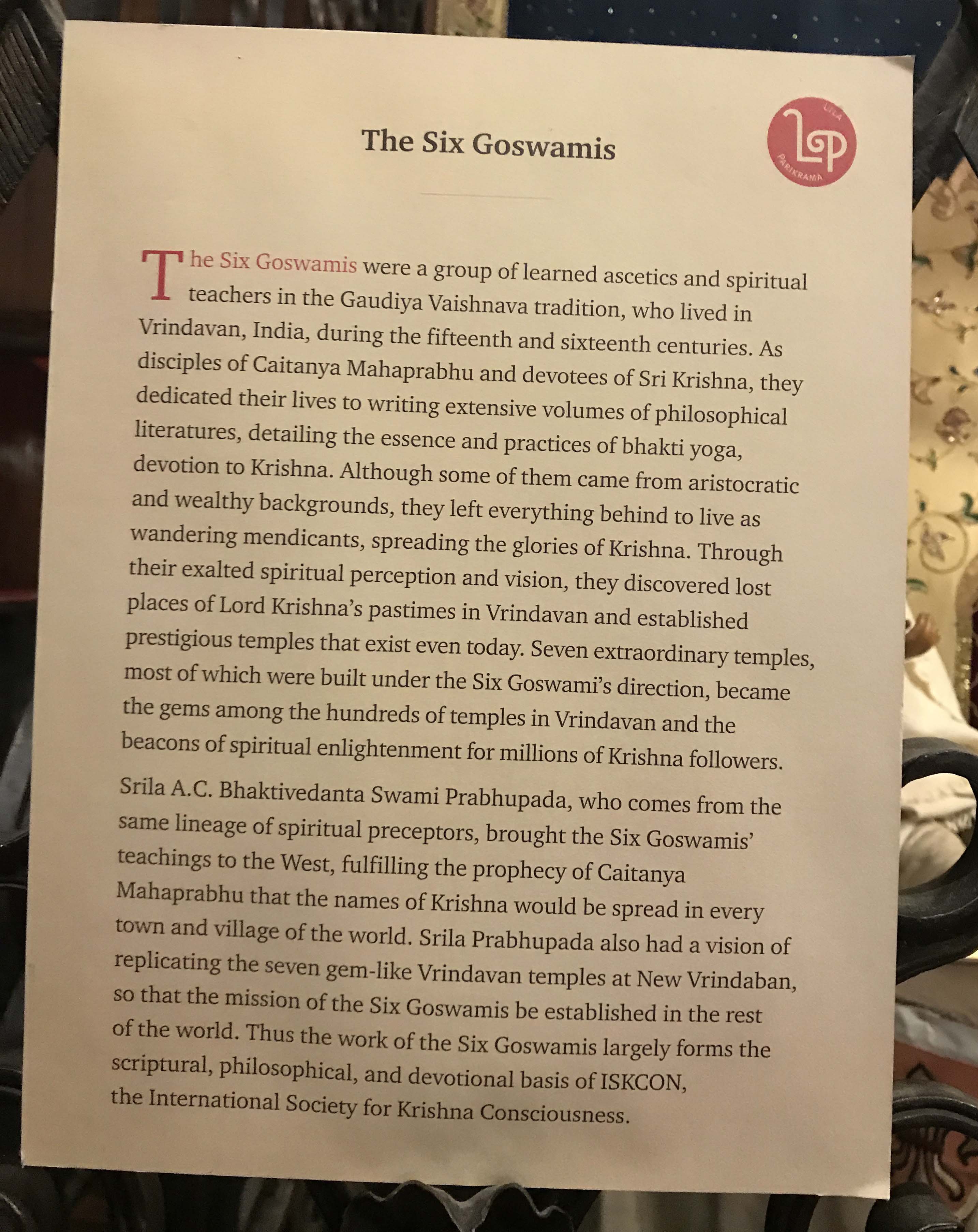
They also had two displays with models of people that were extremely well done.  First was the Six Goswamis who were a group of spiritual teachers in the fifteenth and sixteenth century.

.

.

The leader of the movement in the United states was A.C. Bhaktivedanta Swami Prabhupada.  This facility was built by a group of followers as part of his vision of spreading the message of Krishna in the west.  The Golden Palace, which I will show later, was built by his followers in the hope he would eventually retire there but when he passed away prior to its completion they turned it into a memorial.  The statue of the swami was incredibly lifelike.

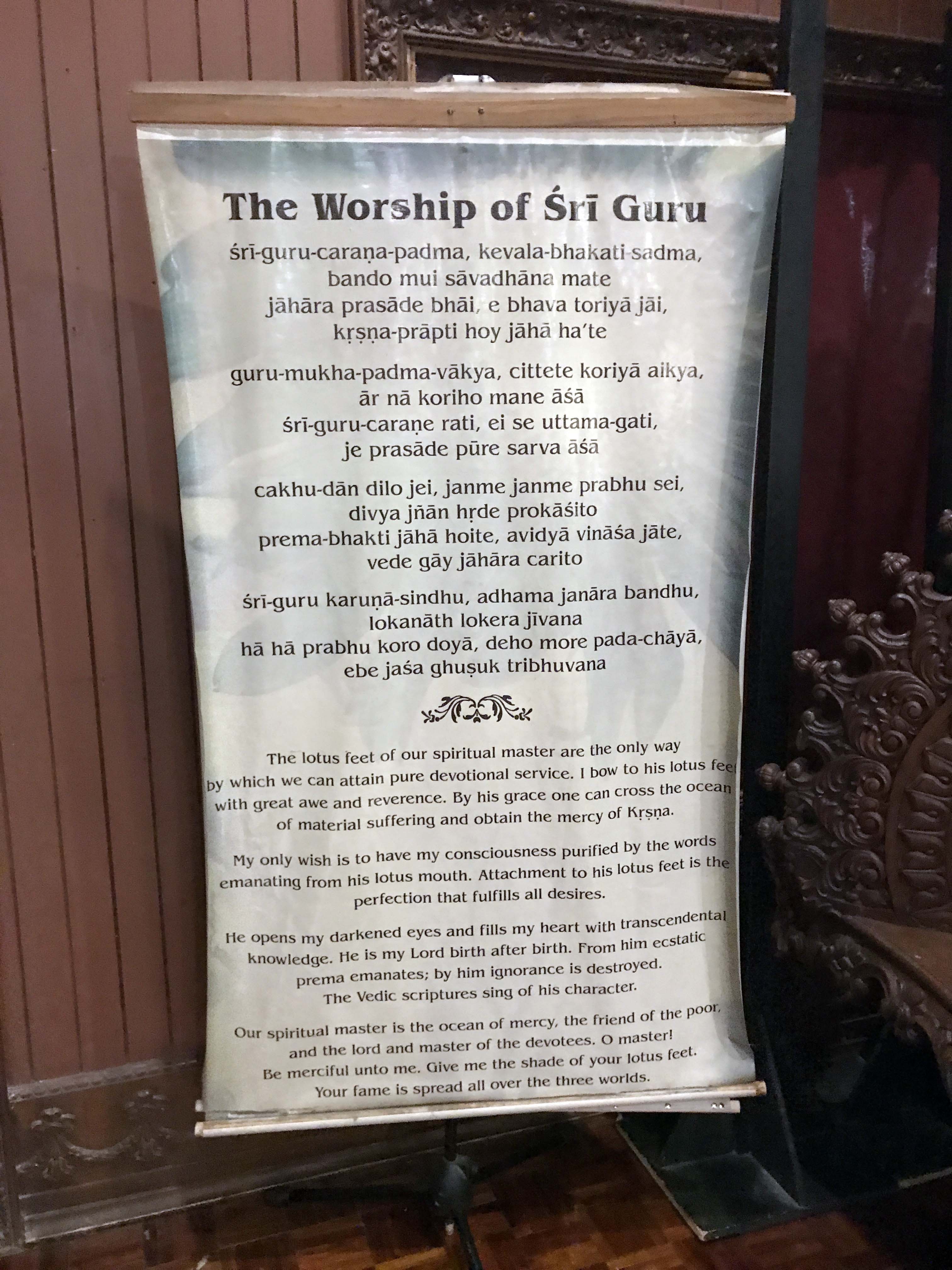
One of the songs that they sing translated into English. The only singing I heard while I was there was off in a distant field where the cows were kept.

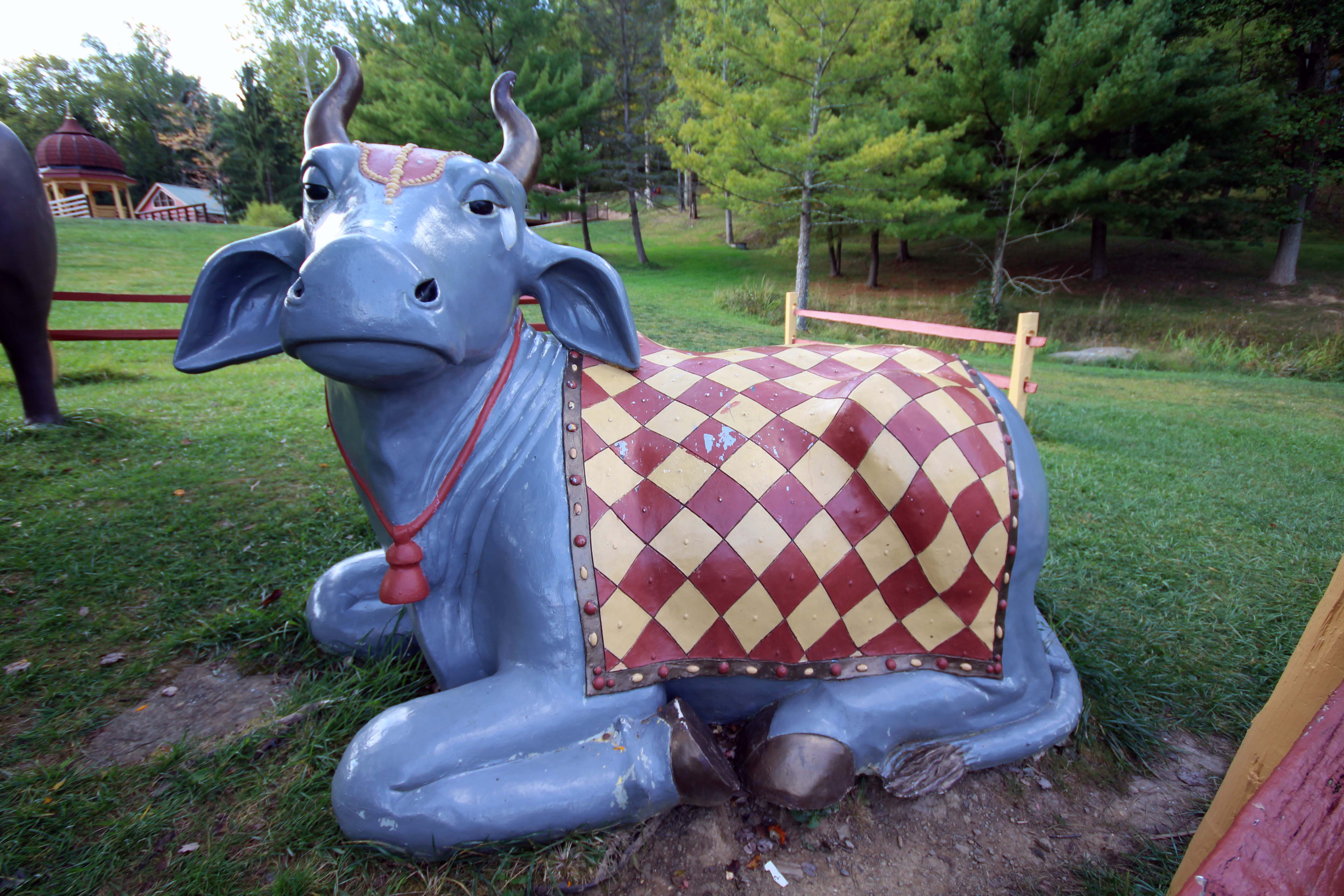
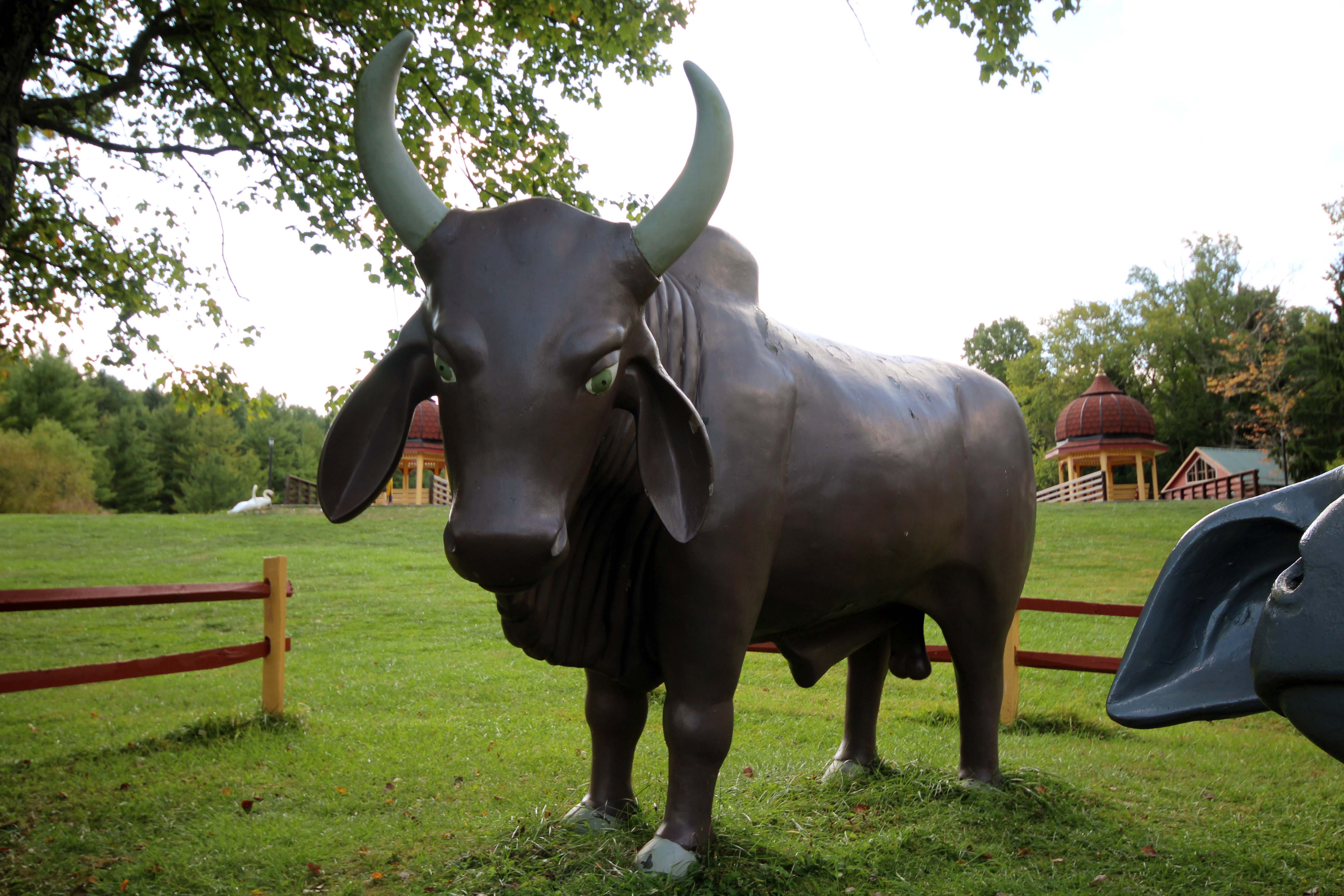
The grounds and temple were free to visit, although they do have a large gift shop and a donation area. The city has America’s oldest cow sanctuary. According to their website, “This traditional Indian practice is based on a sense of gratitude. Since we are nourished by the cow’s milk, she is like our mother and should be cared for with love until the end of her days. The same goes for the bulls who are like our father because they are engaged in working the land. We show due respect for these sacred animals and never send them to slaughter.”

.

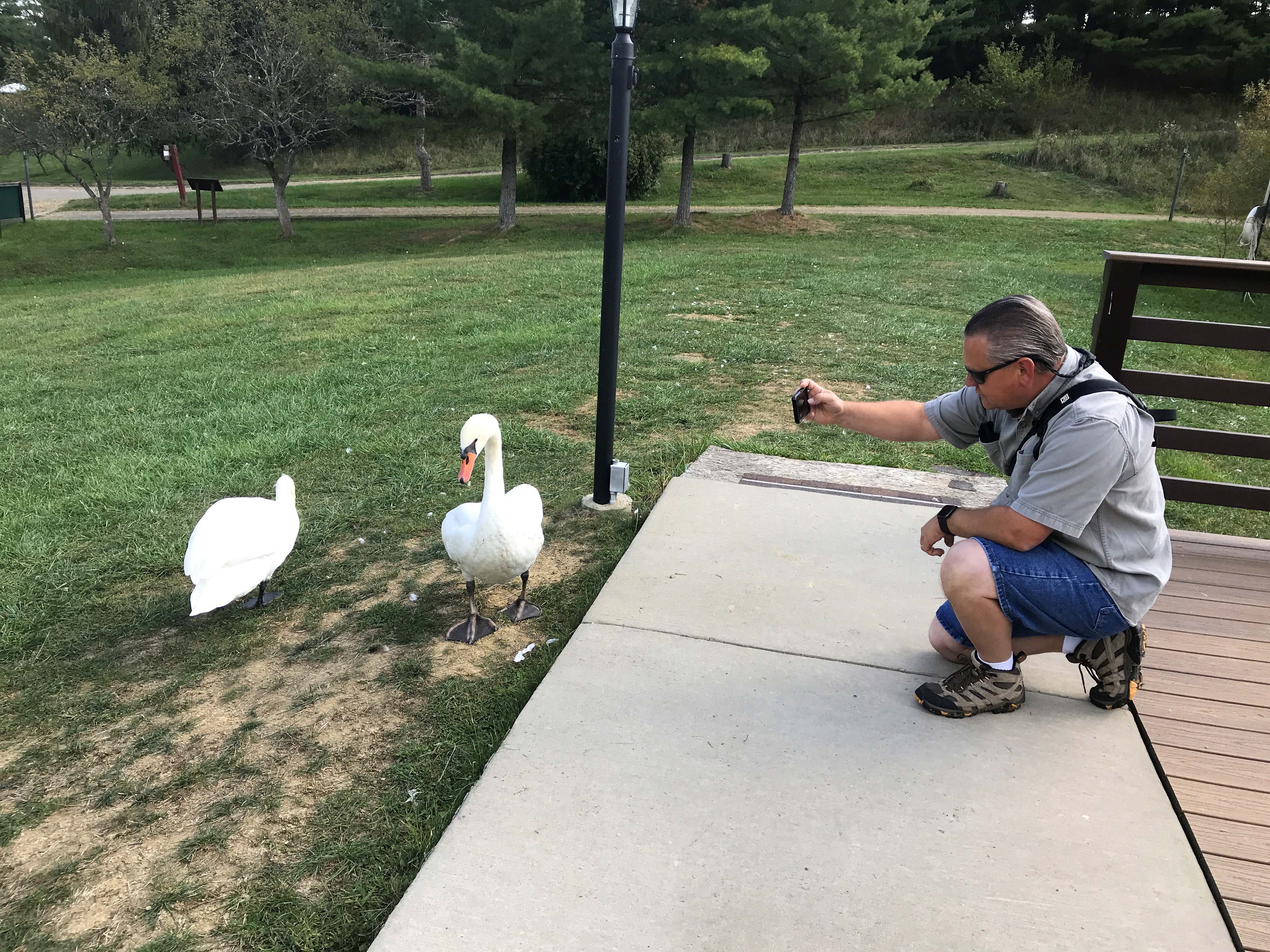
After seeing the temple, we put our shoes back on a walked the grounds.  They are really beautiful with swans and peacocks and children were encouraged to laugh and play.

Lee got pretty close to the swans

This may be one of my favorite pictures I have ever taken.


They also had peacocks including a cool white ne. I dont think I have ever seen an albino peacock before.


The peacocks have their own house


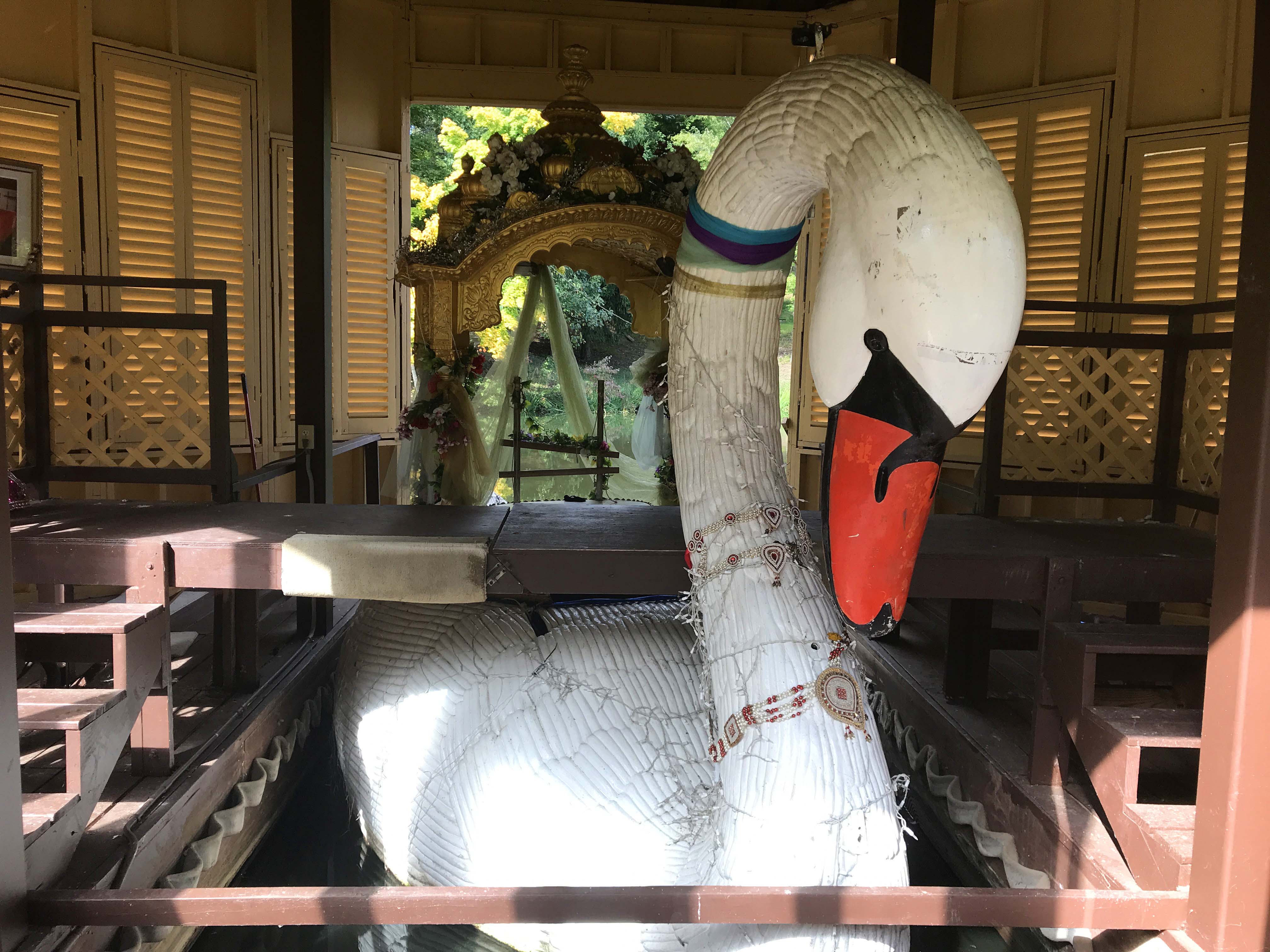
Inside one of the buildings they had a huge swan boat


This made me wonder if they do weddings here and they have in the past.


.


.

There was a small section in the back that looks like it might have been a graveyard but it was difficult to tell.  There were only a few monuments.

I saw this symbol several times and it reminded me of the Star of David. After researching I learned that the Jews adopted this symbol from the Hindus where is was the symbol for Anahata or the heart chakra.

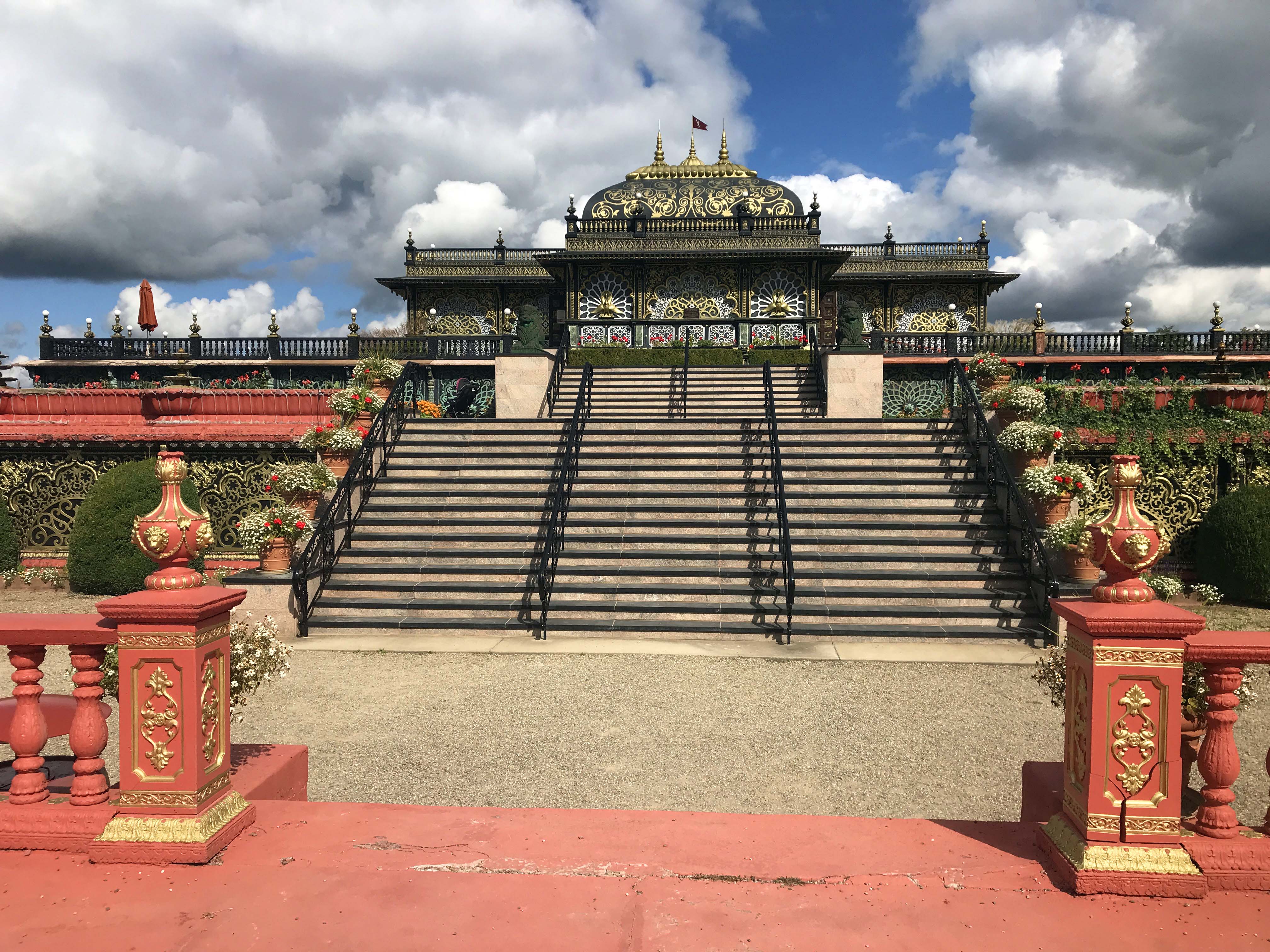
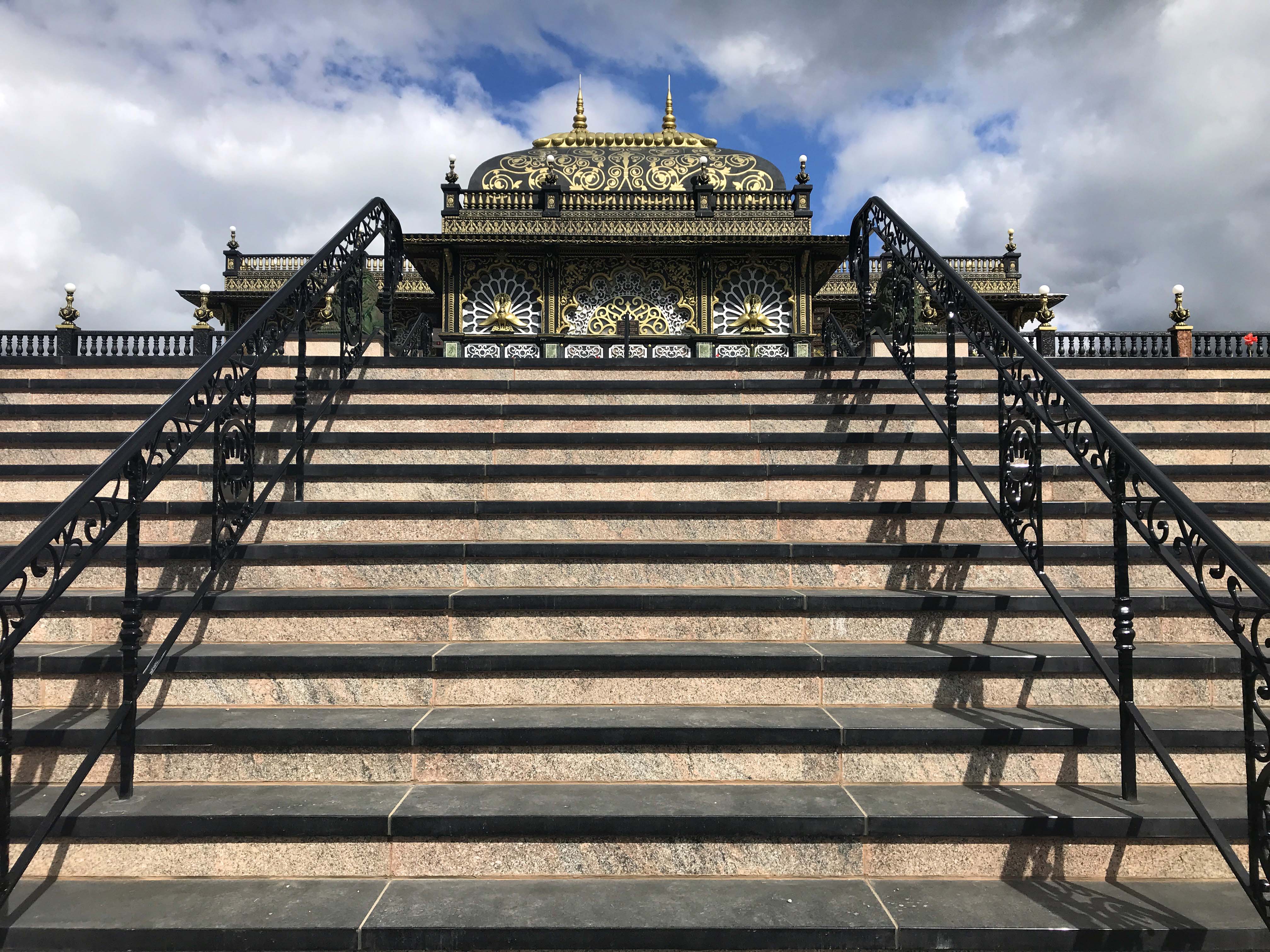
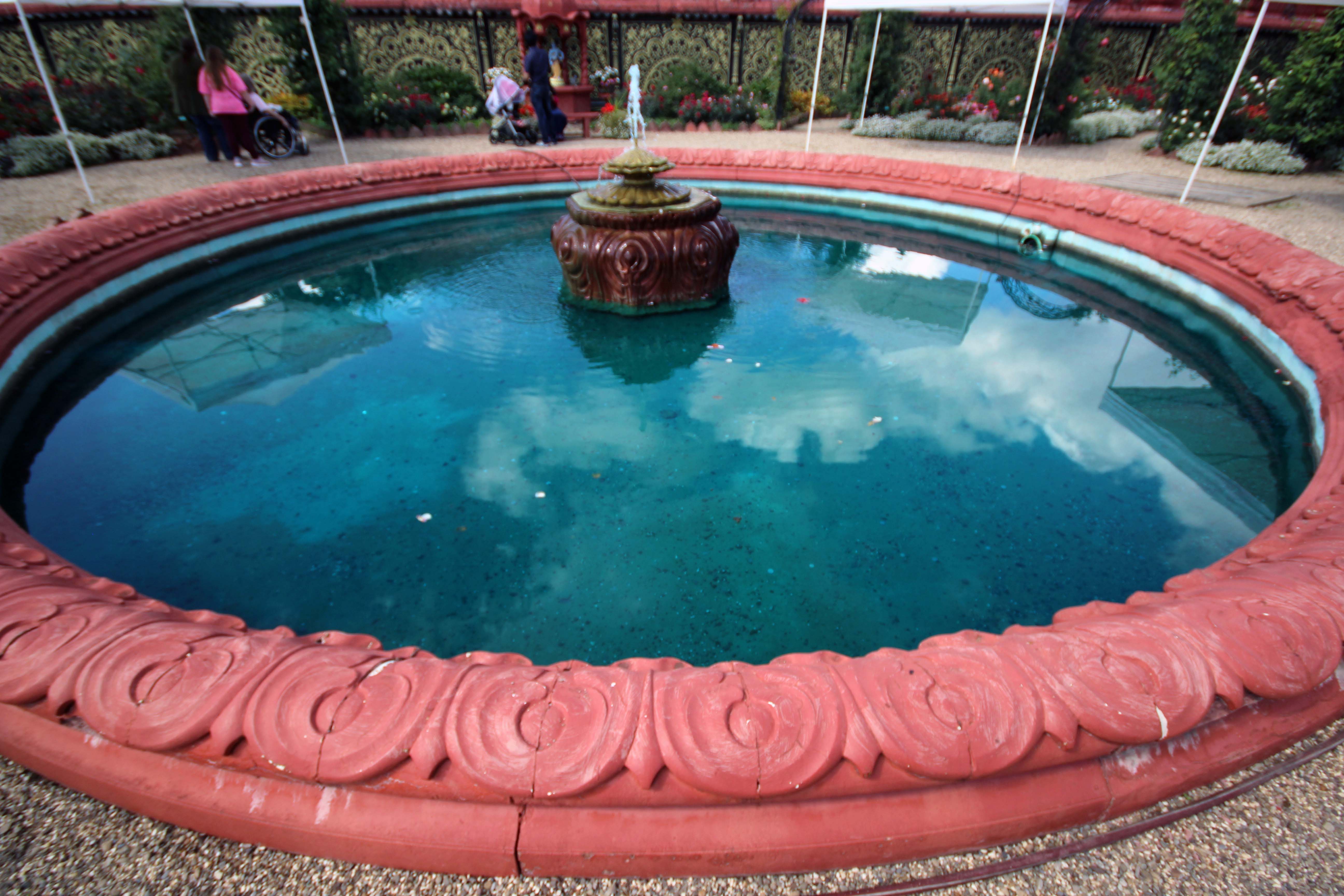
After we toured the grounds, we drove up to the palace of gold. and walked the gardens.  They were absolutely beautiful and the best part of the day for me.

.


.


.


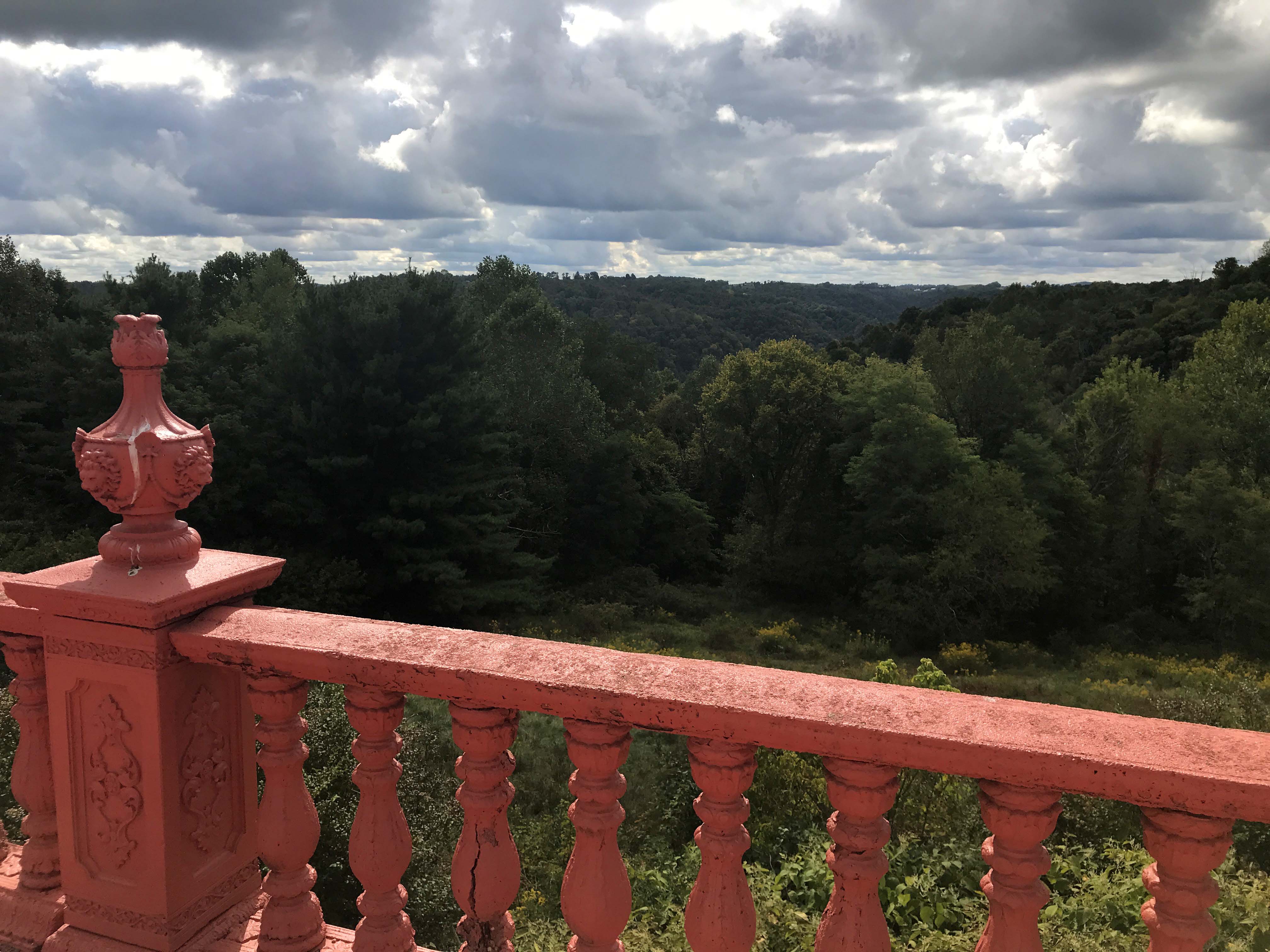
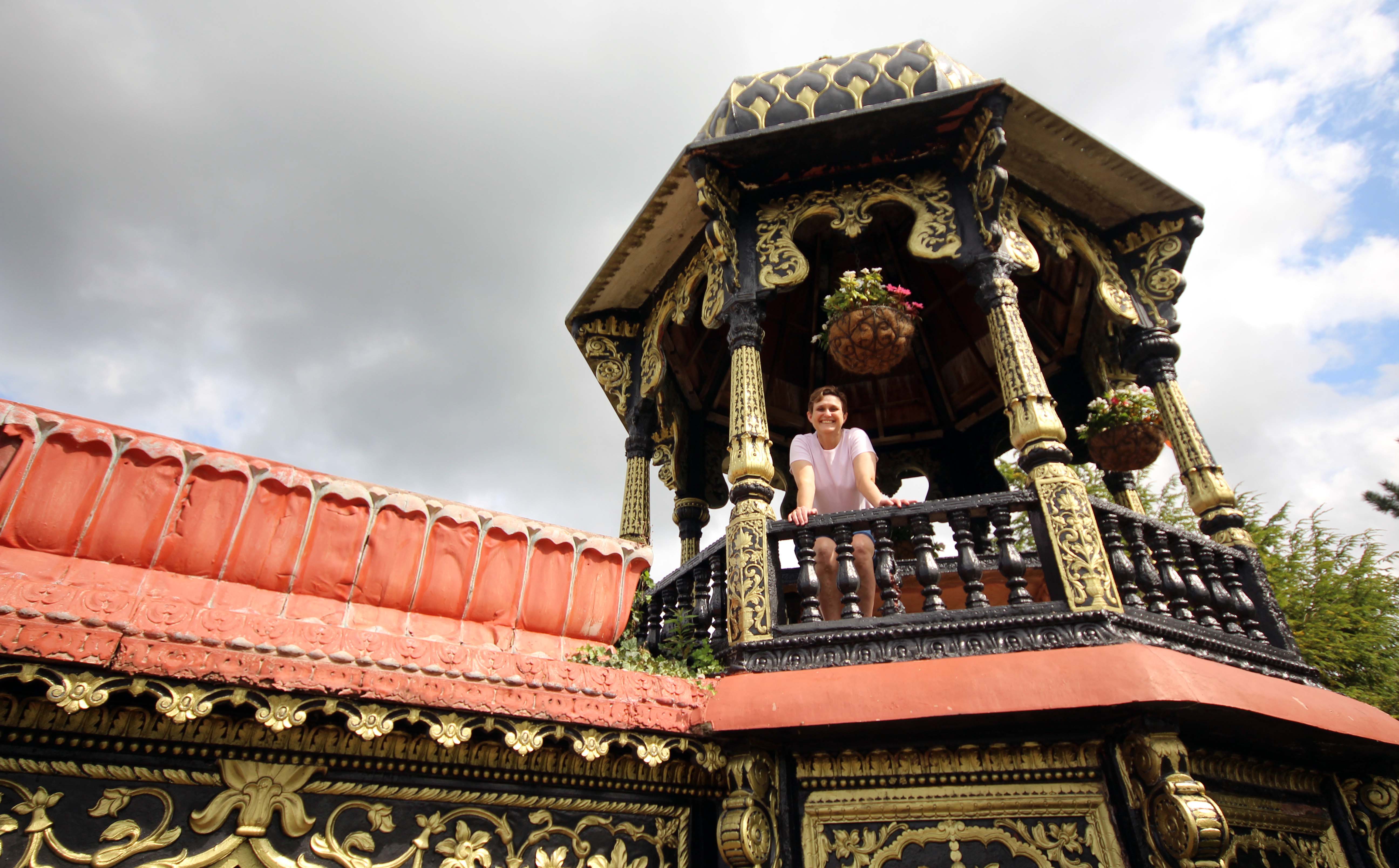
I liked that the balcony had one bench


Gorgeous views.


View of the palace from the balcony


.


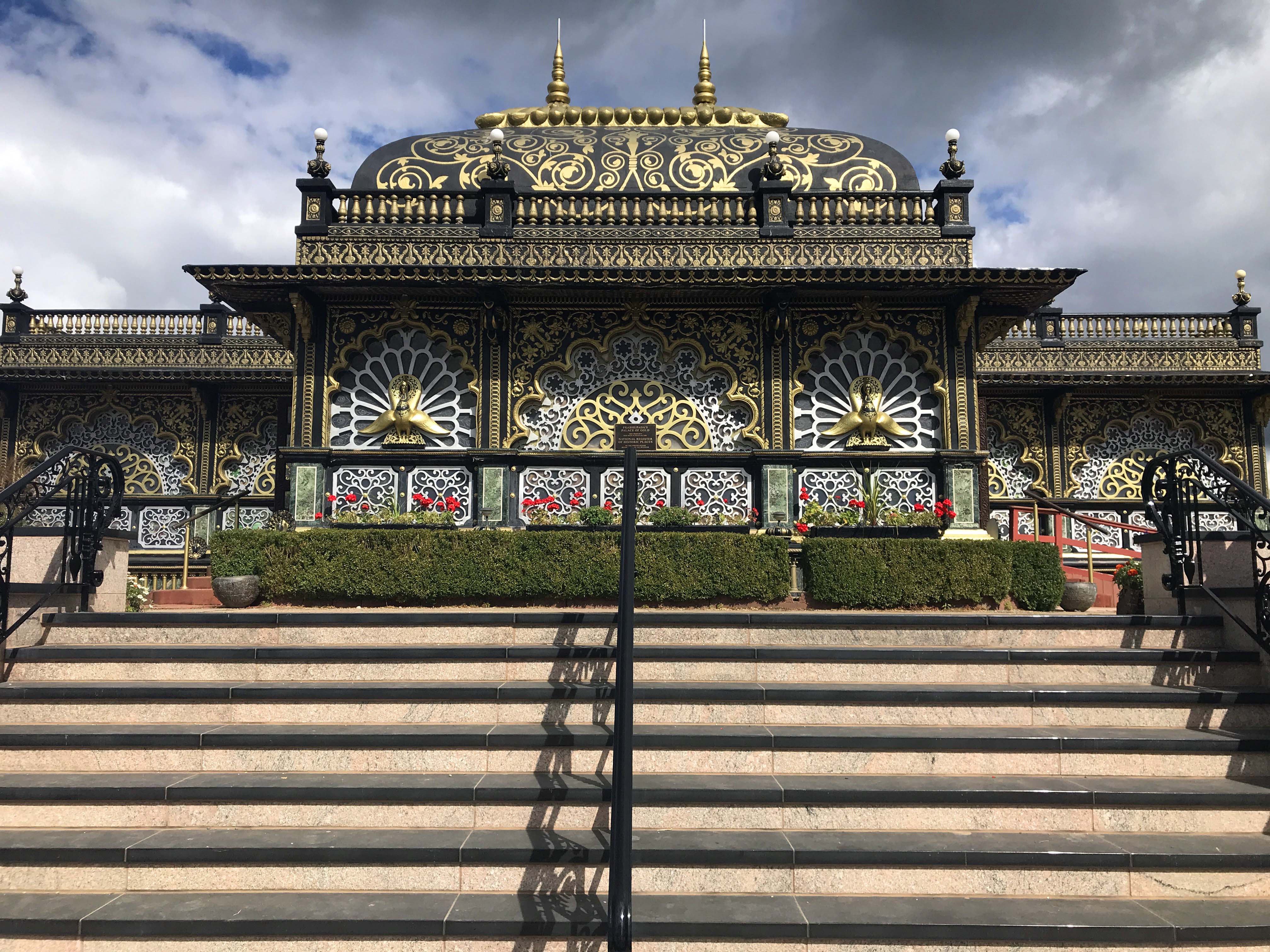
You just don’t expect to see something like this in West Virginia.


All four side were gorgeous


Inside one of the four pagodas


Again beautiful view


My favorite picture of Lee’s of the day. Deb I think you will love this one.

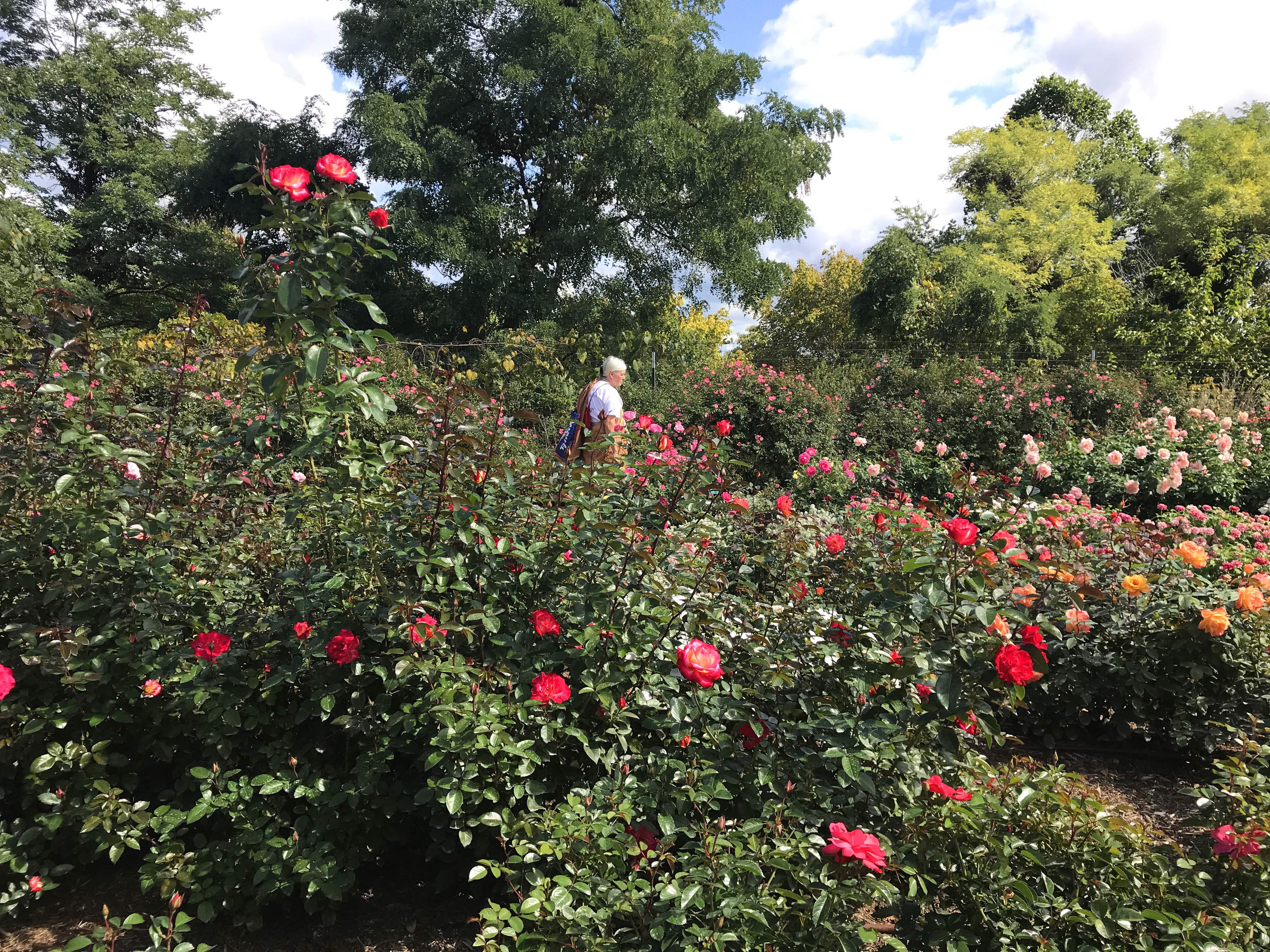
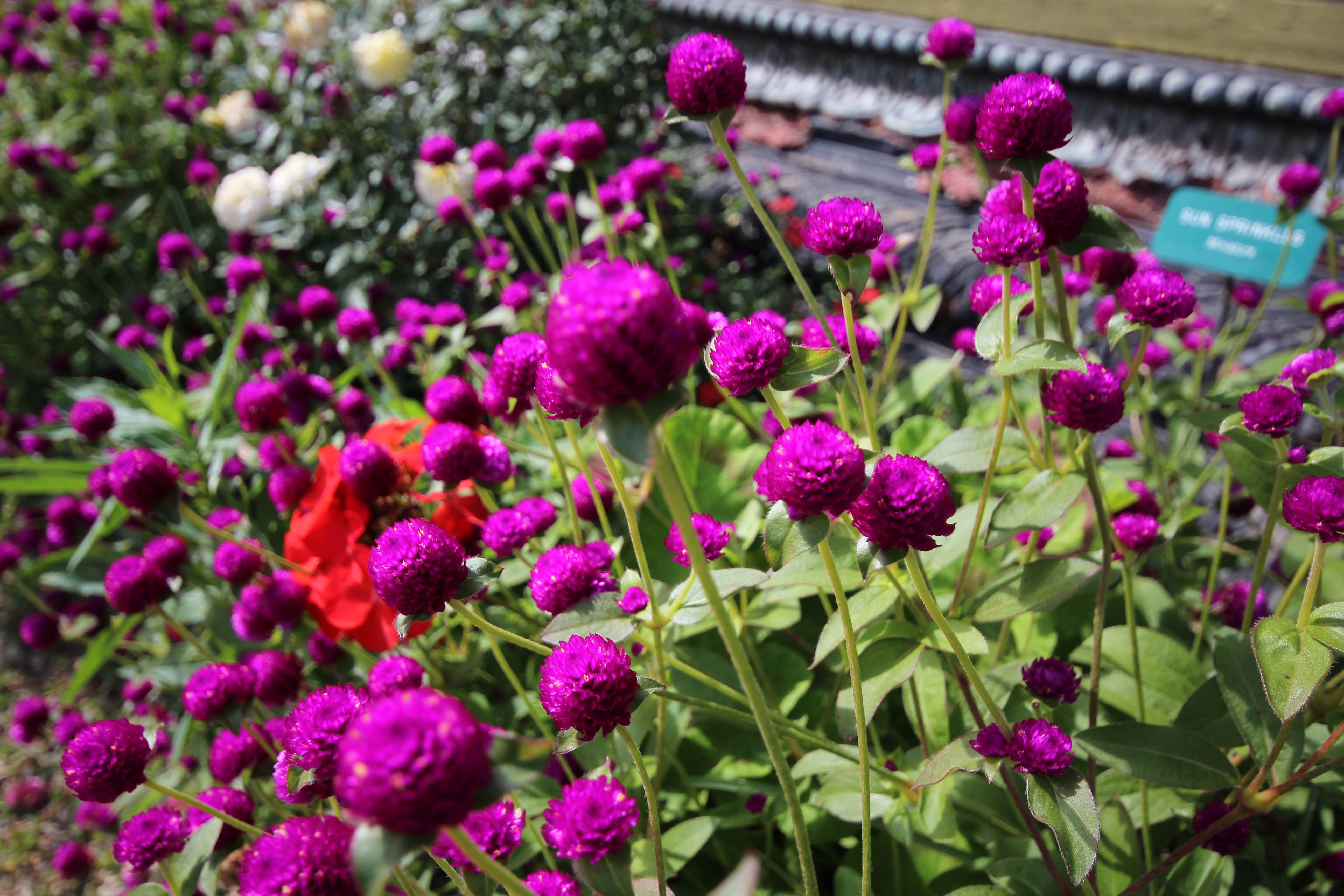
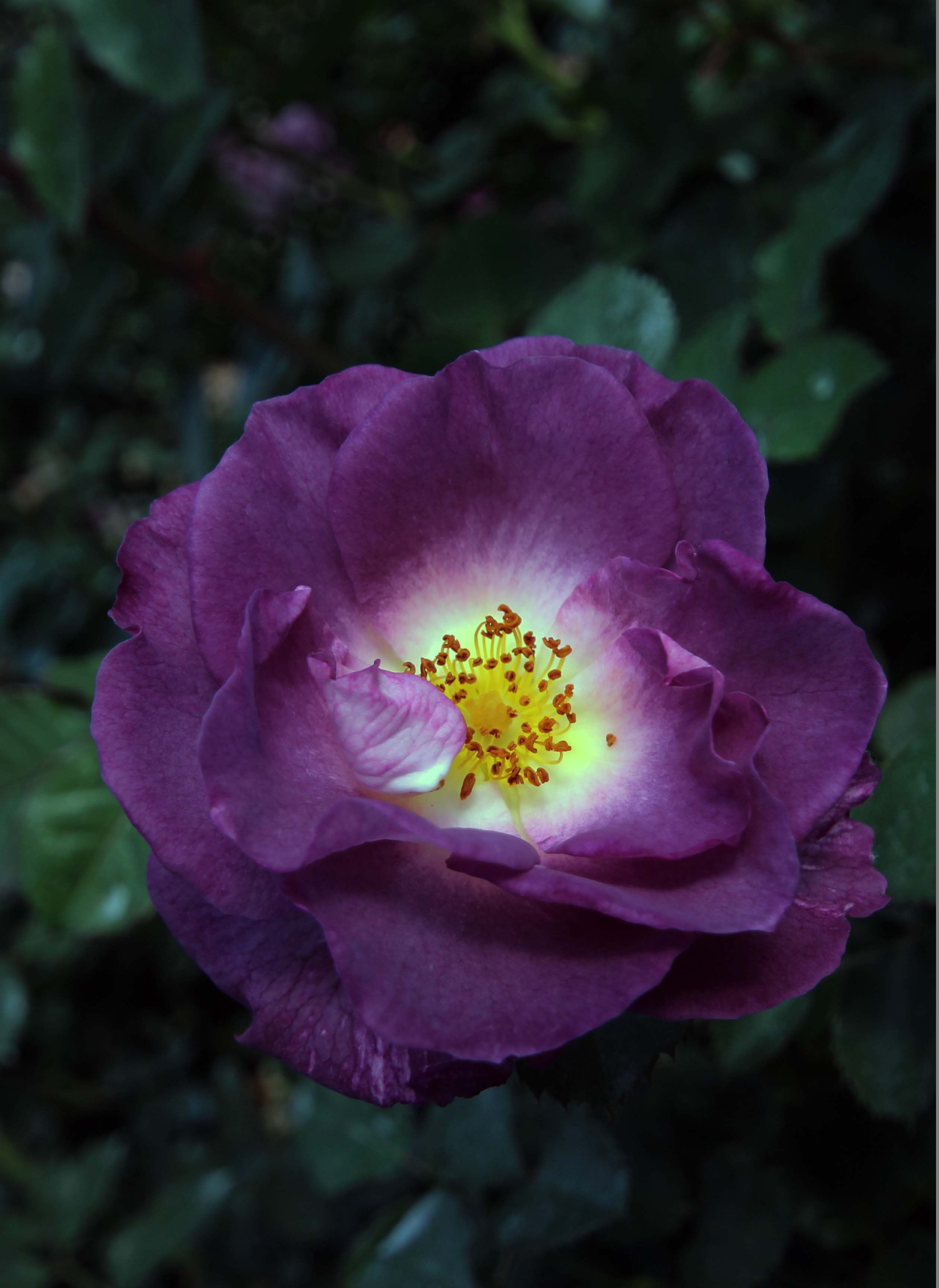
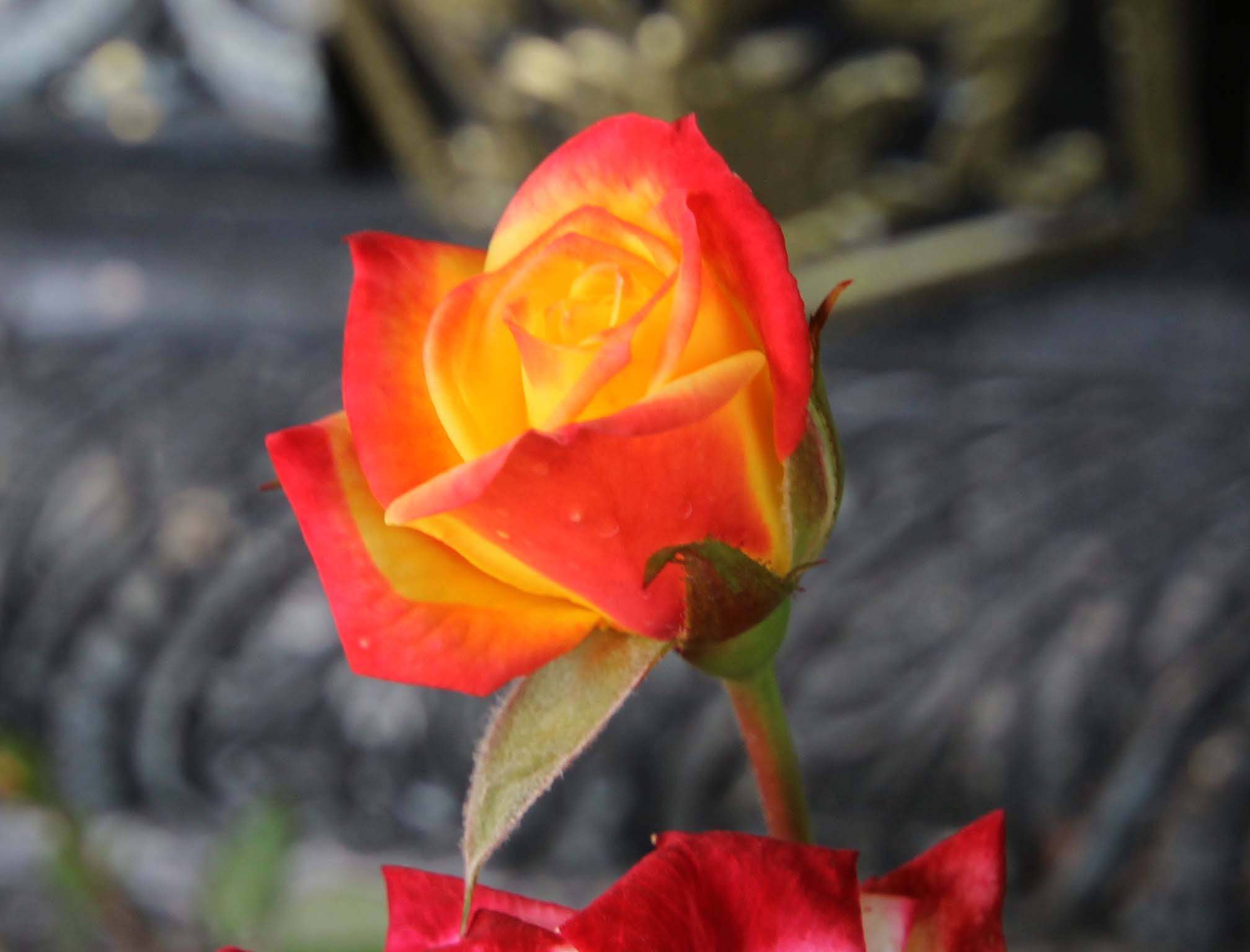
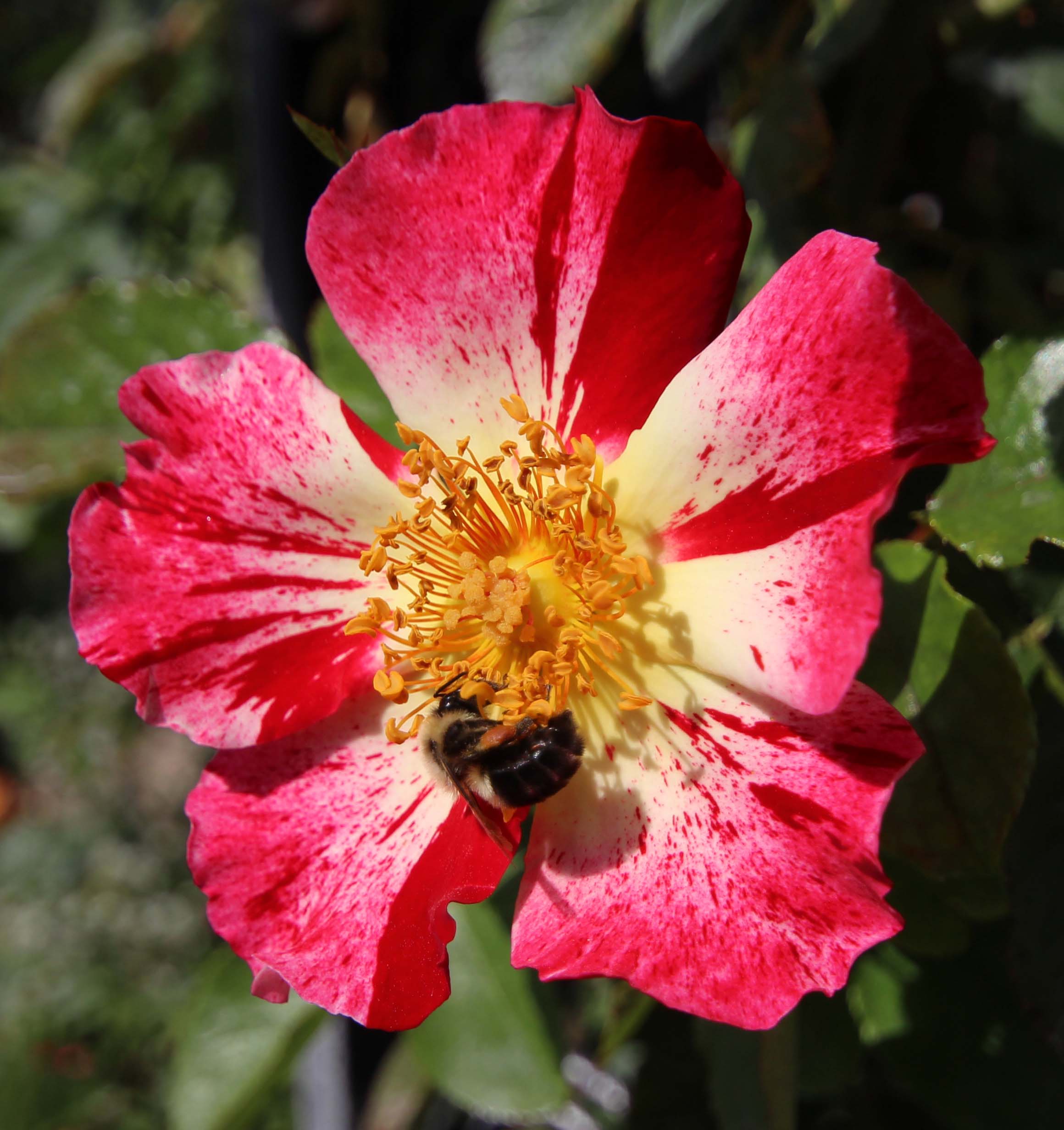
The rose garden was also amazing.  The roses were well tended and they were in full bloom.  We took so many flower pictures between the two of us.  Here are some of our favorites.


The gardener was hard at work the entire time we were there.

.

Starting here the rest of the flower pictures are all Lee’s.


Finally we went up to the palace entrance and discovered the tours are on the half hour.  Luckily we were able to snag the last couple of tickets for a tour in 10 minutes and once again I took off my shoes.  Lee opted for the booties this time though and we entered with a group of 10 people.  I will say that of the entire day I found this the least pleasant.  It wasn’t the cost of $9.50 per person, but rather the fact that they don’t allow pictures and I really didn’t care for our tour guide.  According to him he had been in New  Vrindaban since 1985 and he was pretty grumpy.  He did allow us to take pictures of the lobby which gives you a feel for the inside.

You can see the hospital booties on Lee’s feet. Also the Italian marble floor was all hand cut and polished by the followers.  They did an amazing job.


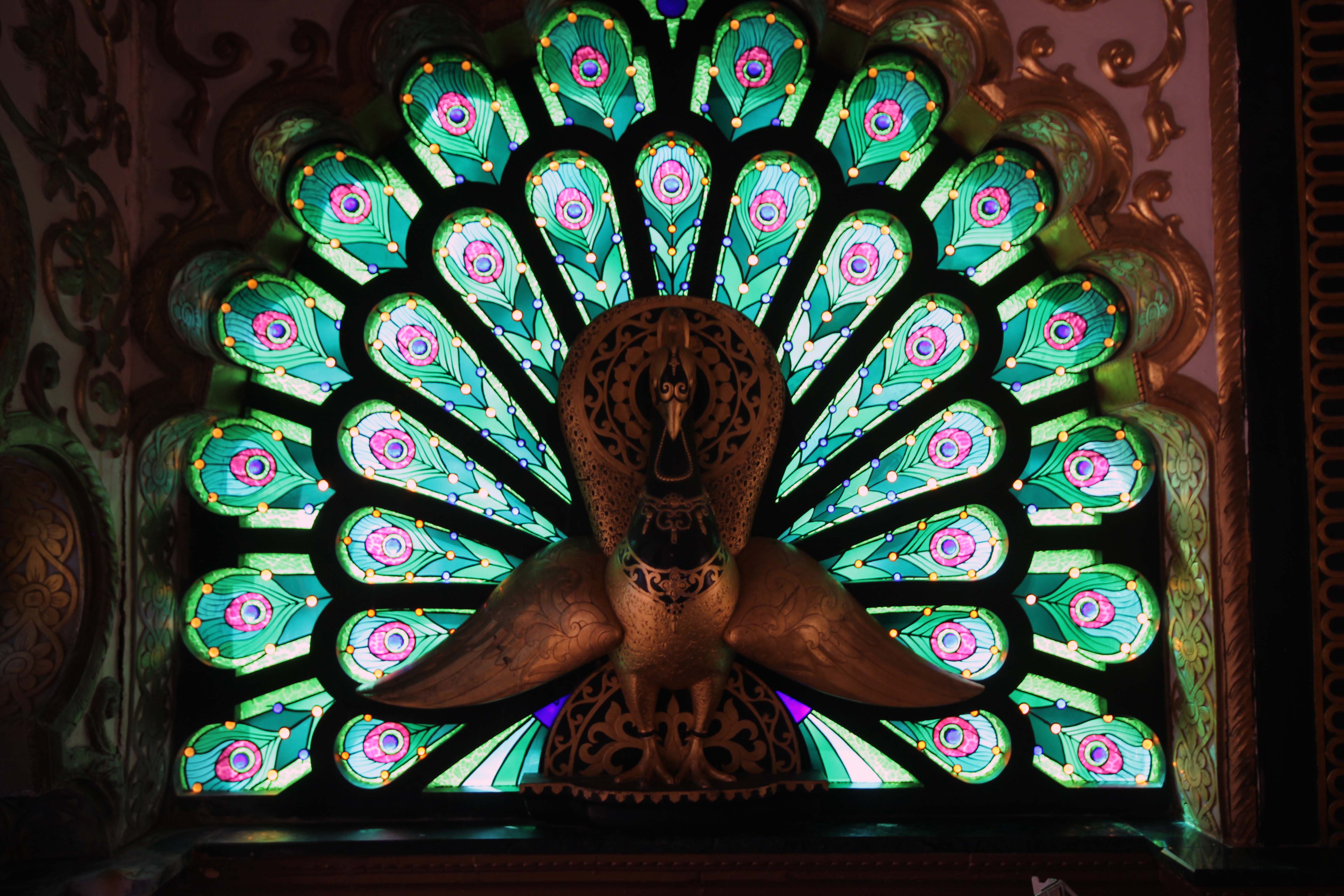
Gorgeous peacock stained window.


The ceilings were actually painted on canvas and then “stuck” to the ceiling. The main temple area in the house was gorgeous.


The tour guide explained that the palace was created by the group as a potential retirement home for the swami.  He was able to tour it before he died and then they turned it into a memorial.  The inside is pretty small but incredibly gilded.  The group taught themselves (mostly by reading books) to build it themselves, which I thought was nice.  The materials though were the most expensive they could find; marble from Italy (which they hand cut), home made chandeliers (with Viennese crystals), and even a chandelier from a castle in France.  The only thing they didn’t craft themselves was the intricately cut teak doors which they ordered.

I was OK with it until the tour guide talked about how man cannot spiritually ascend to another plane until they give up material possessions.  I asked, respectfully, if this was the case then why would they build such a gilded palace for an aesthetic. His response was the group wanted to do something nice for their teacher (which I respected) and they viewed materials used in the service of God differently (which I didn’t quite get).  I spent the rest of the tour pondering the incongruousness of that statement and really didn’t enjoy it that much.

Later I did think that there was a cultural significance to what they built and it was intended as a gift.  Since it was built for someone who originally came from India I shouldn’t assume my values should apply.  Essentially they built what they thought he would like.  They have a picture of him touring the facility and he looked pleased from the picture.

Anyway, if you don’t want to spend the money, its definitely worth going and seeing all of the other sites.  I am really glad we went to such a unique place and special thanks to Cori for telling us about it.


Supporting our Blog

We very much appreciate your support of our blog.

  • You can purchase the ebook telling the story of how we became full-time RVers.
  • You can purchase our recipe book filled with 80 recipes we have cooked in our RV and taste tested by Lee himself. You can purchase the kindle or paperback version on Amazon or buy the Apple version on iTunes.

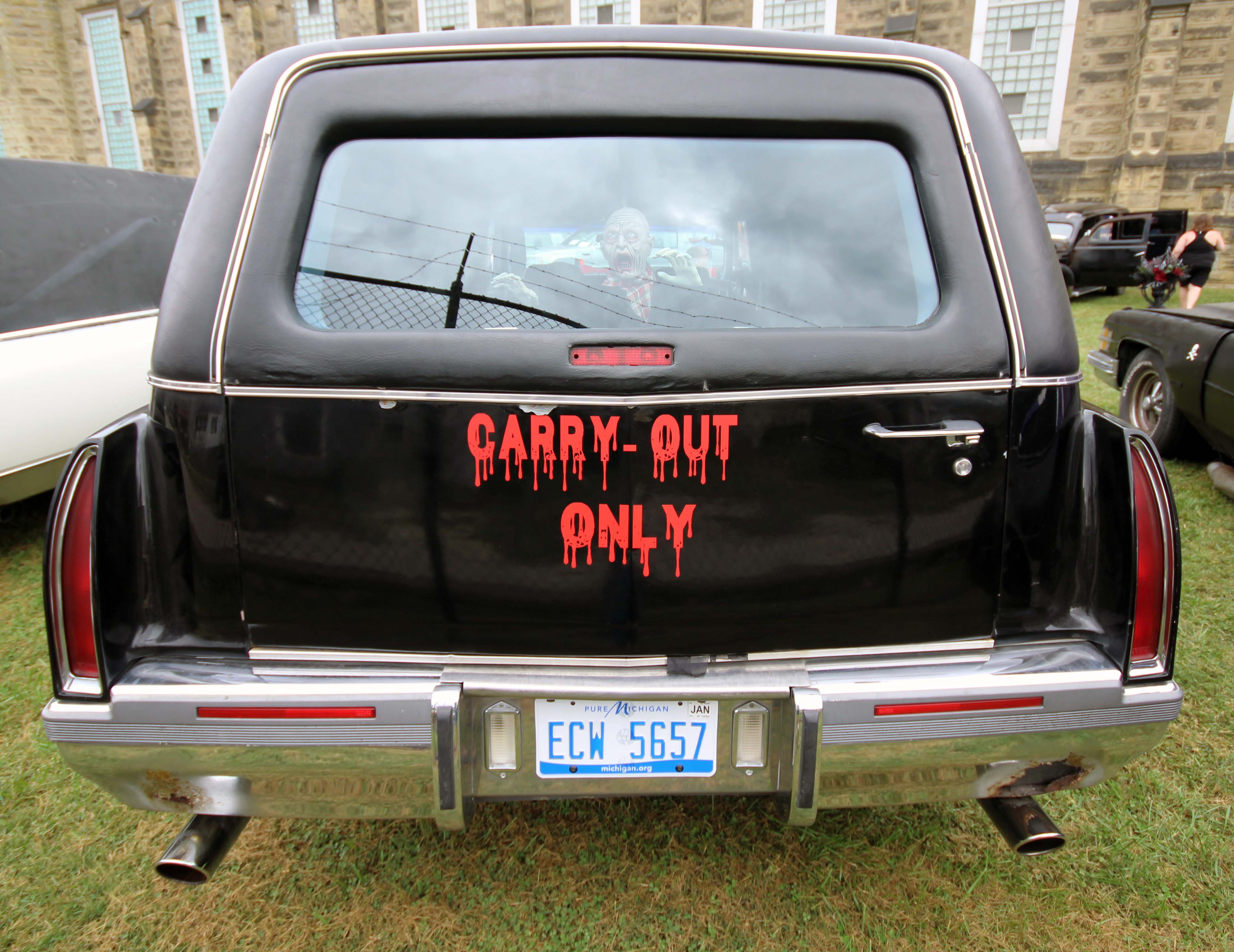
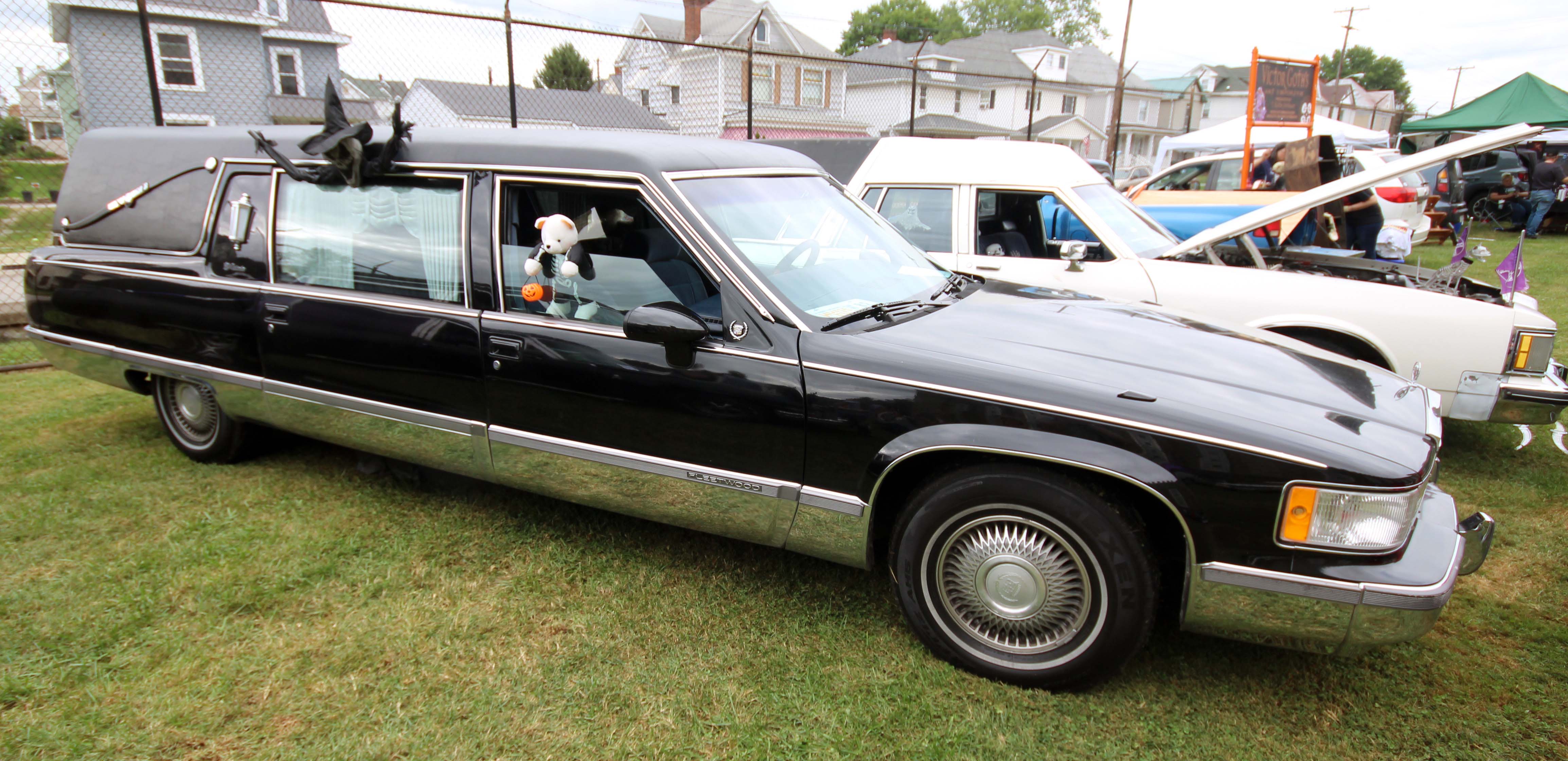
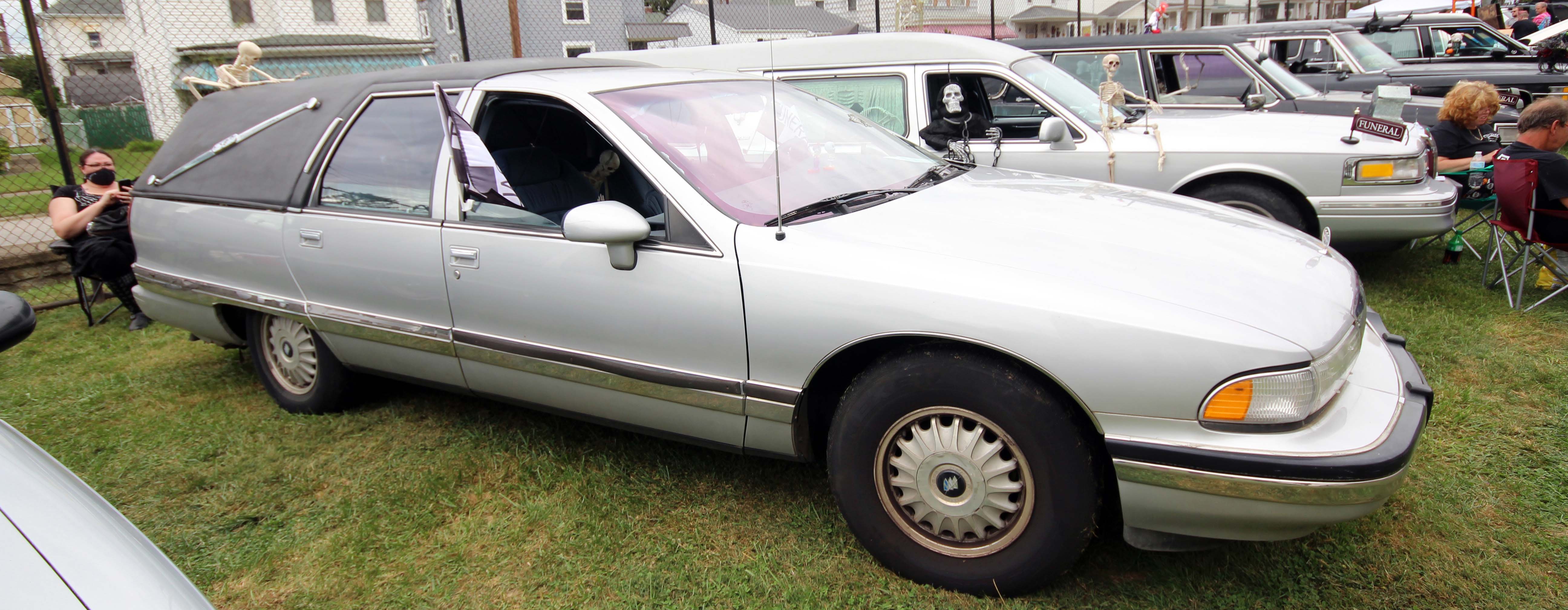
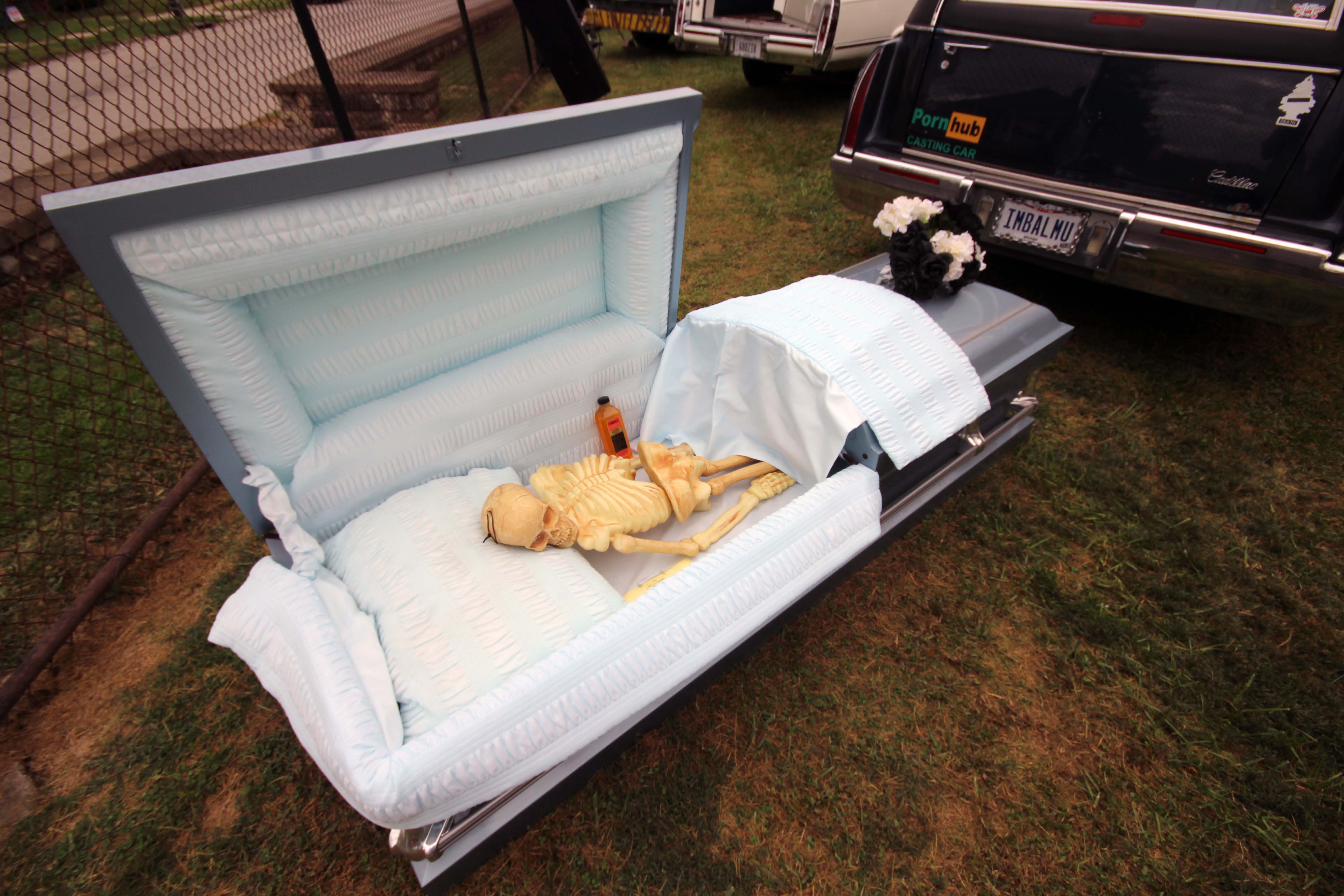
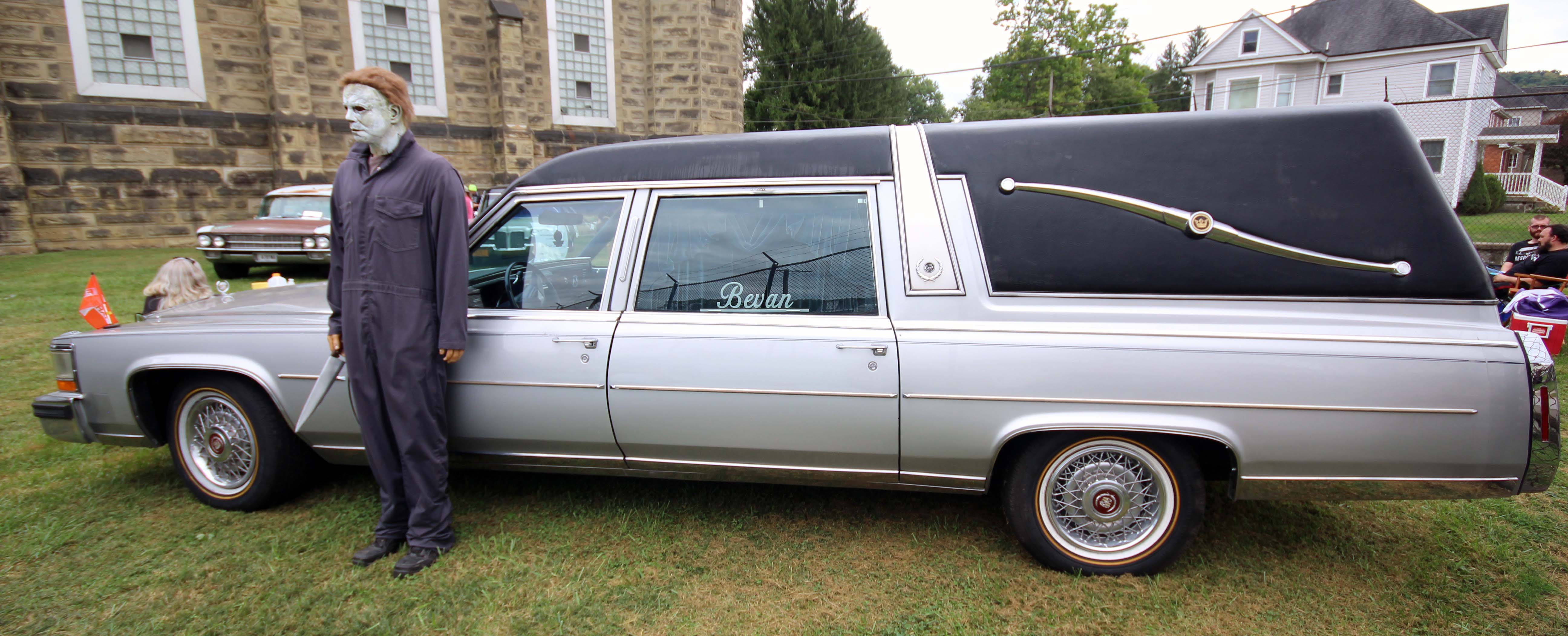
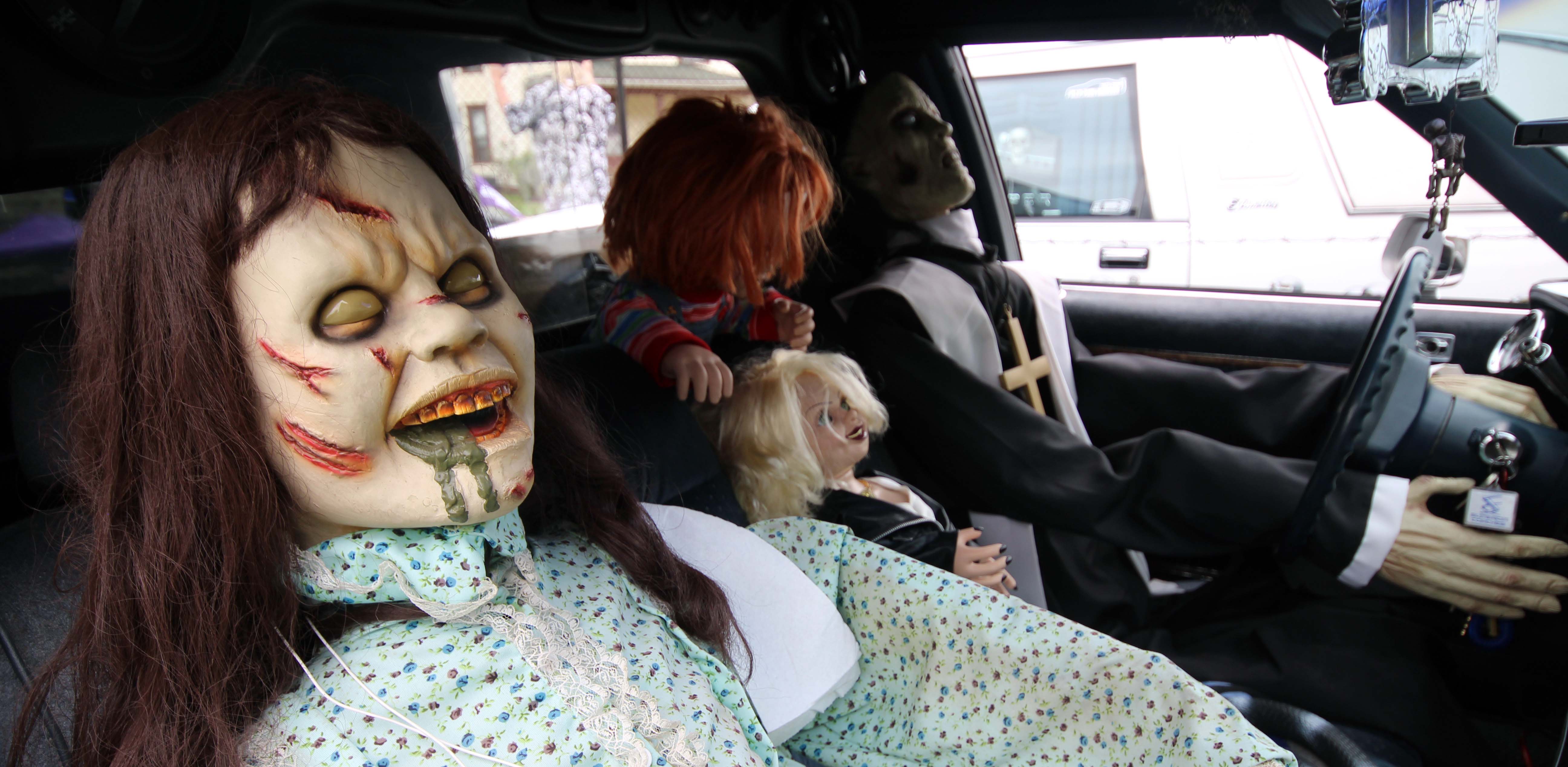
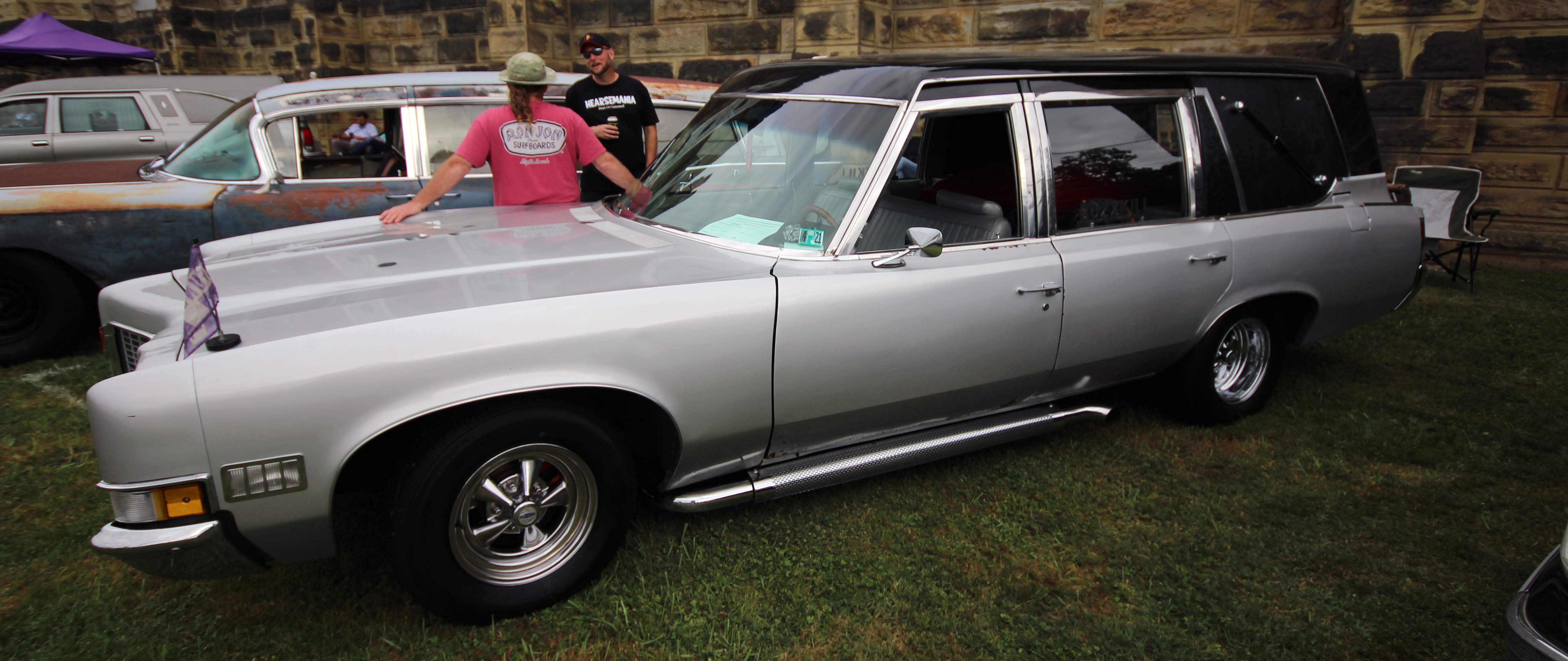
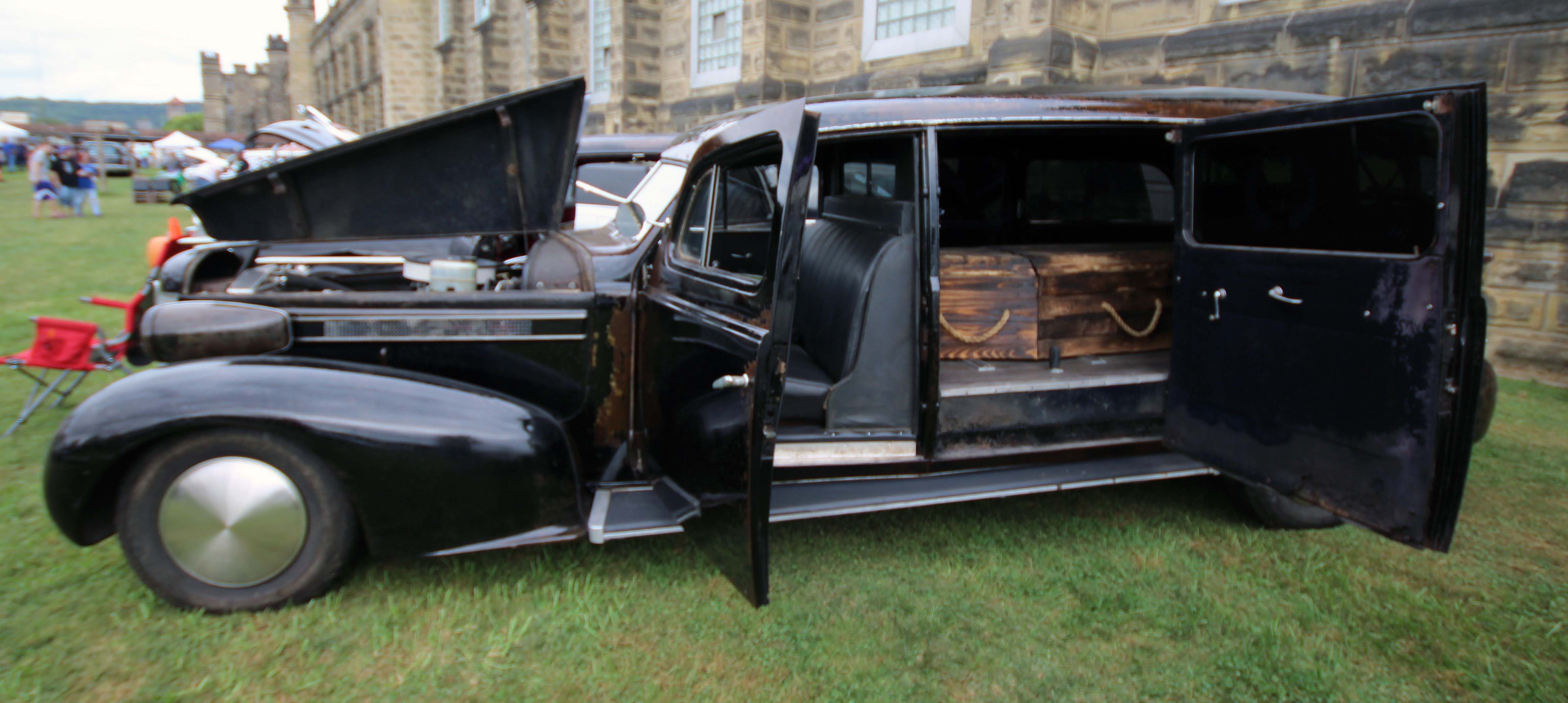
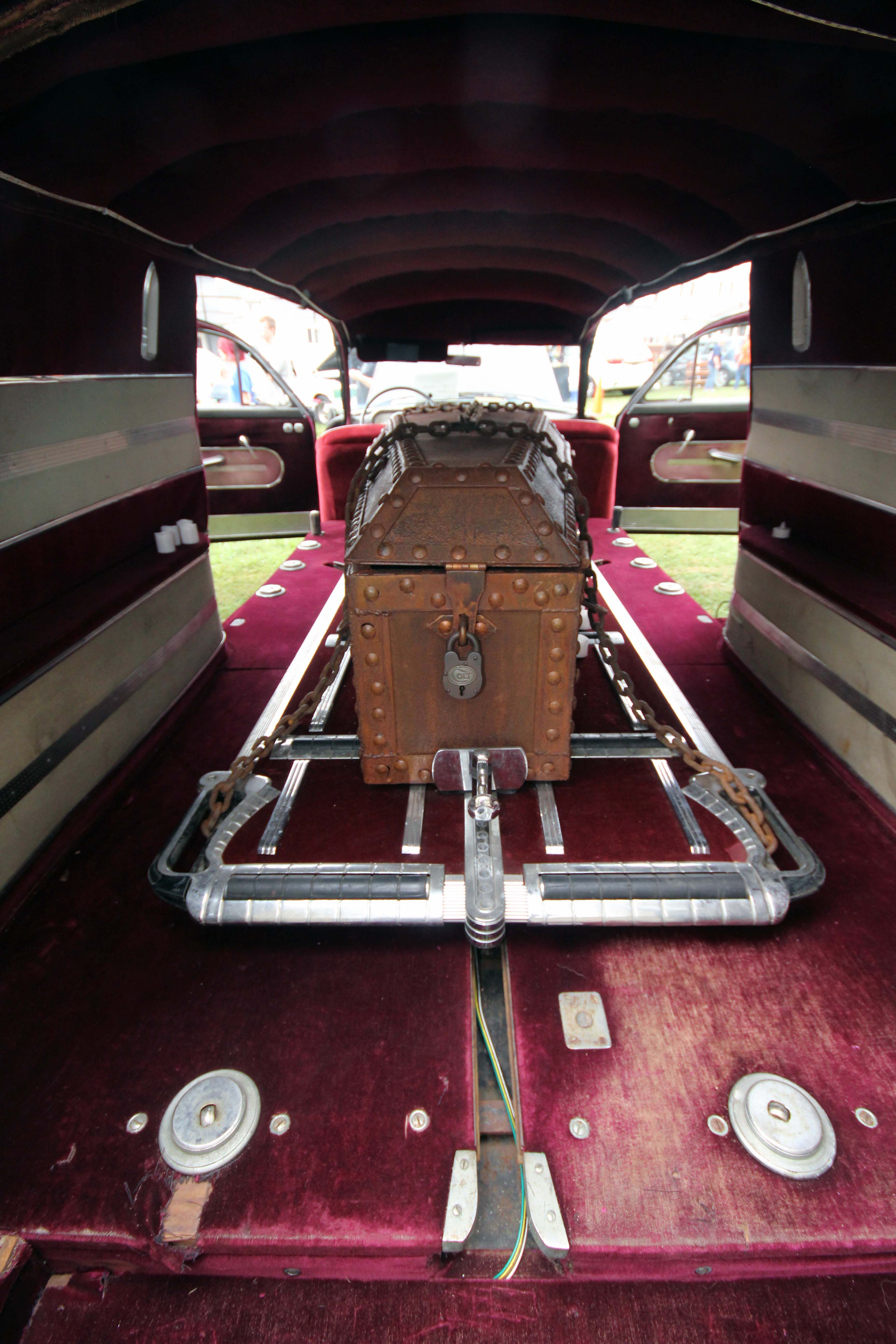
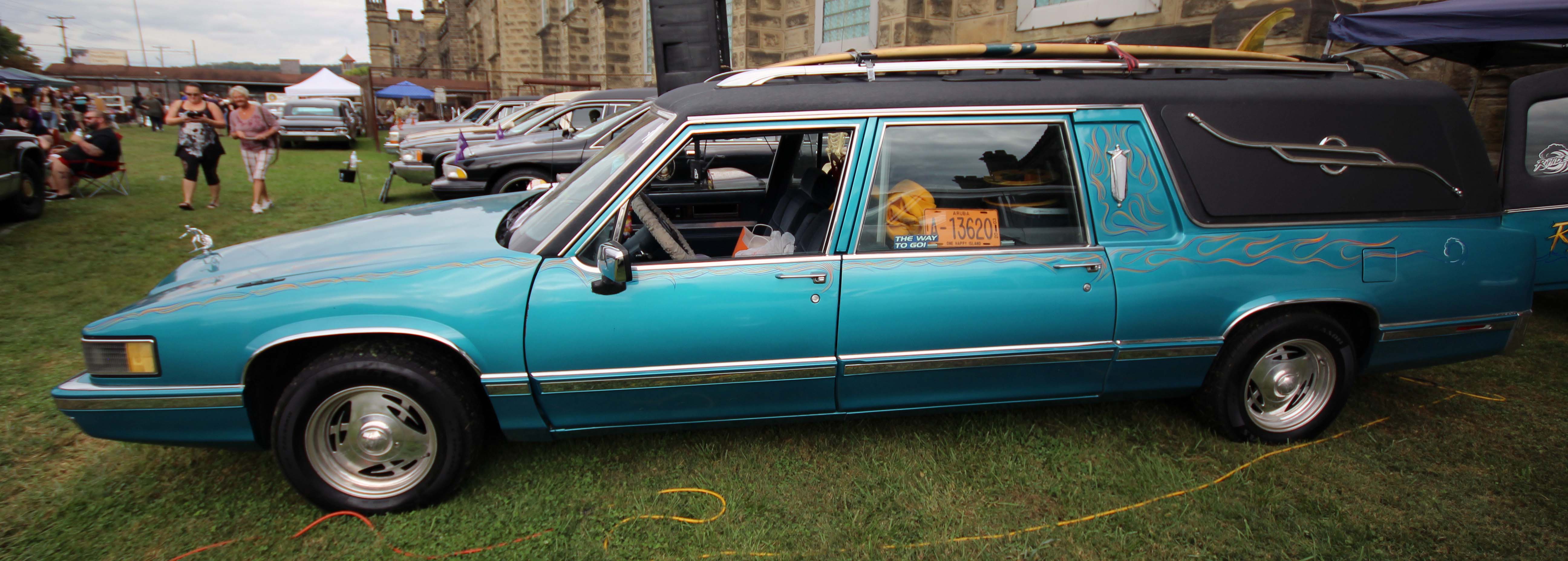
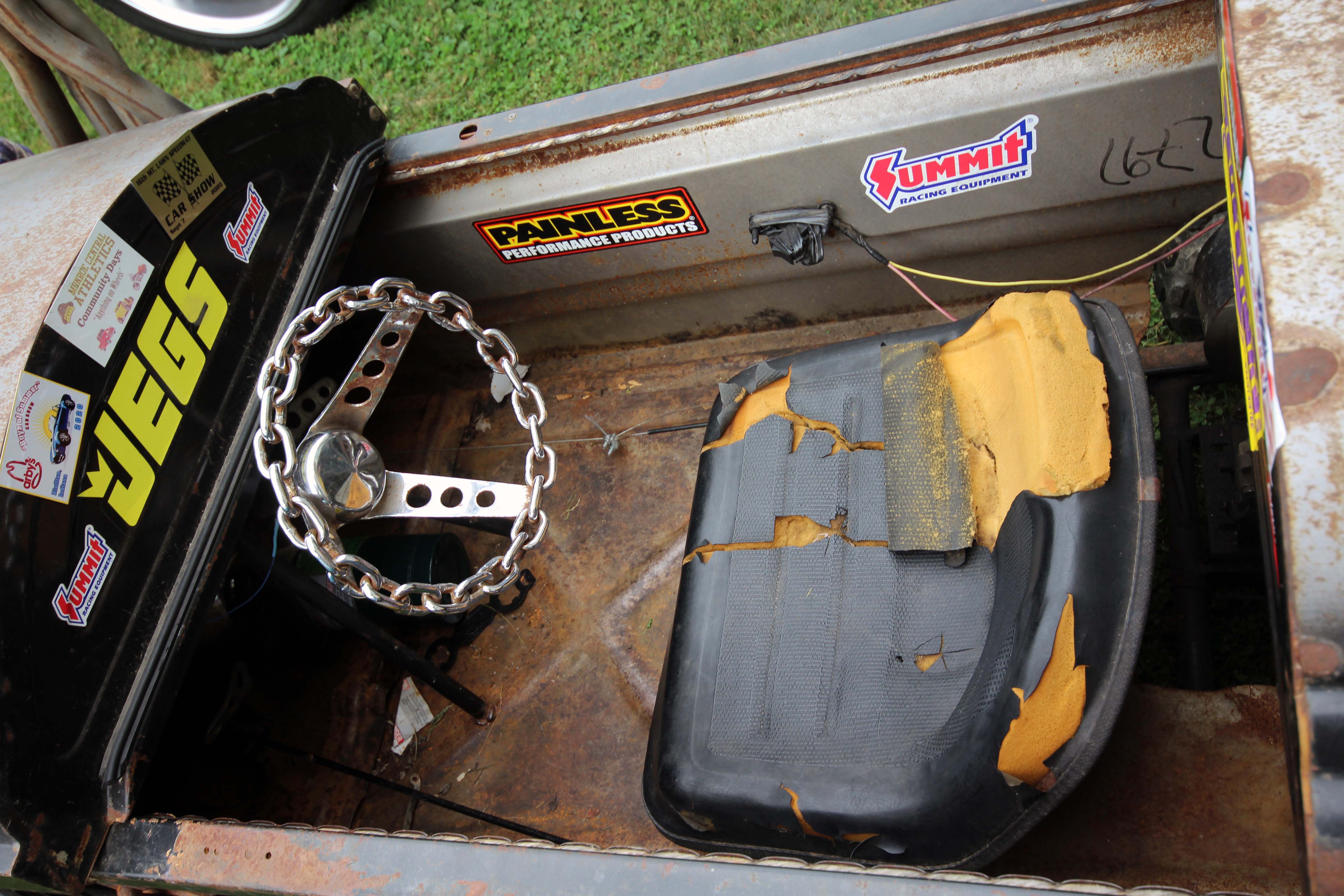
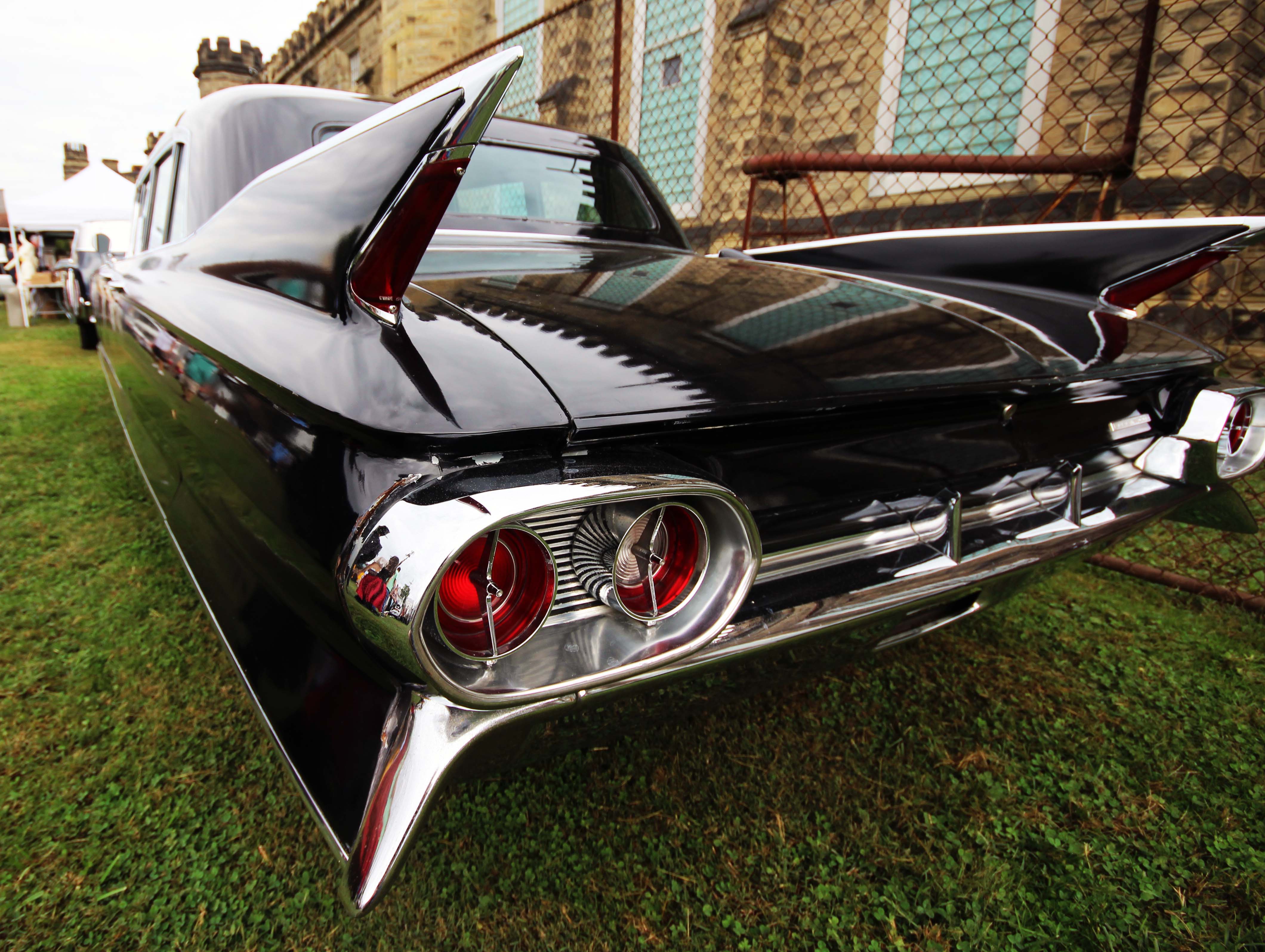
Hearsemania!

This is an additional post written by Lee.  He went back a third time to the prison for Hearsemania.   – Trace

While I was at the prison, I had seen a flyer for something called “Hearsemania” on Saturday at the Penitentiary.

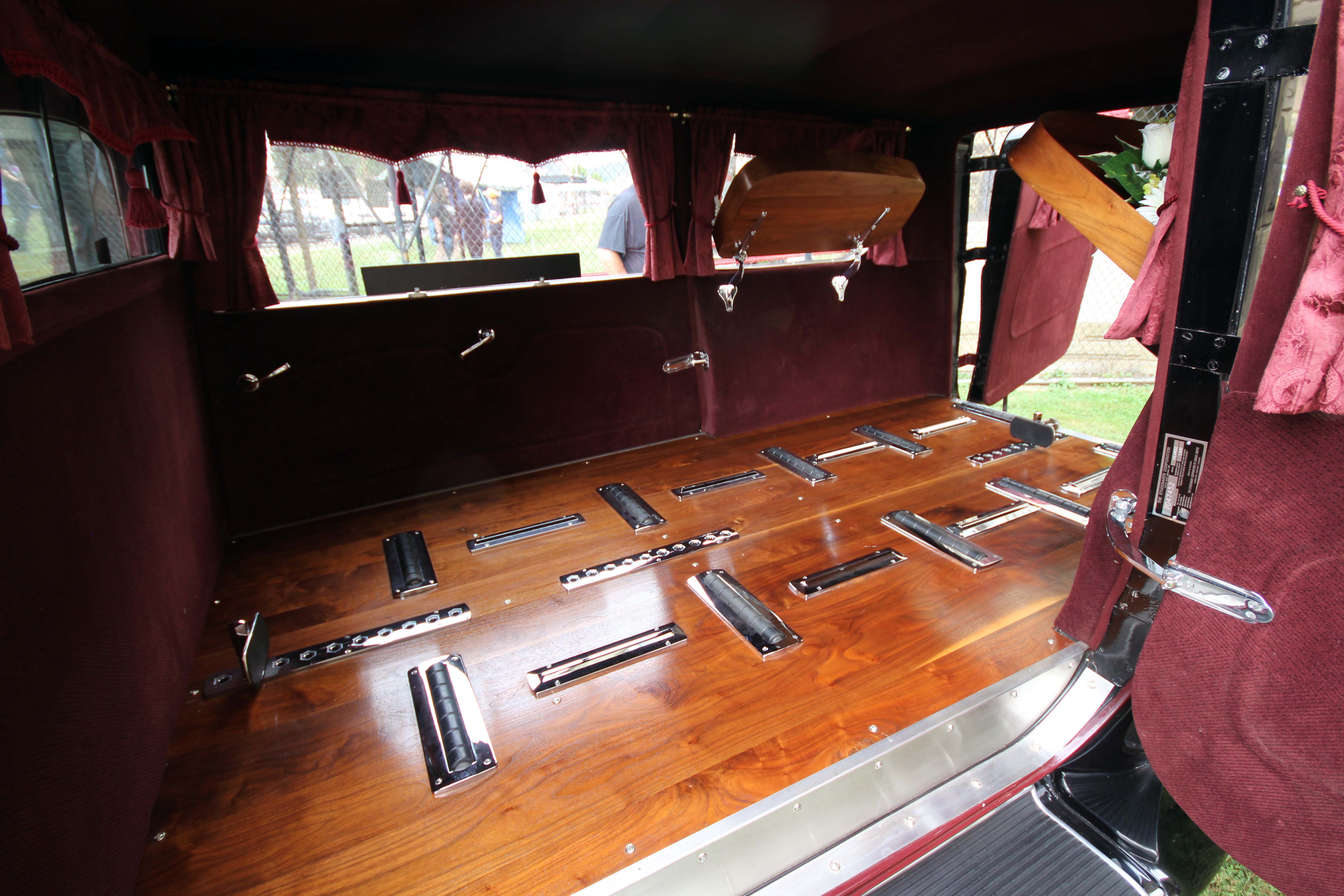
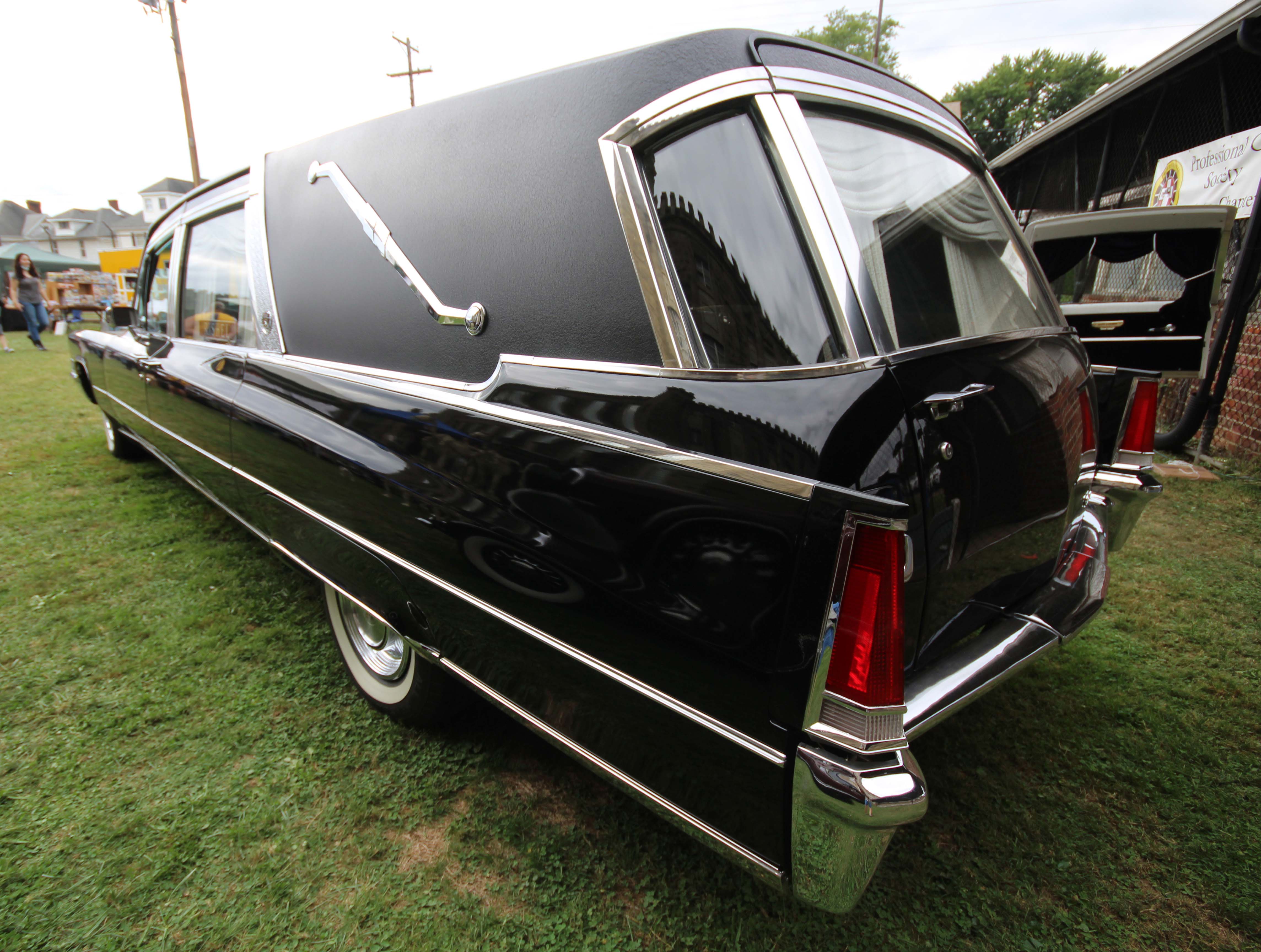
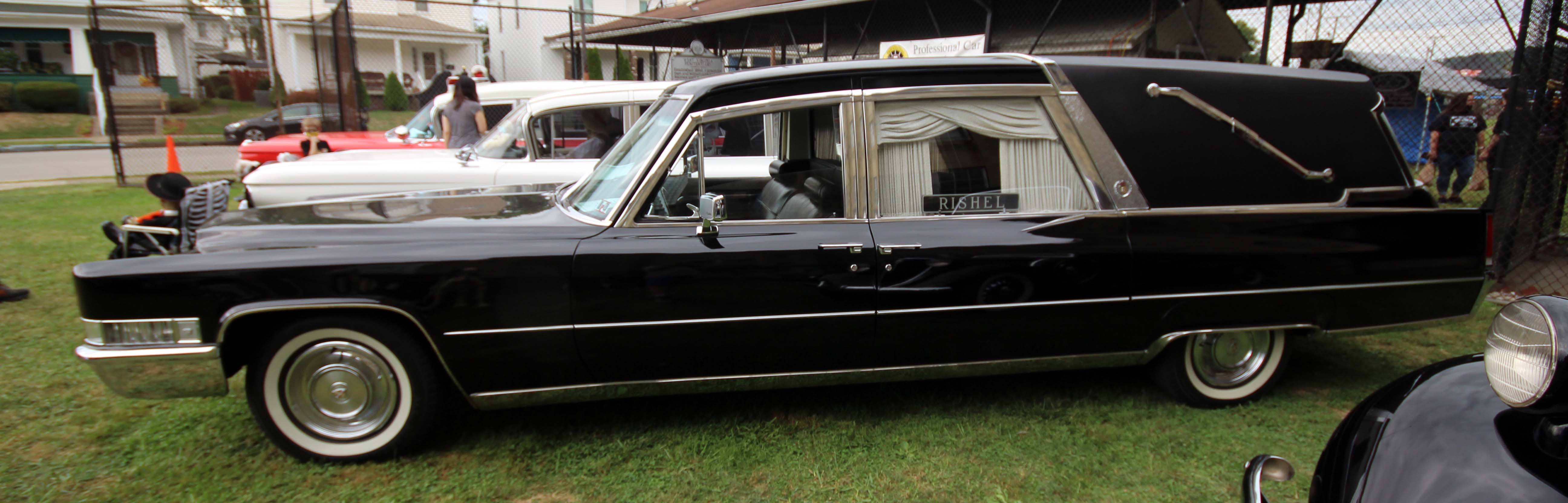
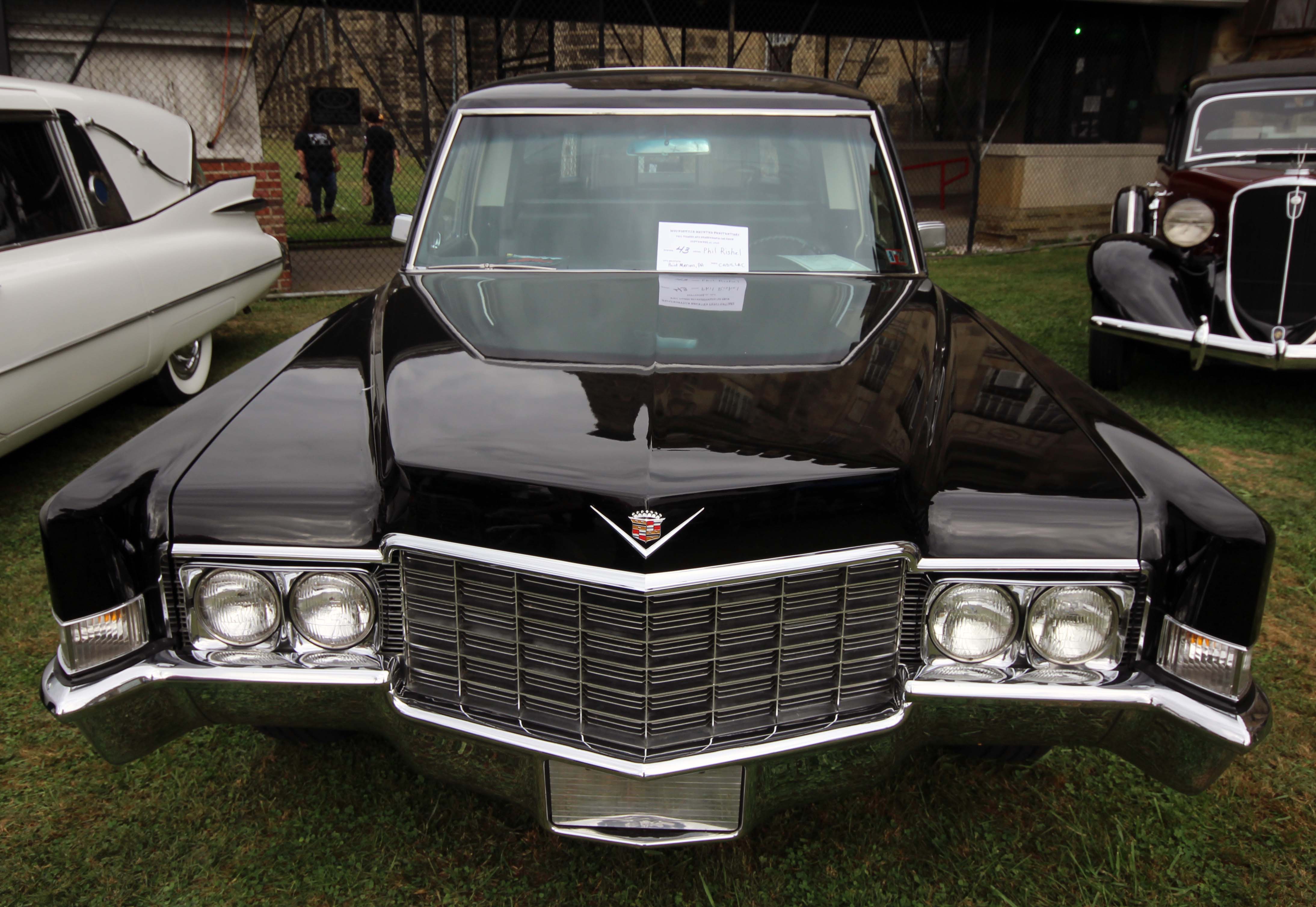
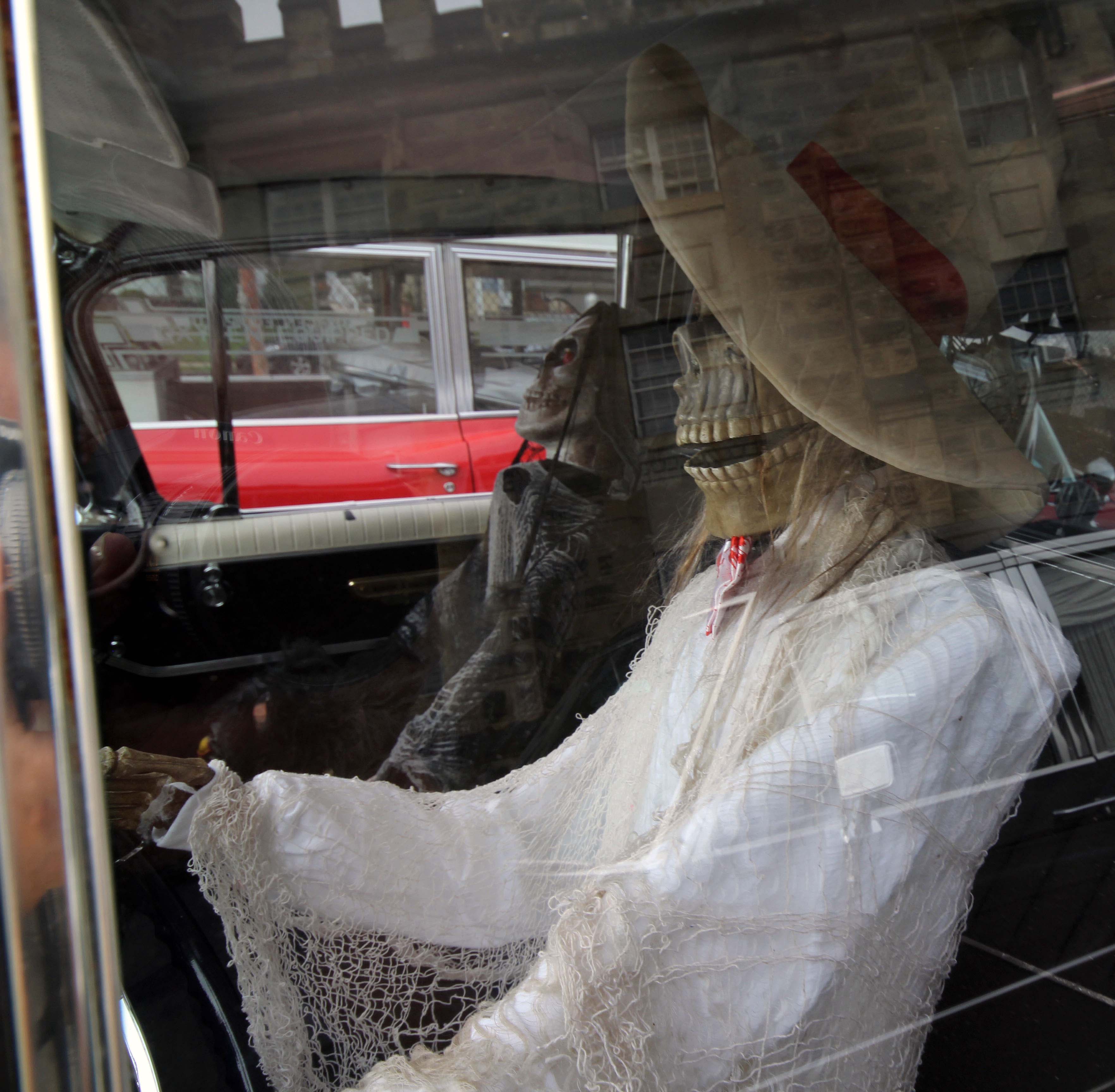
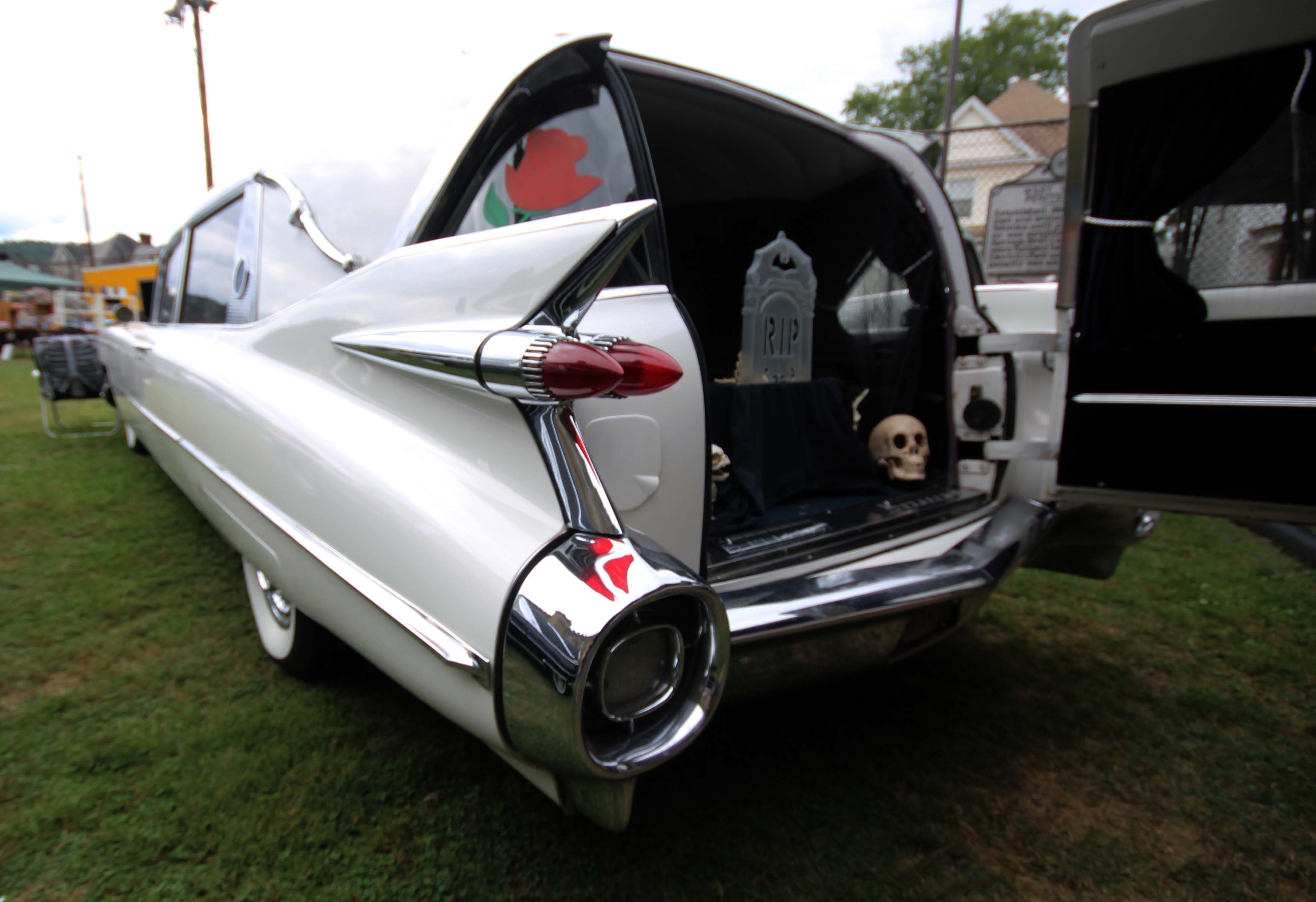
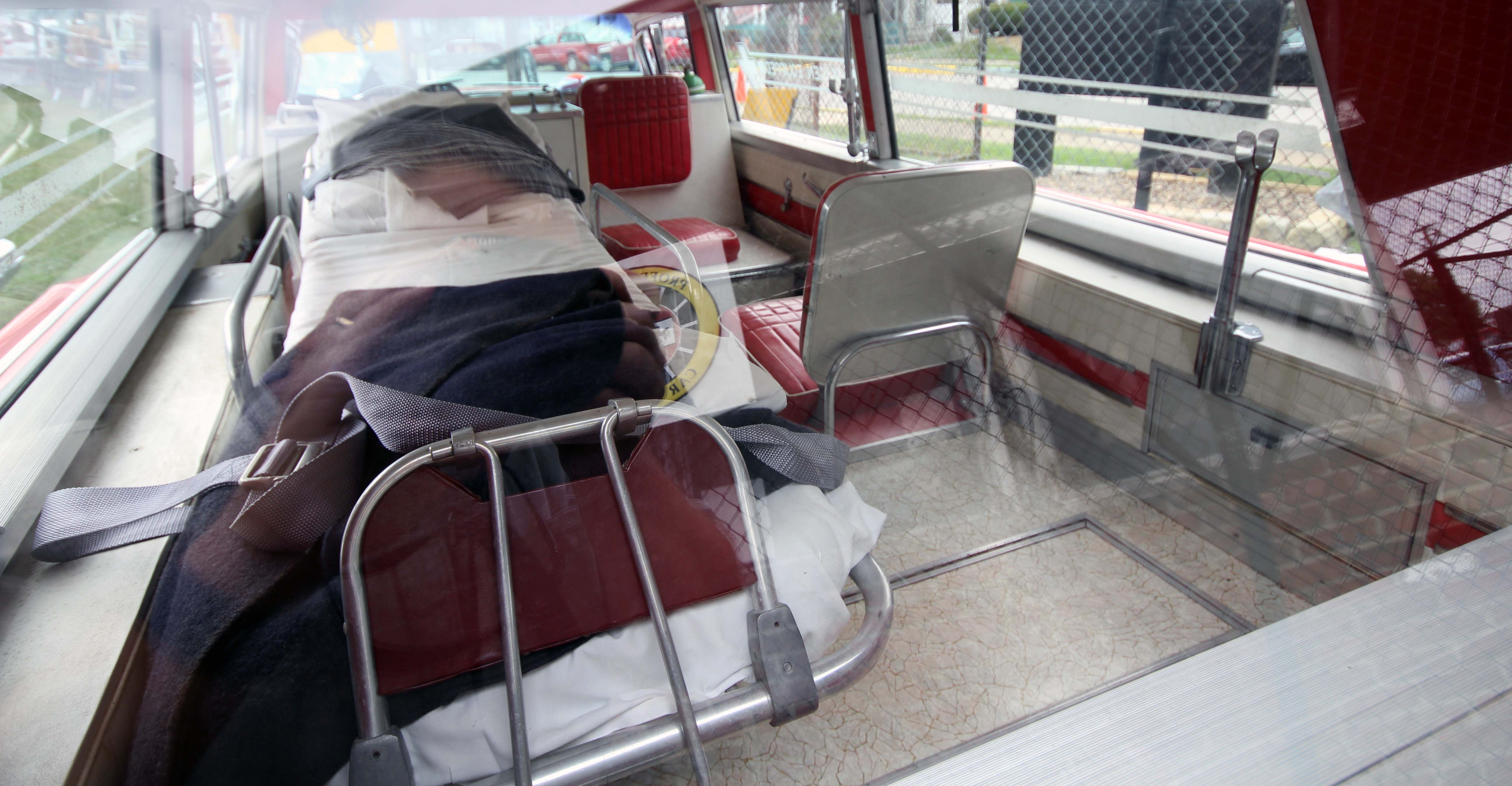
A car show, but with hearses!

It was free, so I thought I would combine that with a quick visit to the Native American burial mound center across the street, and I was not disappointed in either of them. The hearse show was just a bunch of hearses in various stages of restoration lined up for people to stroll through and gawk at. Good old all American Saturday afternoon fun.

This post is nothing but 80 or so pictures, so enjoy!- Lee


Huh – Trace


As I am seeing this pictures for the first time while editing the post I am holding my head in the hands. It is kind of funny though- Trace.


Ok this one was really cool – Trace


No Lee we are not getting a hearse. I wish I could say the gruesome tour was over but there are lots of creepy places in West Virginia and Lee apparently wants to visit them all. – Trace


Supporting our Blog

We very much appreciate your support of our blog.

  • You can purchase the ebook telling the story of how we became full-time RVers.
  • You can purchase our recipe book filled with 80 recipes we have cooked in our RV and taste tested by Lee himself. You can purchase the kindle or paperback version on Amazon or buy the Apple version on iTunes.

West Virginia State Penitentiary

Lee wrote this post based on a trip he made on a day I was working.  I have zero interest in visiting prisons let alone haunted ones, but Lee loved it so much he went back for a second trip in the dark.  – Trace

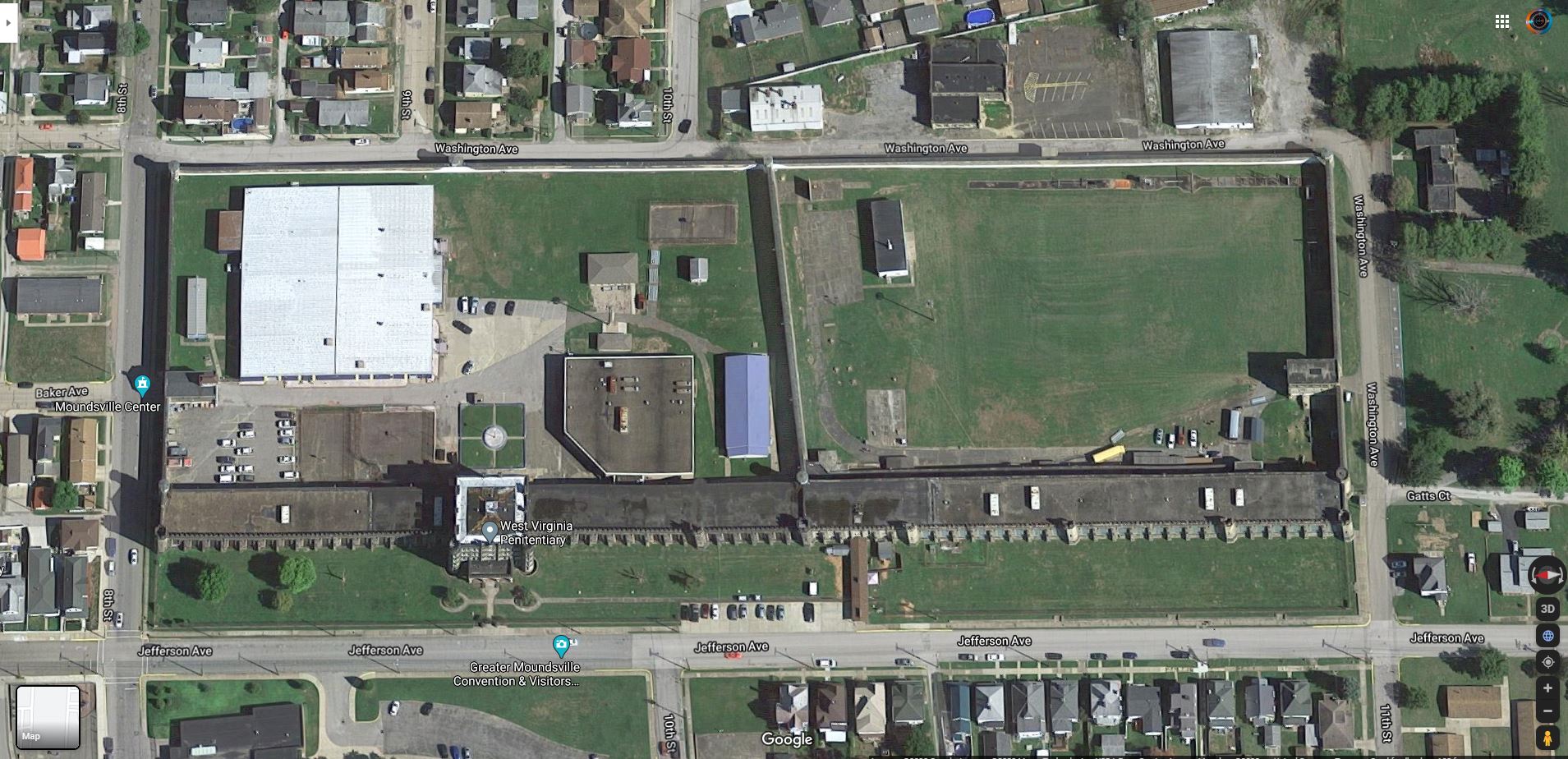
Before you go, be aware that while there is a tiny little parking lot on the West side of the property (bottom center of the image below) it is NOT suitable for any kind of a rig. However, the west side (southbound) lane of Jefferson St is free to park, and the property is only a few blocks east of the main drag through town, so getting there and parking and getting out again is just a matter of using the grid pattern .
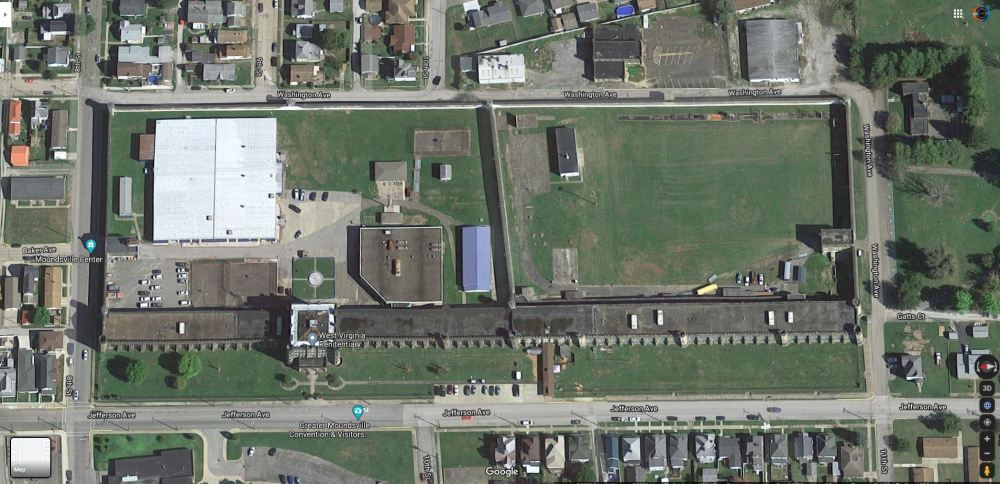
As we sloooooooowly work our way towards Charleston for Christmas, we are stopping at a variety of places and spending more time in states we really haven’t spent any time in. Trace works Mon-Fri, so I get to find things to see and do that are interesting to me, but not anything she would be interested in.

In West Virginia, we both wanted to see New Vrindiban, and while we waited for a weekend day to do that, I found a couple of places to see. I’ve always been fascinated by “fringe” places. Places that are extreme. Far away, or really high, or really deep, or just unusual. Abandoned places. Dark places. I’m not morbid, I just like history.  I also really like Gothic and Deco architecture, as well. The West Virginia State Penitentiary fit the bill nicely!
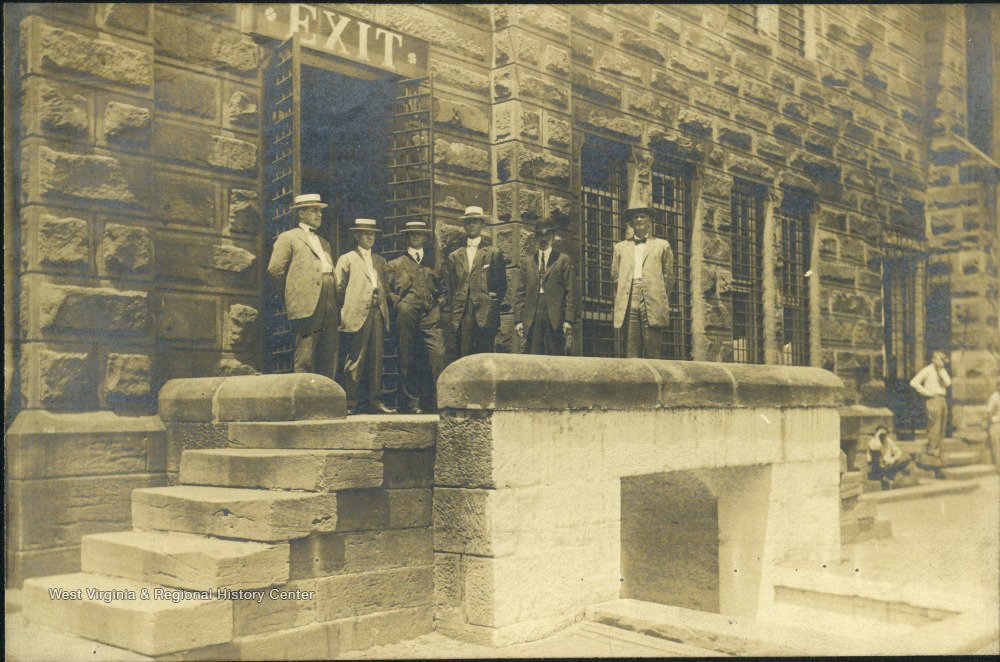
Warden and Staff-1912
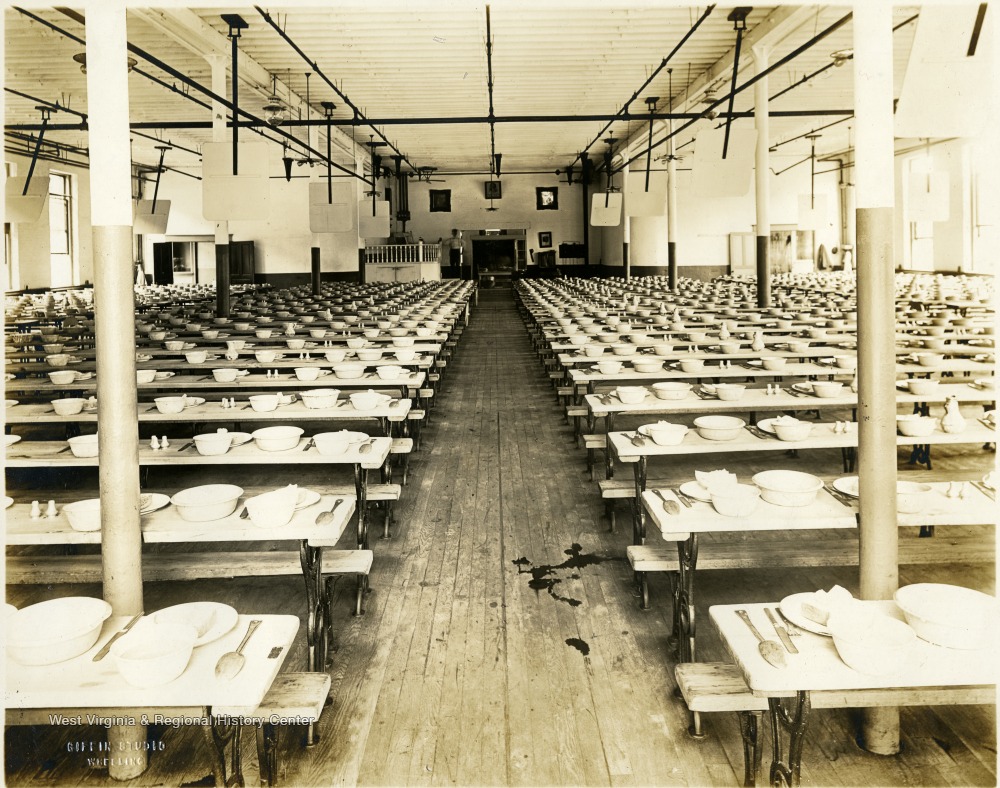
Dining Hall-1912
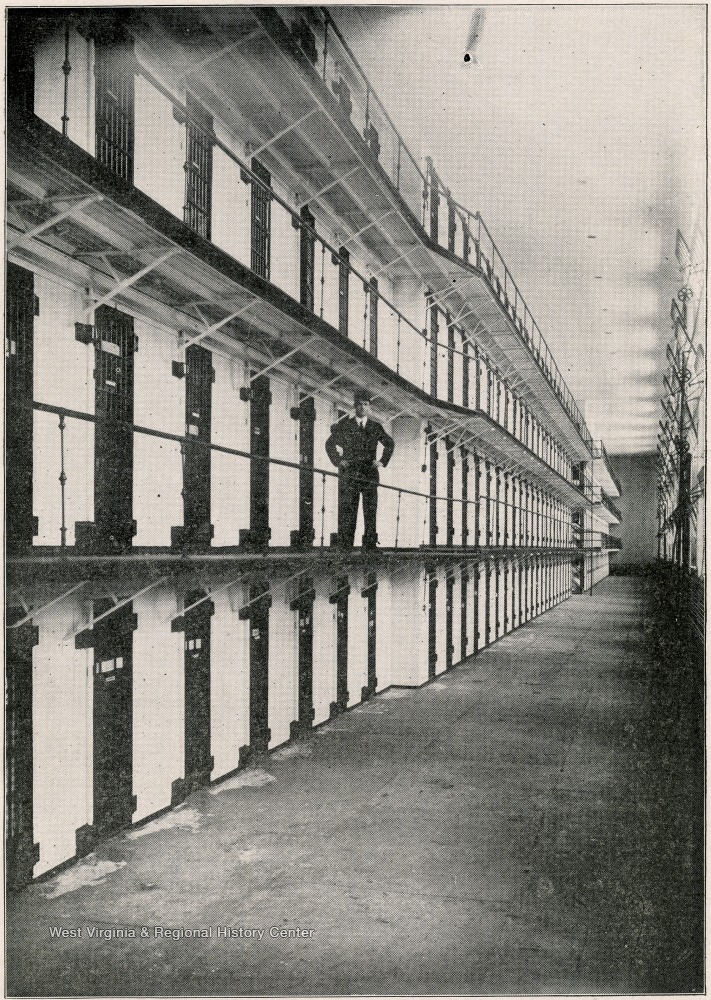
1912

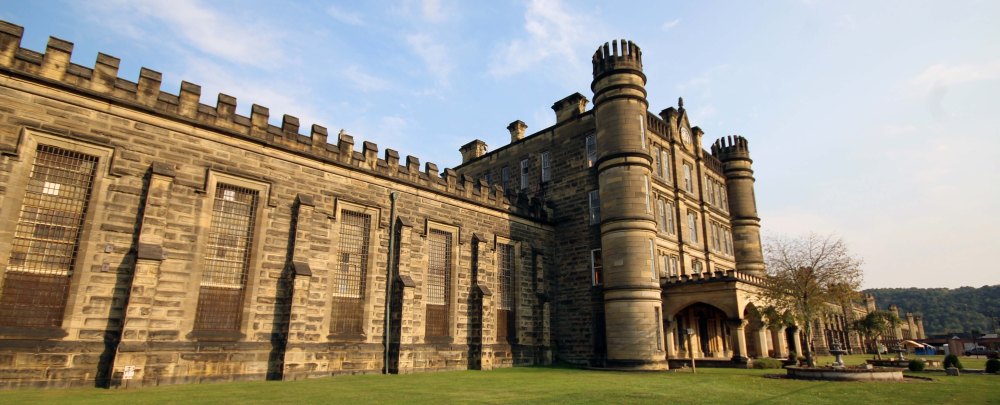
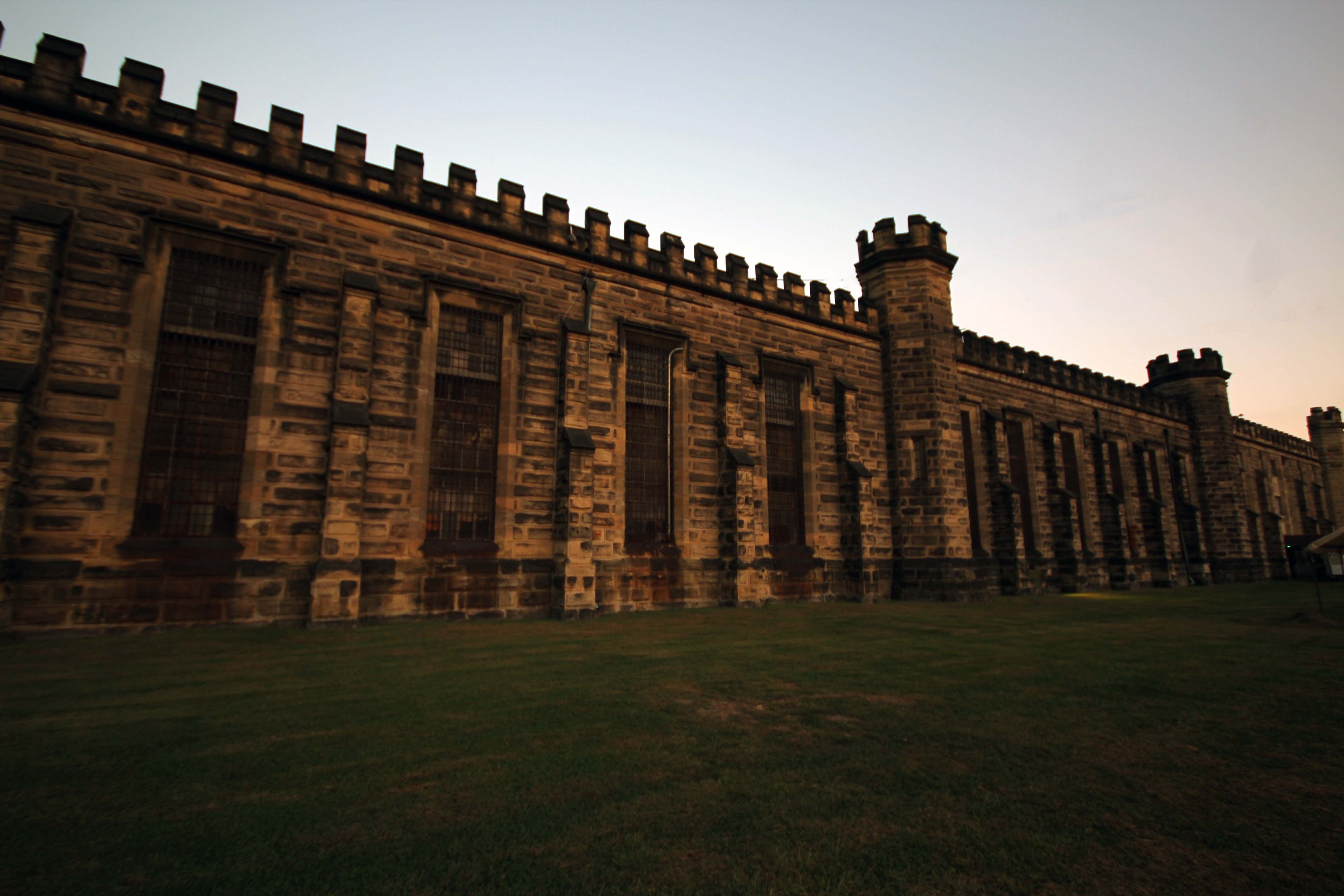
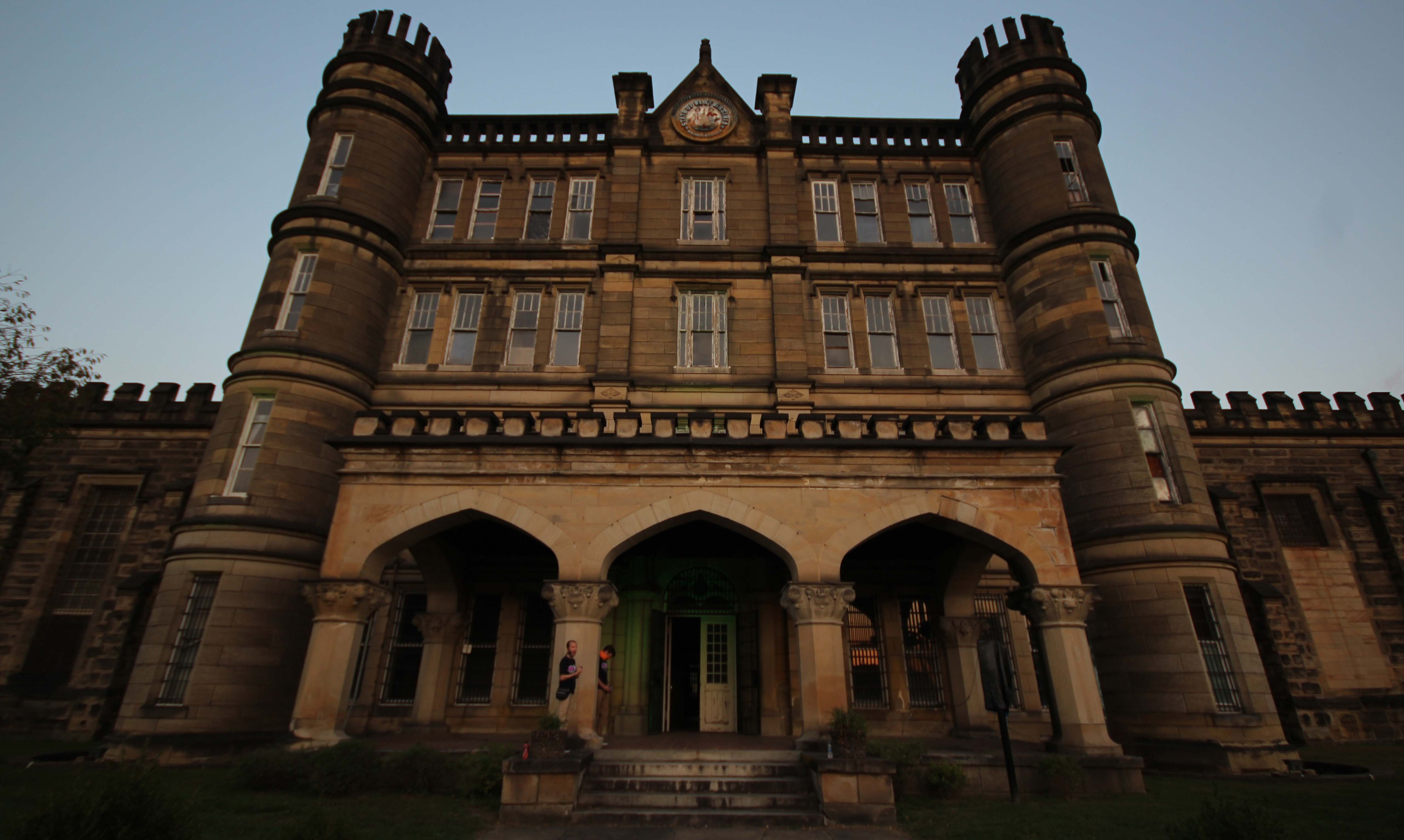
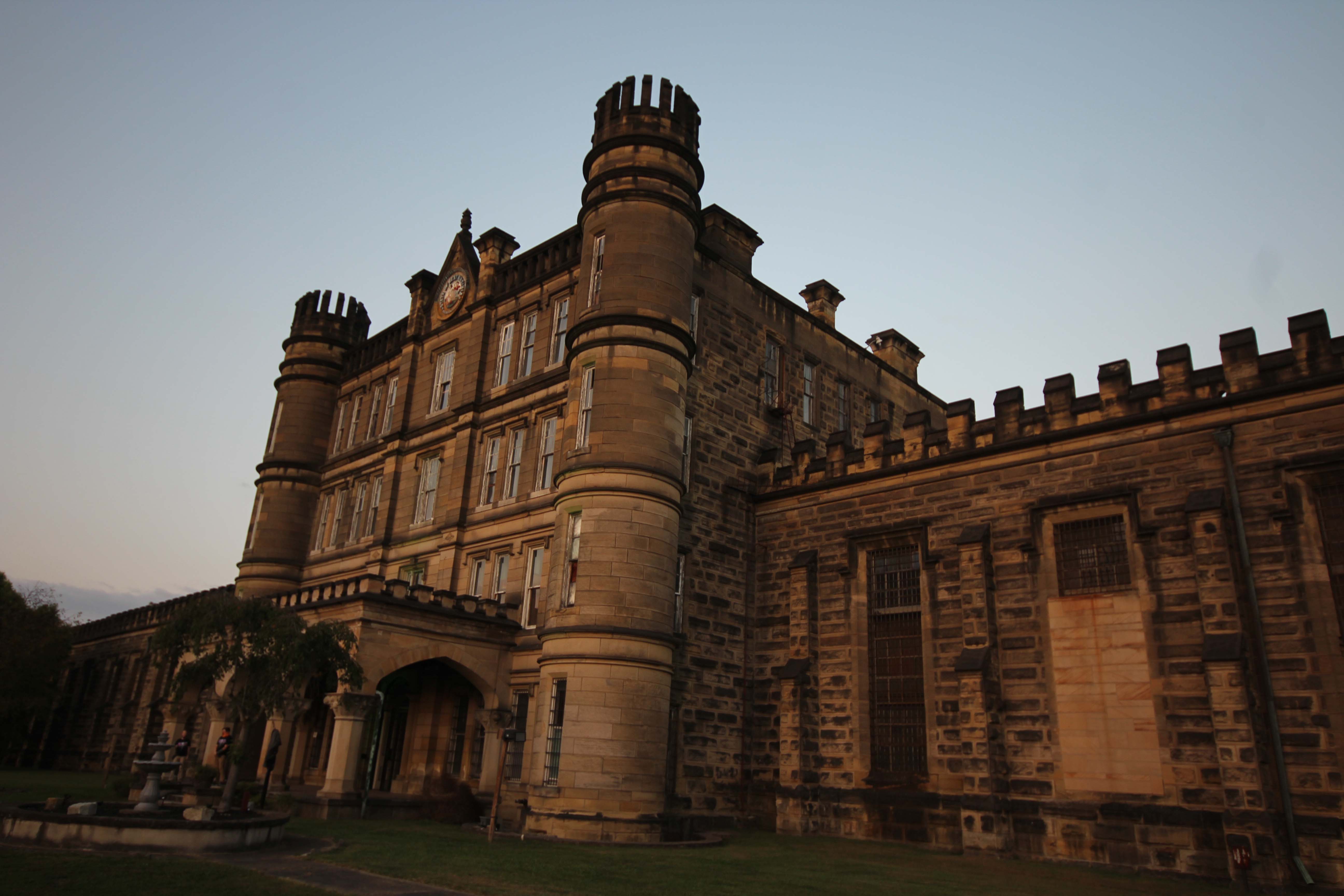
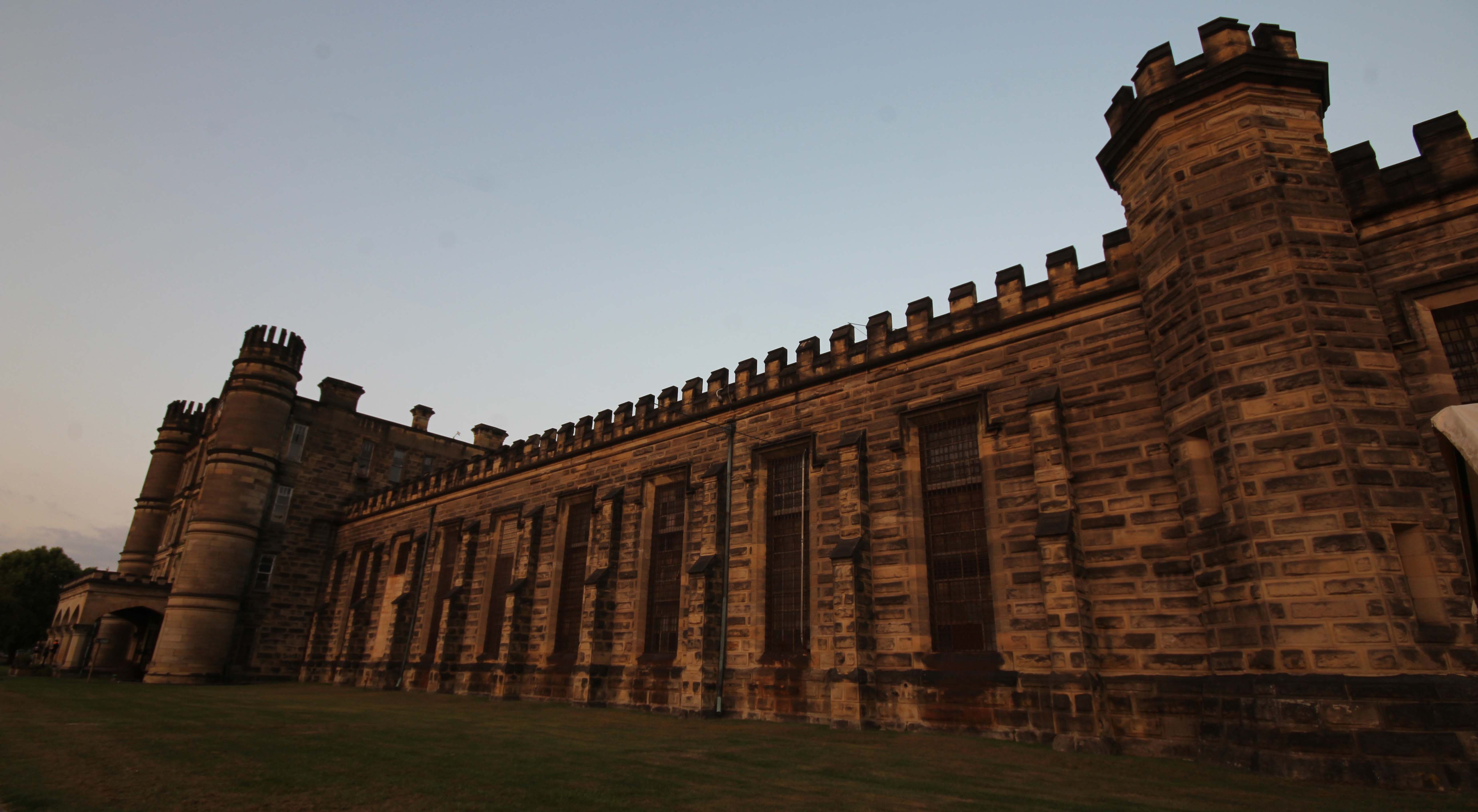
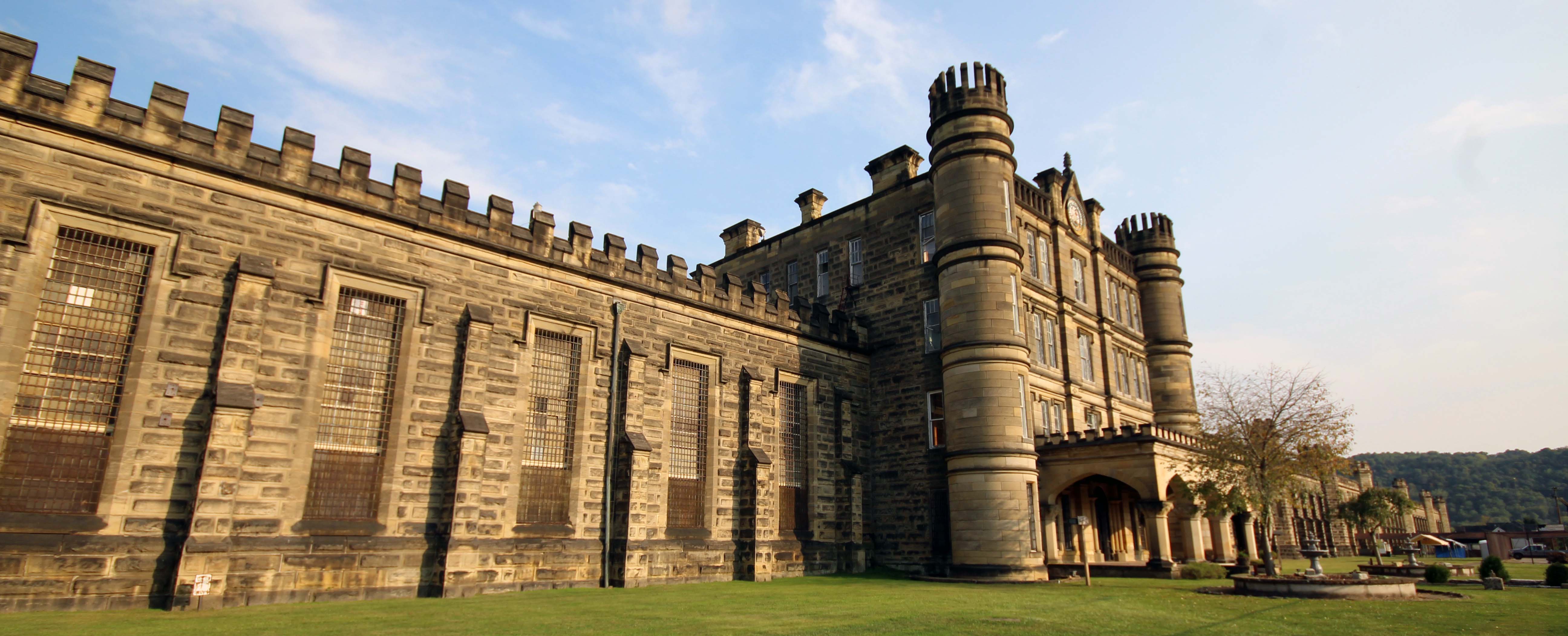
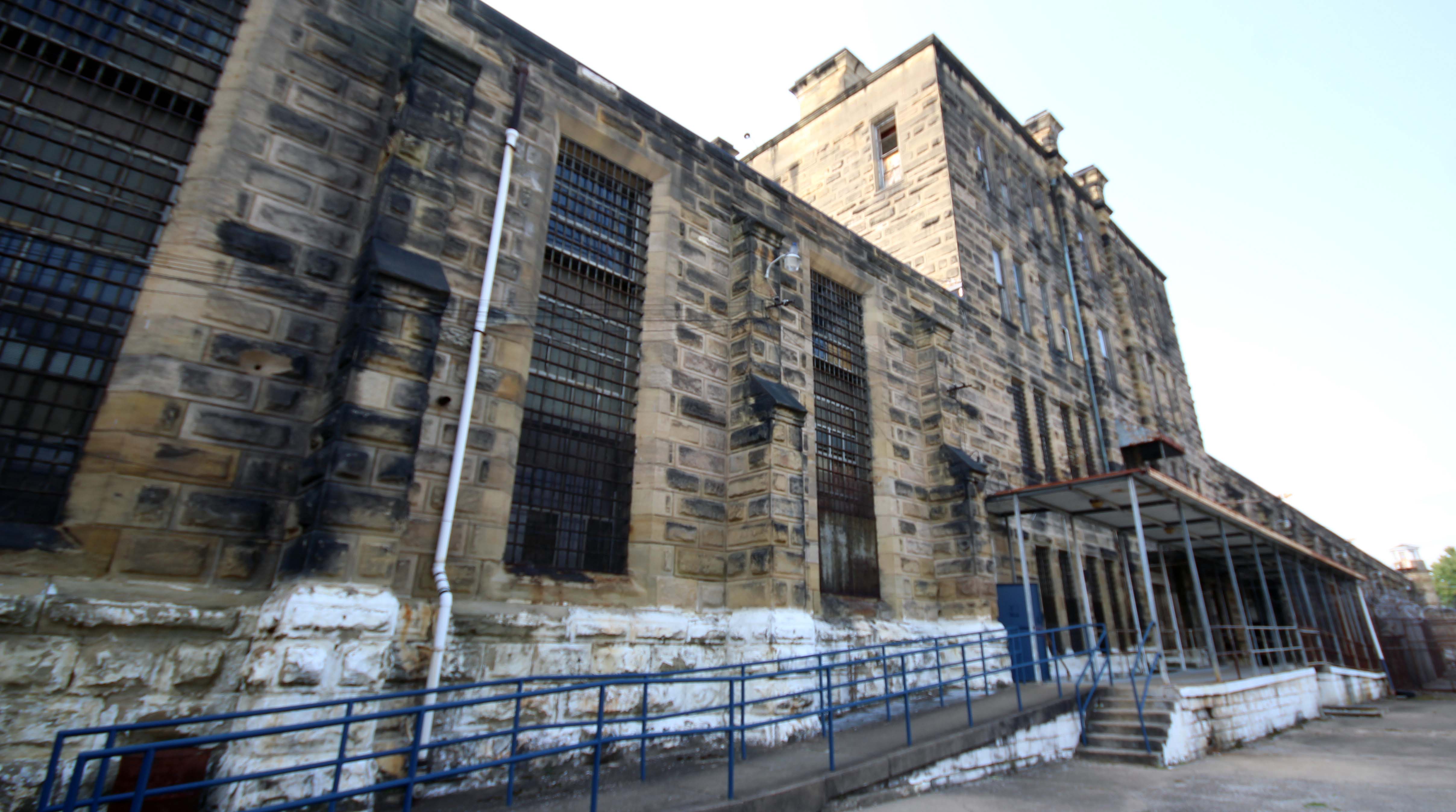
Located in Moundsville, WV, just a little south of Wheeling, the WVSP was built from 1867-1876.  It  was modeled after the Joliet prison, famously used in The Blues Brothers. The original administrative buildings and cell block wing started operating in 1876 and finally closed in 1995. When it first opened, conditions were “good”, as prison conditions go, but after the turn of the century it all went downhill. Eventually the facility landed on the Department of Justice’s Top Ten Most Violent Correctional Facilities list and stayed there for many years.

In total there were 40 homicides inside the prison, but tour guides claim those were only the ones that were counted because witnesses saw them. Hundreds of other deaths were never ruled homicides.
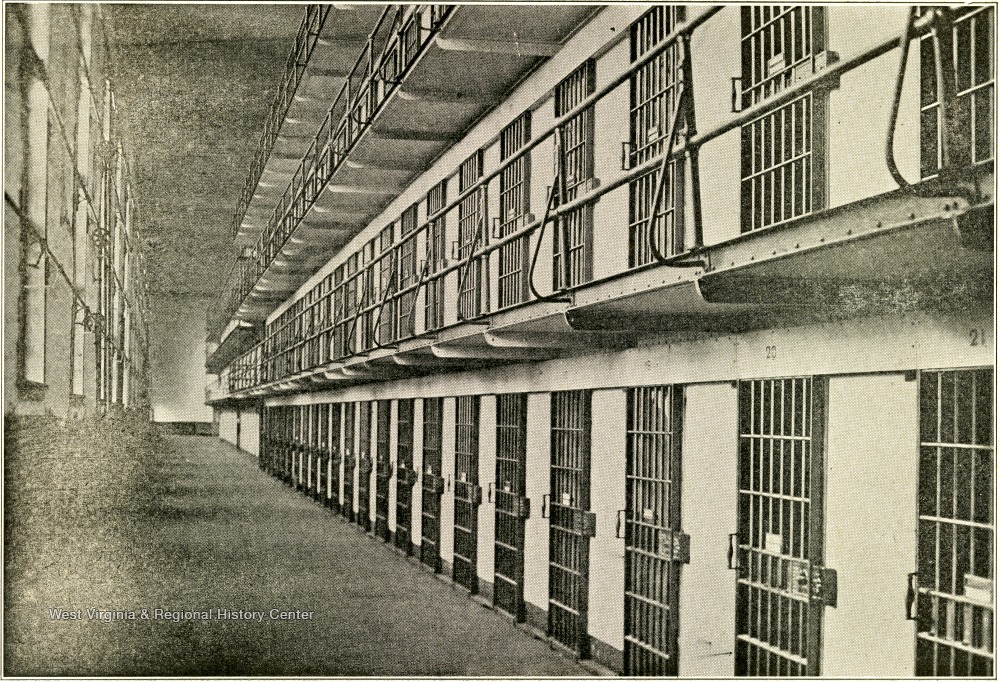
 

1924

In 1929, the prison was so overcrowded that they decided to double it’s size. The 5’x7′ cells were far too small for three people, but that’s exactly how many people they had in the cells. One on each bunk and one on a mattress on the floor. It took until 1959 to complete the construction, due to materials shortages during World War II. Even after the addition, the prison was still housing more than twice it’s capacity until it closed.  The WV Supreme Court found that conditions at the pen were so bad that just it constituted cruel and unusual punishment, and violated the prisoners 8th amendment rights.
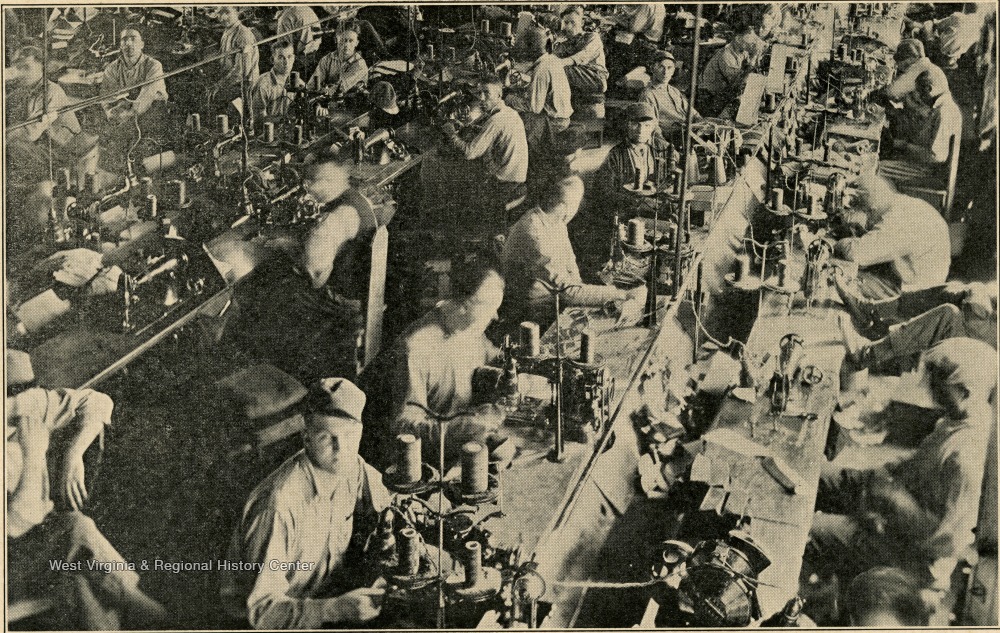
Inmates in the overall factory

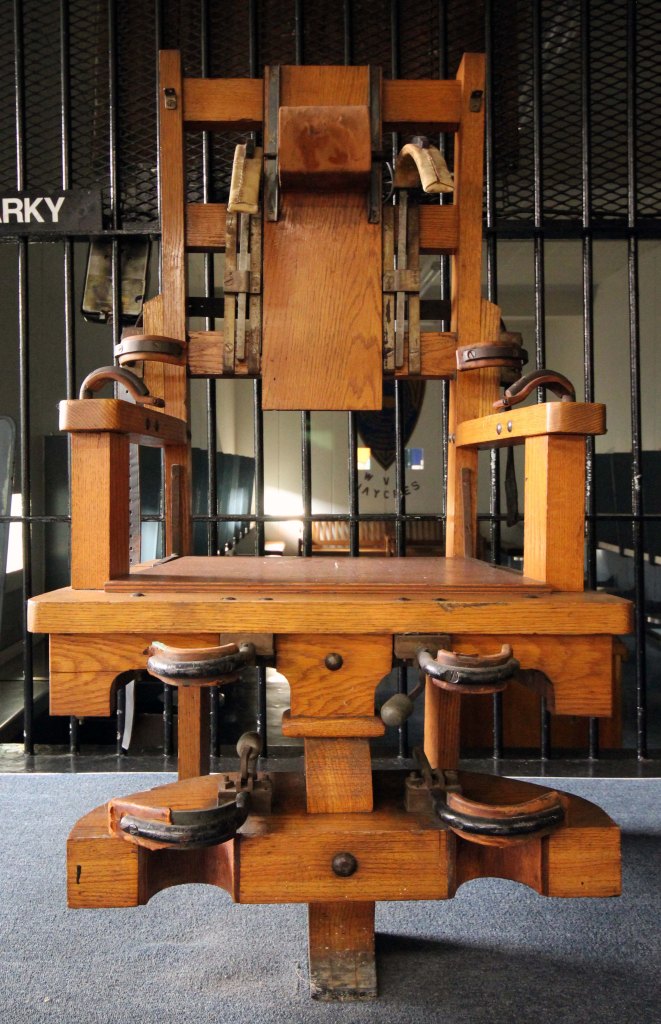
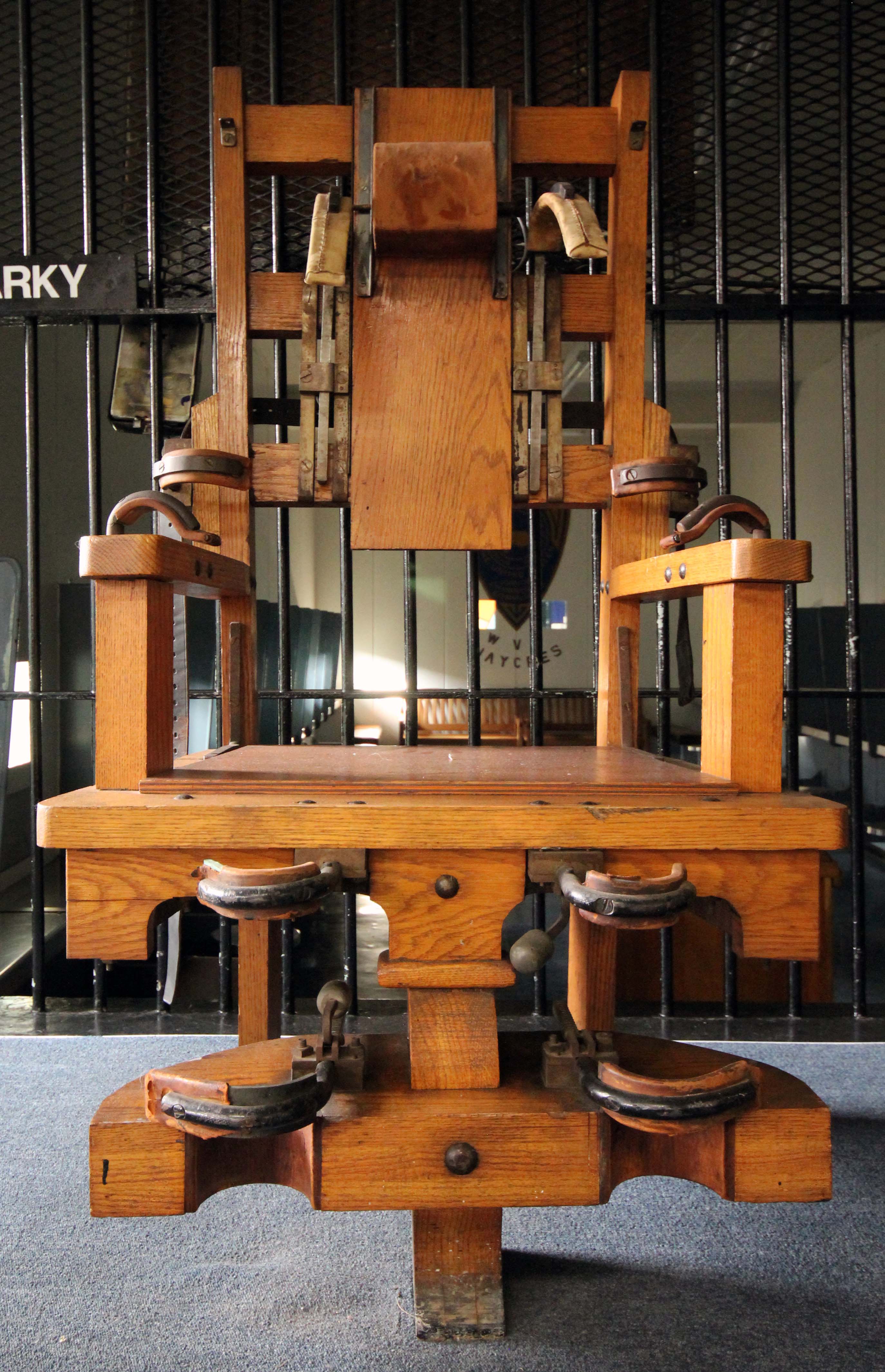
Over the years, 94 men were executed at the prison, most by hanging. Until 1949, eighty four men were hanged, and until 1931 those hangings were public events. At the last public hanging, Frank Hyer was executed for murdering his wife, but when the trap door opened and his full weight hit the rope he was decapitated. From that point on, hangings were by invitation only. After 1951, executions were completed by the electric chair, which was built by a prisoner, who was subsequently stabbed to death by fellow inmates.  See this is all so gruesome.  Totally not my thing..yuck! – Trace
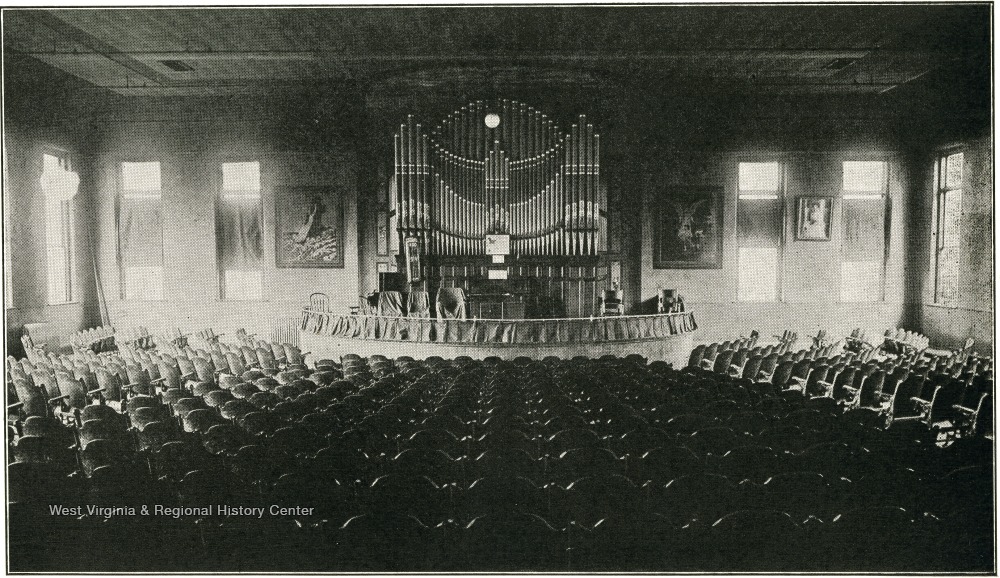
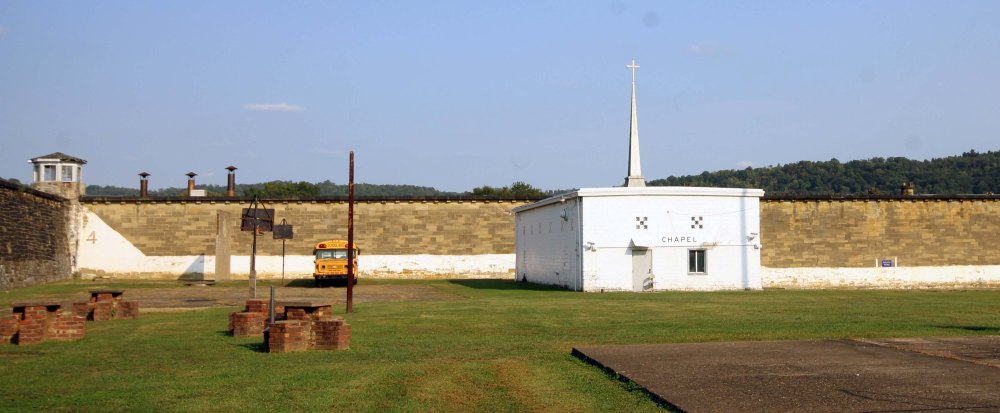
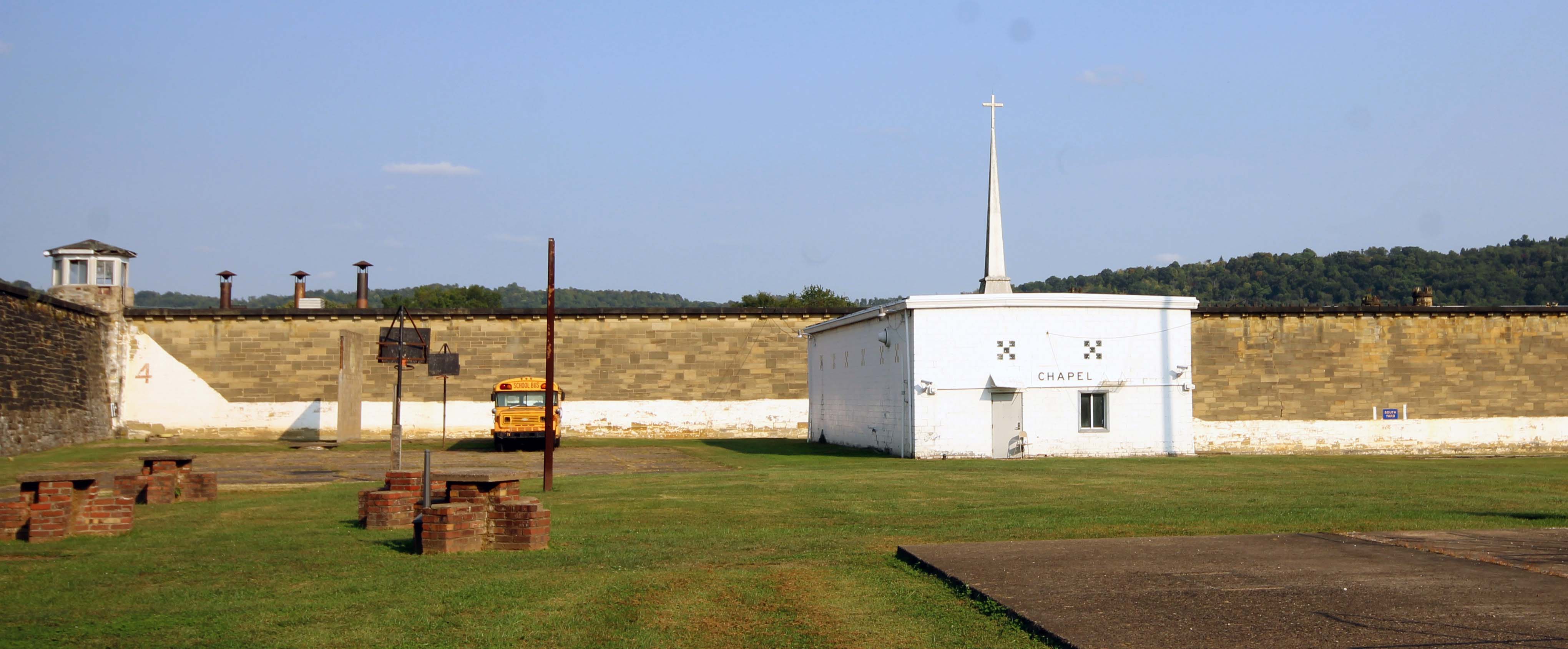
Chapel-1919

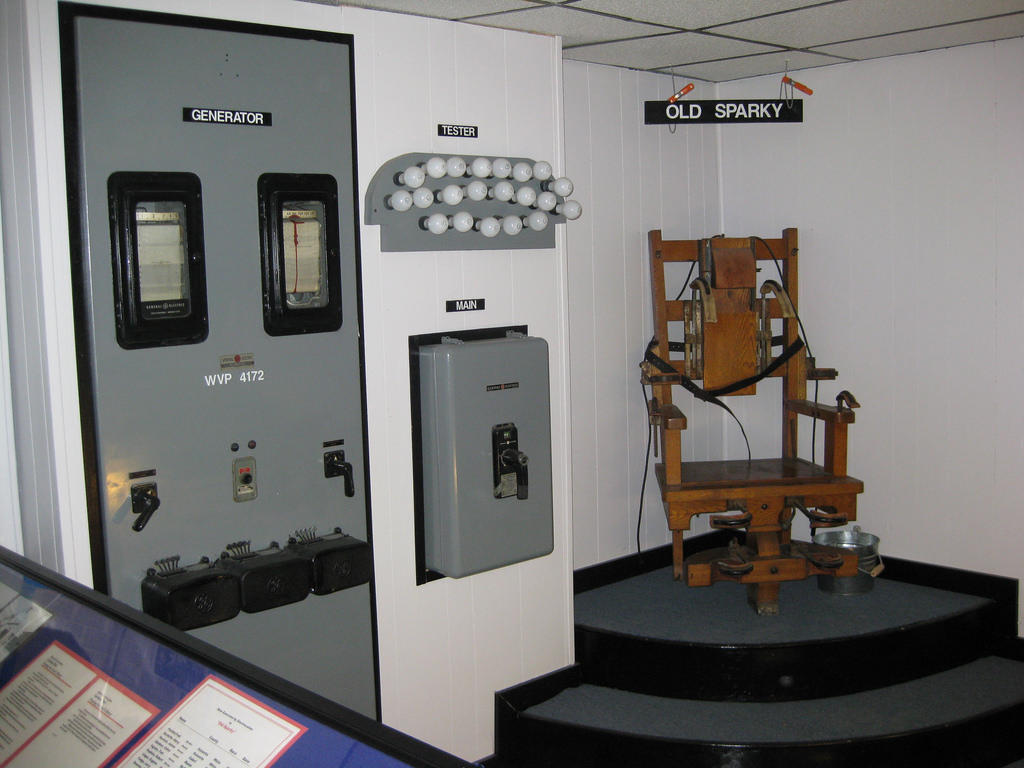
“Old Sparky” was used on nine men until 1965 when capital punishment was prohibited by the state. The original chair is still in the prison, and until recently visitors were allowed to sit in it.

In the 1960’s, the prison, which was supposed to house under 700 inmates, had a peak population of over 2000.
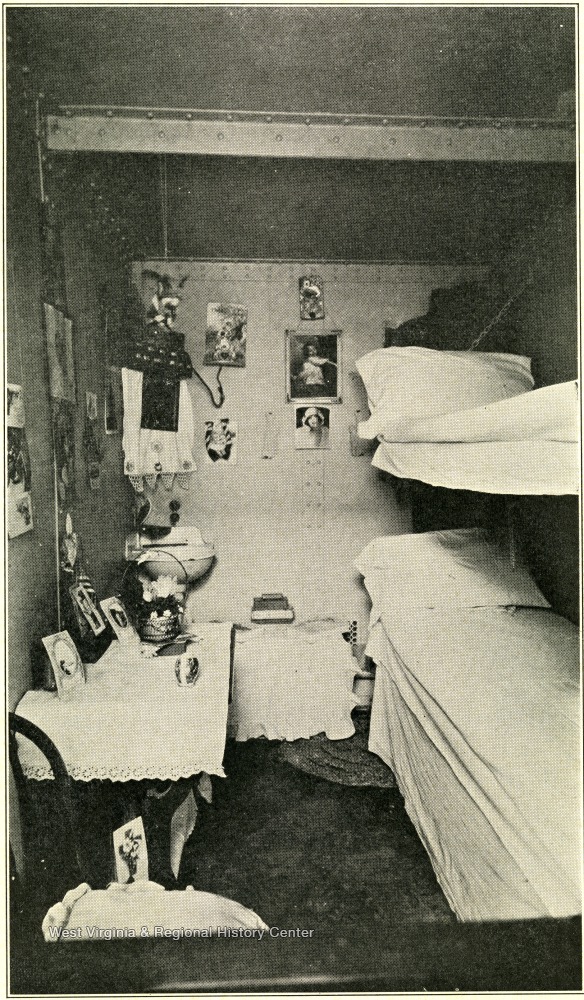
A female inmate cell-1924
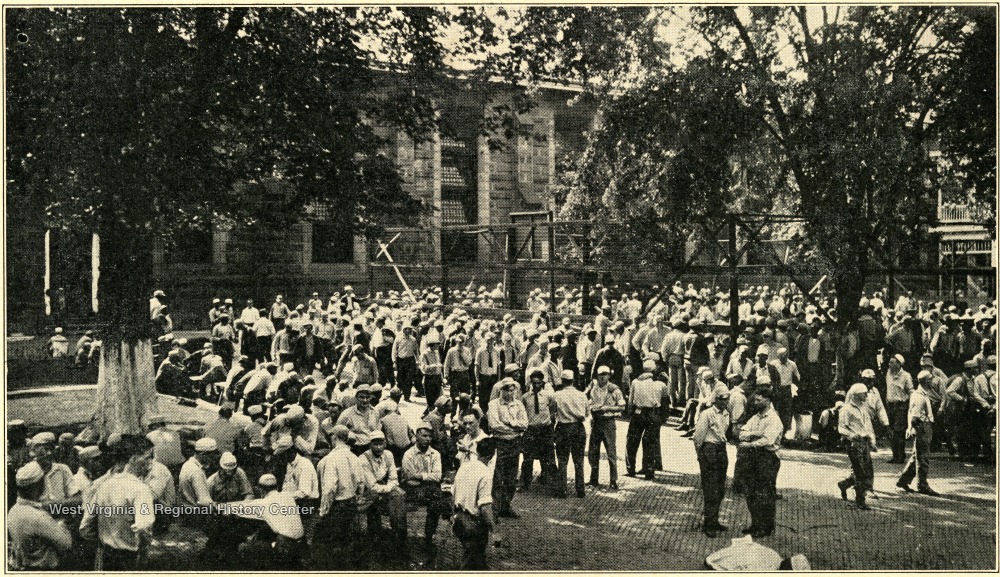
Inmates in the yard-1927
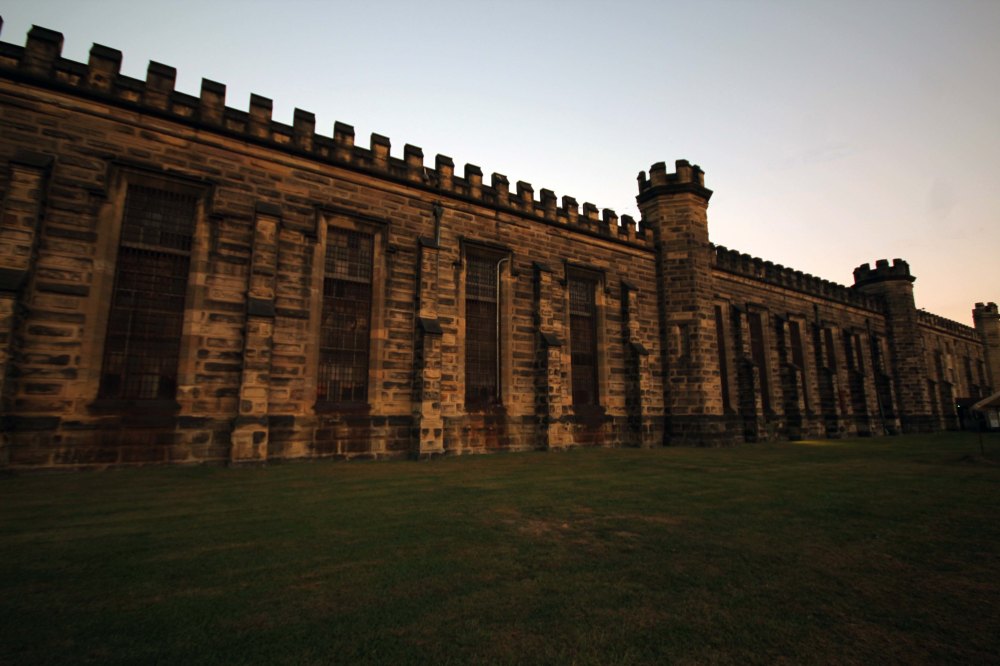
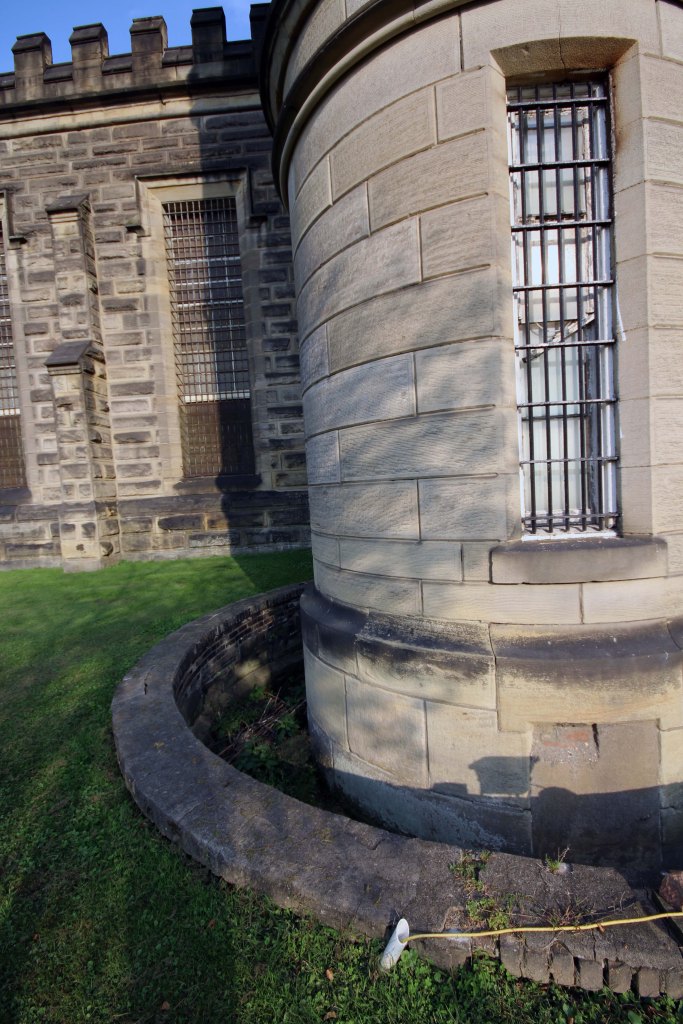
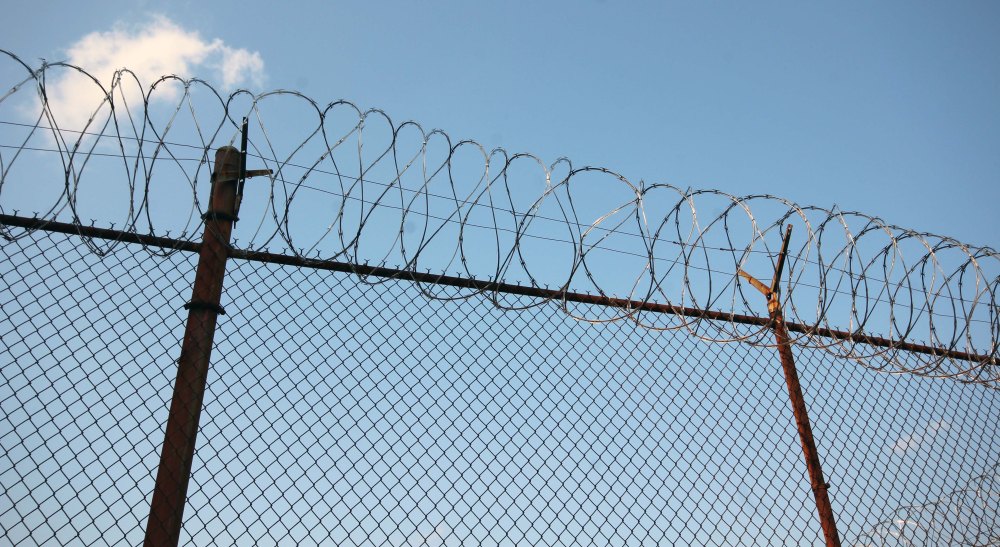
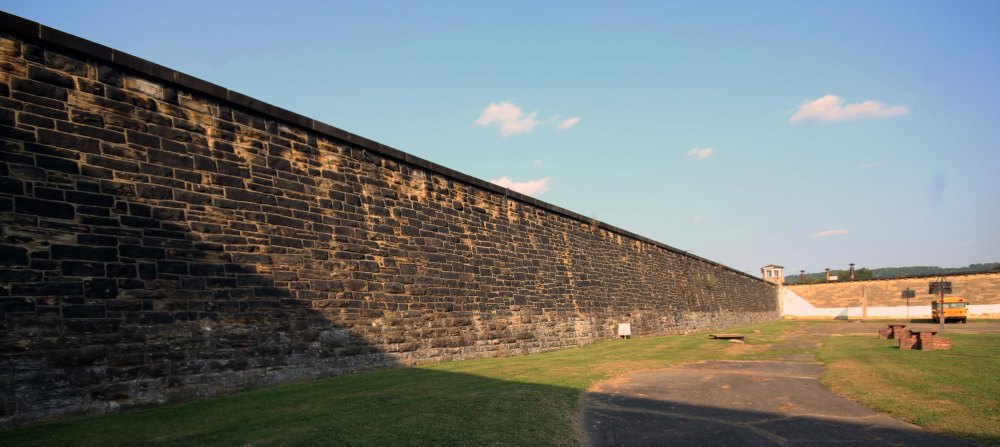
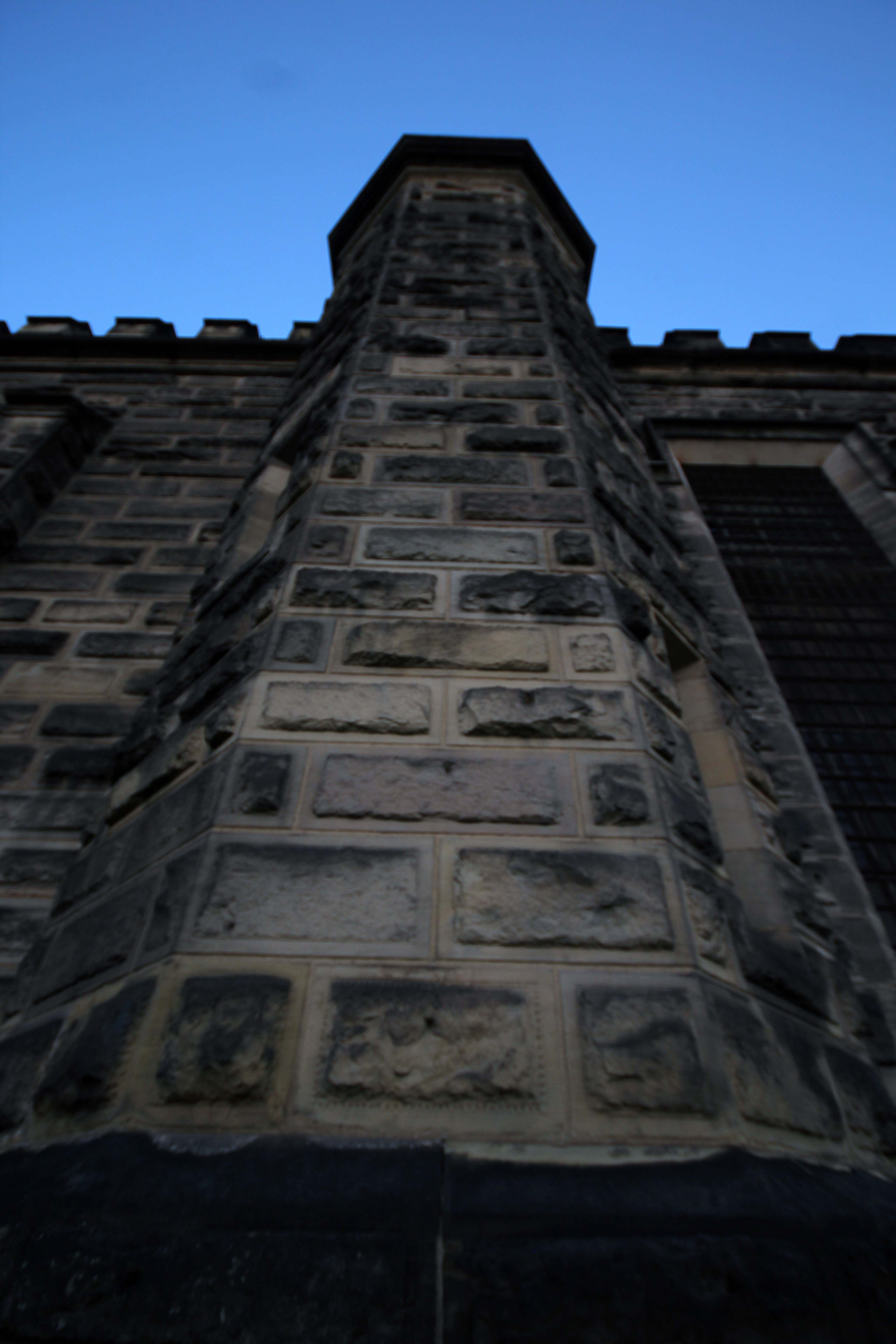
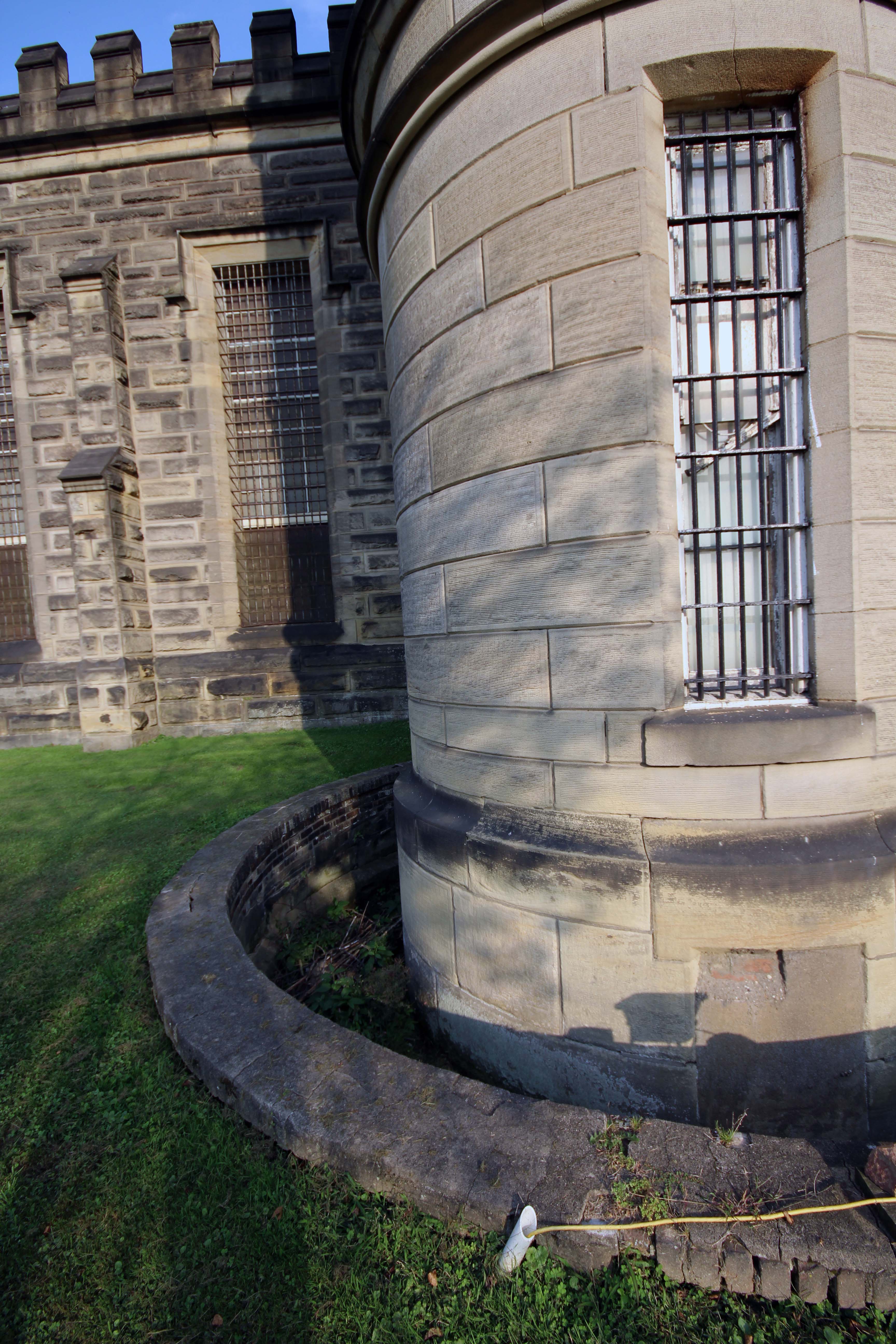
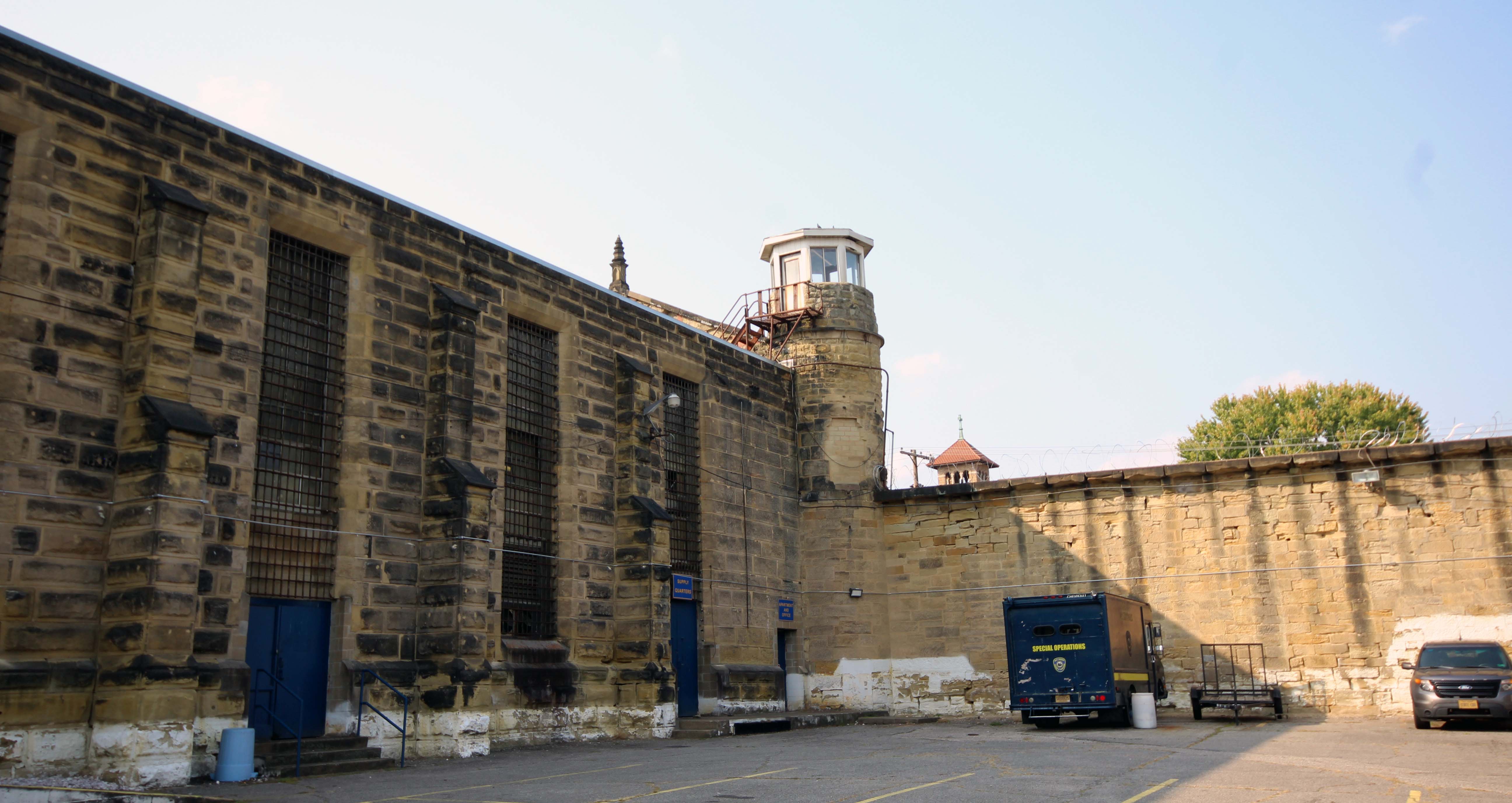
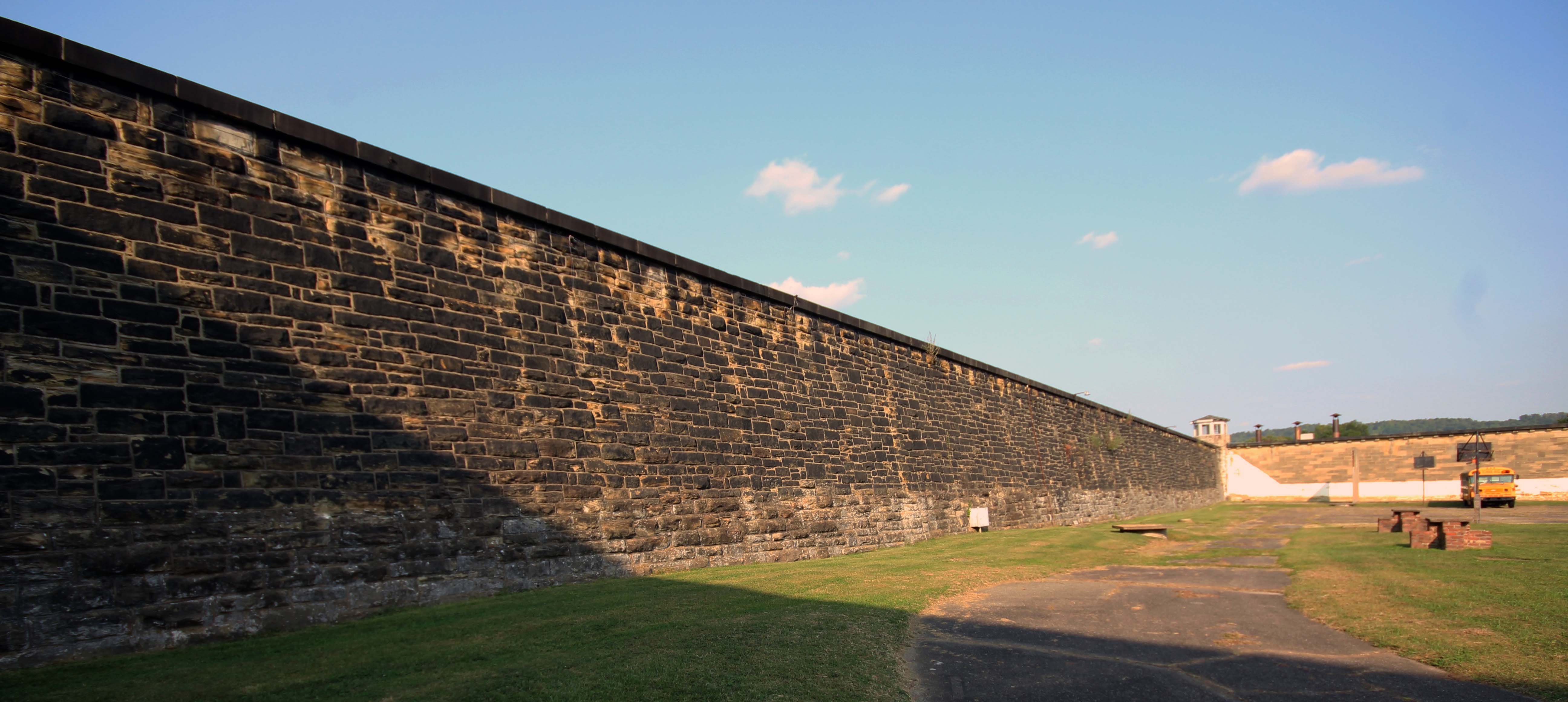
The imposing limestone walls were quarried by prisoners and stand 24 feet tall, are 5 feet thick at the bottom, 2 feet thick at the top, and go 5 feet deep into the ground.
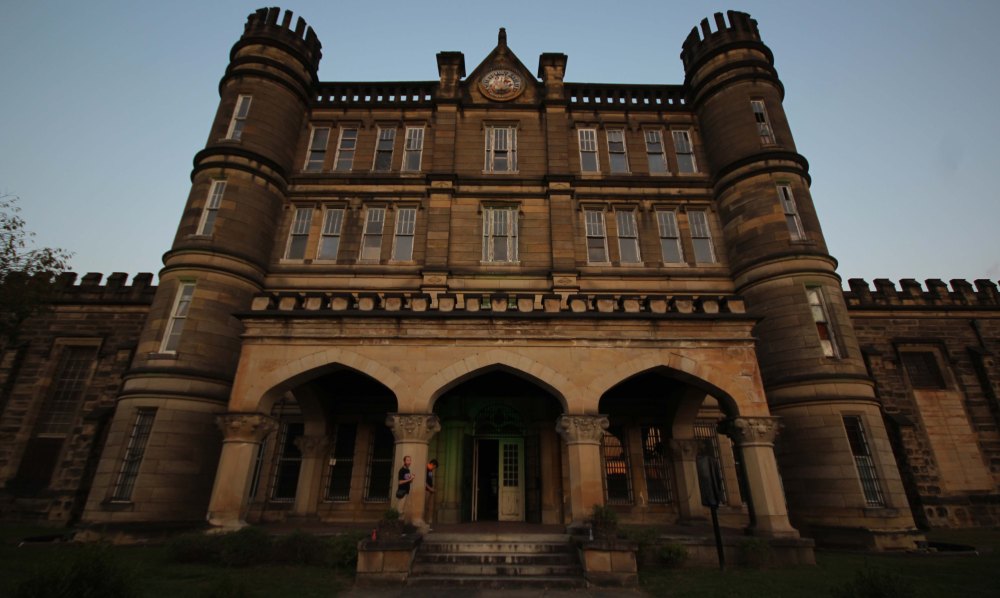
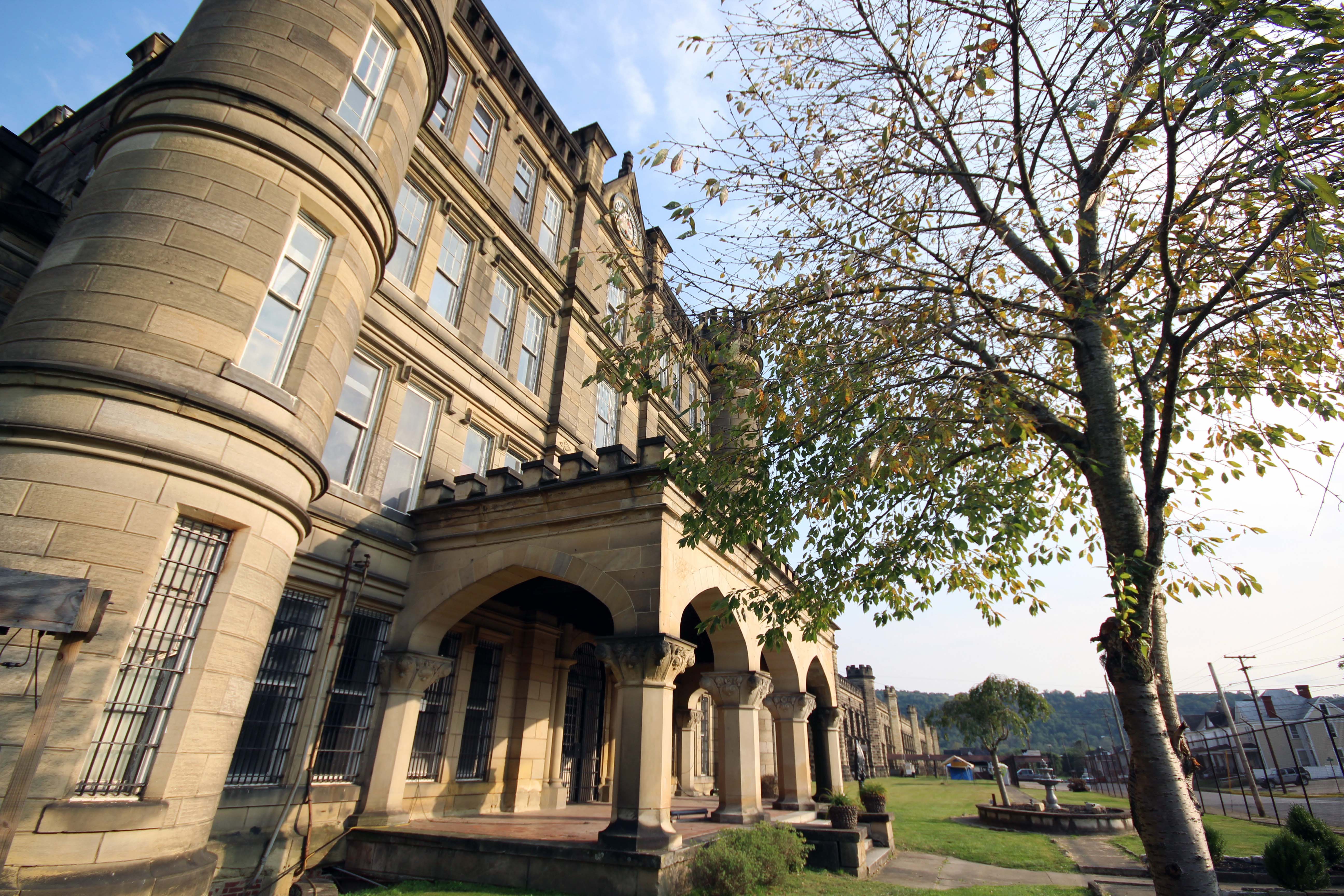
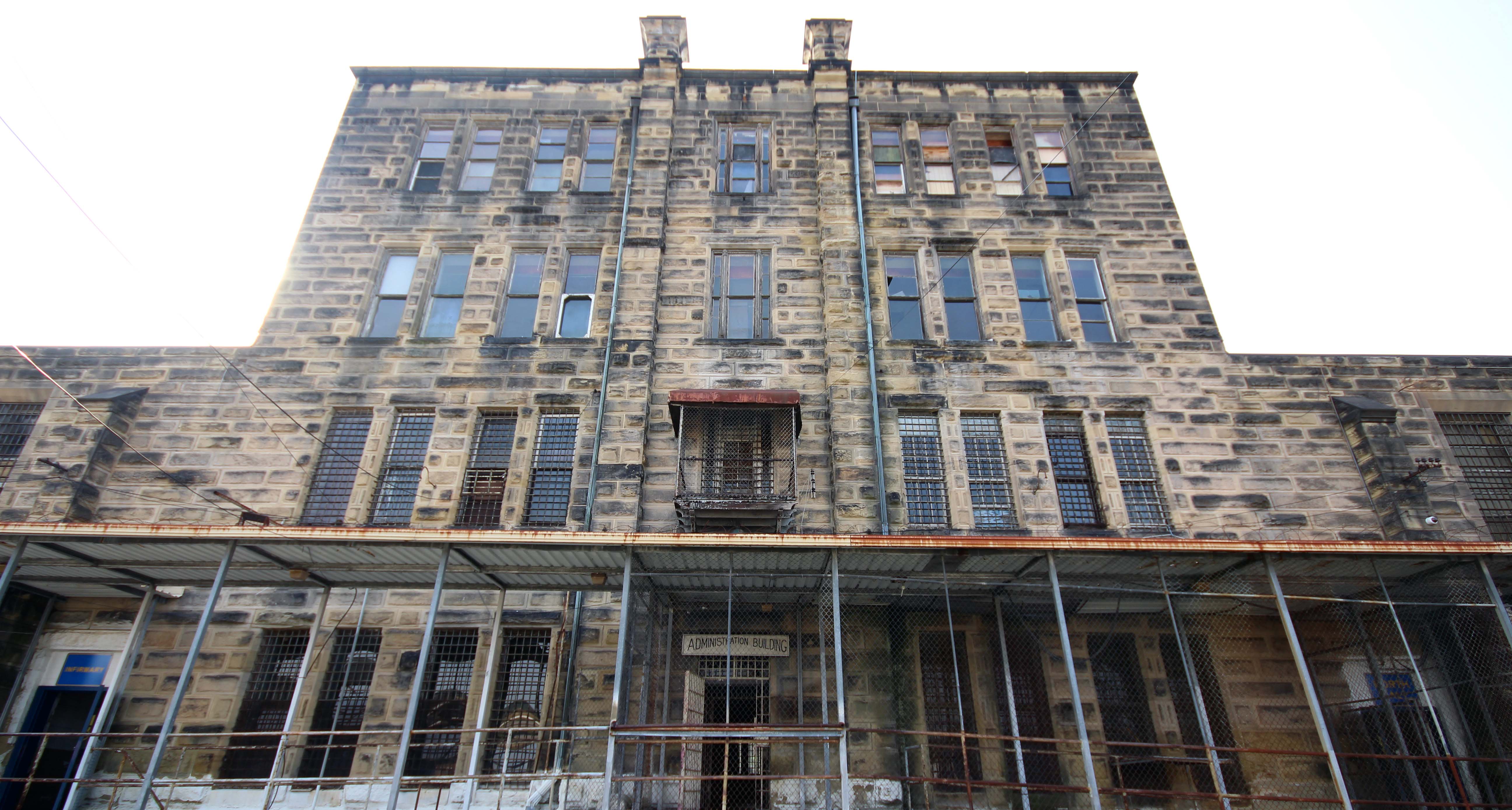
The administration building stands in the center of the original structure, and housed offices, a barber shop open to the public and the non-contact visitation area.  The third and fourth floor were occupied by the warden and his family. This makes me wonder how soundproof those floors were.  Can’t imagine raising kids in that environment. -Trace
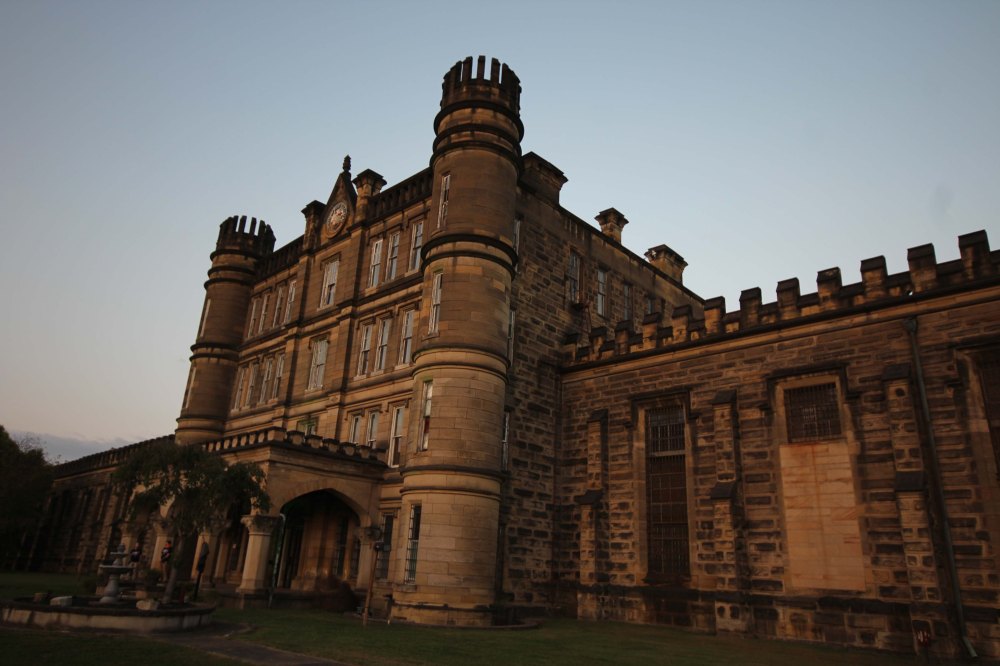
It is a beautiful building. Sad it held so much sorrow – Trace
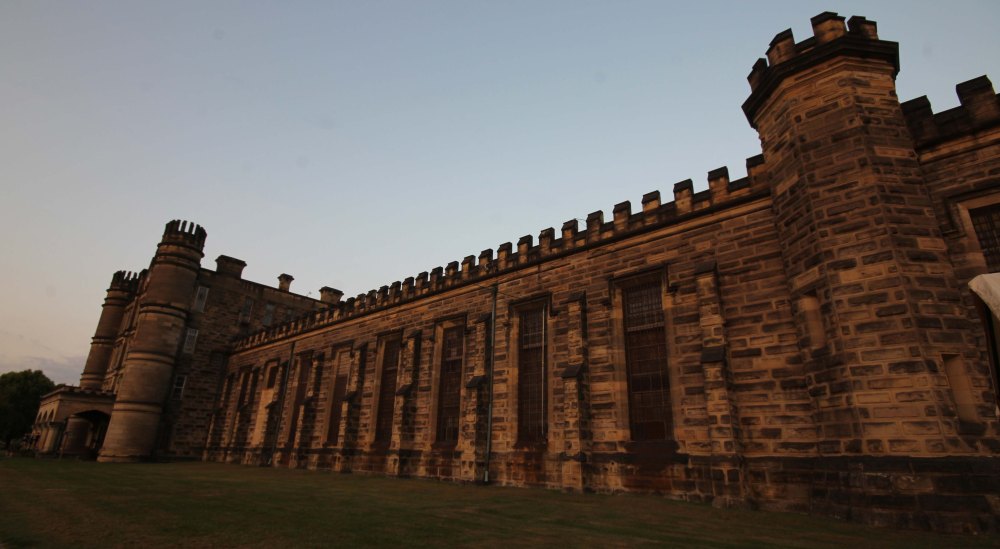
 

Gothic Revival architecture “exhibits, as much as possible, great strength and conveys to the mind a cheerless blank indicative of the misery which awaits the unhappy being who enters within its walls.”
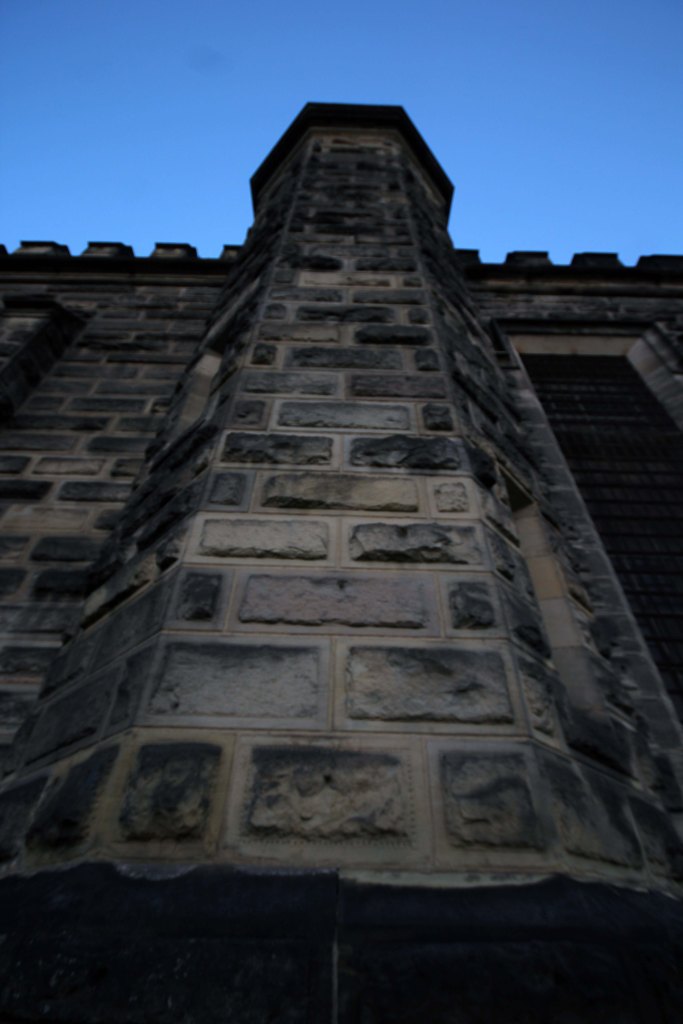
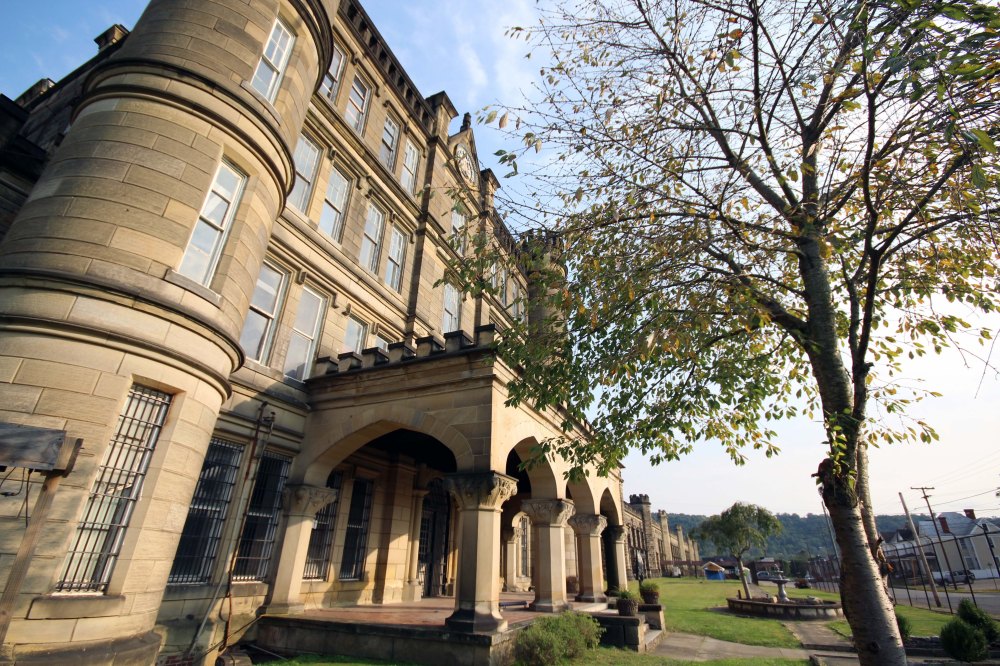


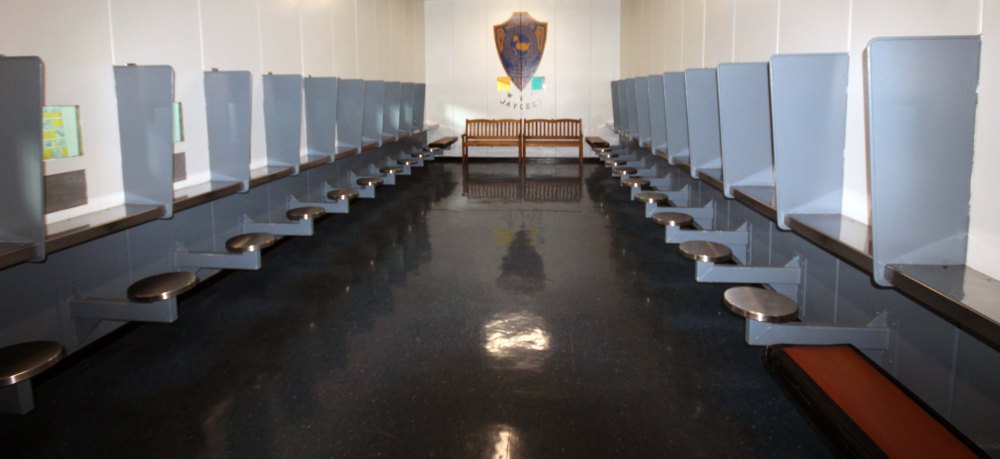
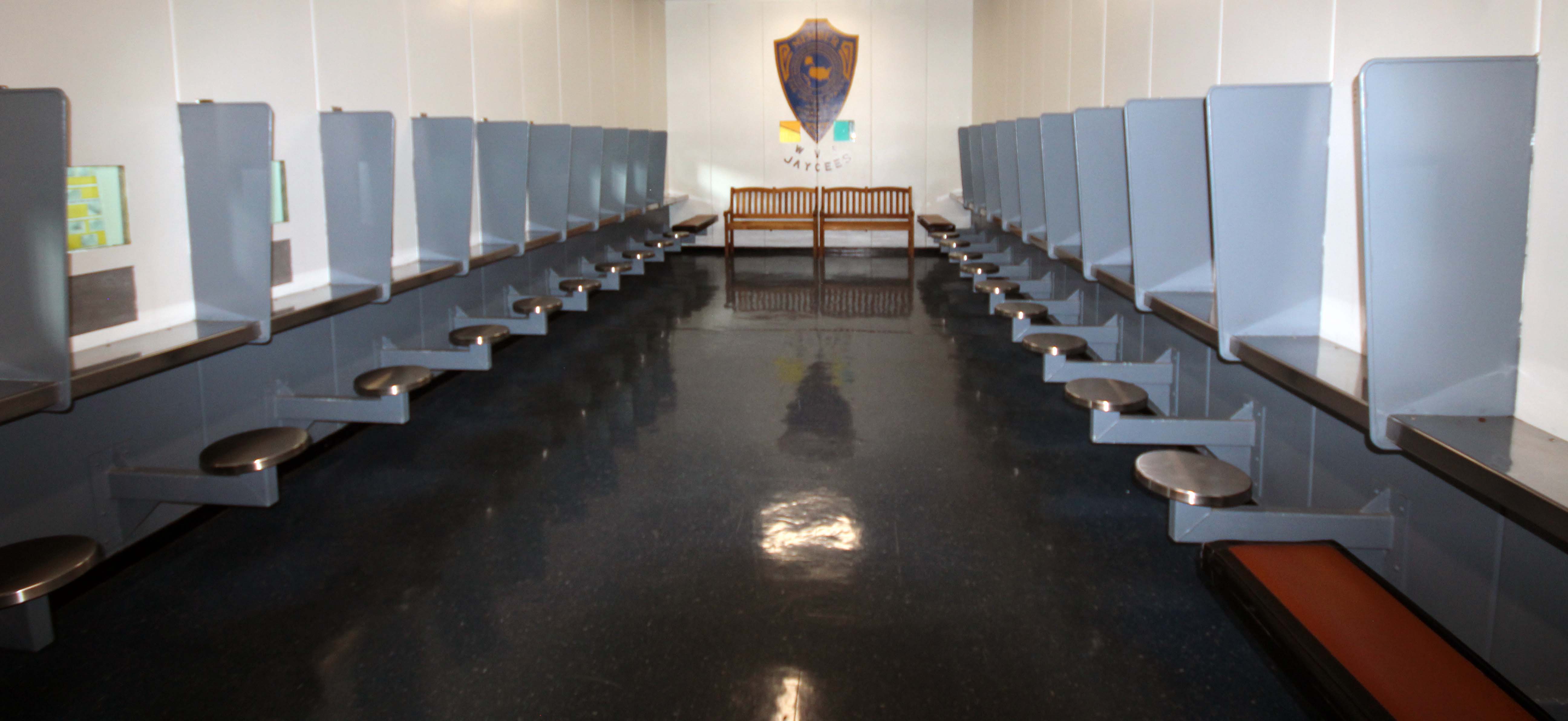
This is the part of the non-contact visitor area where visitors sat. The prisoners sat on the other side, and they could see each other through windows, and spoke on phones.
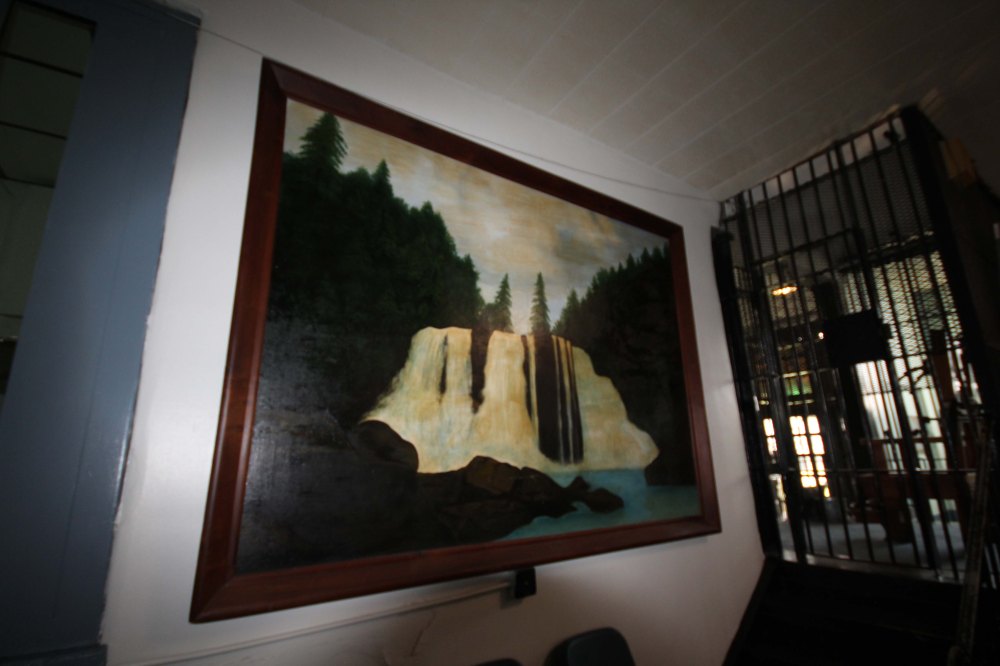
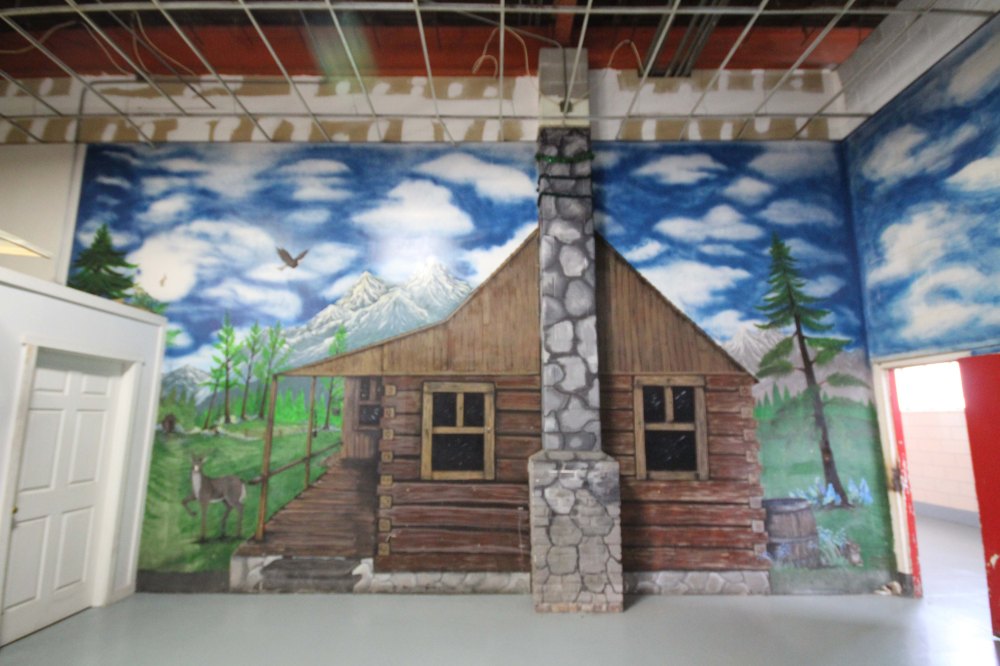
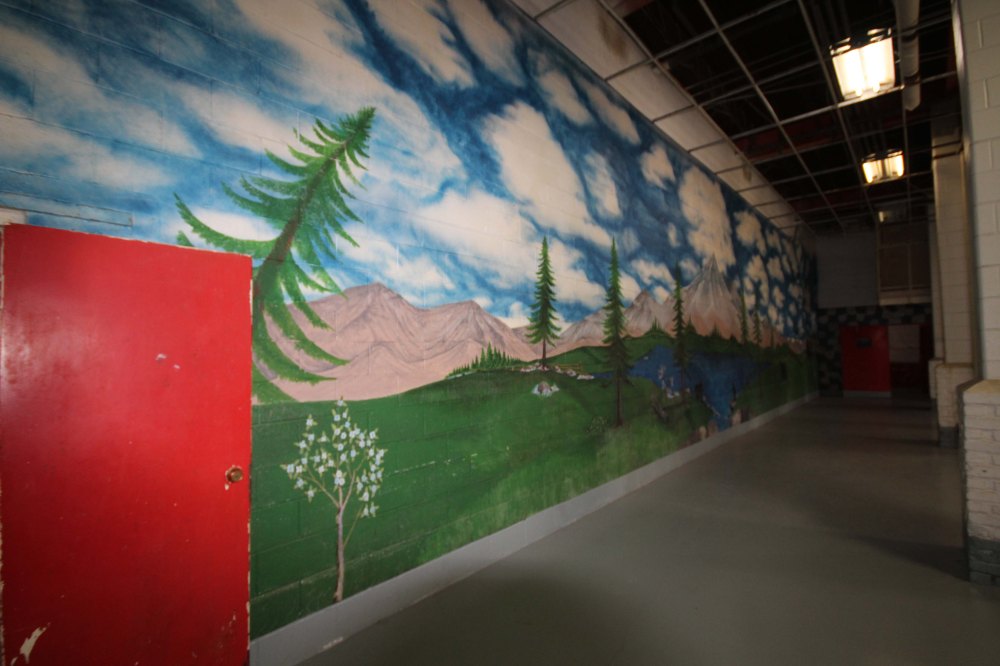
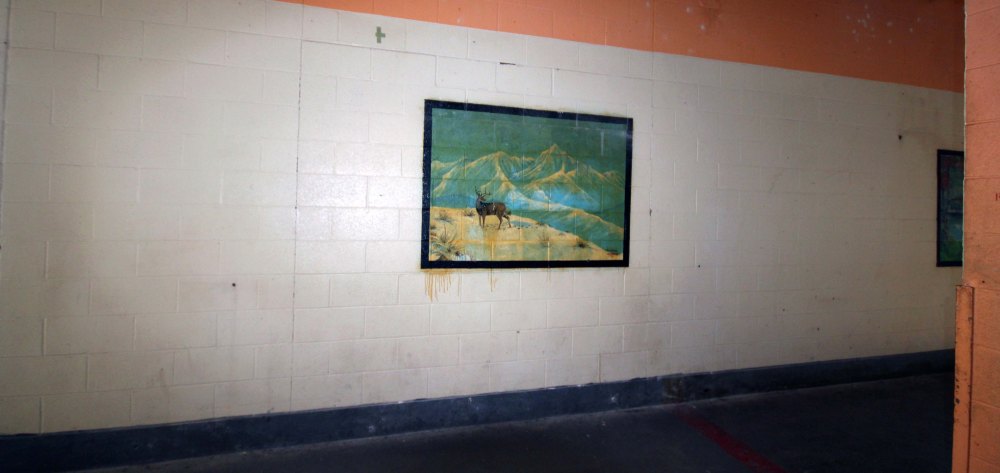
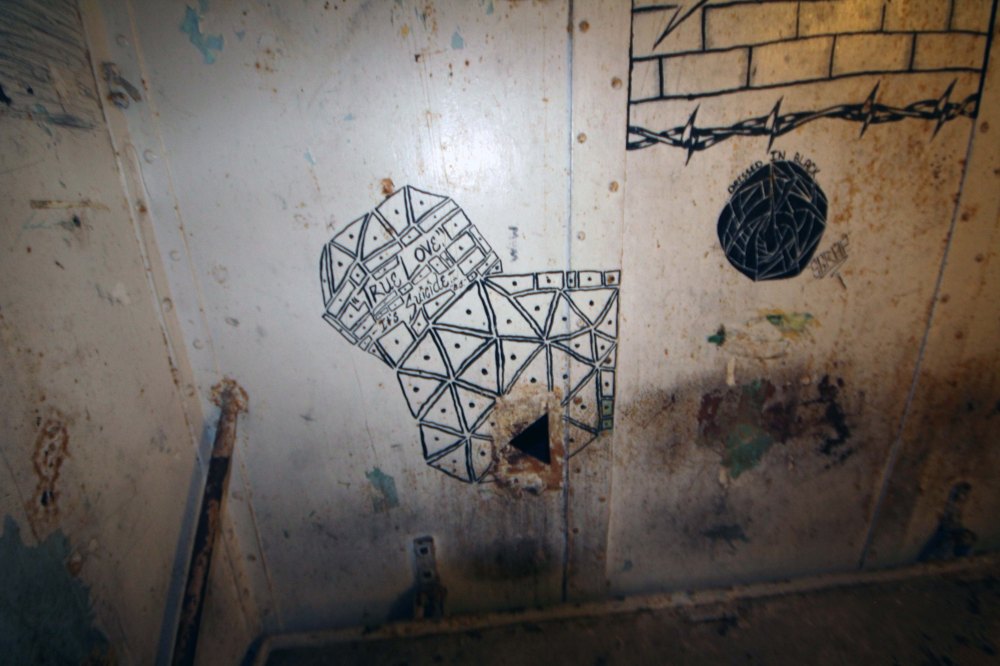
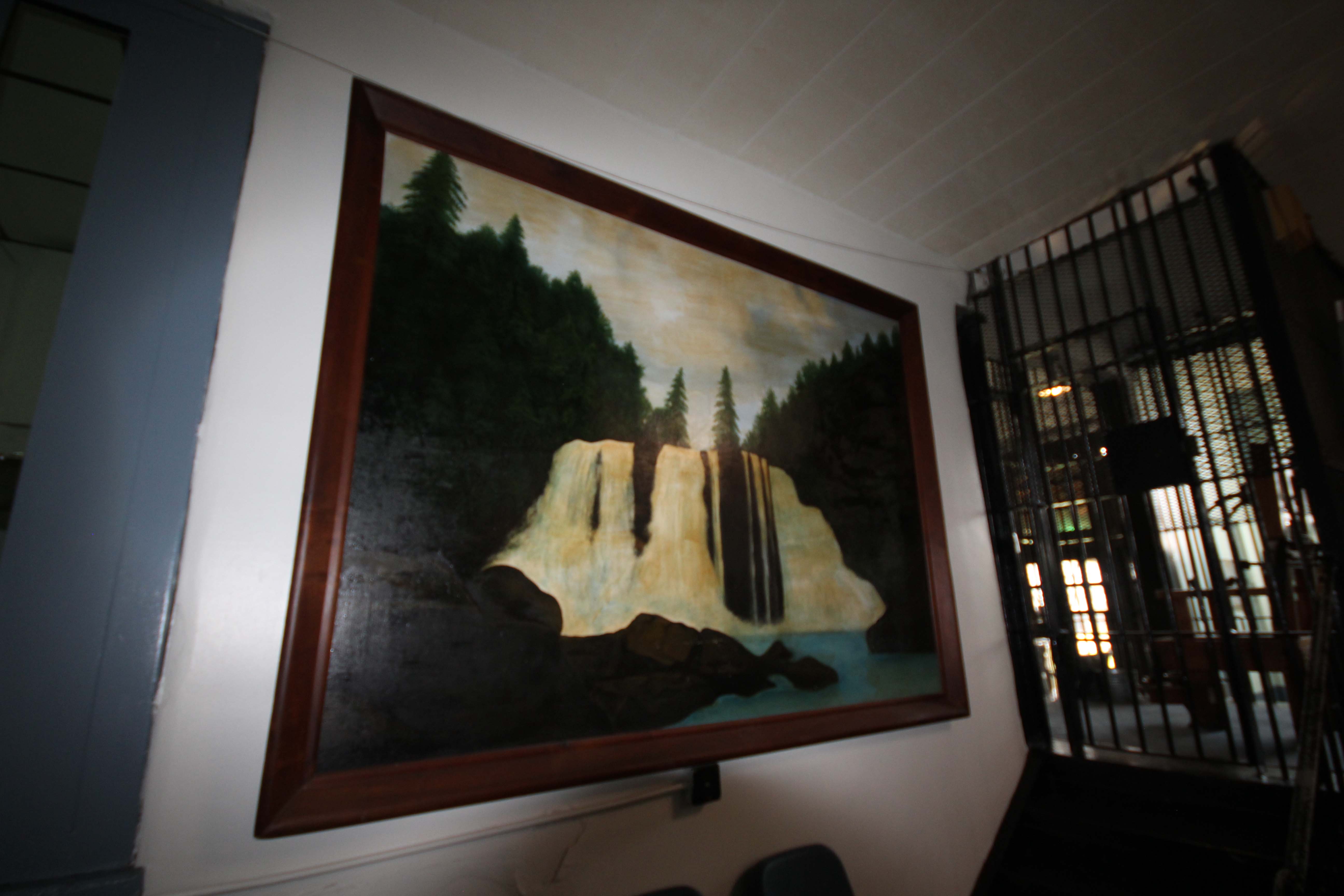
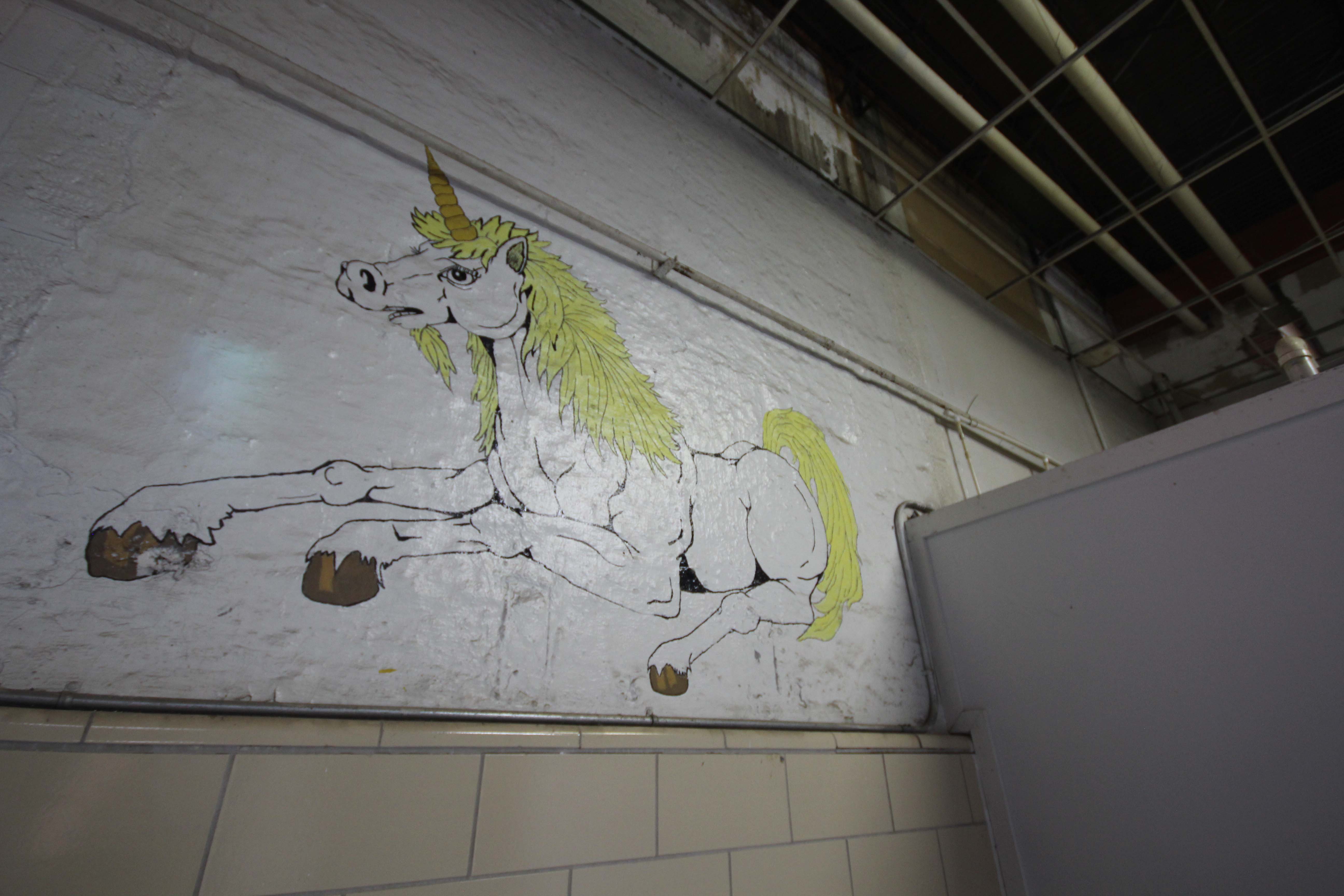
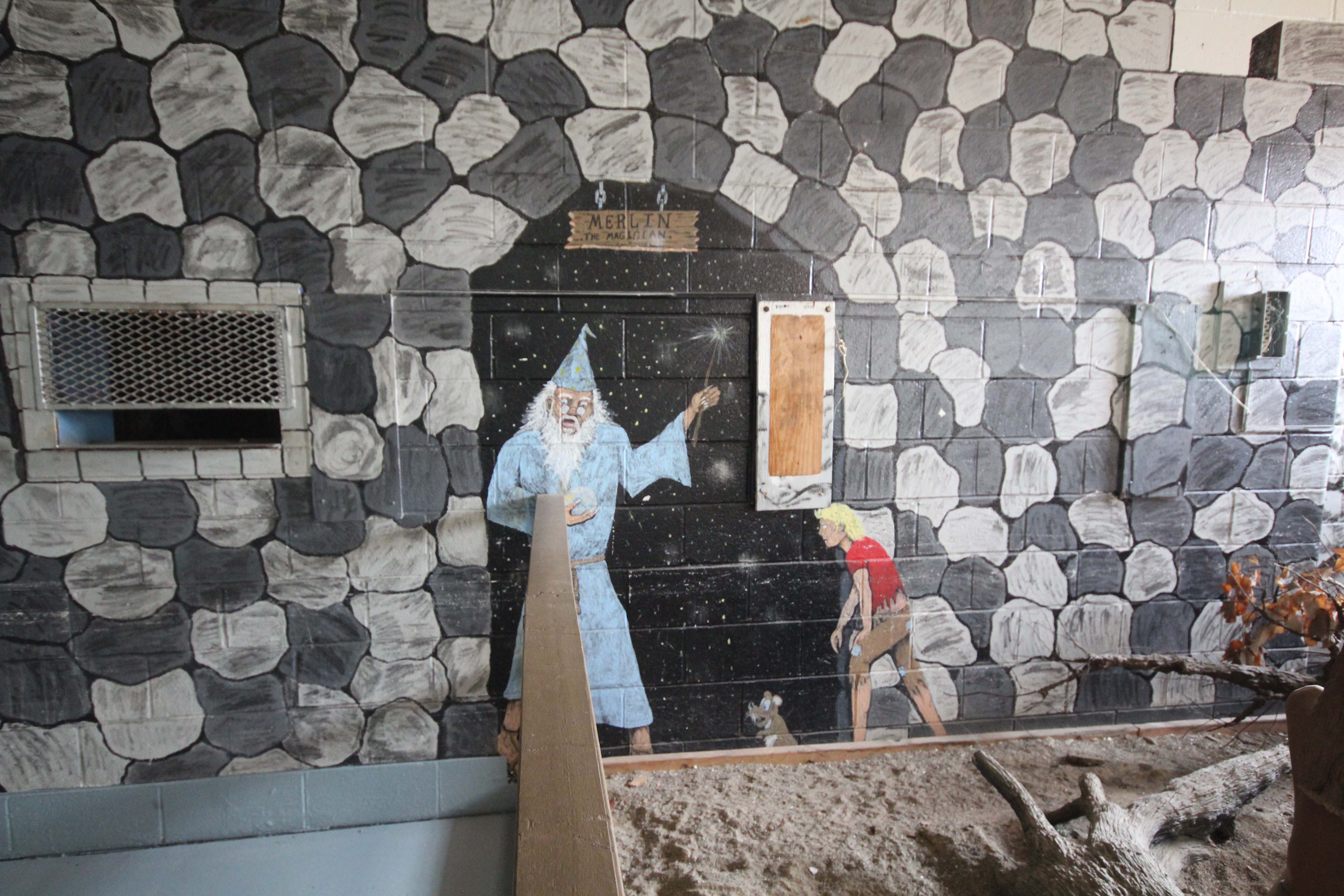
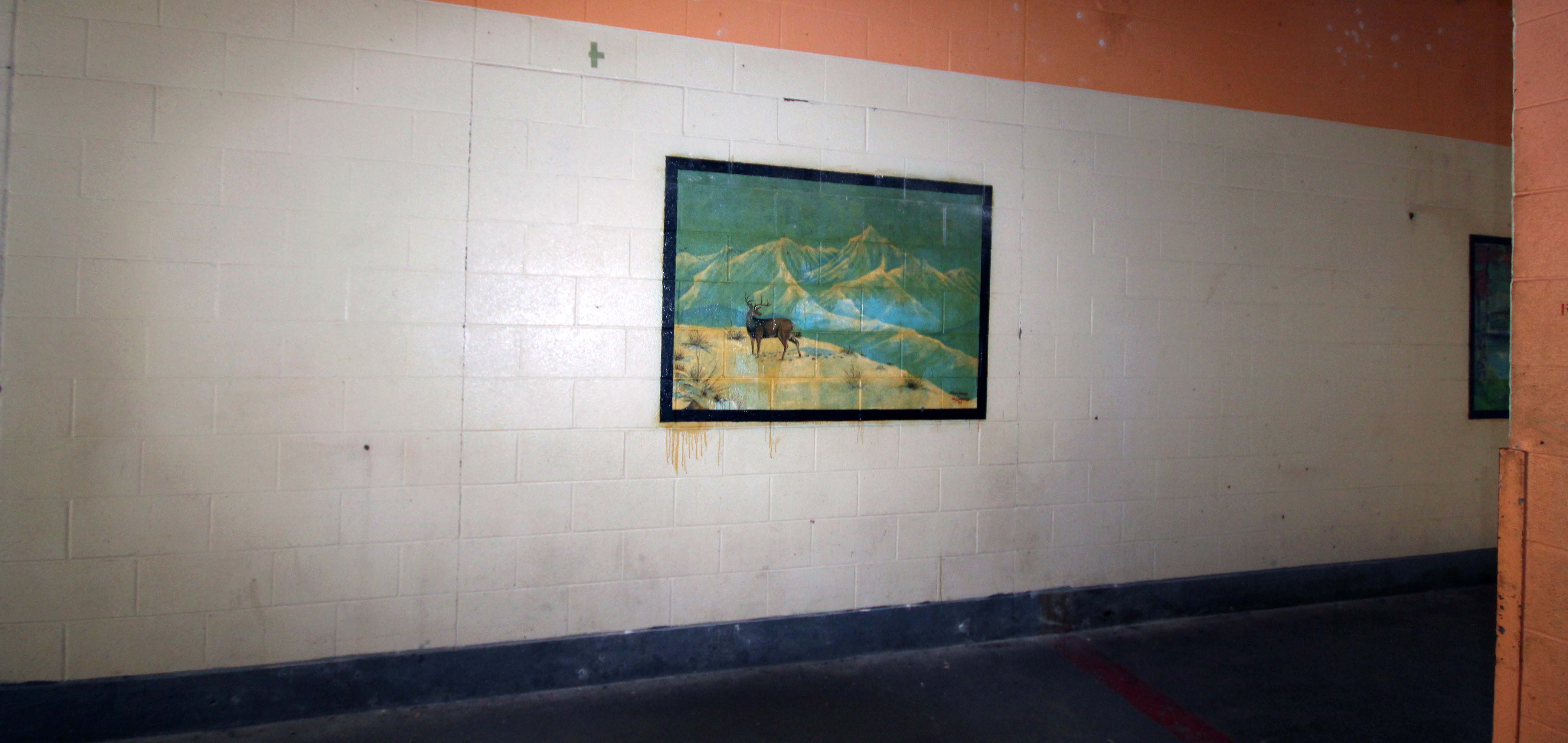
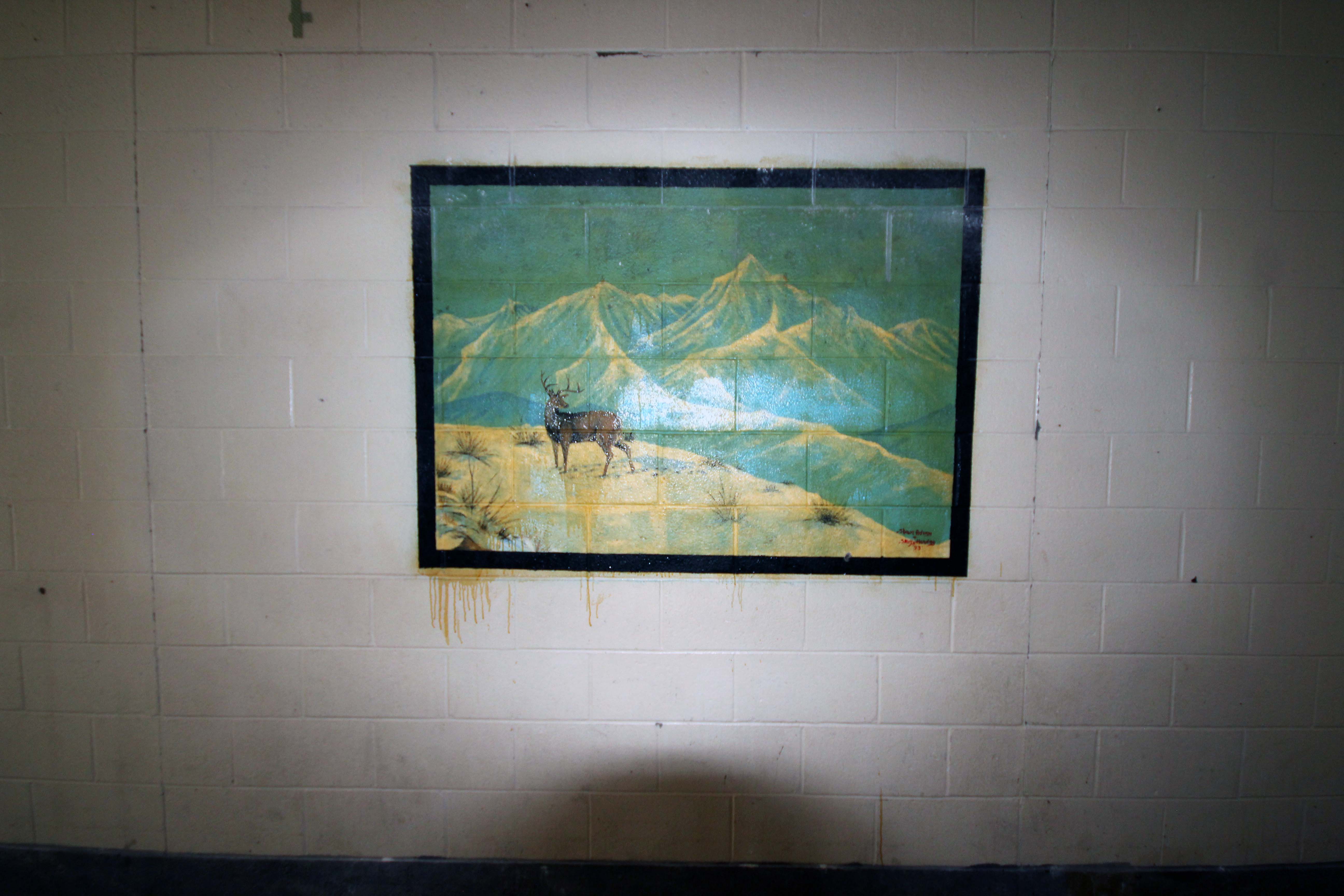
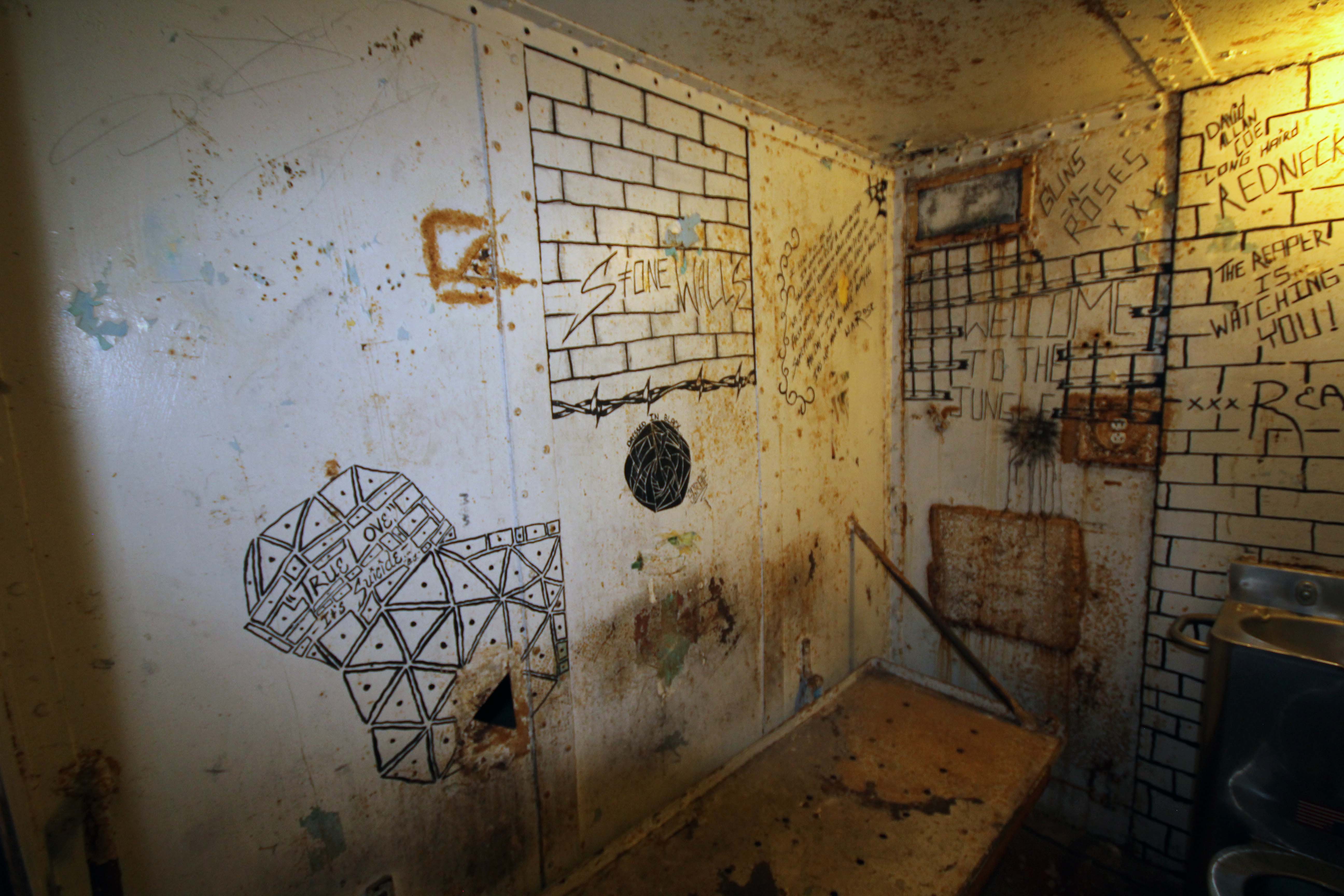
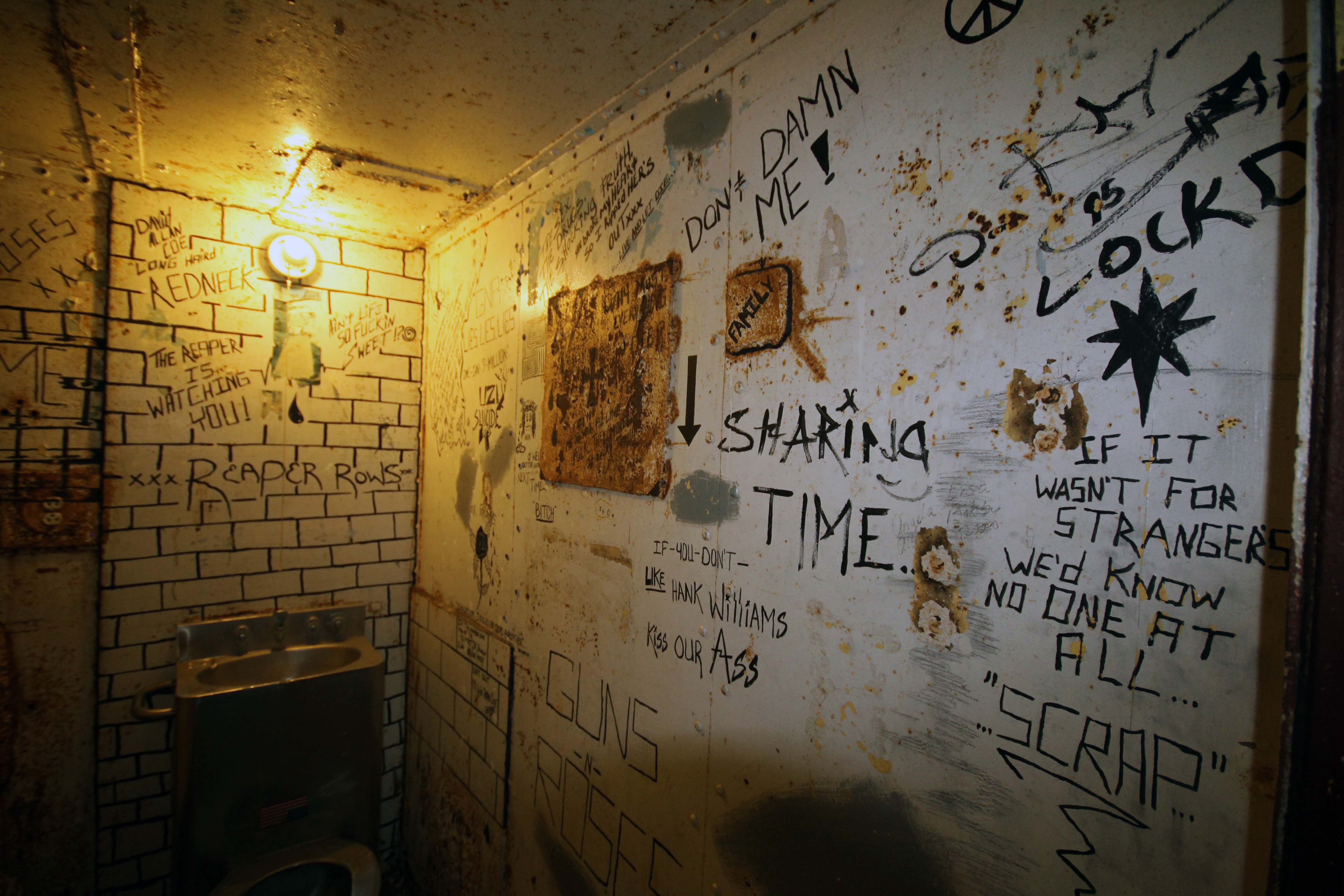
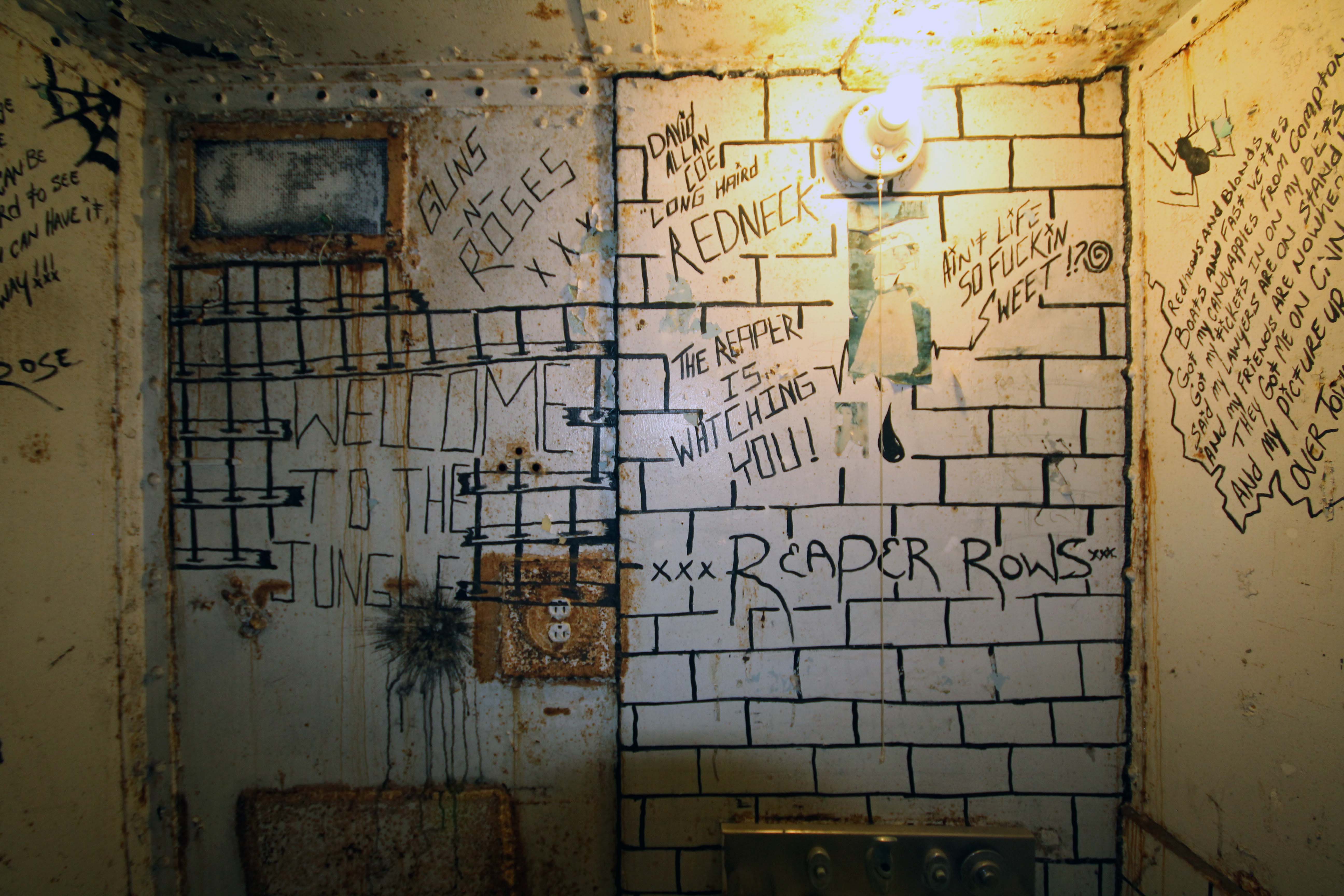
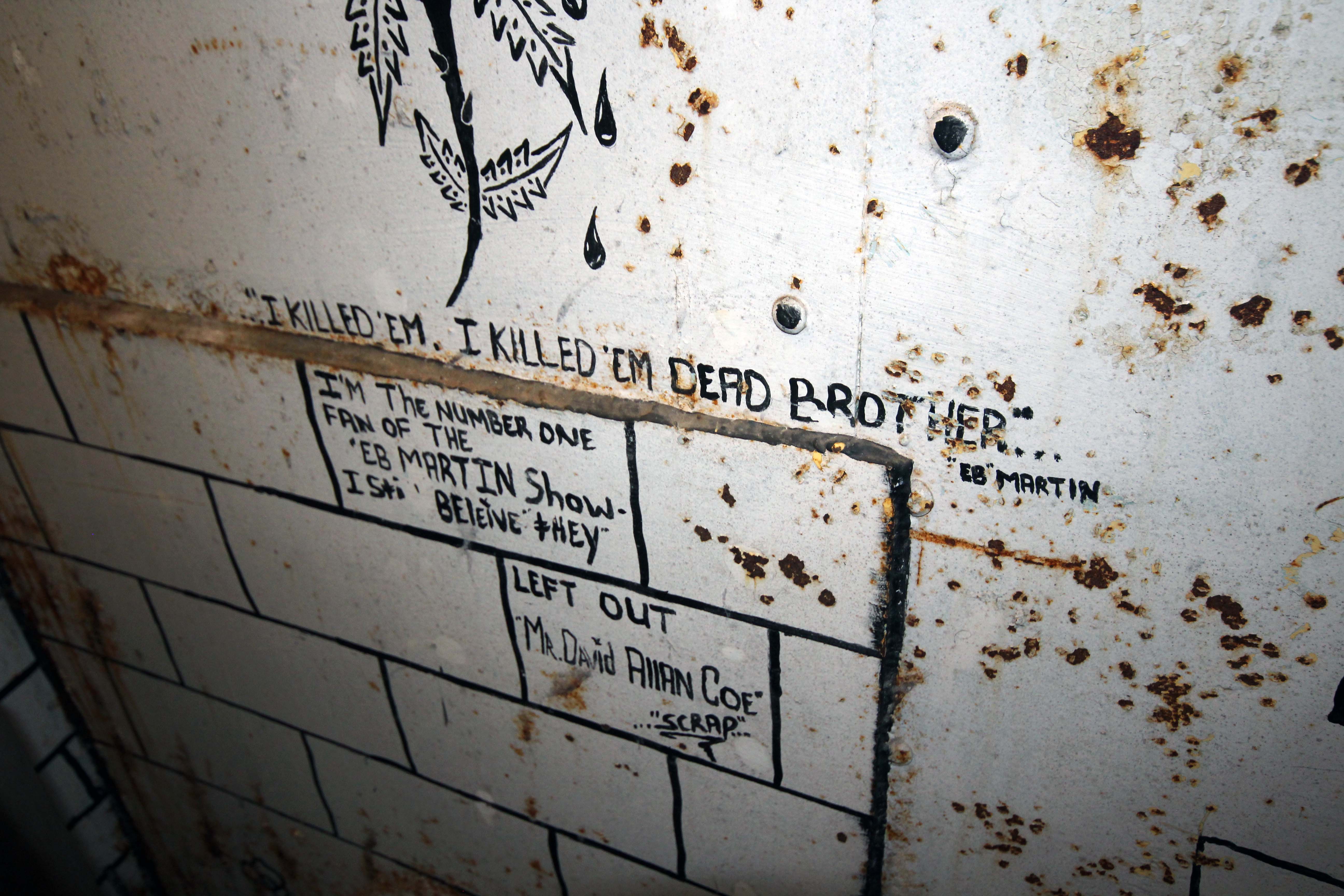
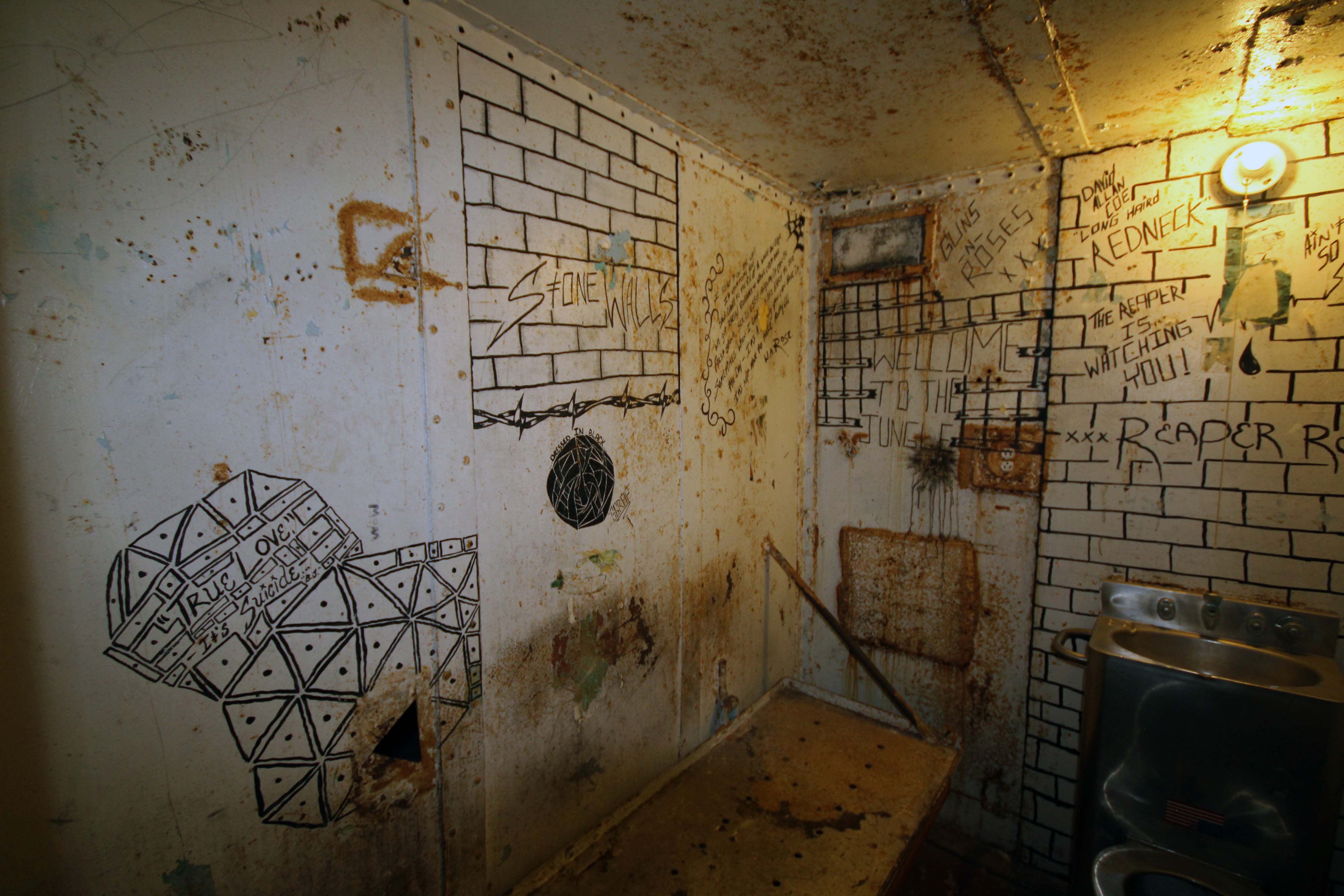
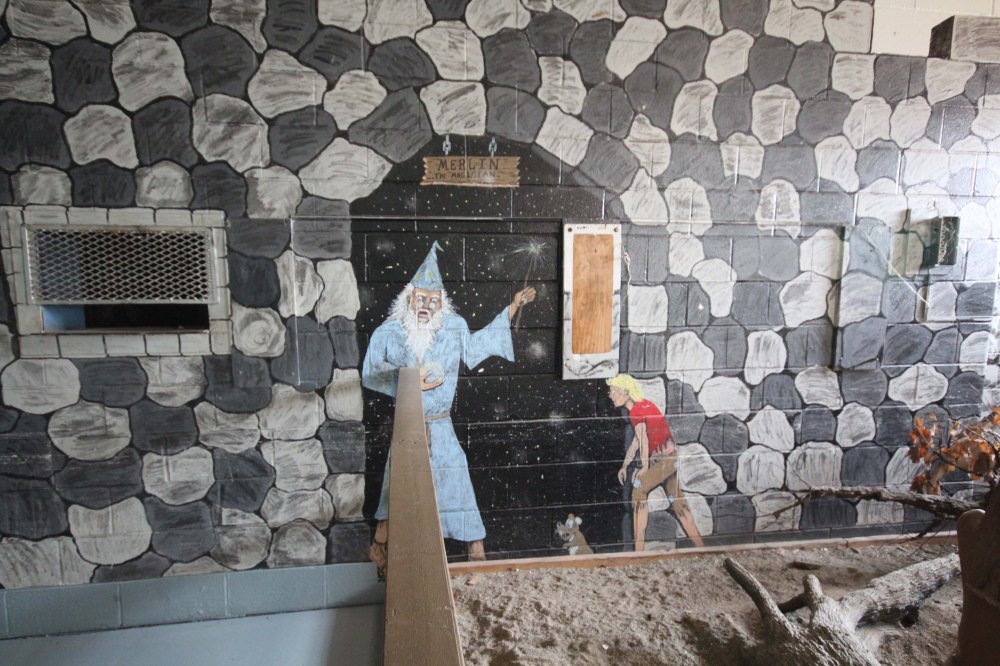
Artwork throughout the facility was painted by various prisoners over the years.
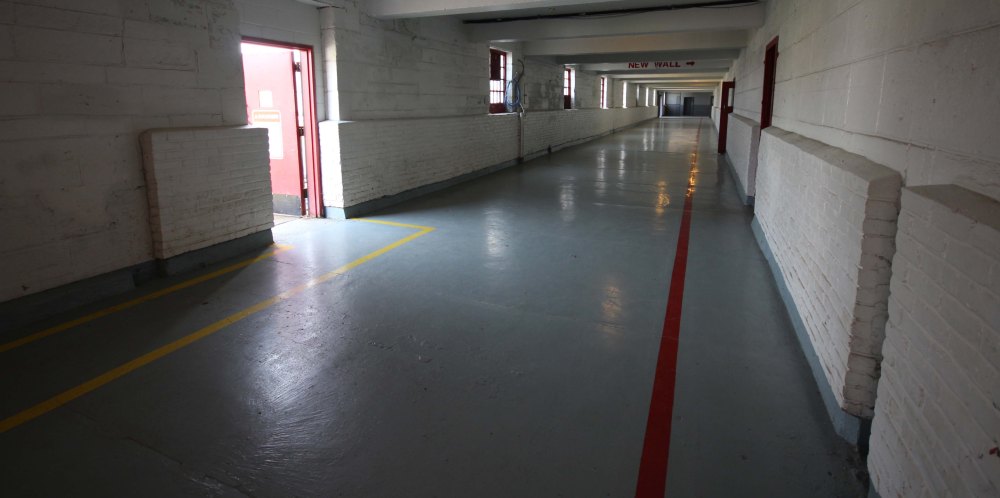
 

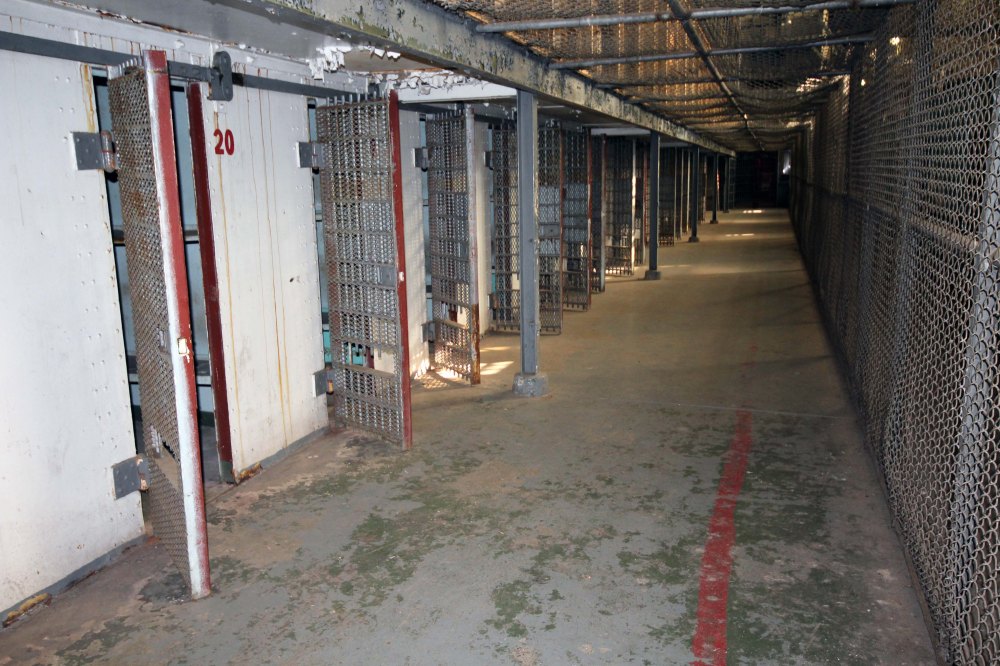
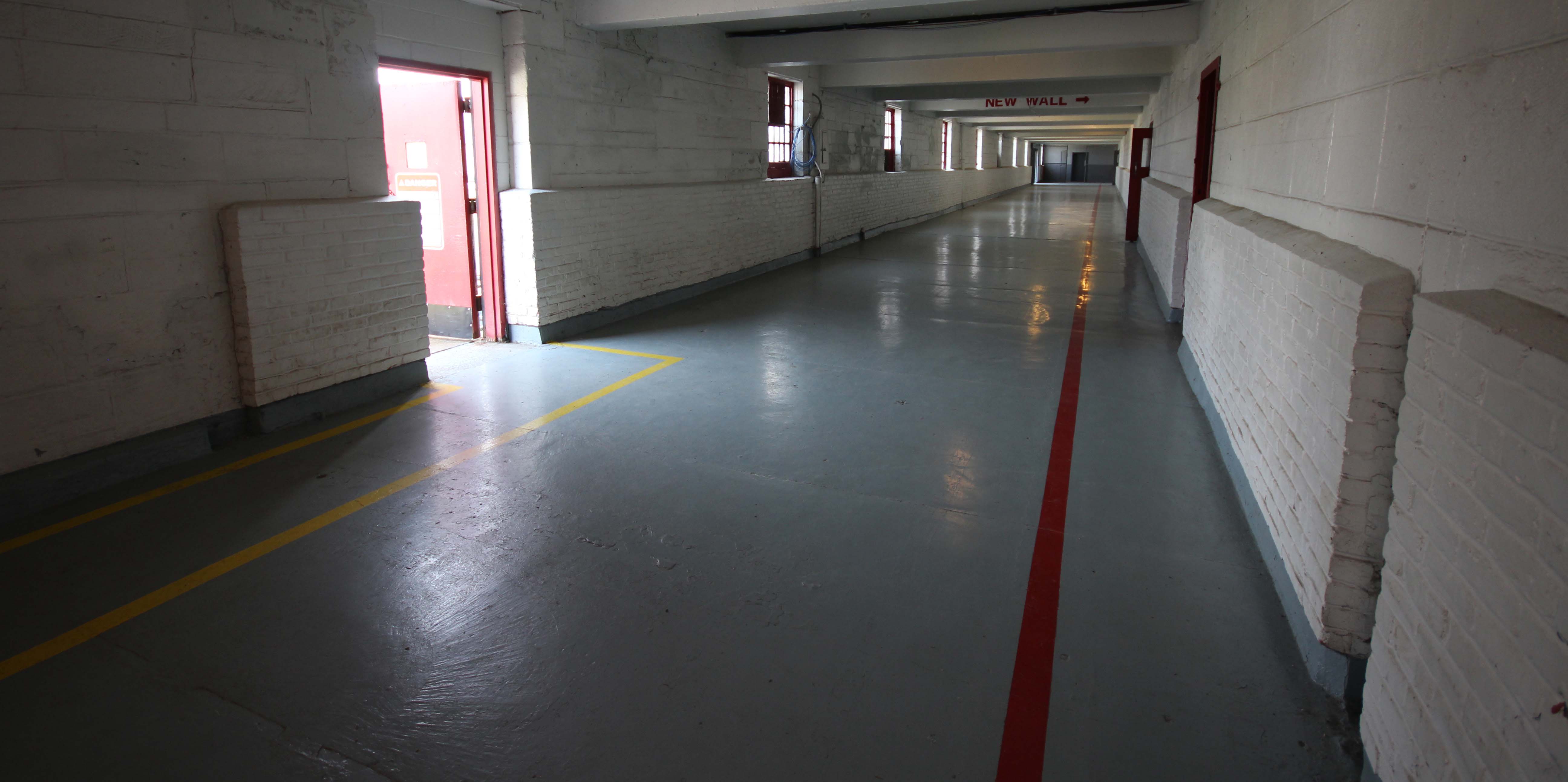
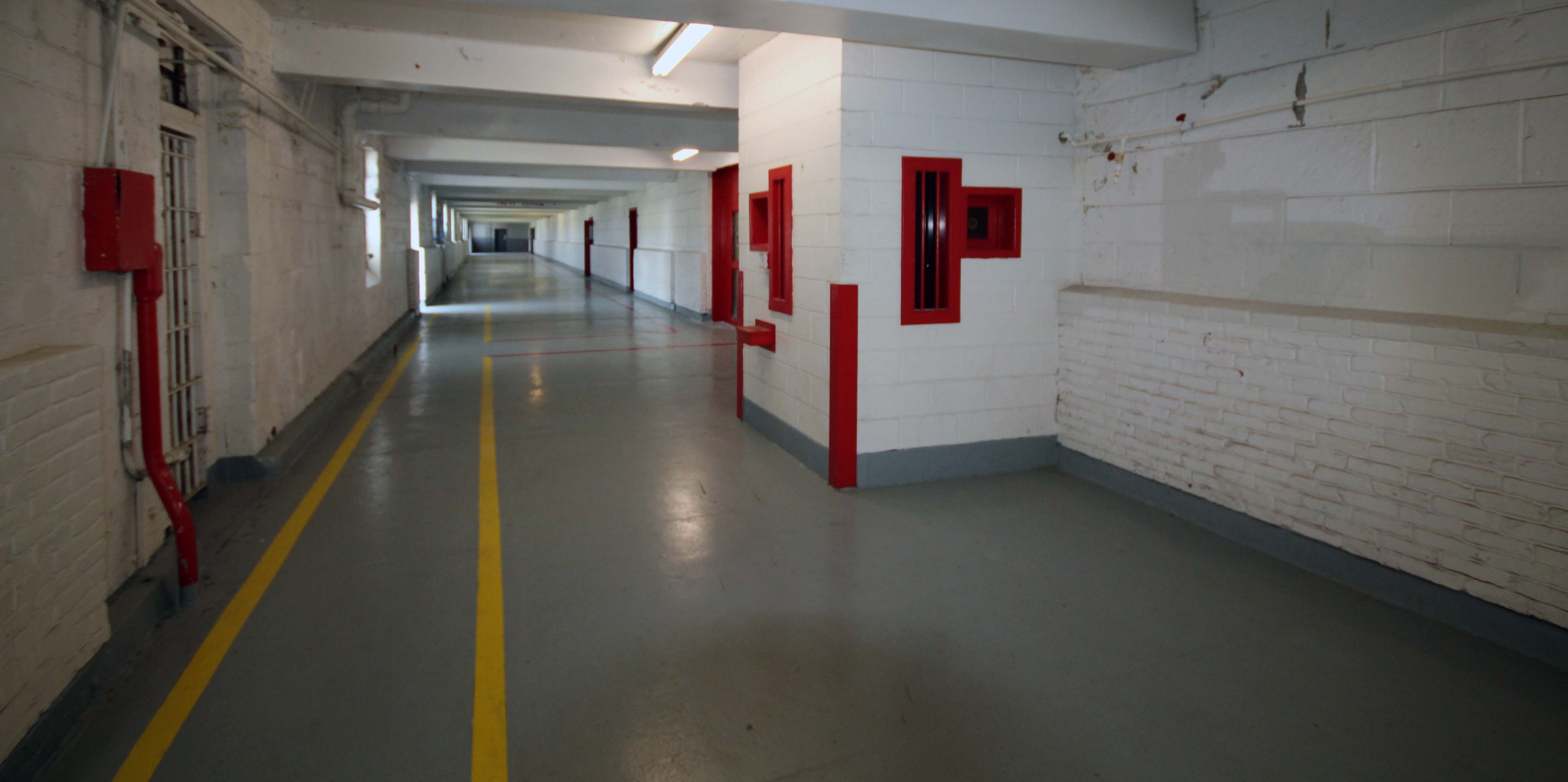
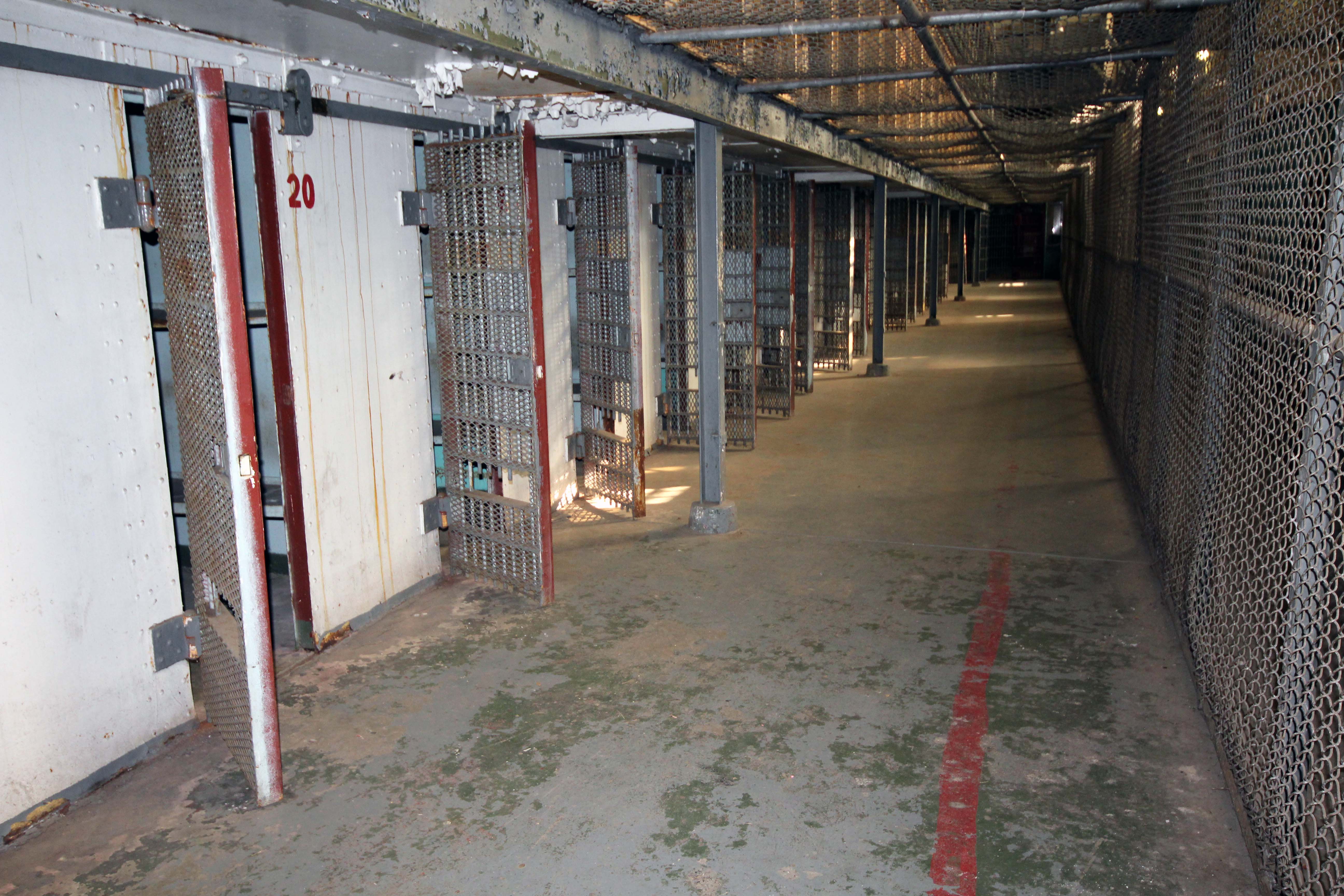
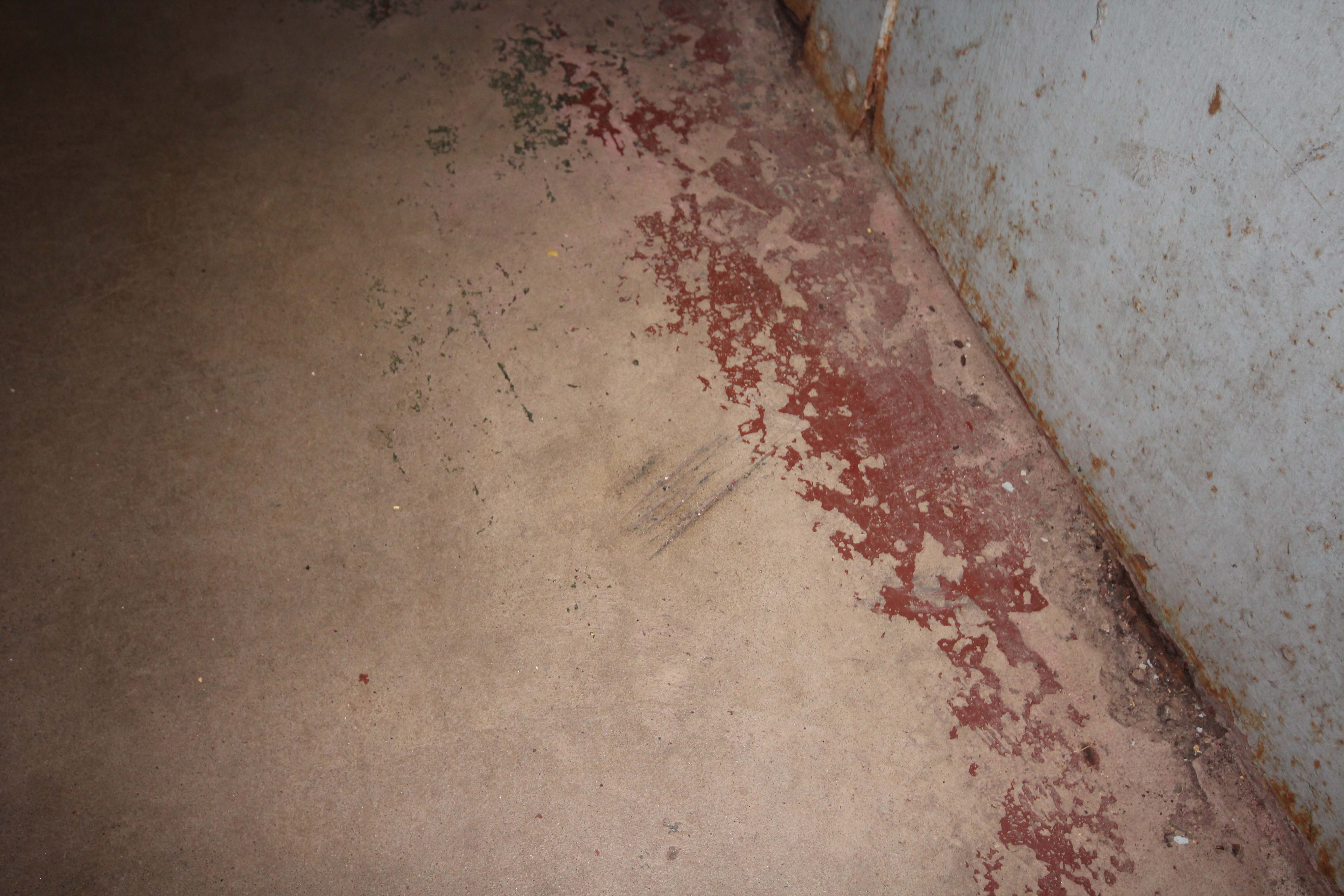
“”Blood Alley” as it was known to the Justice Department was the location of many, many throat cuttings and stabbings. Eventually they painted the hall with a red line, and prisoners were required to only ever walk single file in that two foot path. At the end of the hall a “guard shack” was manned with a sharpshooter. Anyone who stepped over the red line was shot with a rifle. That happened many, many times.
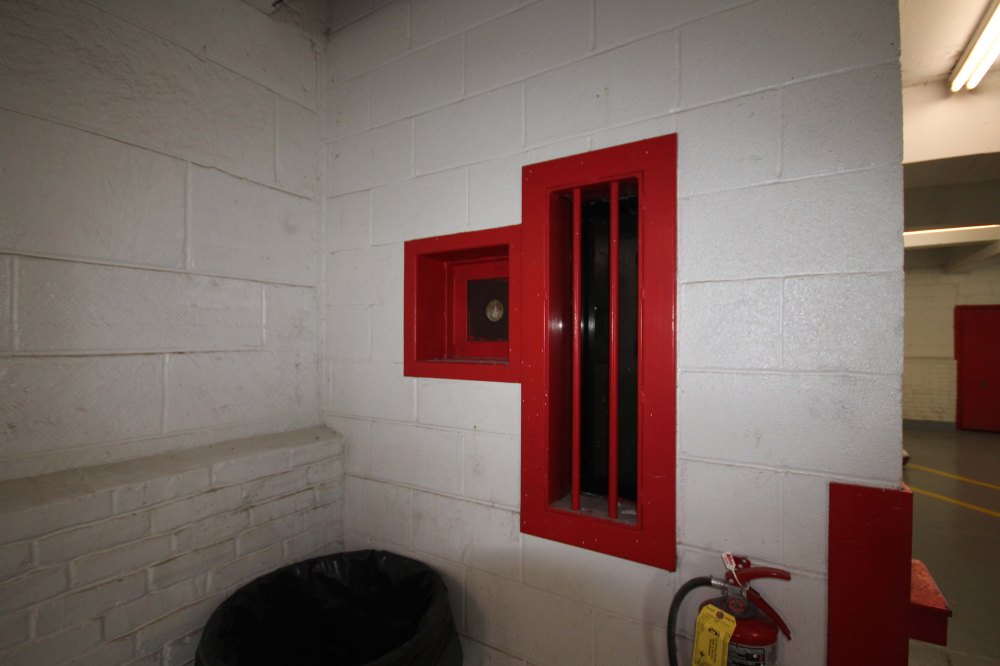
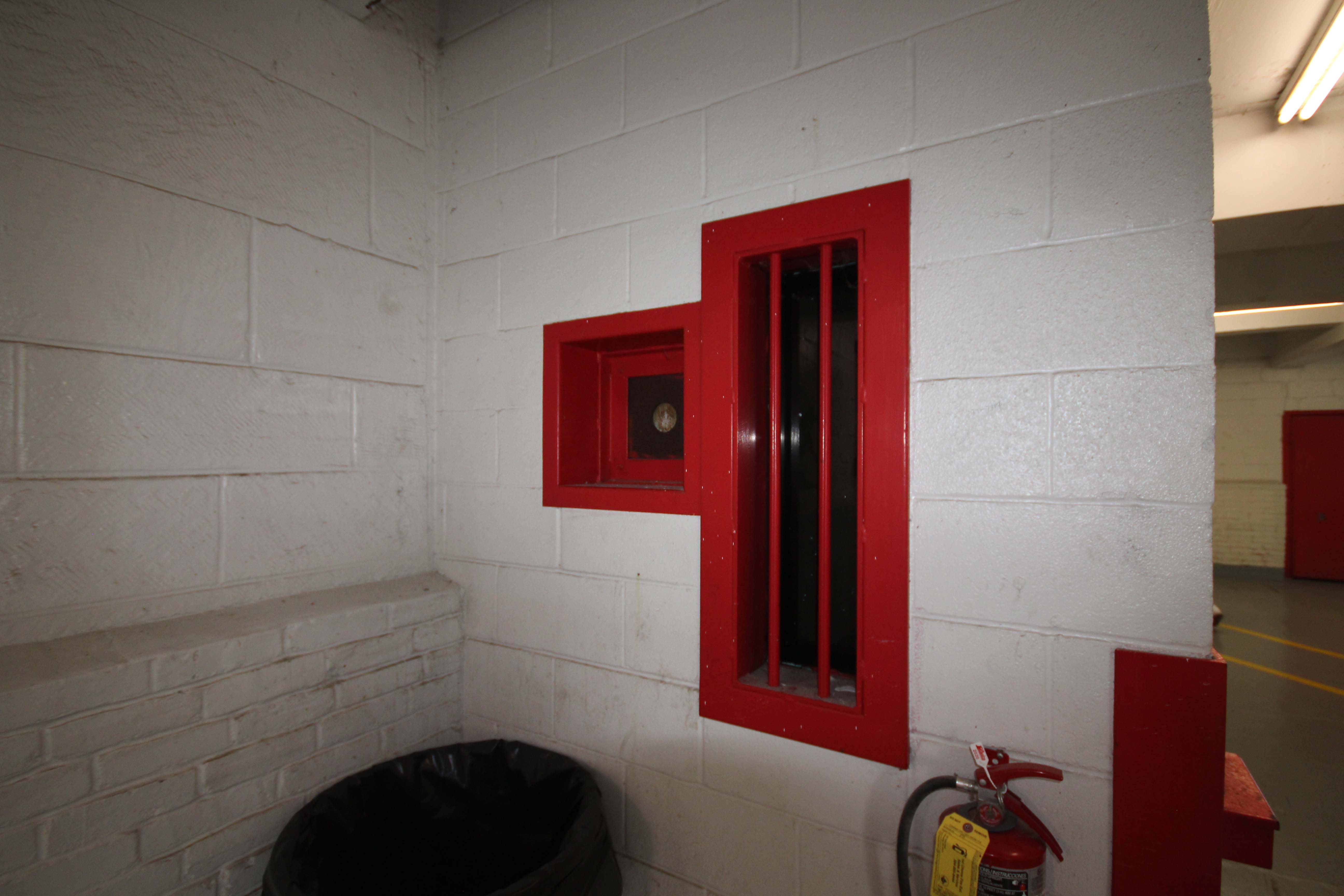
Window and gun portal for the rifleman overseeing the hall.
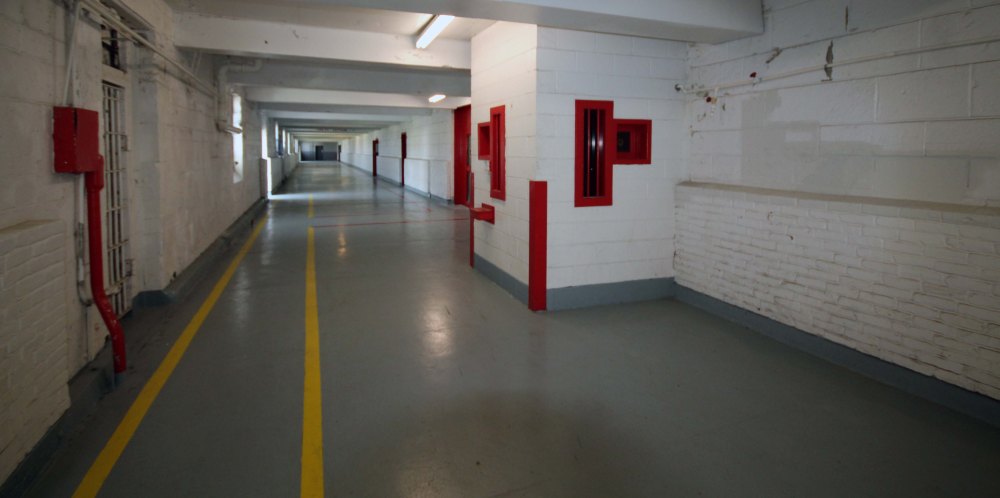
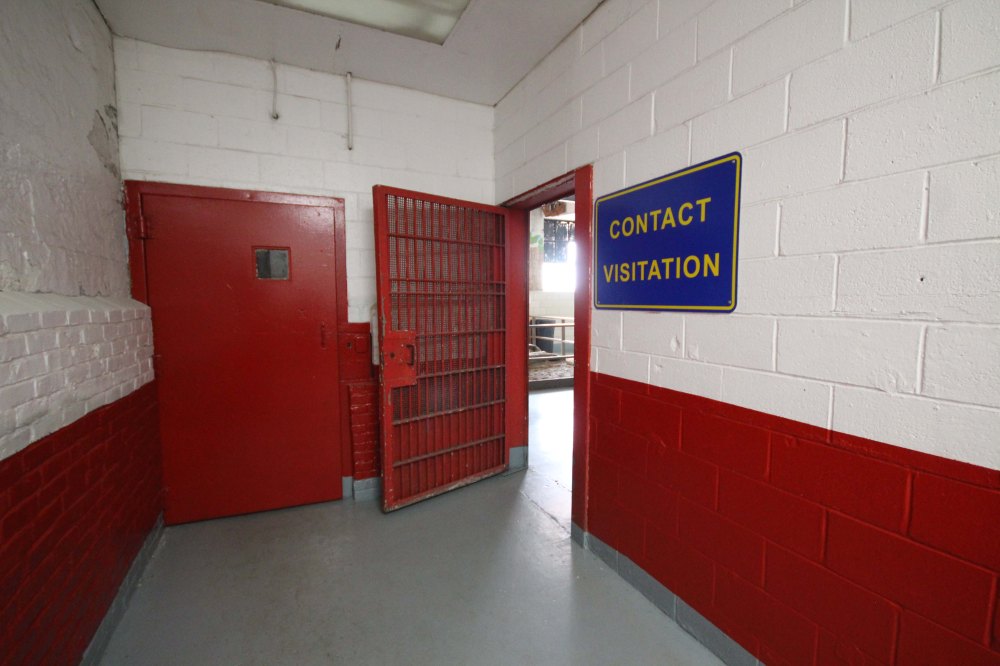


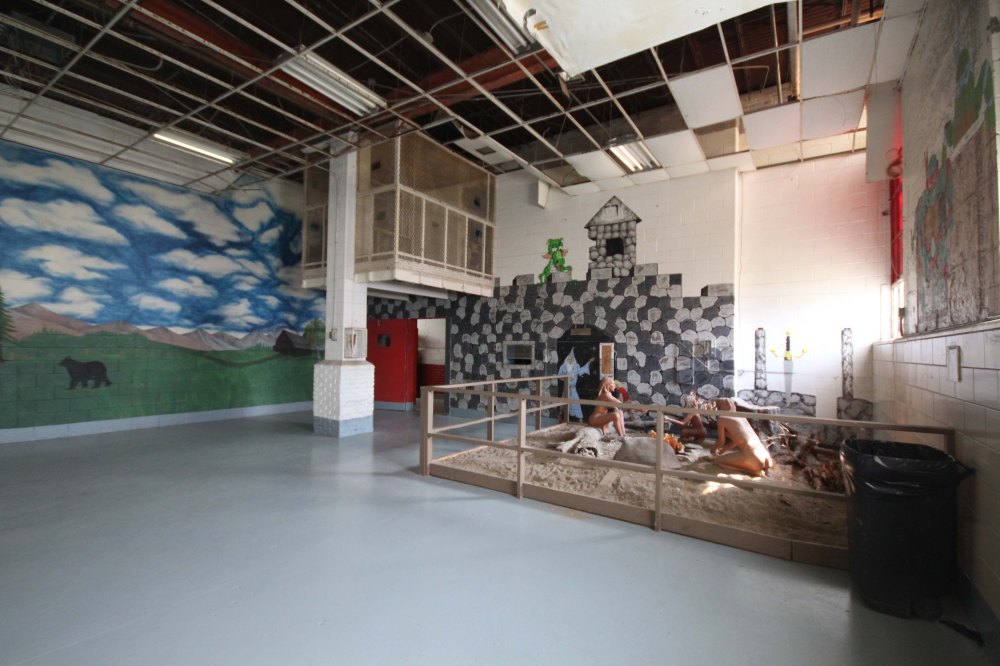
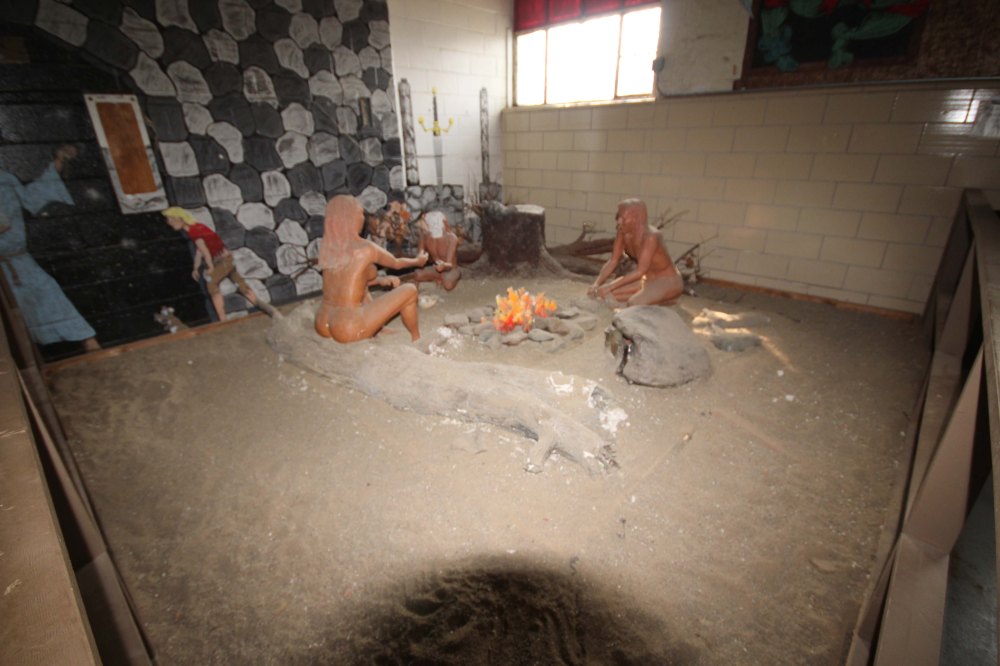
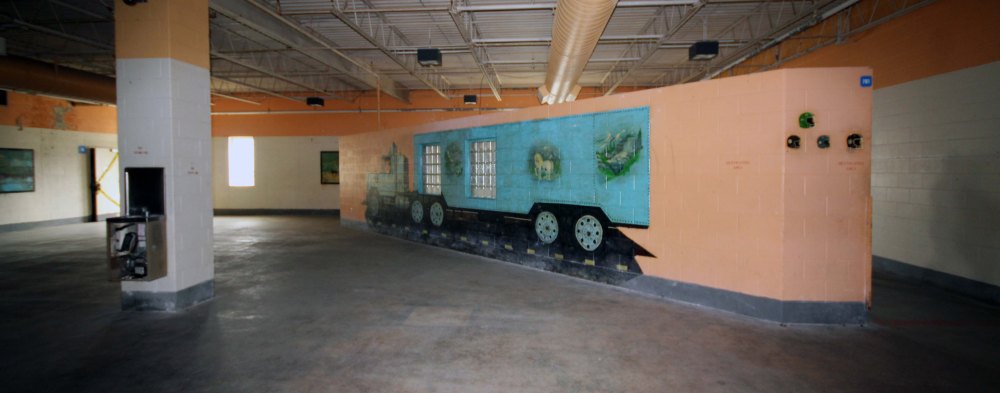
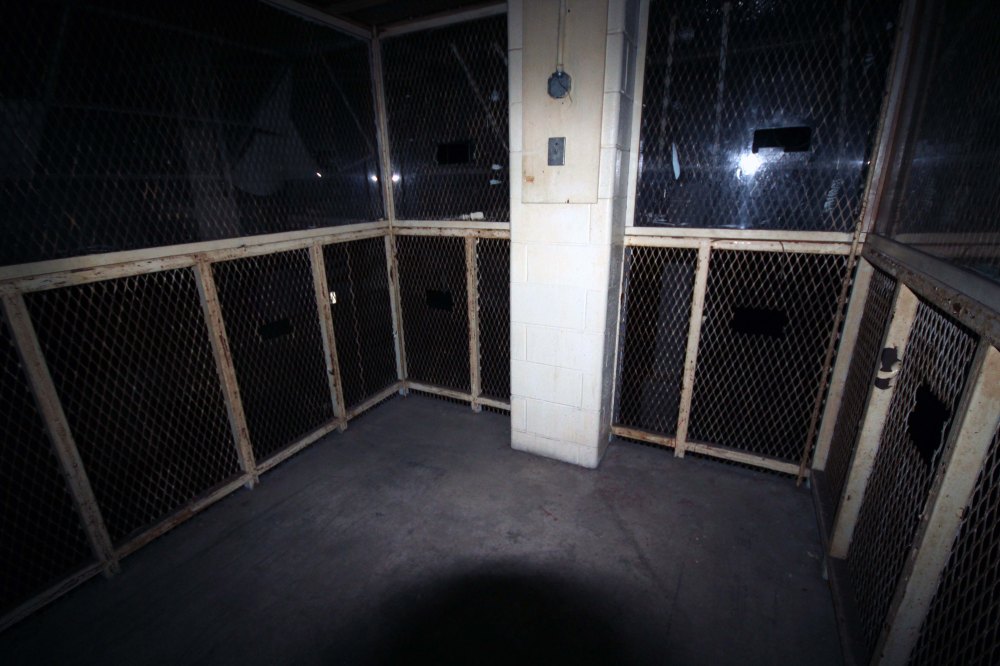
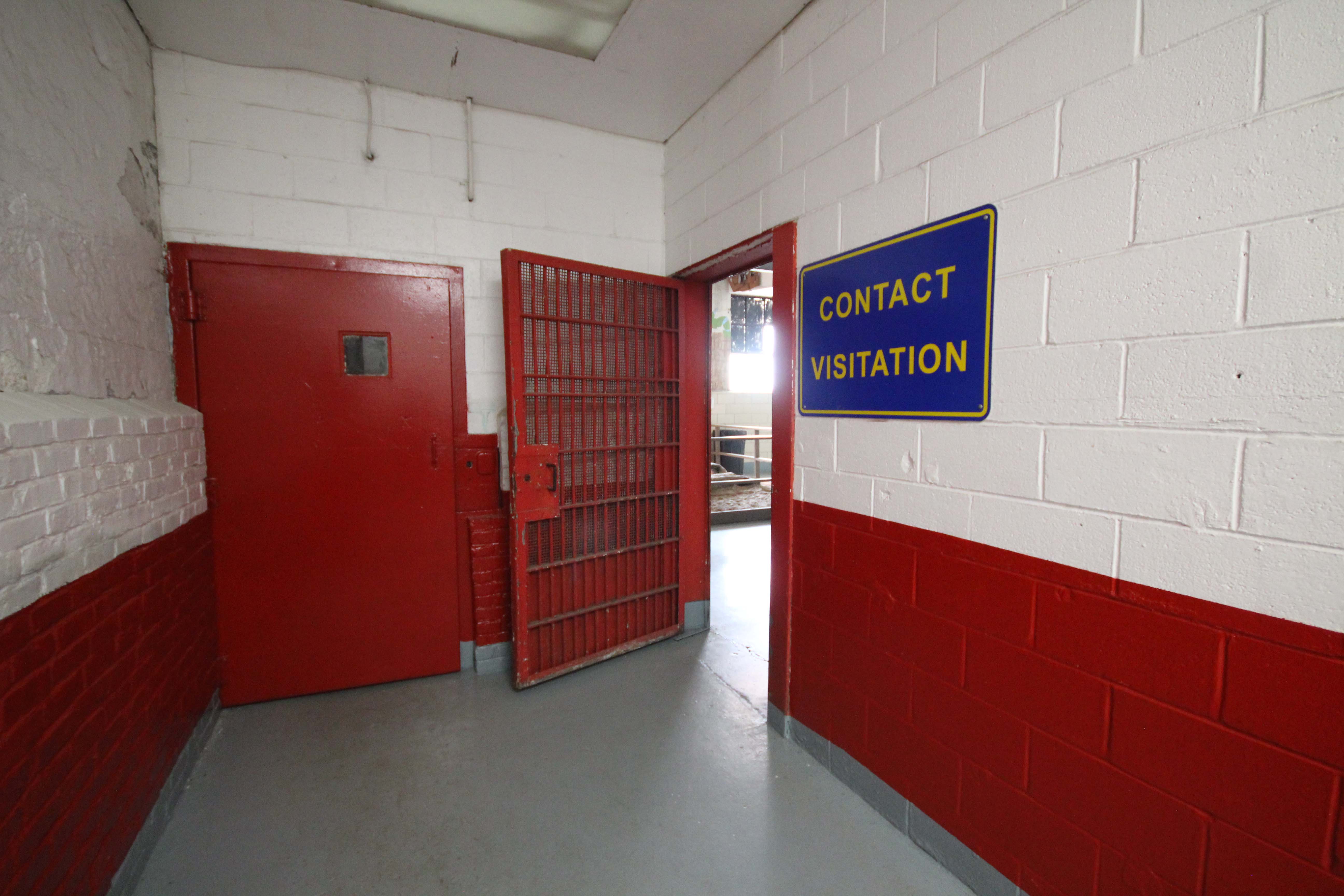
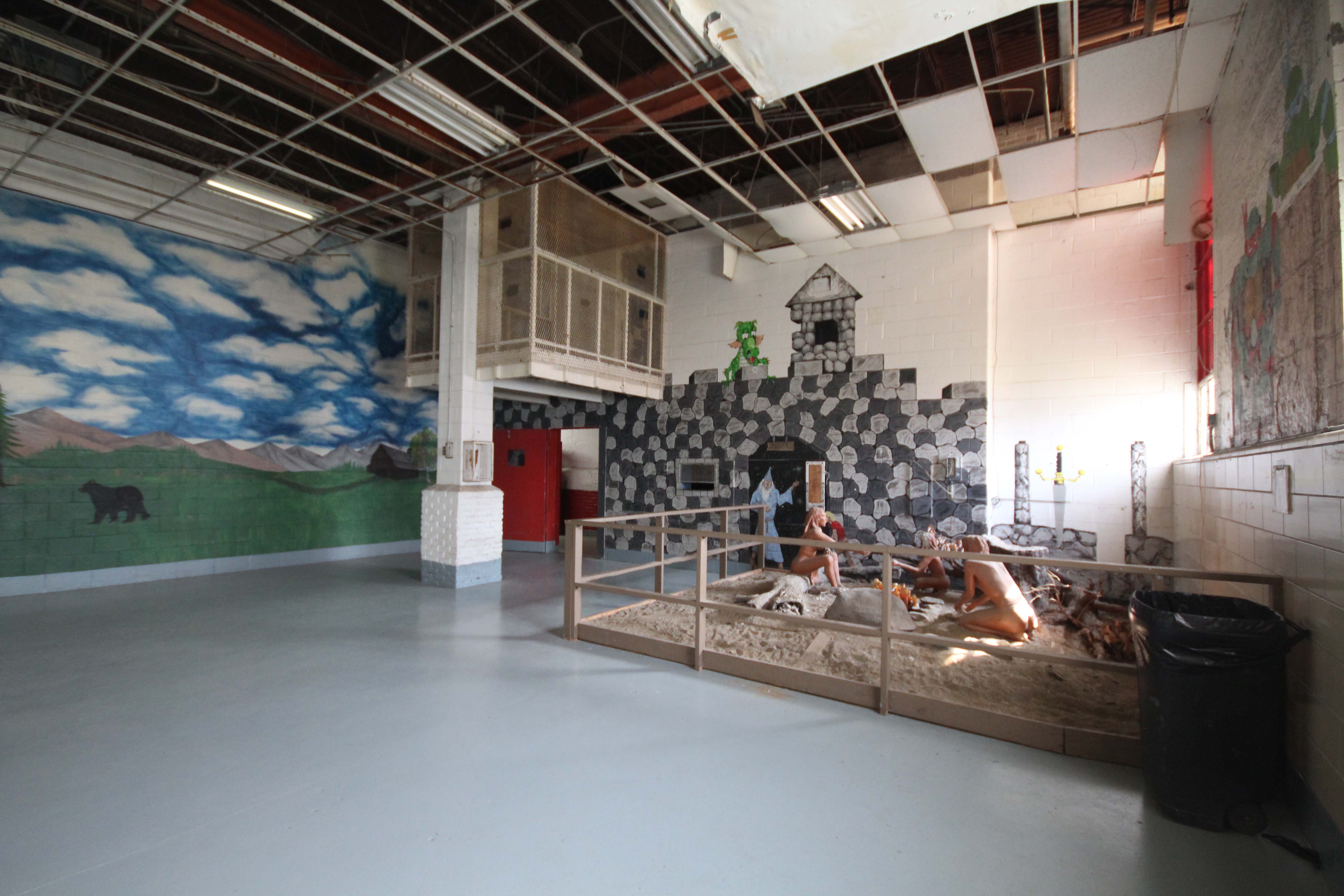
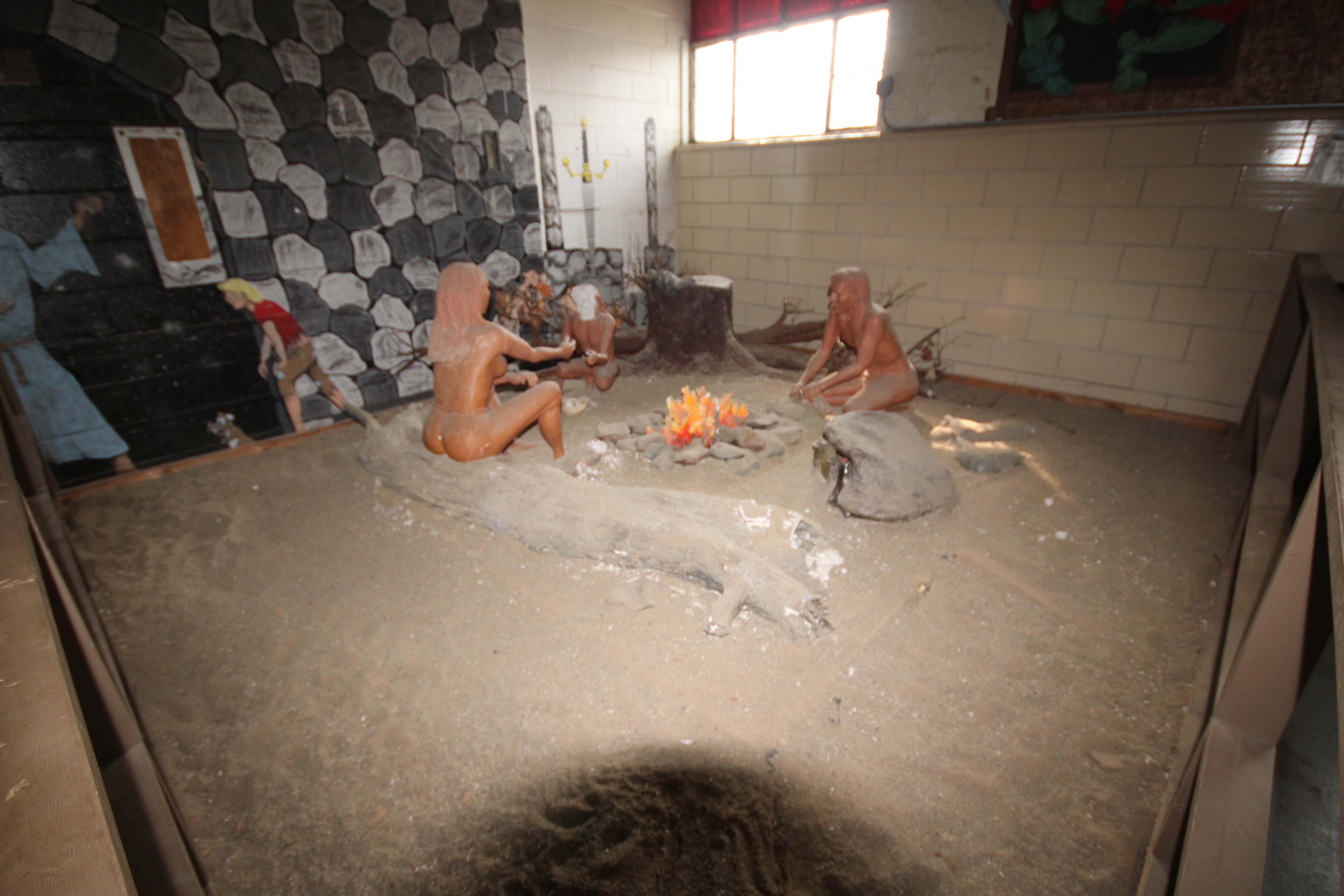
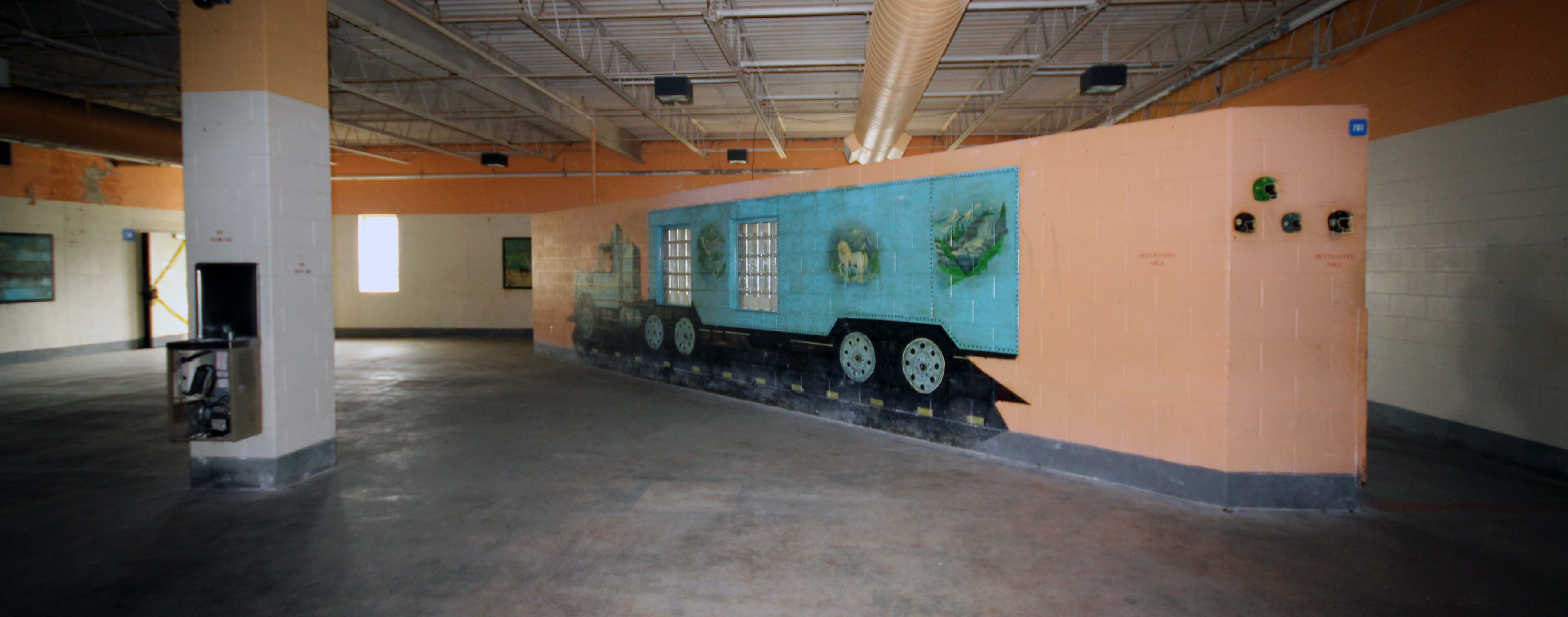
The large contact visitation area, complete with a tableau made by an inmate of a native family to complement the burial mound across the property. Note the guard cage above on the left.  Ok that’s just weird – Trace
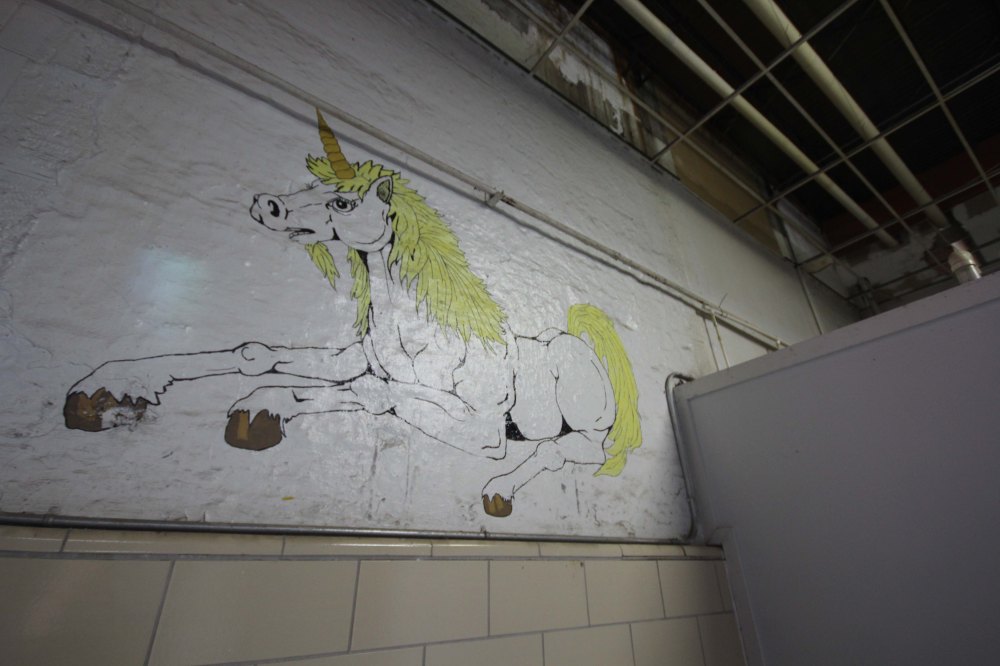


And they are naked? Again weird – Trace


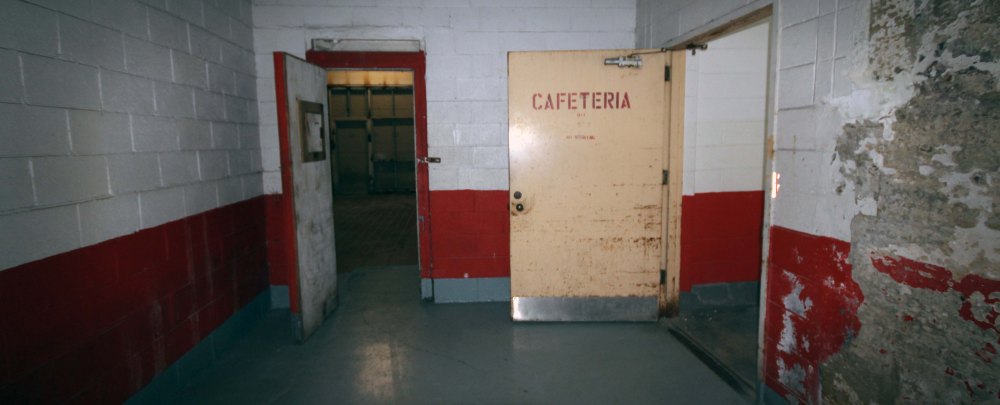
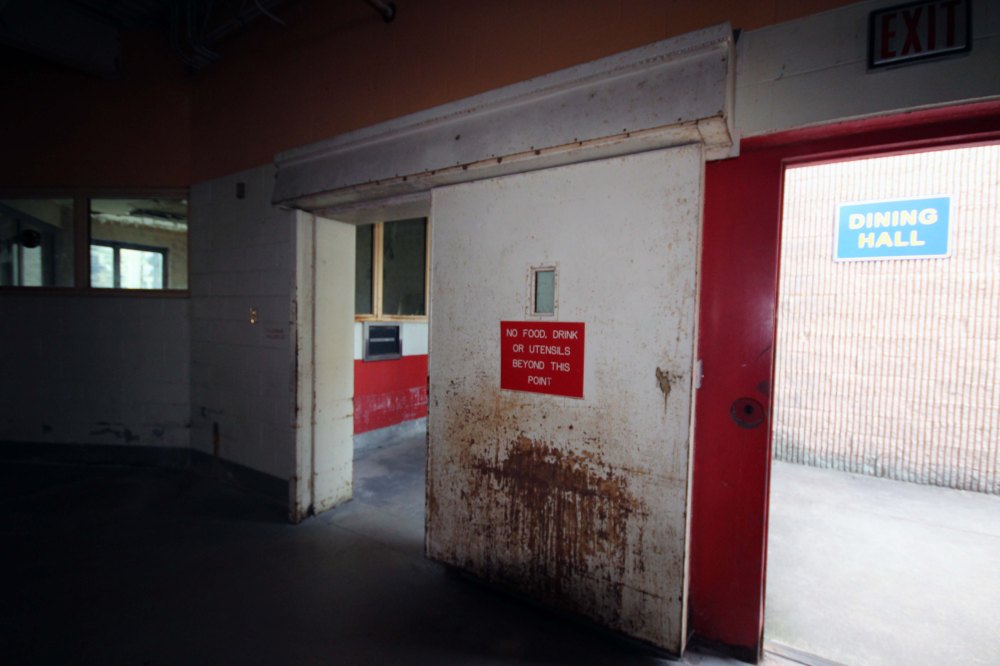
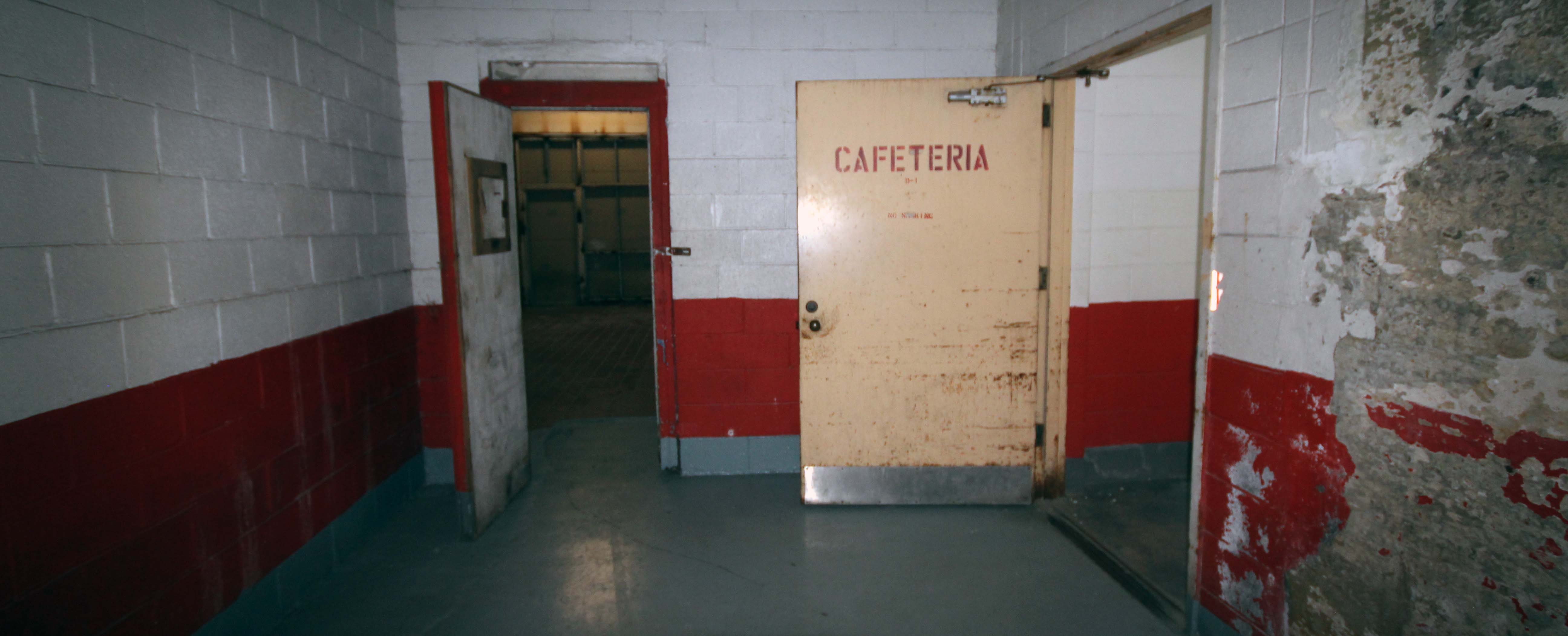
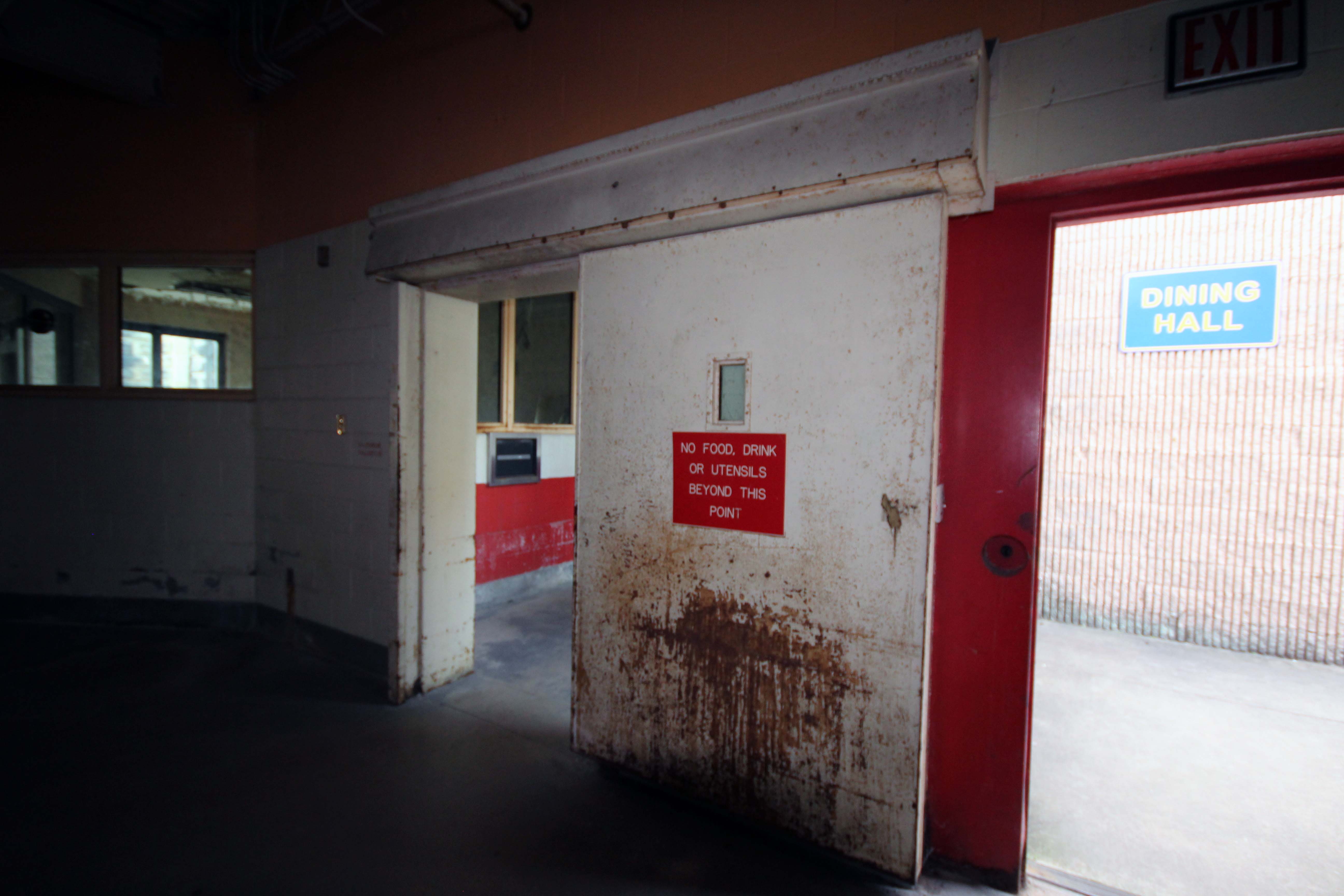
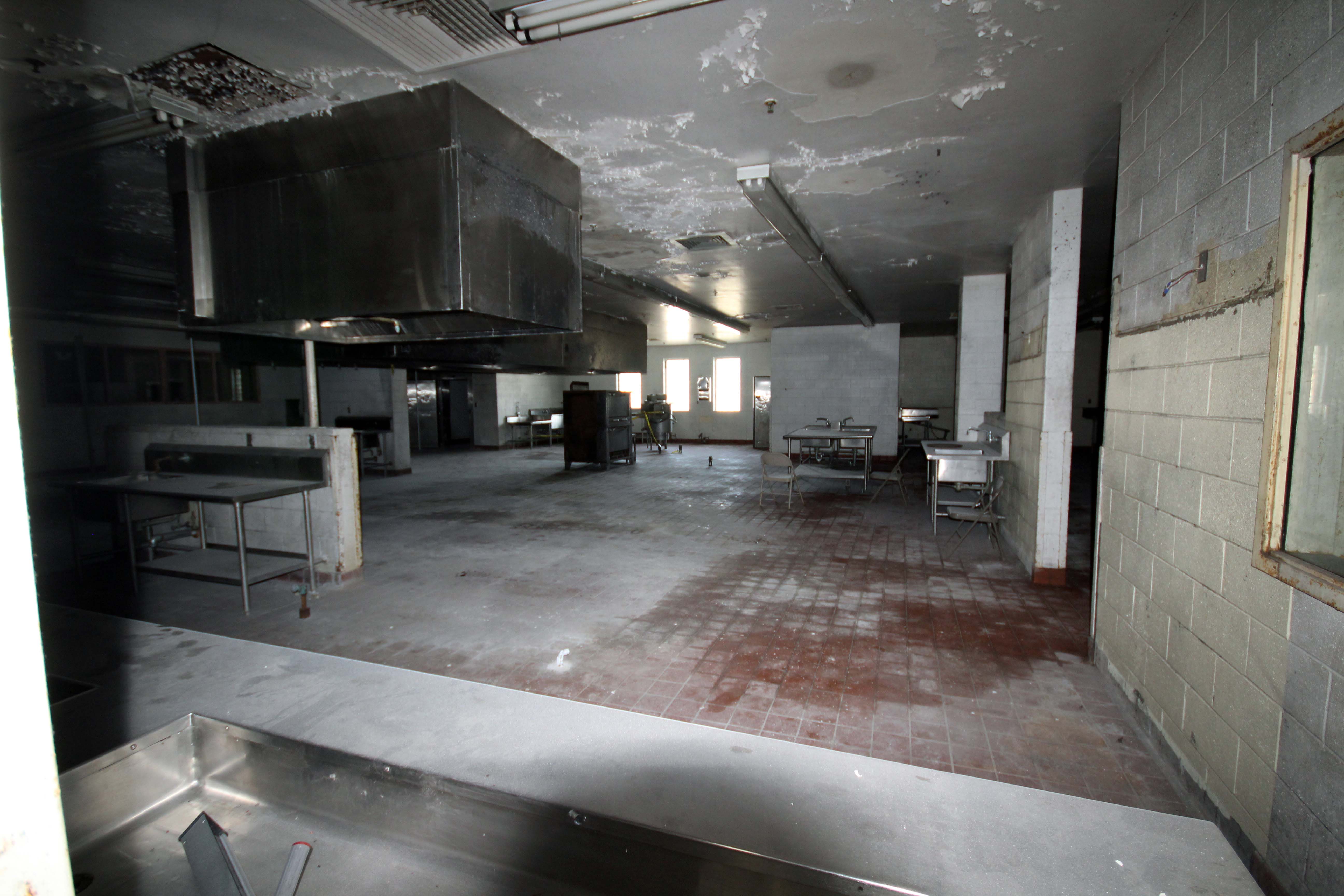
The guards ate in a separate area behind this wall.
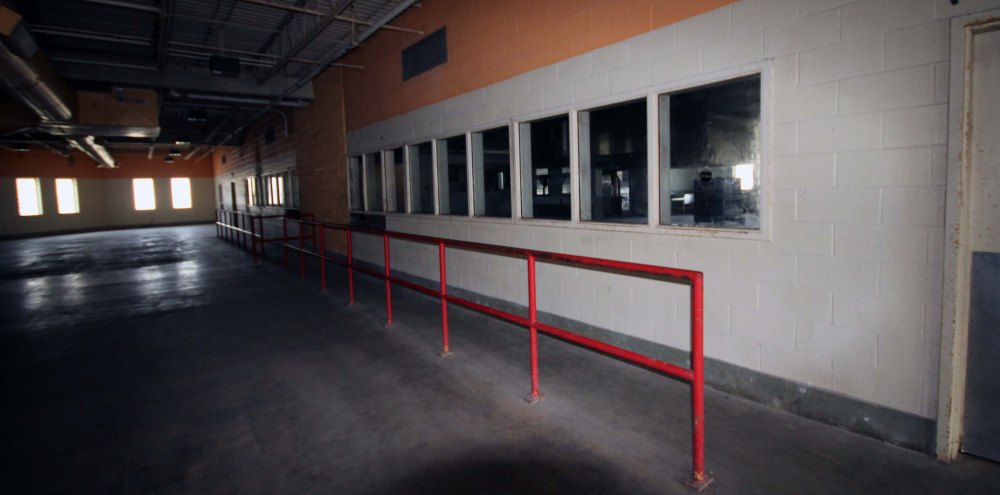
 

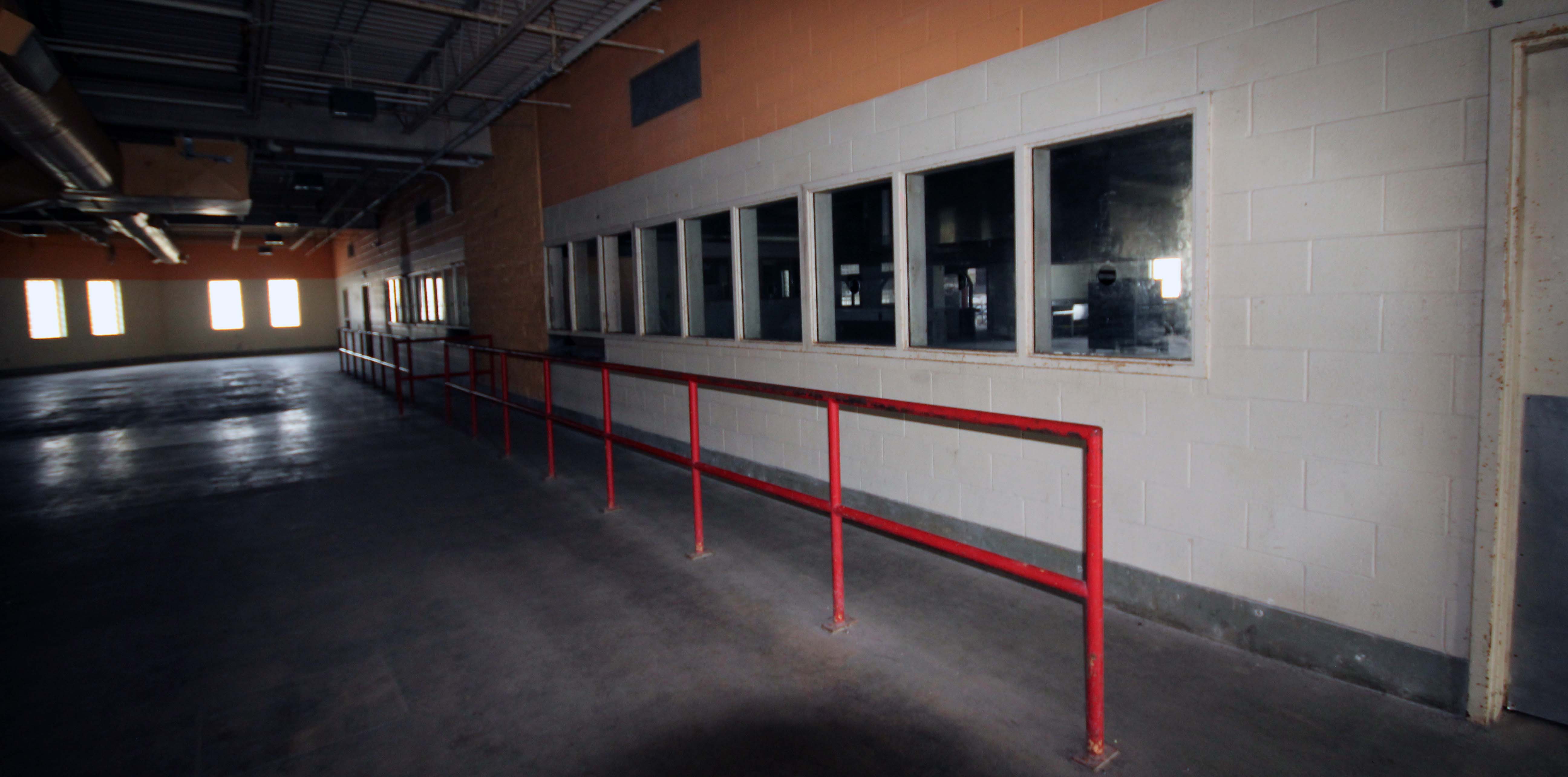
The windows where inmates selected their food. At the end of the line was a thin slit through which they would get their tray.
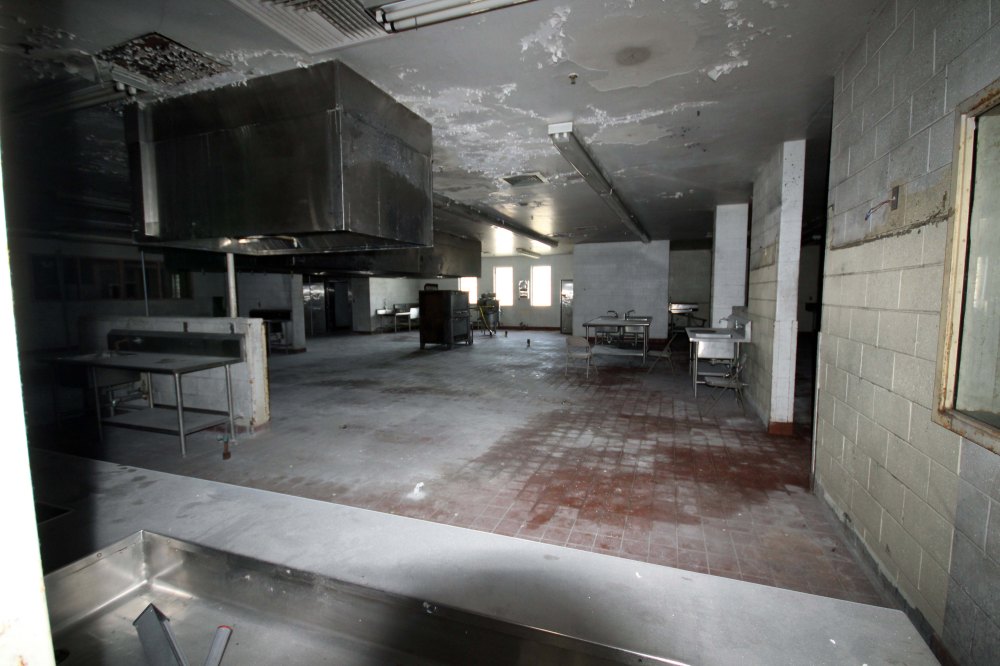
 

The kitchen
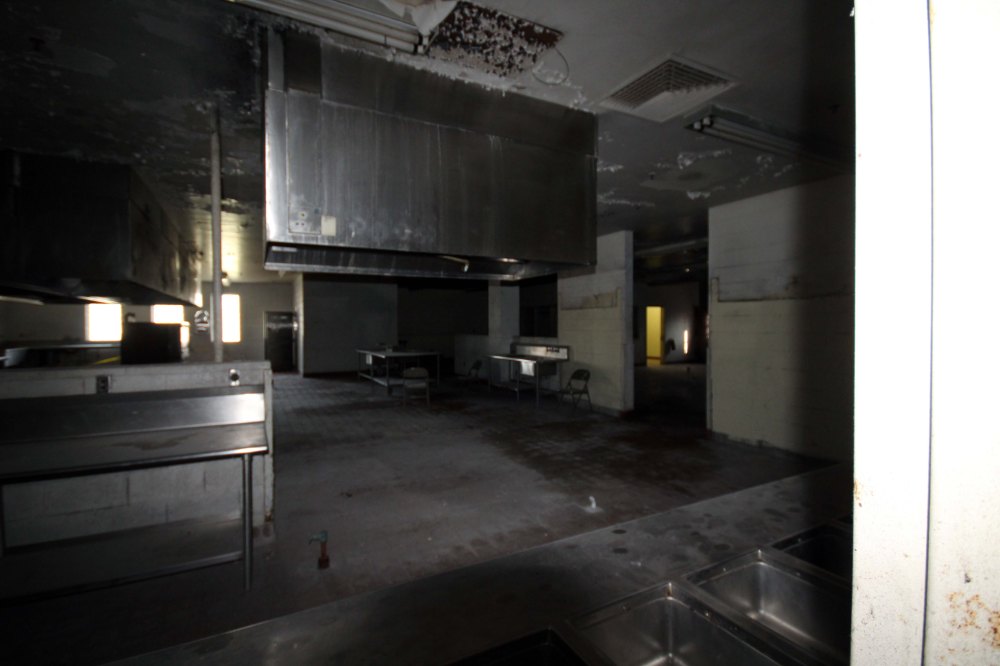


Just behind the wall separating the guard’s dining area from the inmates area is a “riot wall”. A section of the outer wall of the building that was not reinforced with rebar that could be knocked down by law enforcement in the event of a riot.
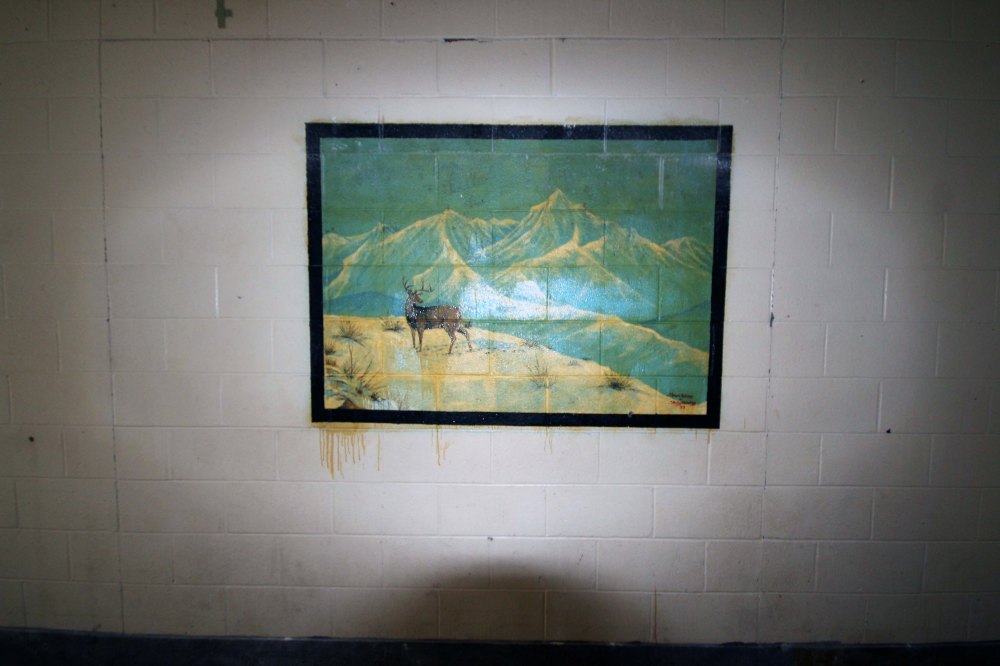
 

You can just see the outline of where the mortar has cracked where the wall has settled and isn’t reinforced.
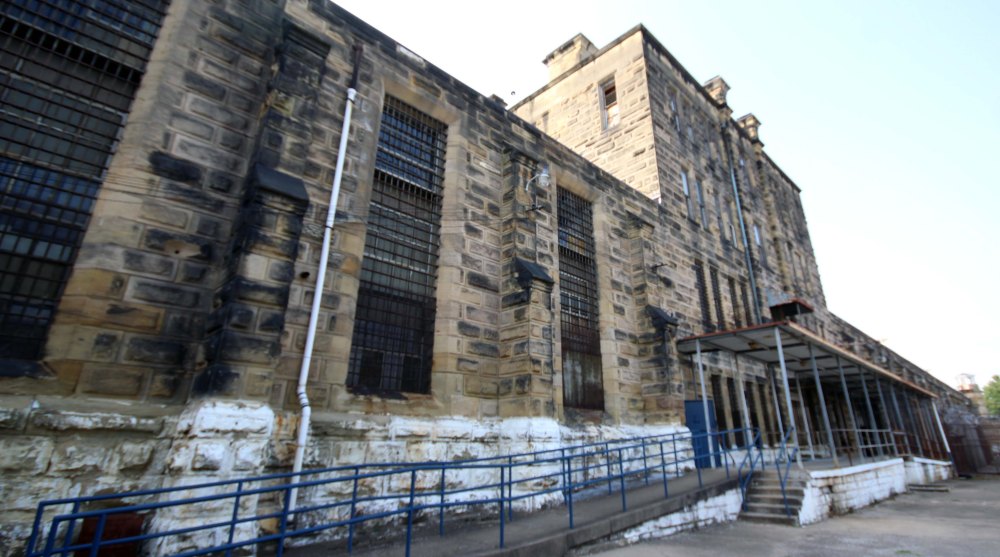
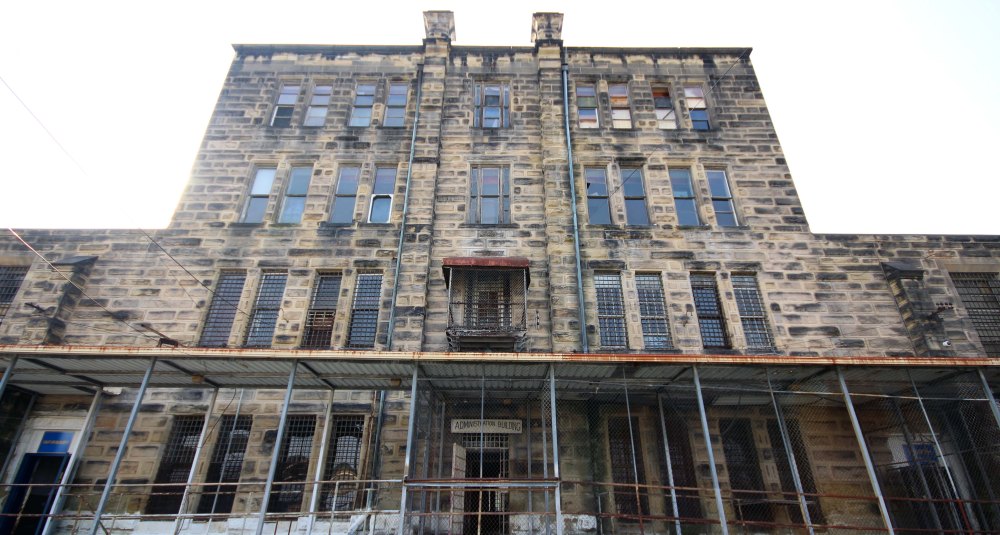


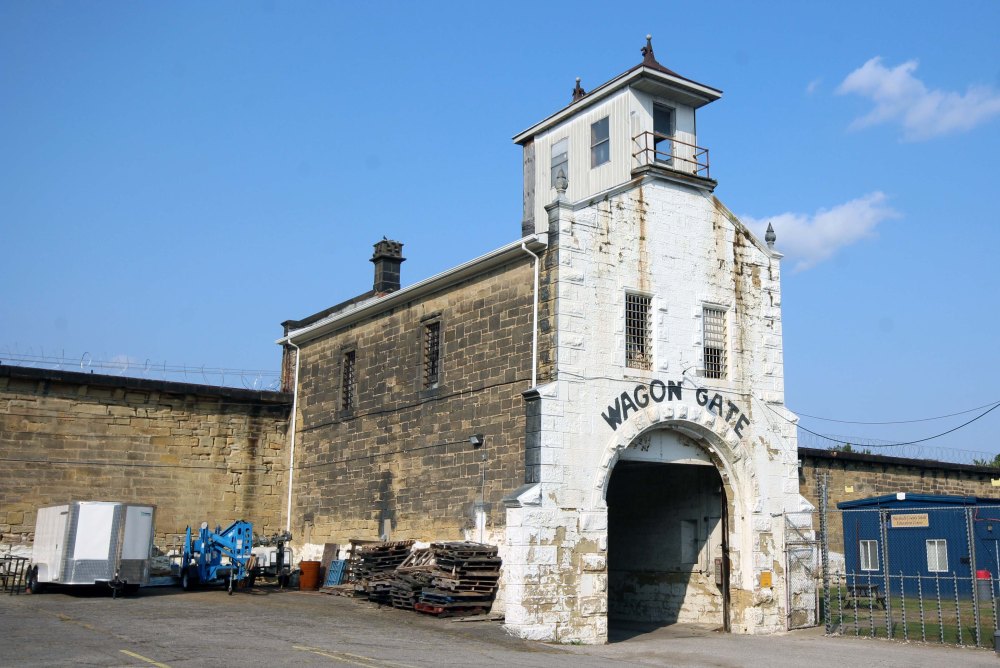
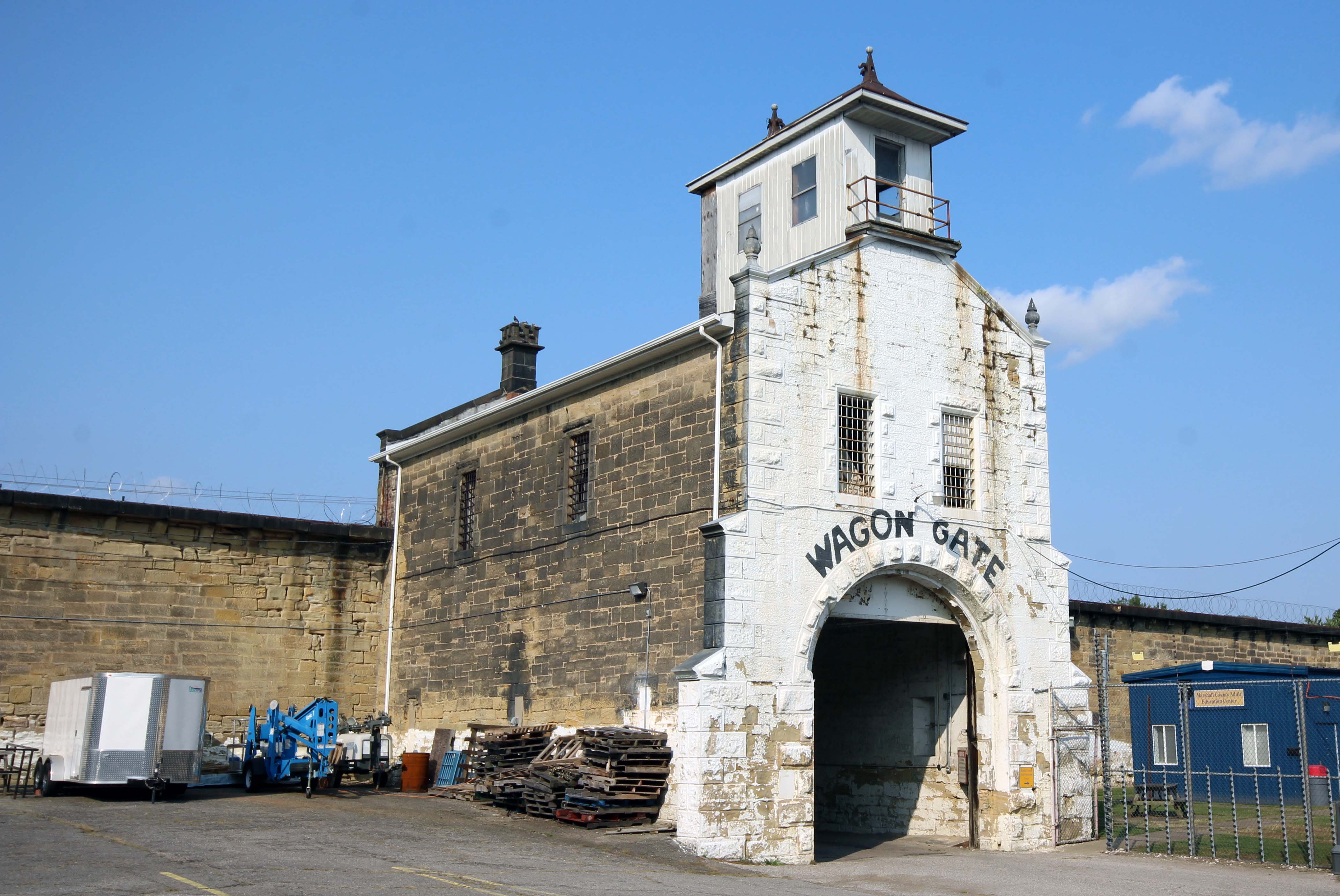
The wagon gate was the first building constructed and was used to allow the public in to view hangings.
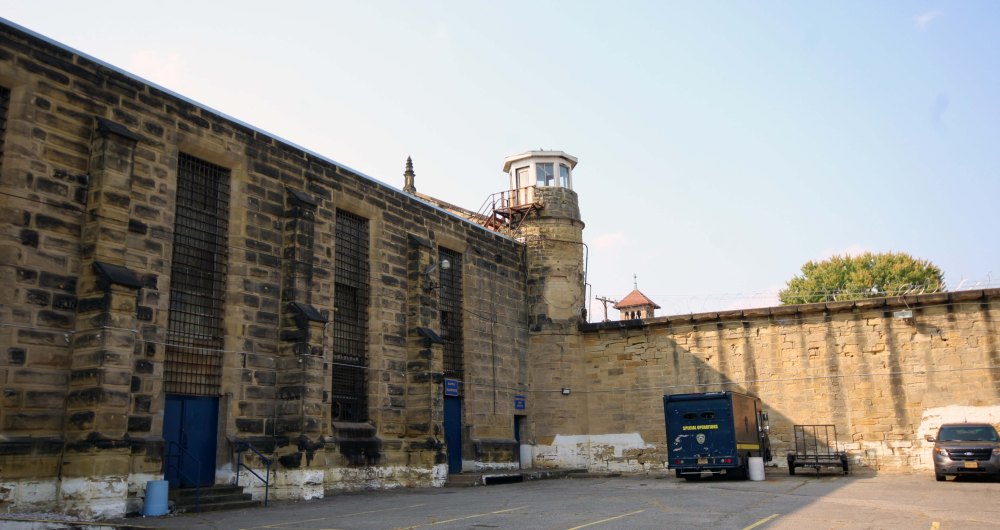
 

This area is where the original gallows was.
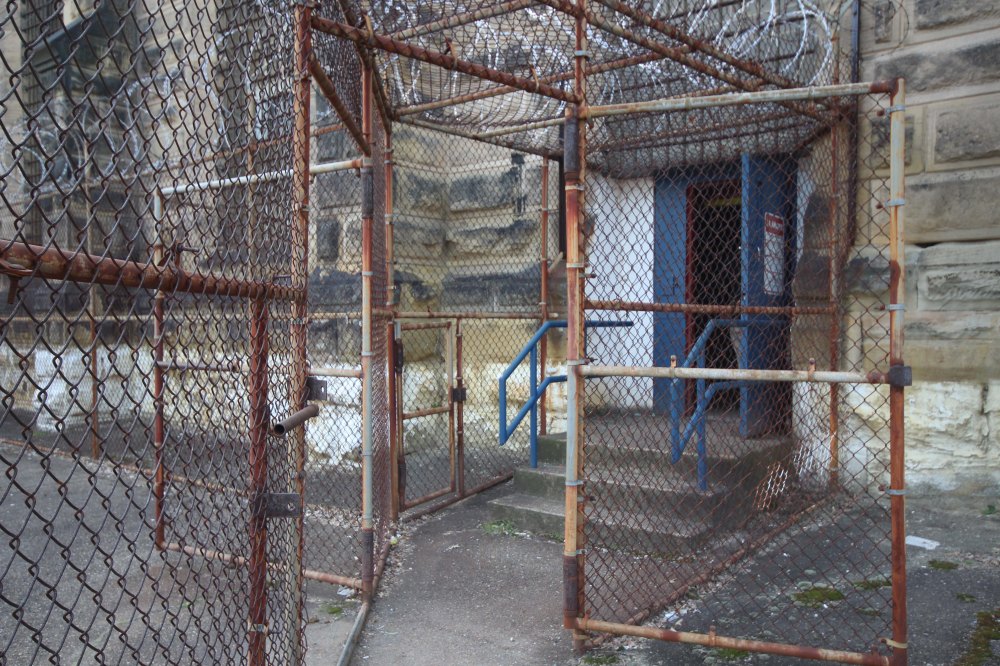


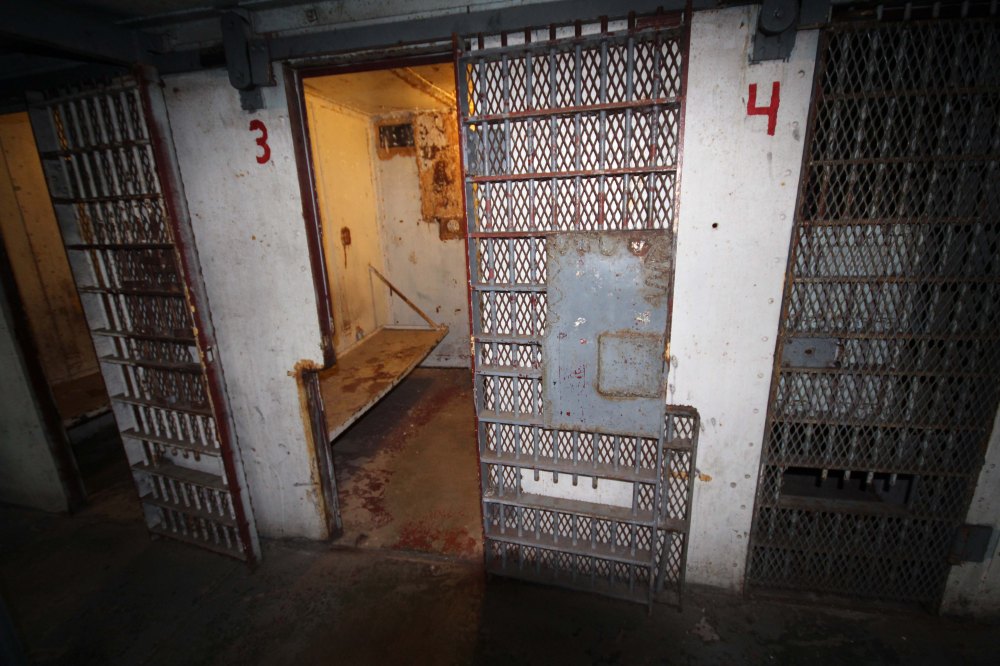
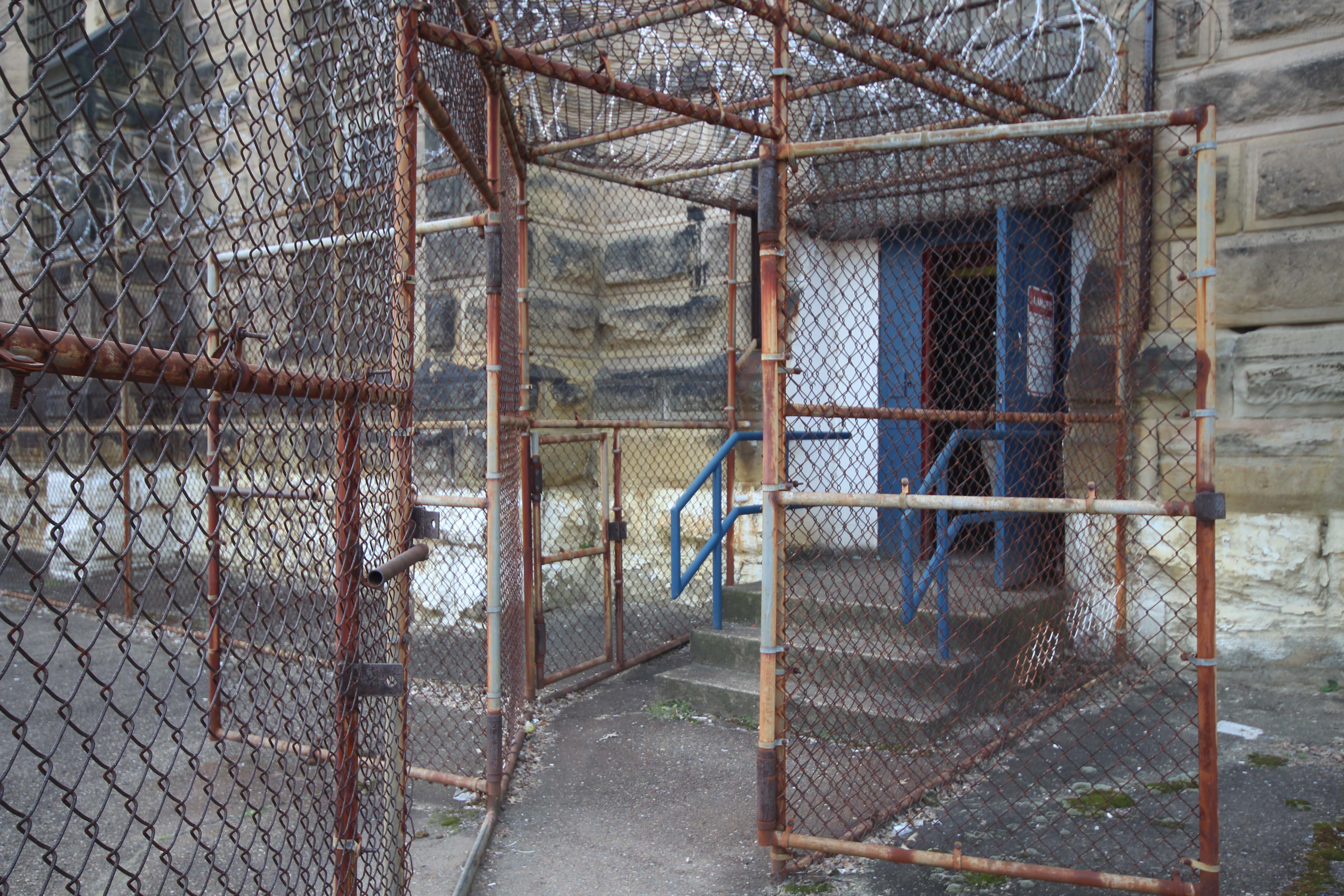
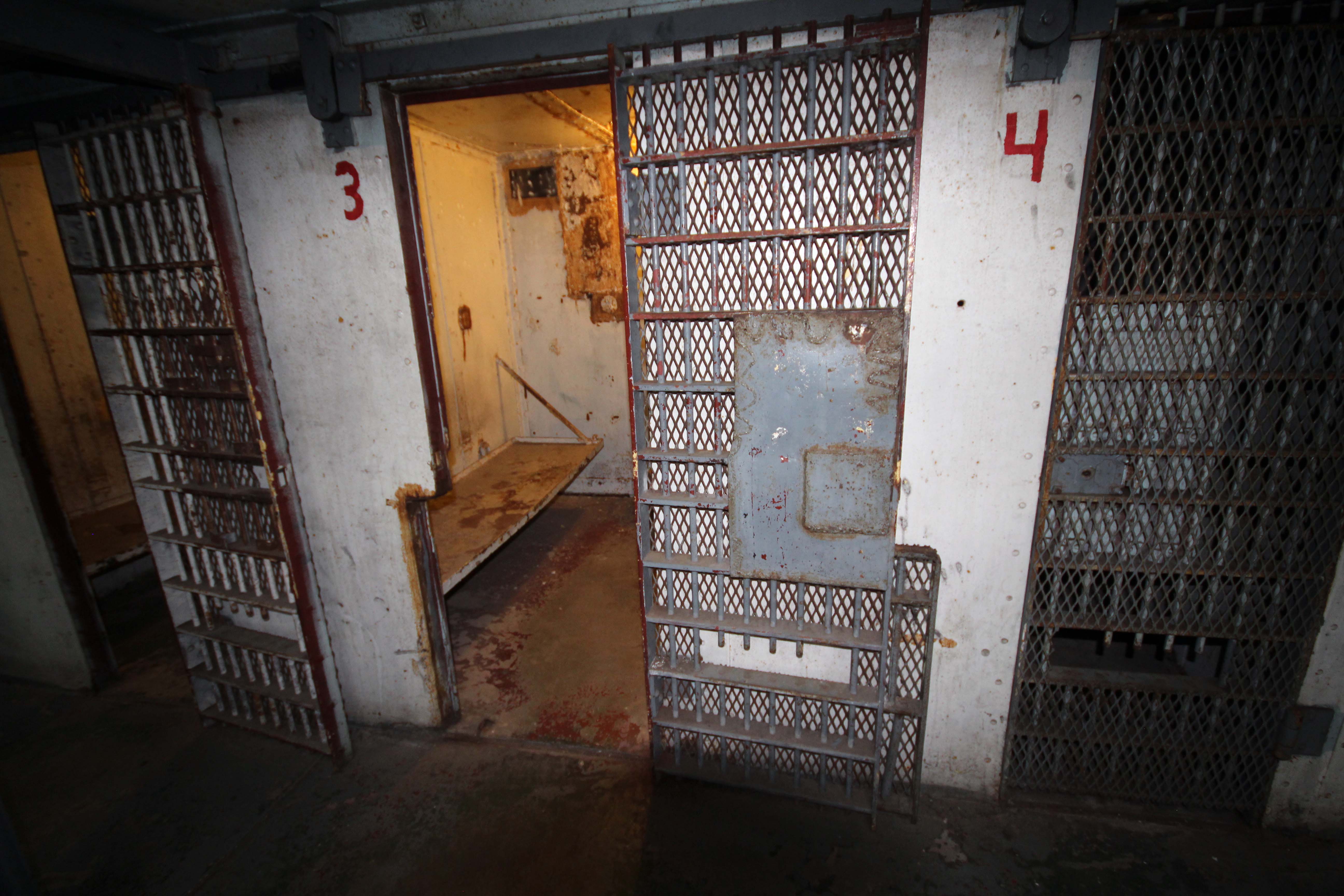
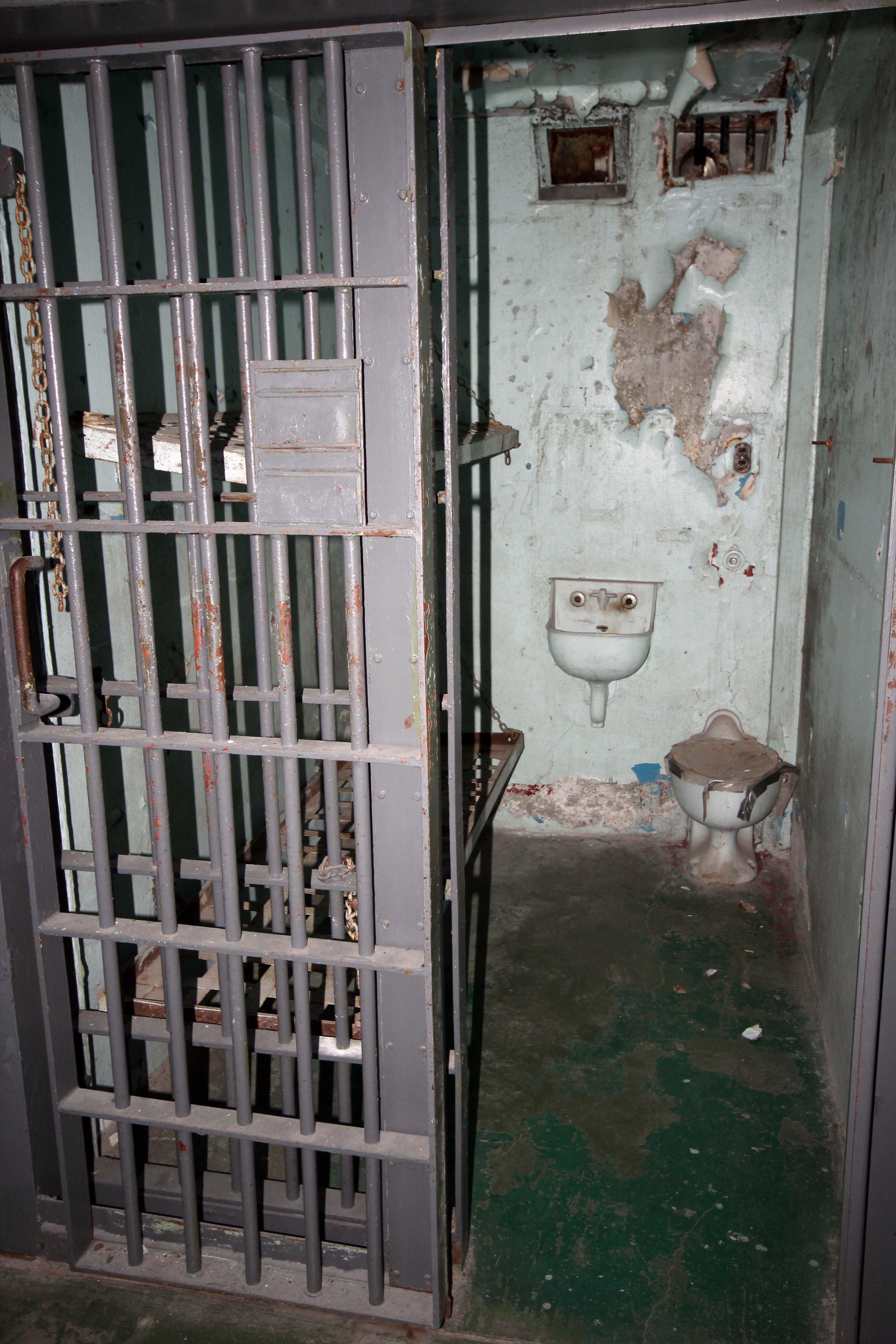
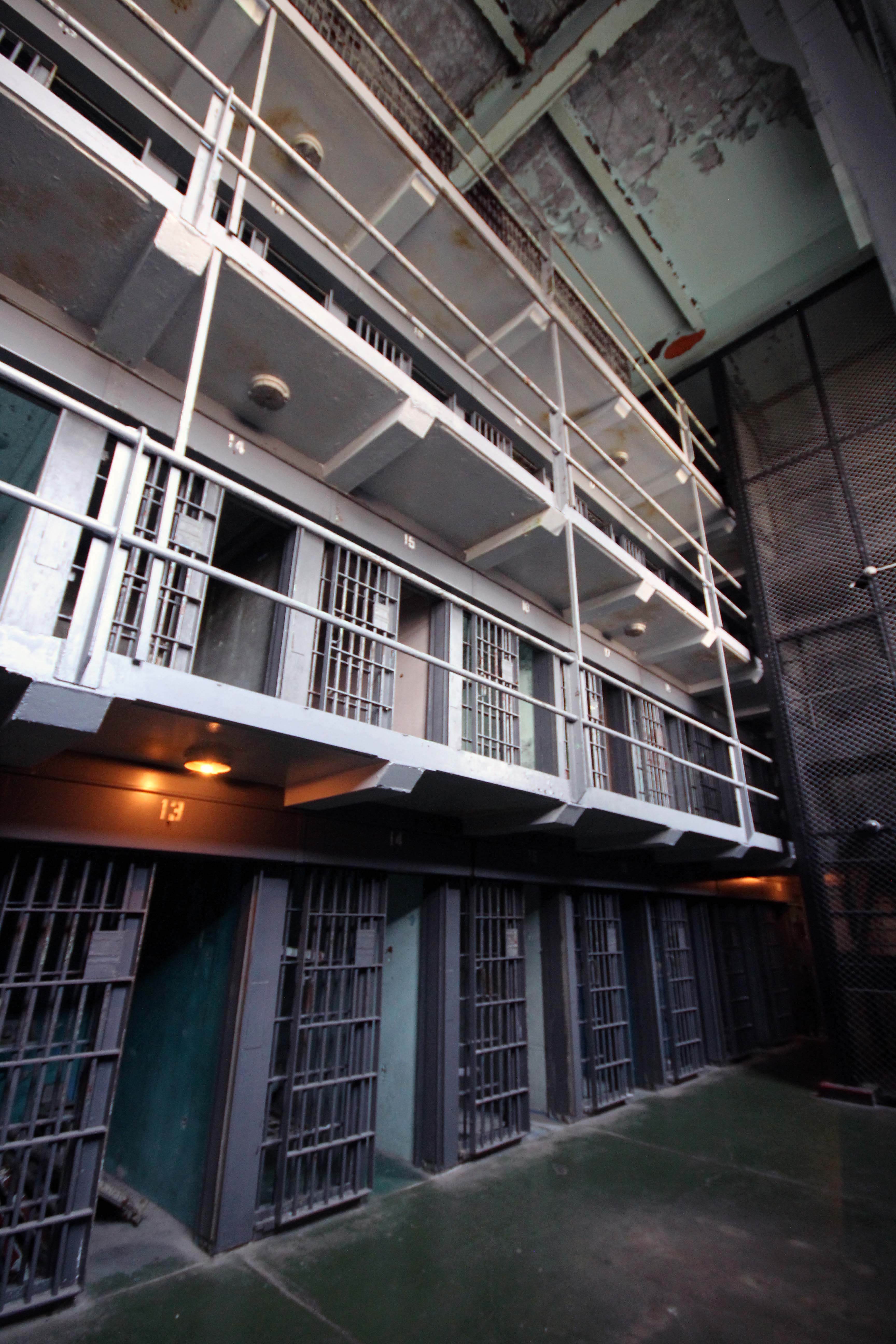
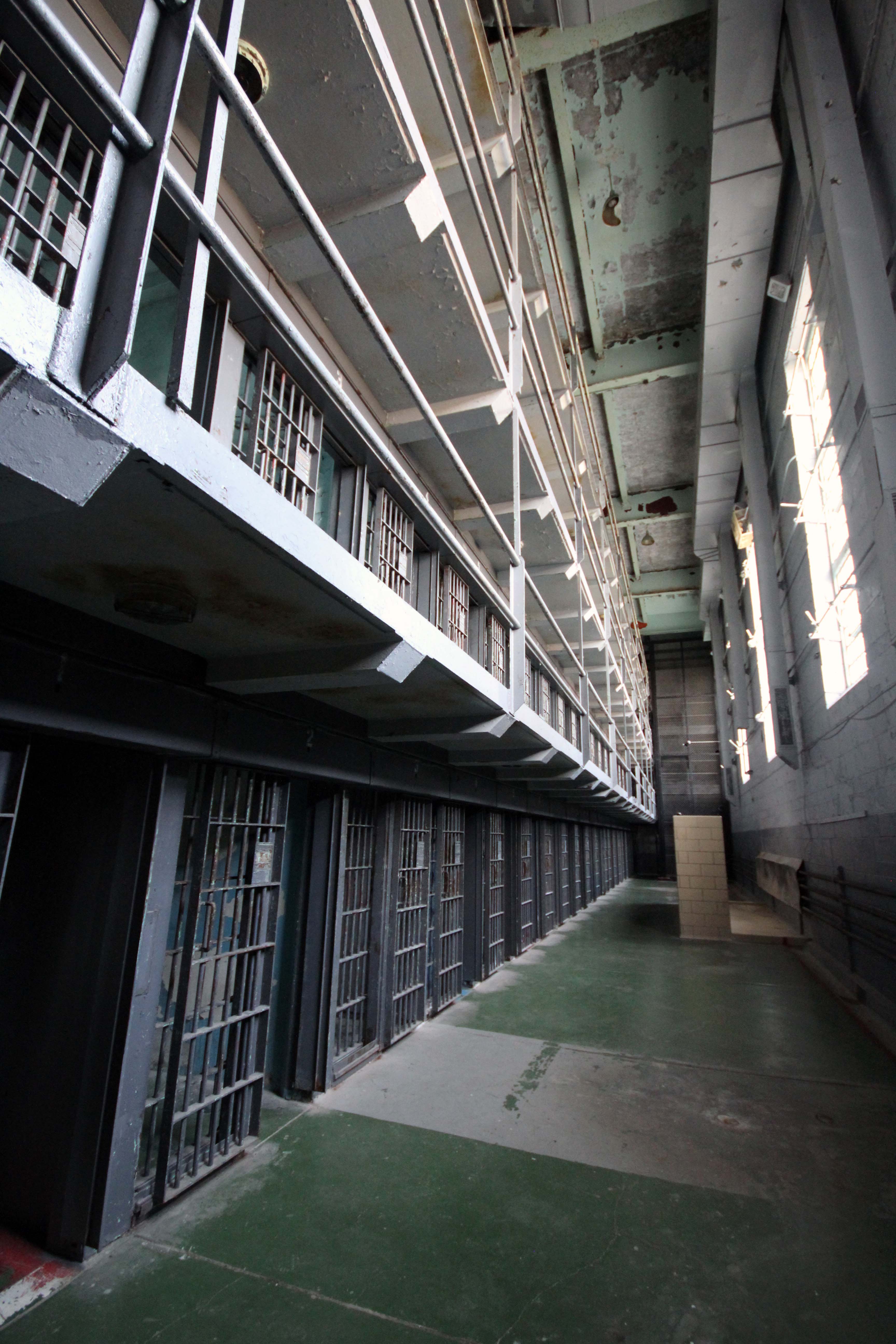
These are the original cells in the North Block, although the fencing was added much later. Each door had to be unlocked and locked independently, but a sliding bar across the top acted as a second lock for all of them at once.
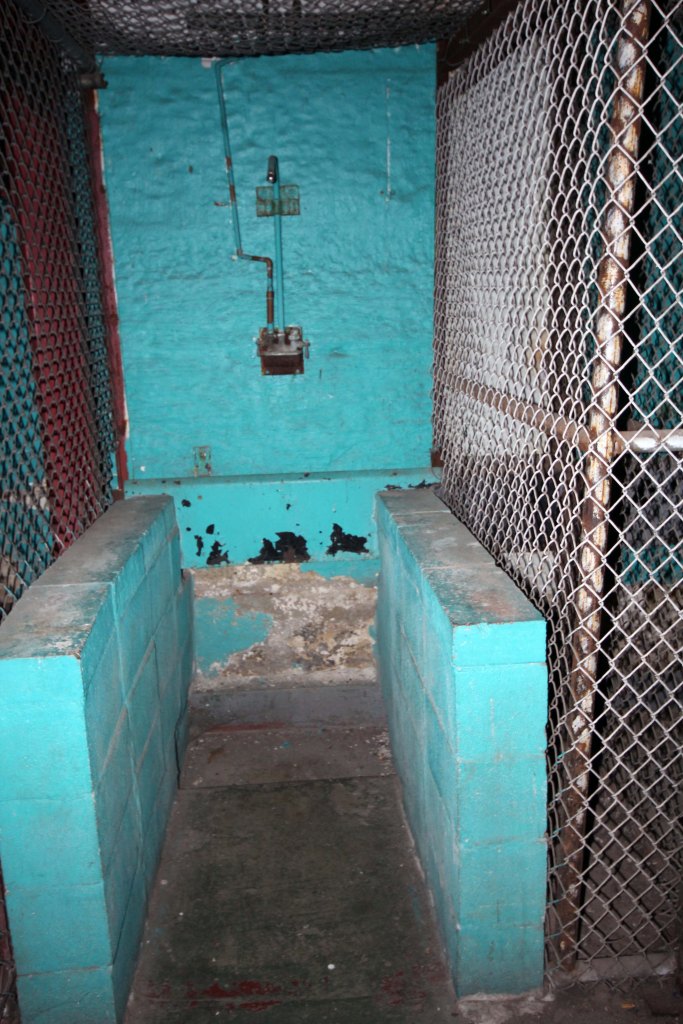
 

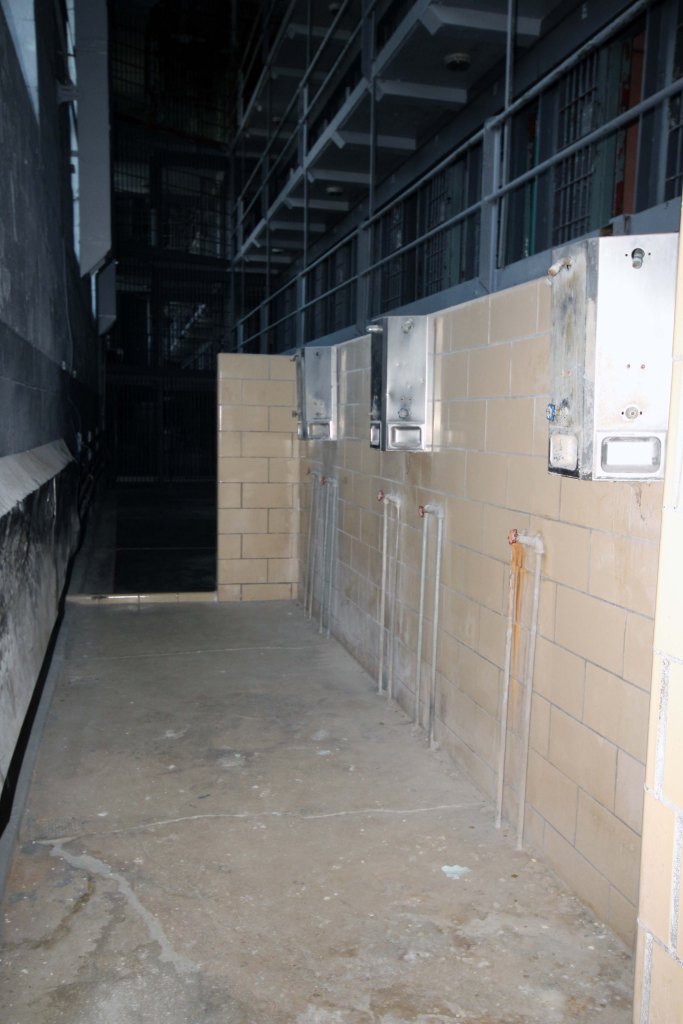
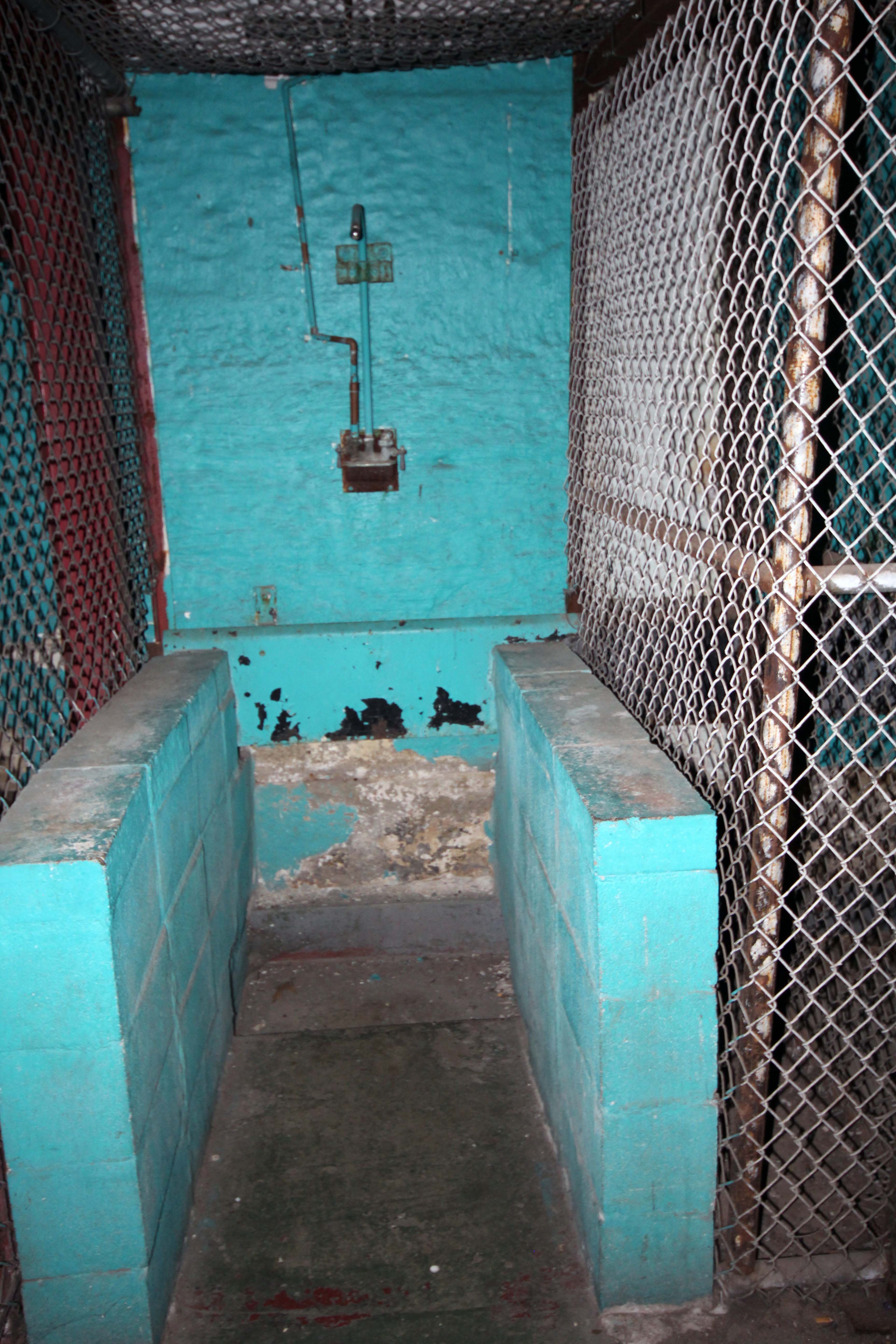
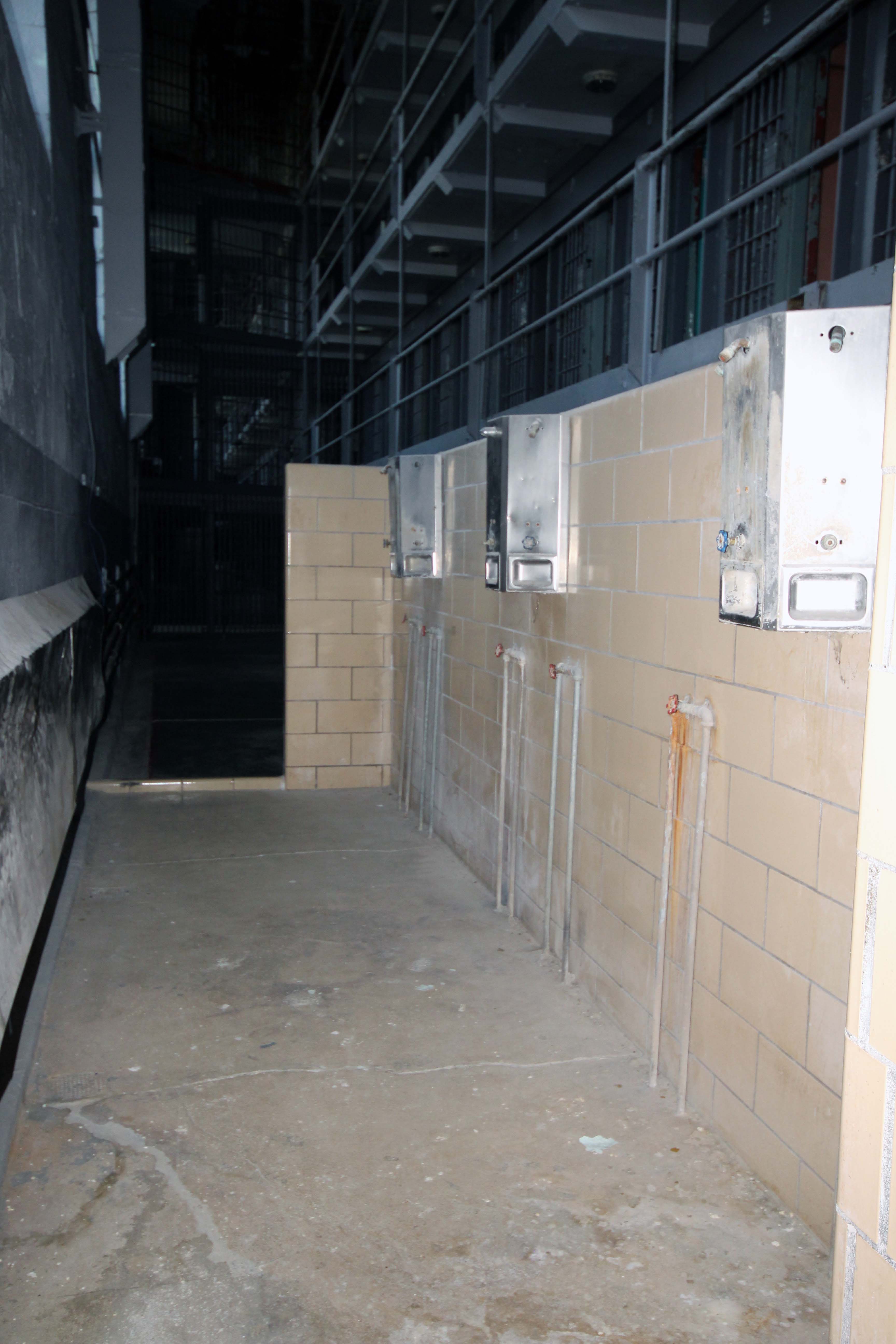
Each cell block had a special area for gang leaders, to keep them segregated from other inmates, and they shared a small shower.
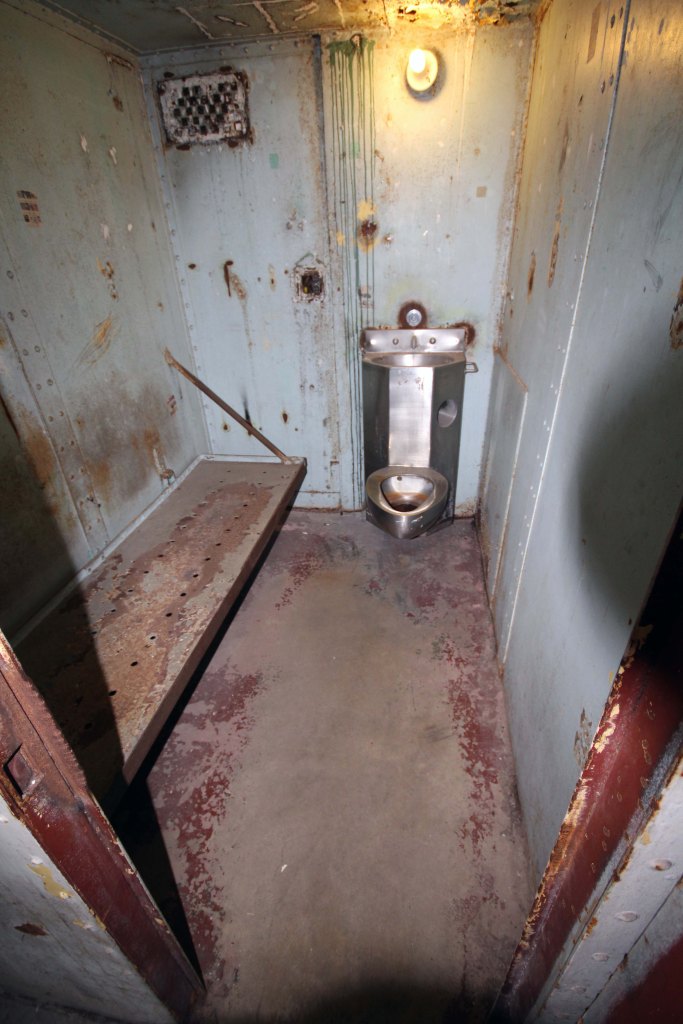
 

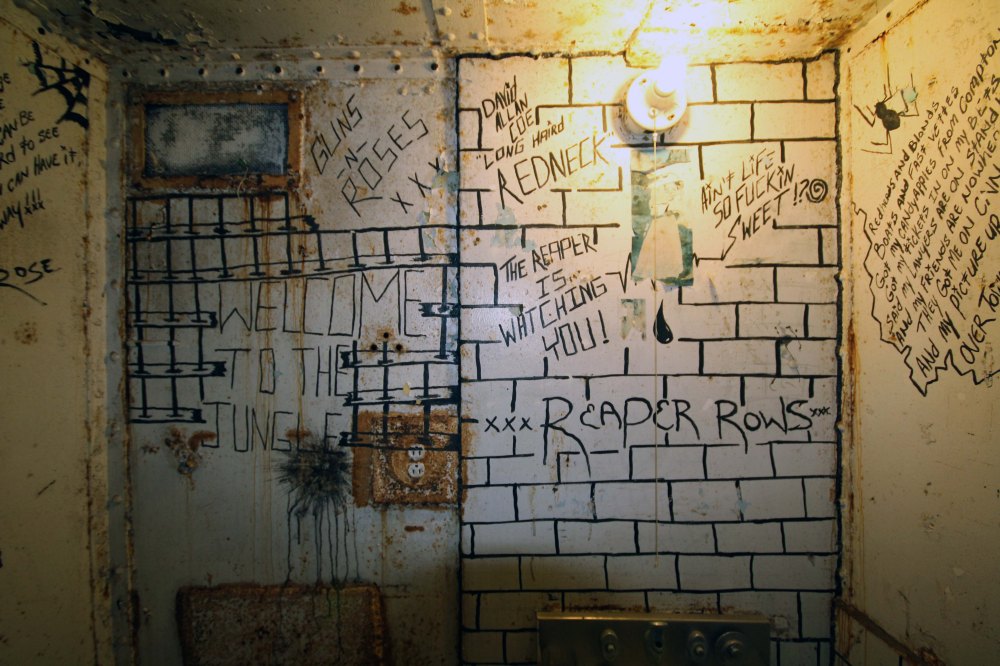
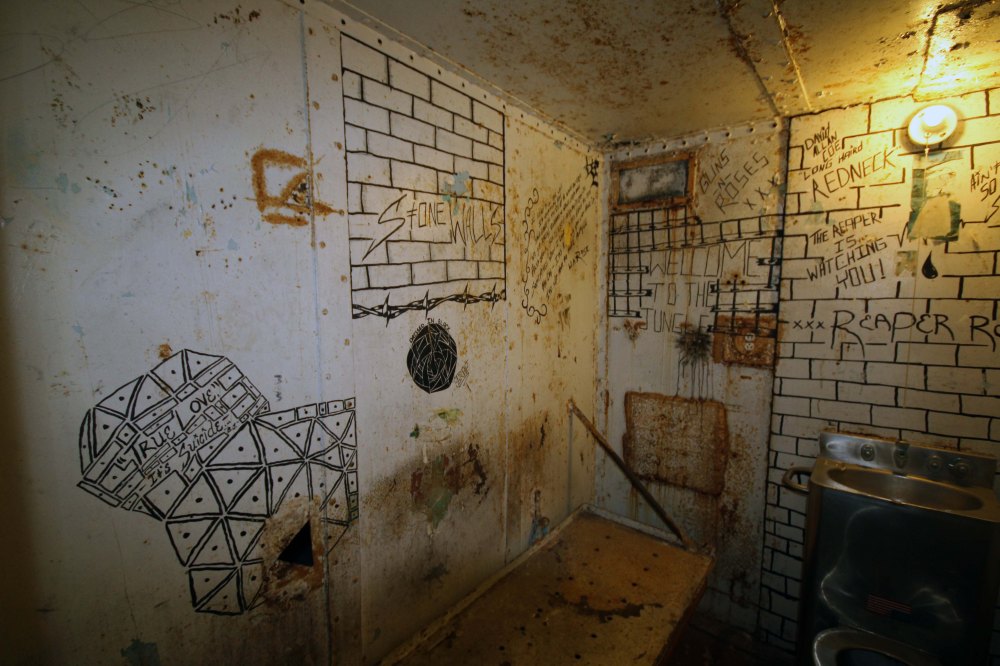
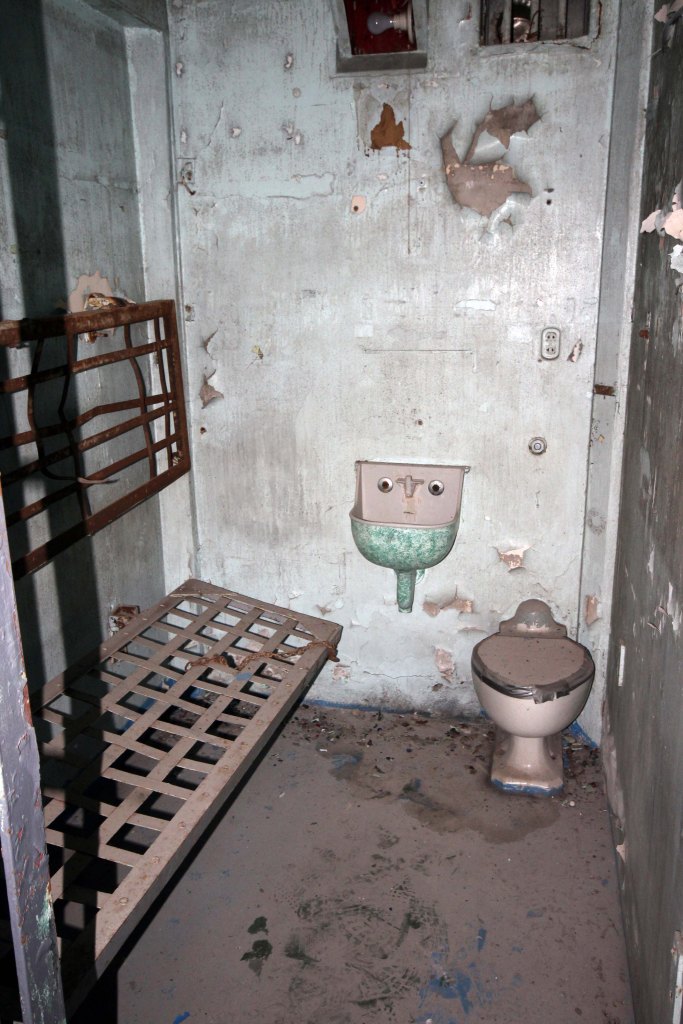
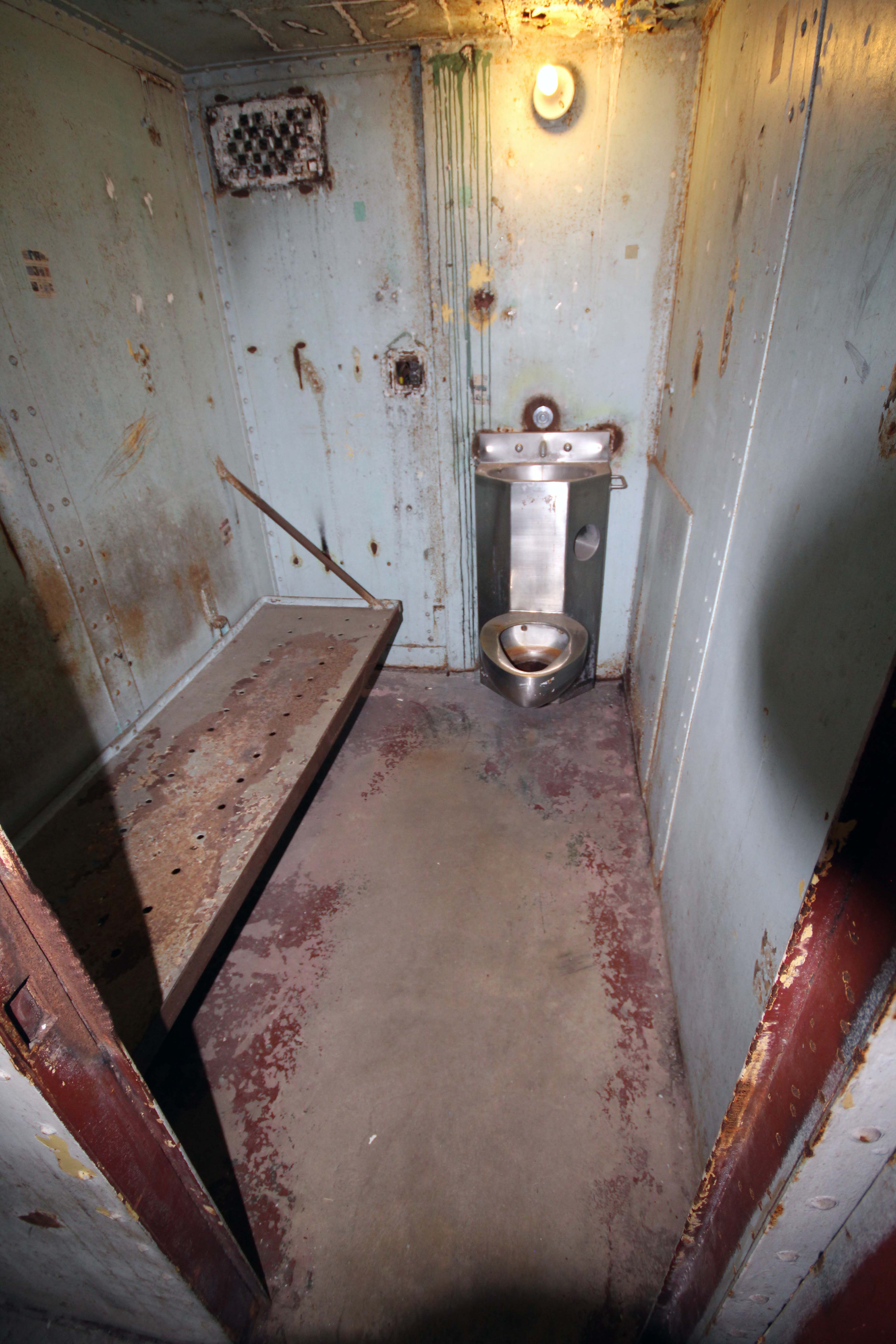
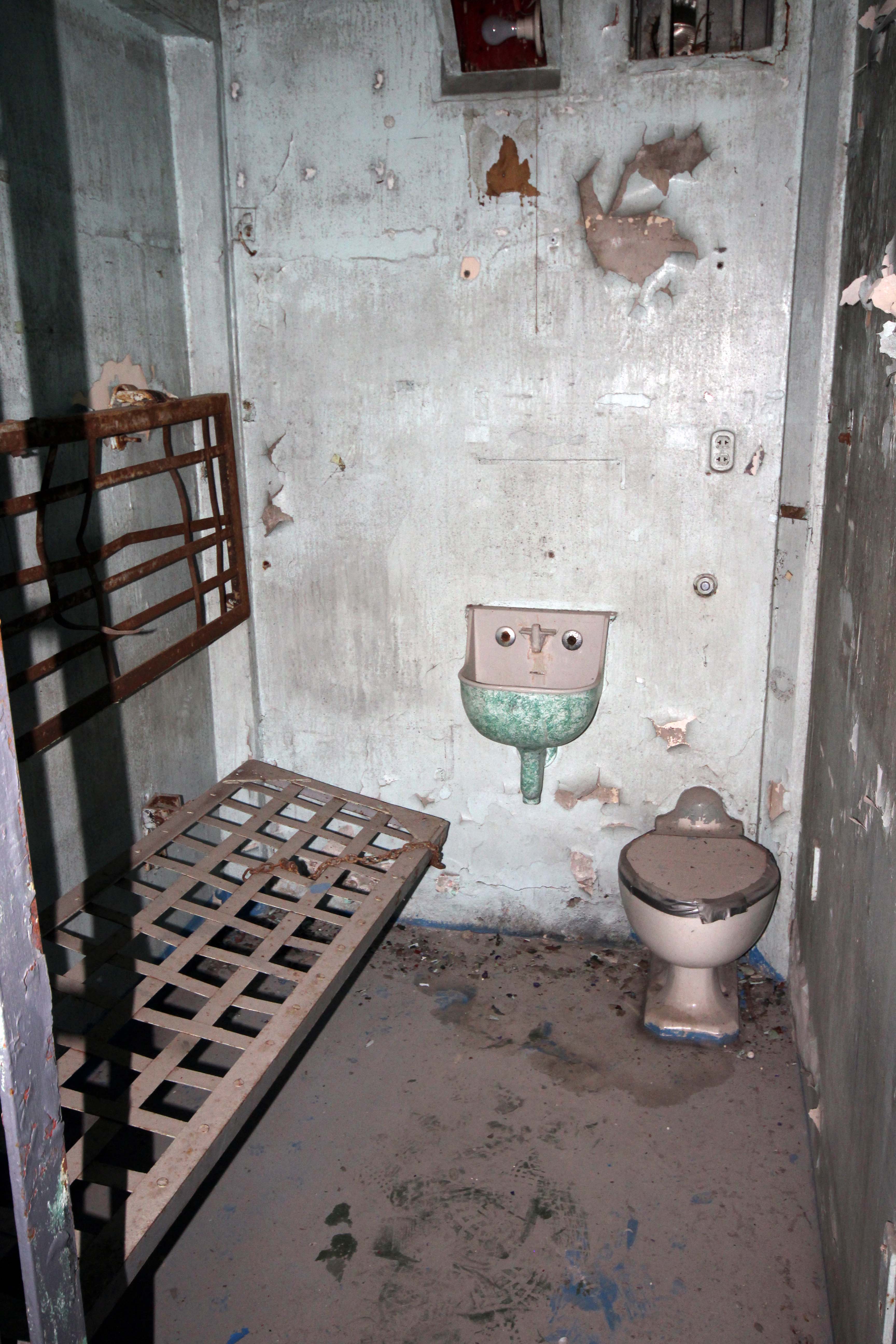
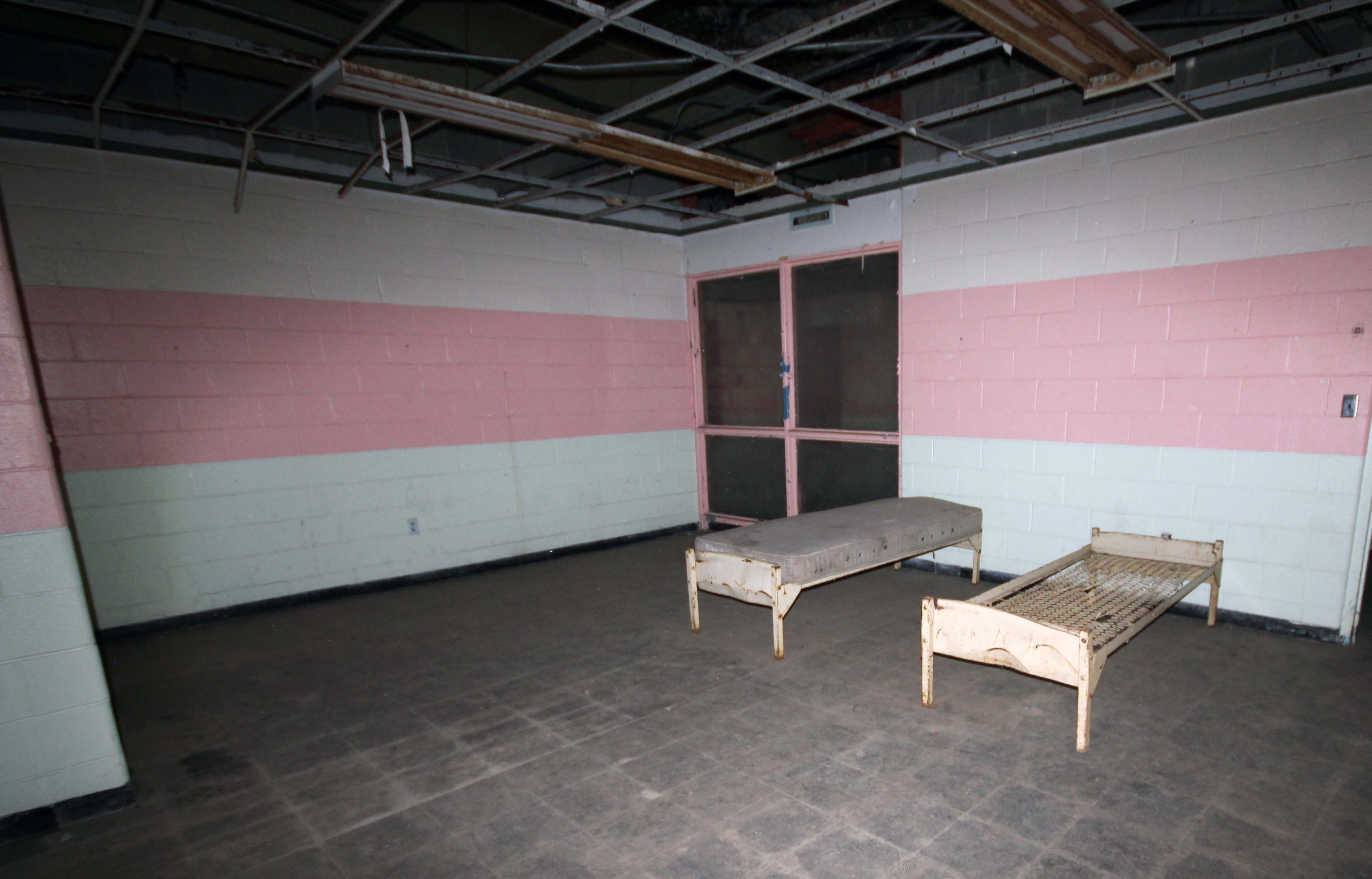
This is what a 5×7 cell looks like. This is one of the single bunk ones for the gang leaders.
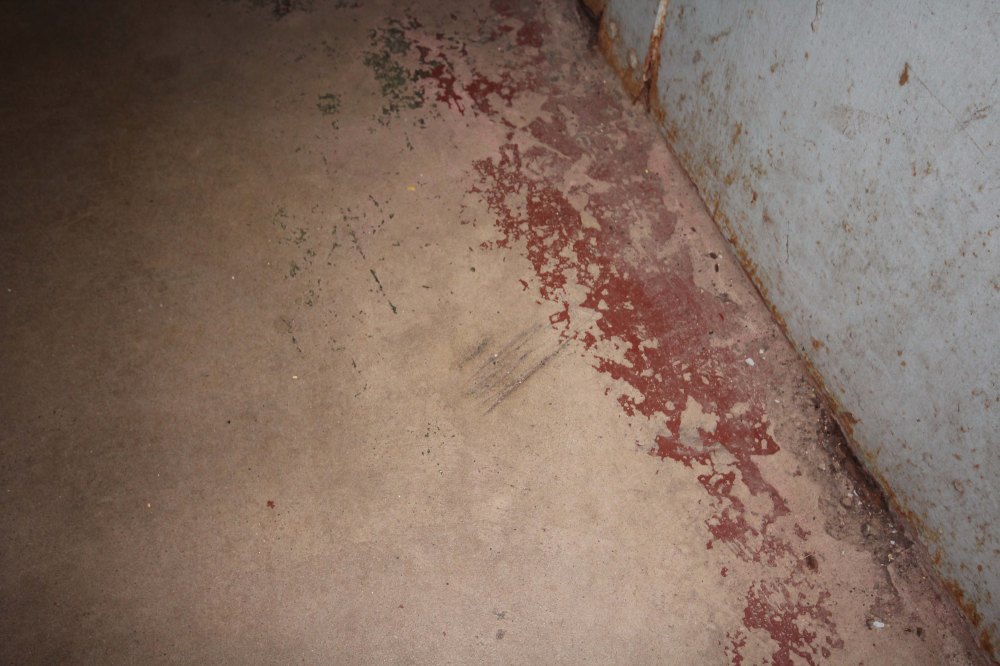


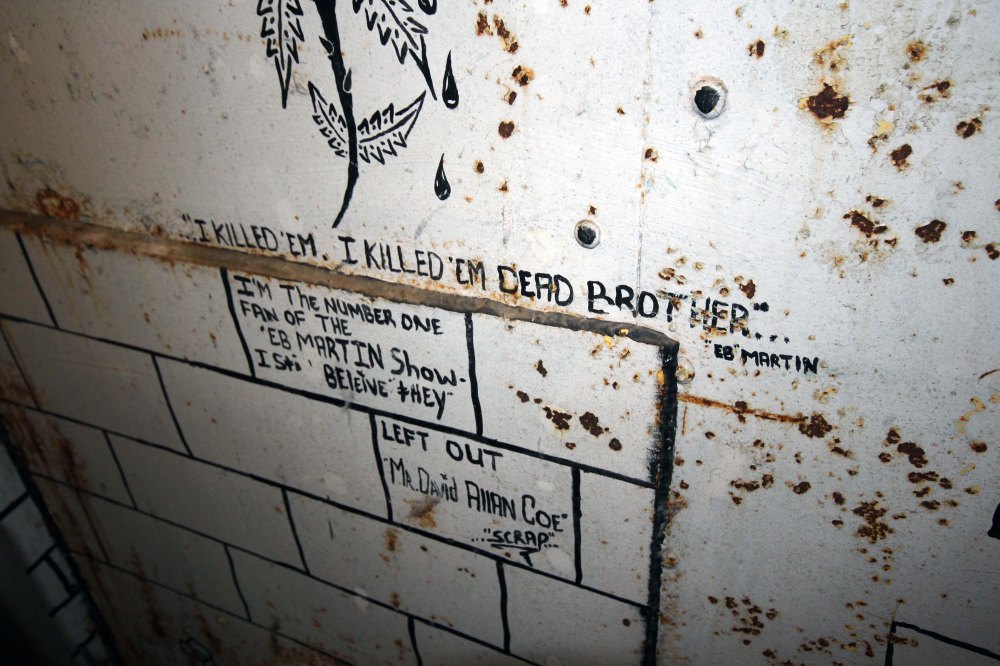
Note the deep grooves on the concrete where a shiv was sharpened over time.
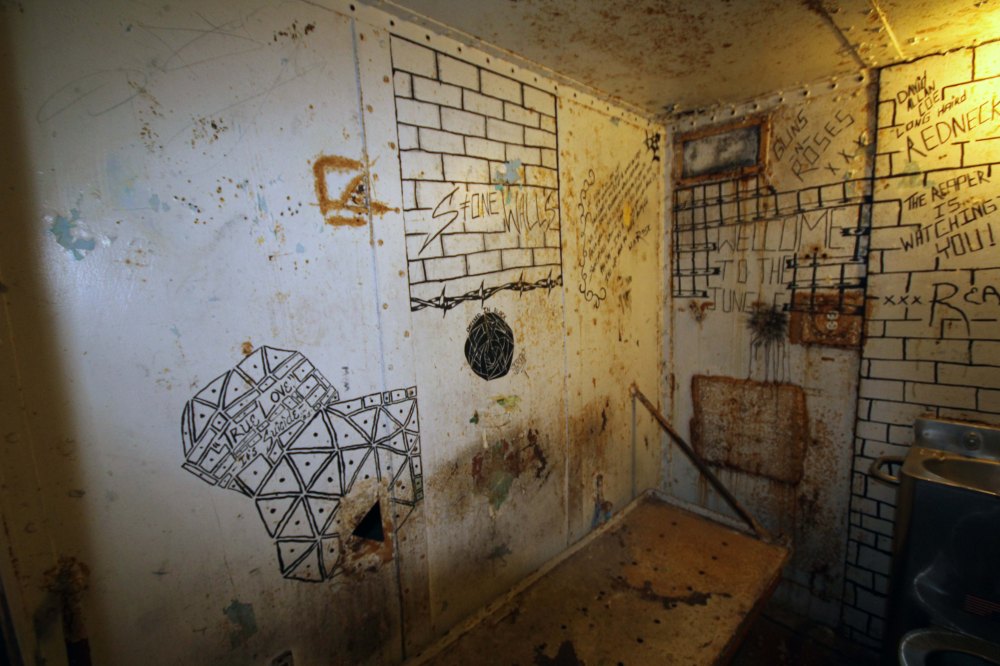
 

This cell was the home of the prison’s resident tattoo artist.
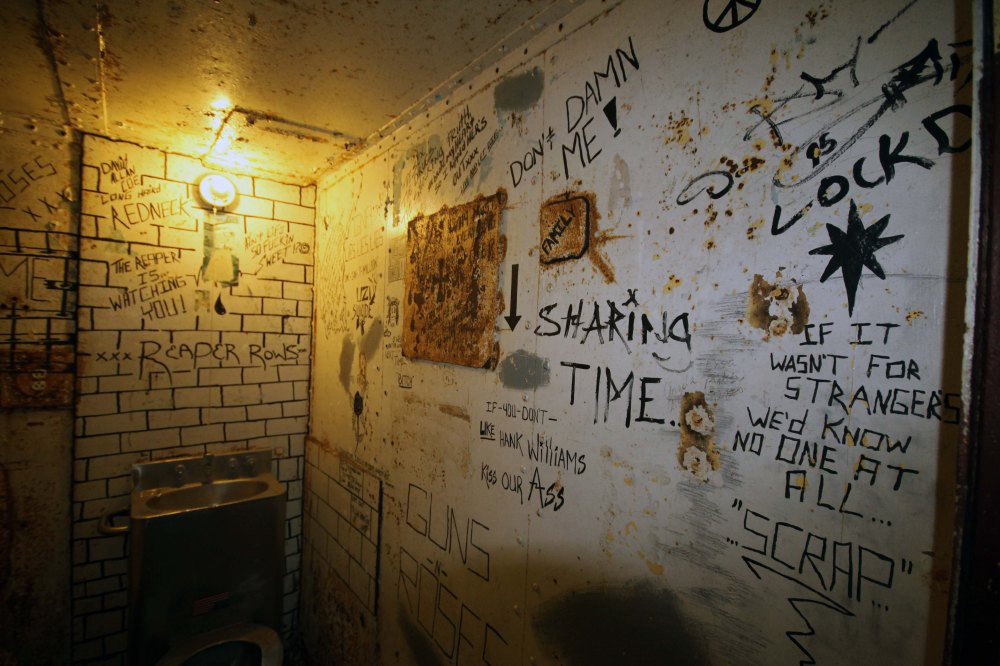


An inmate who was in a wheelchair had to have his door widened at the bottom for the wheel to fit through. Also note the “bean hole” in the bottom of each door. For the inmates who slept on the floor, if they slept with their head near the door, they risked having their throats slit.
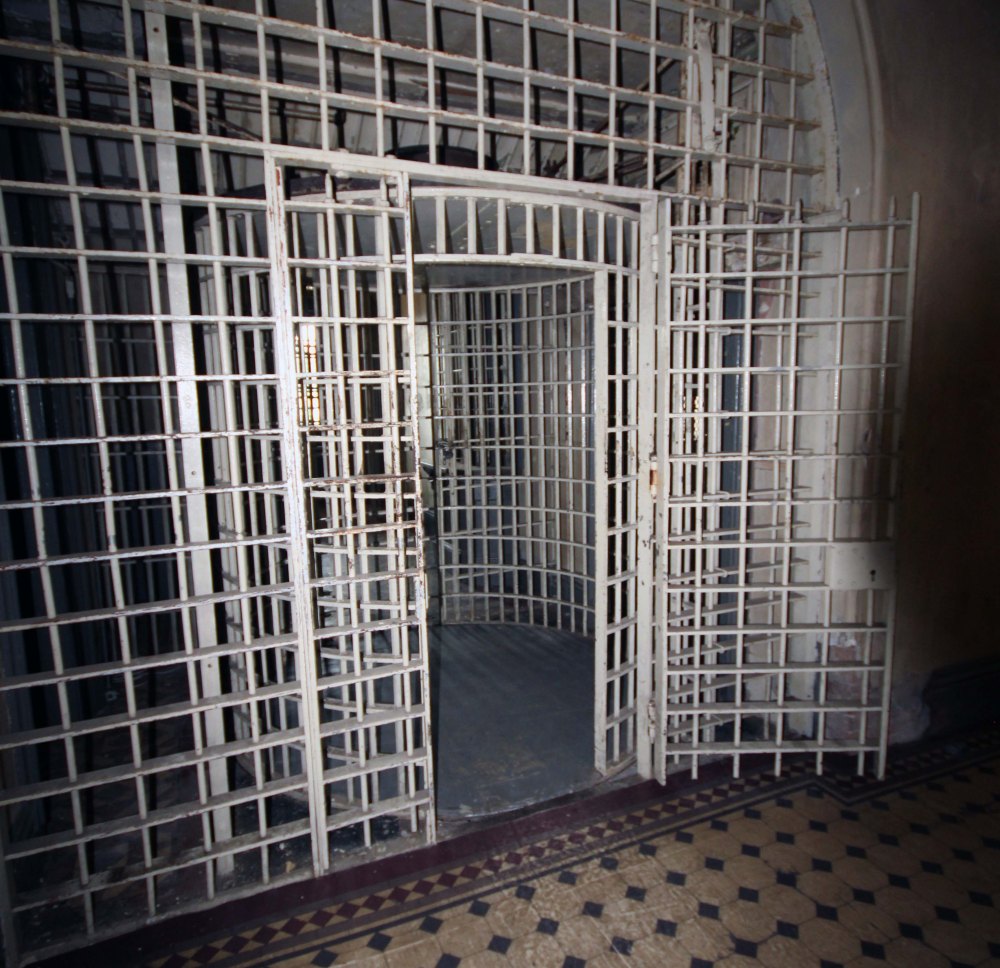
 

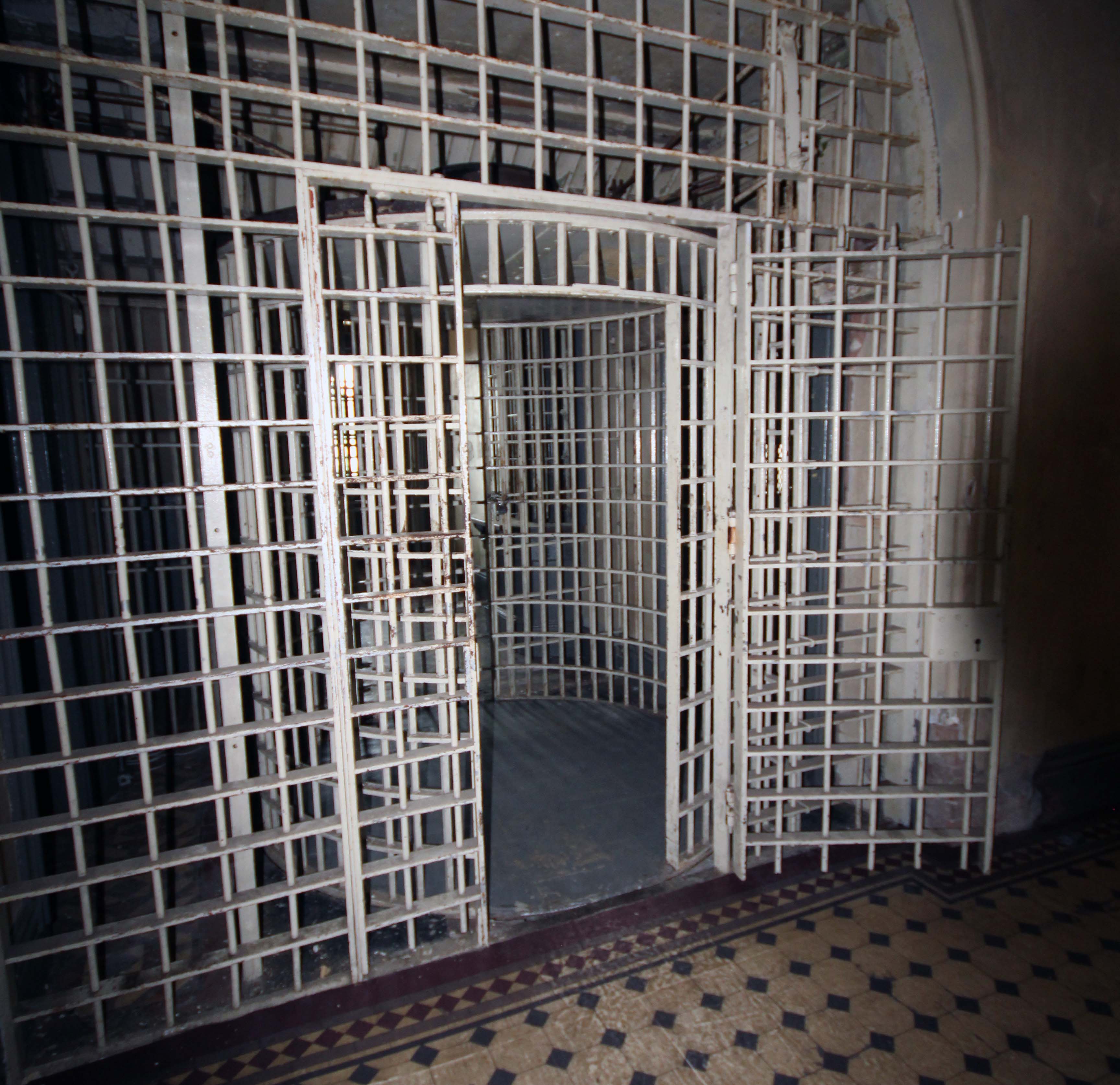
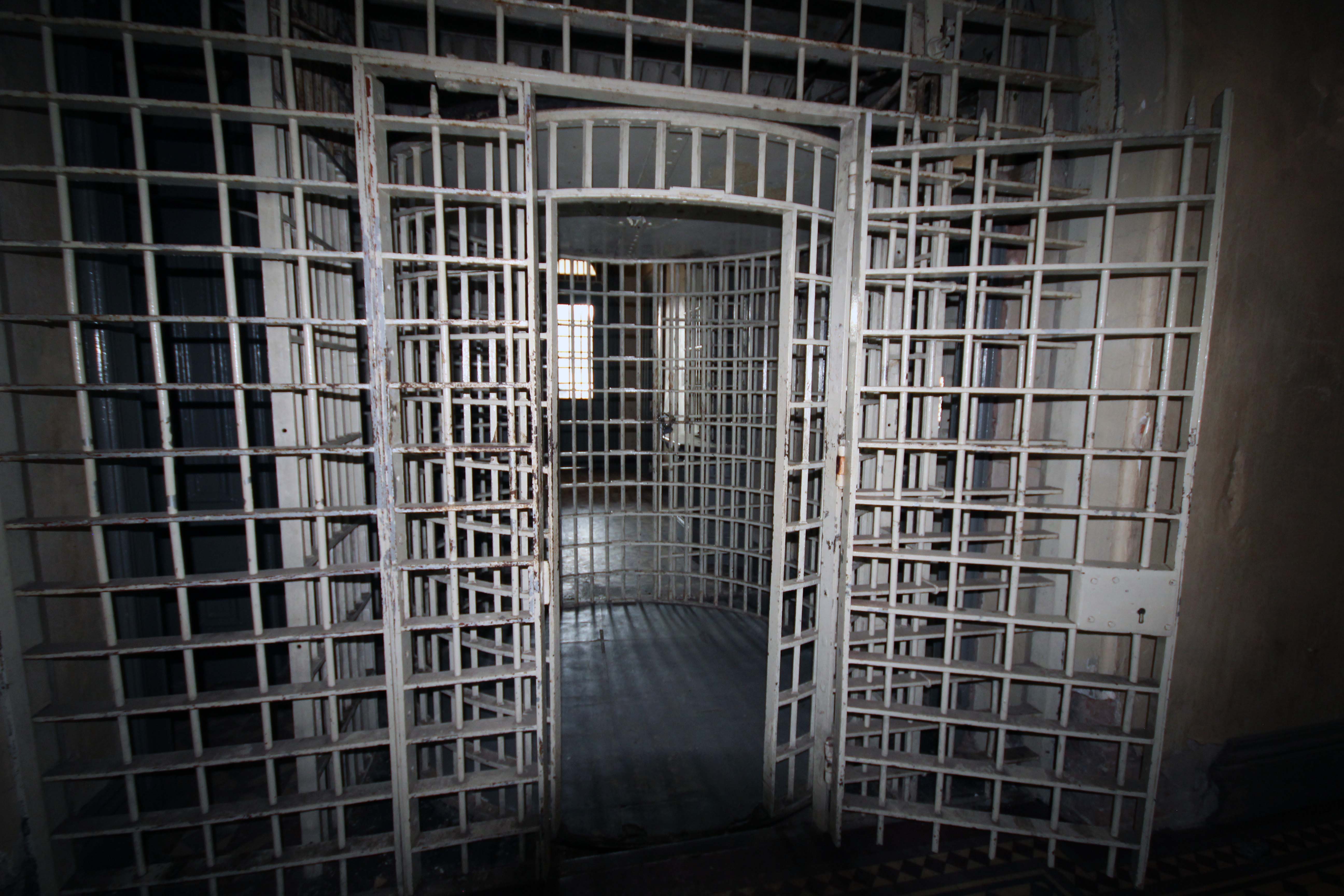
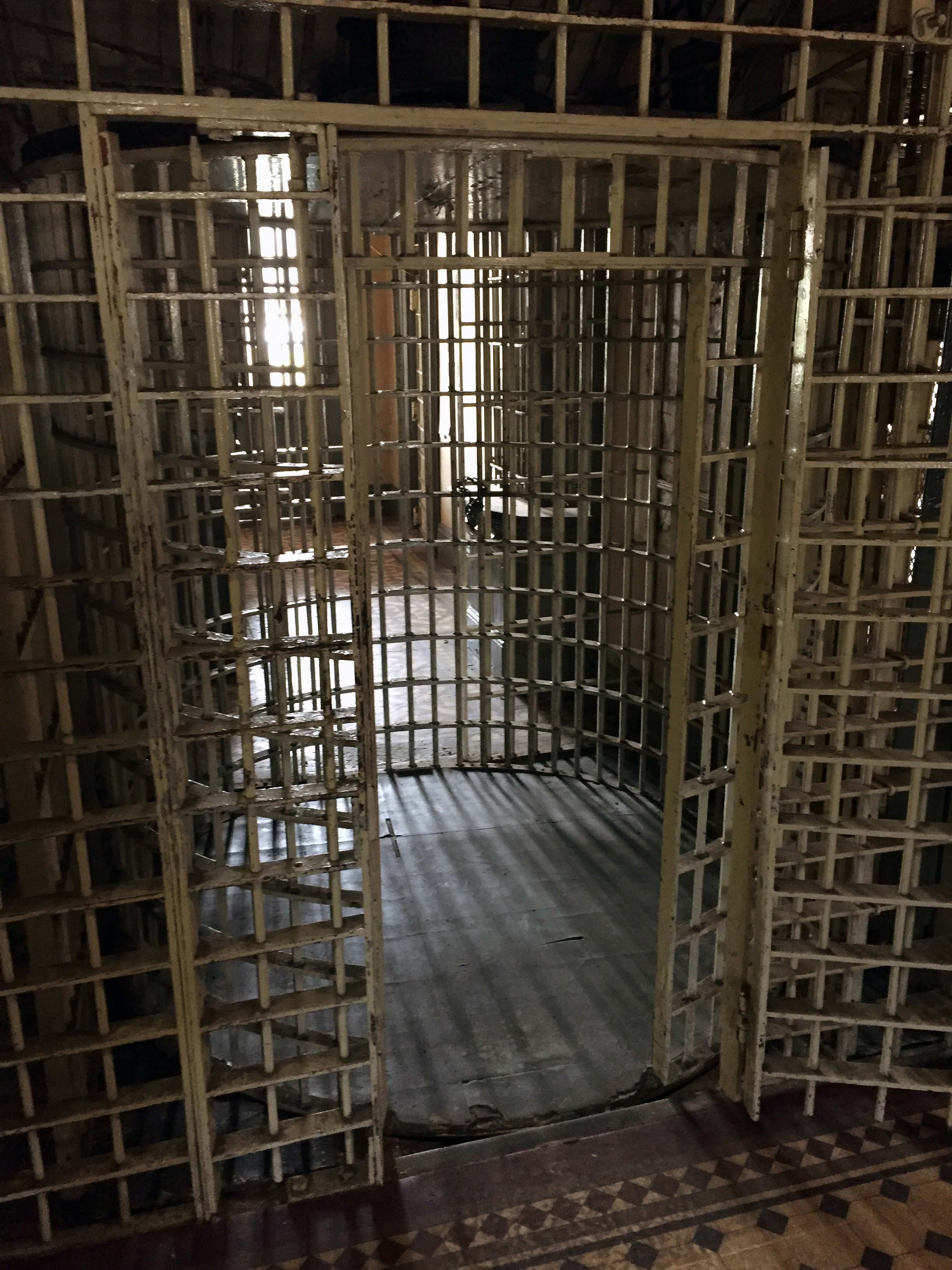
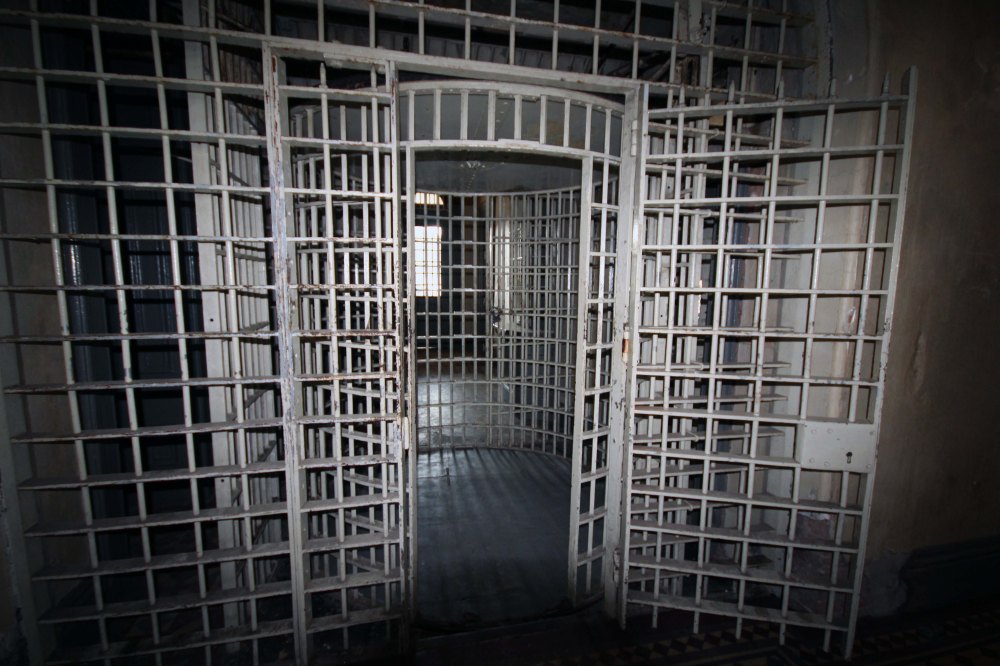
This is the “wheel”. A circular cage inside another cage with a door on each side. People entering the prison went into this and it was rotated to align with whatever door they were meant to do through. There are only two of these in the world that still function.
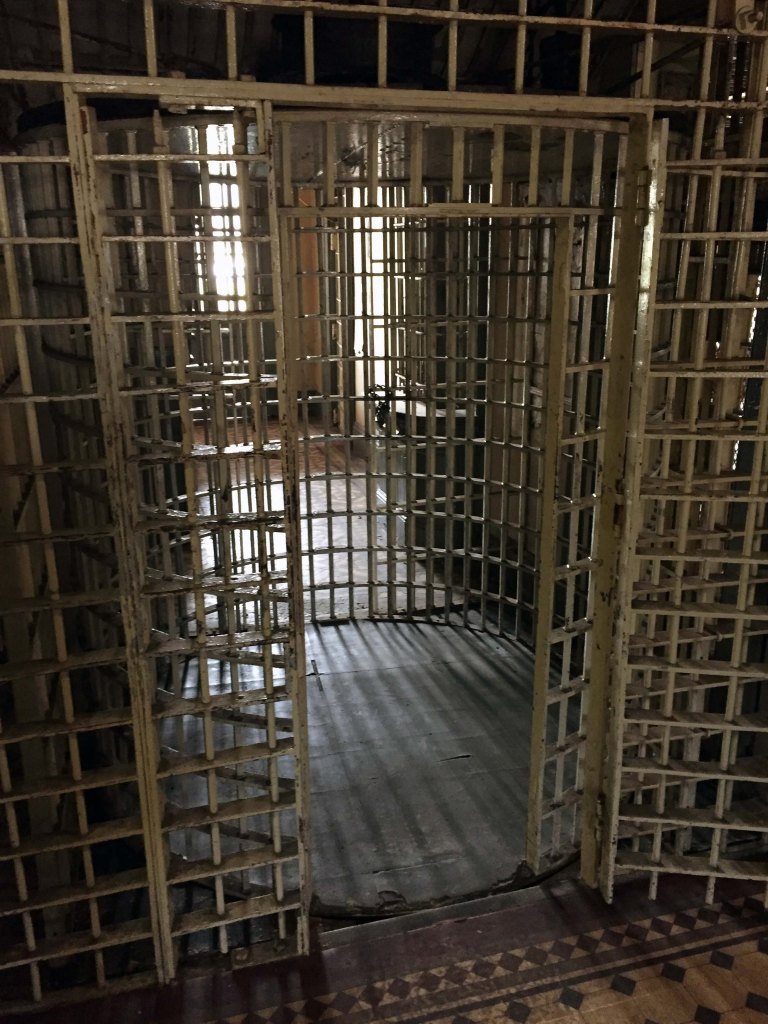


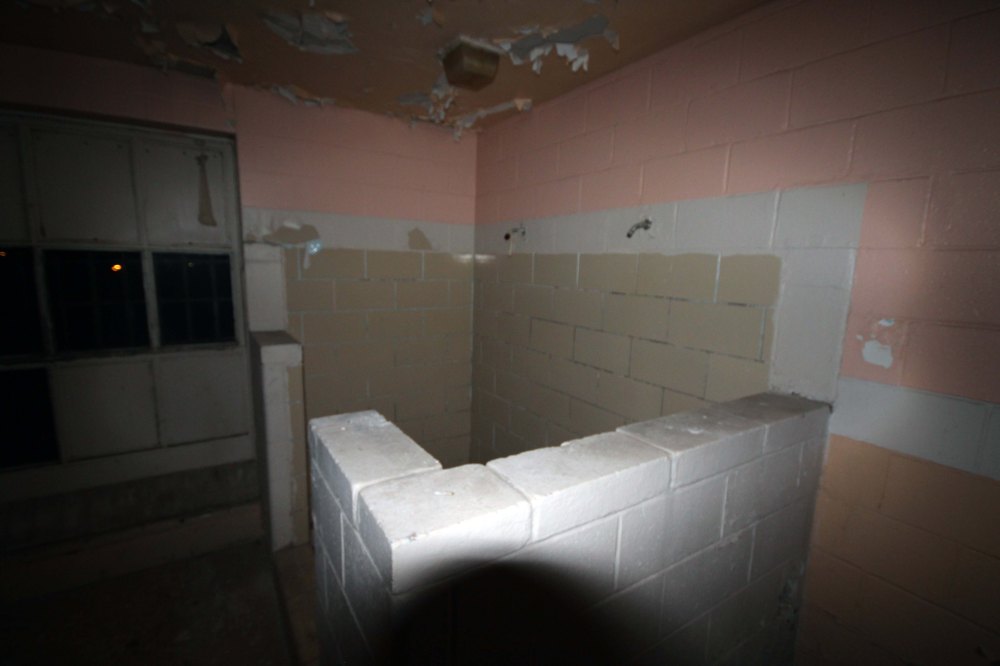
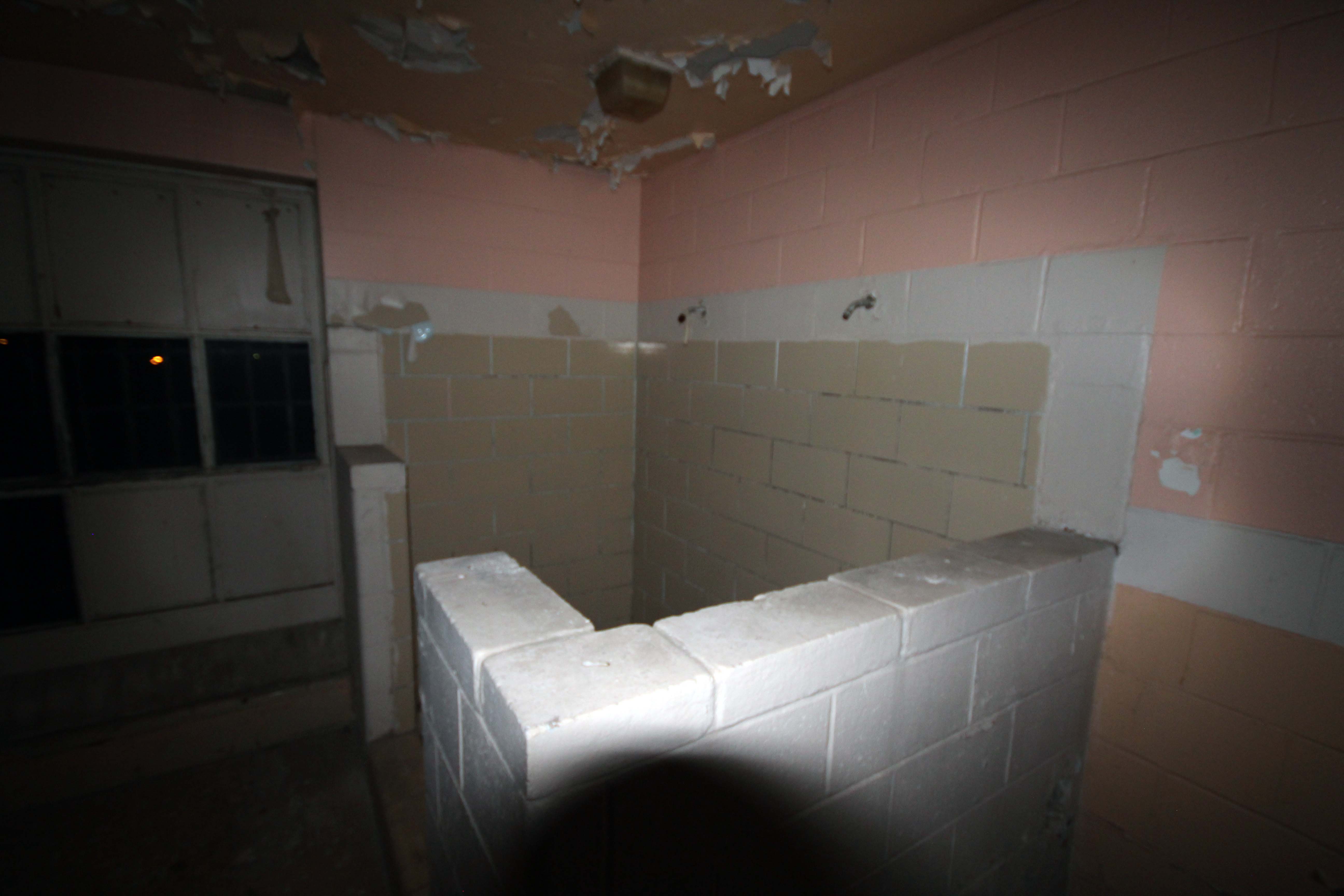
Each block had a “shower” that could handle three men at a time. The shower was open to the rest of the block, and people were on a schedule that went more or less all day to cycle everyone through. For some reason this really bothered me when Lee explained it.  Everyone could watch and comment while you showered – Trace
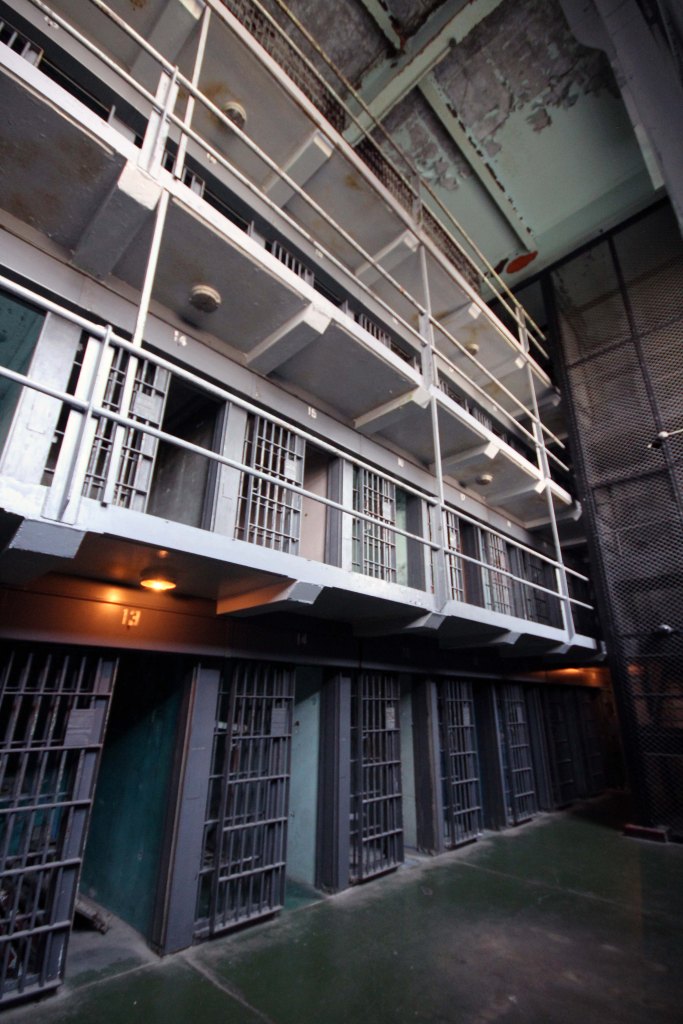
 

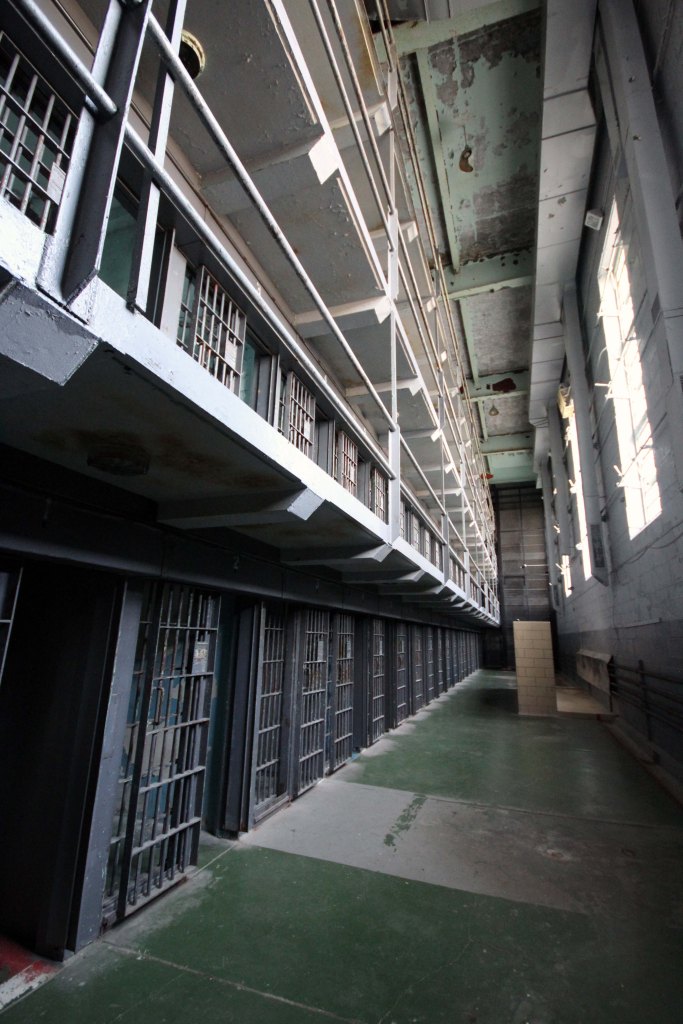
The more modern block, with electrically operated doors.


The original “Old Sparky”.

In the pictures below, you can see where Old Sparky used to be displayed.
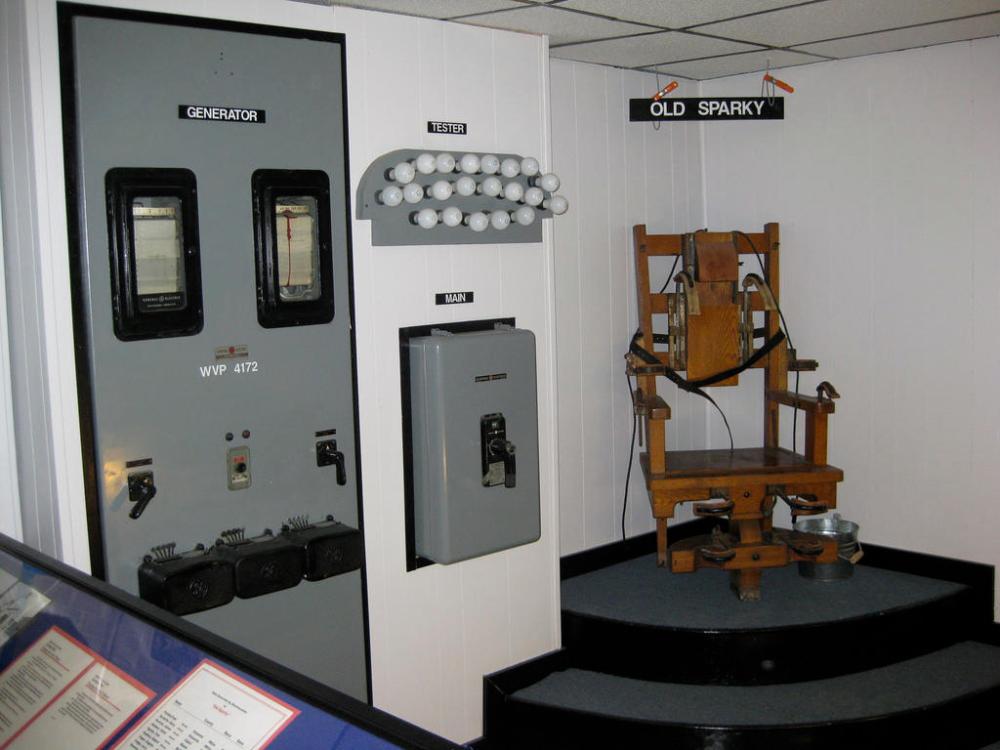
The day before each execution, an electrician would hook power up to one of the three buttons. Three guards would each push a button simultaneously, and so none would ever know which one actually killed the inmate. There was also a telephone, not pictured, and not once in the entire history of the prison did any execution ever get delayed or stayed at the last minute.

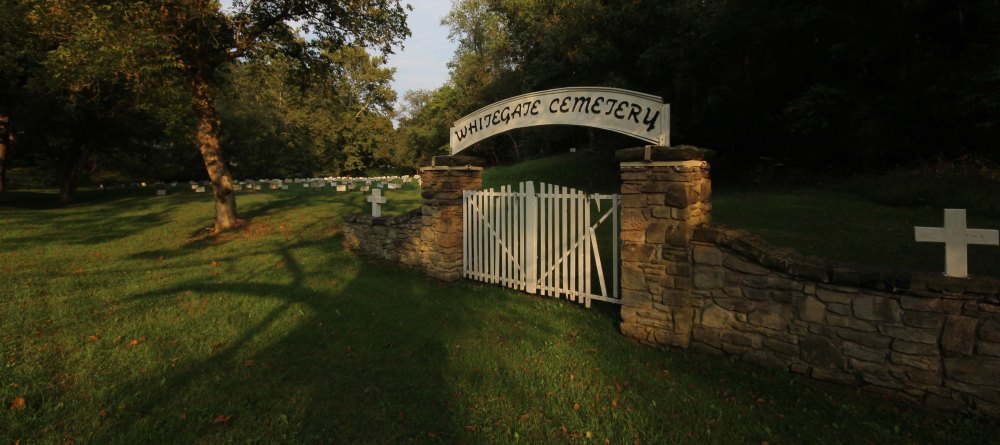
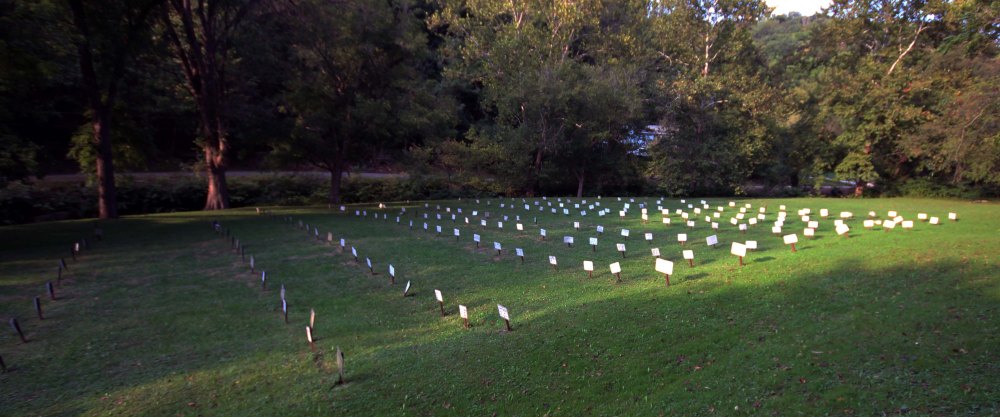
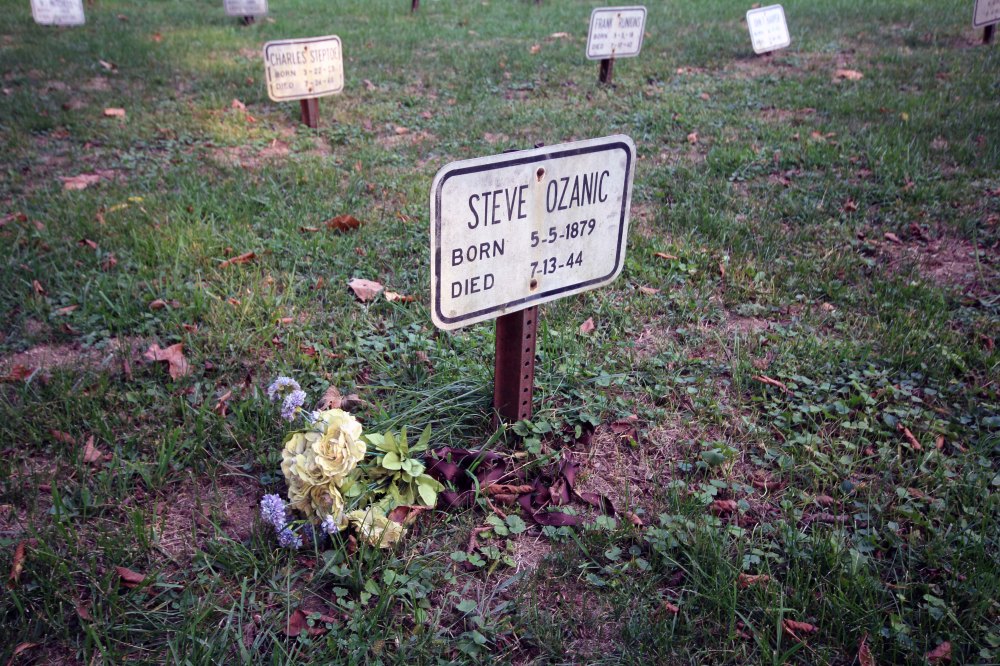
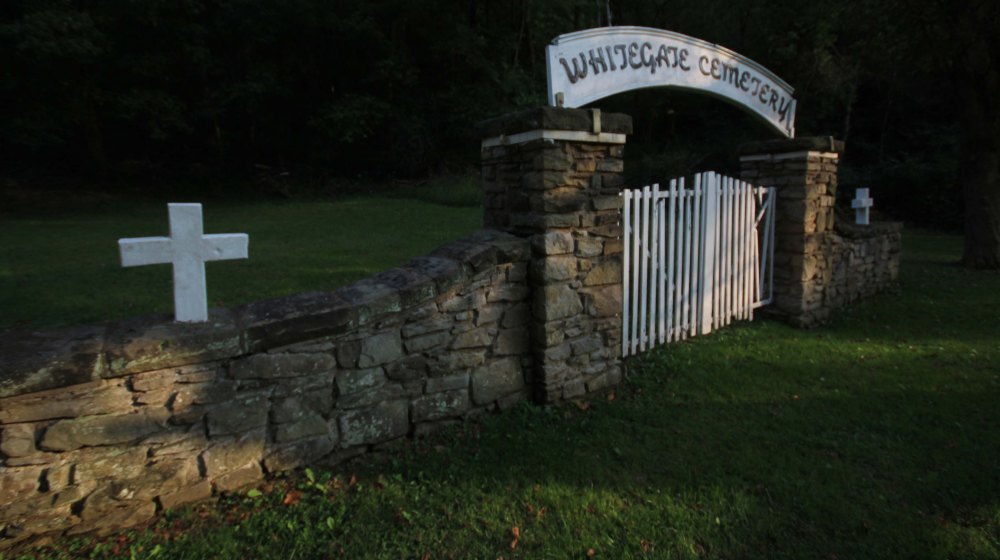
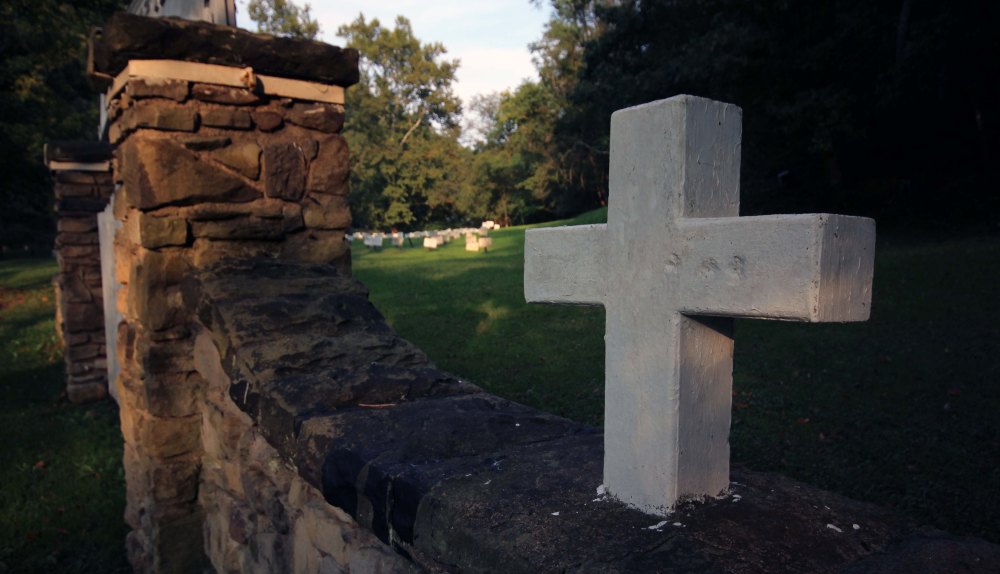
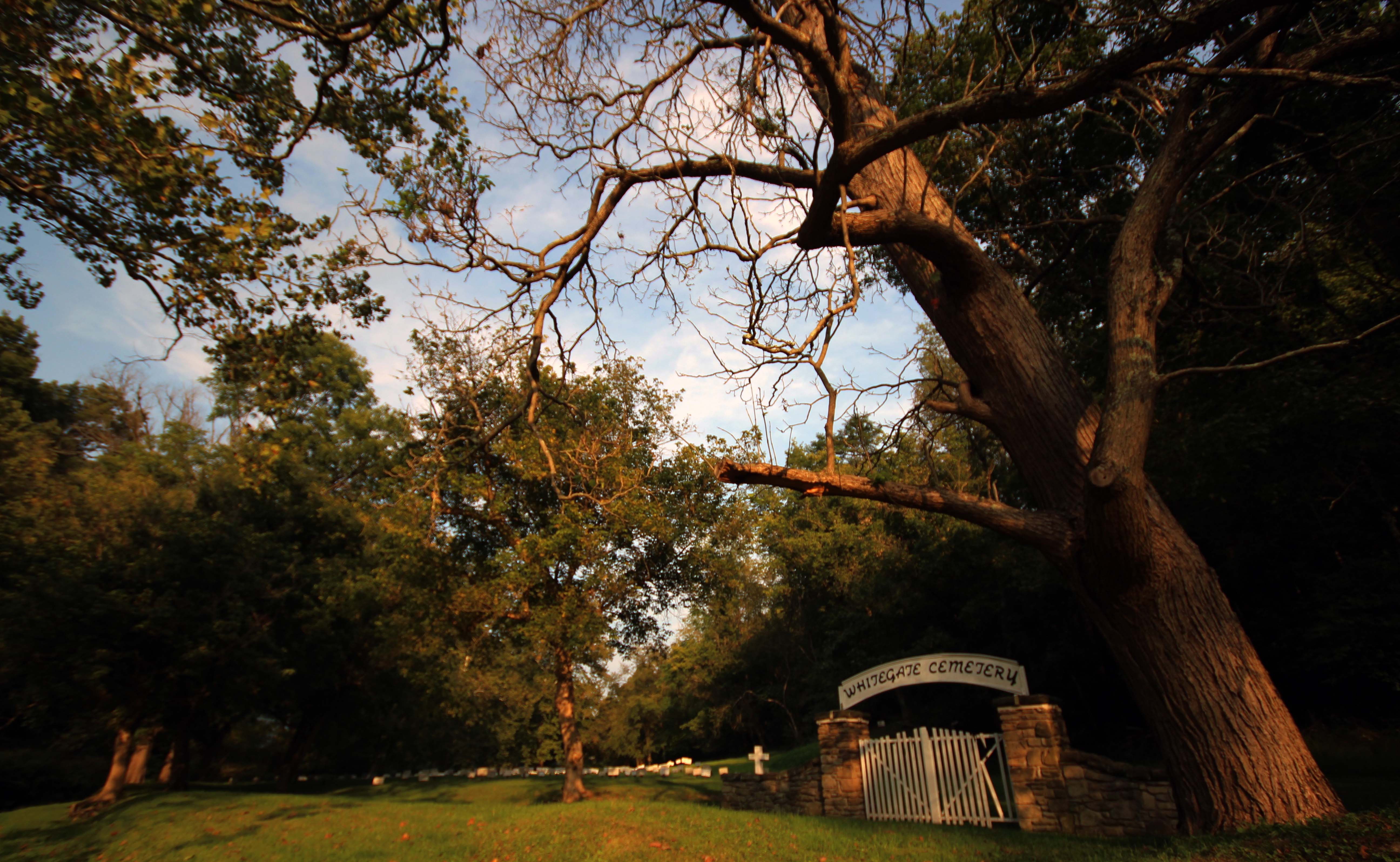
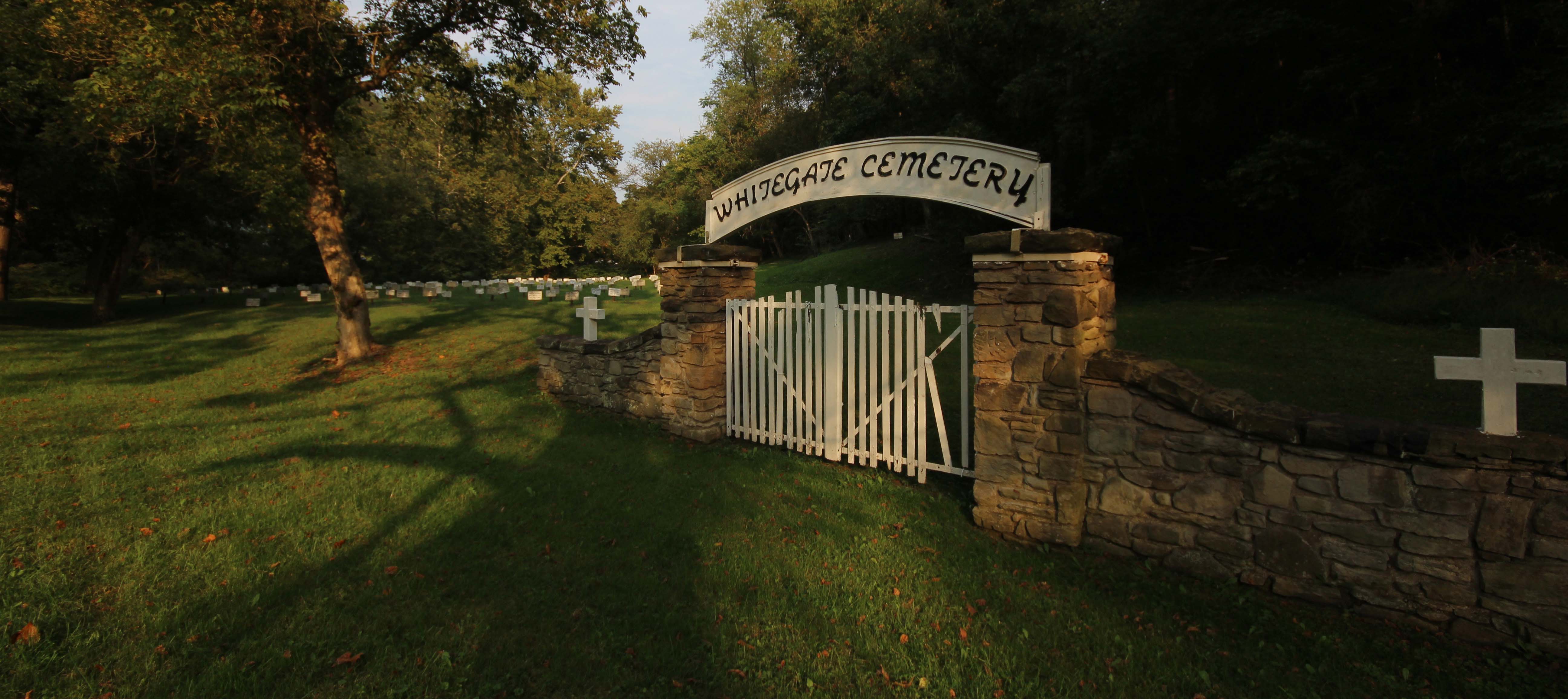
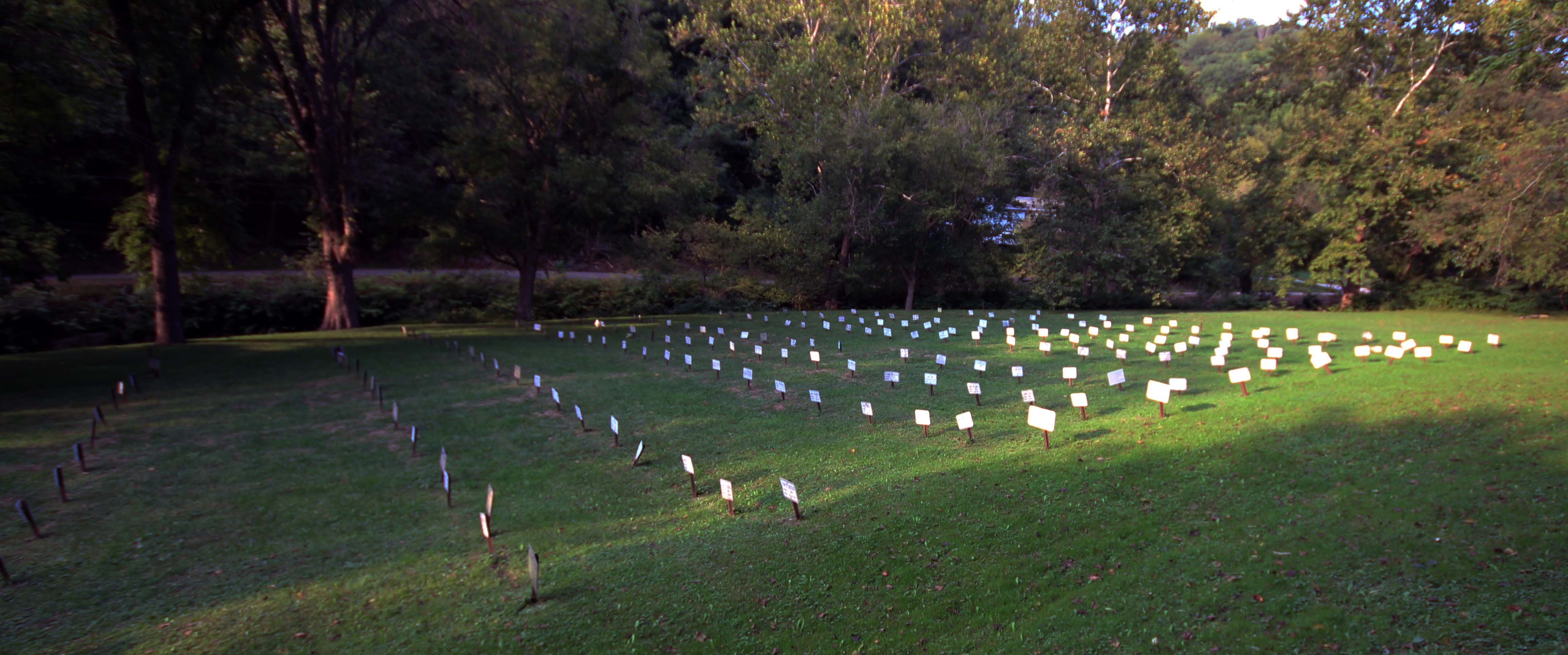
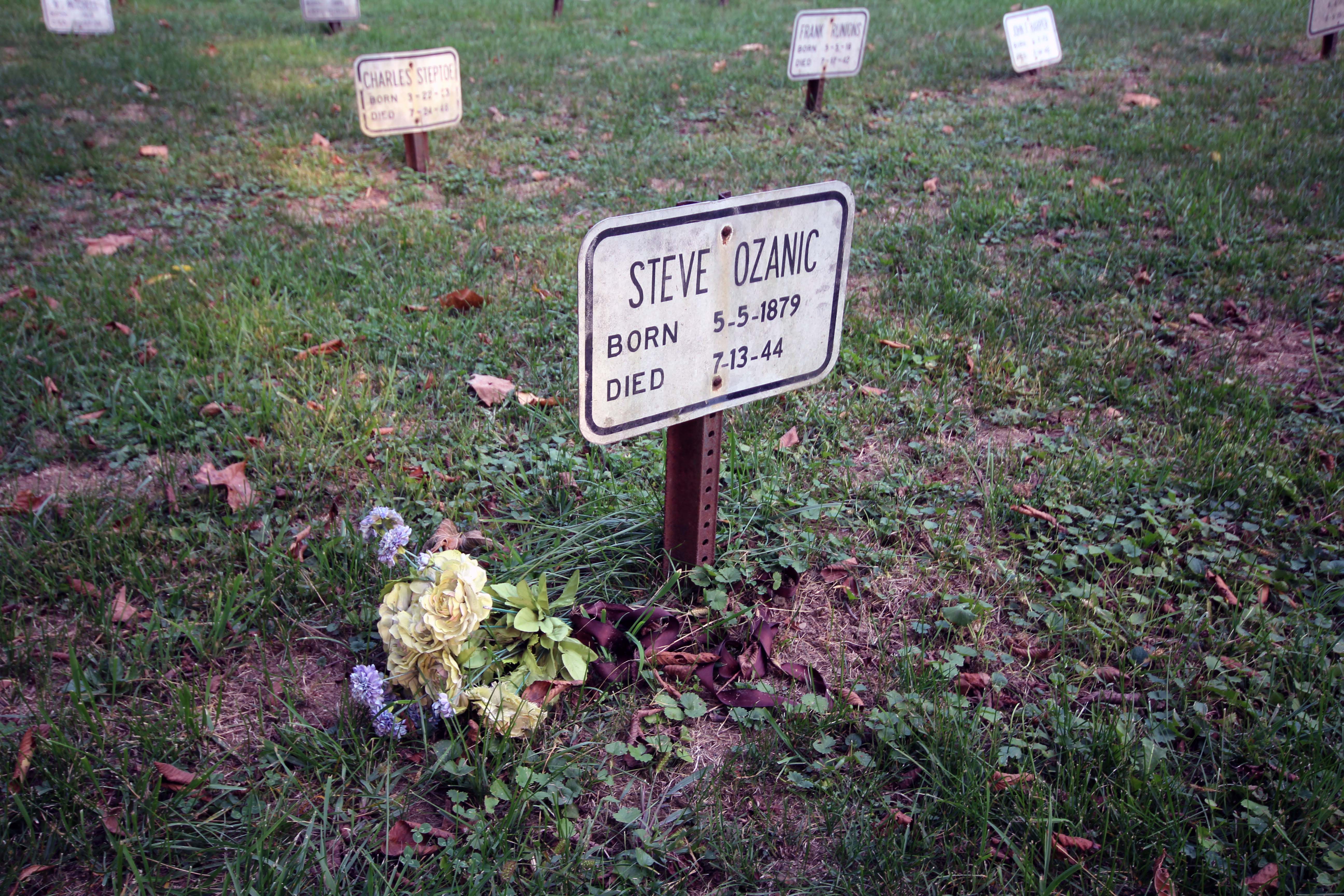
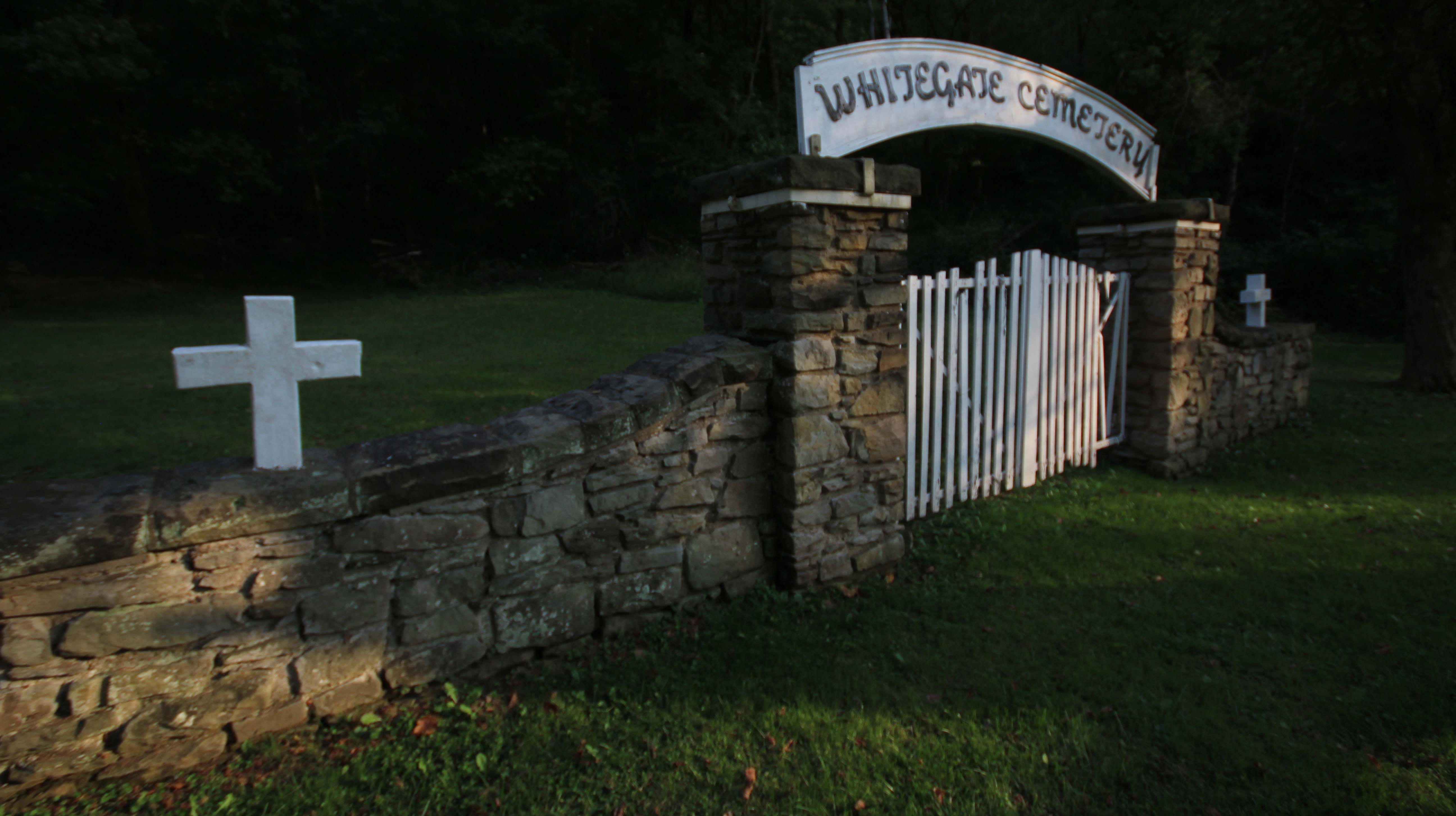
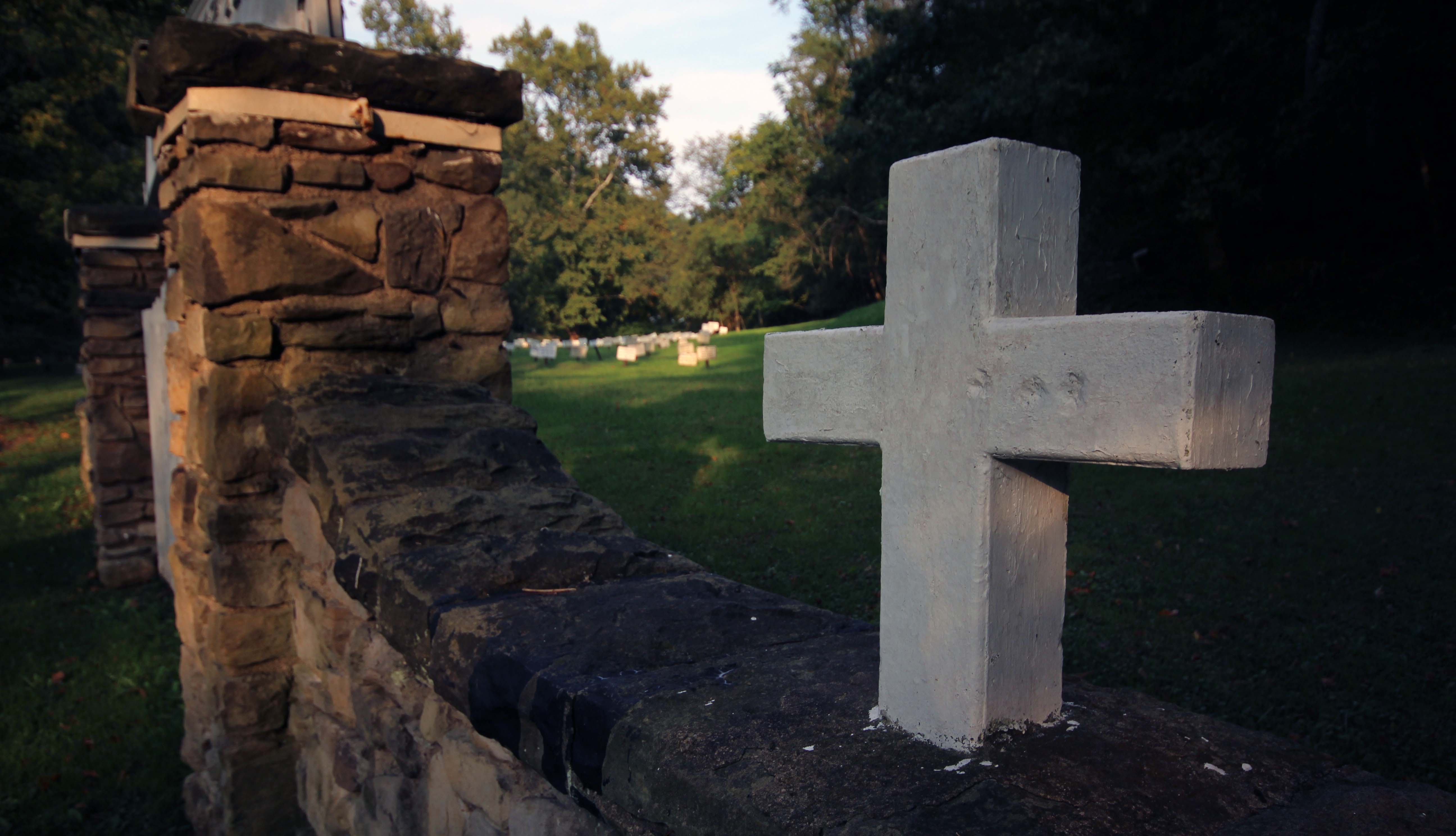
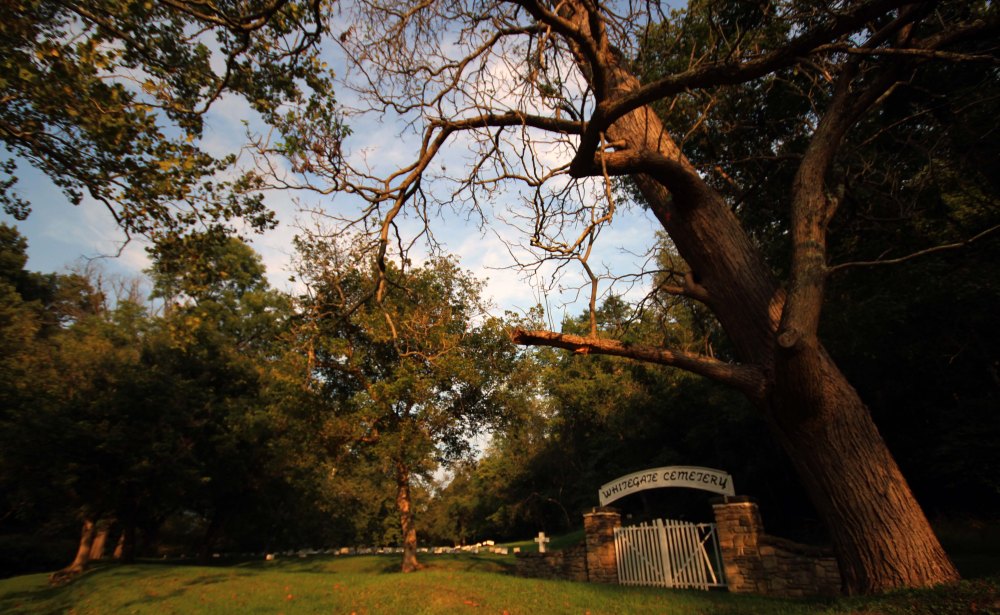
I had such a great time at the prison that I decided to go across town a few miles to the foothills and see the prison cemetery where people were buried who died, were murdered or were executed, if nobody ever claimed their bodies.  Ok I am a little worried that this is Lee’s idea of a good time and as a capper he goes and visits a cemetery – Trace
 

‘l;


0


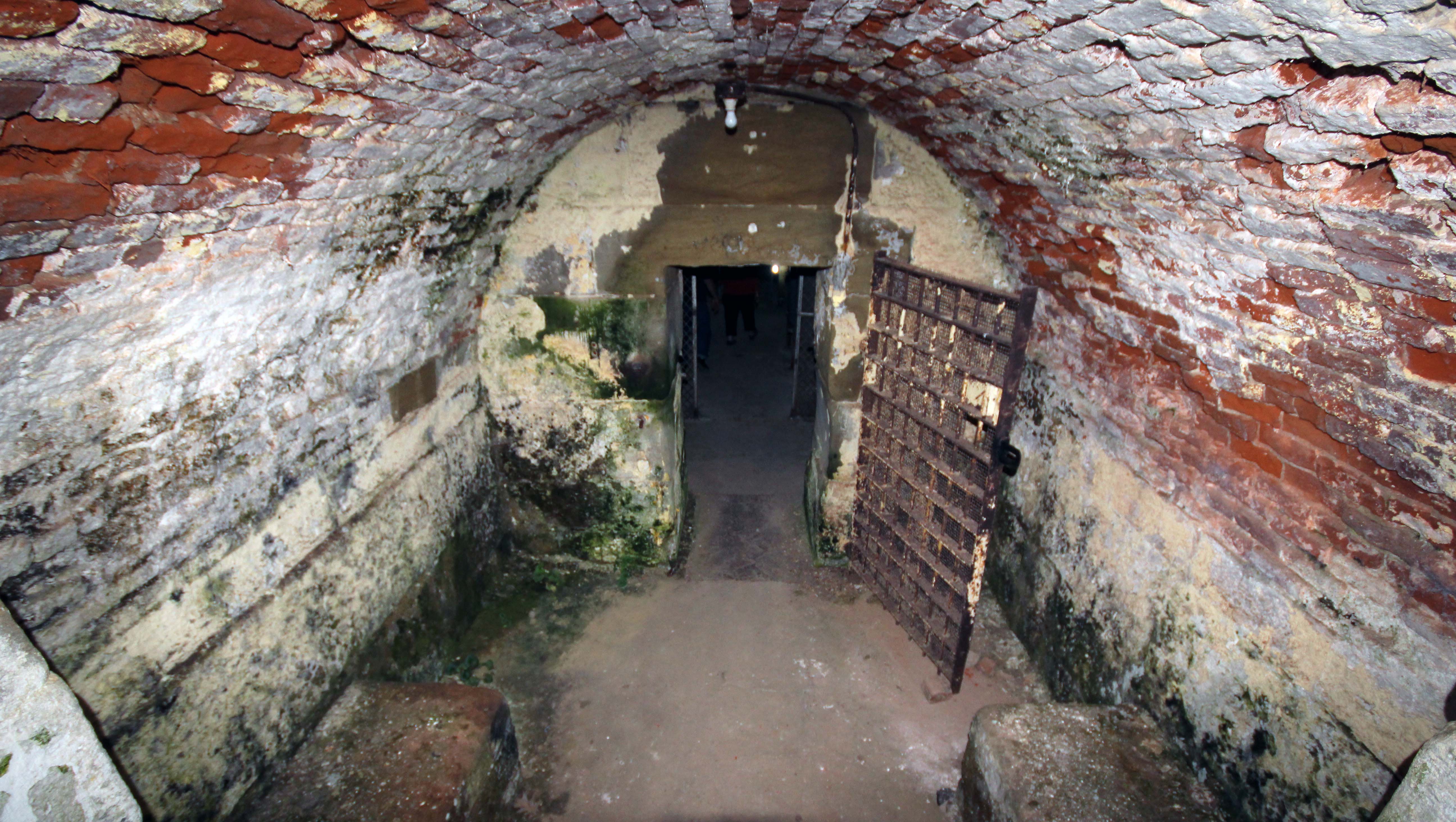
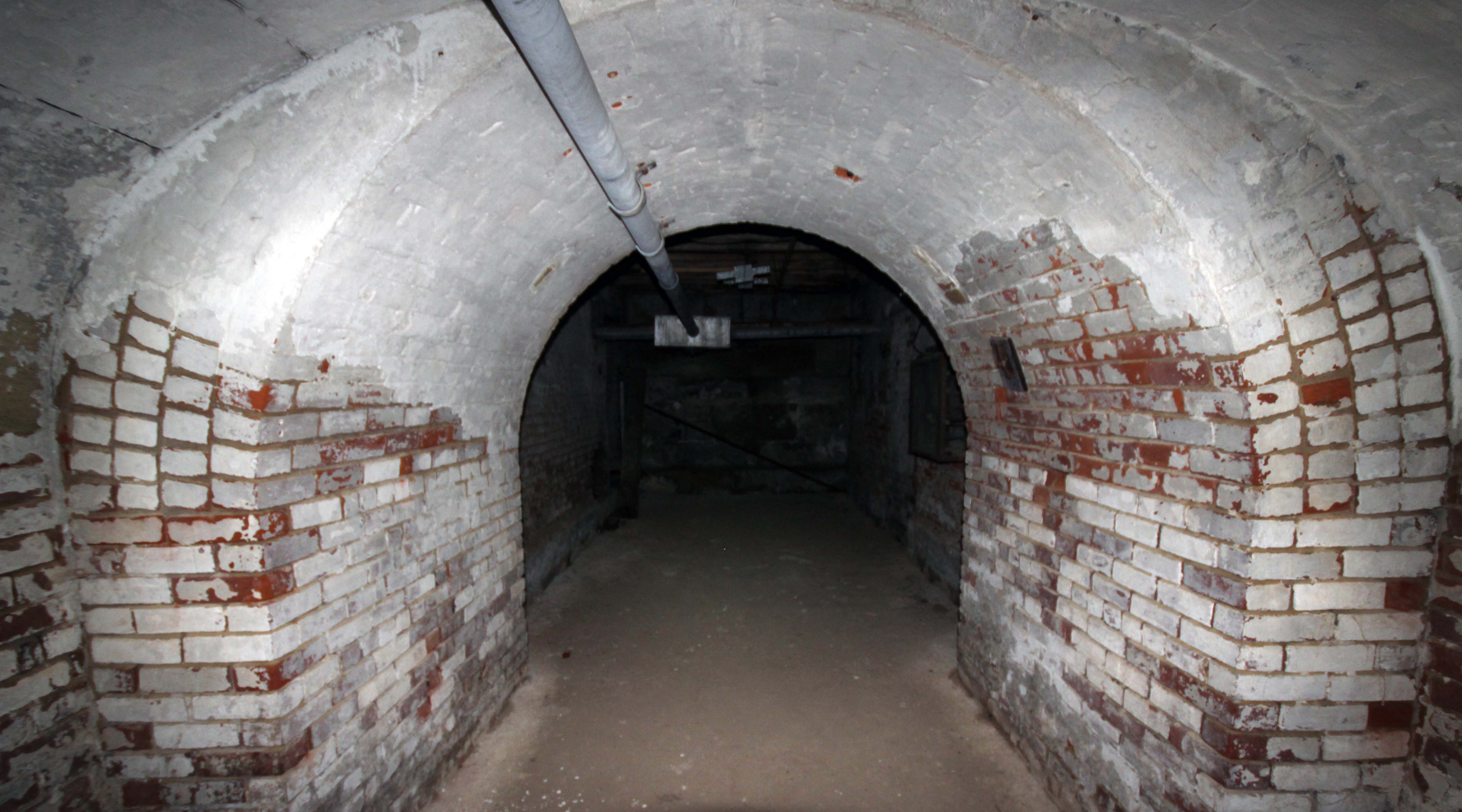
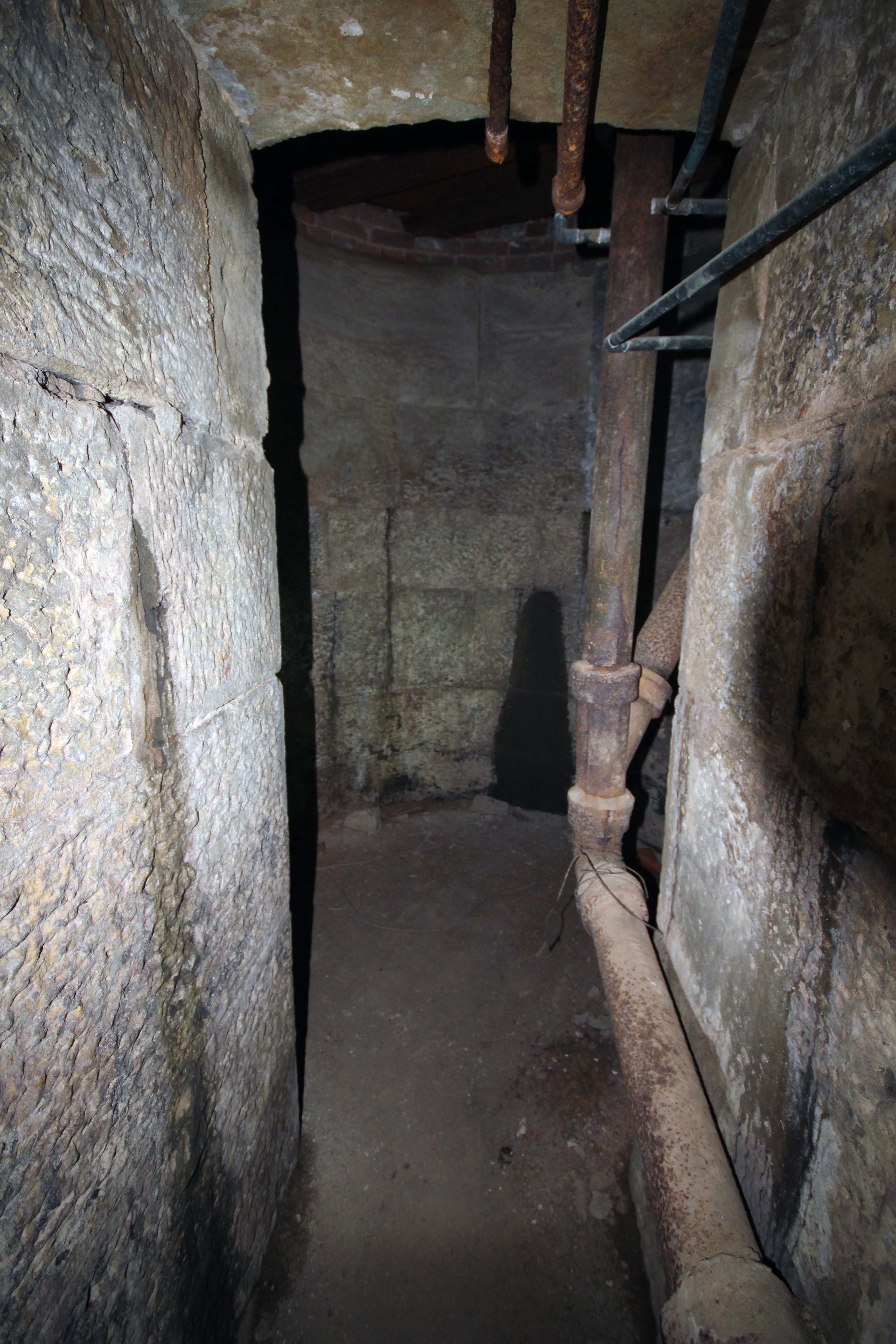
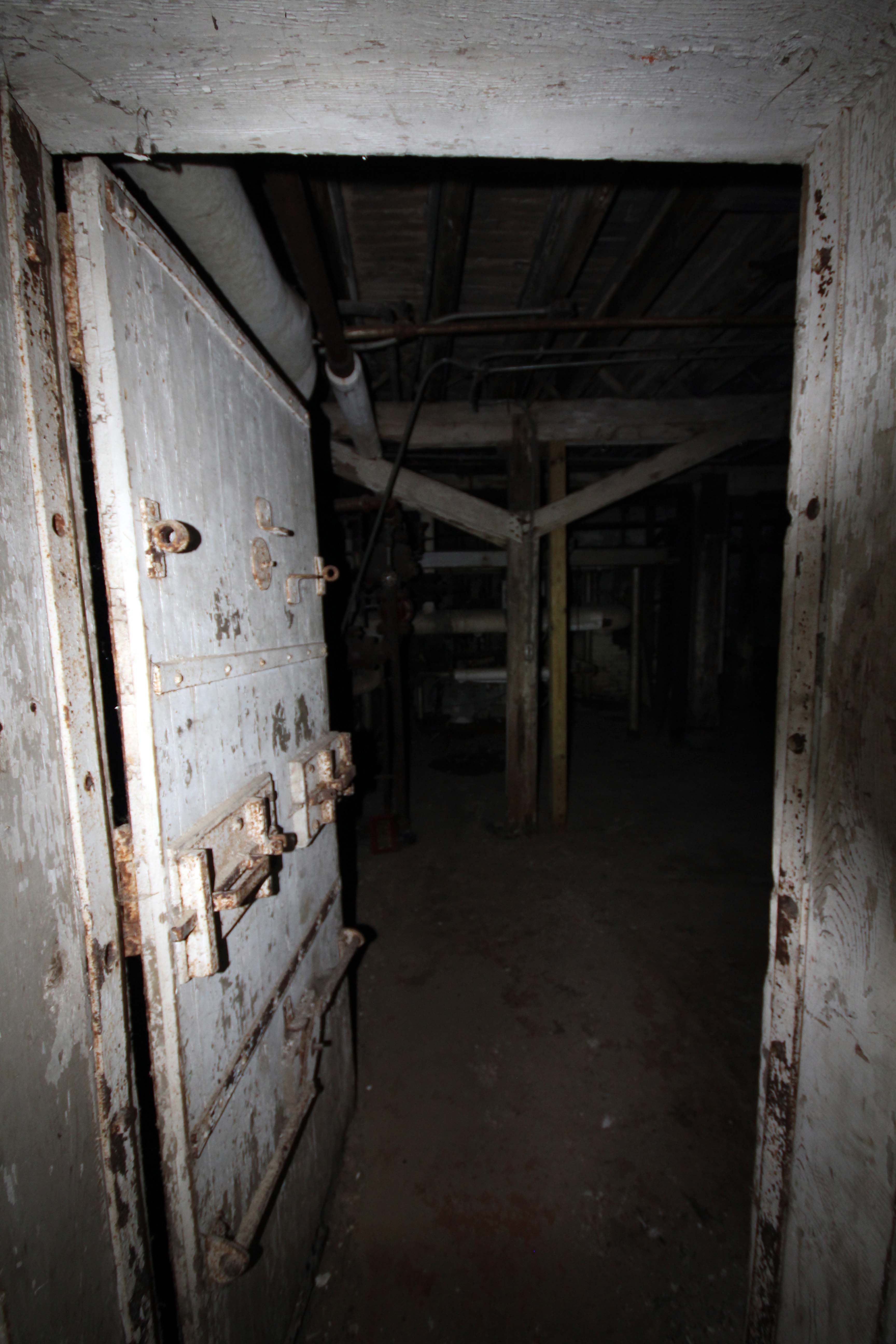
And I was still not satisfied, so I decided to go back the next day for a nighttime flashlight tour. Much, much creepier, and included parts of the prison the first tour did not include.

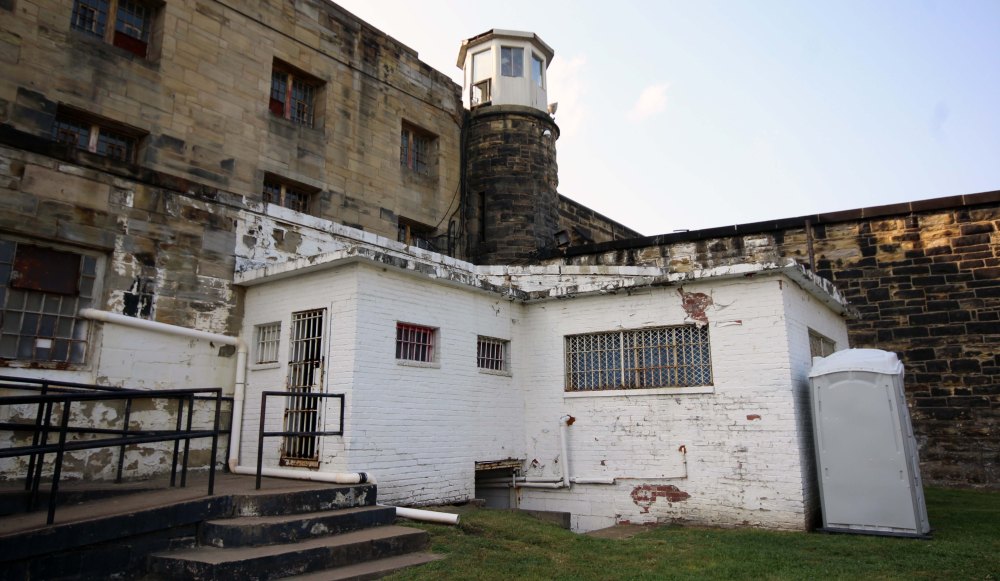
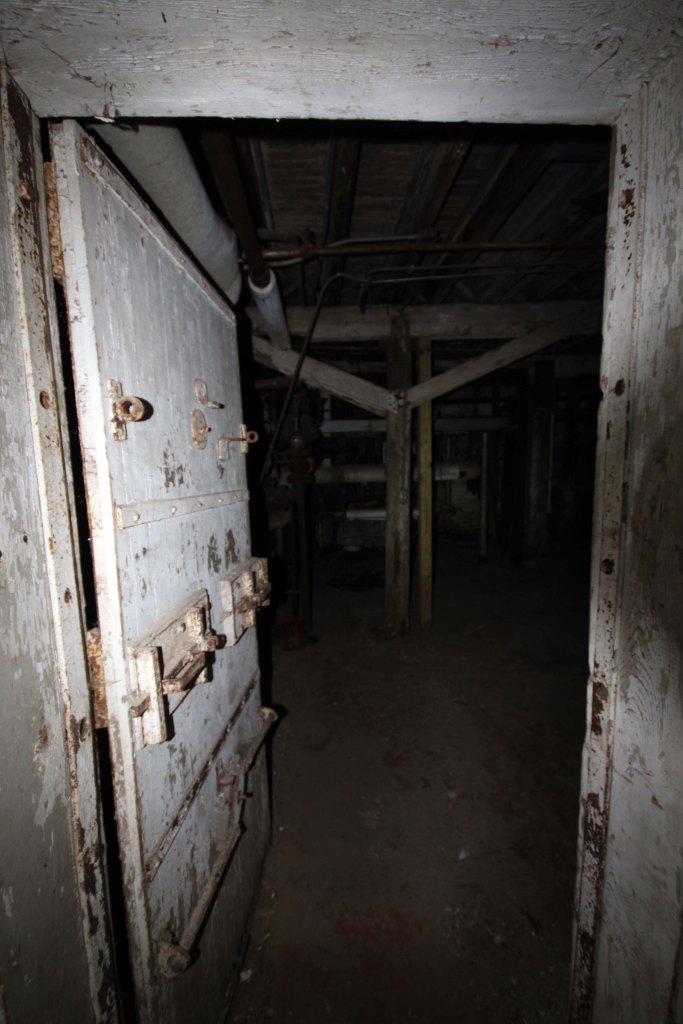
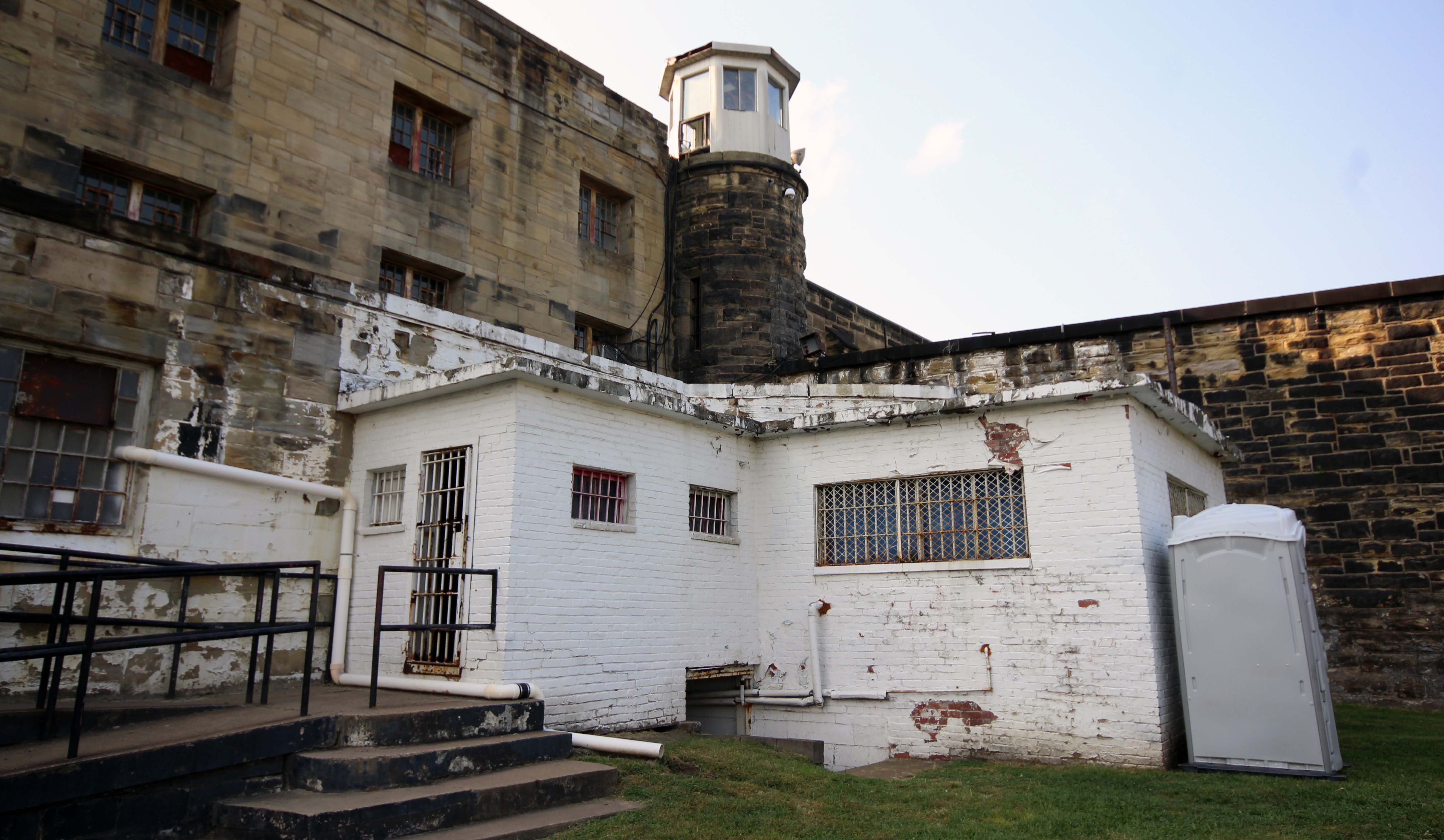
The first stop that was new was outside, to the entrance to the basement, where solitary was.  He was nervous about going back in the night.  I was nervous about a restless spirit attaching itself to him and coming back with him.  I told him not to bring back any riders.  My work schedule would have allowed for this second trip at night, but no way.   – Tracy
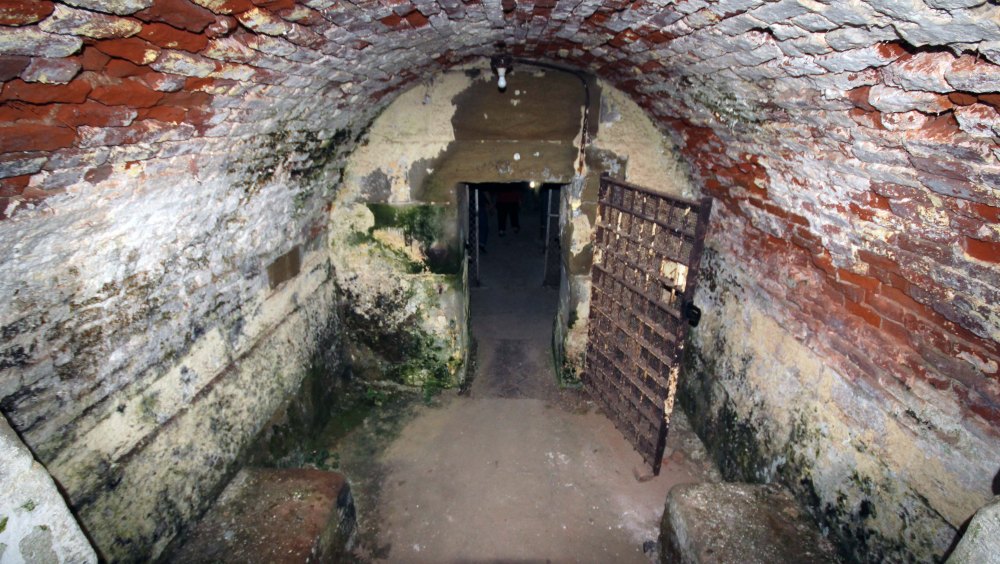
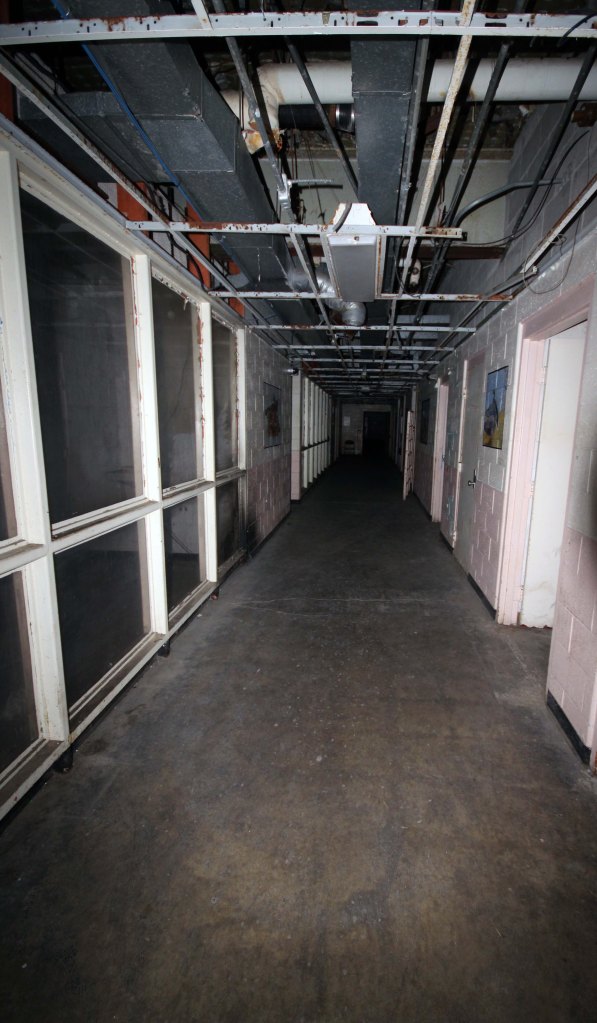
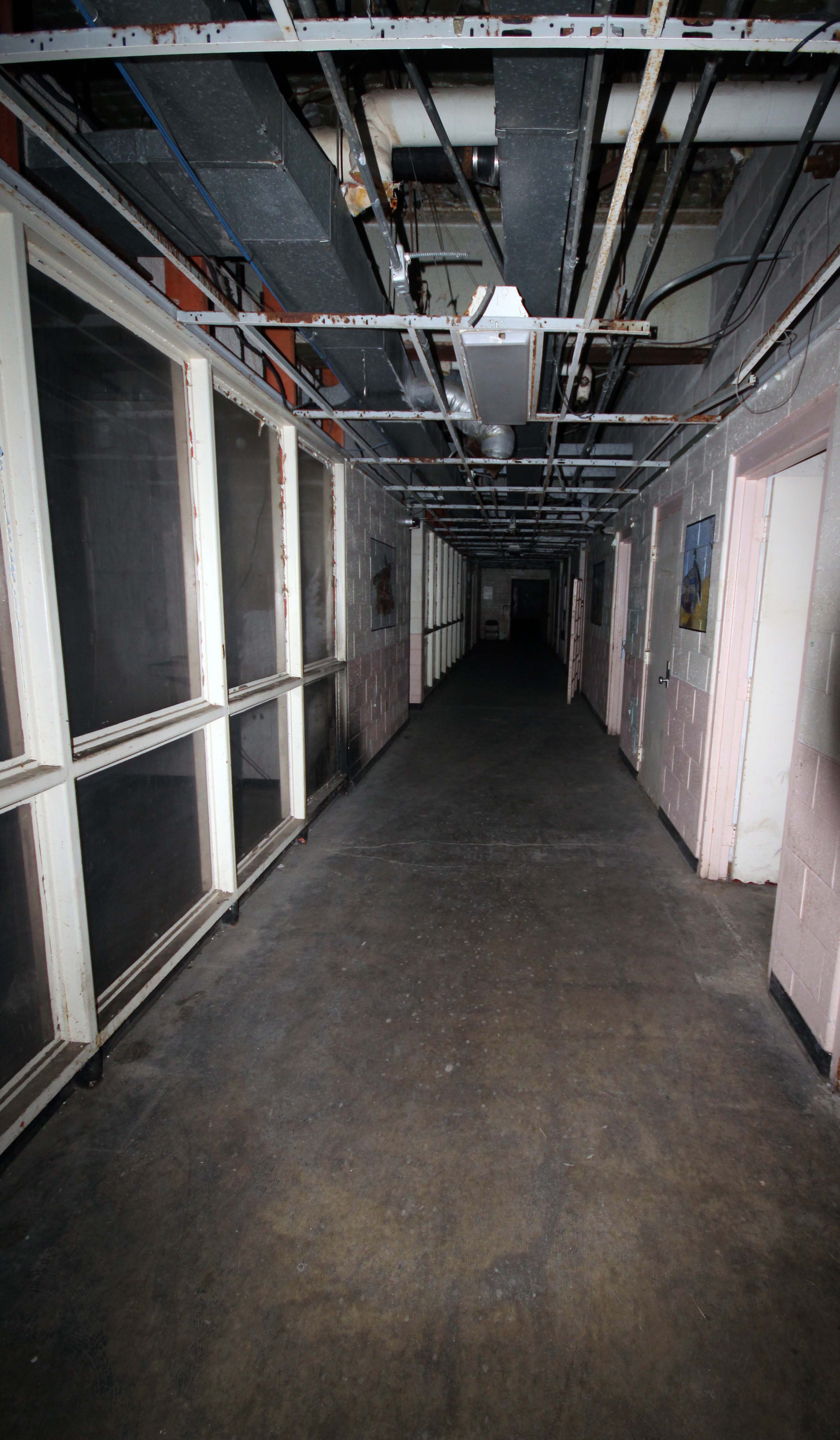
This are pictures taken in night mode. Keep in mind he went down here with just flashlight light…yikes – Trace
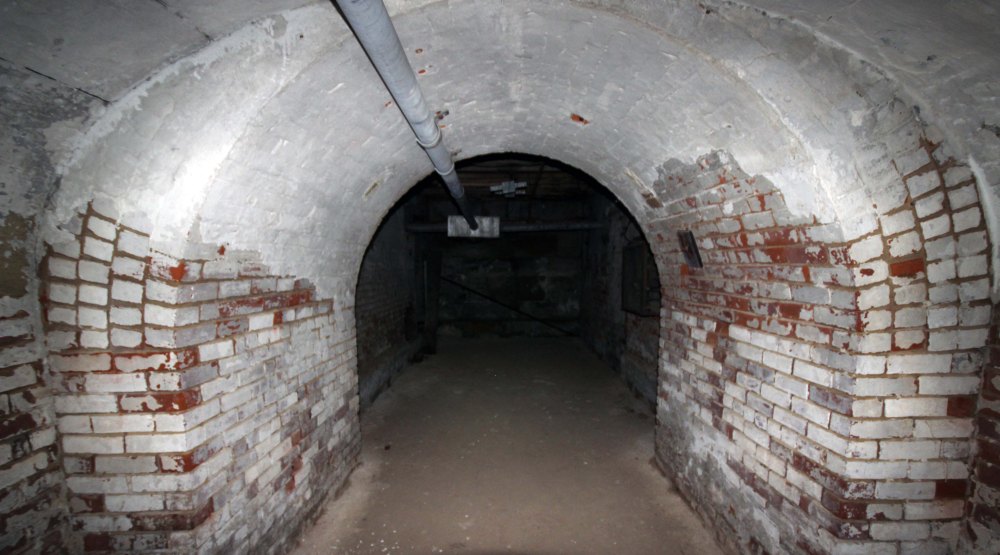
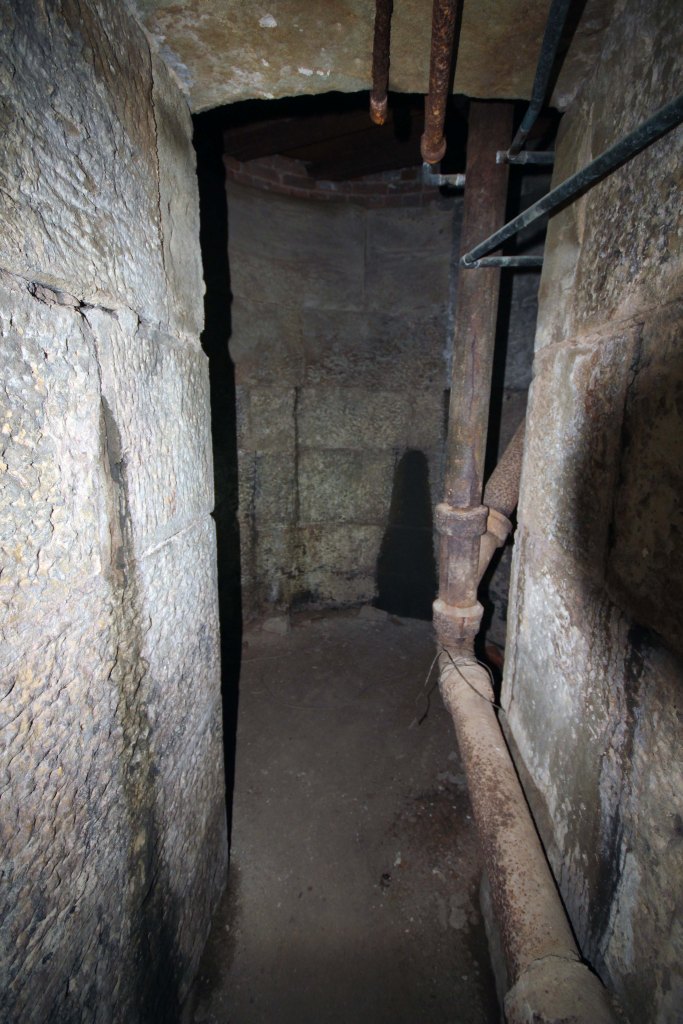


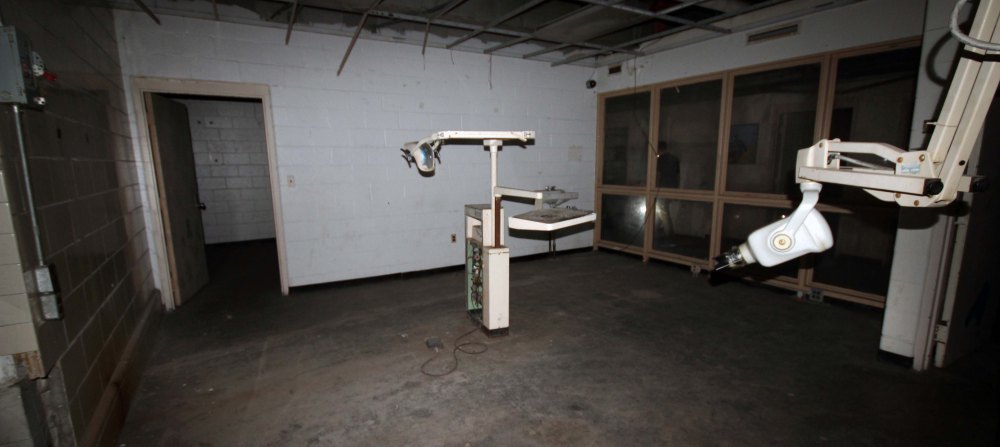
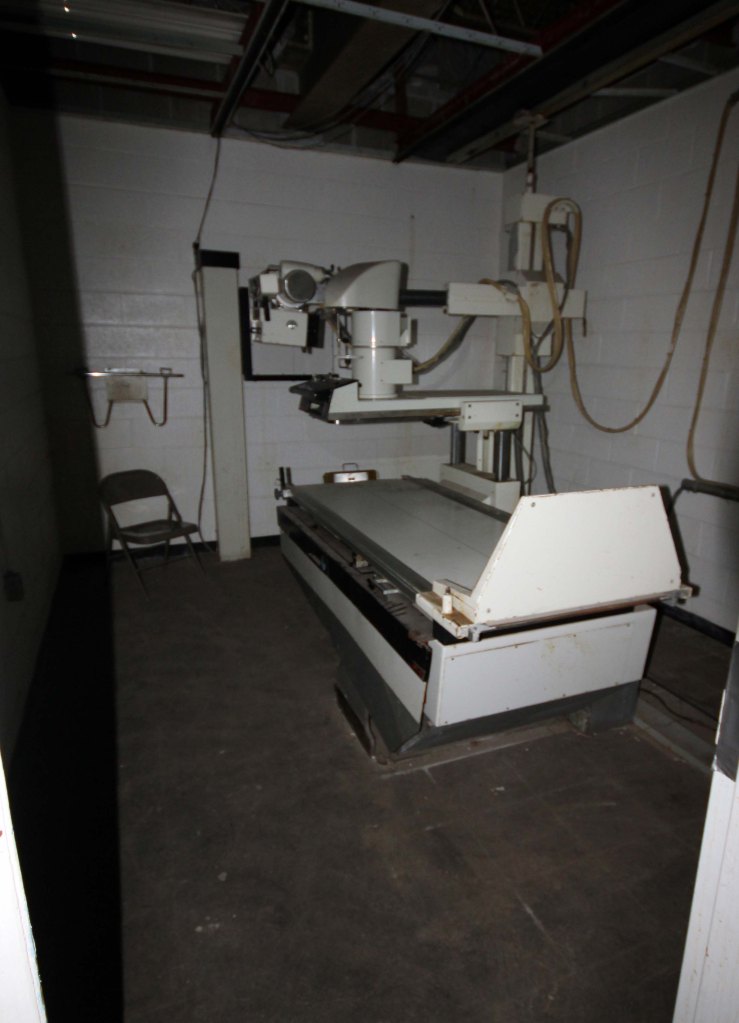
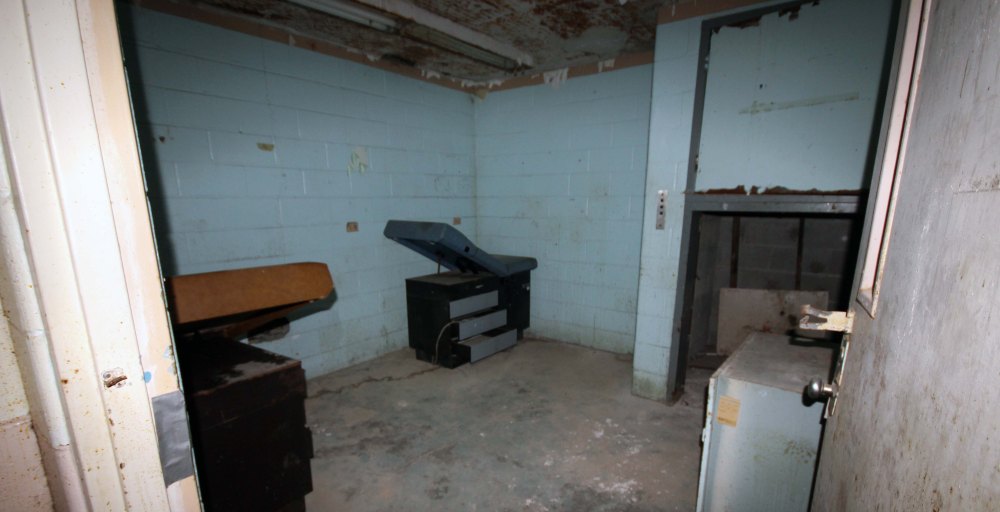
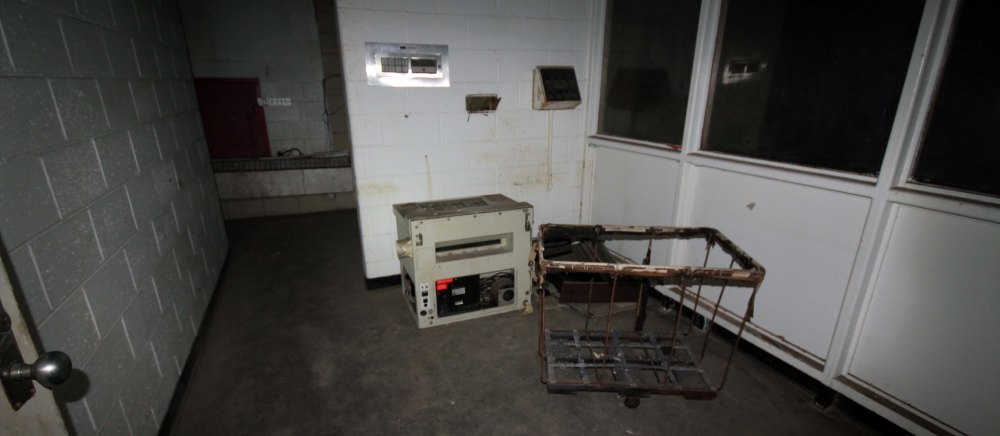
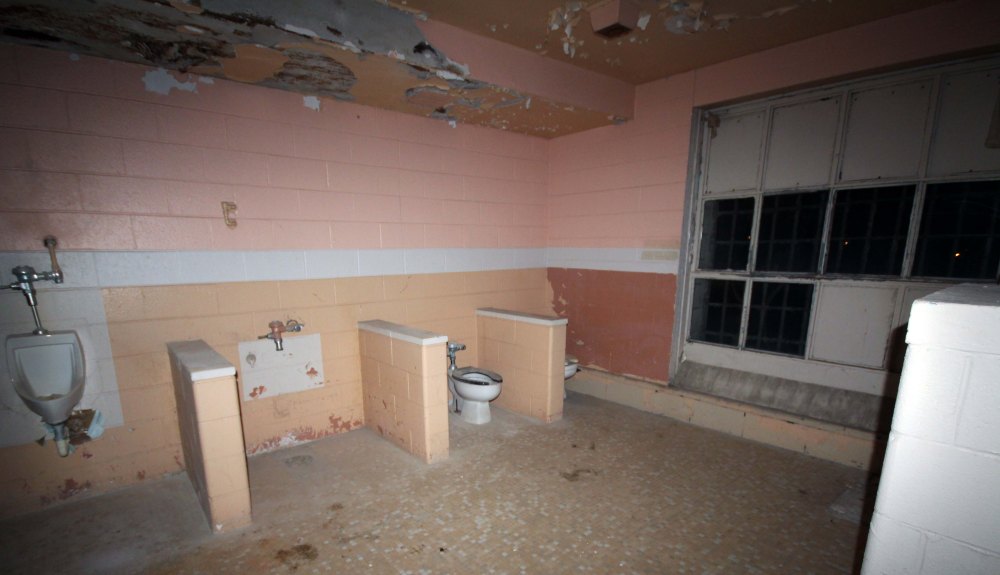
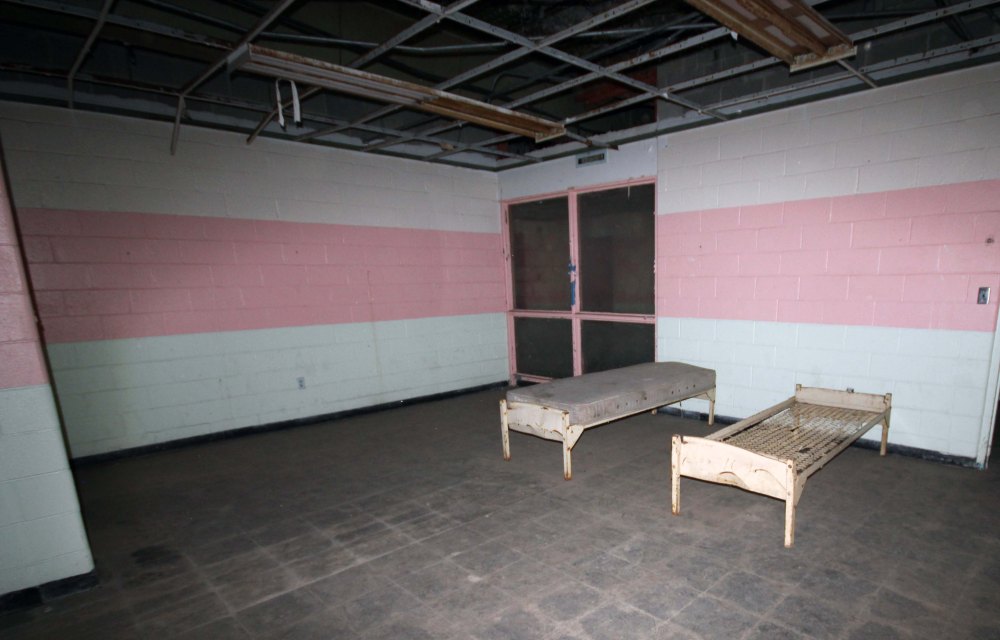
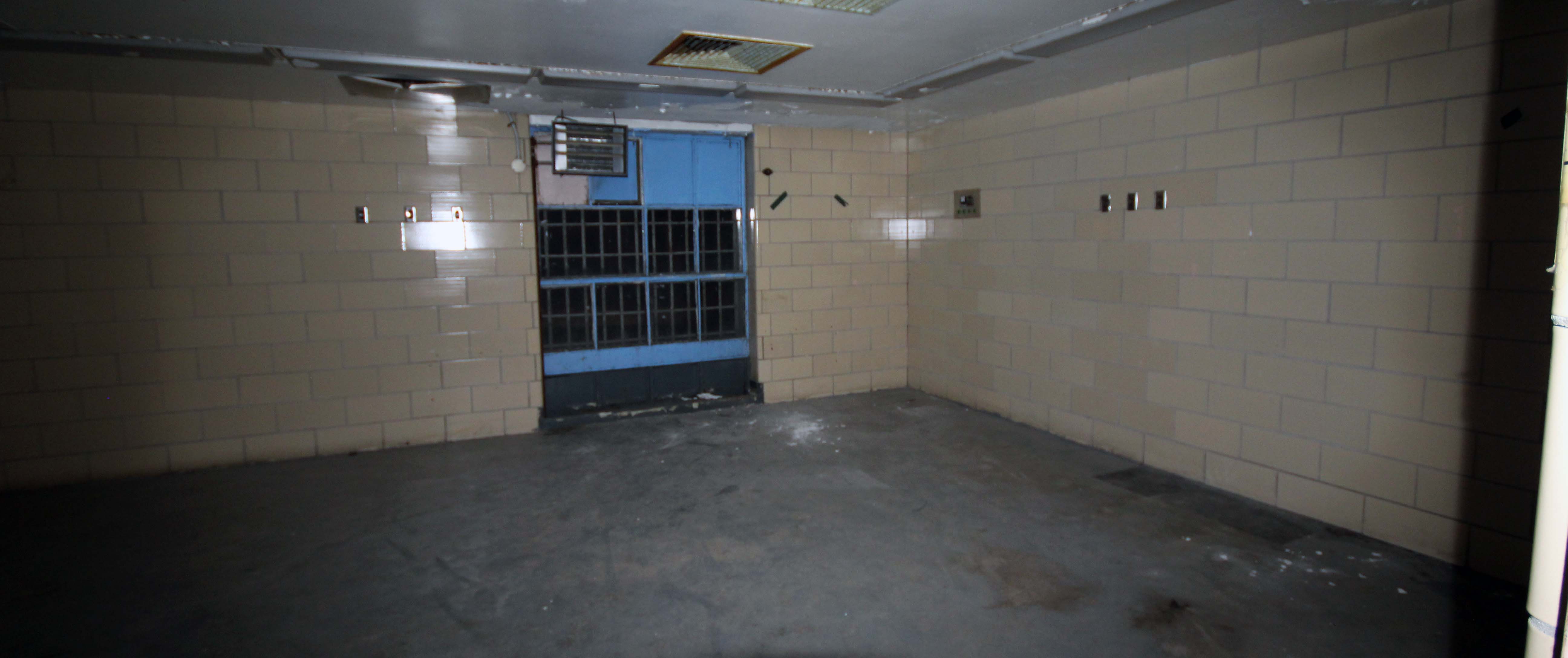
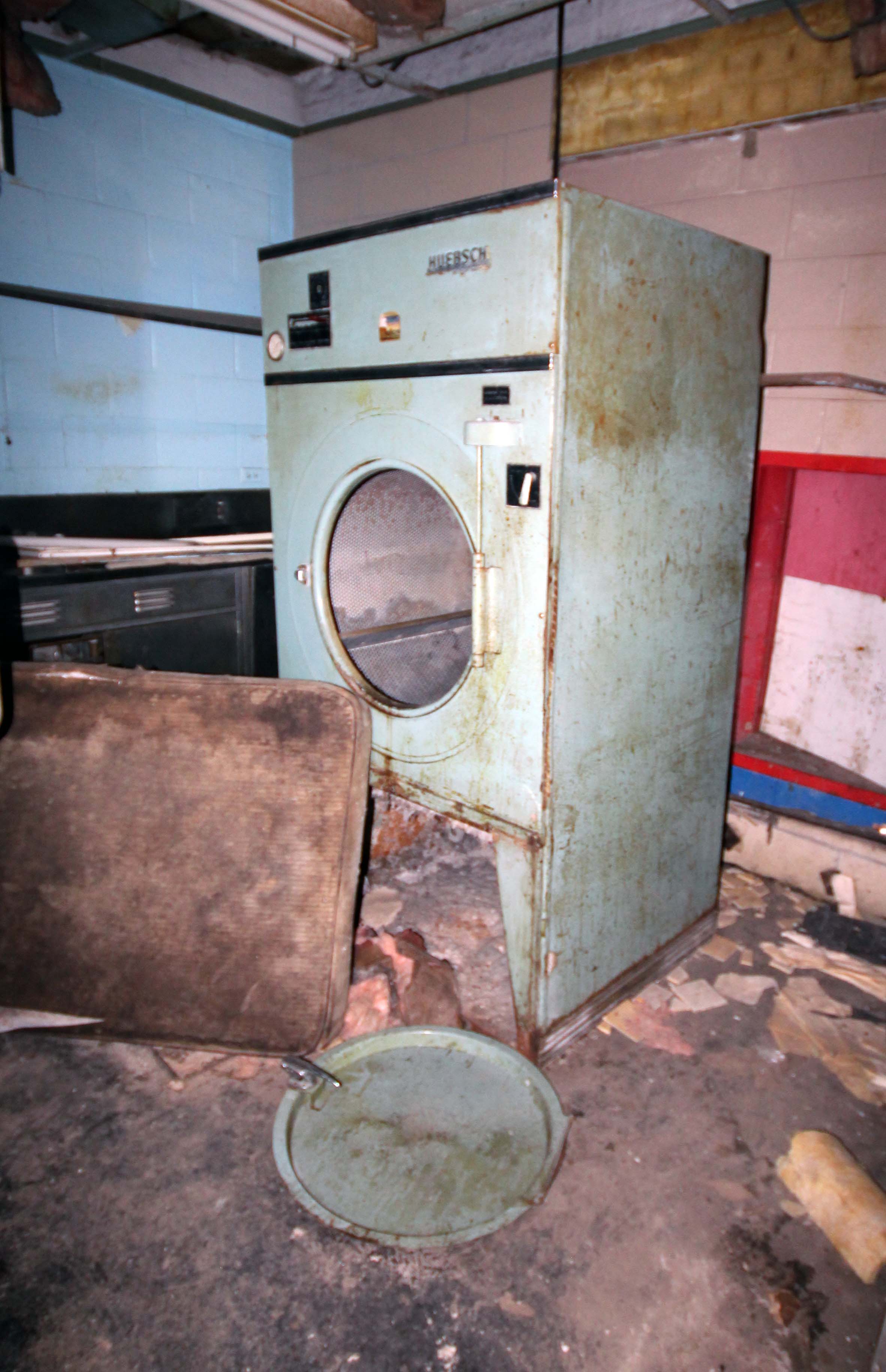
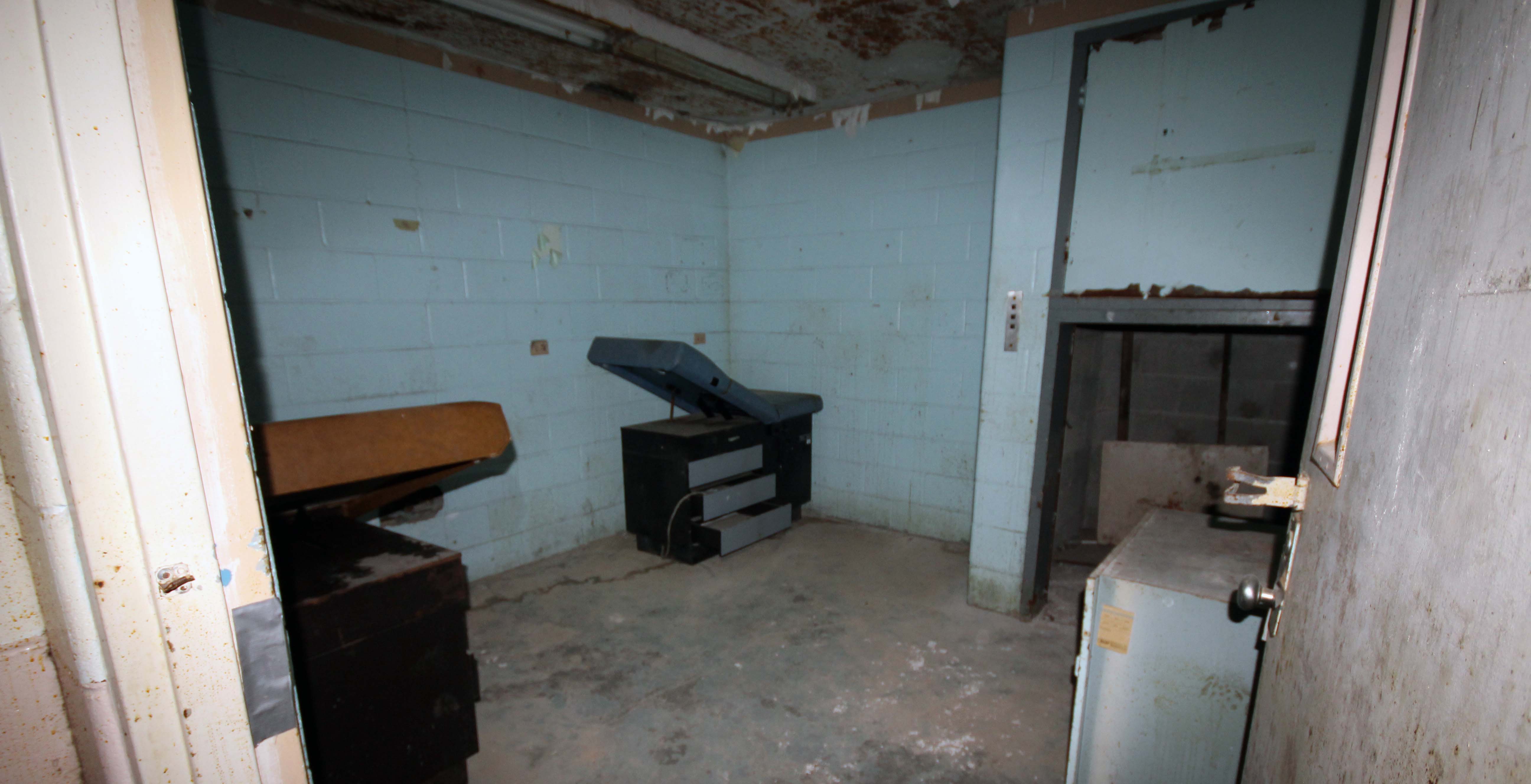
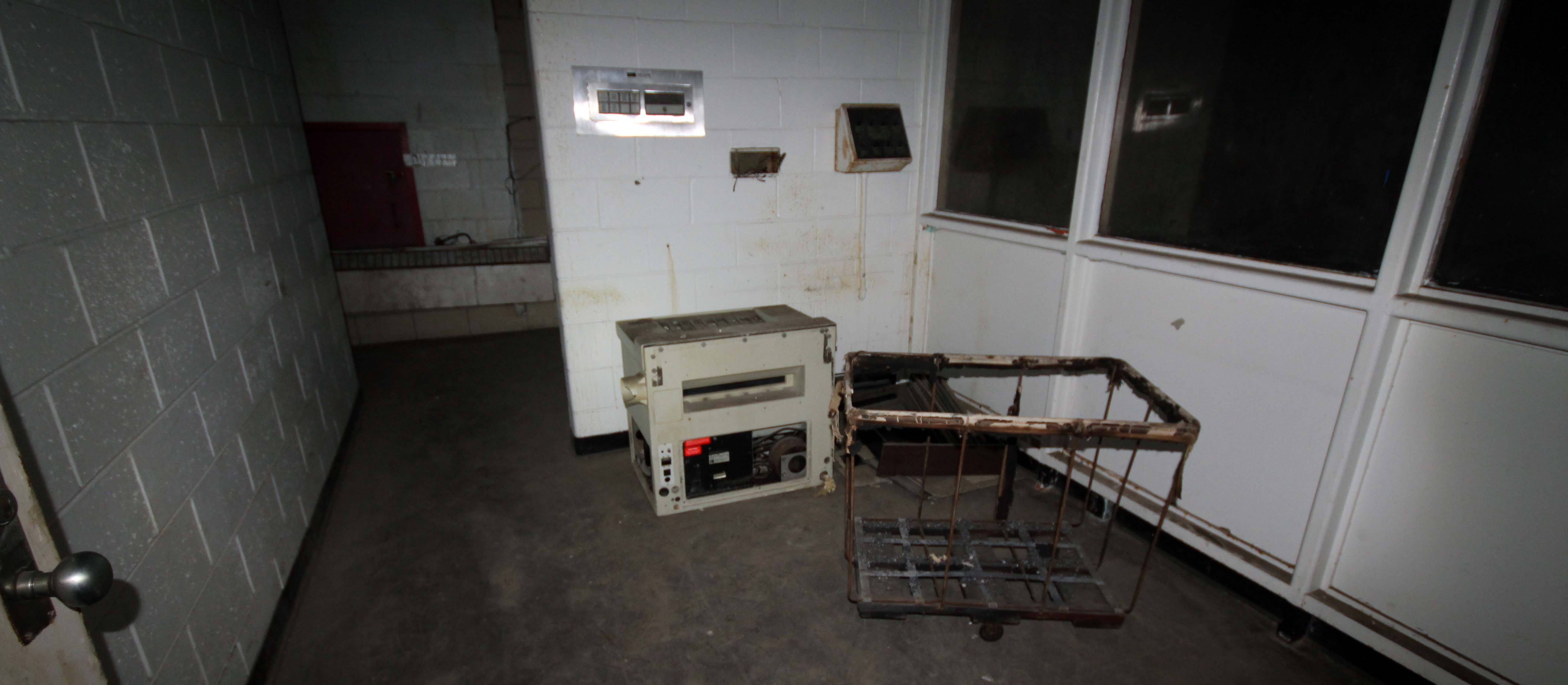
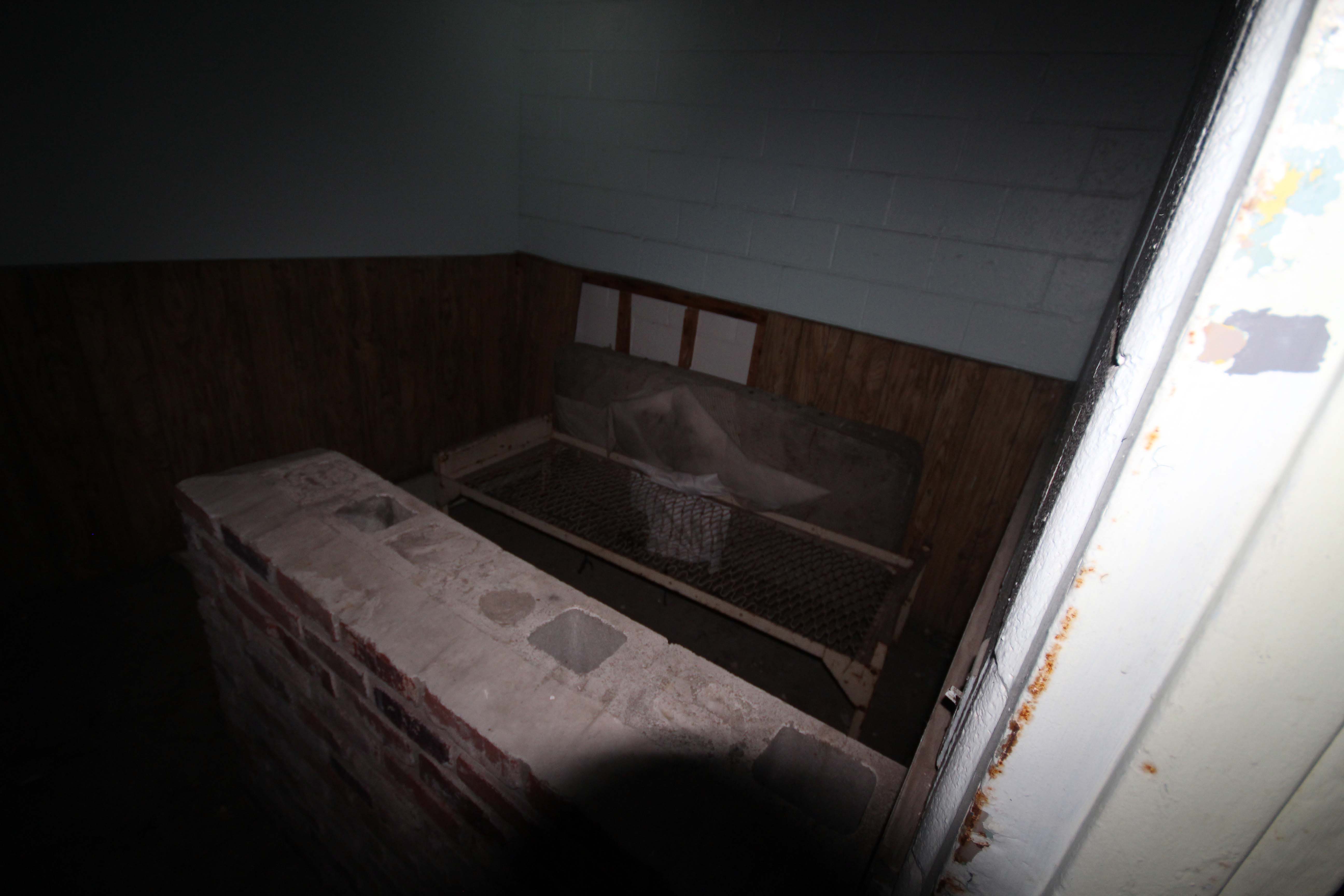
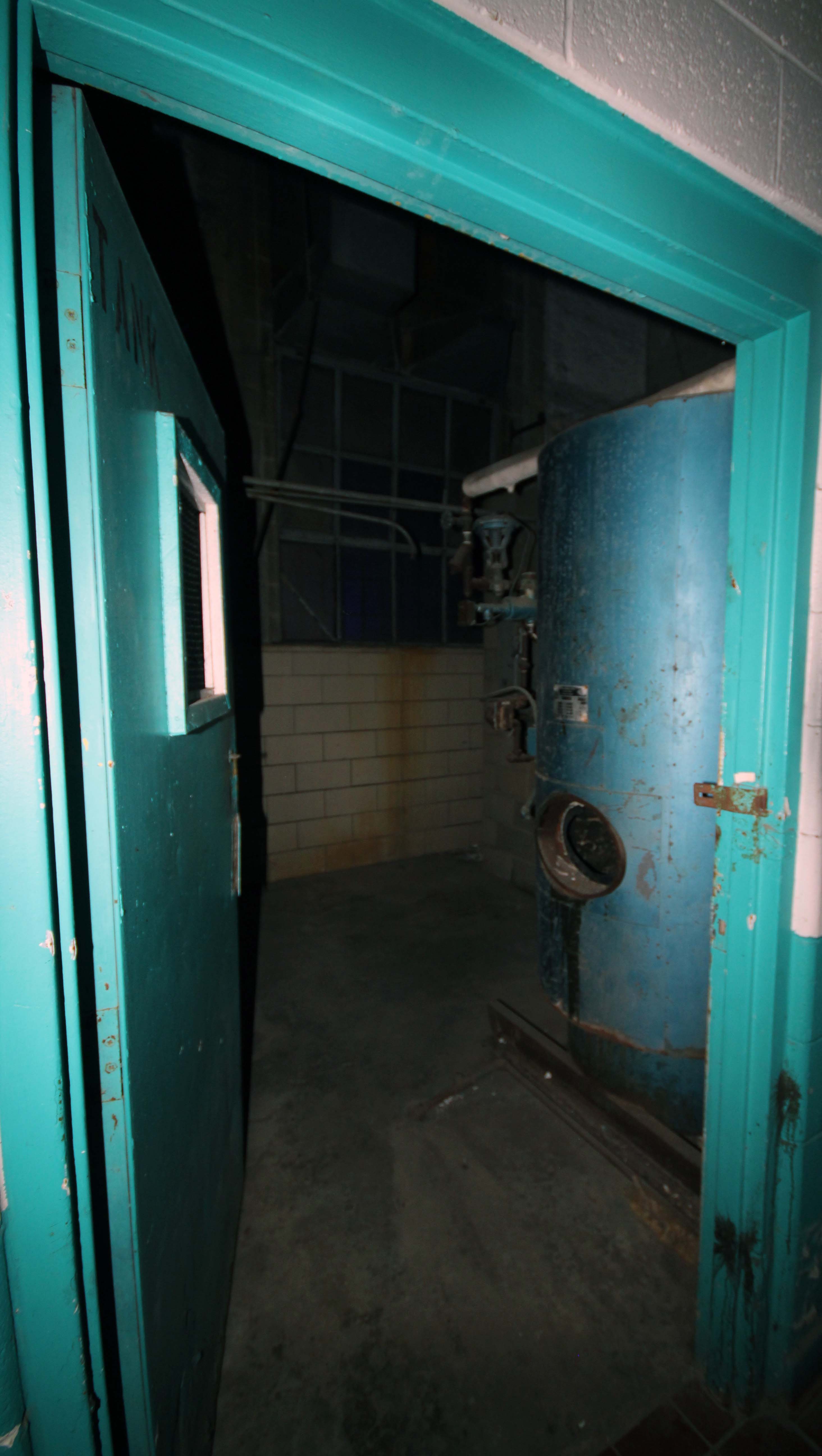
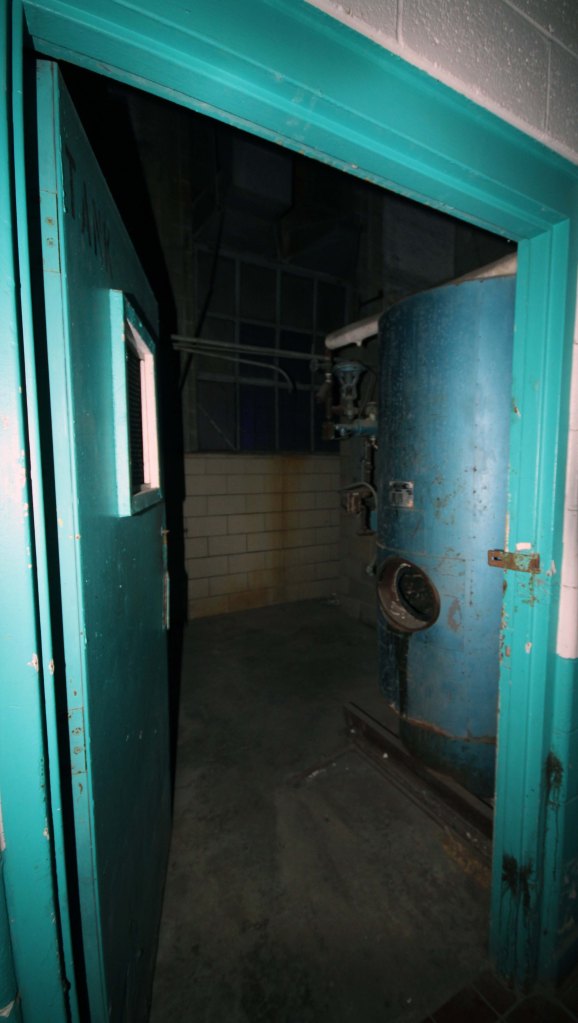
The night tour also included the infirmary and the psych ward.
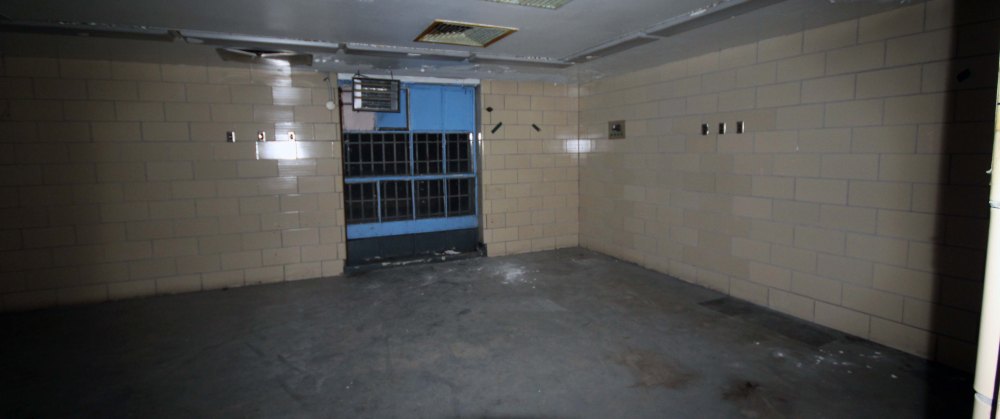


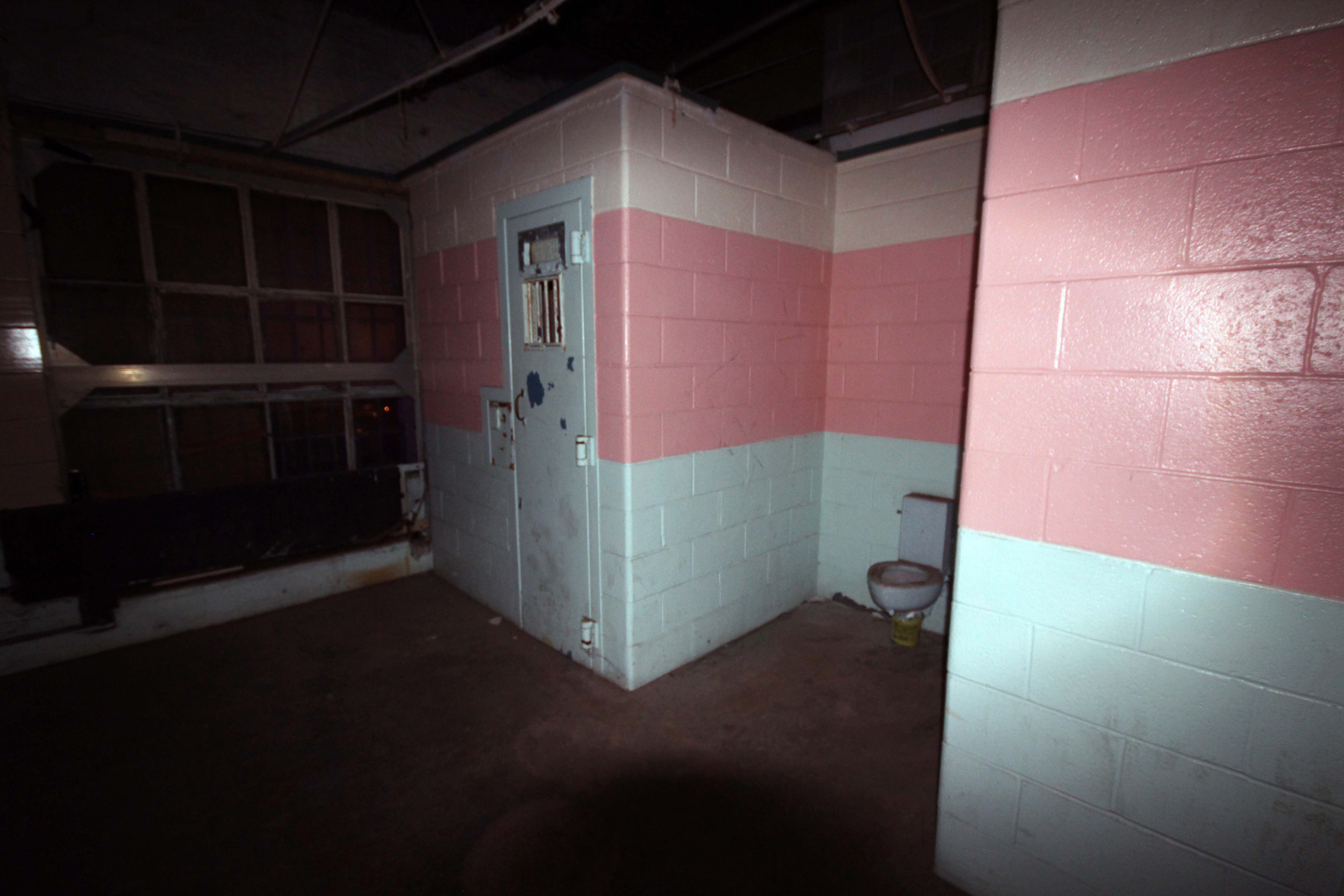
Psych solitary cells
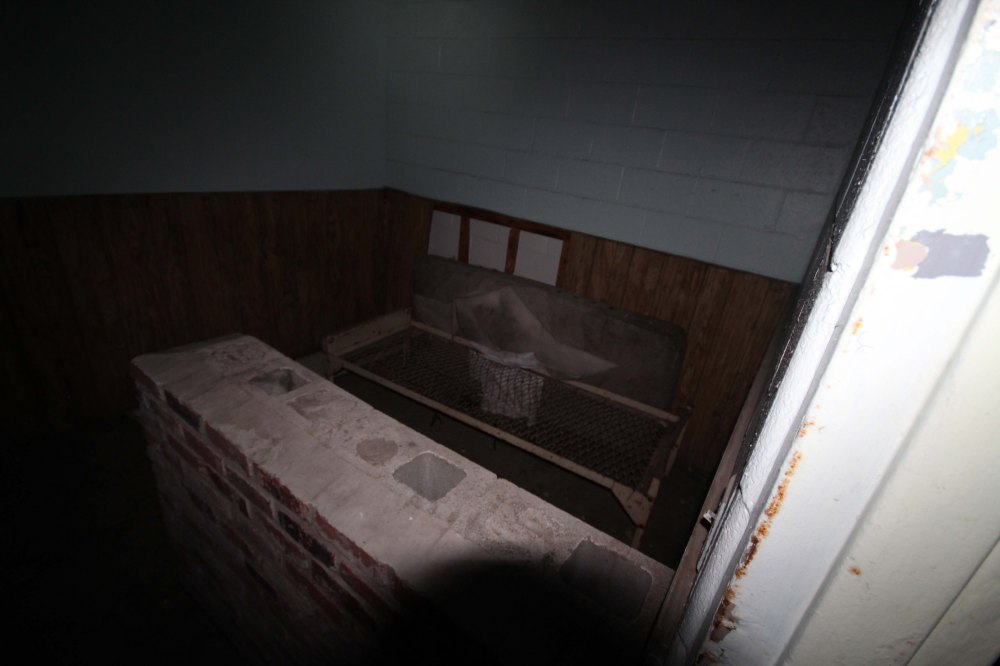


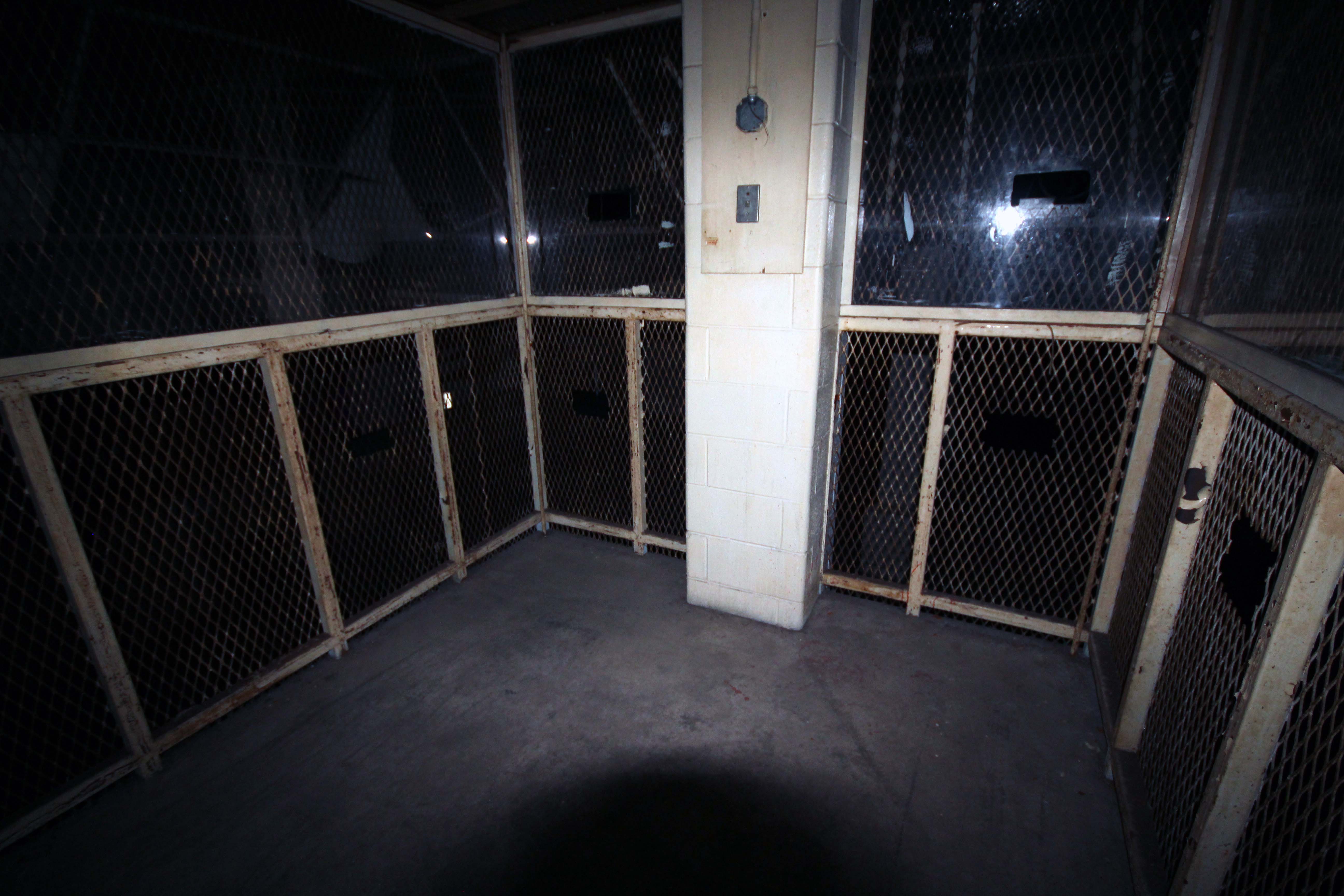
Remember the hanging guard shack in the contact visitation area? This is the inside.


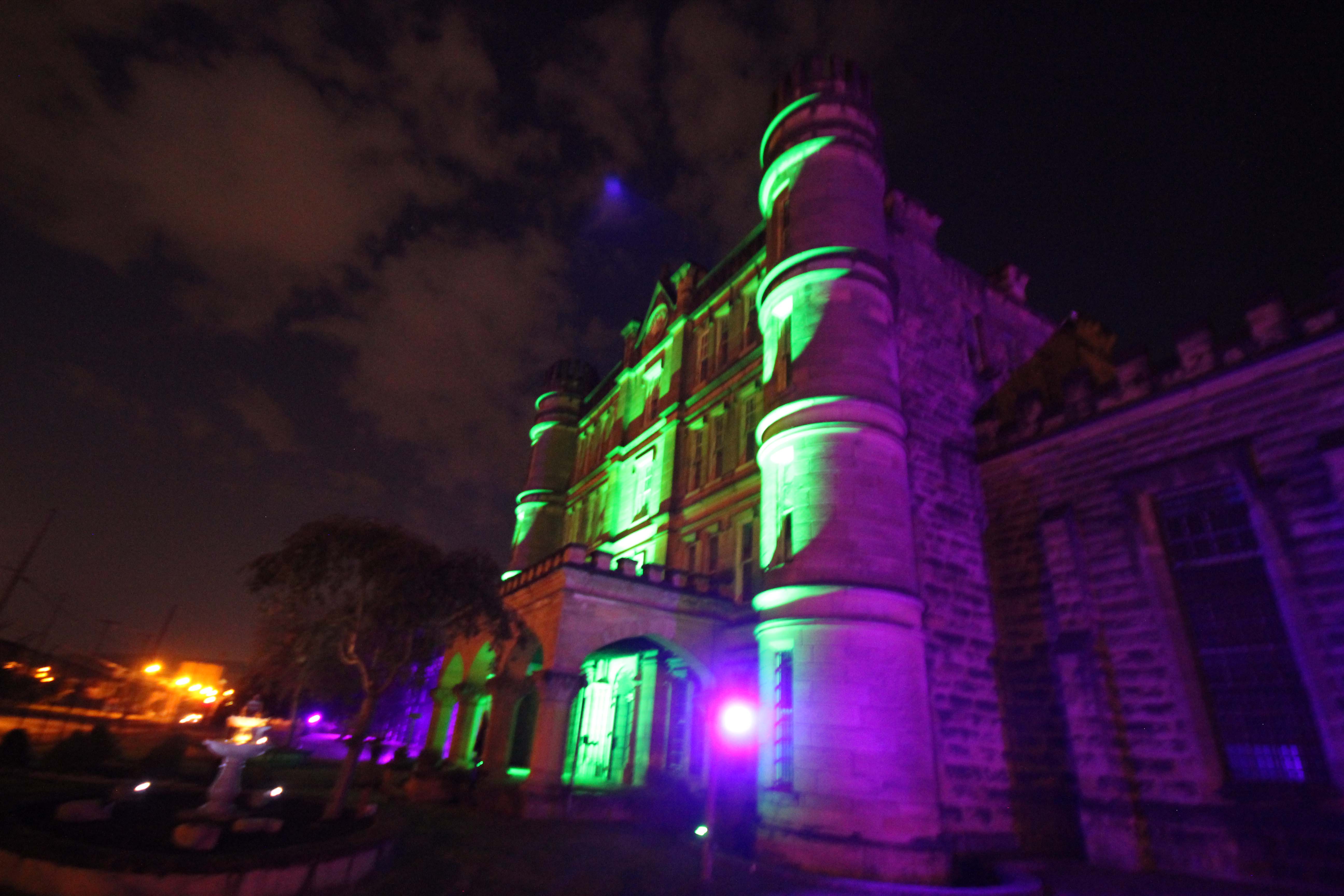
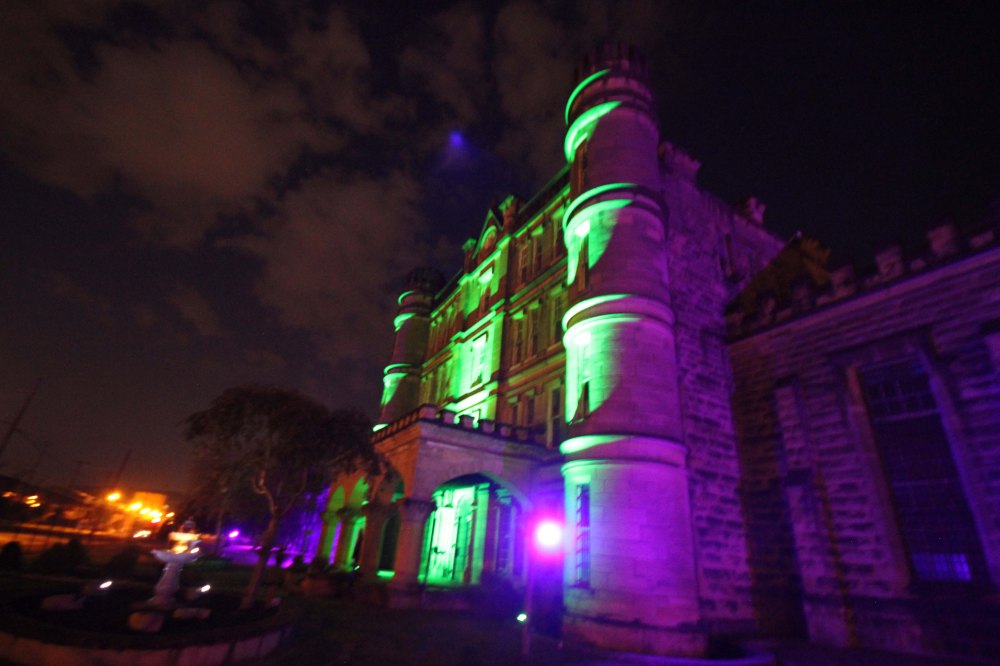
The building is lit up at night with creative colors for the season, because they do a haunted prison halloween thing, and it really photographs well.
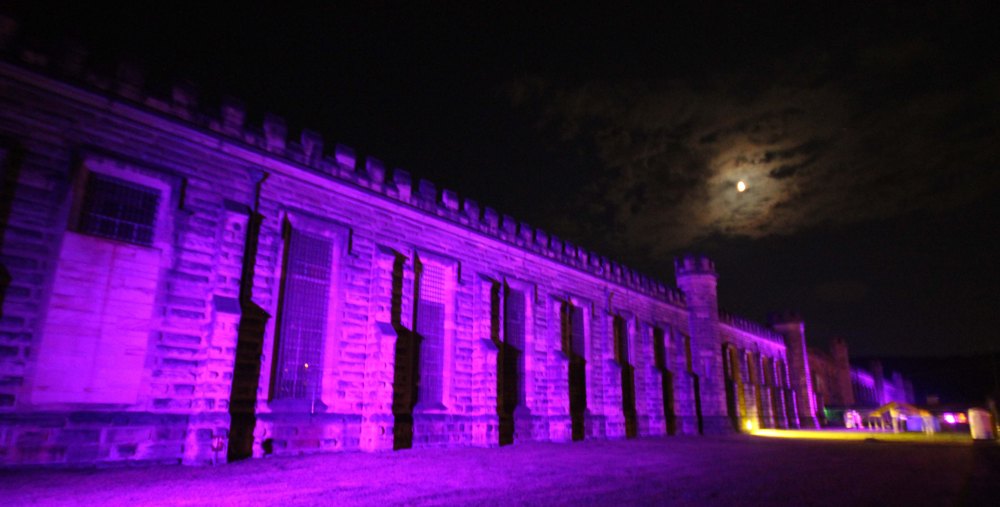


So that was my trip to the prison.

Stay tuned for the next dark tour, the Trans Allegheny Insane Asylum!  Anyone else seeing a pattern here? – Trace


Supporting our Blog

We very much appreciate your support of our blog.

  • You can purchase the ebook telling the story of how we became full-time RVers.
  • You can purchase our recipe book filled with 80 recipes we have cooked in our RV and taste tested by Lee himself. You can purchase the kindle or paperback version on Amazon or buy the Apple version on iTunes.