
I grew up in a small town in Ohio and I thought before we started this journey that I understood what growing up in a small town was. What I meant by that though was living in a small suburb that had ready access to a larger city. What I didn’t understand was what rural America was like. Since we went on the road two years ago we have seen many rural towns. The fortunate ones are located near a tourist attraction and draw big crowds and their dollars to the area. Others have some local industry that keeps the town going and it is clear that investments have been made in local infrastructure. Then there are those towns that have small populations, aren’t near much of anything and are pretty far from a major cities. I have spent a month or more in towns like Luck Wisconsin, Susanville California, and Glenallen Alaska but none of those prepared me for Dilley Texas.
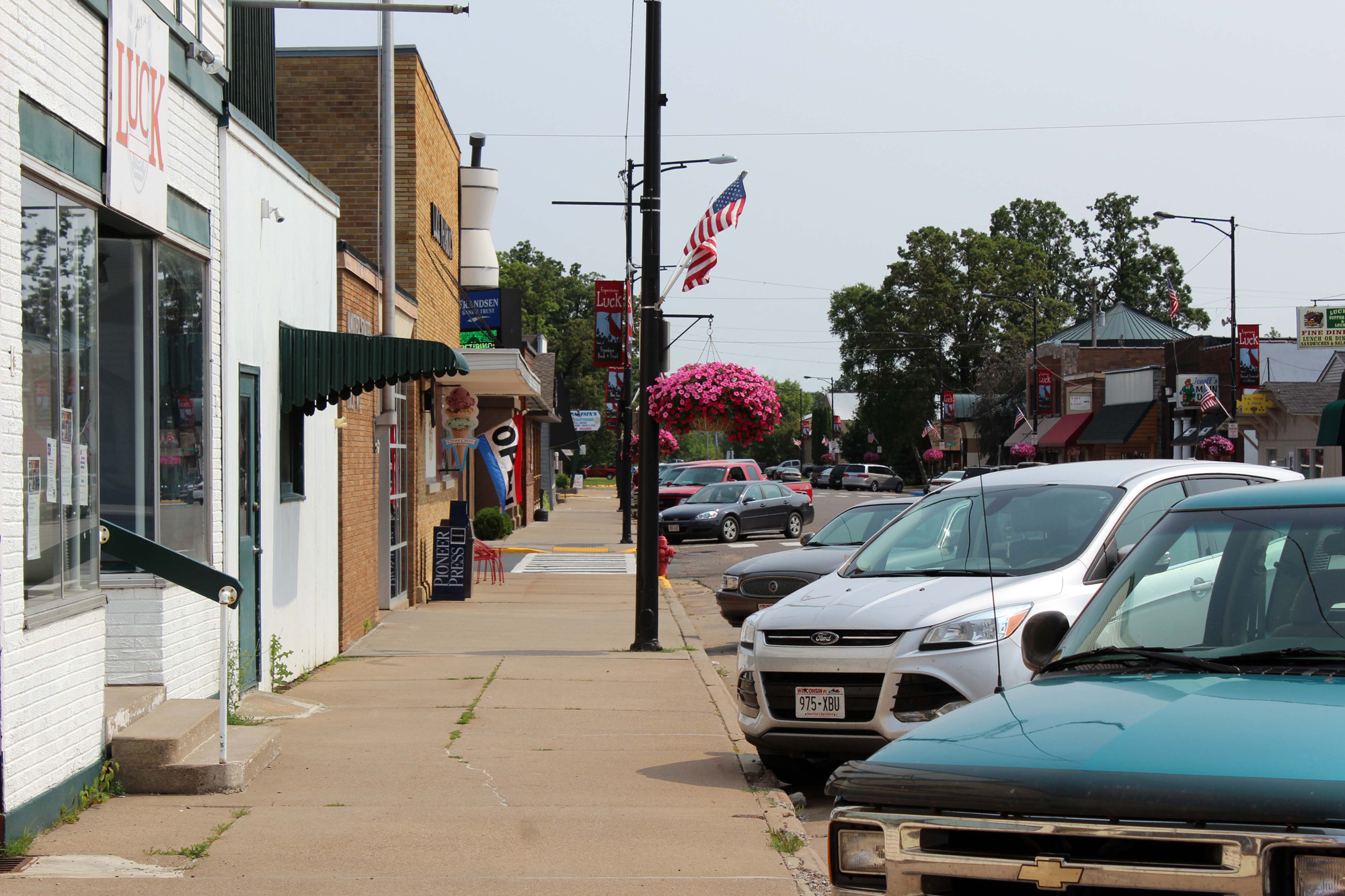
Luck, Wisconsin
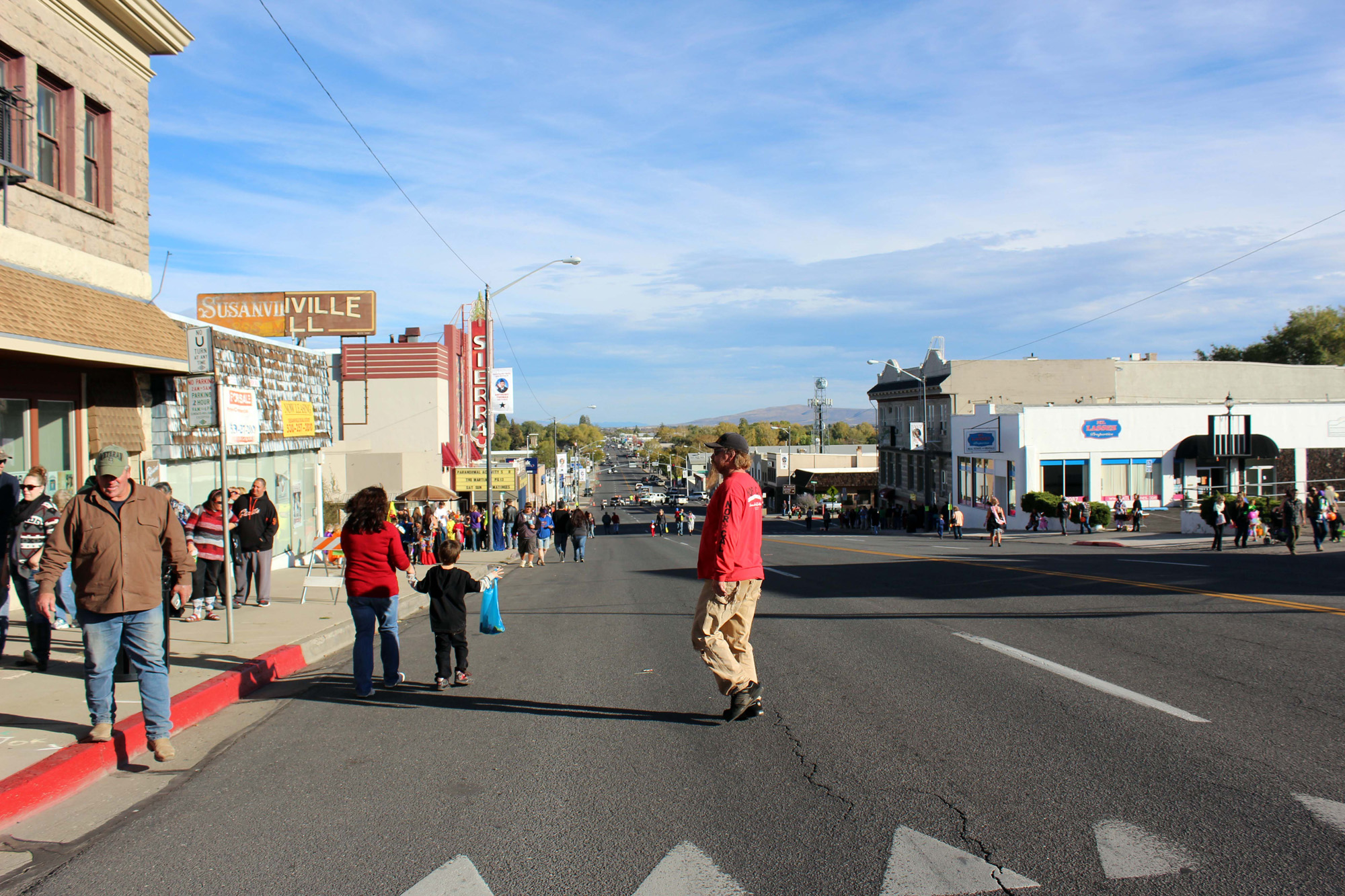
Susanville, California

Glennallen, Alaska
Glennallen, Alaska was the closest to this experience, but I chalked it up to being in Alaska and the extreme remoteness of the environment and the unique culture of the people who lived there. Likewise the Native American reservations we had stayed close to had cultural and historical reasons for what we saw. Again, I thought not representative of average rural America. And please don’t get me wrong, I am not picking on Dilley, Texas because they are certainly not alone. We have passed through many of these small towns on our travels, but they were a blink on our travels and we didn’t really see what living near one would be like. After being here for over a month though, I realized I was wrong about many things.
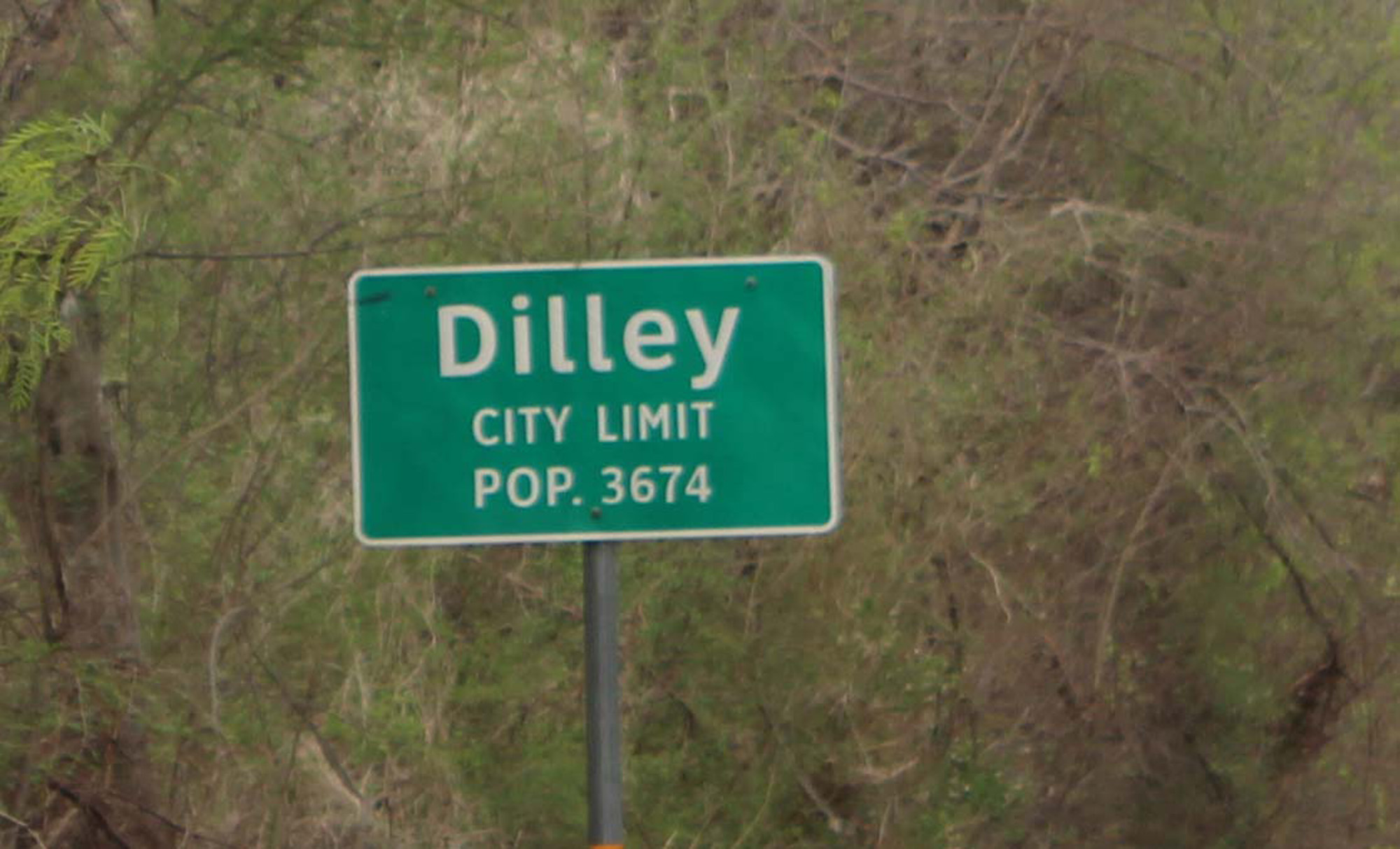


Now I believe that those small towns we have breezed through have enough in common that they are representative of Rural America. So let’s look at it. The towns usually have post offices, police stations, and some sort of fire department. They also often have..
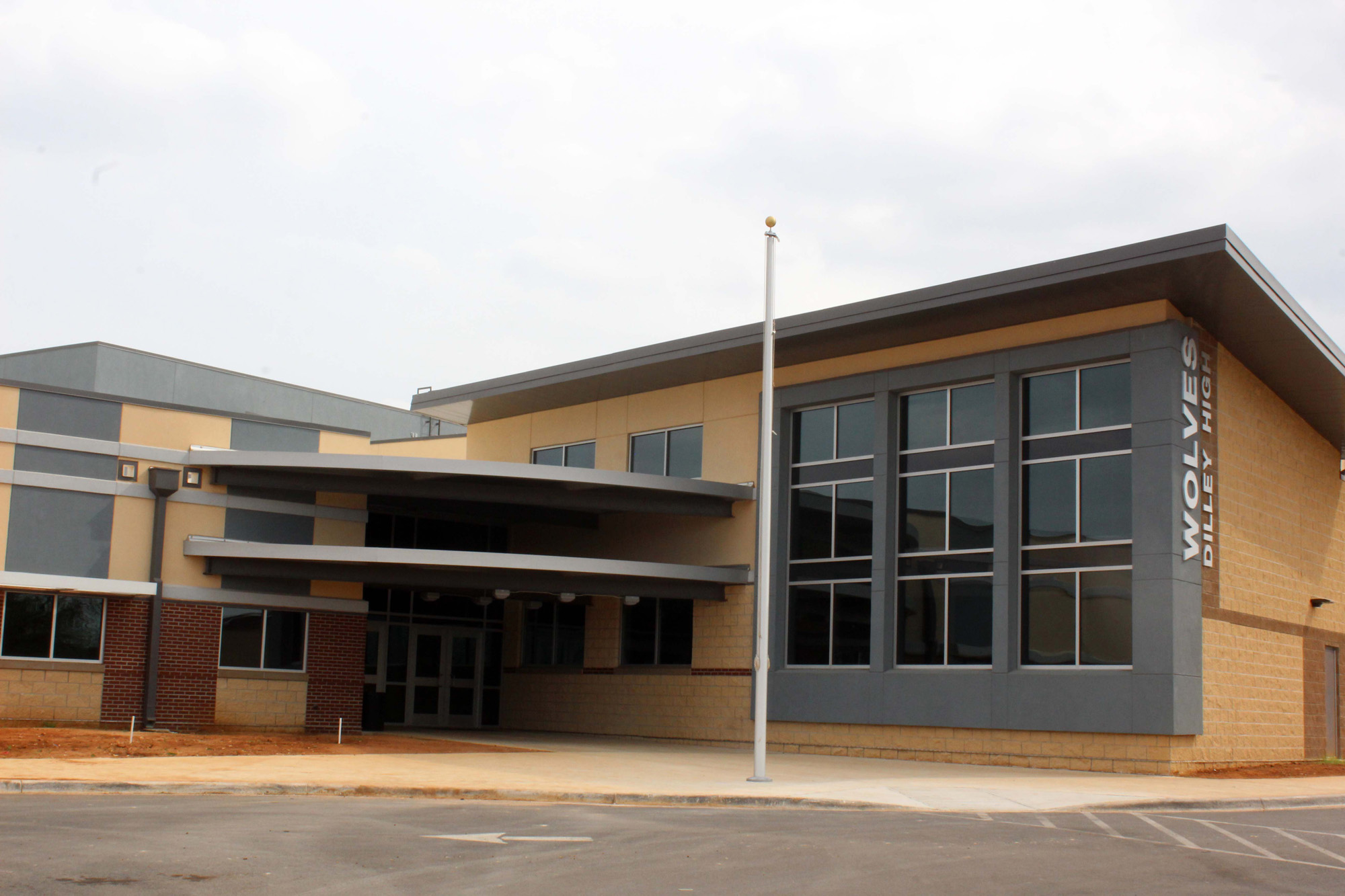
Schools
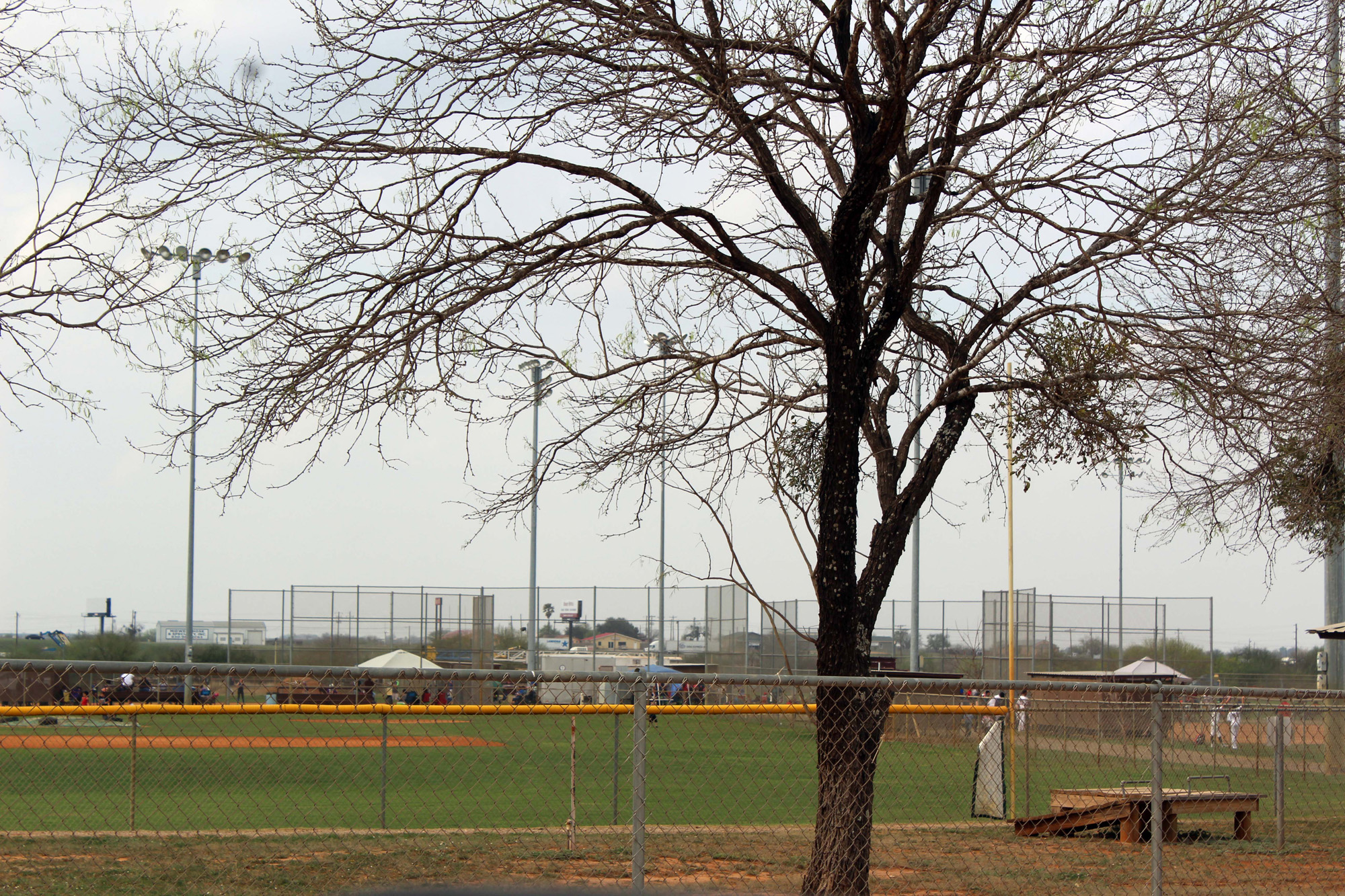
Ball fields

and football stadiums
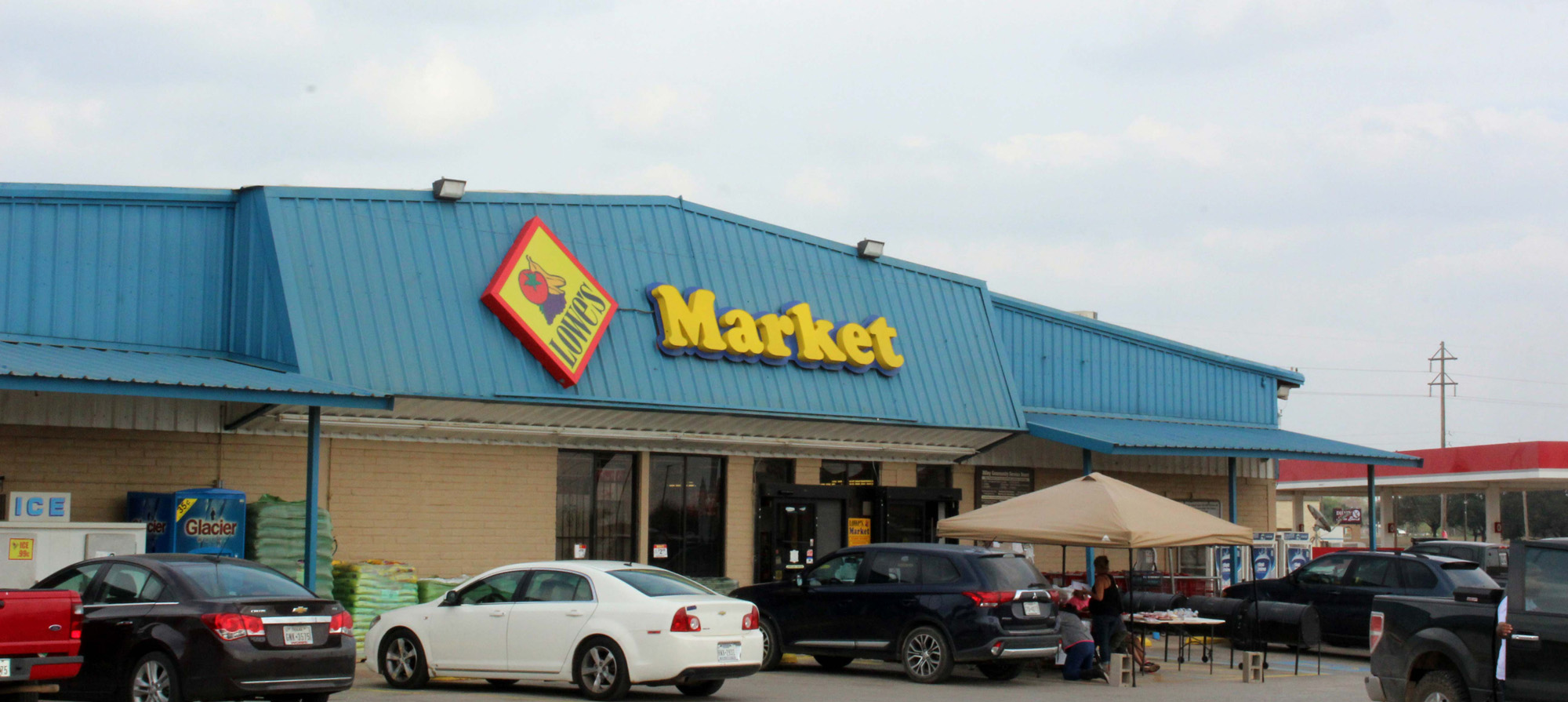
They also have a local super market with limited selection and high prices

Churches
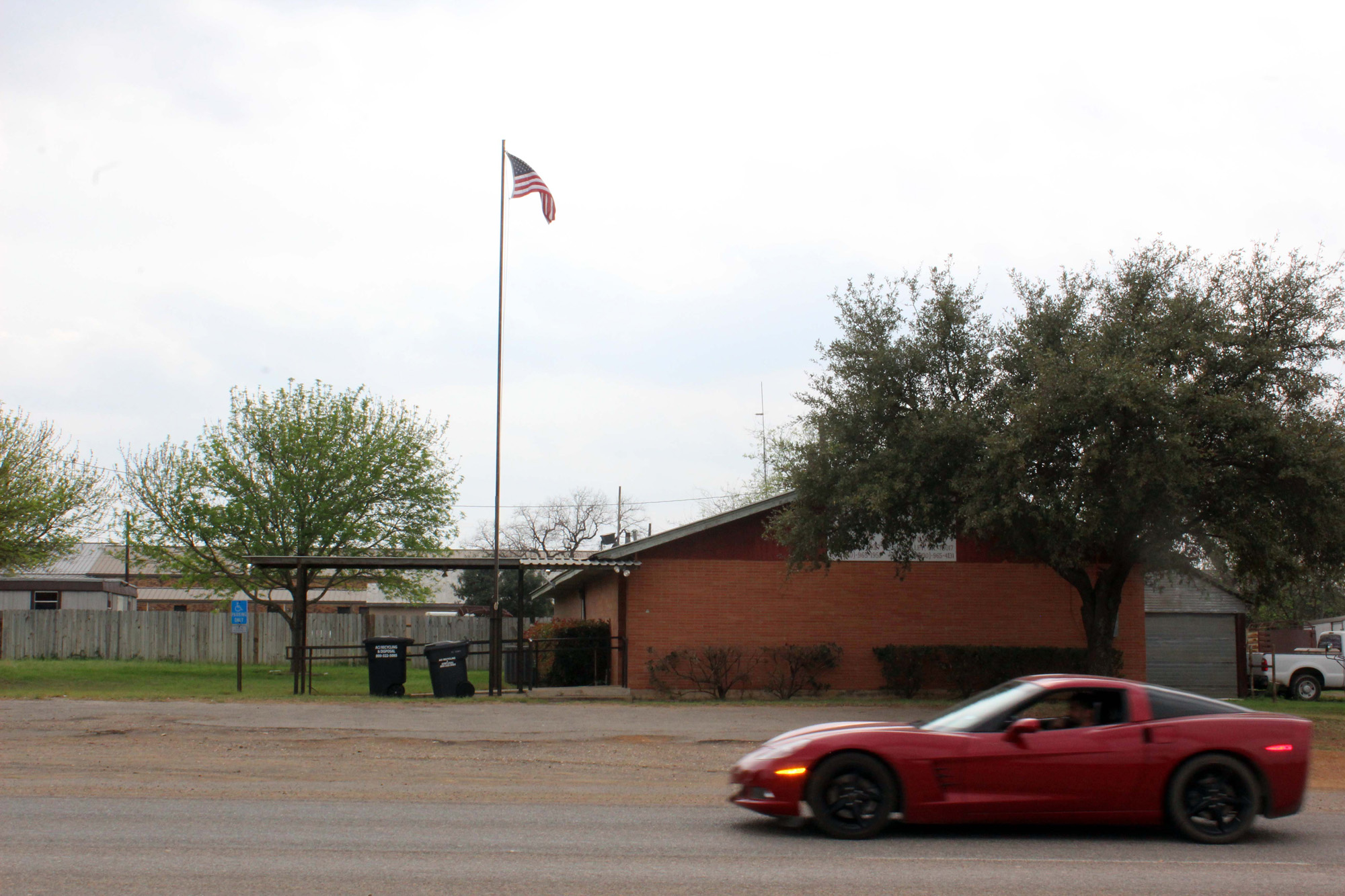
A library (the corvette shows some people have money in town)
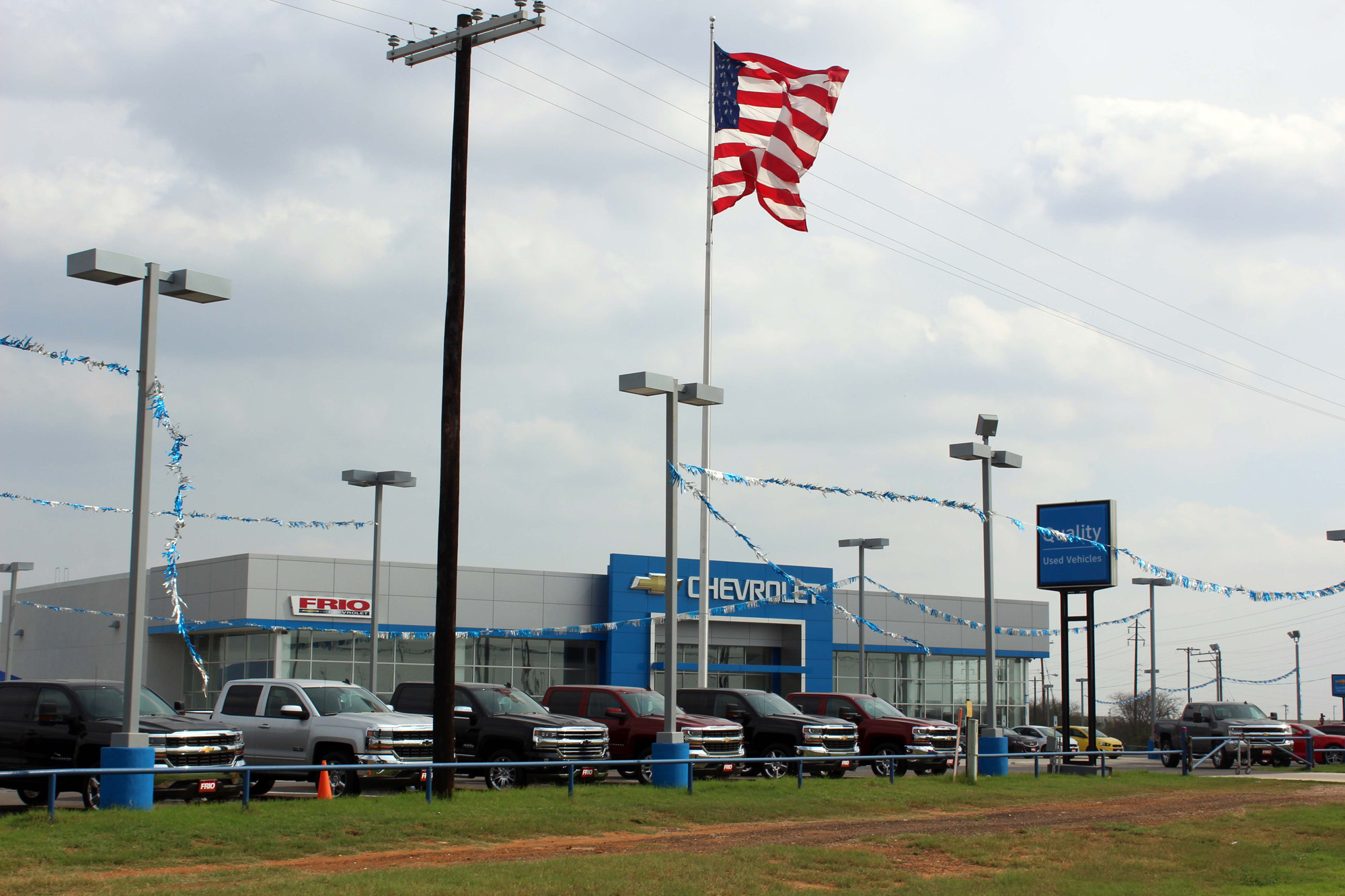
And usually even at least one car dealership
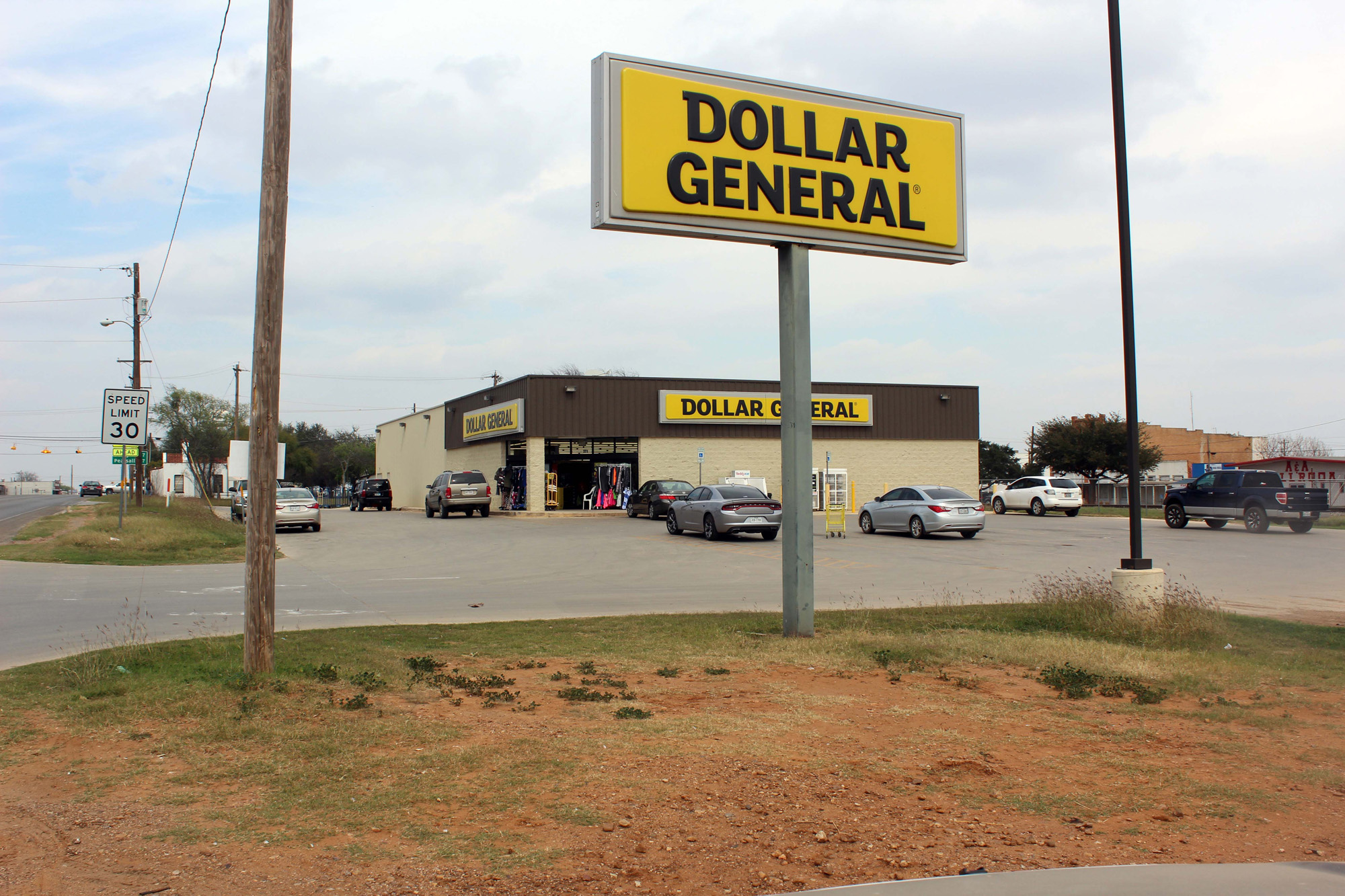
It seems like there is always at least one dollar store
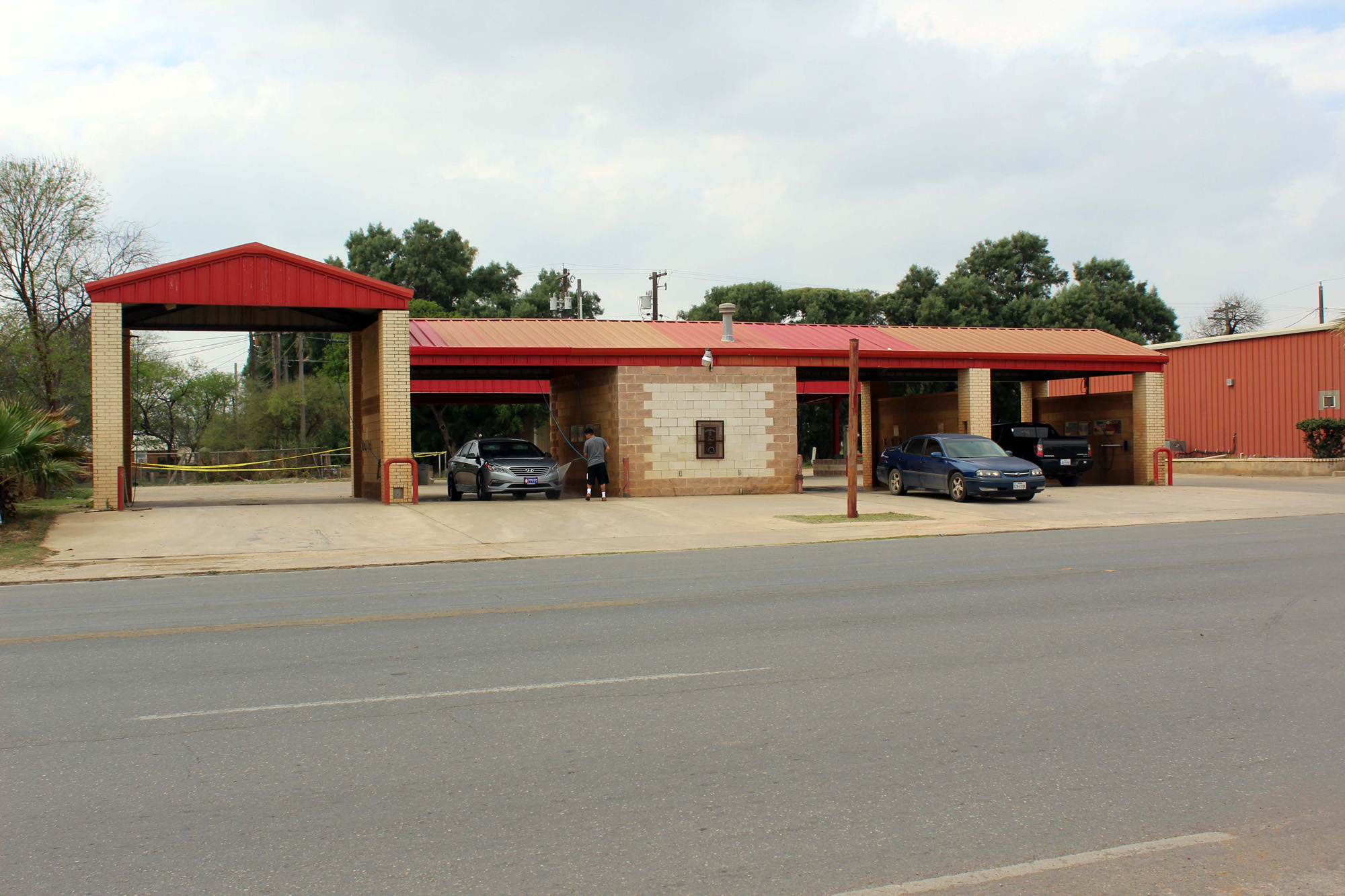
a car wash
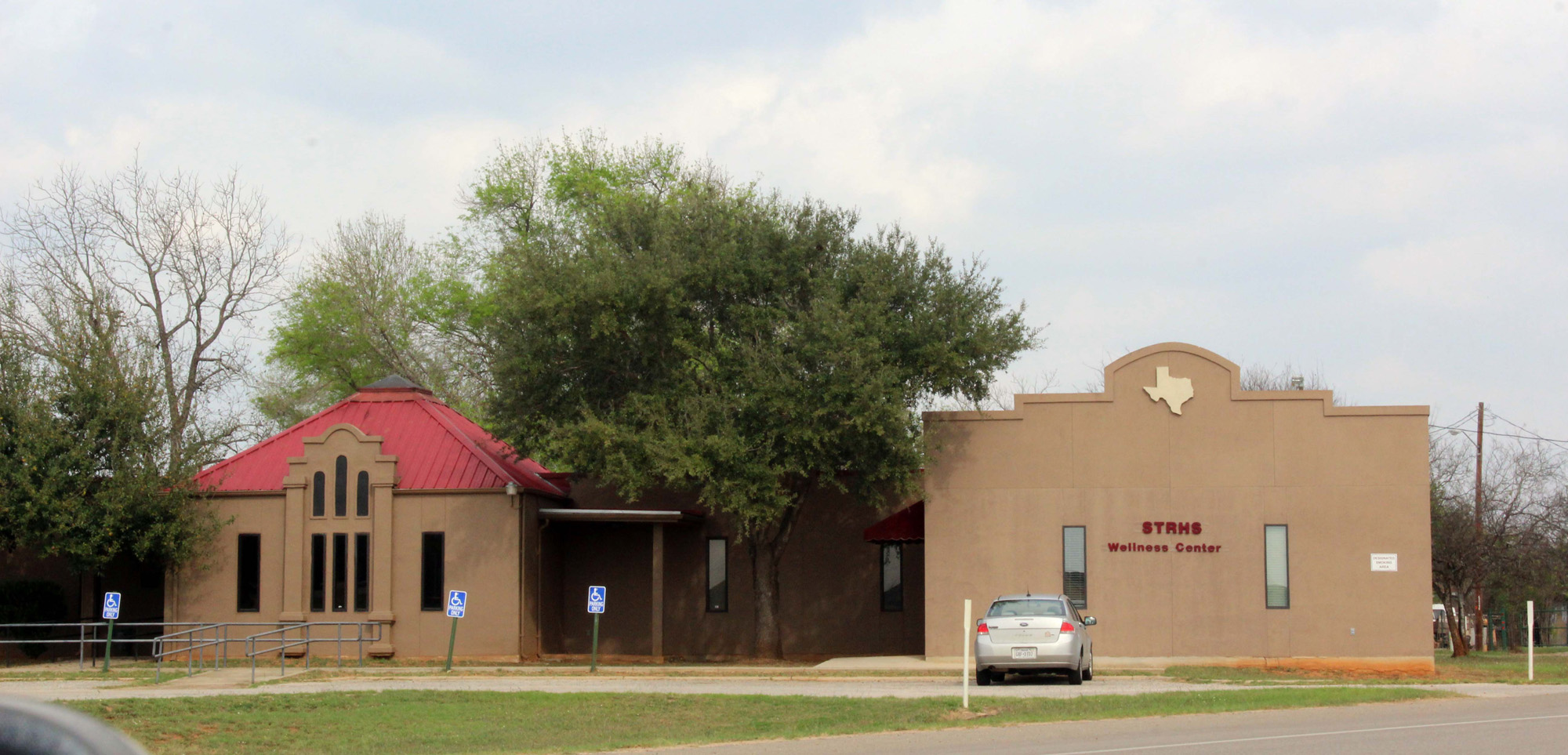
A local medical center
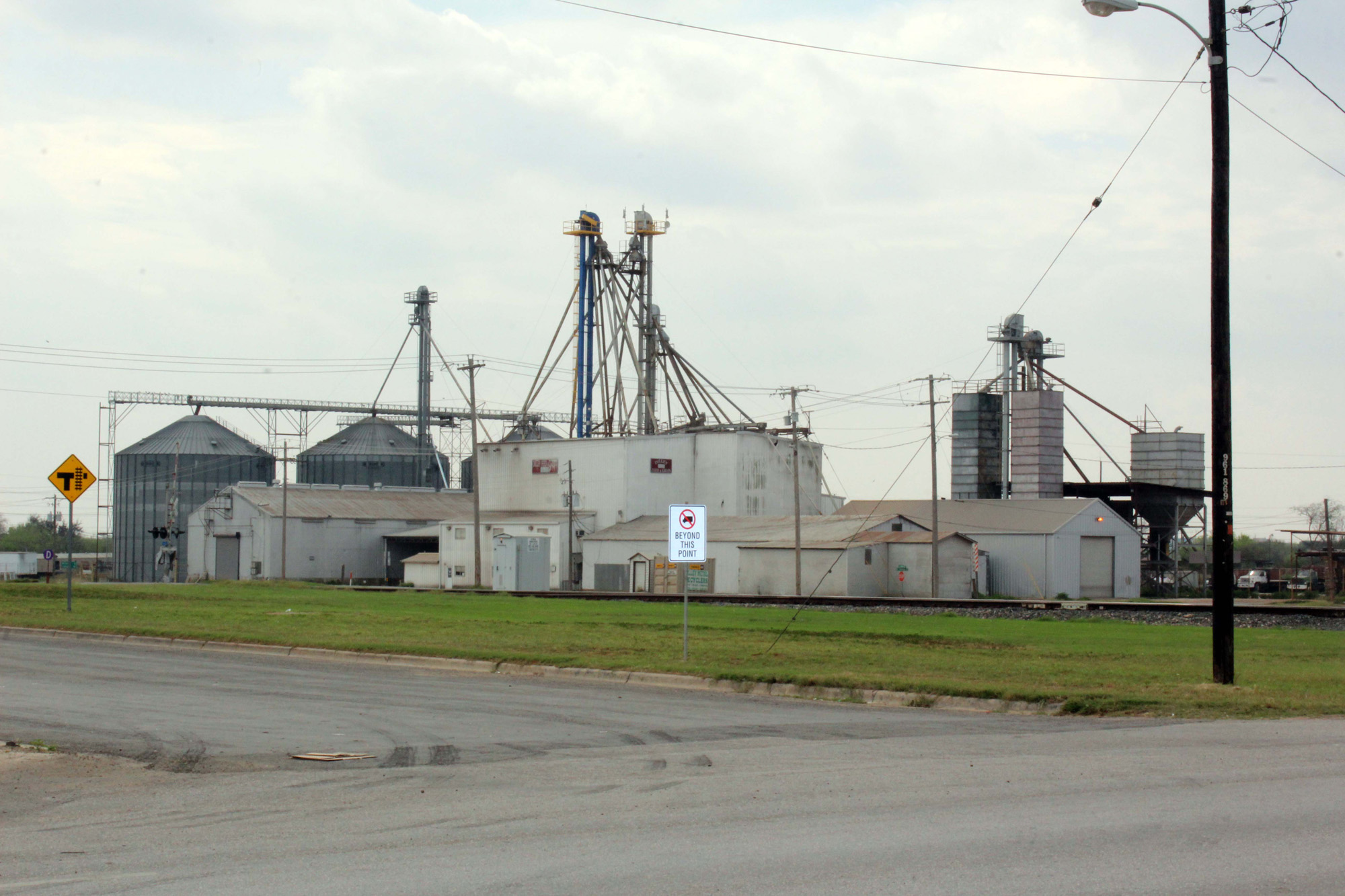
And some kind of feed store. ( I love those because they have really cool stuff in them)
Most of the businesses are struggling in these small towns but a few manage to hang on and even as you see going out of business signs you will also see signs for new store openings. And despite that there is always some sort of town center that shows identity and civic pride.
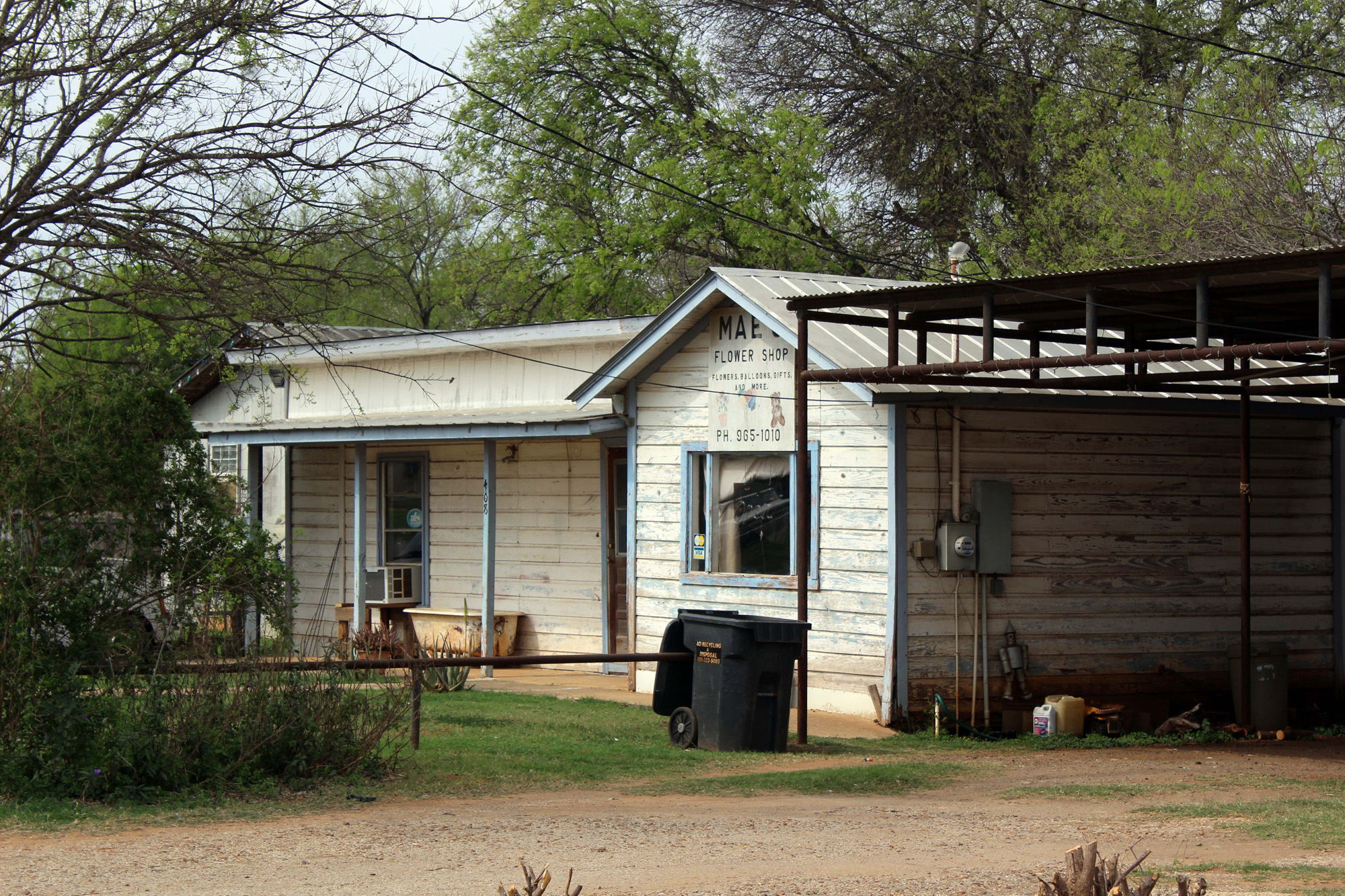
Local flower store
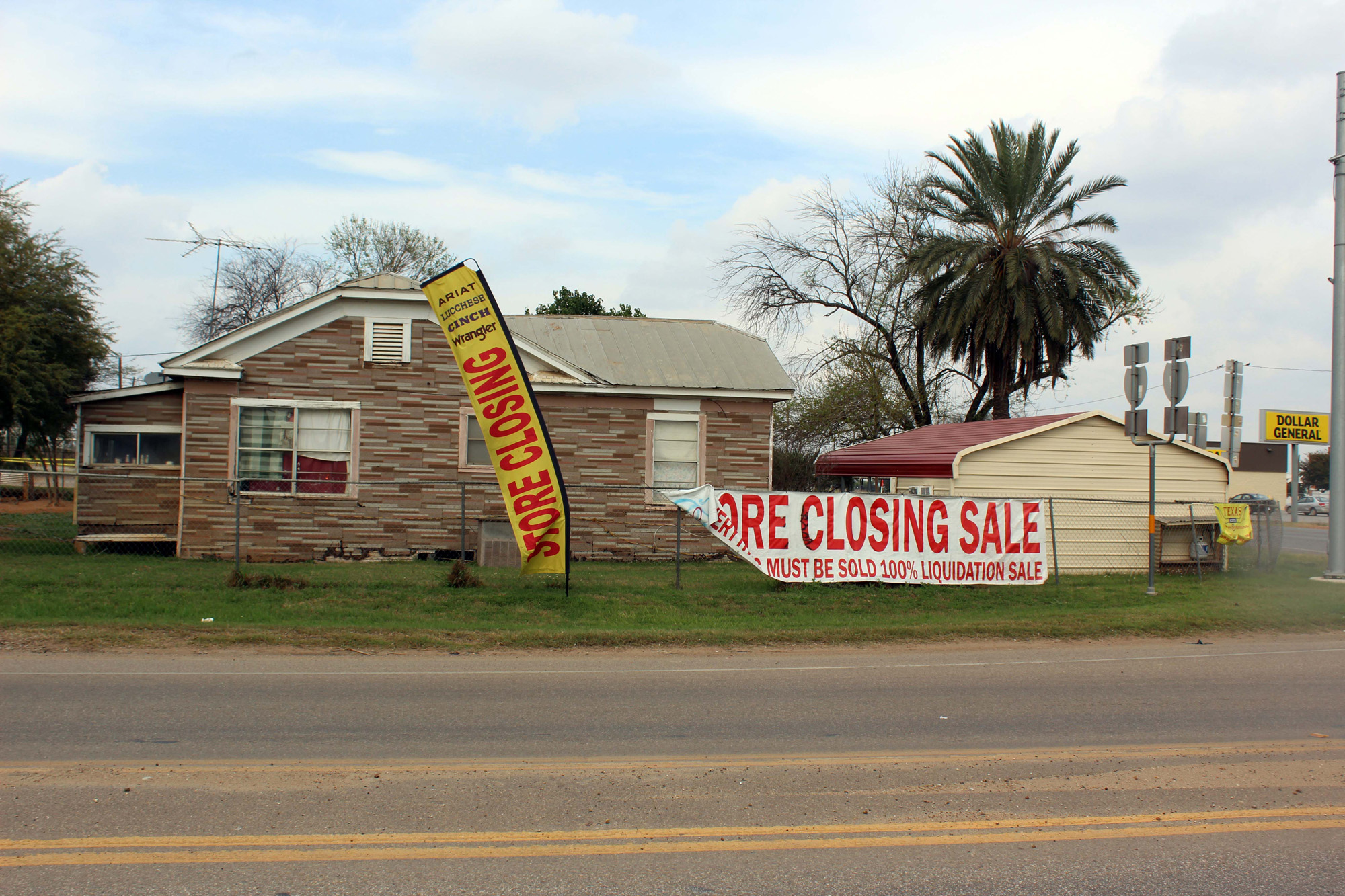
This one is going out of business

But this gym just opened up
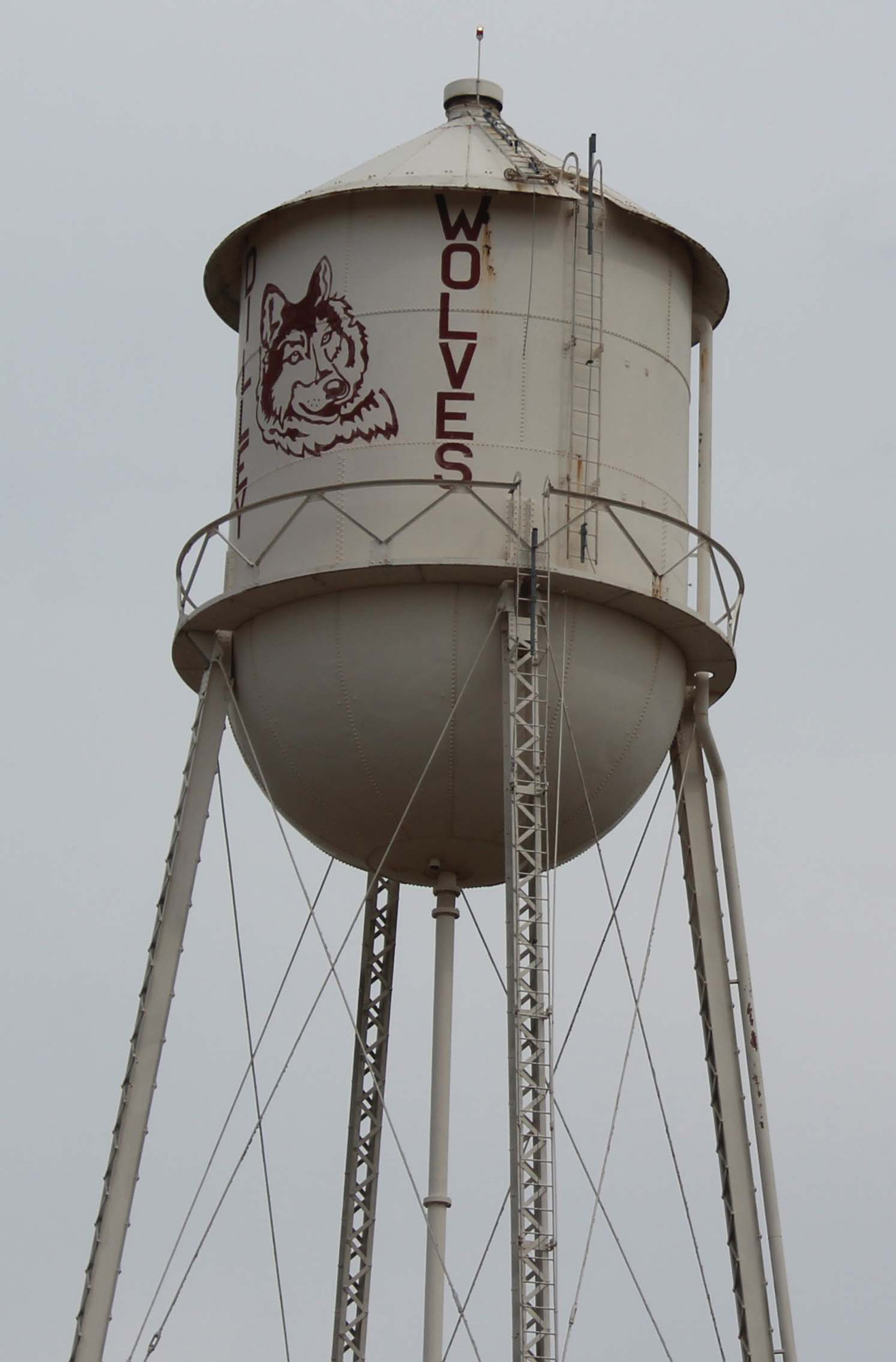
The Wolves are the mascot of the local high school
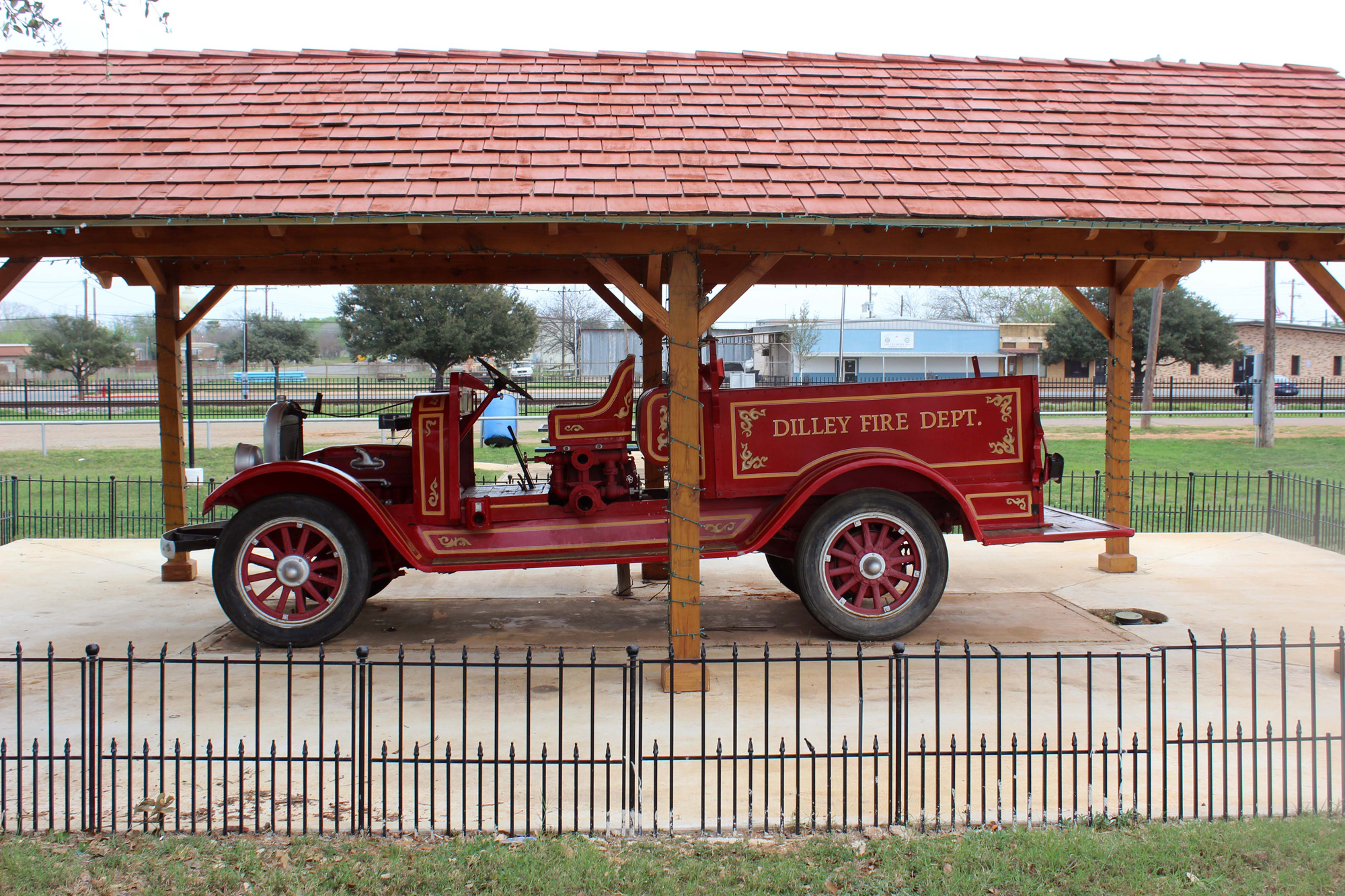
The town “square” has a fire truck
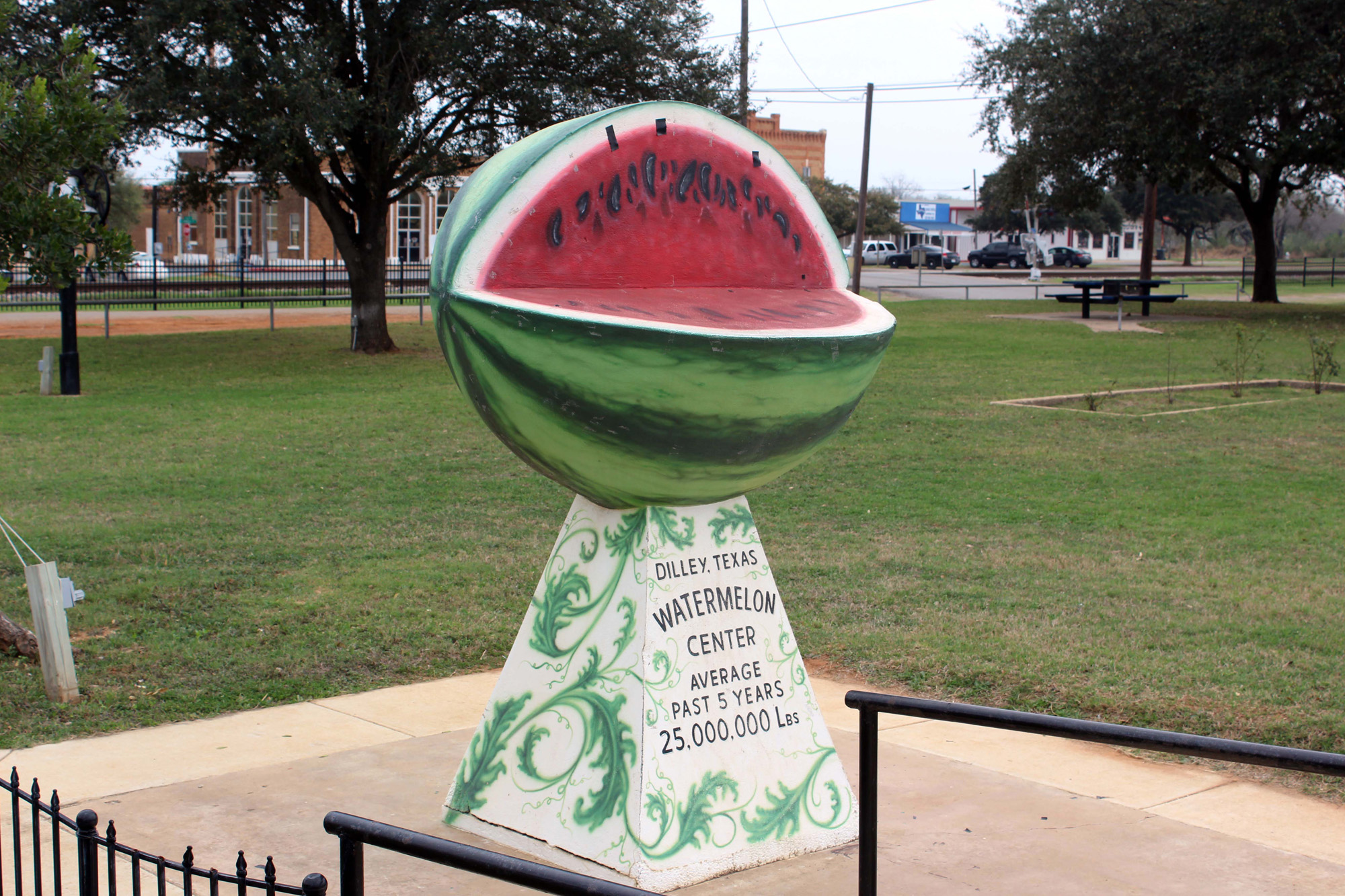
And a watermelon statue showing how much the local area produced
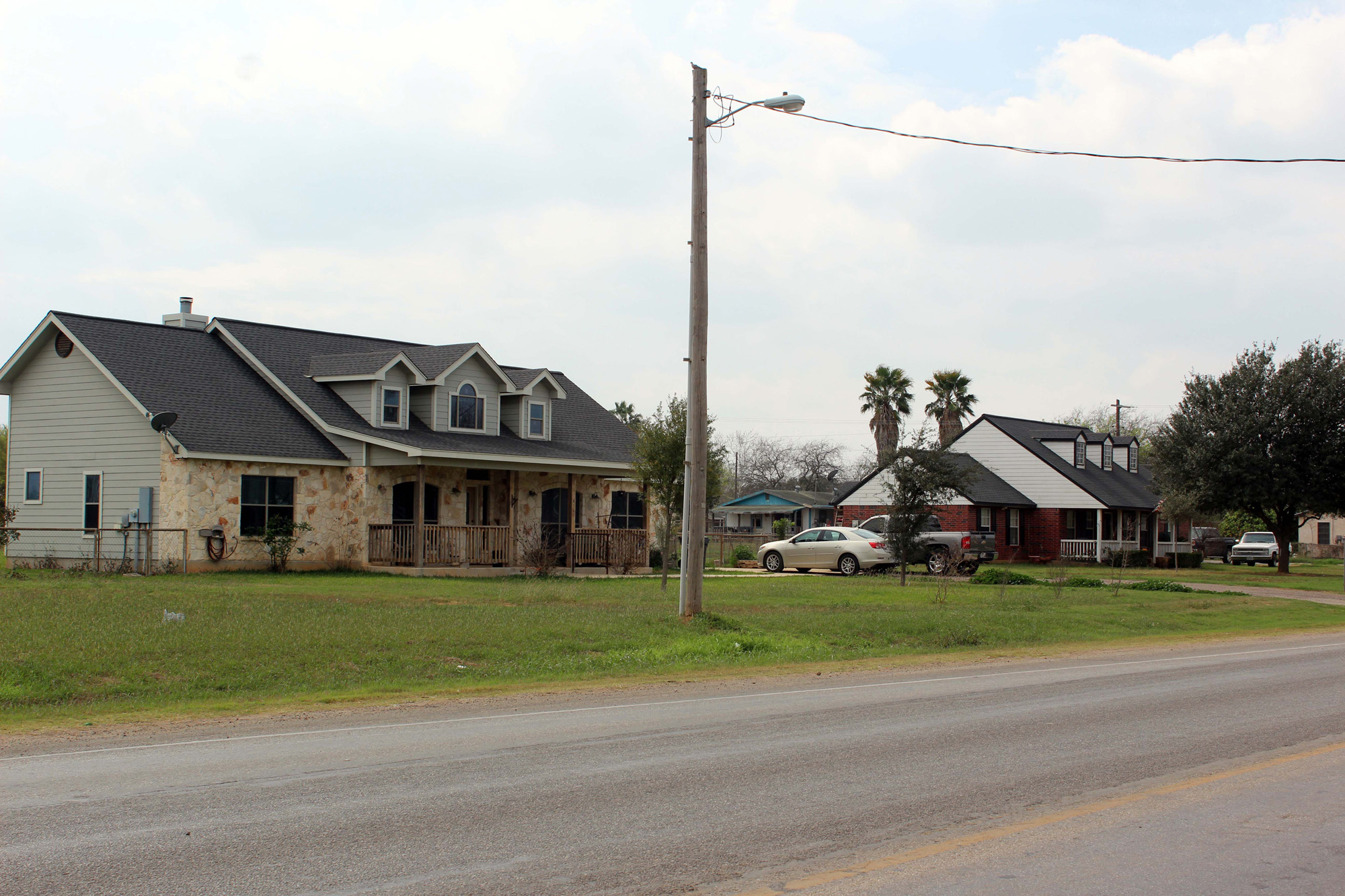
Just seeing the main streets though doesn’t really show you much about a town though, and going through the side streets shows you what is really going on. When we are pulling the trailer we rarely leave the main roads, but when we are staying in a place we have more time to explore. Dilley has a few nice houses.
Along with a couple apartment complexes and some house that are moderate but obviously well cared for.


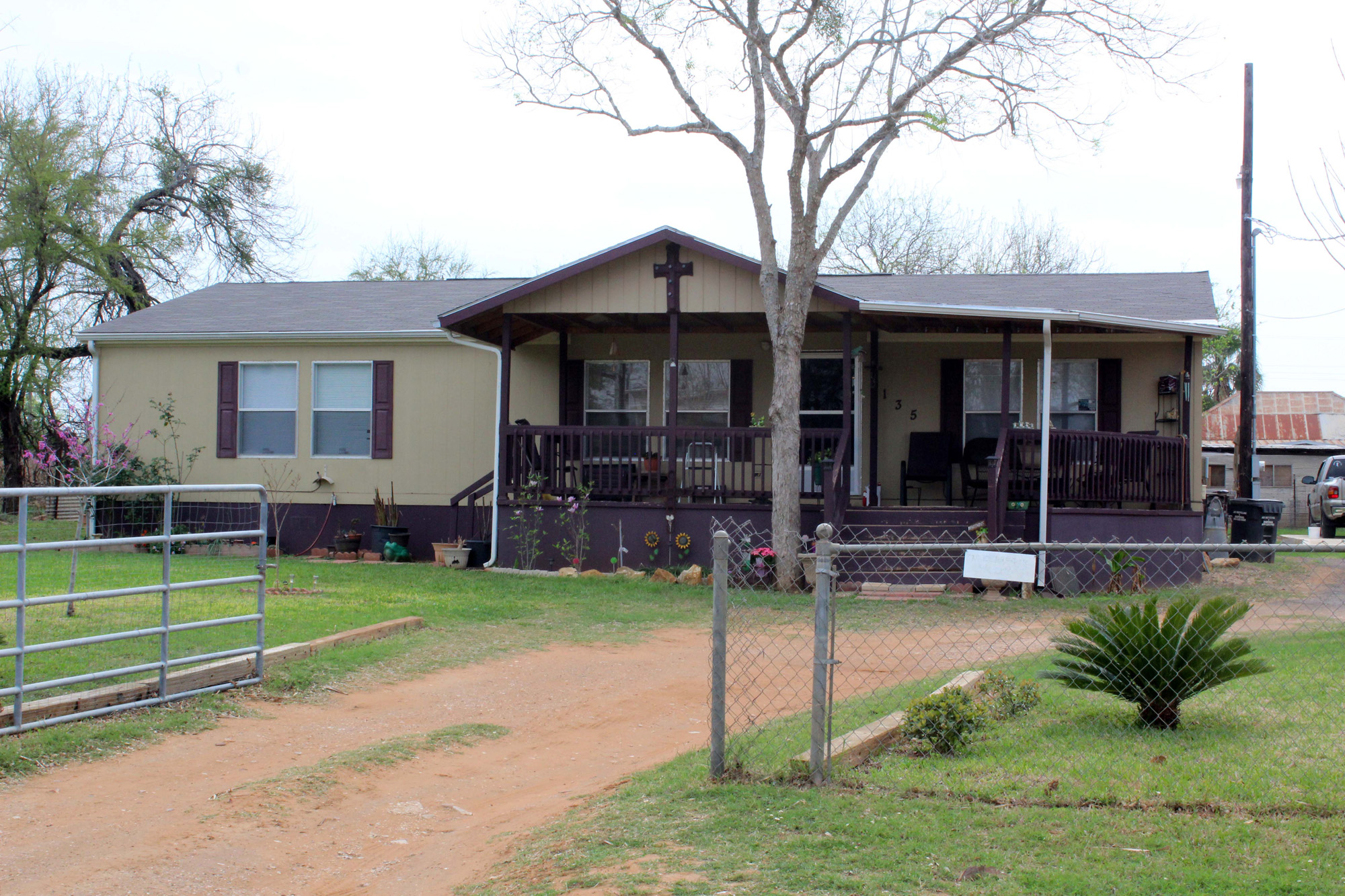
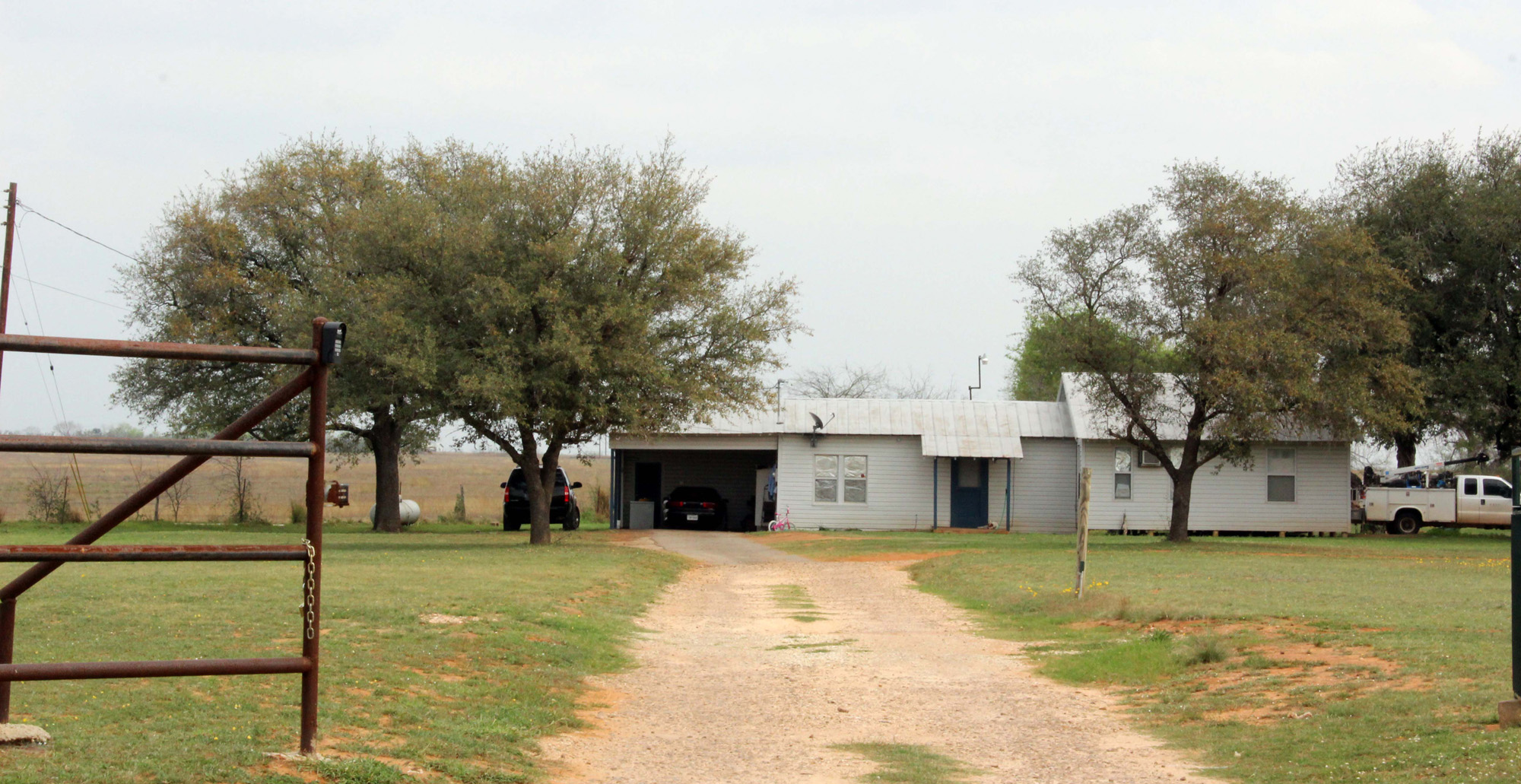
What’s different in Dilley from other places we have stayed (except perhaps Glennallen) is there is also so much of this.
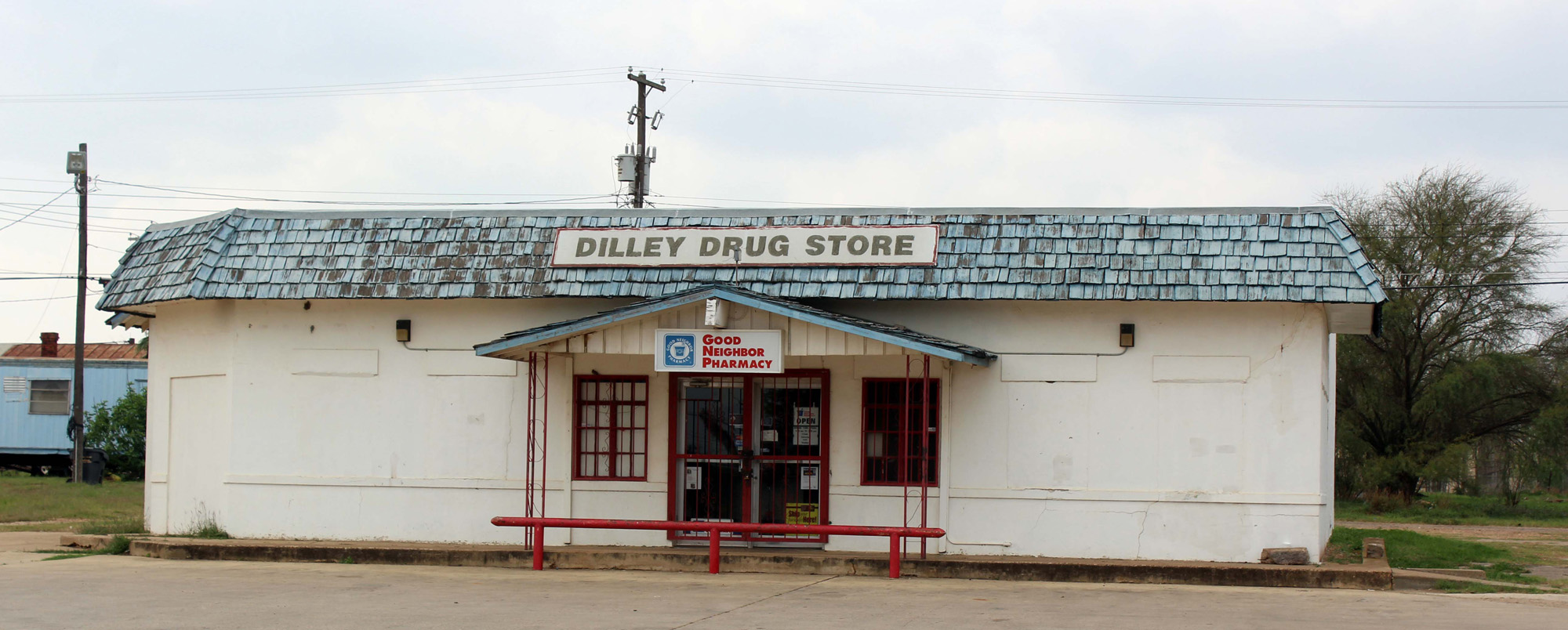
The only drug store in town which is going out of business this month. The next closest one is 25 minutes away.
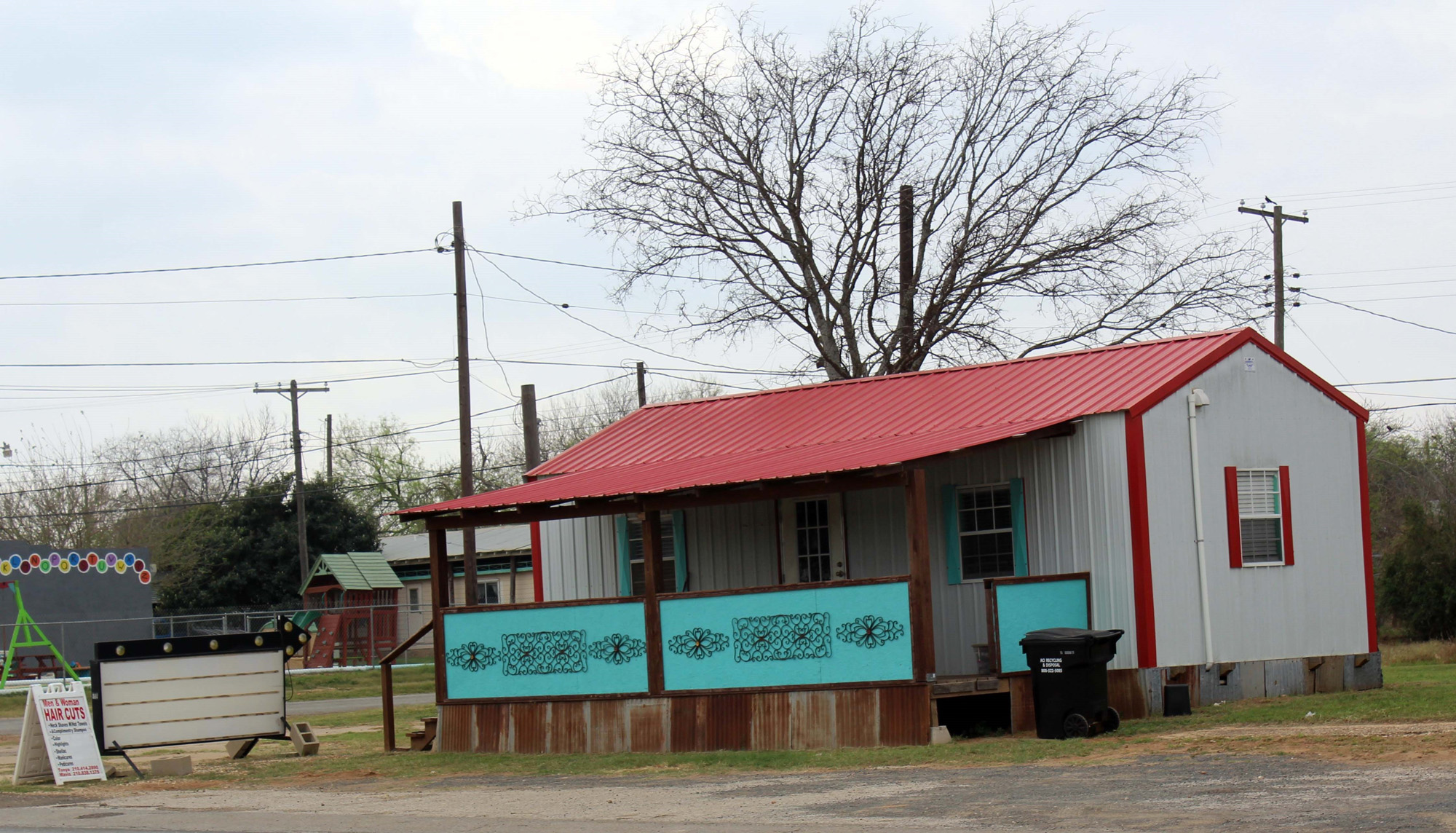
The local haircut place

The EMT “headquarters”
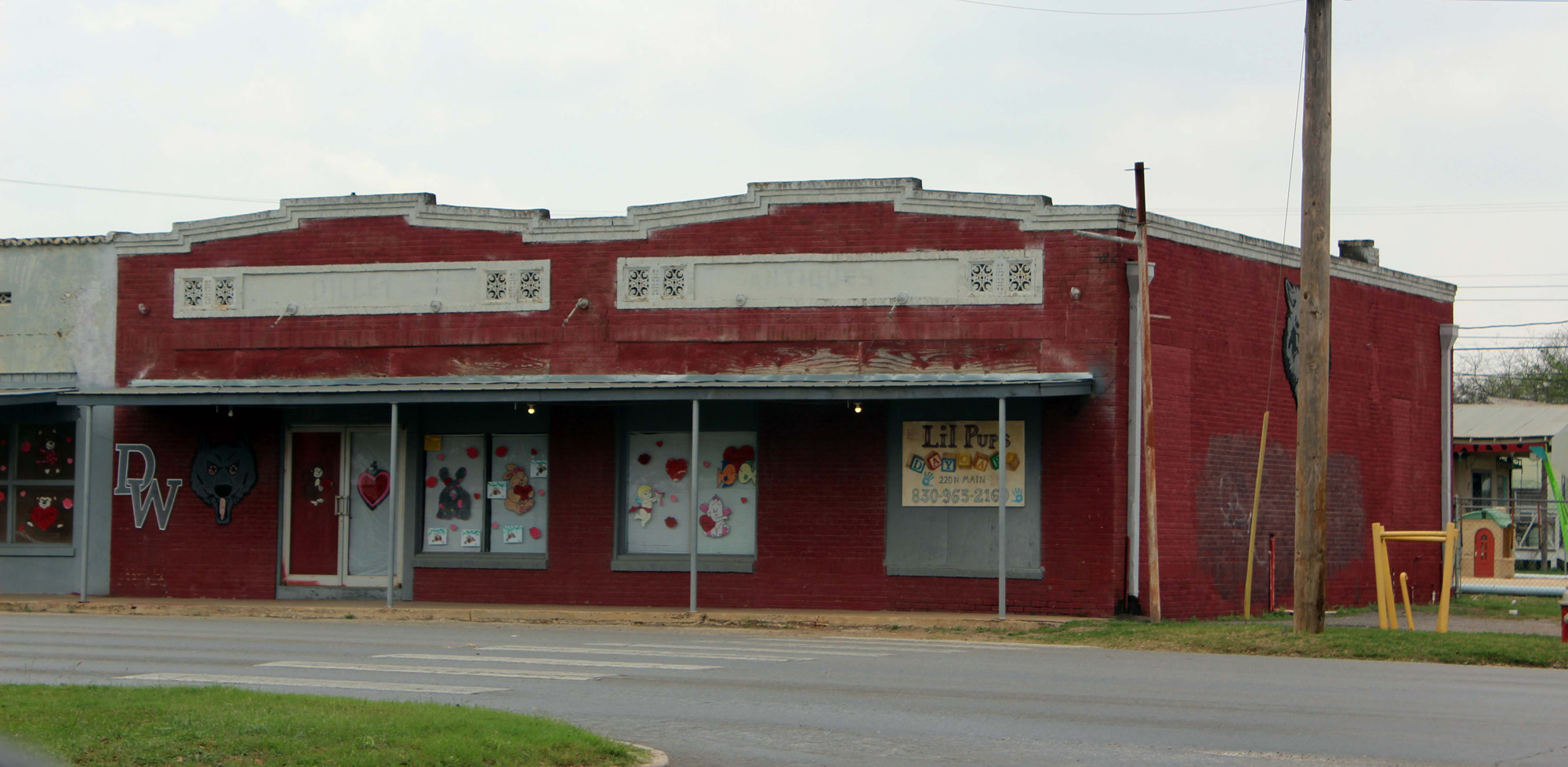
And the local daycare
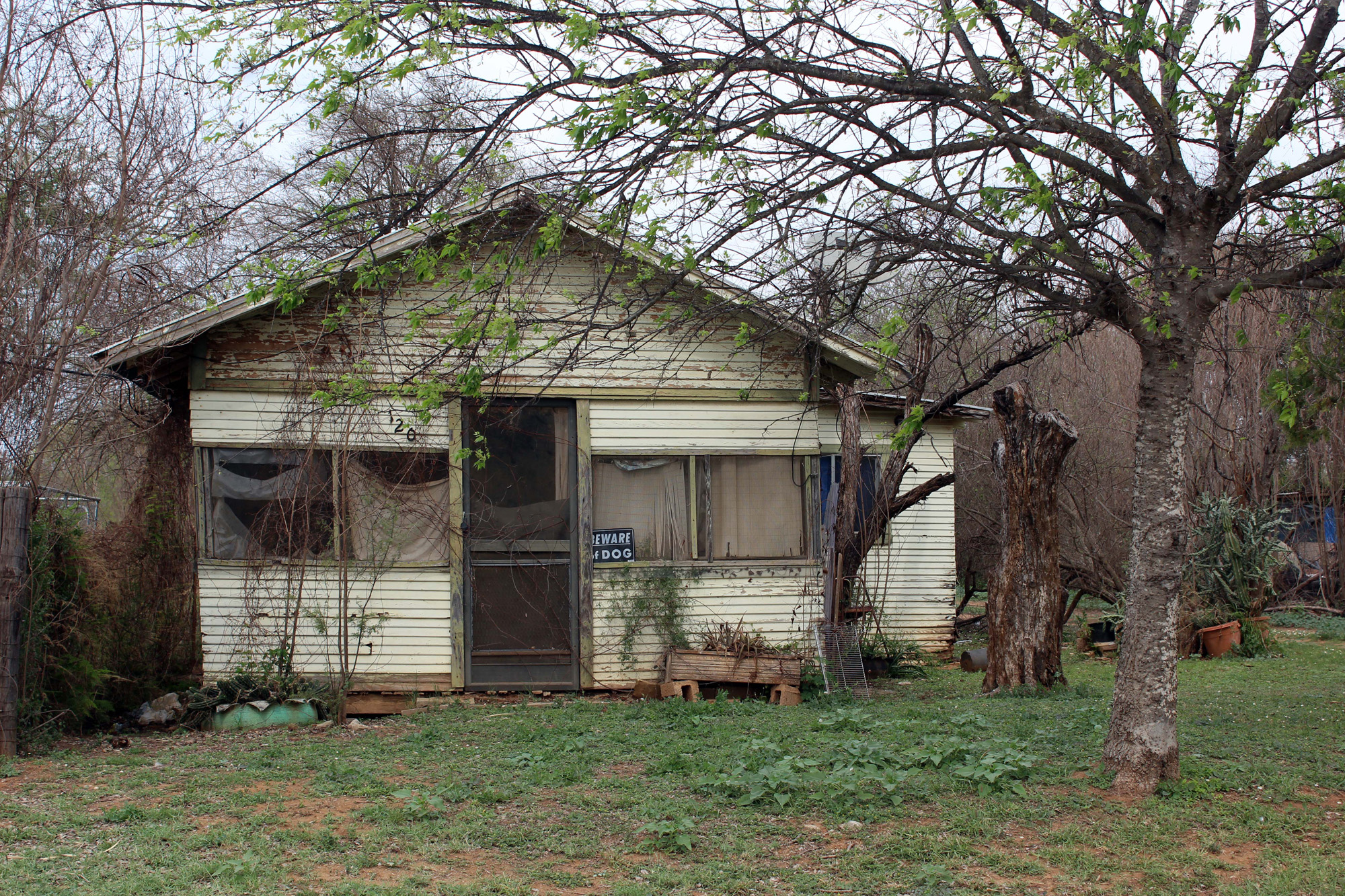
And so many of these types of houses.
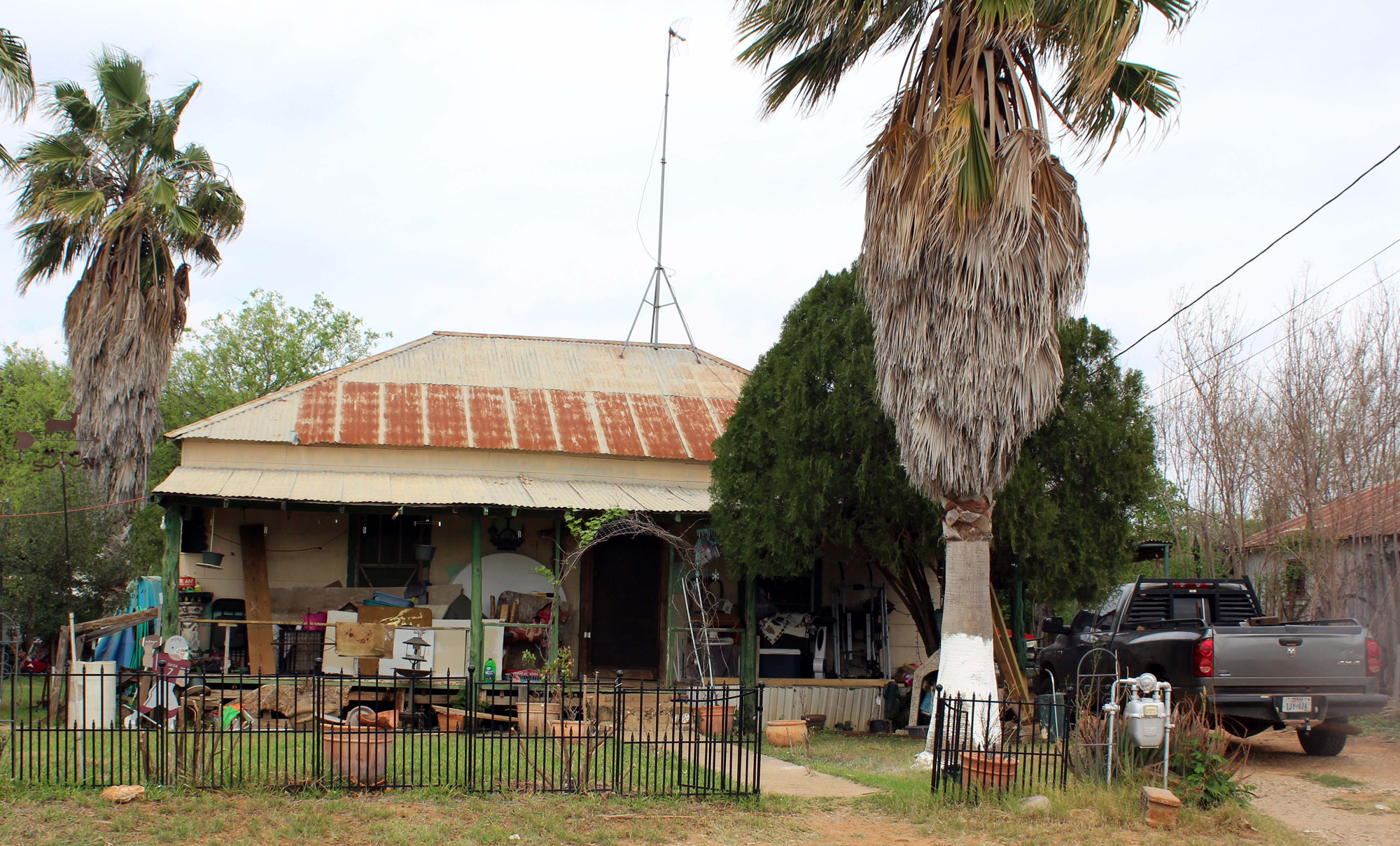

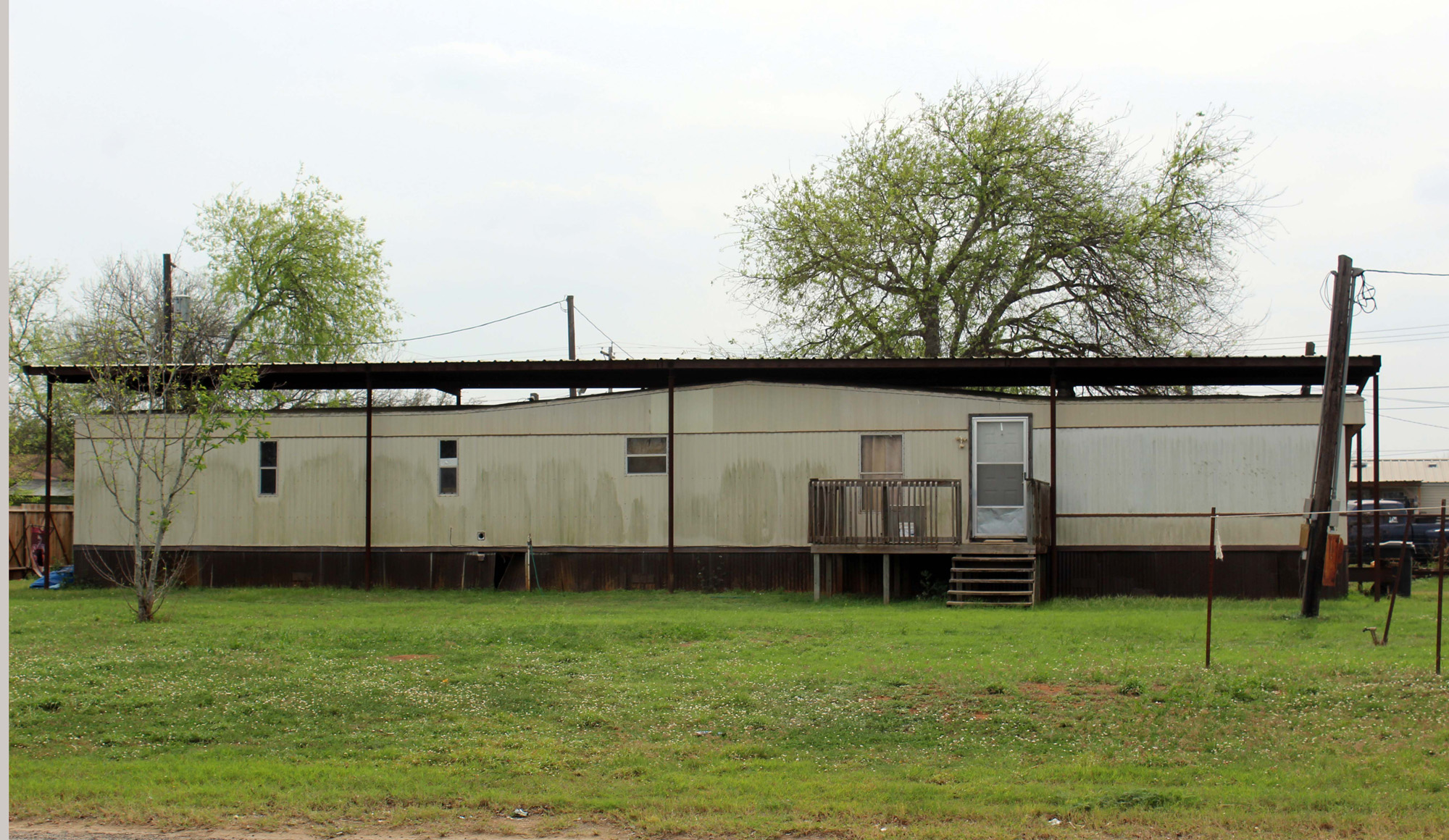
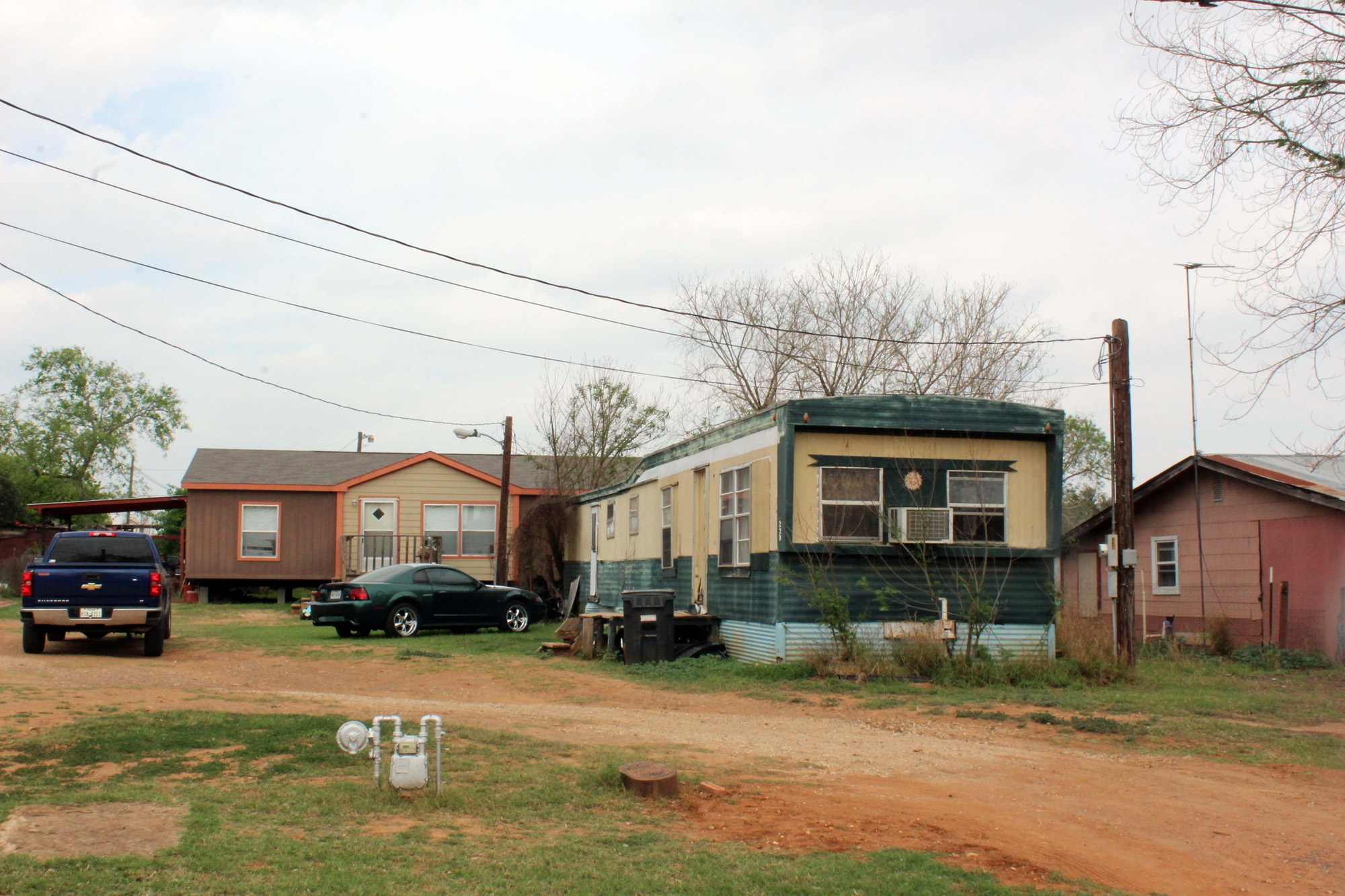
Multiple residents on the same lot is something we see pretty frequently
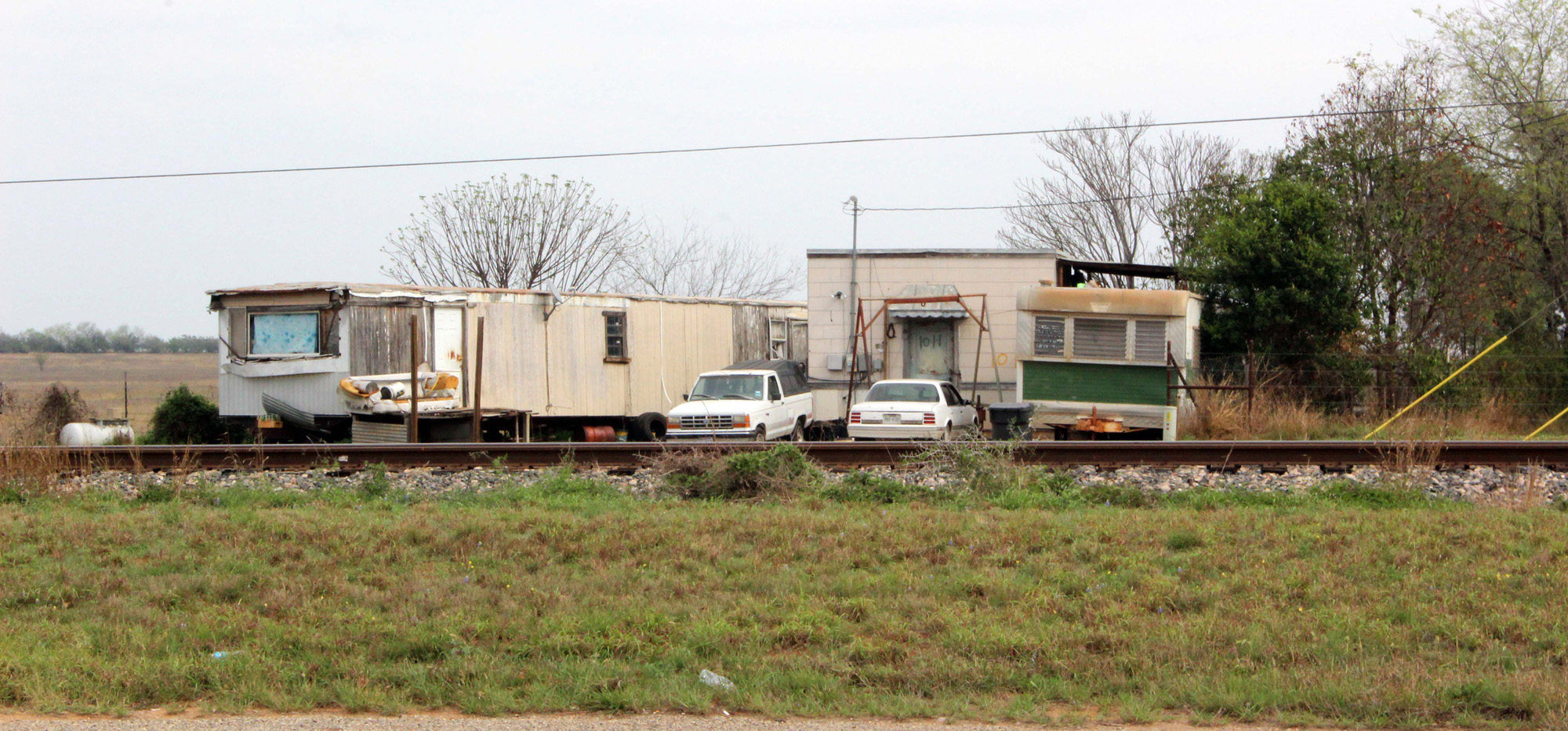
And please don’t get me wrong I in no way mean any disrespect, but it does make me think about how different a persons life would be who grew up in one of these small rural towns versus someone who grew up in a suburb or a major city. There is obviously a major division in this country right now and there are lots and lots of people who live like this all over this country. I really didn’t understand that before we went on the road, but we have seen so many rural towns especially in the south and out west and I feel like I somewhat get it now. And please understand I am not a social scientist. I am just a person who has thoughts about these sorts of things and I thought it was past time I wrote about it. So with the hope of in no way offending anyone, here I go.
Seeing places like this makes me think about how environment changes people. There has been quite a bit of research on the affects that growing up in inner city projects had on our young people, but what about growing up in one of these small towns. I wonder how achievable does the American Dream feel to folks who are raised this way. What is it like to be faced with such a stark contrast between the have and have nots on a daily basis? Does this type of environment lead to extremes of either extreme self-reliance or extreme dependency? What does it do to a town over time when it’s best and brightest usually have to move away to find opportunity? And I often wonder for the Millennials at least if the internet is an equalizer.
Sure these folks can get in their cars and drive to San Antonio which is a couple of hours away, but how often do they really do that. When I was a kid we went in Columbus somewhat frequently for shopping or events. If you live in a big city you have access to public transportation and museums and libraries. Not that inner city kids would necessarily go. There are invisible barriers that are just as strong as physical ones, but out here these kids rely 100% on grownups to get them to other places. And I can tell you from experience living out here on a budget you think long and hard before you spend the gas money to make those trips.
So lets assume that kids rarely get to go into the cities. That means day after day they are filled with these images. Lots of people say “I grew up poor but didn’t know it”, but I grew up poor and knew it. I literally lived on the wrong side of the railroad tracks between the ages of 1 and 5. Even when we moved to the right side of the tracks we were still in the poorer sections of our small tow. The difference was I went to school with kids and had family who lived in a more middle class environment. The houses were small, but they were usually neat as a pin and the inside and outsides were treated with care. I got to see the other side and as my parents pursued the American Dream we progressively moved into nicer apartment housing. I was 13 when we bought our first home and still remember what a big deal that was and since it was in a nice middle class neighborhood I never lived in a home like one of these. I knew houses like this existed of course, but they were tucked away on side streets and few and far between.
In these rural towns many of these homes are front a center. There is no “bad section” of town, but rather a few pockets of houses that are more well cared for. I don’t remember anyone having fences when I was growing up, but here almost every house seems to have a fence, and the Beware of Dog and No Trespassing signs send a clear message to keep away. I don’t know specifically what kind of impact all of that has on a person, but I do believe it has some impact, it certainly does on us. The picture in our mind of this country was lots of beautiful national parks interspersed with quaint little towns. Certainly we have seen some of that, but much, much more of places like Dilley Texas. There is more trash than we though there would be, more poverty. and as I said before more division between the haves and the have nots. And the “Dilley, Texas experience” is so far away from places like New York City, Chicago, or Boston that it might as well be on another planet.
Or maybe not. When you look a little closer people still love their kids, they definitely love sports, and there was plenty of evidence that people’s cars matter to them. These folks have to eat, sleep, pay taxes, go to the grocery store, and get hair cut. The surroundings are just different. Does it really matter if you go to a small Baptist church versus a huge mega church, at its core maybe not. Do the same general desires drive people to hang out with friends at the local bar versus going to some fancy night club, I think so. Are our similarities greater than our differences, I hope so. Two years ago my answer to that would have be an unequivocal yes. After seeing what we have seen I am not so sure of that anymore. I will say though that one thing that we see everywhere we go that gives me hope is the American Flag. It may mean slightly different things to different people, but it stands for something we can all believe in.

 Camper Chronicles