
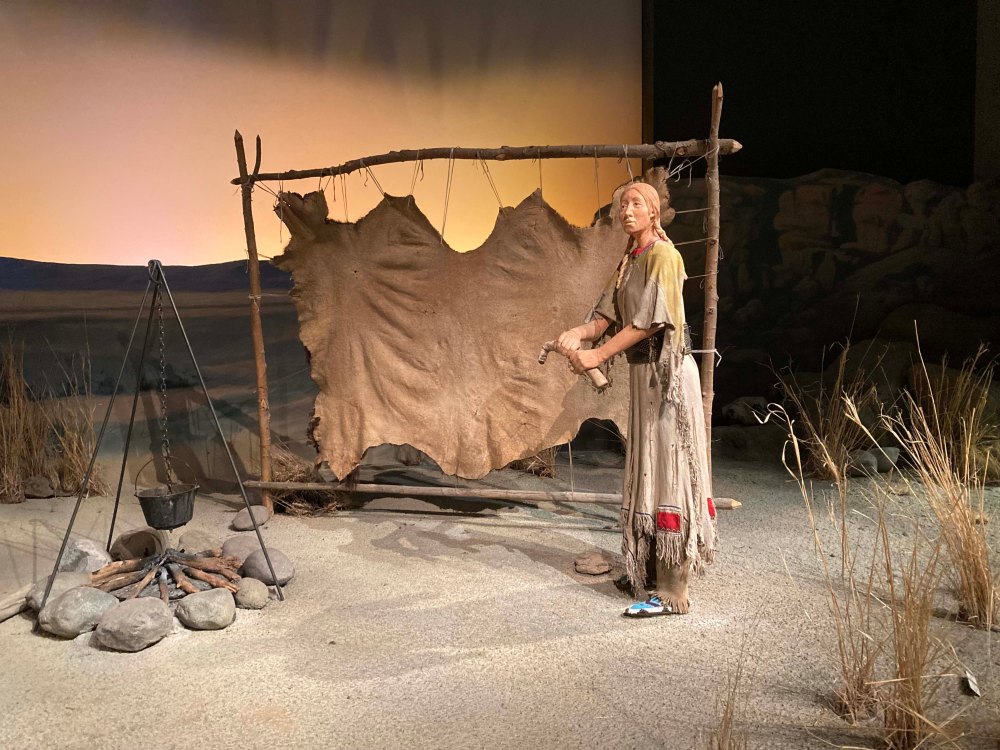
The final museum we saw in the Buffalo Bill Wild West Center was the Plains Indian Museum. According to the literature, the board for this museum included two Native Americans and their input impacted the exhibits. One interesting thing in particular is all the models of people are done in a natural clay color. This was intentional because the different tribes have very different coloring and the clay colors were thought to be neutral and represent all peoples.


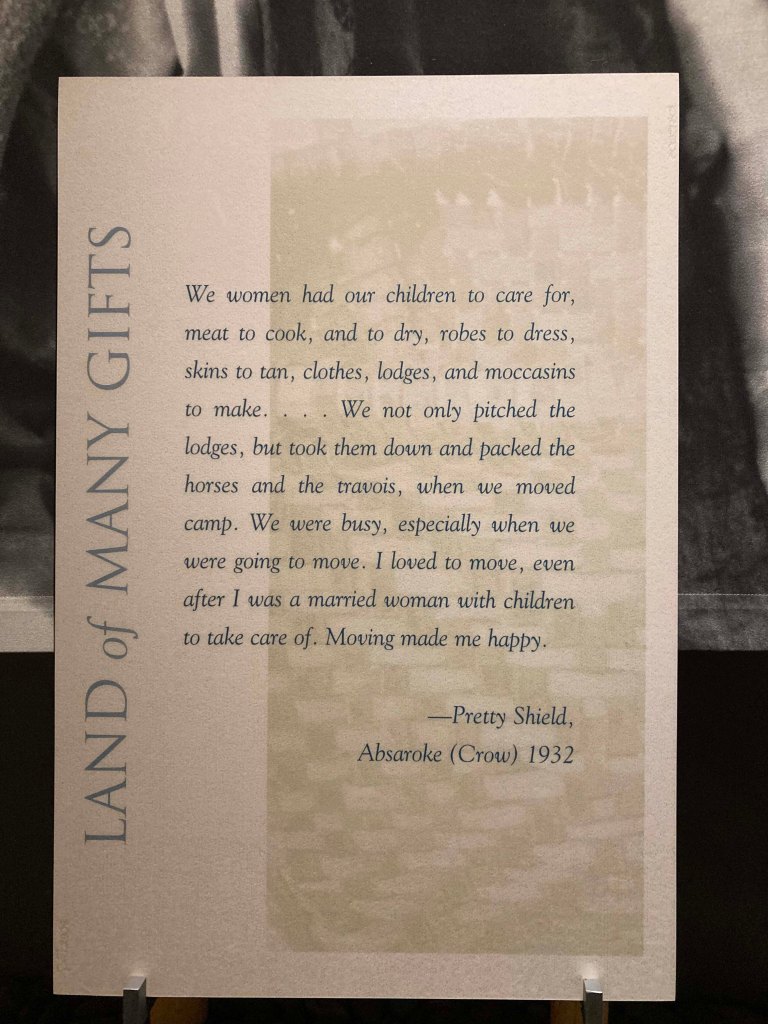
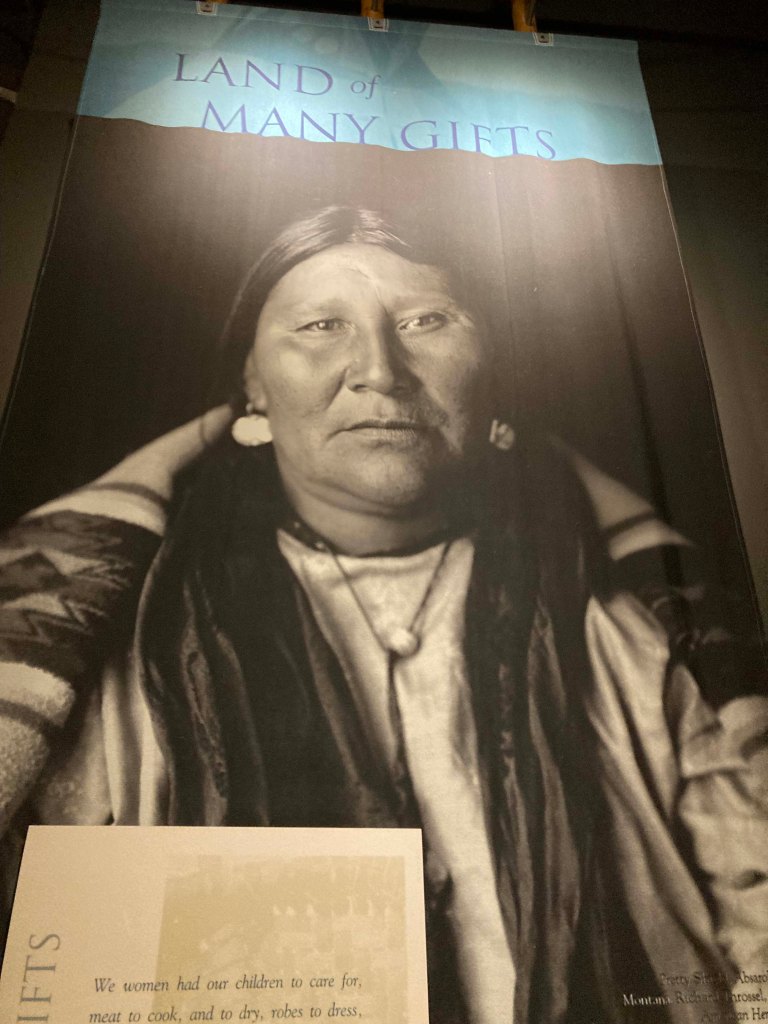


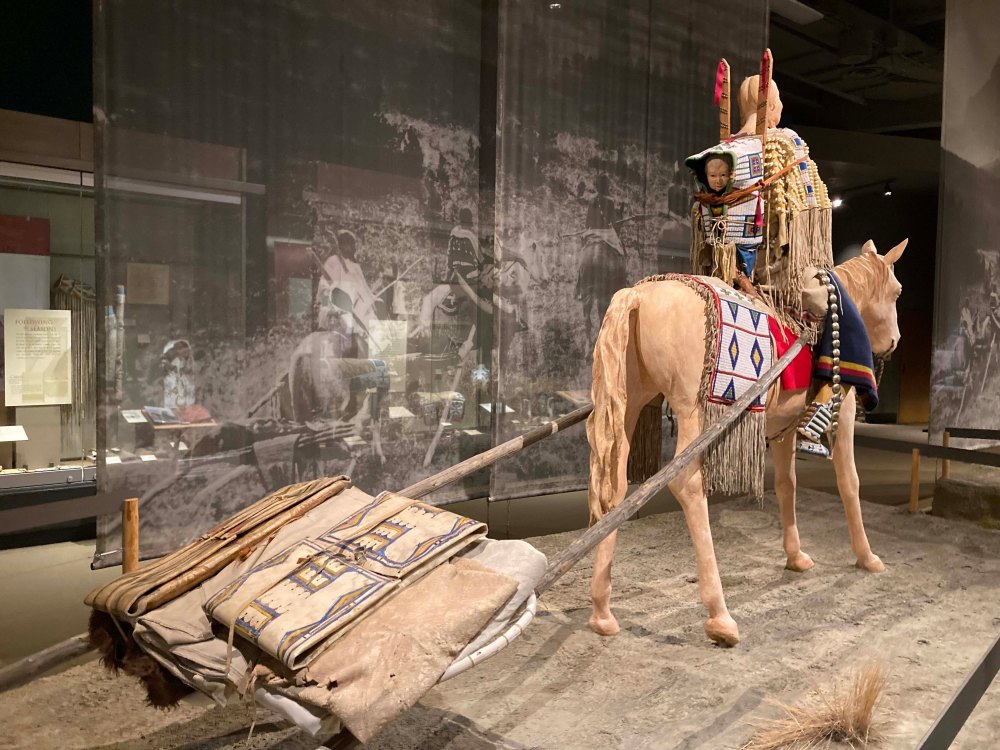
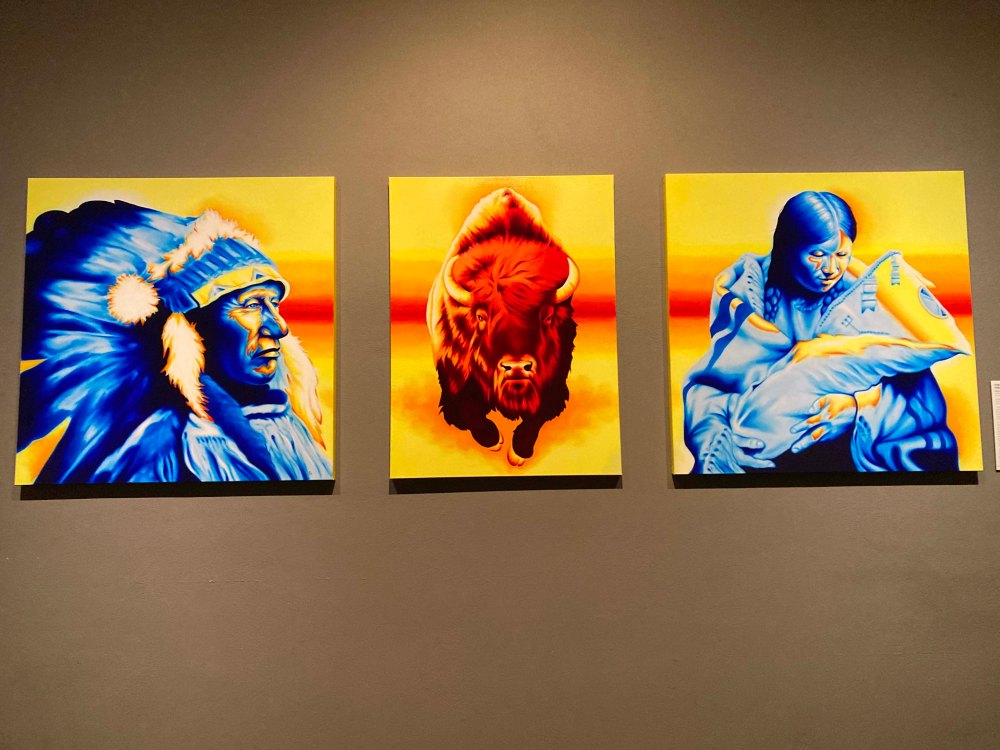
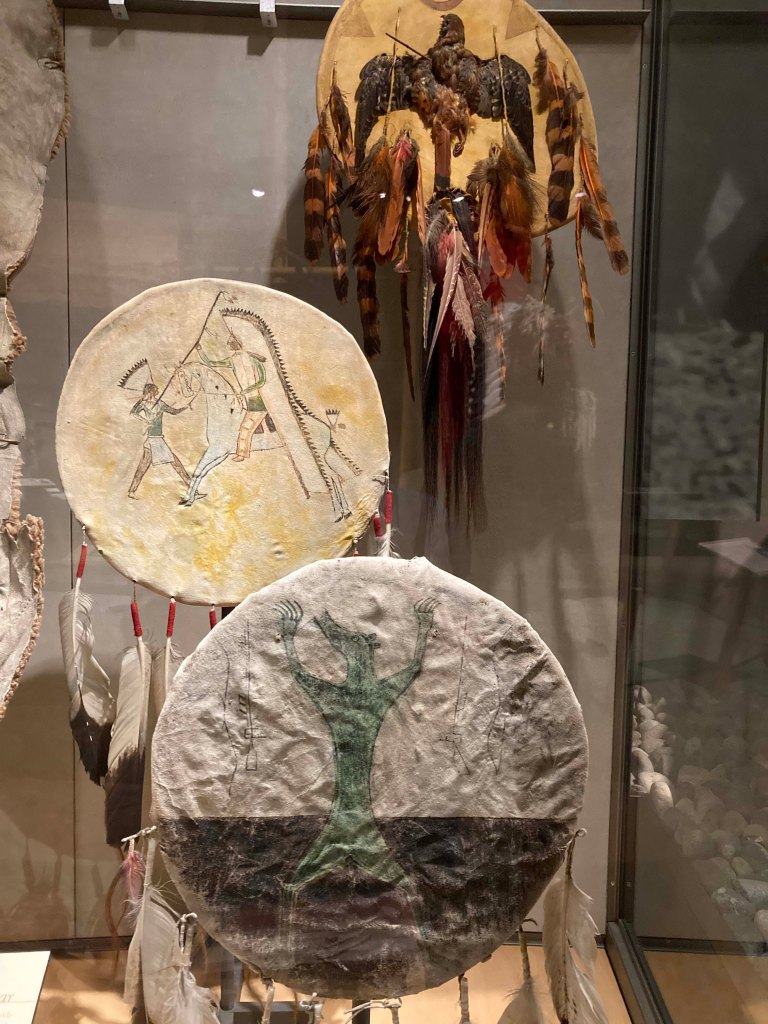
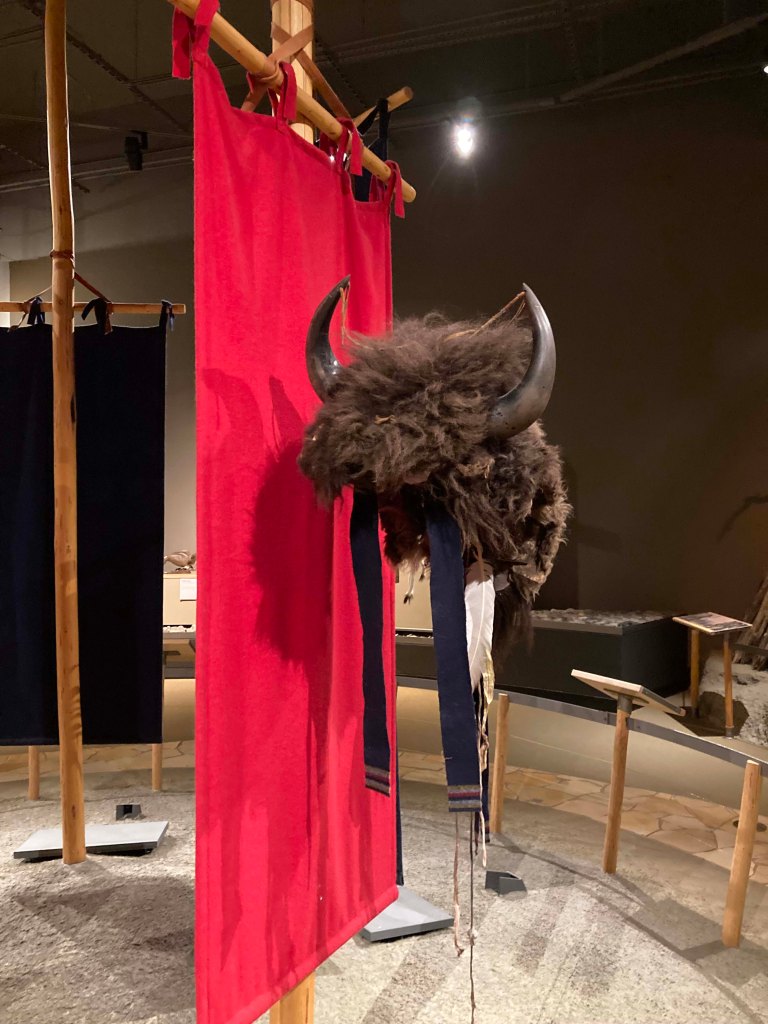


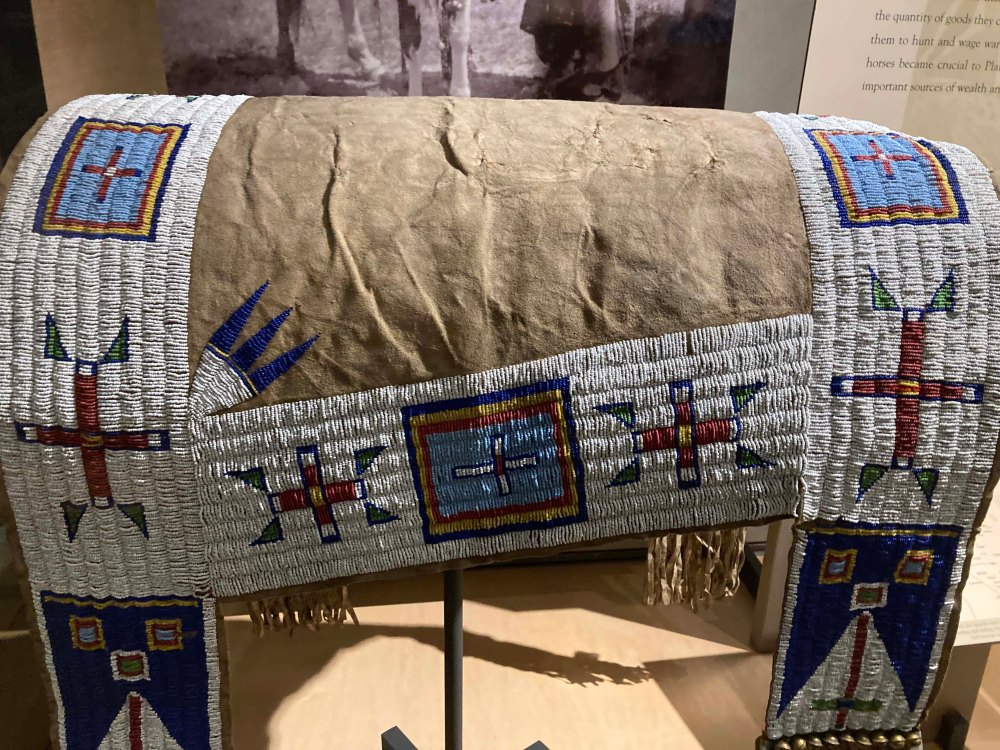
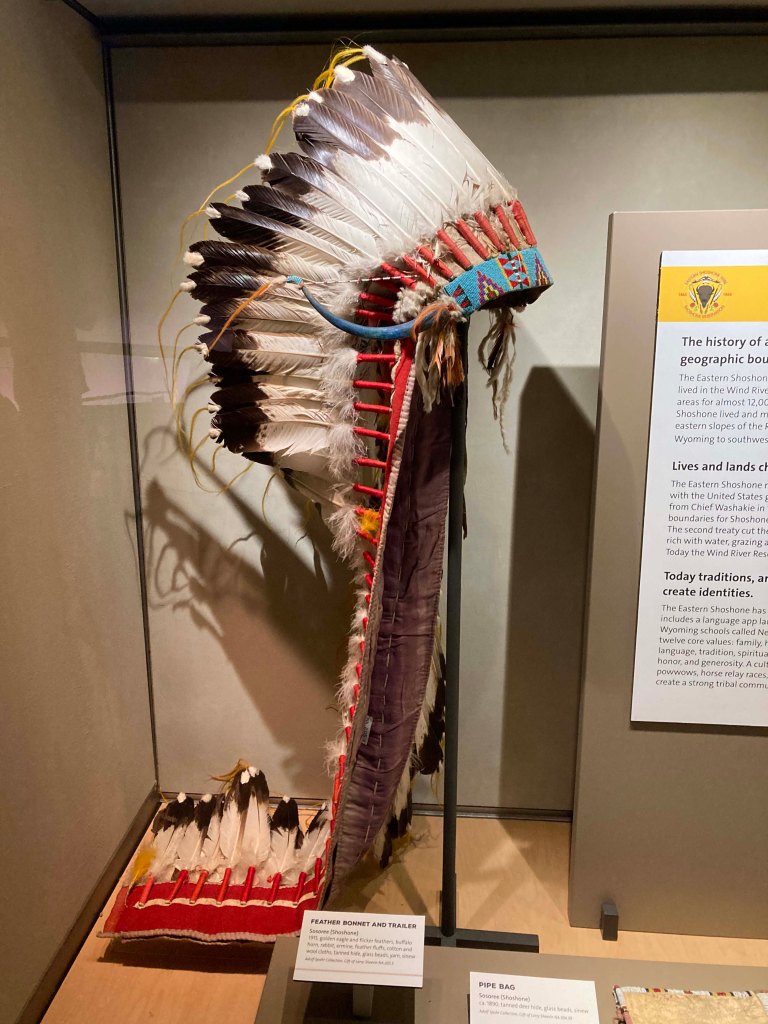


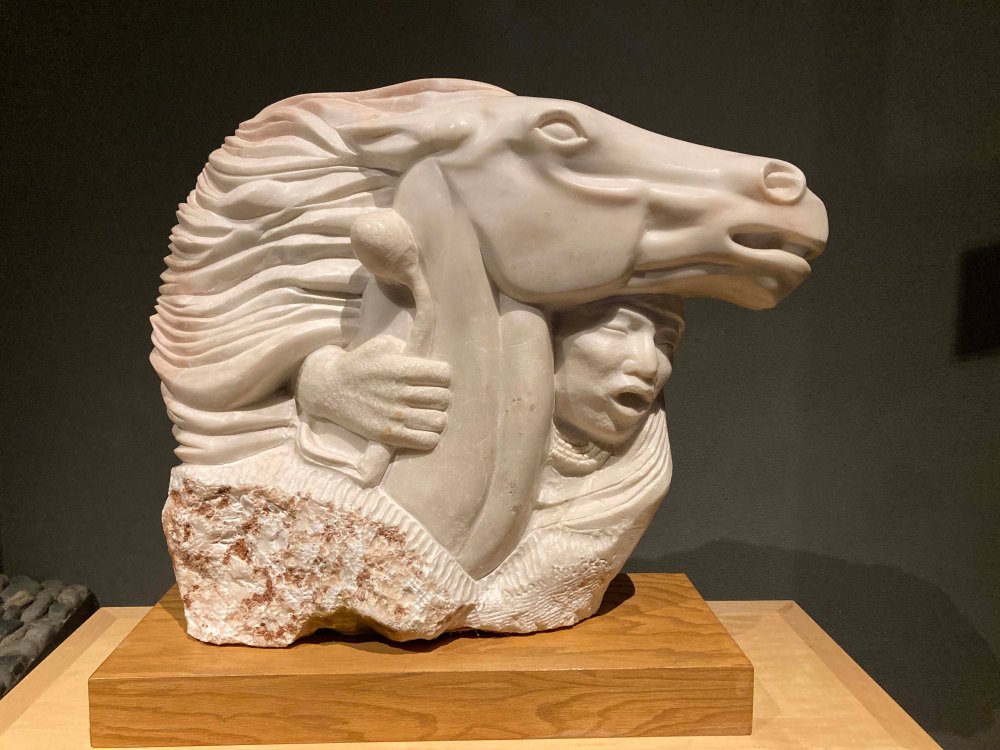

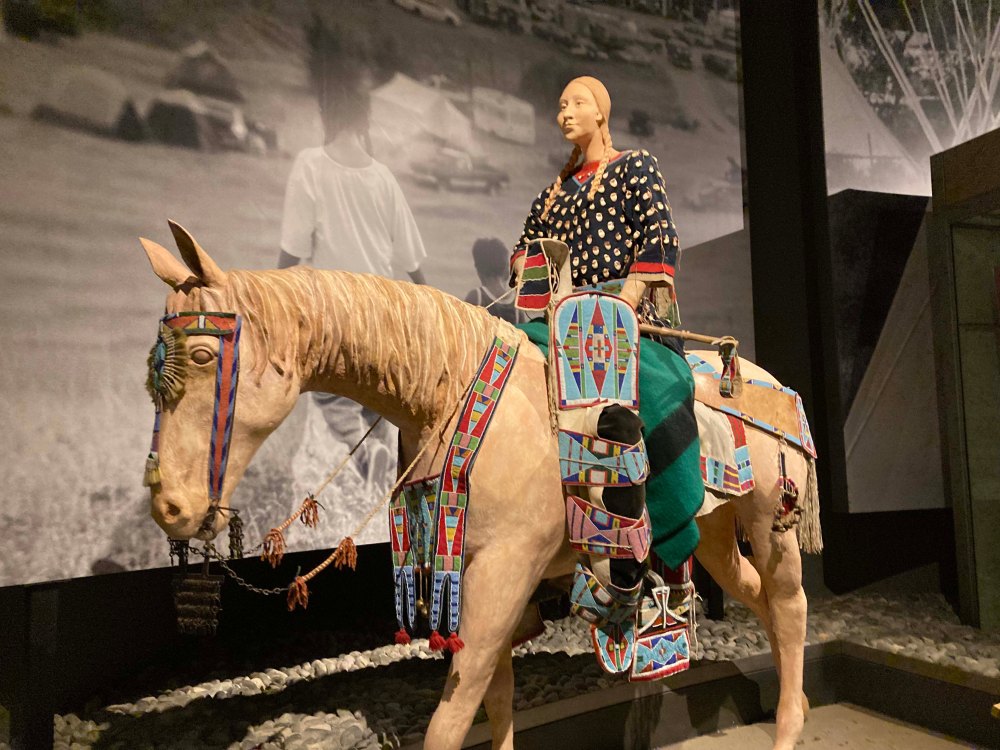
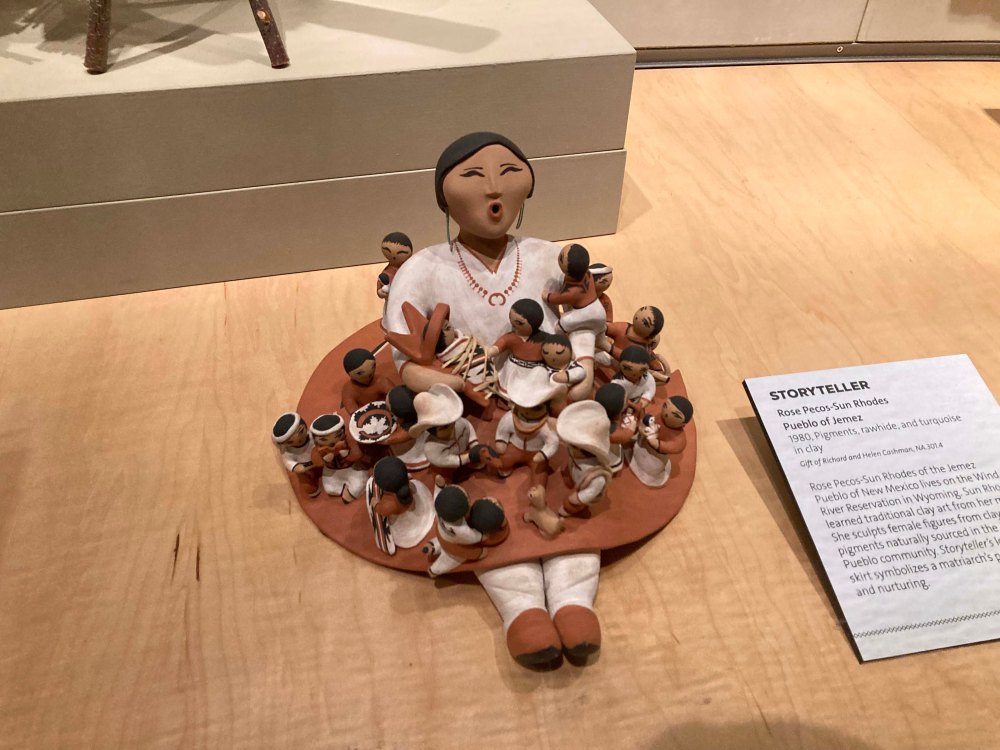
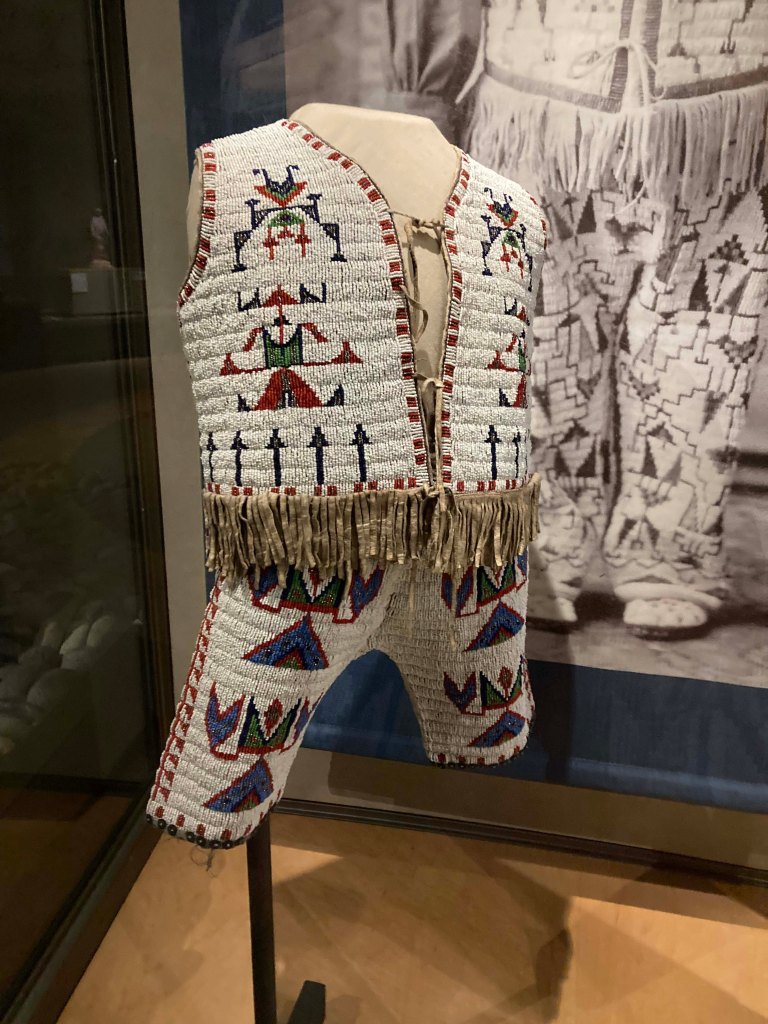
Because these were largely nomadic people their art was portable as well. The needlework is incredible and there were societies of women who were the best artists. The pictorial language was also very interesting to keep records for the moving tribes and they had a great exhibit with one of these portable records.

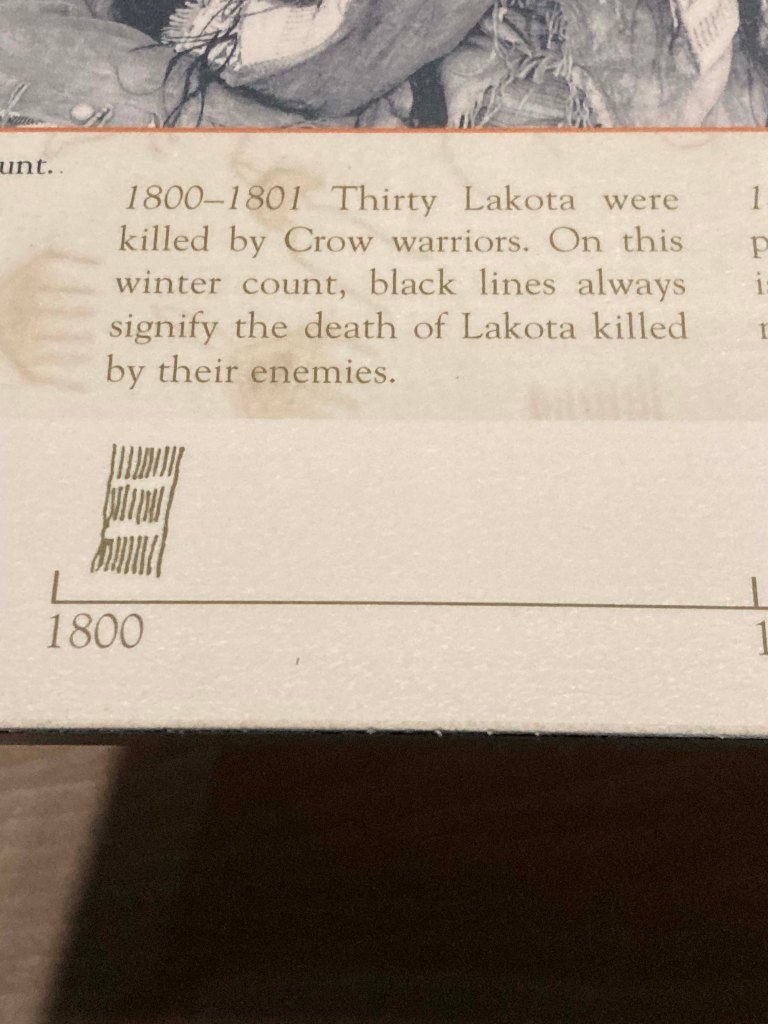
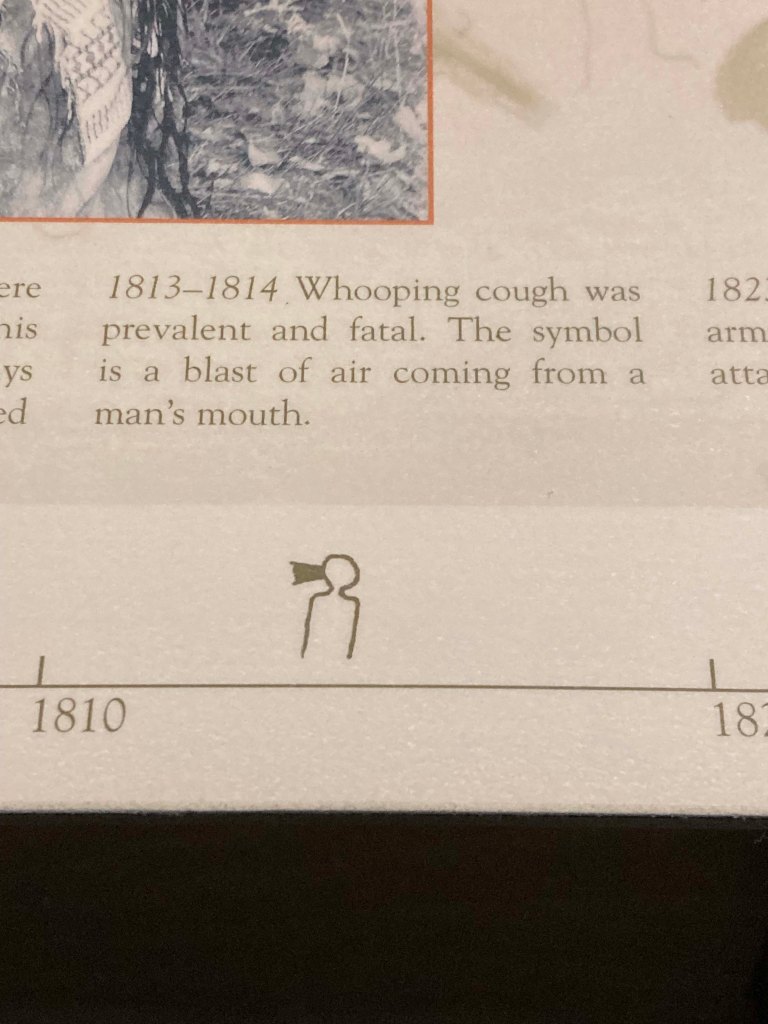


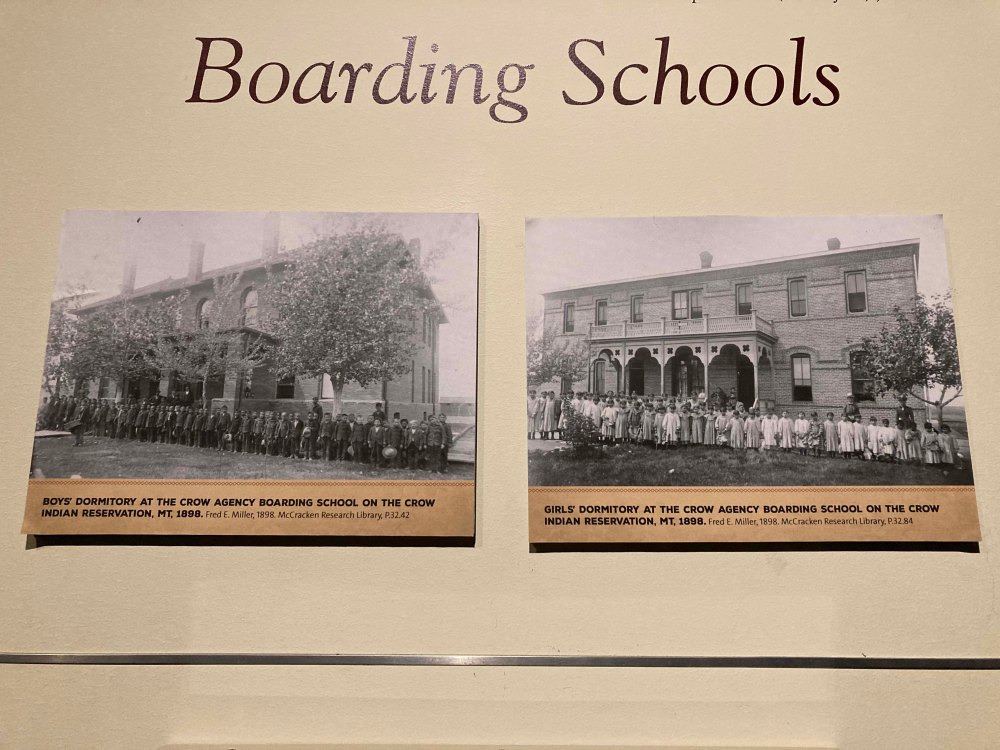
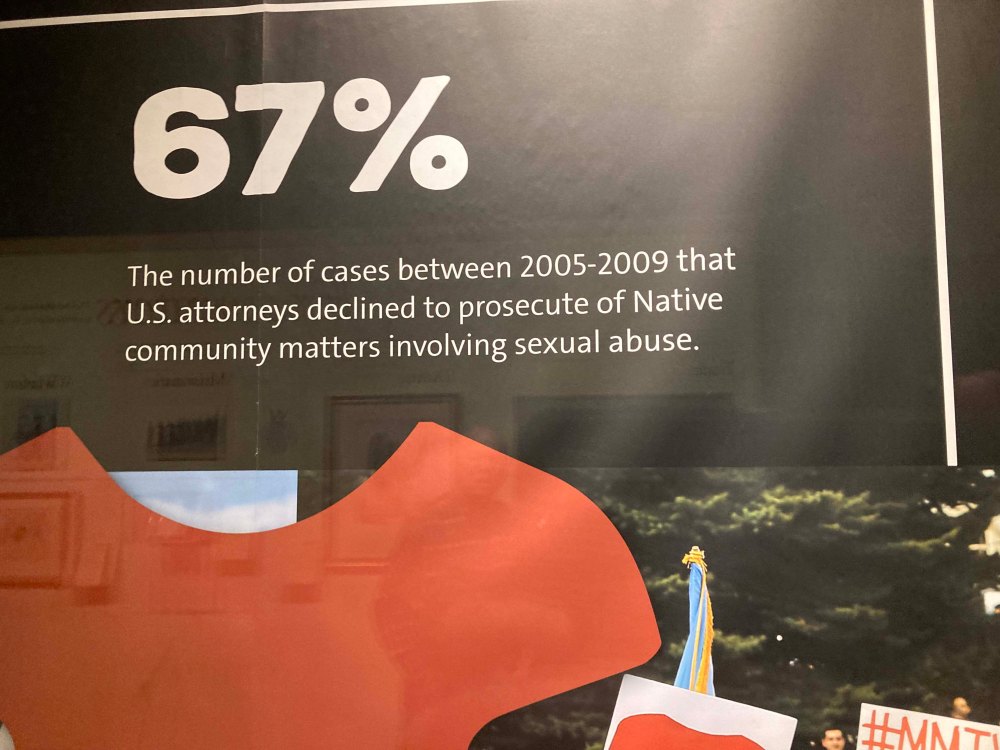
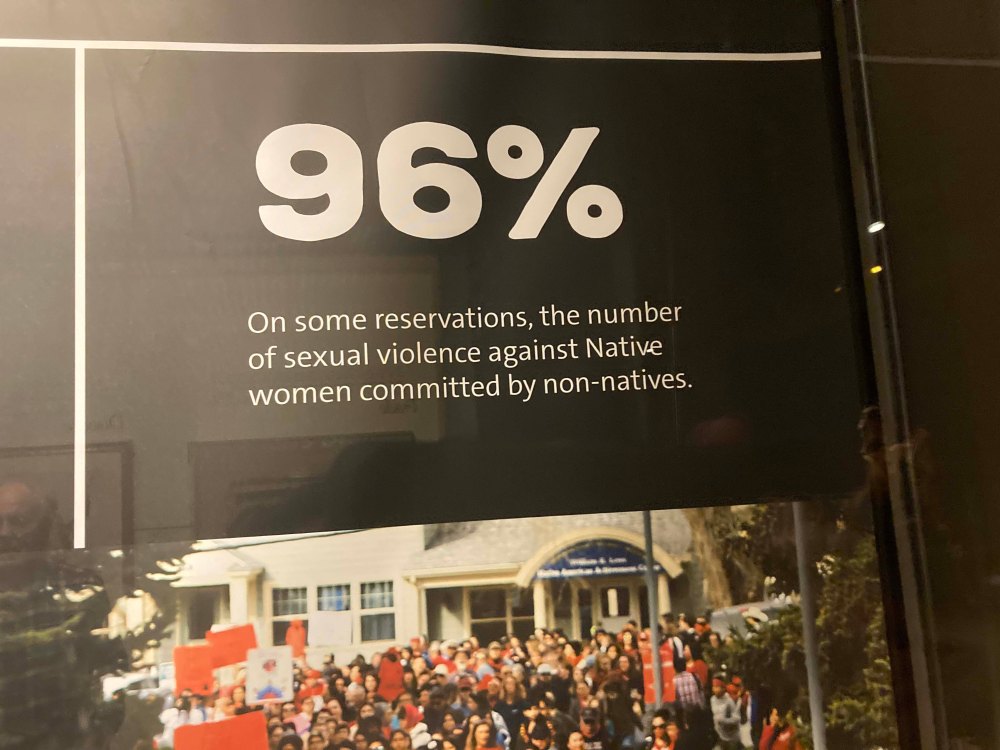
As interesting as the art was, the history was pretty depressing. They didn’t pull many punches on talking about how much white people took from them (Lee felt they didn’t go nearly far enough on this topic) and I left feeling pretty depressed and heavy hearted.


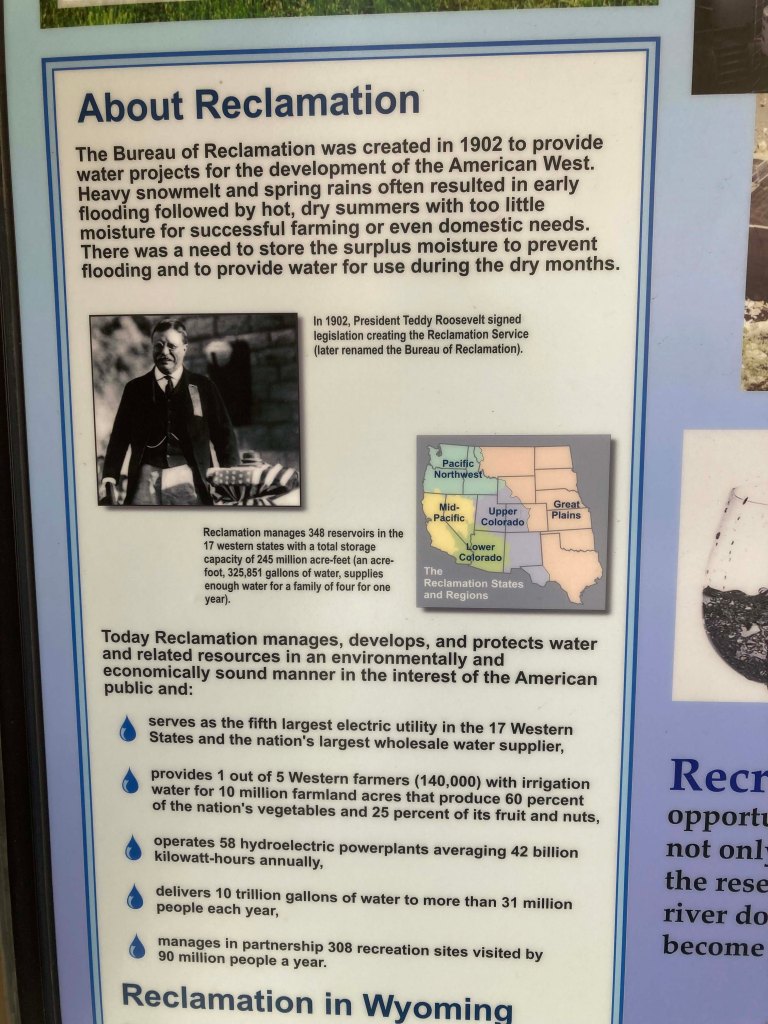
After we finished the last of the museum we still had several hours (couldn’t pick Jack up until 4pm) so we made a quick trip down to the Buffalo Bill Dam. In 1910 when it was built it was the highest dam in the world and for its time an engineering marvel. It’s also a very pretty site and the small visitor center is free so definitely worth a stop. Buffalo Bill pushed for the dam for additional irrigation for this portion of the west and President Teddy Roosevelt started the ball rolling with the Reclamation Act in 1902.
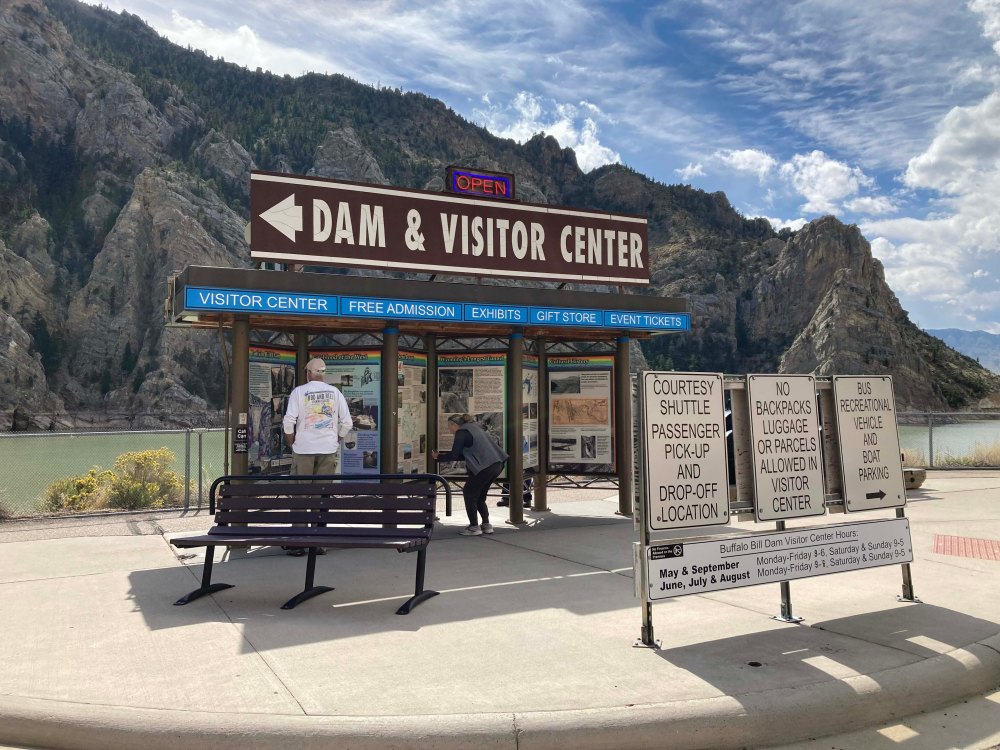
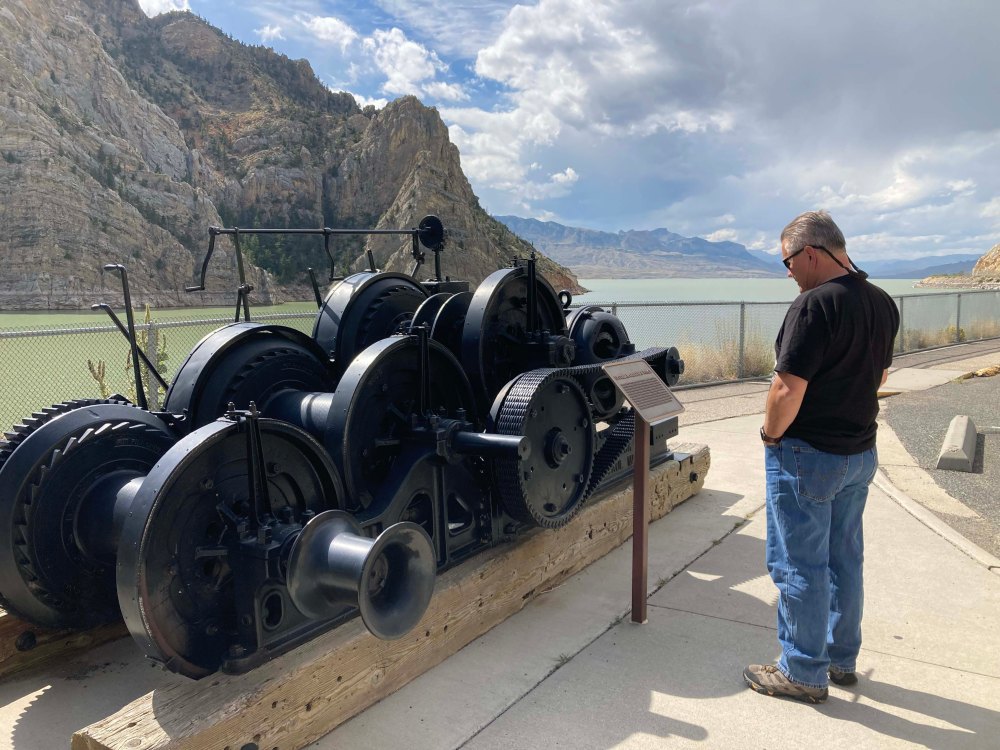
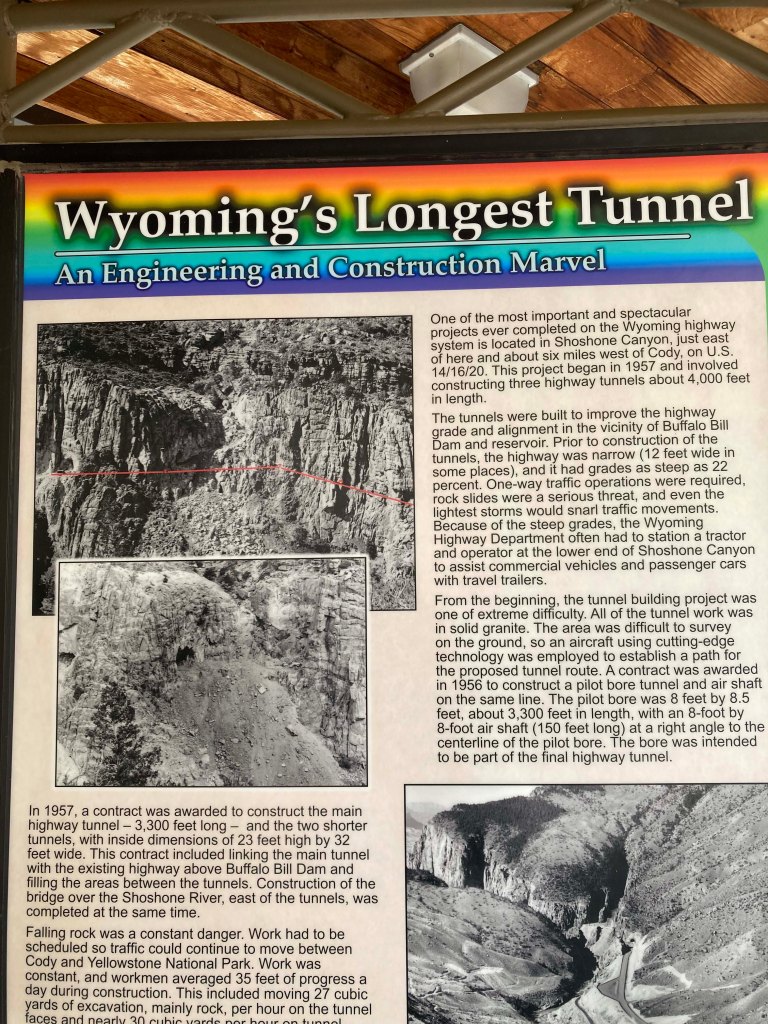



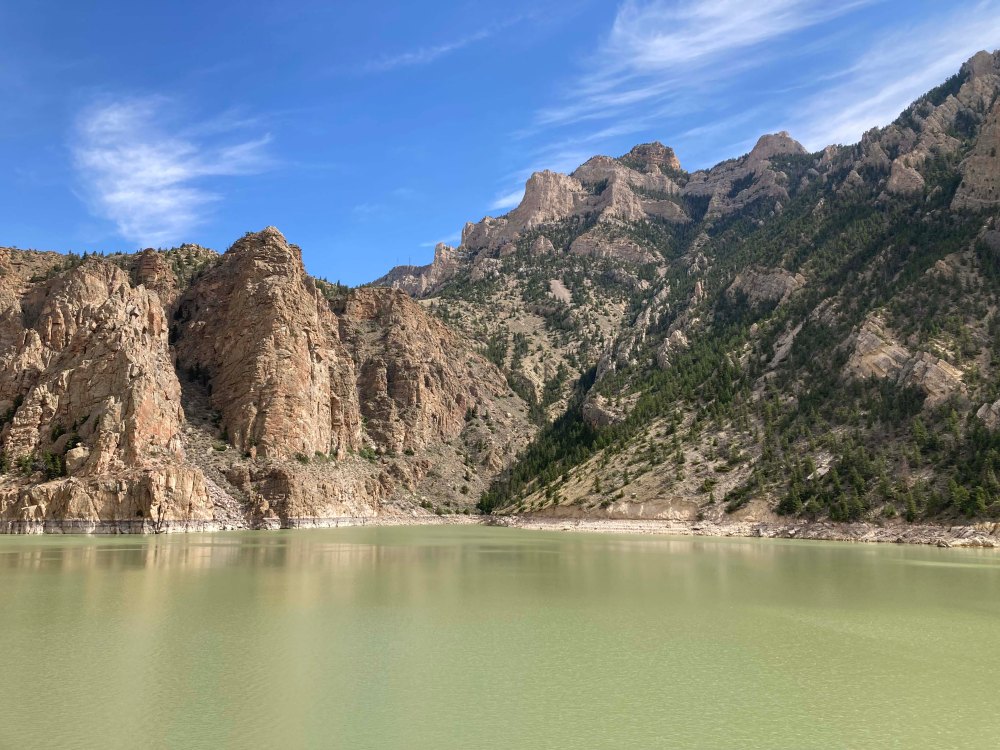
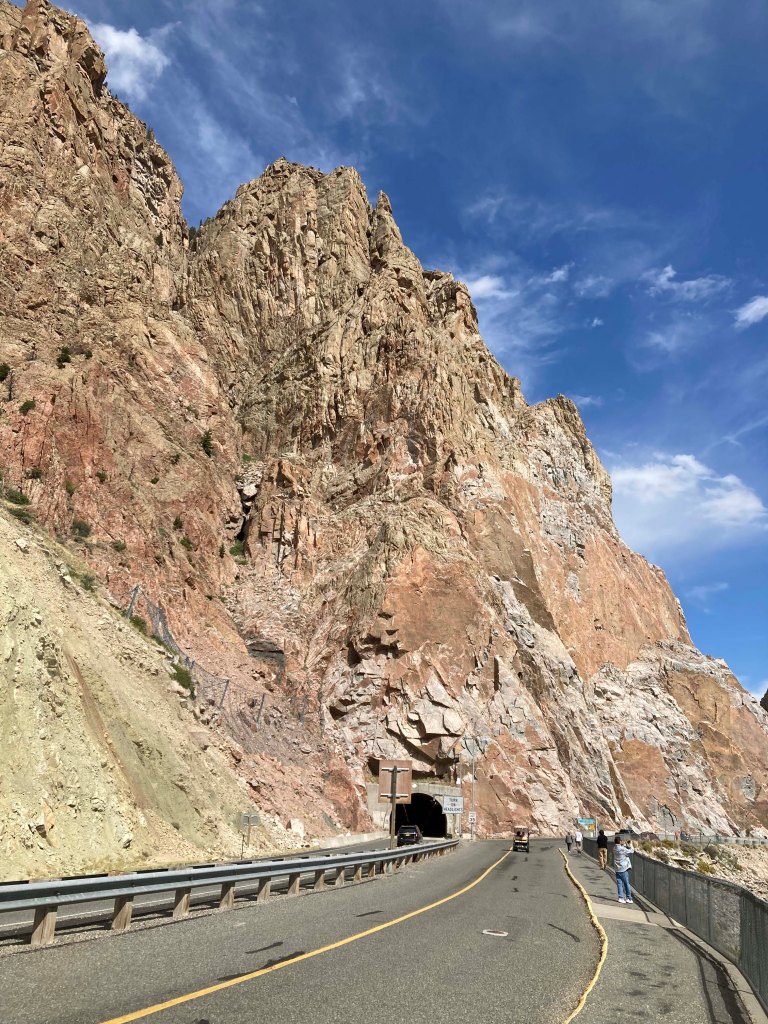


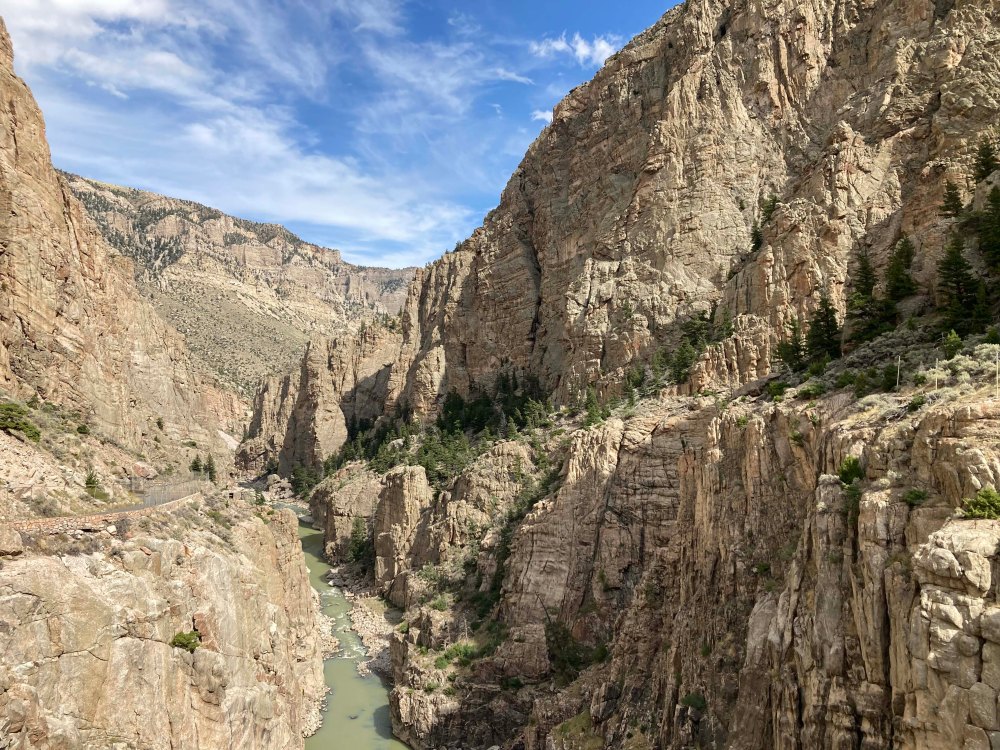


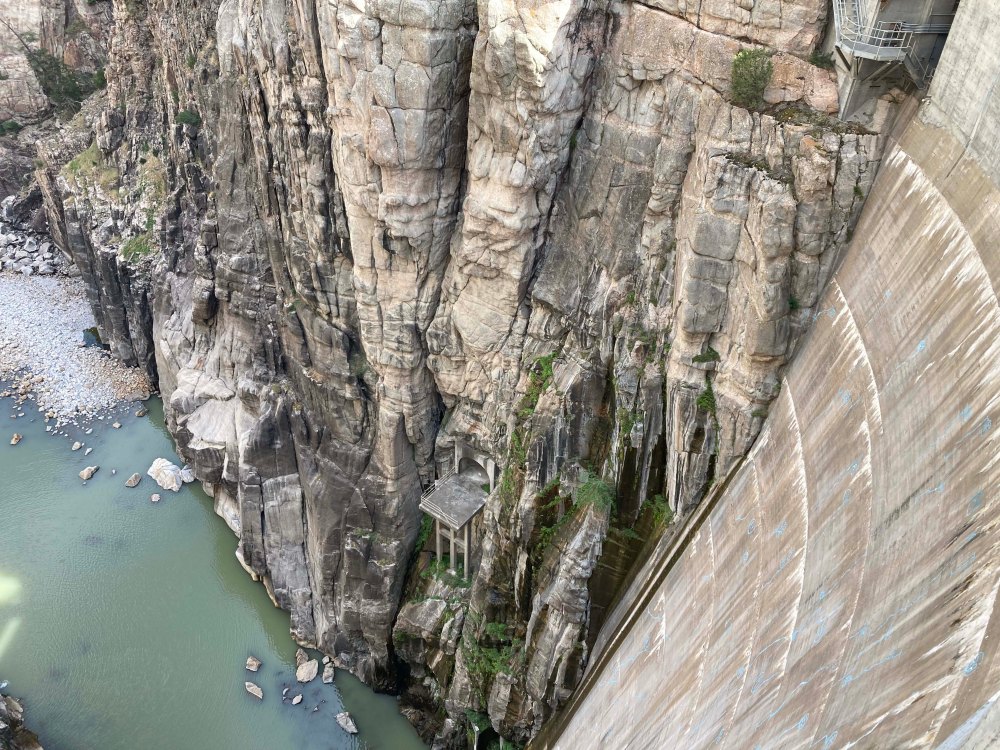

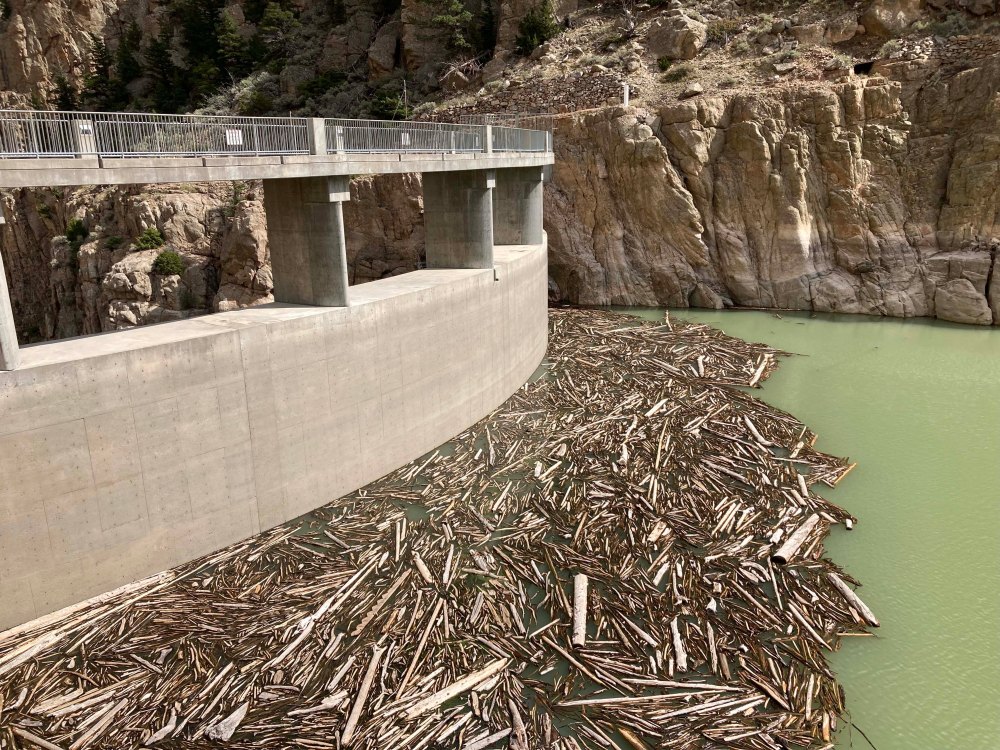
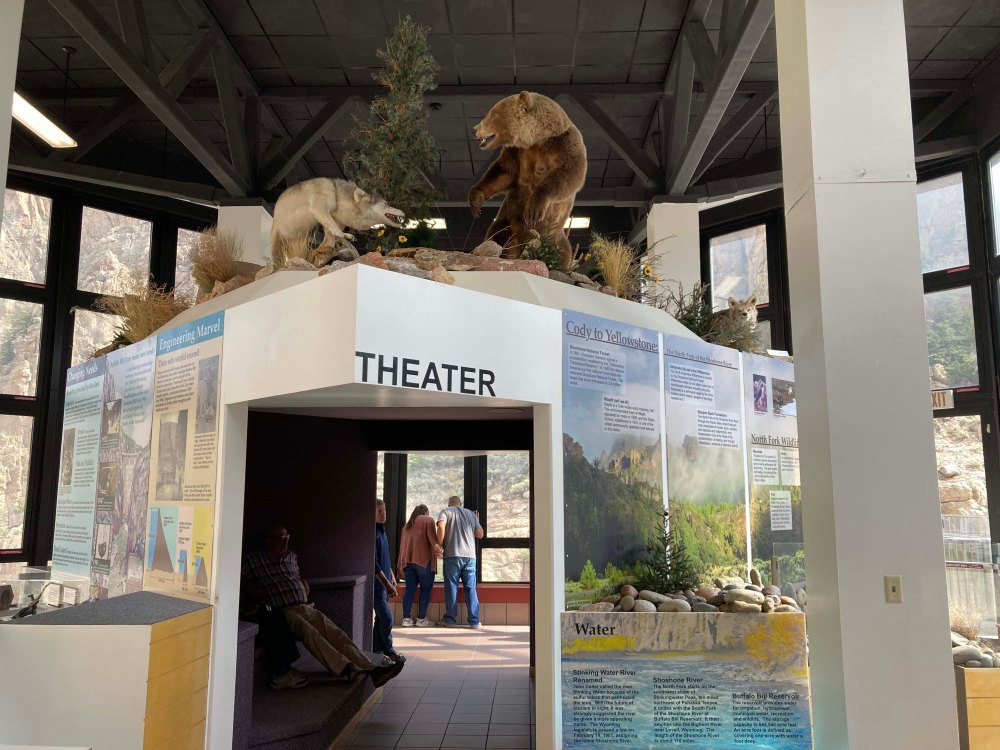
I got some serious vertigo looking down (I wasn’t the only one) and went inside to see how the dam was made. It had a very small exhibit with a decent gift shop but really its all about the views outside. We were curious when we saw all the logs that were up against the dam and were pleased to learn they use a crane to lift the logs out in off season.



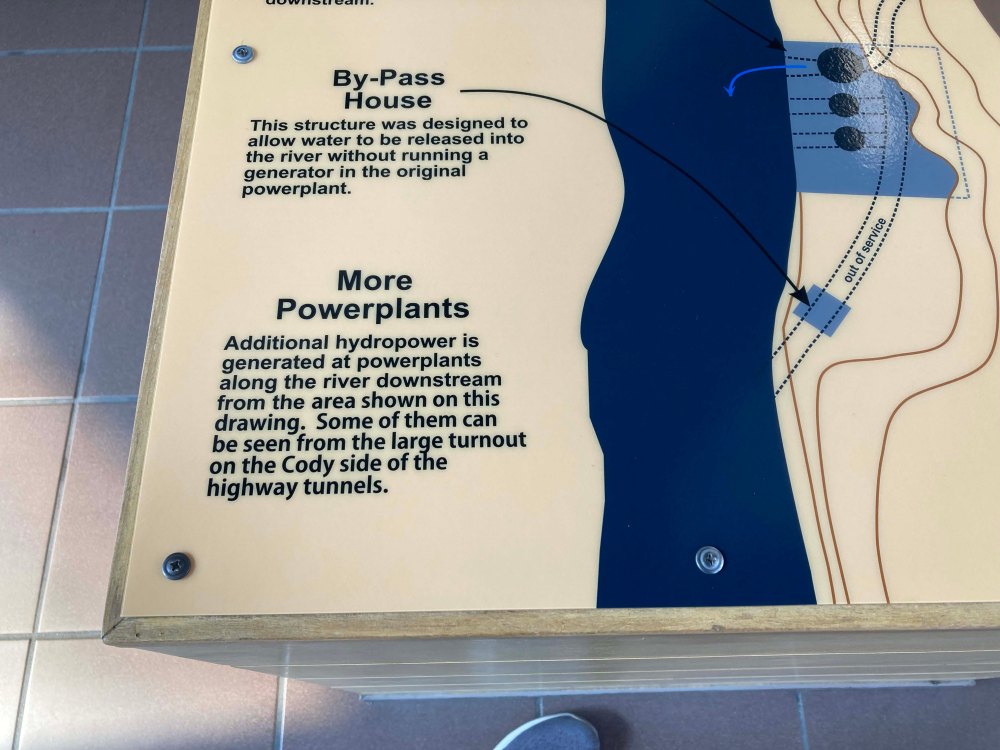
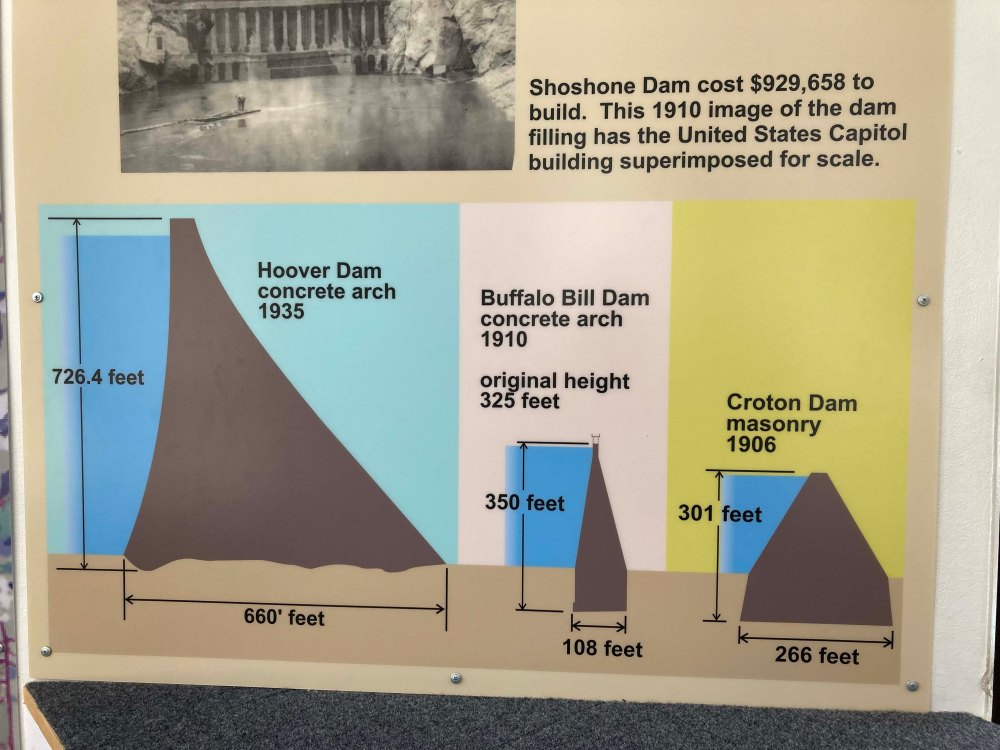


The Reclamation Act required that water users repay construction costs from which they received benefits and encouraged settlement of the west. Access to irrigation was critical for farmers and it was estimated that 35 million additional acres could be reclaimed. To be honest since we had just come from the Plains Indian Museum I kept thinking about what impact there was on the local Native American population but I didn’t see anything in the Dam museum about it.
Later when I got home I did some research and according to the National Council for History Education I learned “Though Native Americans have an implied right to certain waters associated with Indian reservations, the uncertainty surrounding these rights has created problems for Native Americans and non-Native Americans in the century since the initial court case in 1908. The Supreme Court’s 1908 decision in Winters v. United States establishes that Native Americans have the right to draw enough water to enable their own self-sufficiency from the rivers that pass through their reservations. On the surface, this decision appears to protect Native people from incursions on their water rights by both white settlers and the federal government. In practice, however, Native Americans received only their paper rights, not actual “wet” rights. Various agencies in the executive branch, such as the Department of Interior and the Reclamation Service, were able to interpret the Winters decision in such a way as to ensure the prioritization of white American water rights and the federal government’s control of waterways.”
Not surprising really that the dams allowed for white settlers to claim the land and the impact on Native Americans was at best an after thought. At this point I was pretty bummed about about everything but then we saw some information about wild horses in the area and decided to take a drive and see if we could find some. I’ll cover that more in my next post.
We very much appreciate your support of our blog














 Camper Chronicles