Plains Indian Museum and Buffalo Bill Dam

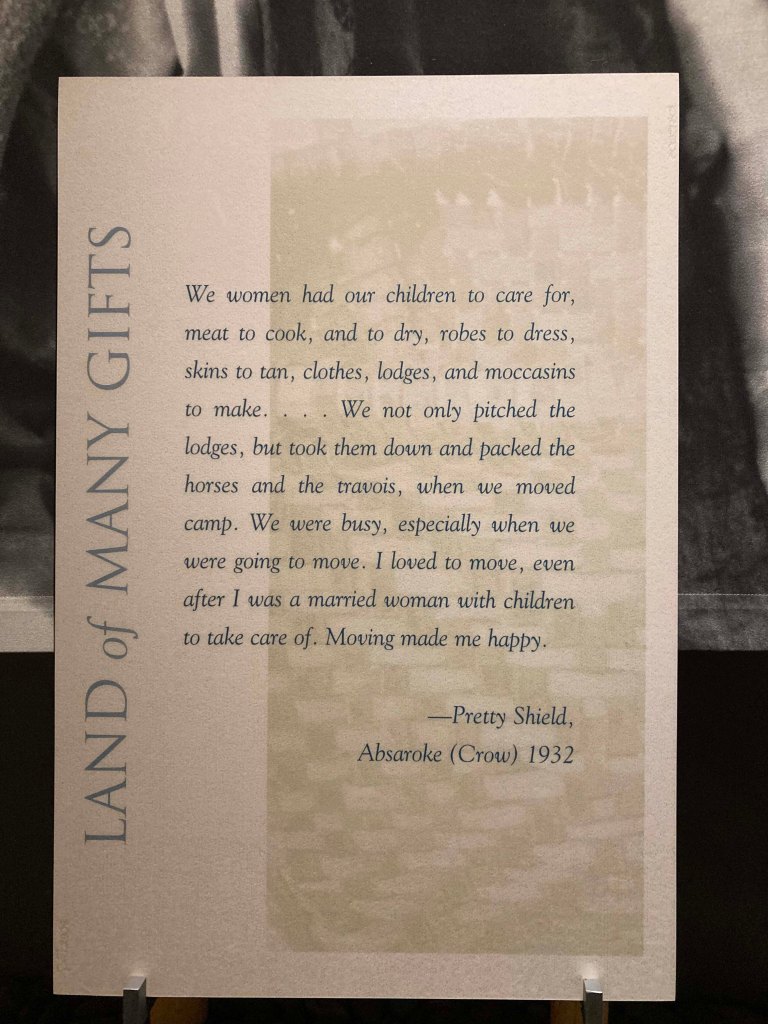
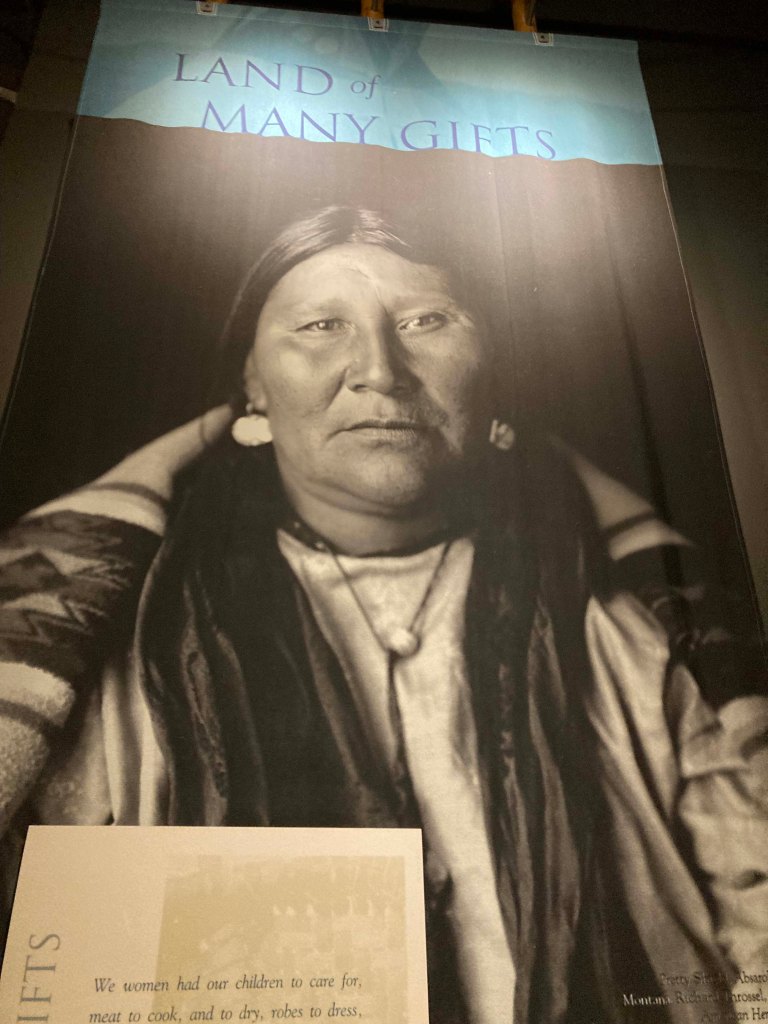
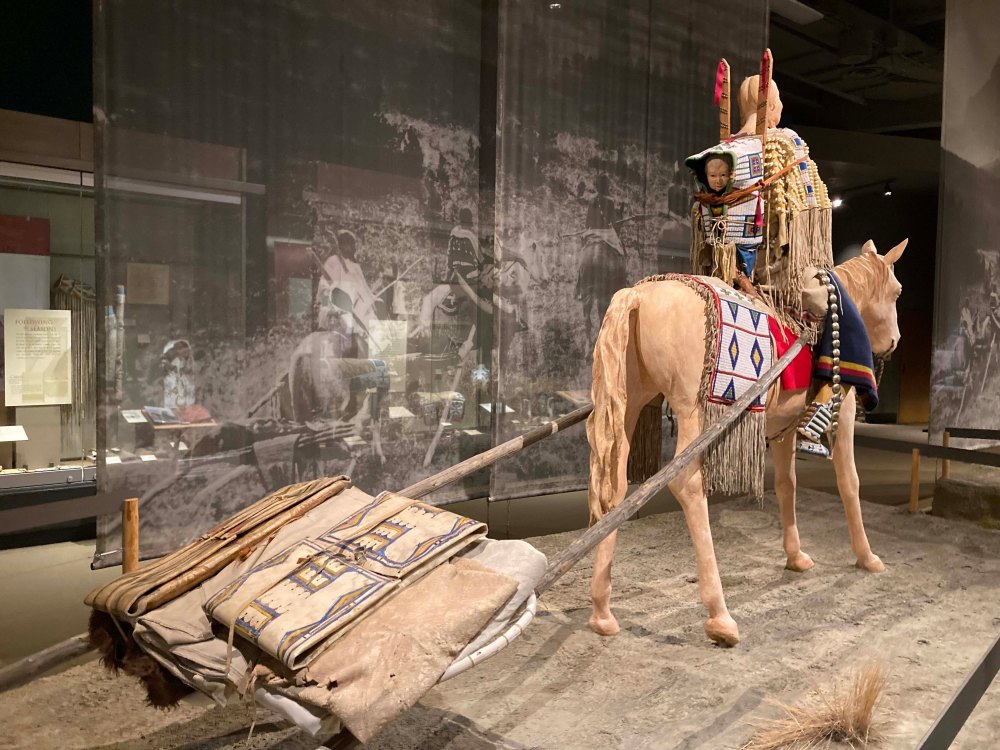
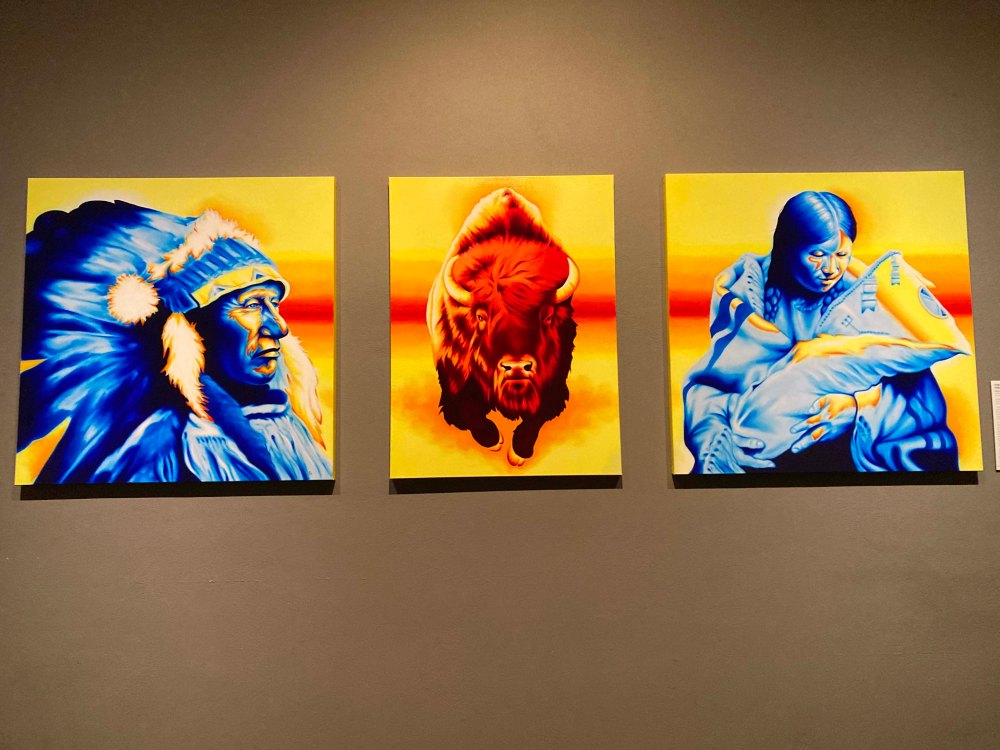
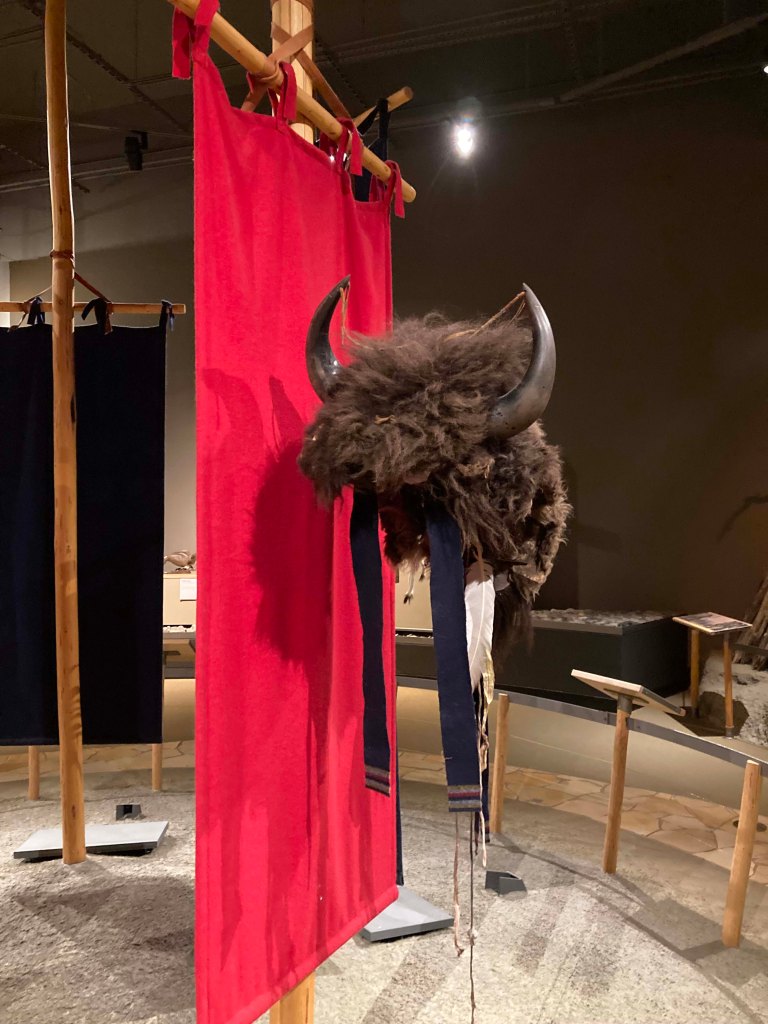
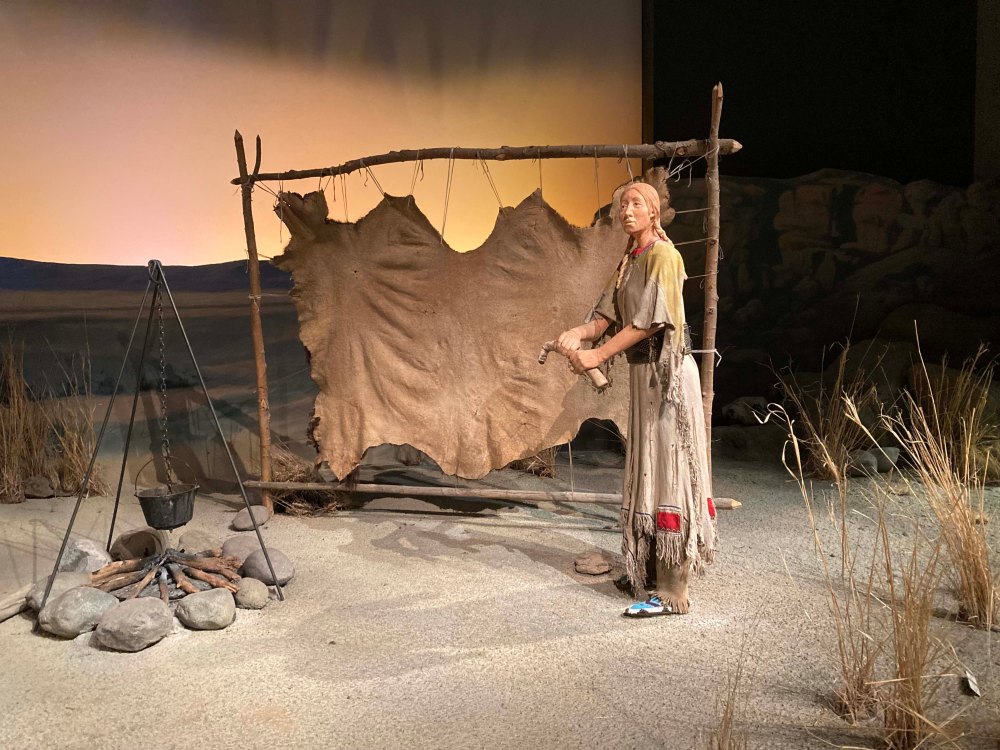
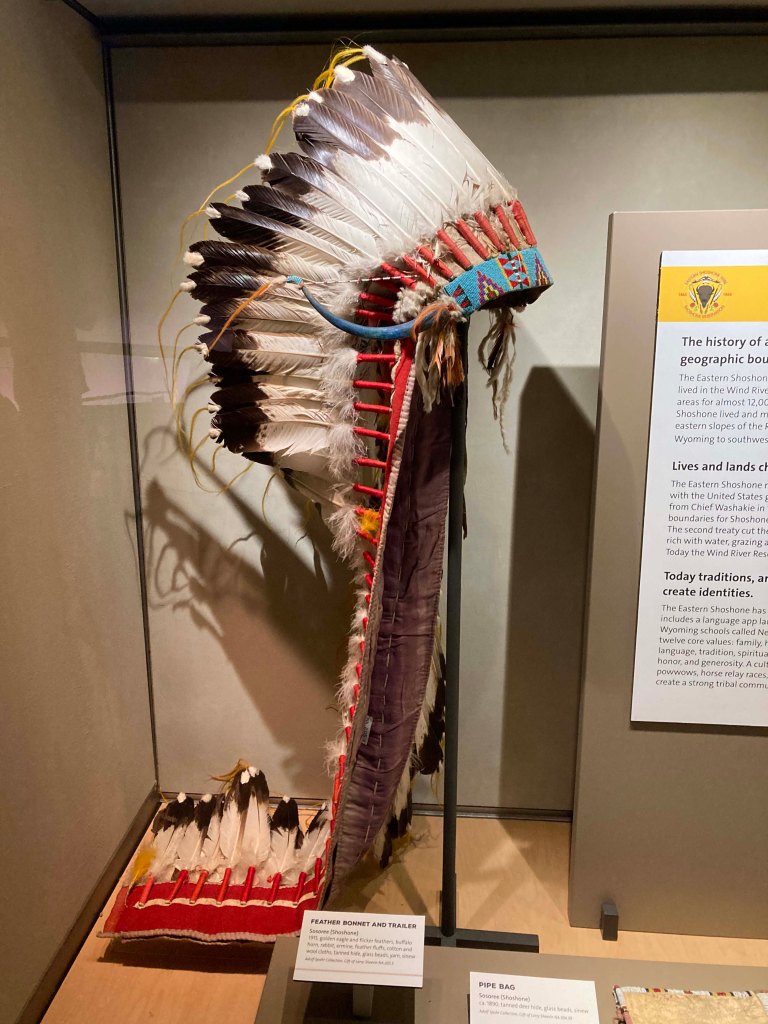
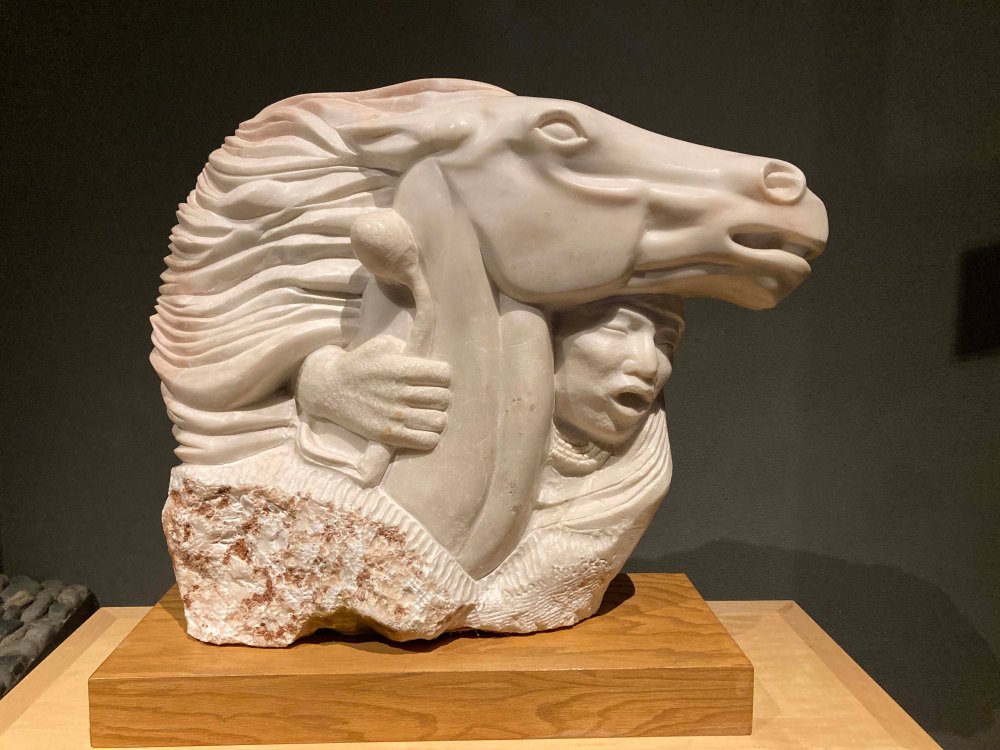
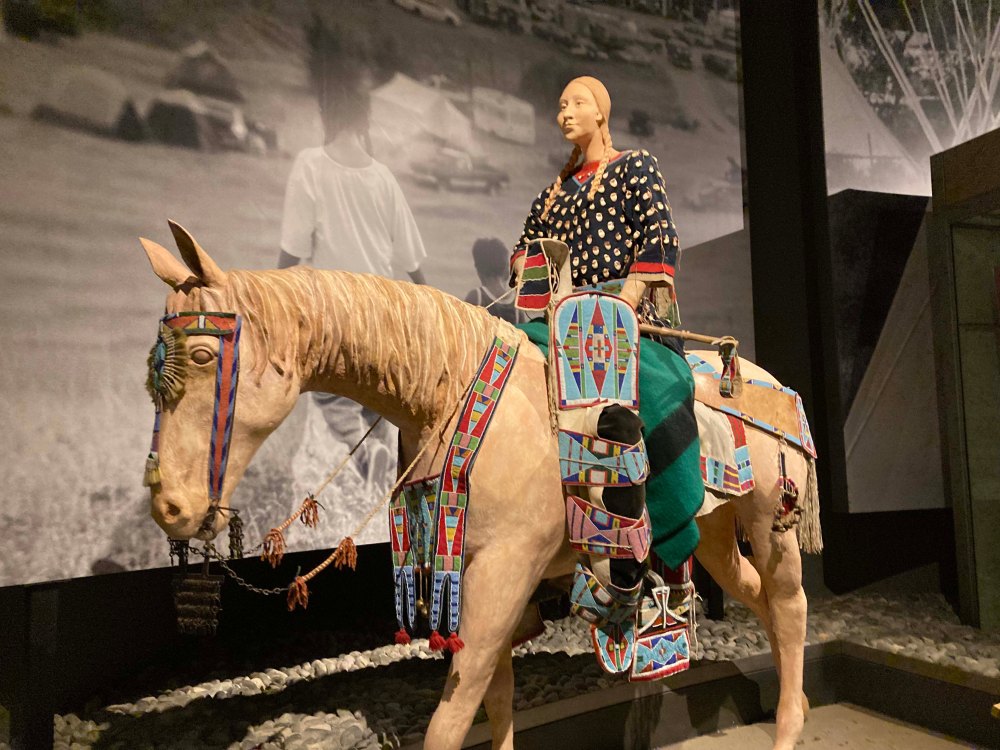
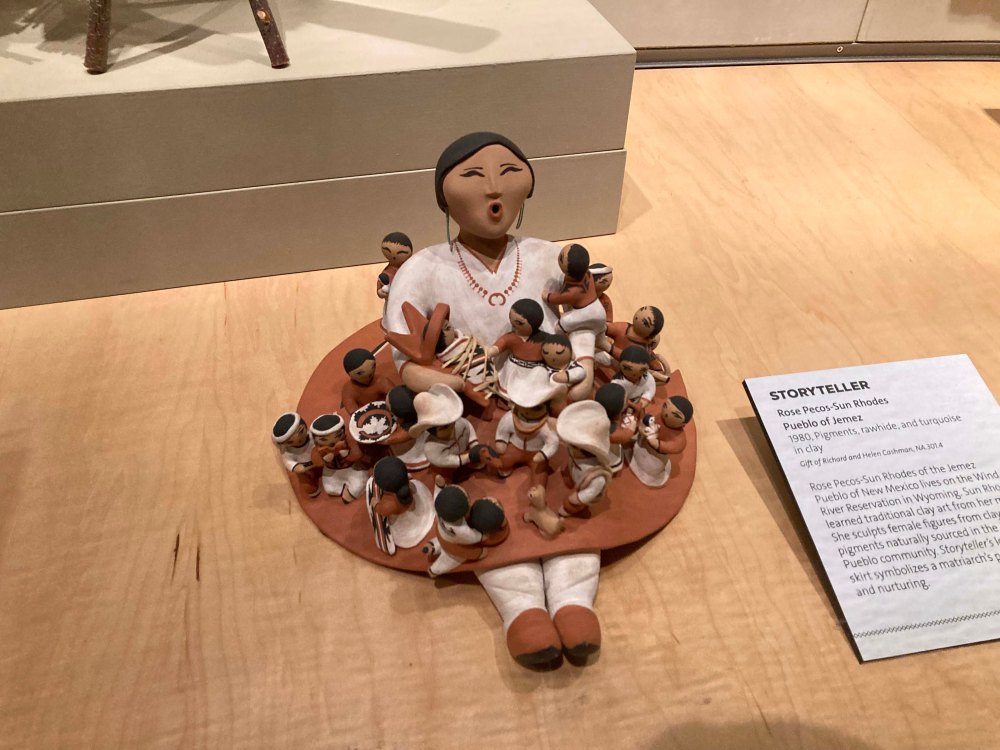
The final museum we saw in the Buffalo Bill Wild West Center was the Plains Indian Museum. According to the literature, the board for this museum included two Native Americans and their input impacted the exhibits. One interesting thing in particular is all the models of people are done in a natural clay color. This was intentional because the different tribes have very different coloring and the clay colors were thought to be neutral and represent all peoples.

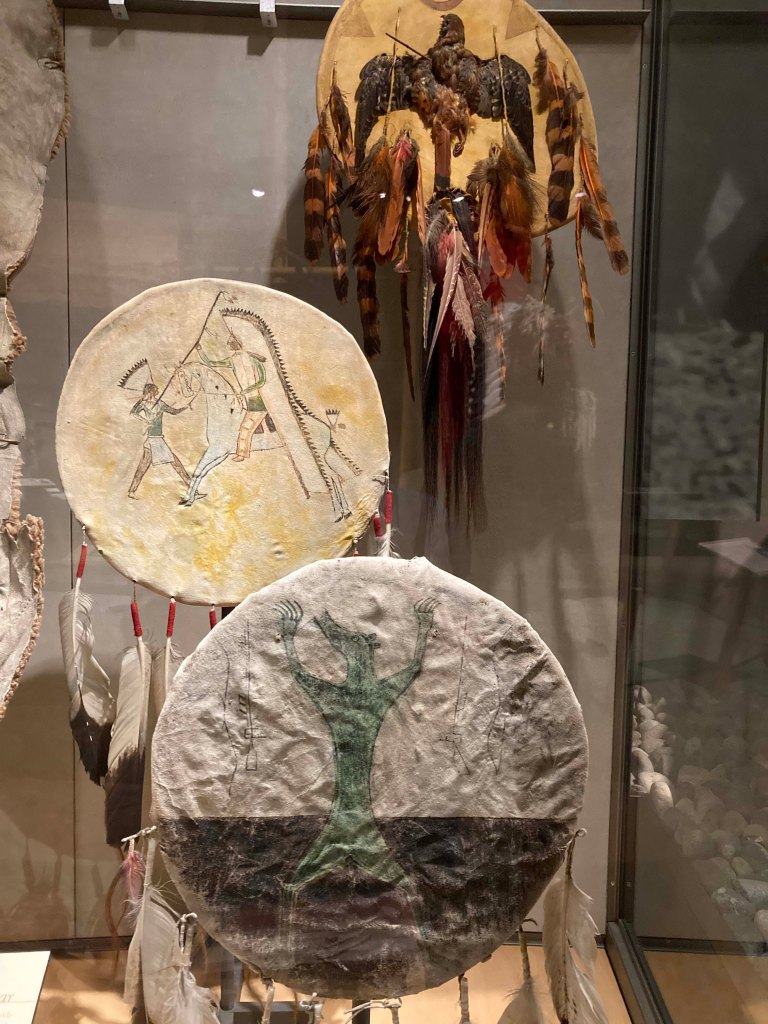
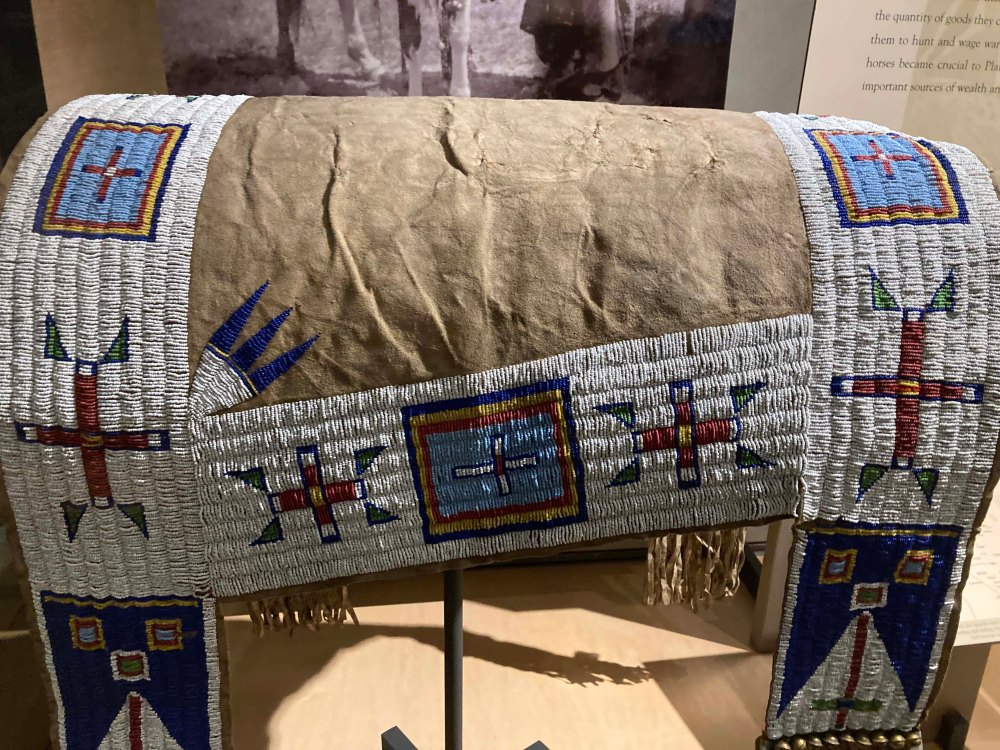
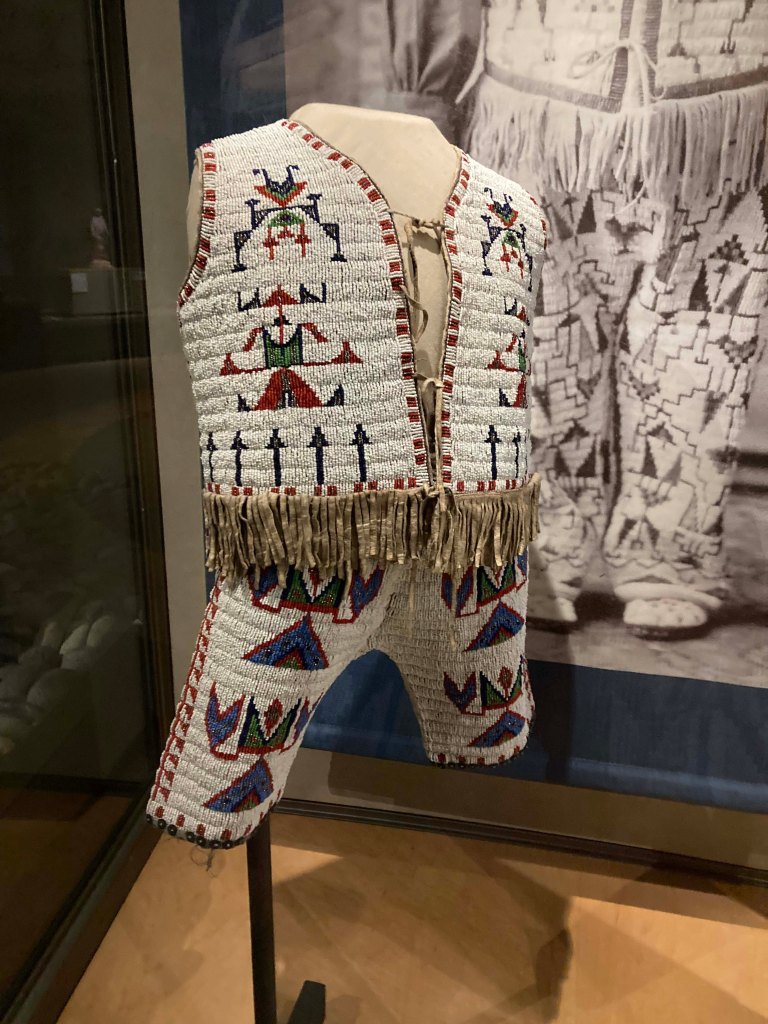
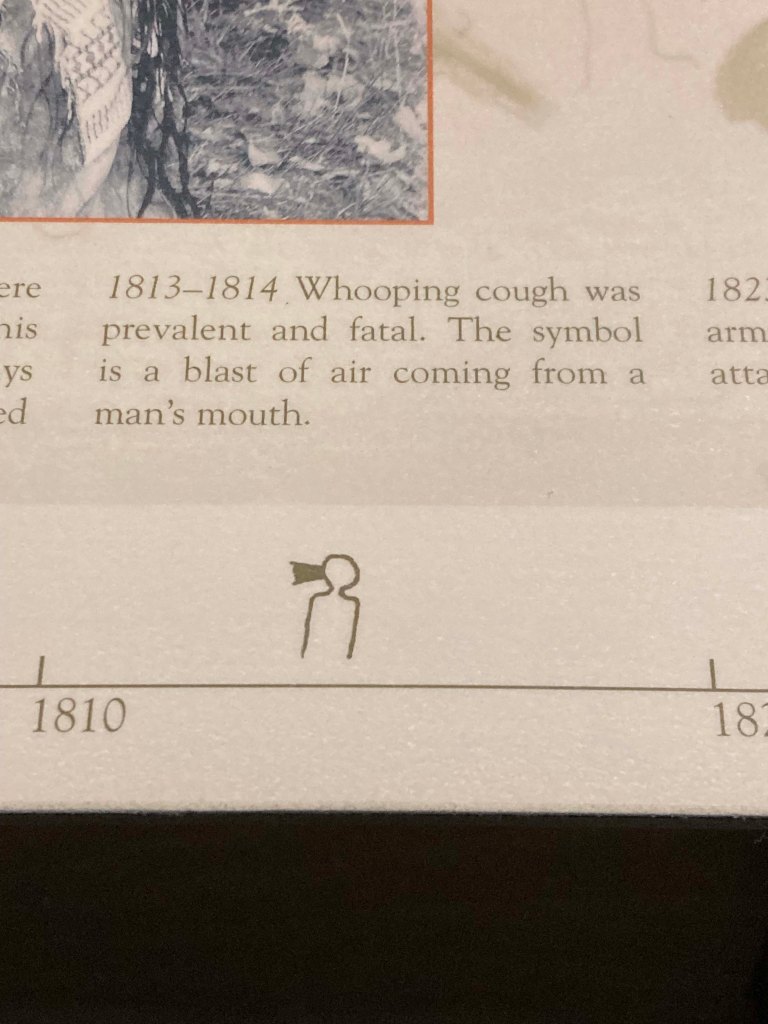
Because these were largely nomadic people their art was portable as well. The needlework is incredible and there were societies of women who were the best artists. The pictorial language was also very interesting to keep records for the moving tribes and they had a great exhibit with one of these portable records.

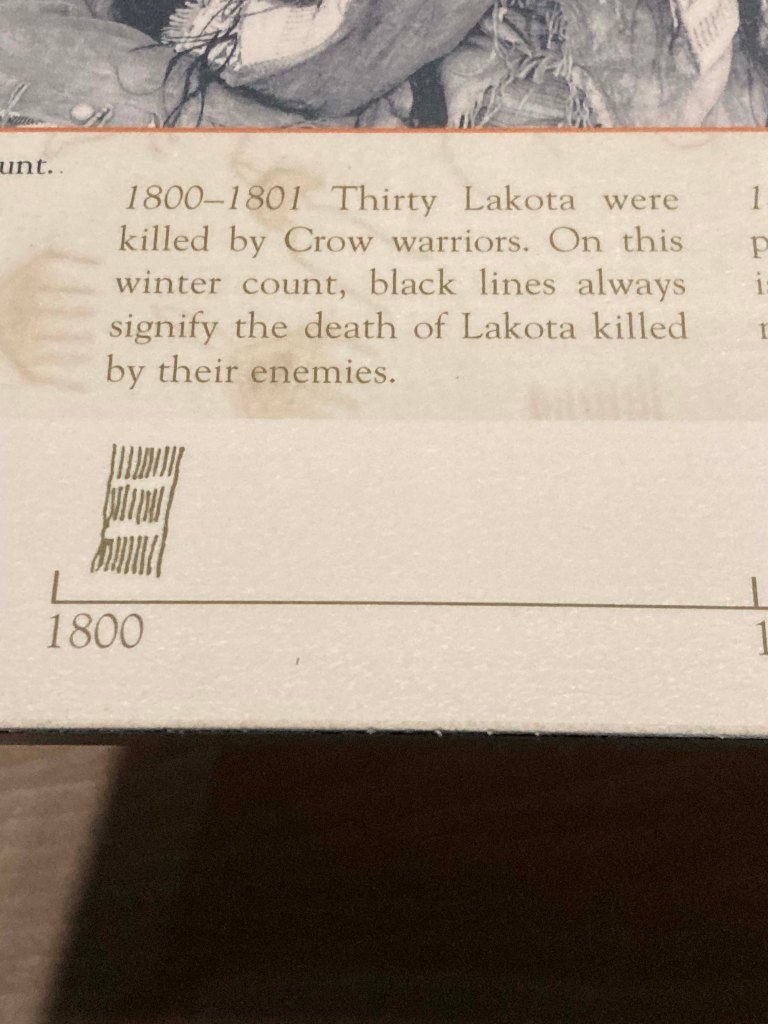
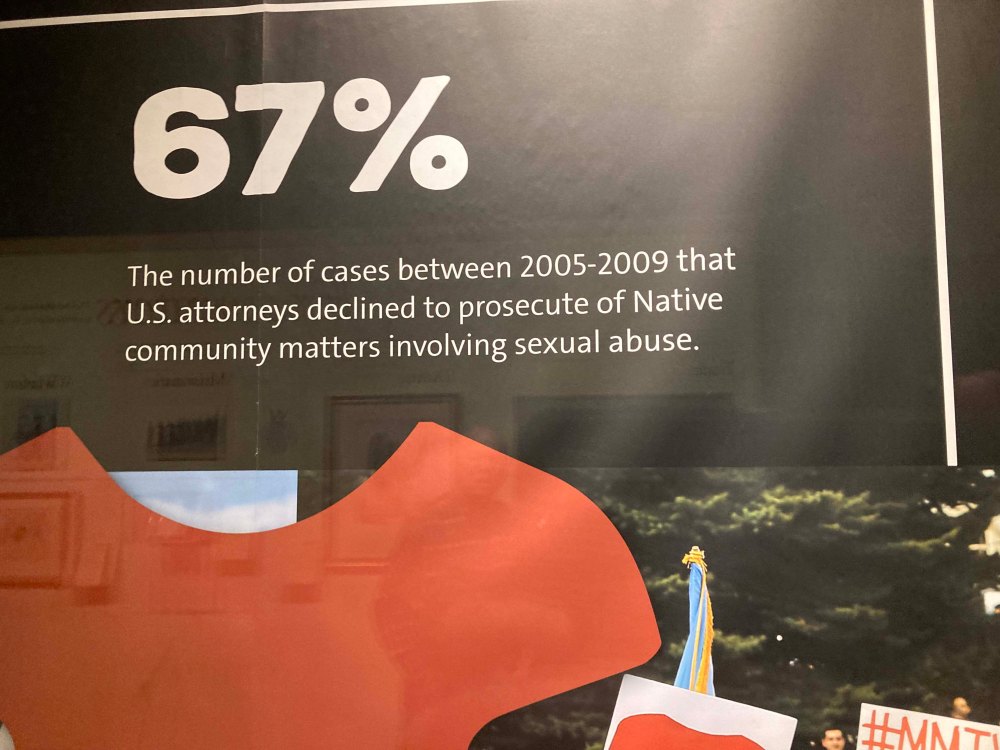
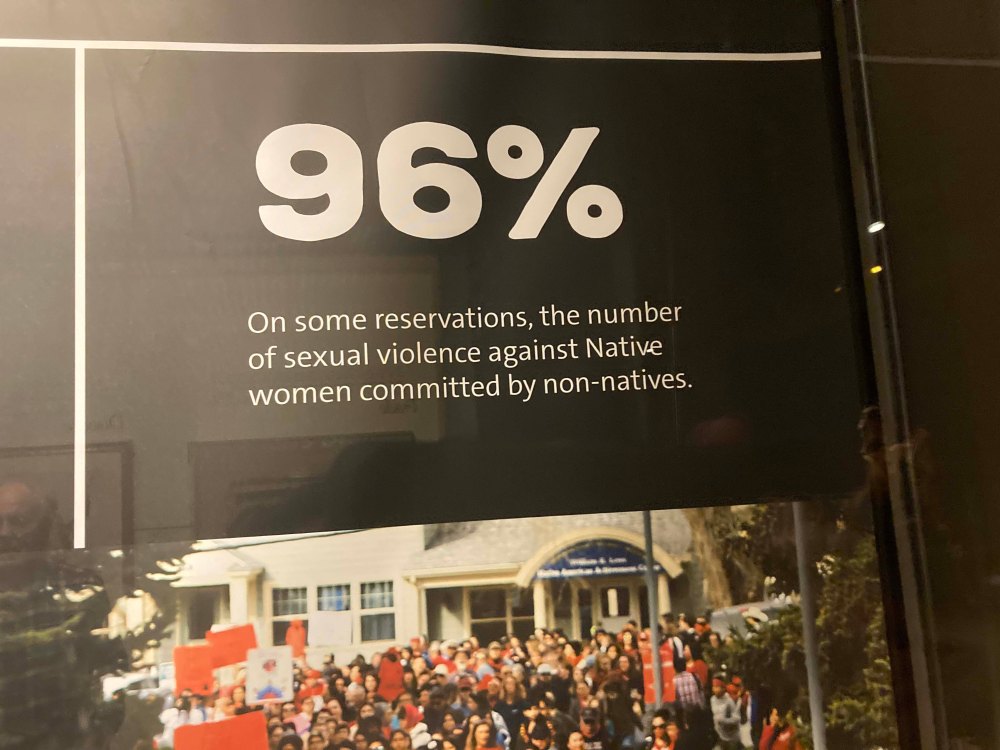
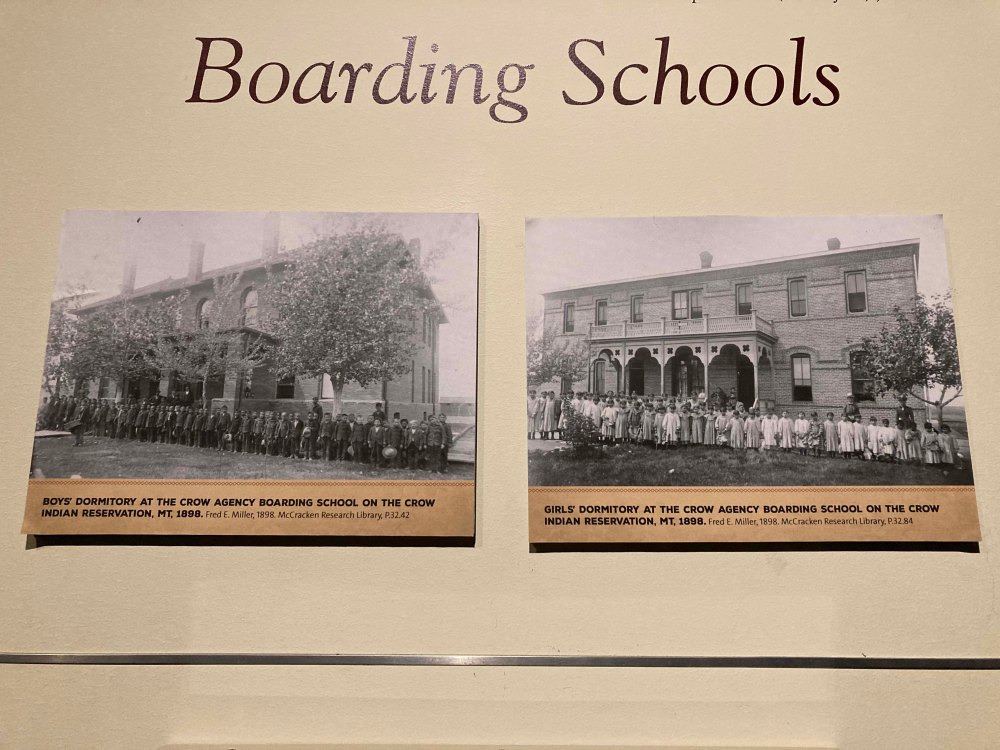
As interesting as the art was, the history was pretty depressing. They didn’t pull many punches on talking about how much white people took from them (Lee felt they didn’t go nearly far enough on this topic) and I left feeling pretty depressed and heavy hearted.
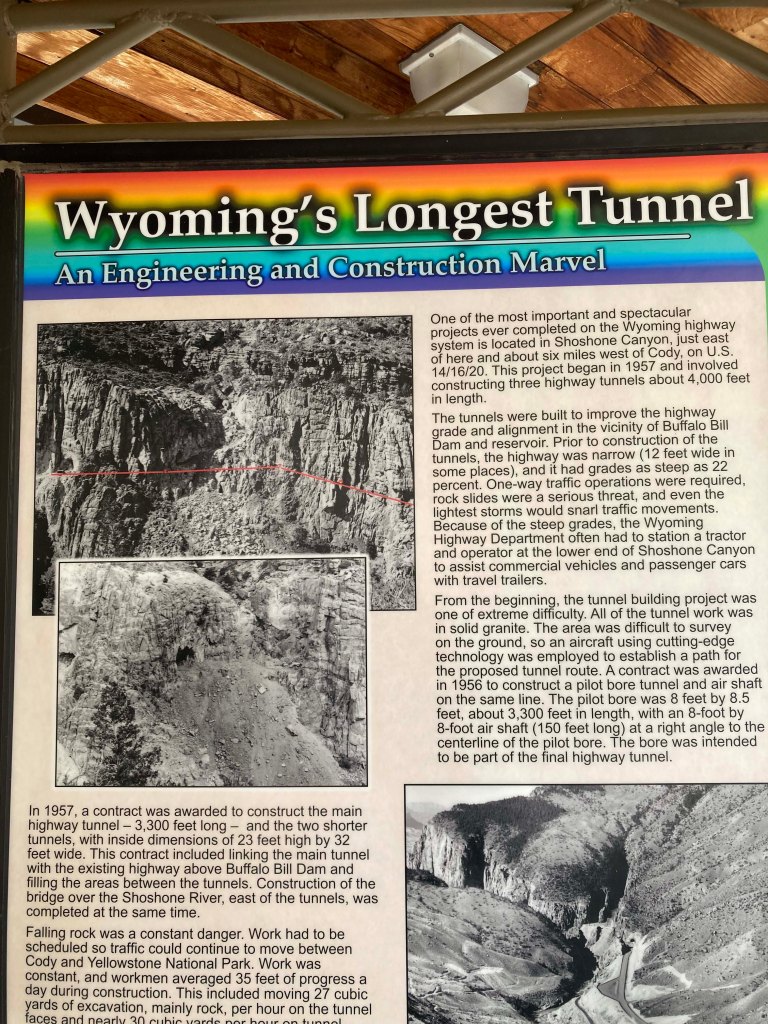
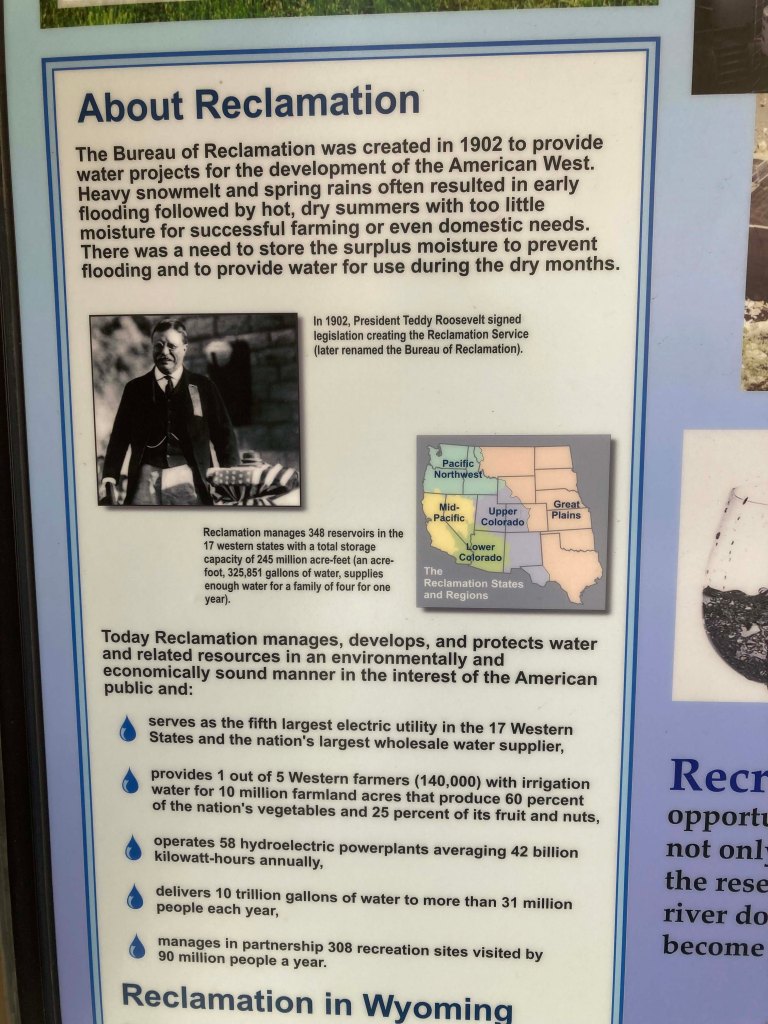
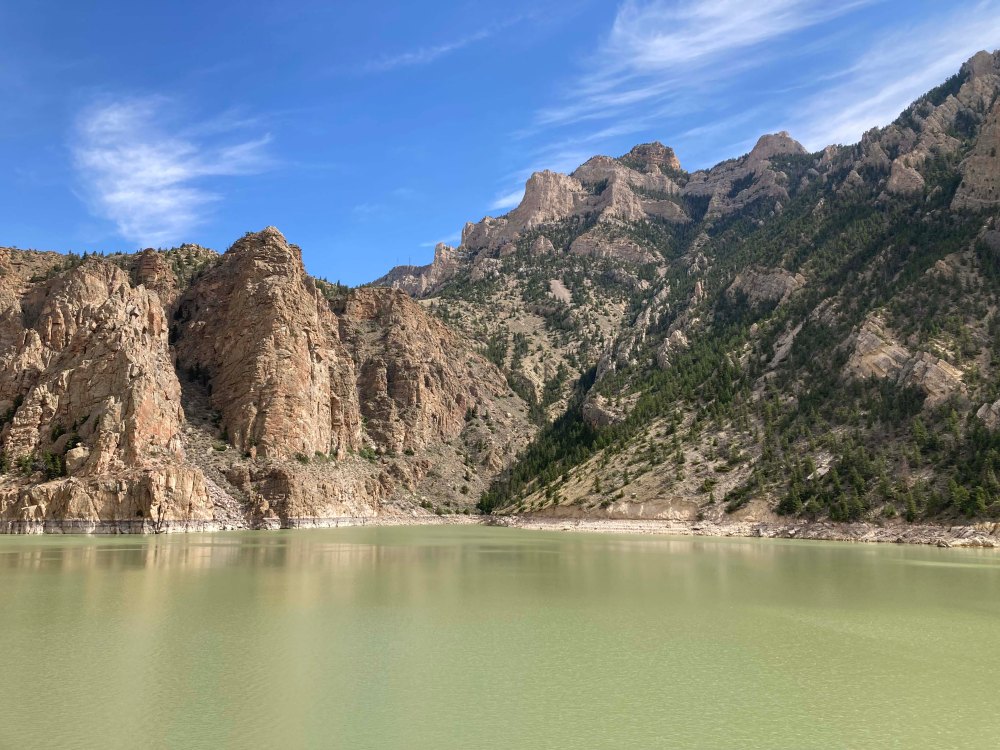
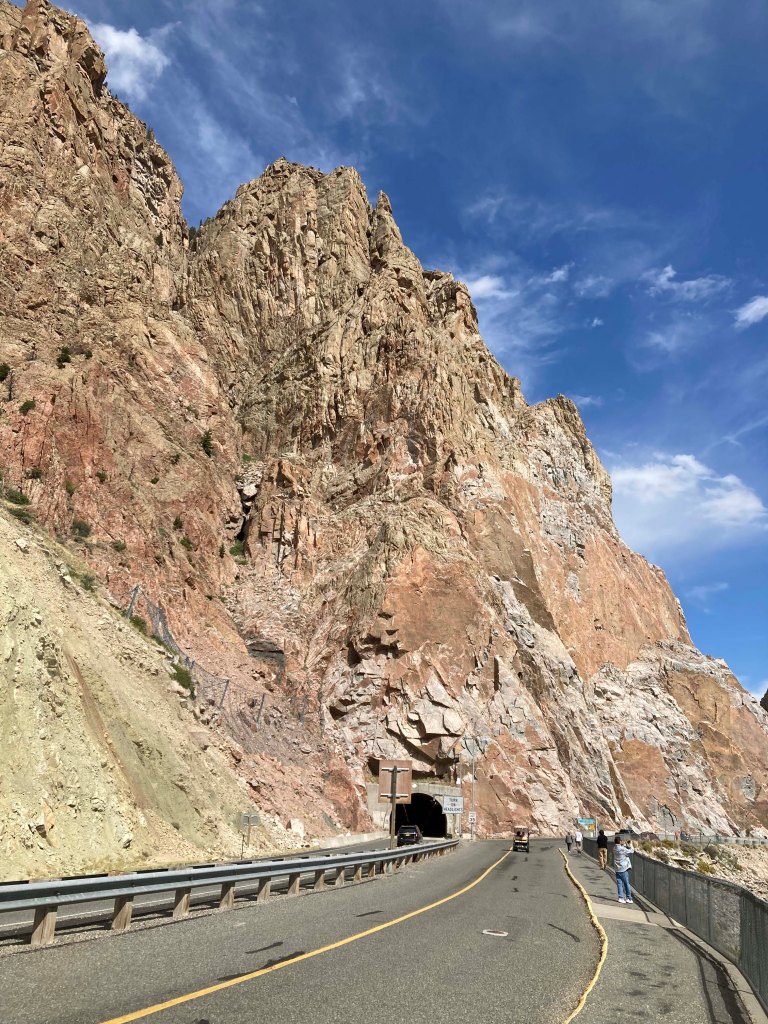
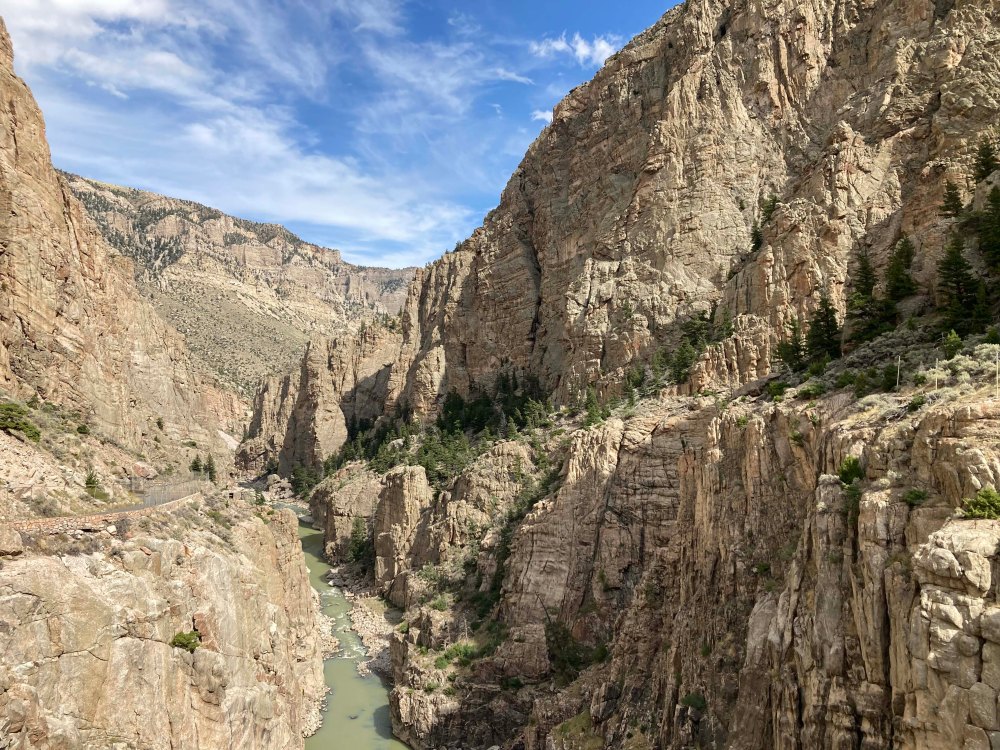
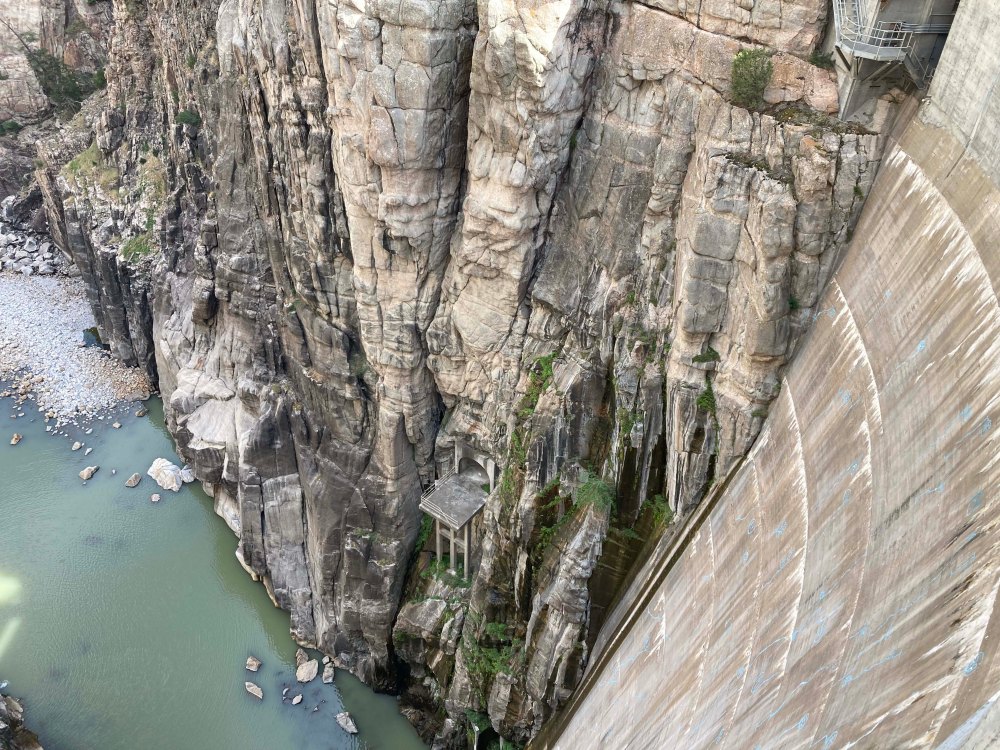
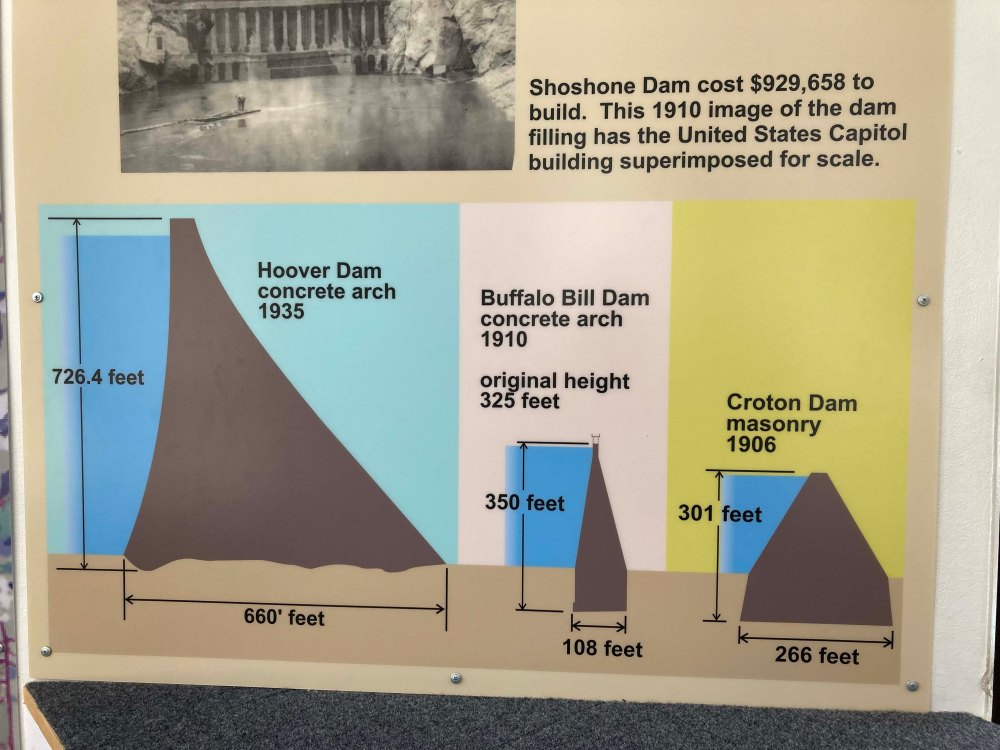
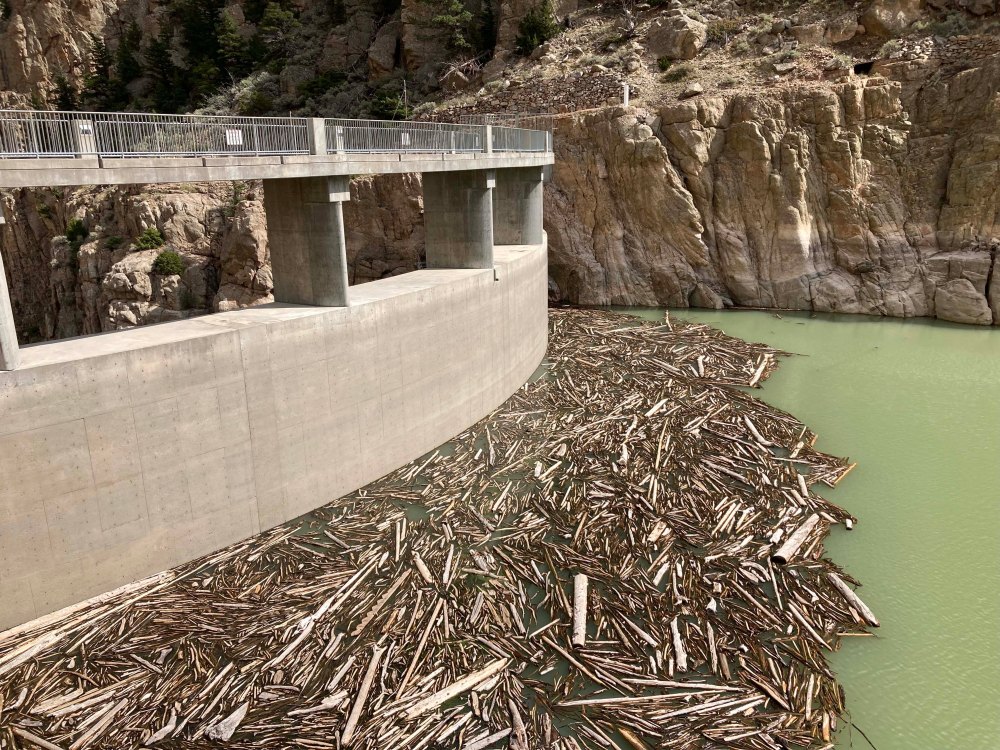
After we finished the last of the museum we still had several hours (couldn’t pick Jack up until 4pm) so we made a quick trip down to the Buffalo Bill Dam. In 1910 when it was built it was the highest dam in the world and for its time an engineering marvel. It’s also a very pretty site and the small visitor center is free so definitely worth a stop. Buffalo Bill pushed for the dam for additional irrigation for this portion of the west and President Teddy Roosevelt started the ball rolling with the Reclamation Act in 1902.
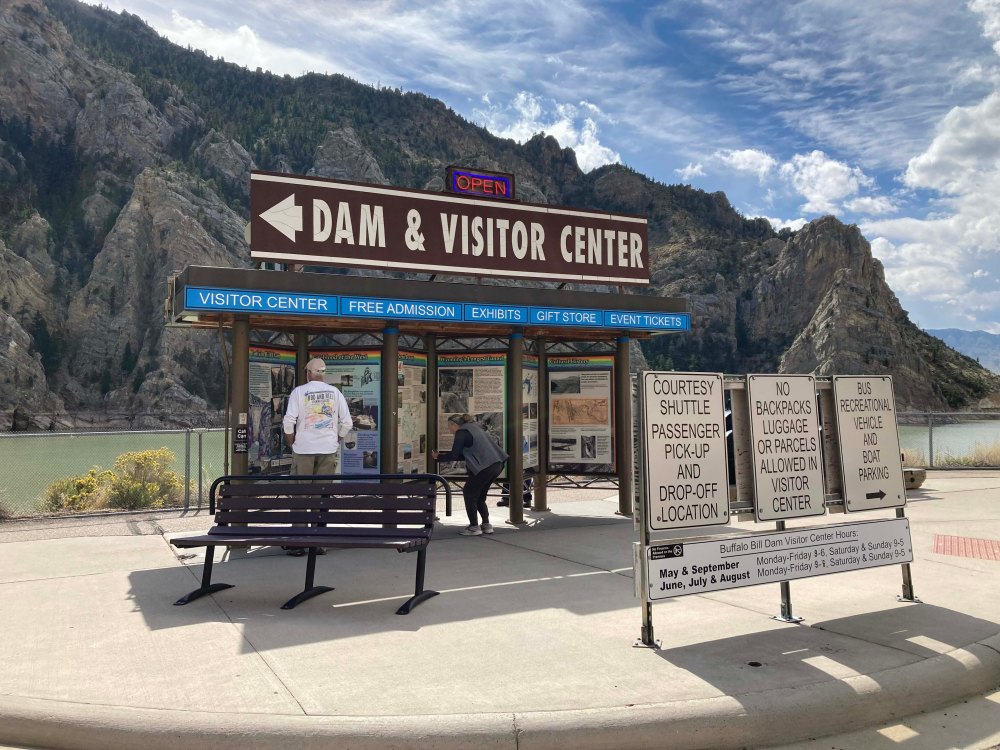
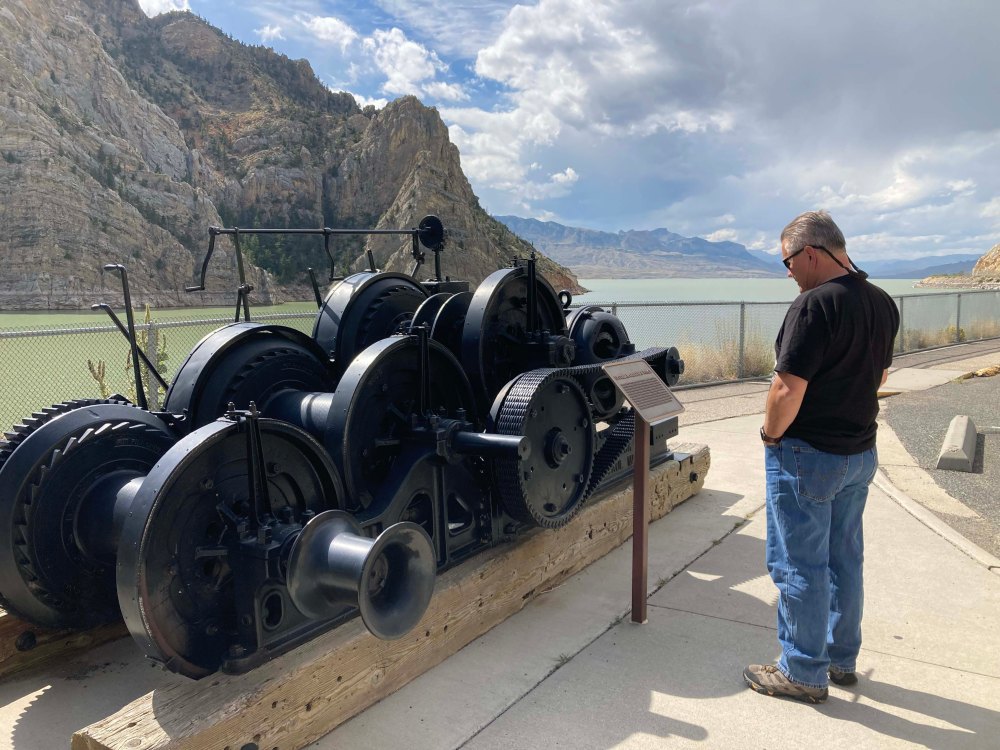
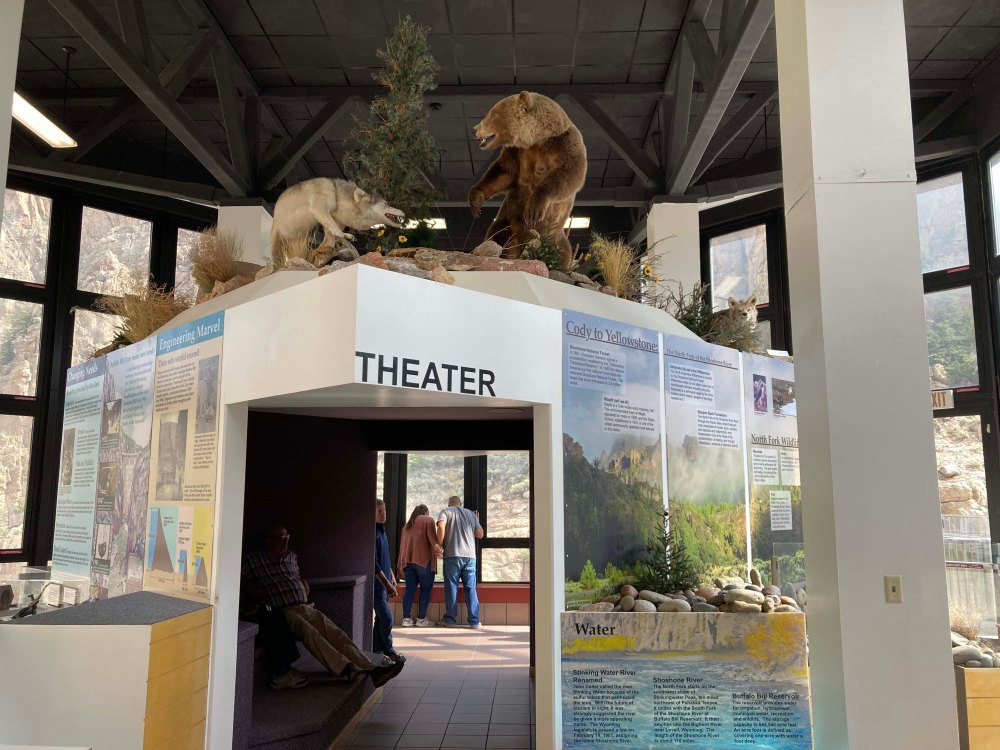
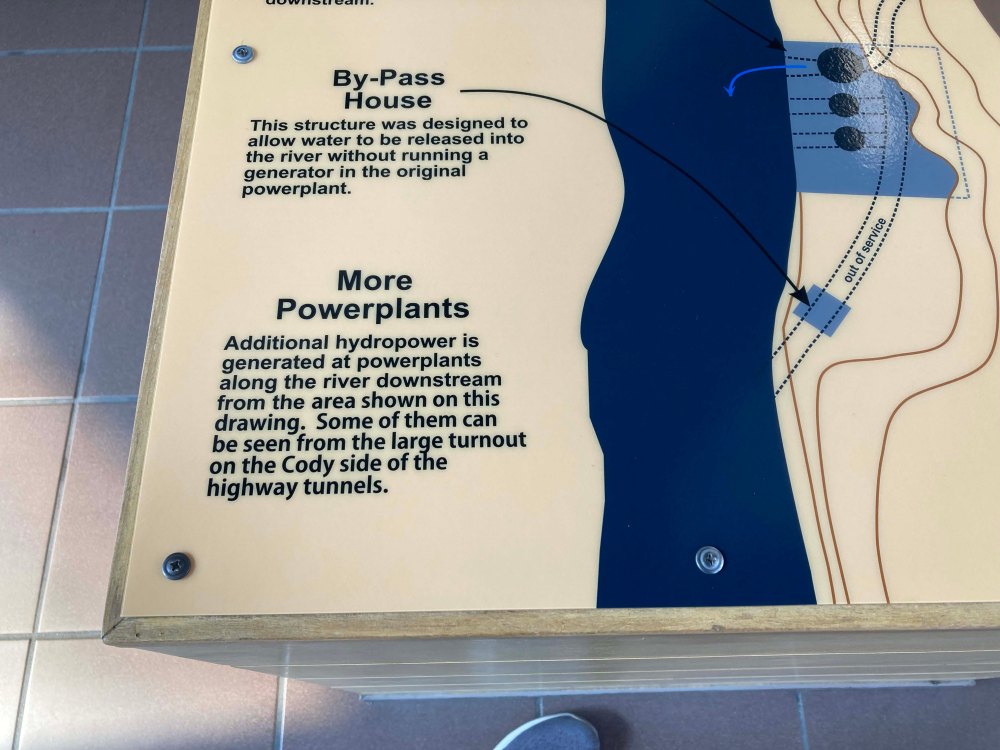
I got some serious vertigo looking down (I wasn’t the only one) and went inside to see how the dam was made. It had a very small exhibit with a decent gift shop but really its all about the views outside. We were curious when we saw all the logs that were up against the dam and were pleased to learn they use a crane to lift the logs out in off season.
The Reclamation Act required that water users repay construction costs from which they received benefits and encouraged settlement of the west. Access to irrigation was critical for farmers and it was estimated that 35 million additional acres could be reclaimed. To be honest since we had just come from the Plains Indian Museum I kept thinking about what impact there was on the local Native American population but I didn’t see anything in the Dam museum about it.

Later when I got home I did some research and according to the National Council for History Education I learned “Though Native Americans have an implied right to certain waters associated with Indian reservations, the uncertainty surrounding these rights has created problems for Native Americans and non-Native Americans in the century since the initial court case in 1908. The Supreme Court’s 1908 decision in Winters v. United States establishes that Native Americans have the right to draw enough water to enable their own self-sufficiency from the rivers that pass through their reservations. On the surface, this decision appears to protect Native people from incursions on their water rights by both white settlers and the federal government. In practice, however, Native Americans received only their paper rights, not actual “wet” rights. Various agencies in the executive branch, such as the Department of Interior and the Reclamation Service, were able to interpret the Winters decision in such a way as to ensure the prioritization of white American water rights and the federal government’s control of waterways.”

Not surprising really that the dams allowed for white settlers to claim the land and the impact on Native Americans was at best an after thought. At this point I was pretty bummed about about everything but then we saw some information about wild horses in the area and decided to take a drive and see if we could find some. I’ll cover that more in my next post.

We very much appreciate your support of our blog

  • You can purchase the ebook telling the story of how we became full-time RVers.
  • You can purchase our recipe book filled with 80 recipes we have cooked in our RV and taste tested by Lee himself. You can purchase the kindle or paperback version on Amazon or buy the Apple version on Itunes

Buffalo Bill Center of the West – Part II

Our third pick for museums was the Whitney Western Art Museum and I would say that of all of the five museums in the center this was the least interesting to us. We have had the privilege of visiting some pretty spectacular art museums in our travels and this just didn’t compare. Still it was worth a walk through if pressed for time I wouldn’t put it at the top of the list.

My favorite section of the museum was dedicated to Alexander Proctor. He was a leading animalier which is an artist known for realistic portrayals of animals. They had a giant plaster statue he used to create a famous statue of Teddy Roosevelt and lots of his other work.

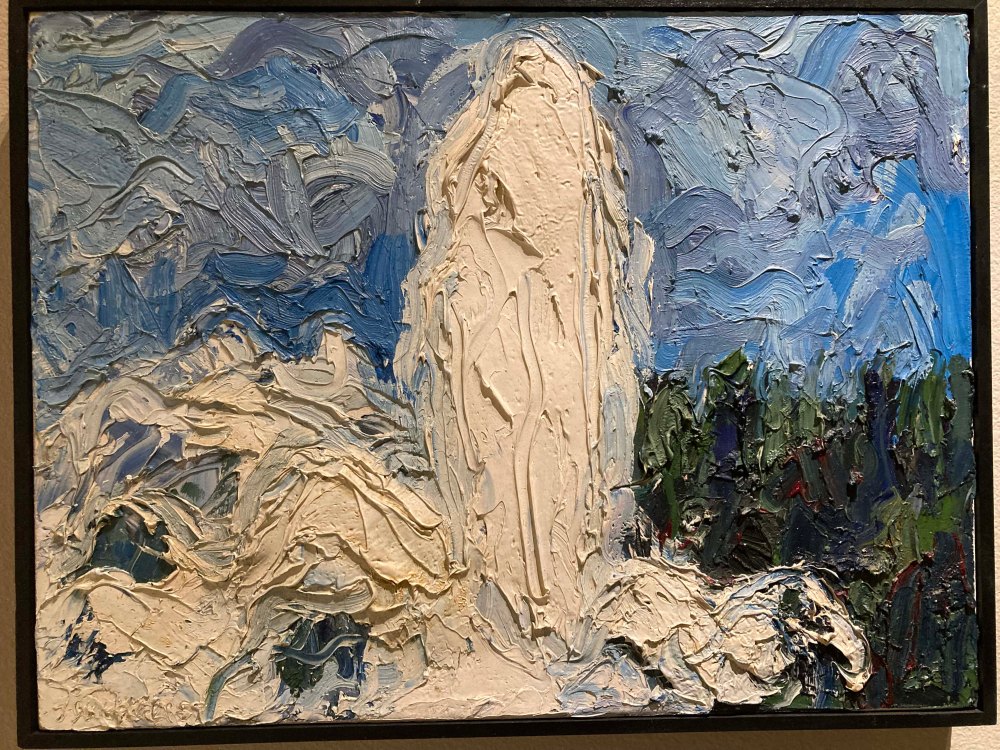
Along with the art museum there was also a special exhibit area dedicated to the 150th anniversary of Yellowstone. It was a bit of an eclectic mix, but I did enjoy some cool paintings of waterfalls in Yellowstone.

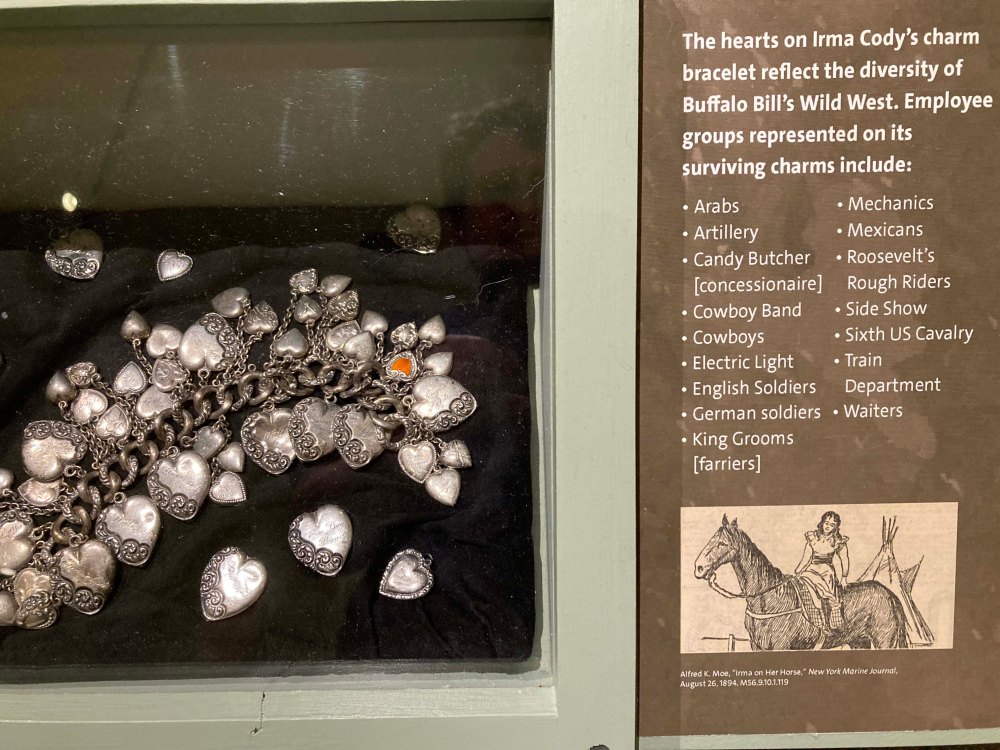
We had covered a lot of ground but at this point I was starving. We wanted to have the Chinese buffet in town because none of the cities in this area have one but unfortunately it is closed on Sundays. Instead we went to the Irma Cody hotel and lucked into their Sunday buffet. It had ham, fish, prime rib and a very nice salad bar. I thought it was a great value for the money and eating in the historic hotel was really cool.

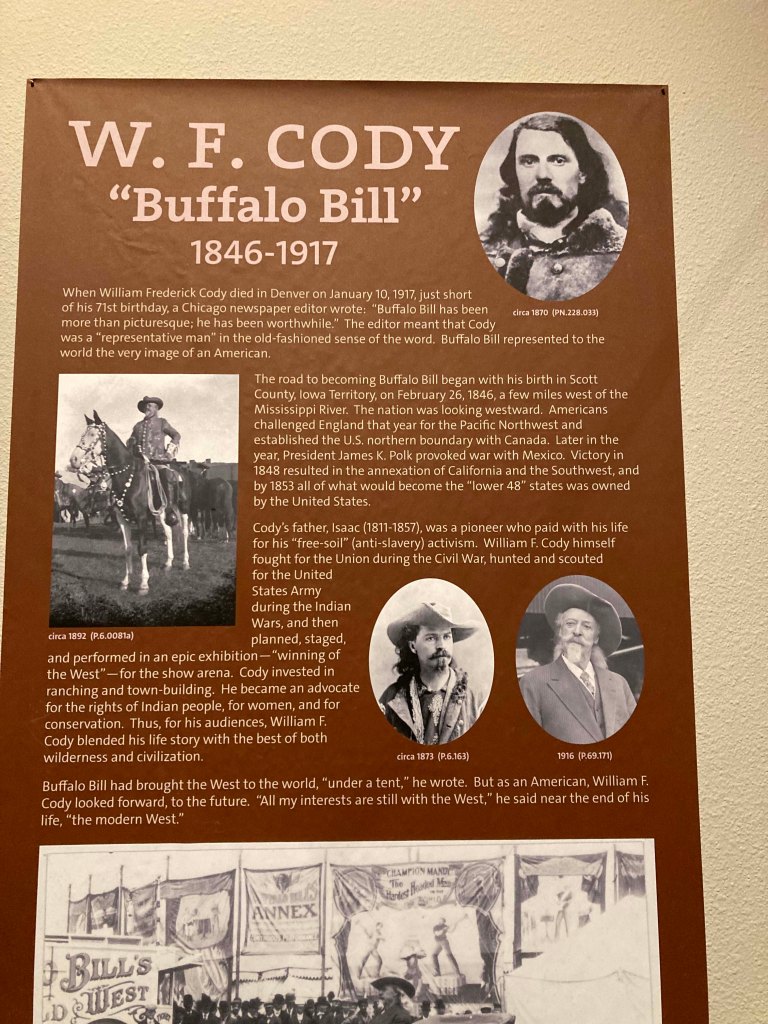
While we were there we heard that the roulette wheel from the hotel was actually in the Buffalo Bill museum so when we headed back that was the first thing we saw. I have to say that museum was very well done and the life of Buffalo Bill Cody was pretty interesting.

His father died when he was young and he started working for a freight company when he was only 11 years old. He did a brief stint with the pony express and gathered buffalo for the army to eat.

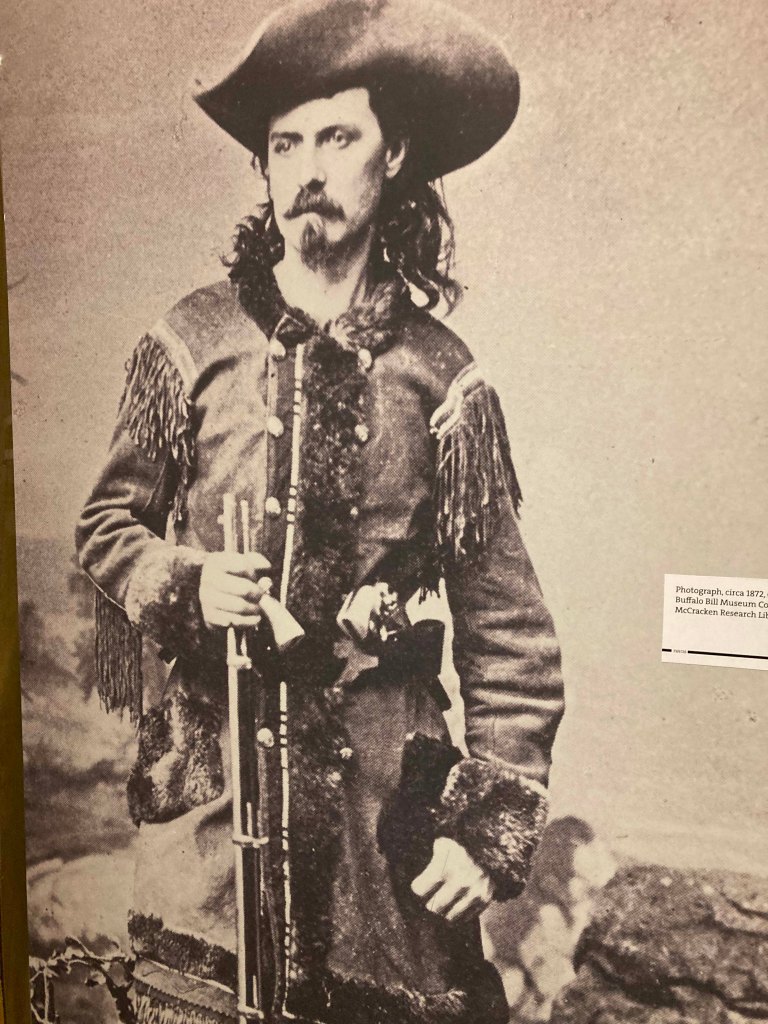
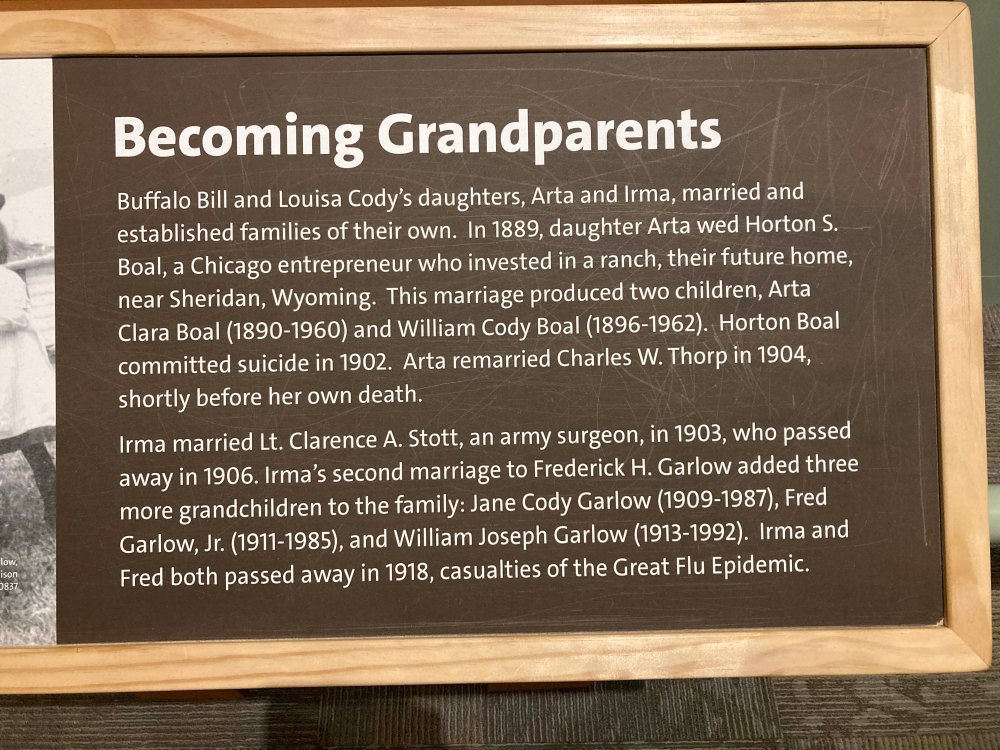
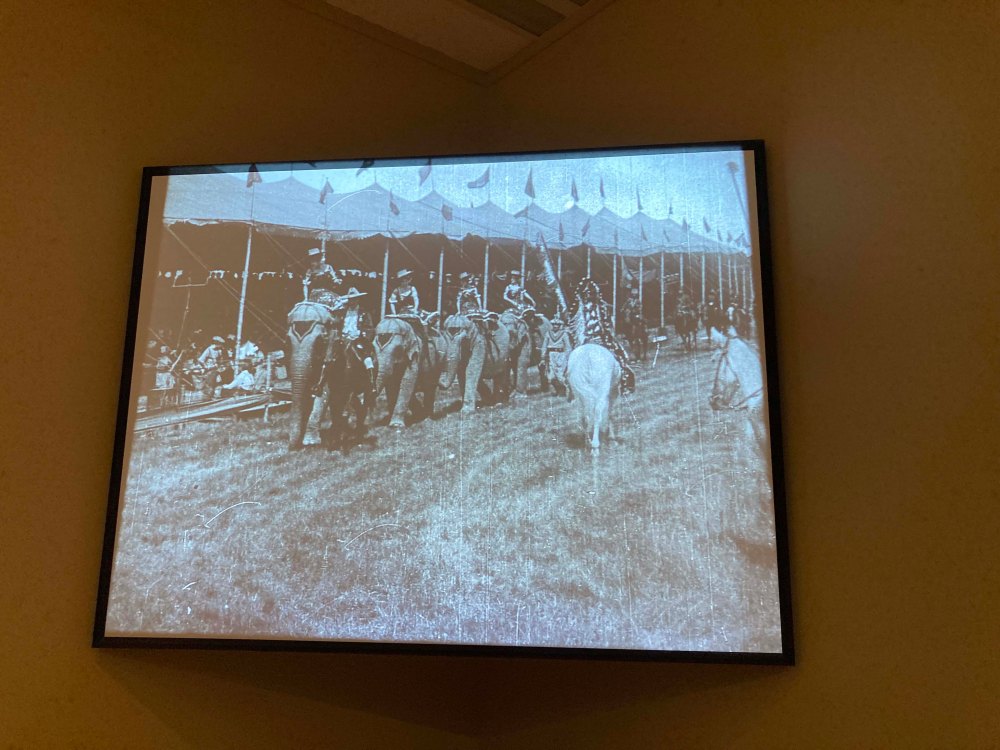
He married very young and ultimately outlived all of his children. He and his wife did become grandparents though and they founded Cody, WY. His big claim to fame was his Wild West show which was pretty amazing. Over time the show included riders from all over the world and did residencies in New York and London. Unfortunately the show seemed to constantly be in financial trouble and he made and lost fortunes several times over. Still we were lucky enough to see some movies from the show itself and it looks pretty spectacular.

The diversity of his show was really unheard of for its time and based on what we read did quite a bit for Native American / White people relations. It also promoted the American West to Europeans. There certainly is more to the Native American story in the West though and I will save that for my next post about the Plains Museum.

We very much appreciate your support of our blog

  • You can purchase the ebook telling the story of how we became full-time RVers.
  • You can purchase our recipe book filled with 80 recipes we have cooked in our RV and taste tested by Lee himself. You can purchase the kindle or paperback version on Amazon or buy the Apple version on Itunes

Buffalo Bill Center of the West – Part I

I have had several friends talk about this museum so it was high on our list, but because of the three hour drive we weren’t sure how we could make that work with the dog. Finally we learned from some folks Lee works with that there is a reasonably priced doggie day care in Cody so on Sunday we headed over. Because the dogs had to be brought in by 8:30am that meant a 4:30am wake up time for us. To be honest driving through Yellowstone in the dark and heavy fog wasn’t that great but we made it in time to drop off Jack and head to the museum.

It’s actually five museums in one massive set of buildings and since we weren’t sure how long it would take we visited them in order of our level of interest. Since I took over 900 pictures on this day I am going to divide the visit into a few posts. Lee picked the Cody Firearms Museum first so that’s where we started.

To be clear, Lee and I both support reasonable gun control, but we also find the history and engineering of guns pretty fascinating. This collection has over 7000 guns and was really spectacularly done. In particular I appreciated that the rhetoric is pretty balanced and the facts were presented with the focus being on the guns themselves. Overall I thought it was an excellent museum.

The museum was a bit of a maze and its easy to get lost but one of my favorite sections was where they showed the different guns (with examples) through history in a nice long timeline.

I also really liked the gun library that had so many guns grouped alphabetically by manufacturer or by military. They were in these big sliding drawers and it was a cool way to see guns by lesser known manufacturers. Lee was amazed by this library and counted the vertical sliding cabinets and determined that there were over 1000 long guns just in this one section.

I also enjoyed several of the unusual historical guns many of which were owned by past presidents or other famous people. You could spend an entire day going through this collection, but since we had other museums to see mainly hit the highlights.

I was also particularly interested in some advertising posters they had including one which marketed to women for self defense much earlier than I would have thought. Also the poster that talked about a gun being a months salary. You think of guns being somewhat ubiquitous in the west based on the movies but a months salary is no joke.

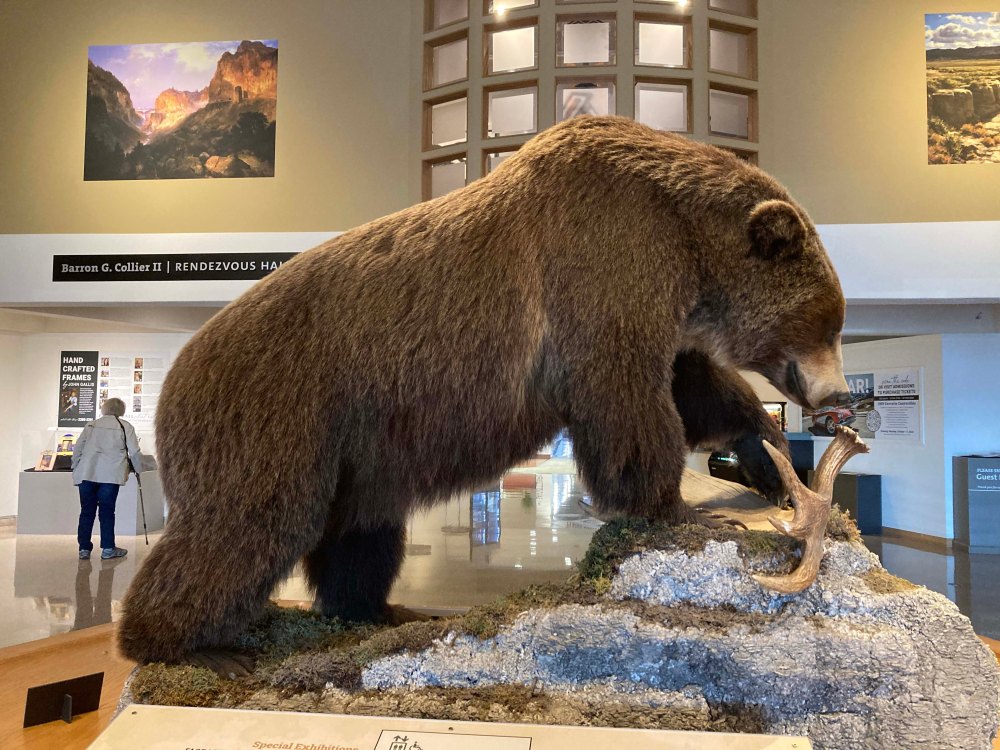
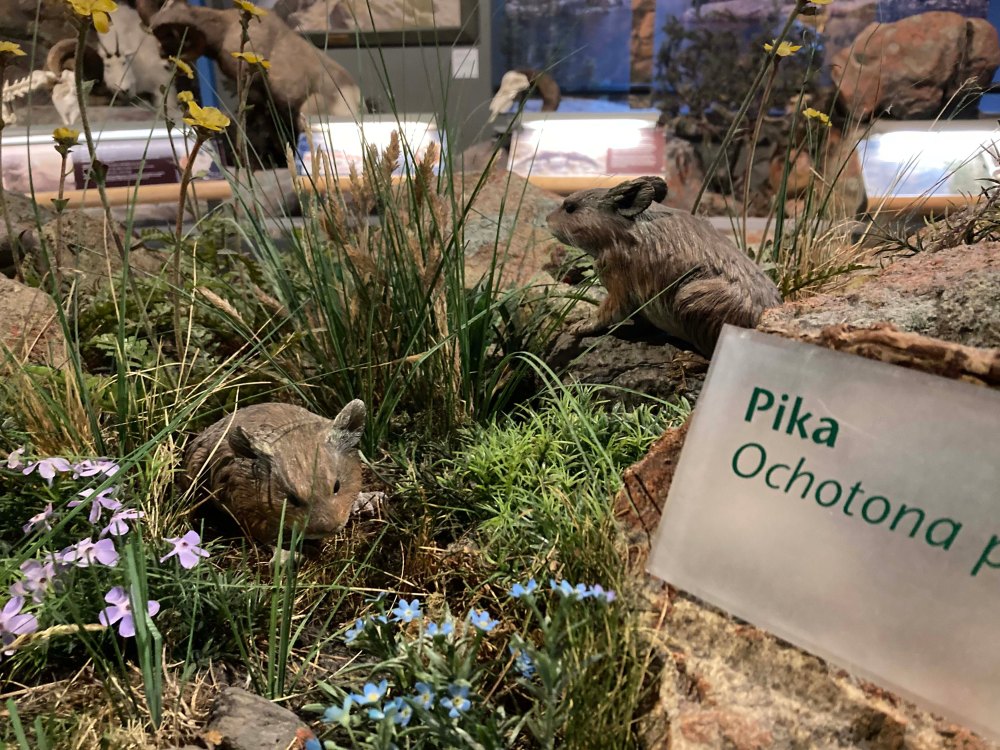
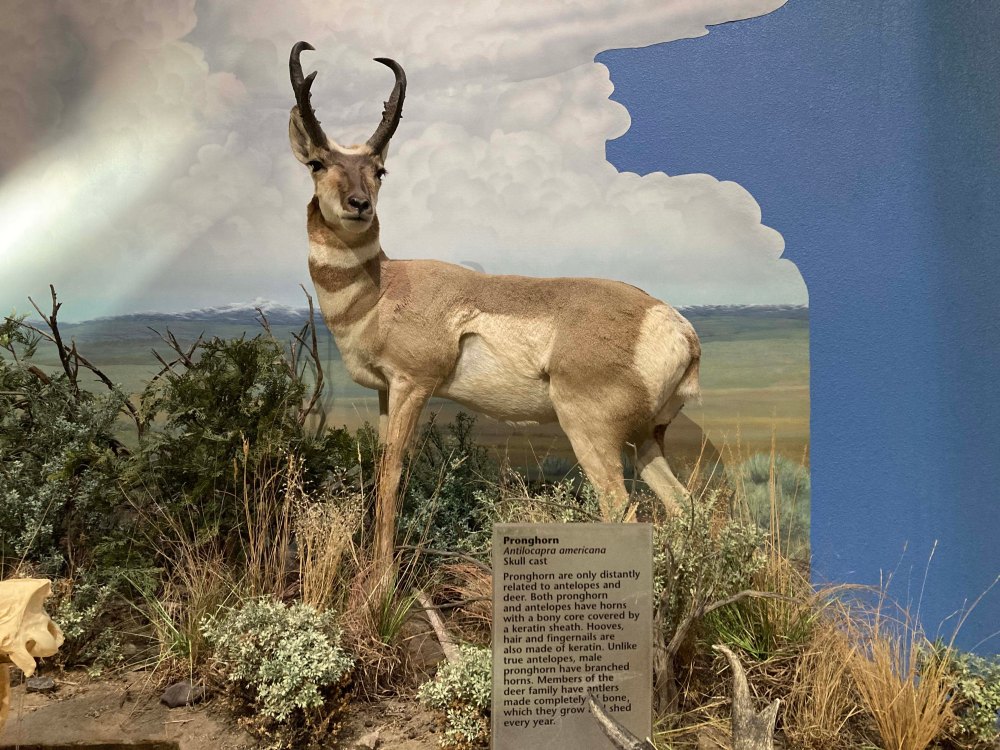
My choice was next and I chose the Draper Natural History museum. I have been to many natural history museums and this one (for its size) was really well done. First off you were on a path the entire time so it was easier to see everything and they had lighting and sound effects that made you feel like you were in nature. It was extremely well done and I enjoyed every minute of it.

Of the five museums this was definitely my favorite for both the content and the environment. So if you don’t have time to see them all I would definitely put this at the top of your list.

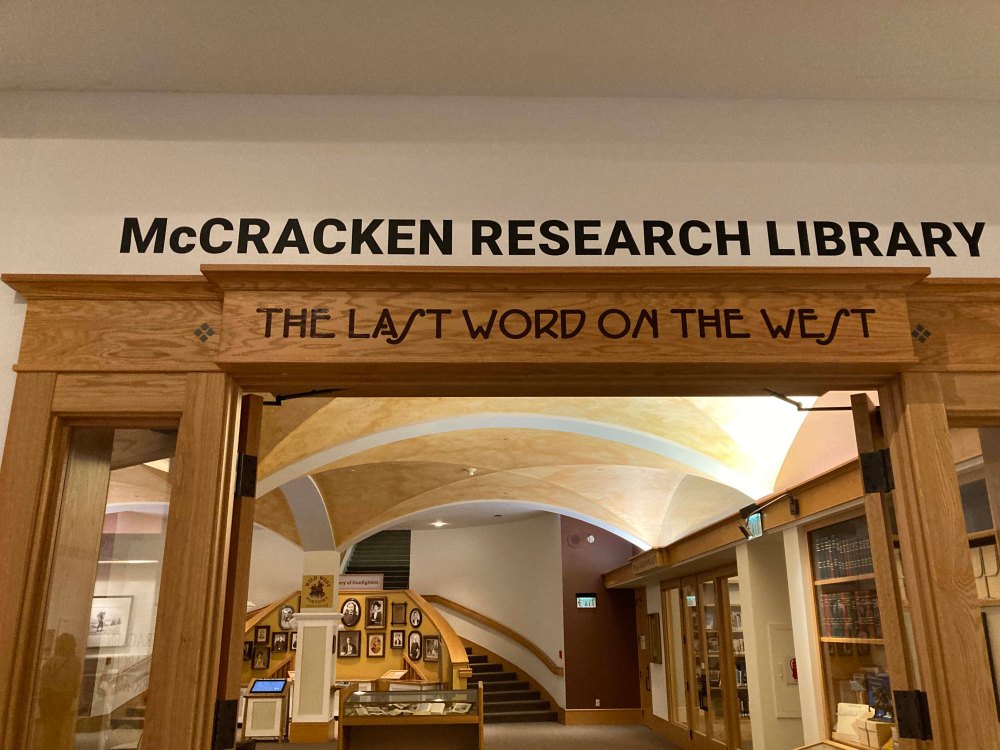
The research center was really cool in particular the golden eagle information. I have actually never seen a golden eagle but later that day when we were driving outside of town I saw my first one. There was also another research library in the basement which had all sorts of historical documents about the area. The gun museum also provides historical research information and authentication services which is pretty cool.

Ok I am going to stop right there and pick up in the next post. Stay tuned!

We very much appreciate your support of our blog

  • You can purchase the ebook telling the story of how we became full-time RVers.
  • You can purchase our recipe book filled with 80 recipes we have cooked in our RV and taste tested by Lee himself. You can purchase the kindle or paperback version on Amazon or buy the Apple version on Itunes