
I have been wanting to get to Big Bend National Park for several years now but the remote location and lack of cell phone coverage made it very difficult. Finally, we were in a situation to give it a try and we made the long drive down towards the bottom of Texas along the Mexico border.

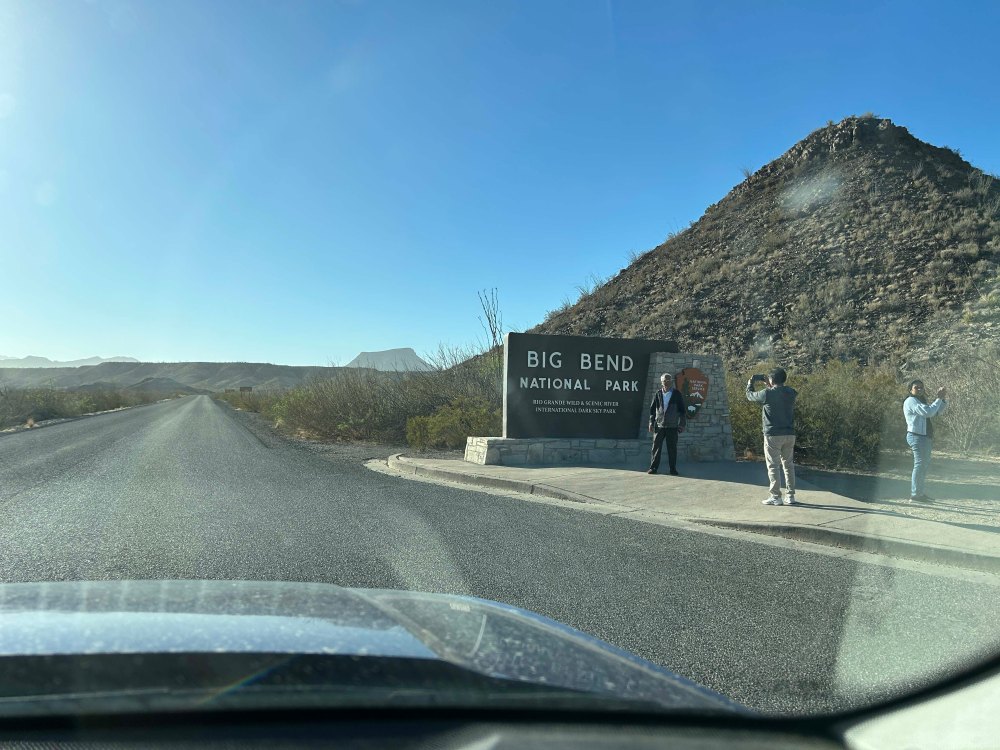
For me it is impossible to talk about this National Park without touching on both the border and water rights, but I will try and be as factual as possible when I discuss those items. It is important to start with the fact that this park is both remote and huge. So much so that there are two gas stations in the park itself and it’s important that you think about how much gas you have prior to entering. As with many big parks there are multiple entrances, but since we were staying in Big Bend Station we entered from the west near Study Butte.

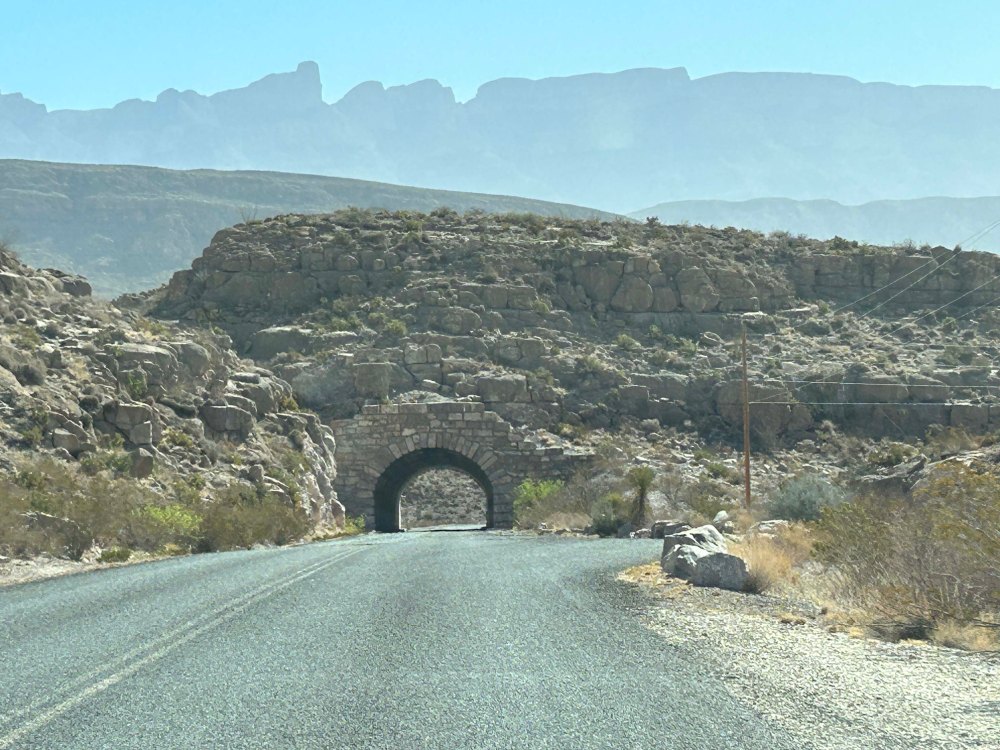
I wasn’t sure how much of the park we would be able to see in one day, so decided I wanted to travel to the far east section and Rio Grand Village first. This road took us through Panther Junction ranger station where we learned that the non-paved roads required four-wheel drive and would be off limits to us. Largely that was OK because there was plenty to see on the paved roads and the one exception to this rule was when we decided to see the Historic Hot Springs, but first there was a lot of somewhat boring driving to get to the Village.


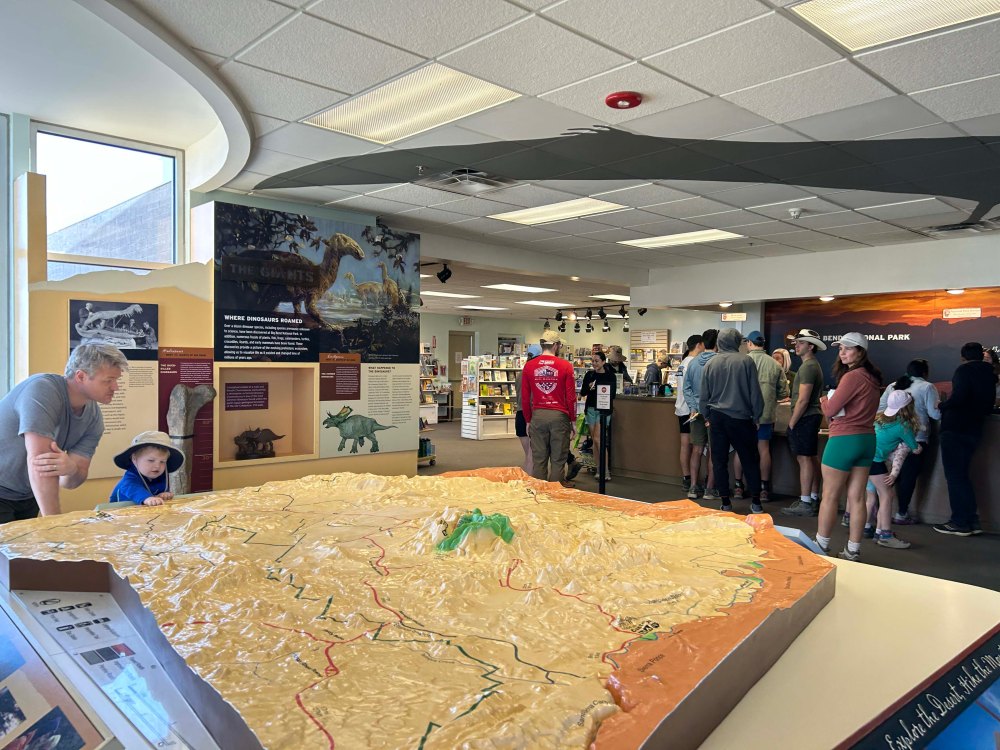
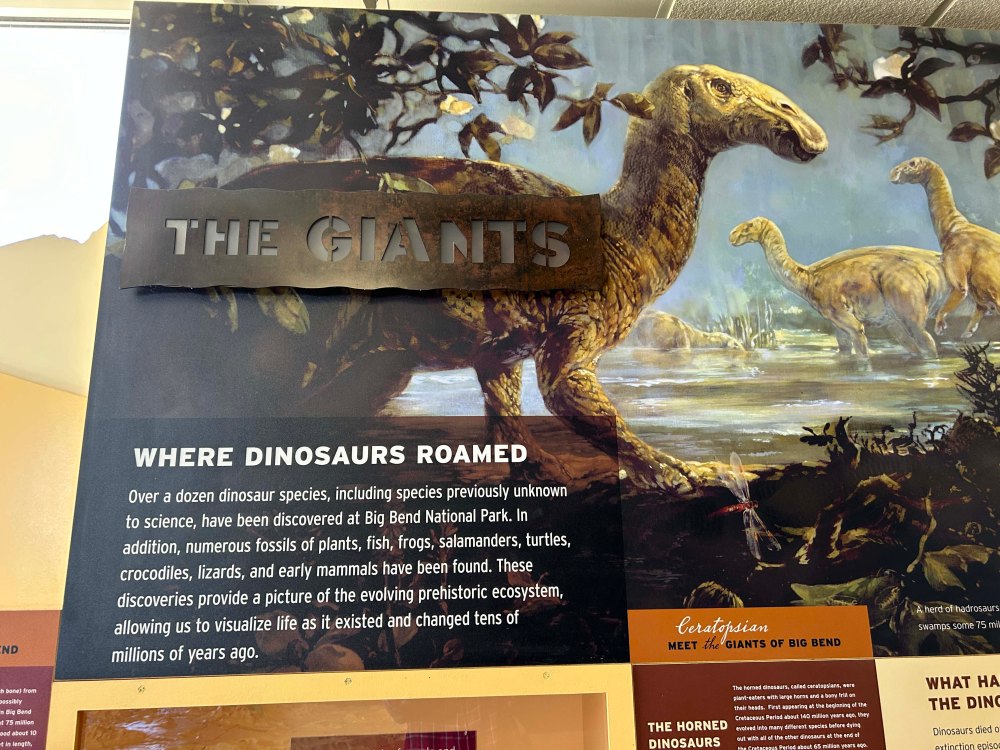




Once we reached the Rio Grande Village we finally got to see water and some green although the levels were very low. In the ranger station they had picture of the original river levels versus the current levels and the difference was startling. Most of the water in the lower Rio Grande is actually coming up from the Rio Conches in Mexico and is 25% of the levels prior to 1950. The river in the center at its narrowest point is only 5% of it’s historical volume.


I never really understand how much water matters until spending the last couple of years in the desert. Water is life and is a precious resource and the distribution of that resource is often political and complicated. One thing we have been seeing more of though in our travels is the recognition that diverting water sources has a significant impact on our natural spaces. It impacts animals and some of our most beautiful natural spaces. We have been encouraged to see some efforts in California and other states to go back to a more natural approach to water management but down in the Rio Grande area if it wasn’t for Mexico it would be a complete unlivable wasteland.
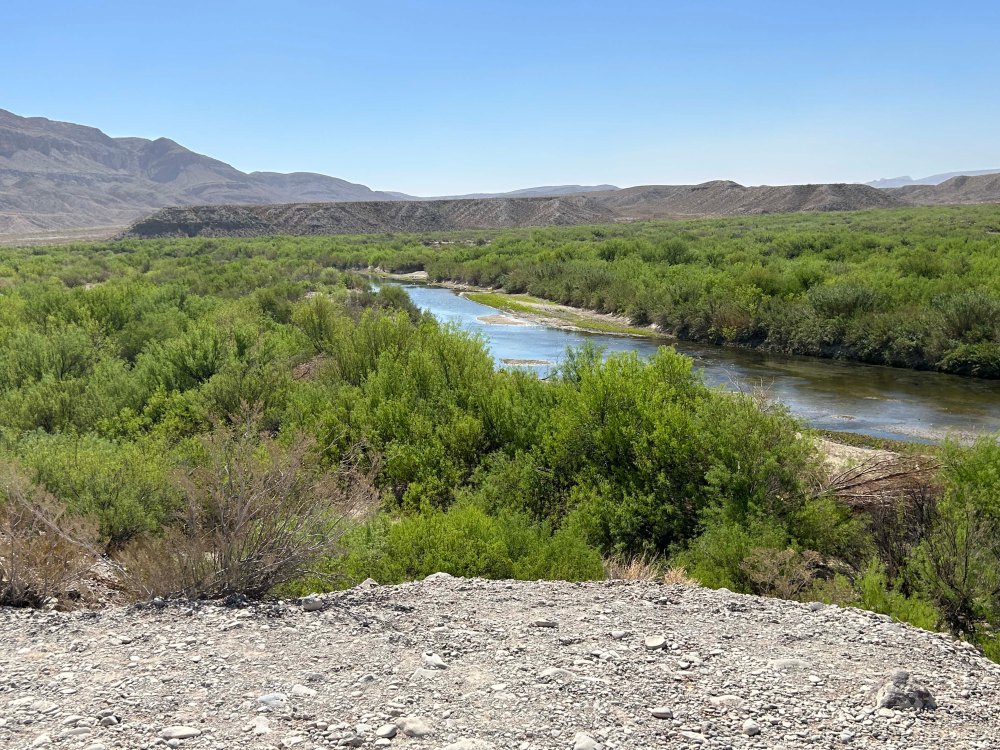
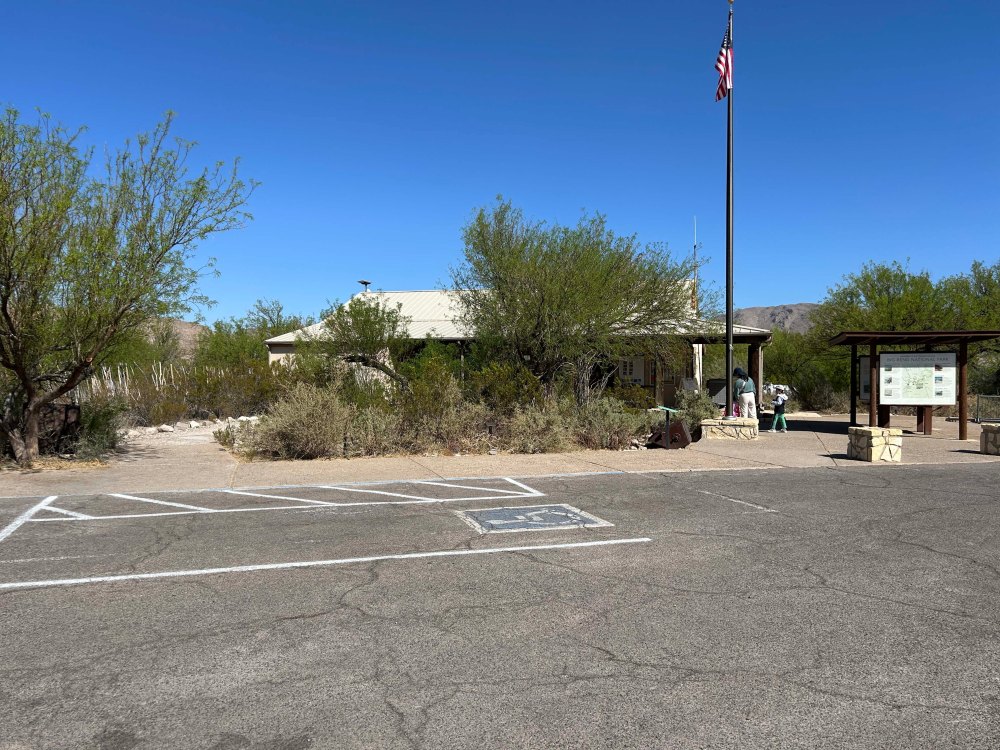

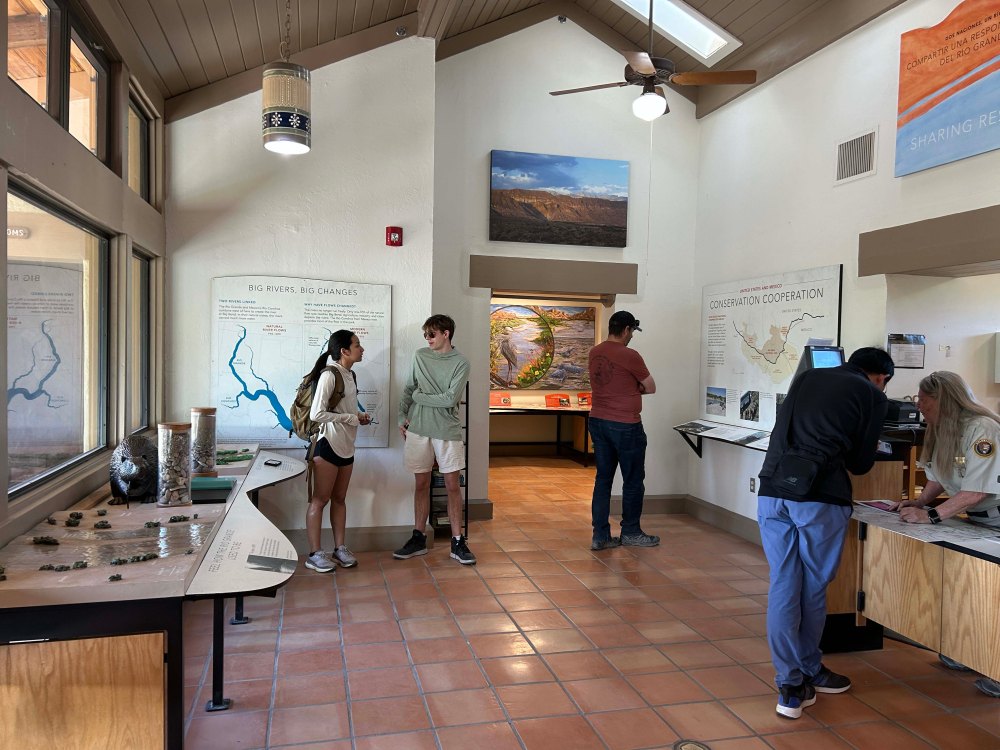
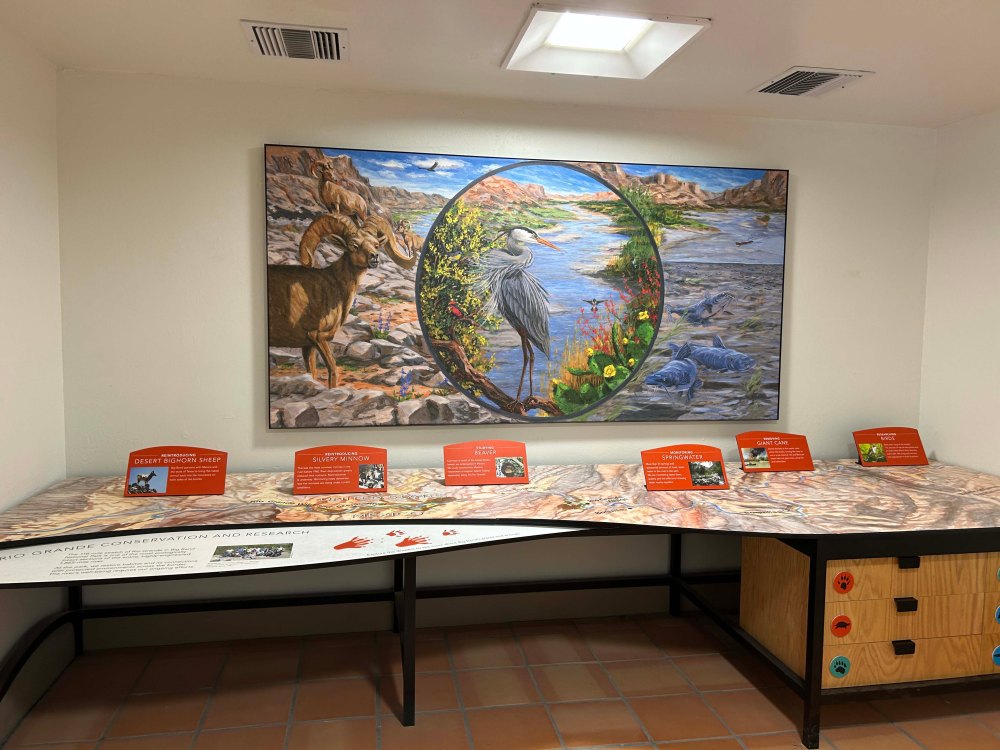

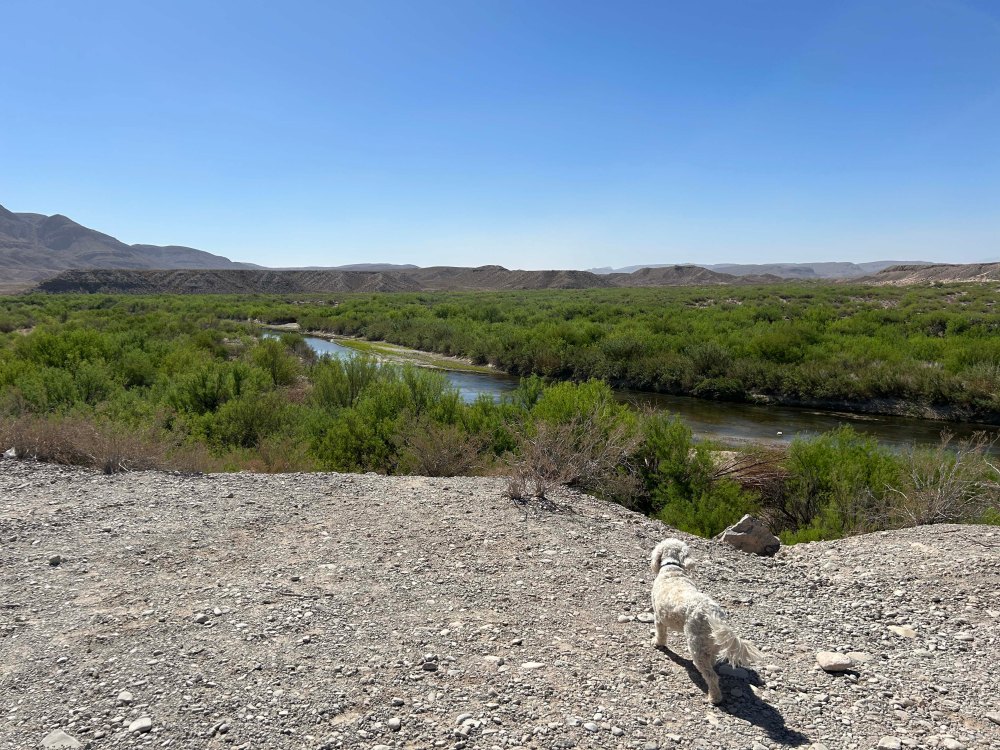


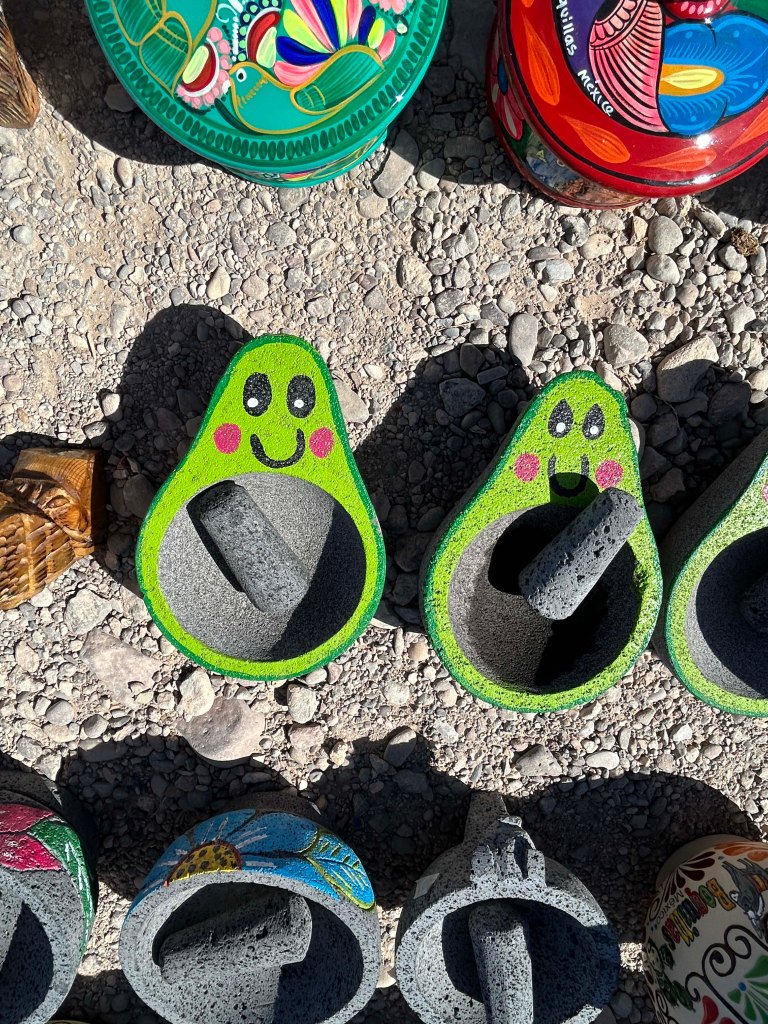
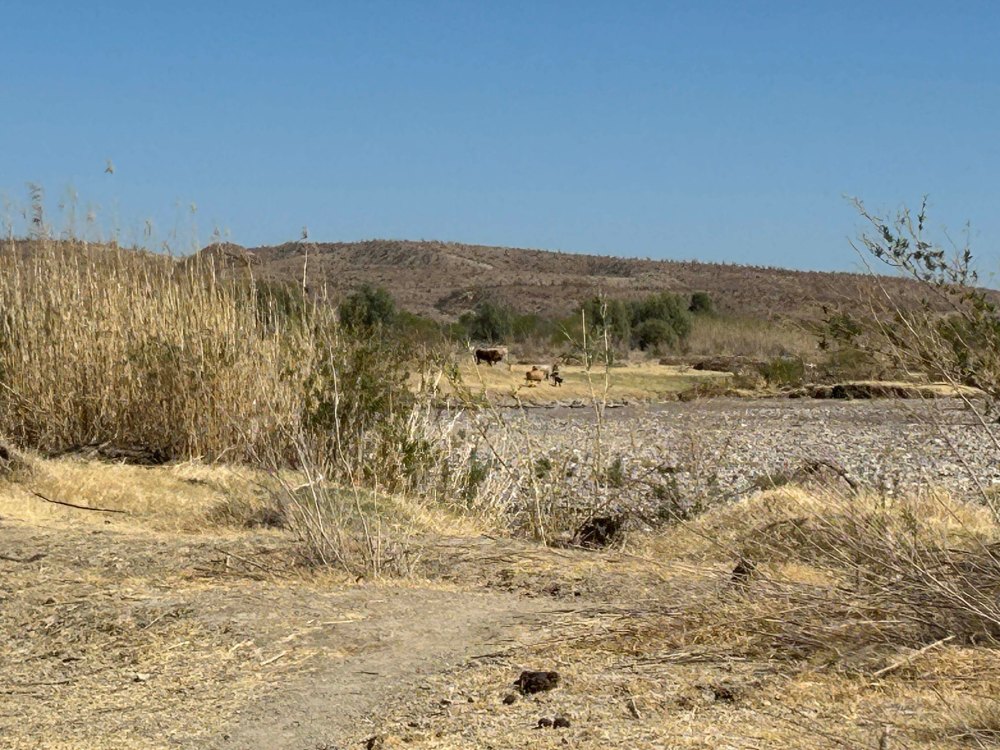
When we reached the river overlook we could see a small town in Mexico right across the water. There is a port of entry right in the park where you can cross and it is open from 8-4pm everyday. The Rio Grande itself has very low levels and it was clear people could easily walk into the park. We were surprised to see crafts from Mexico laying on the ground in the park with permanent metal cylinders where people could put cash in on the honor system. Obviously, people were crossing to put more product down and collect the cash, but whether those crossings were done legally or not was unclear. We did see multiple Border Patrol vehicles on the roads in the park but it is pretty huge and frankly it would be easy to slip in and out across the river. This became very clear when we went to see the RV park in Rio Grande village and asked a camp host about the horses we saw munching on the grass. The camphost told us the horses were from the Mexican ranches across the river and came over because the US side was irrigated, and they wanted to eat the grass. Later we saw horses in the river and it was clear the horses (and some cows) could come and go at will.
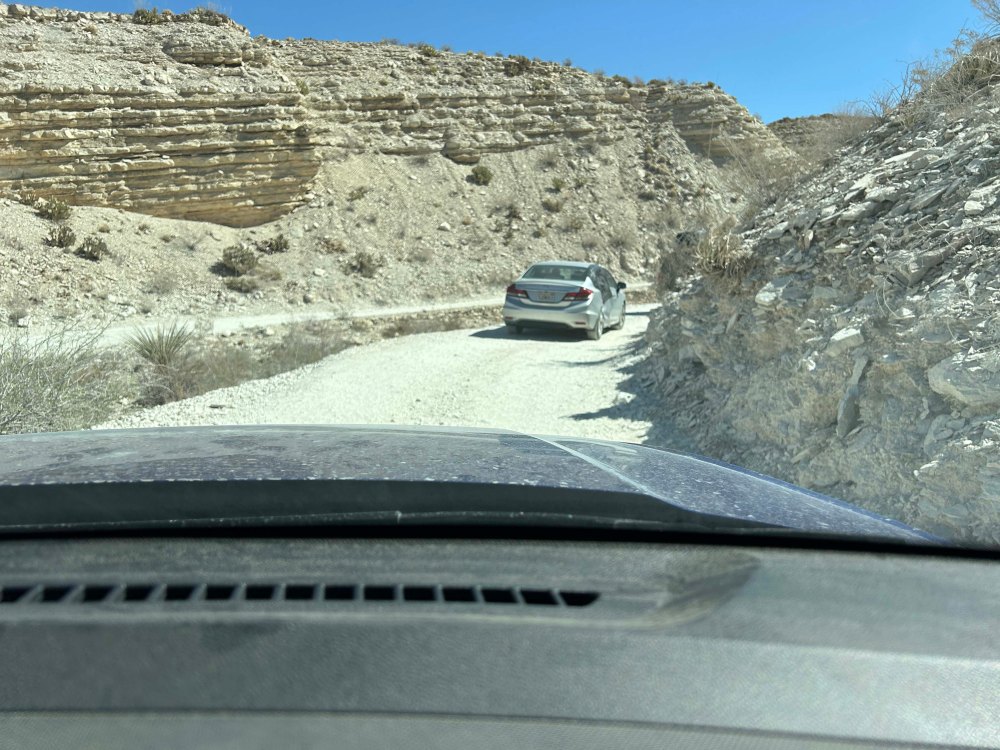
On our way back east one of my favorite spots was an historic hot springs area. This was really cool and although it’s tight getting in down a one lane drive, I am so glad we went down. We walked with Jack past some old buildings and palm trees and finally made it down to the Rio Grande where Jack took a long drink. Definitely don’t miss this if you go.



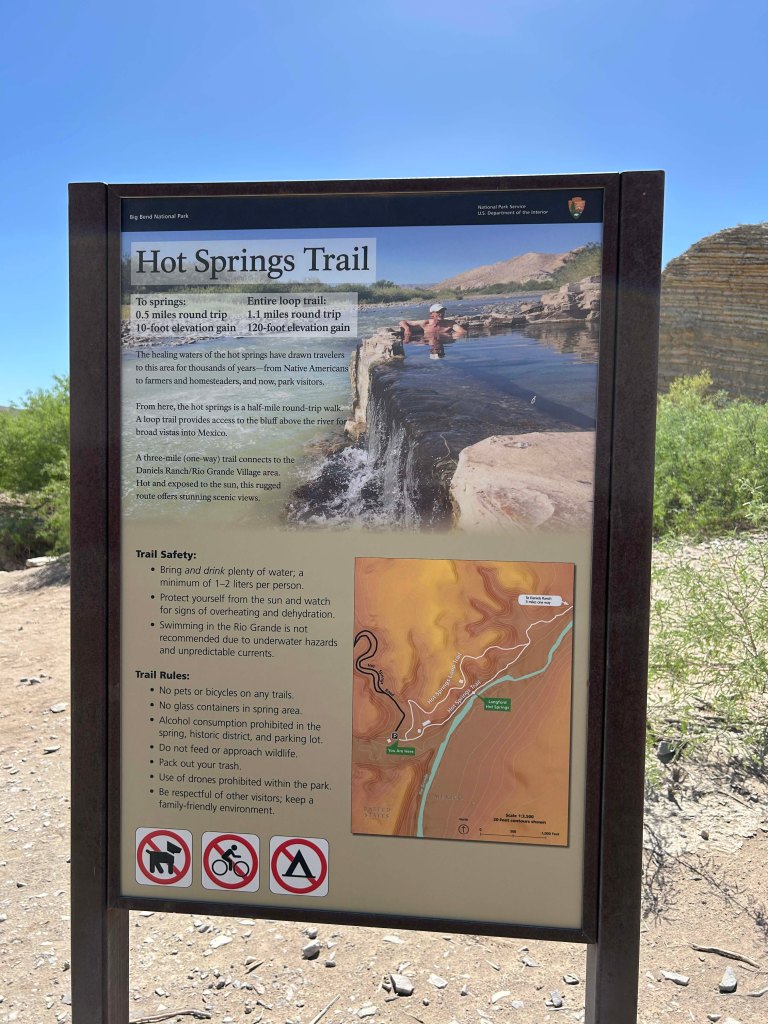

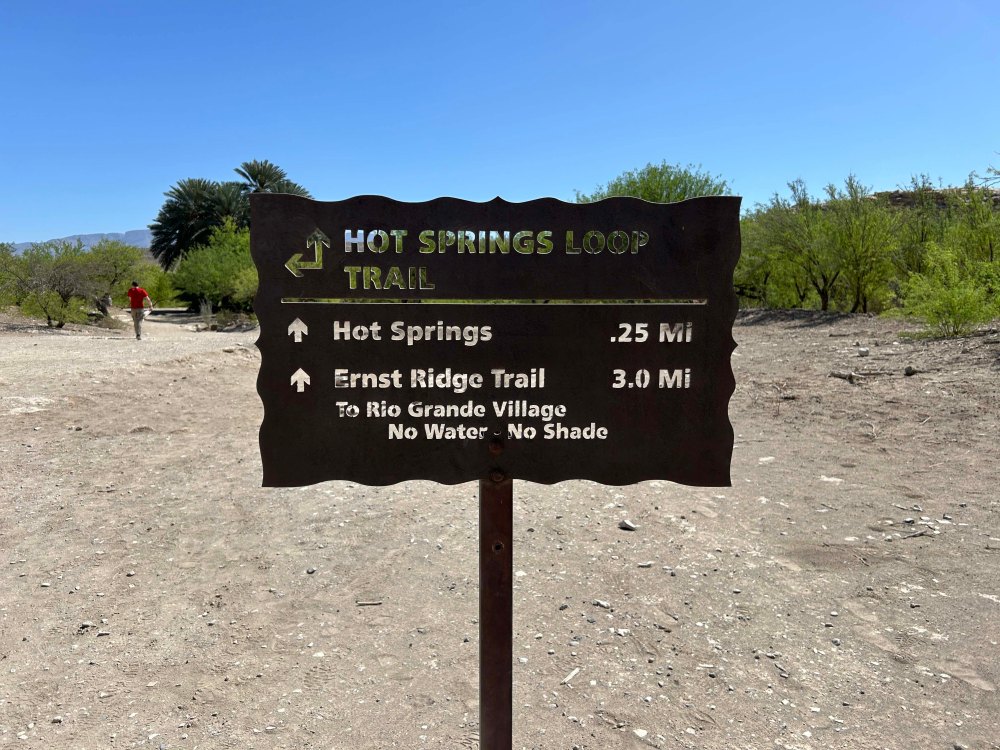
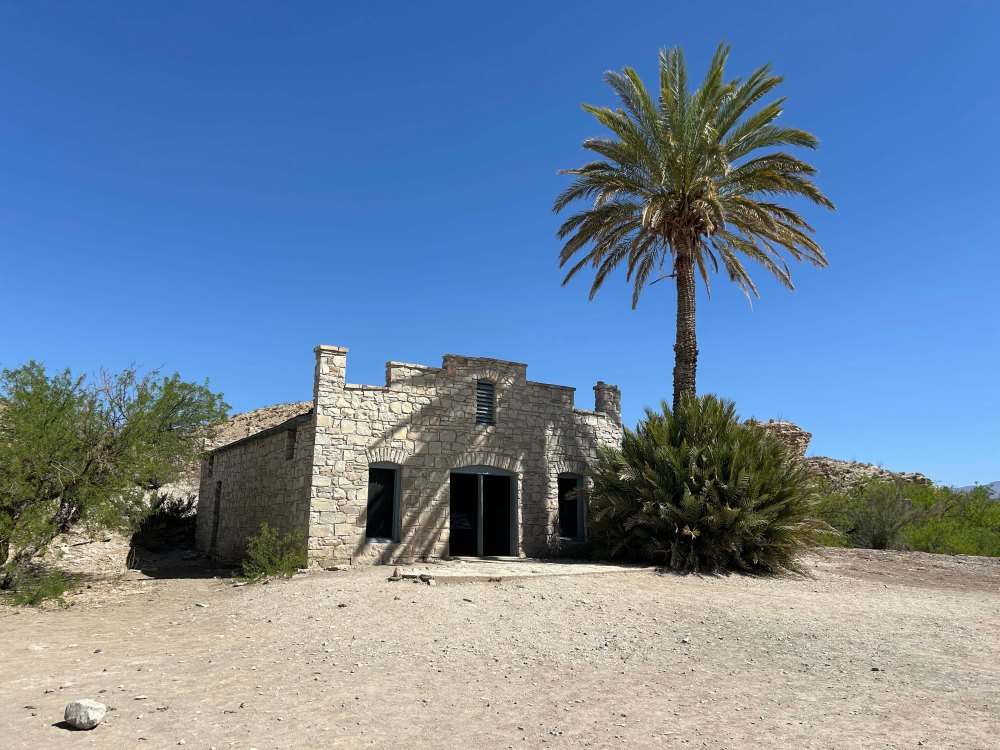


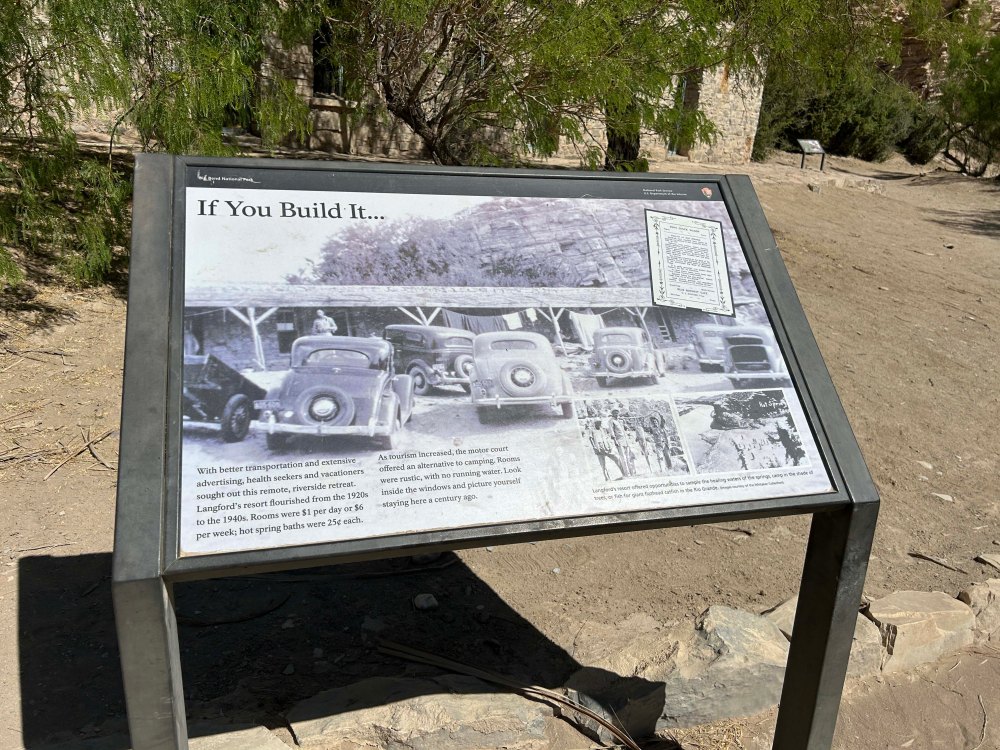
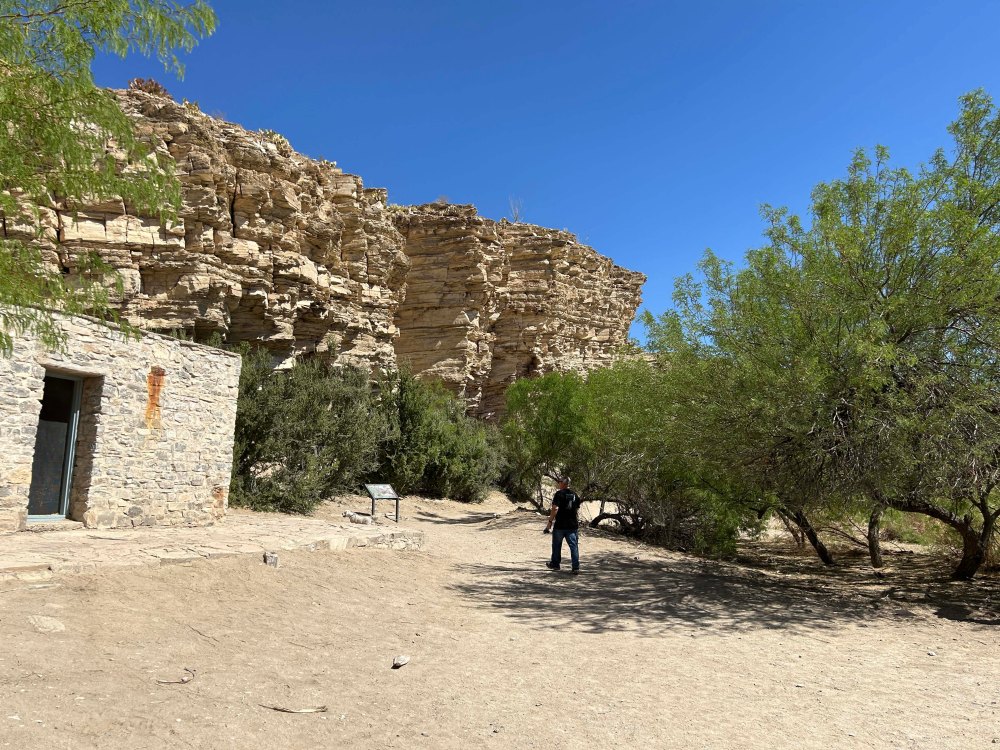


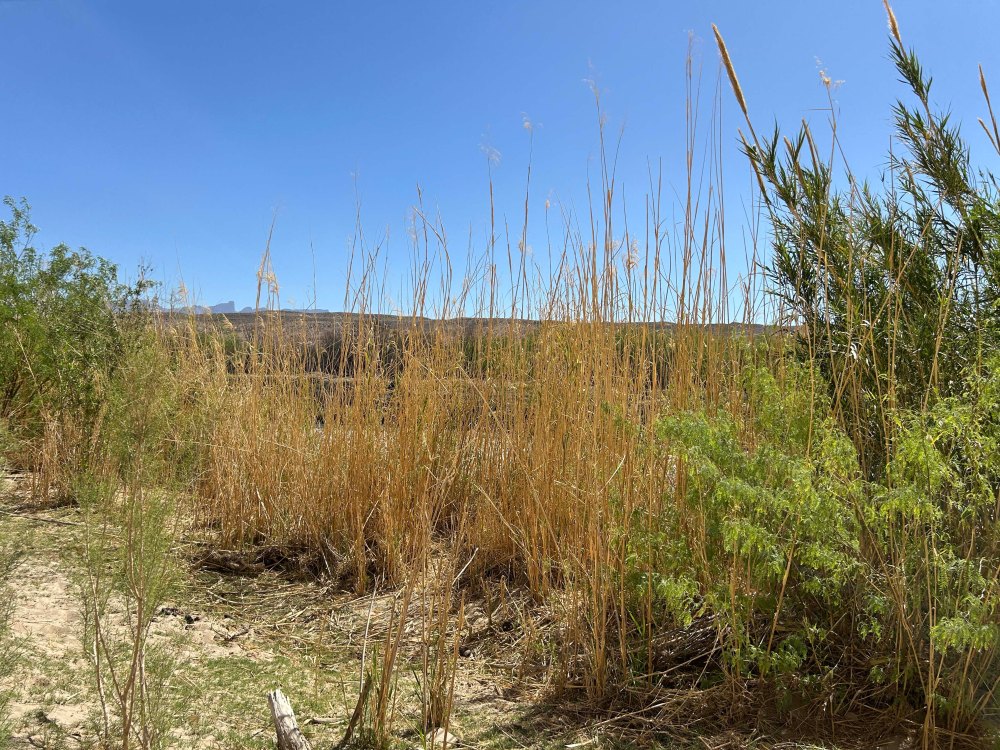

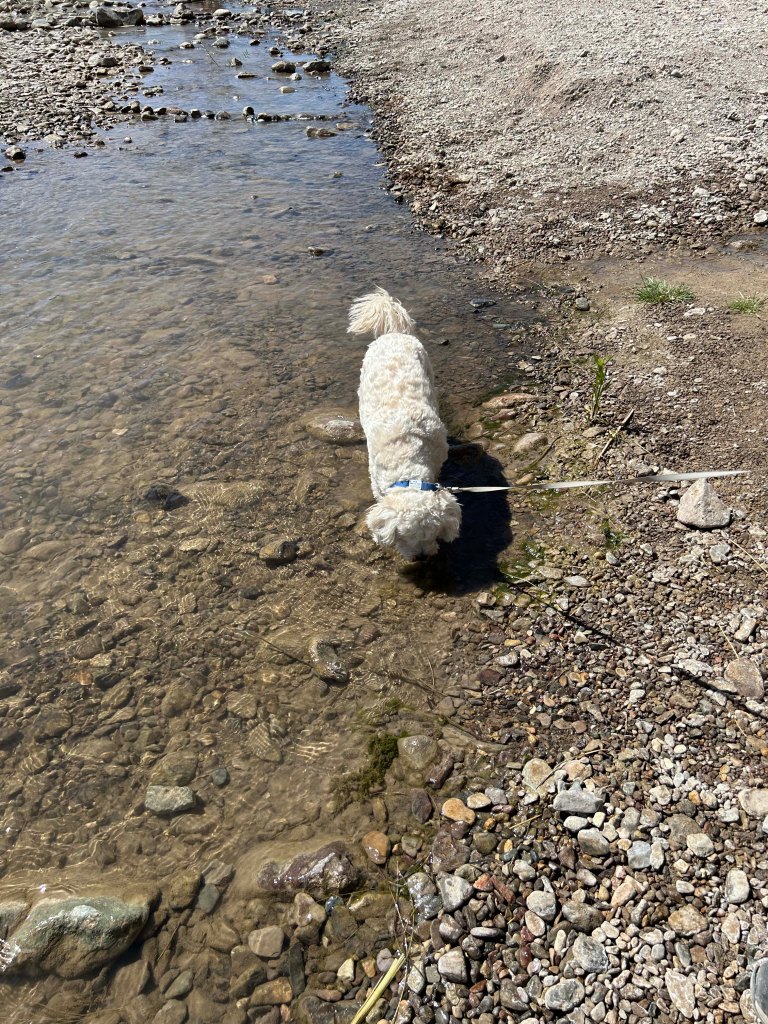


When we were down in the river we could have easily walked across the Rio Grande into Mexico and an enterprising Mexican woman had setup a taco stand on the other side. I didn’t walk across and get one, but I was struck by the fact that this is our border. Frankly when you’re dealing with a shared river I don’t know how they could change this and it they put a barrier up it would kill the rafting and kayak business on the river, but I think it’s important that when people talk about the border that this picture below is it in some places.

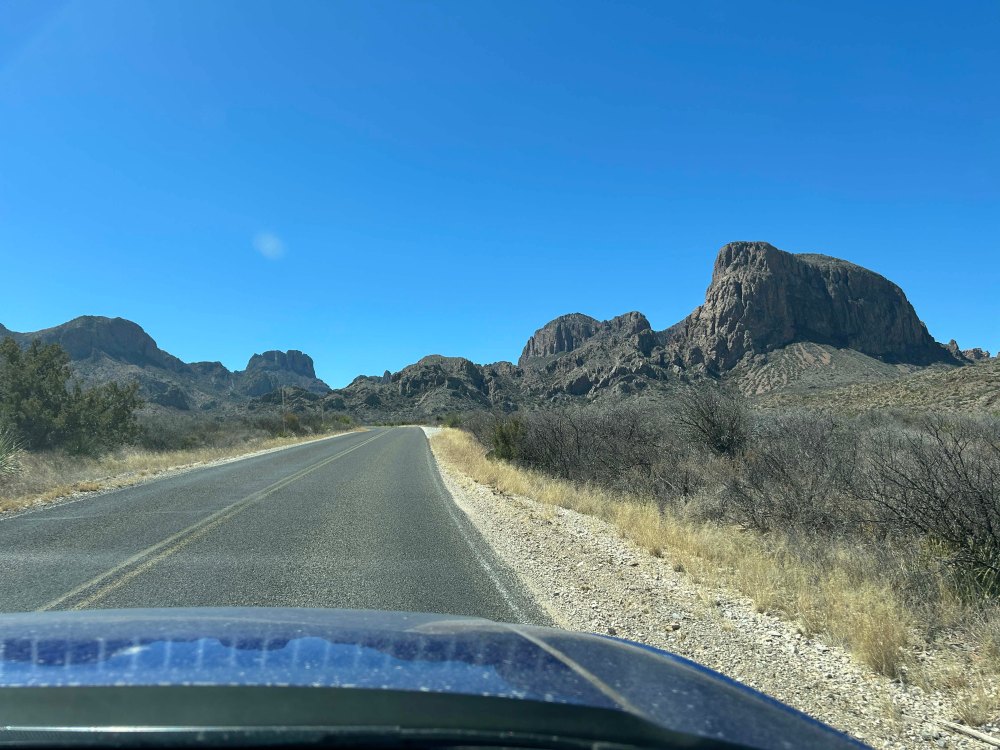
After leaving the hot springs we drove back east and drove up to the Chisos Basin. This area is up about 2000 feet and there is a mountain lodge with a small restaurant inside. There are lots of bear crossing signs on the way up and the rock formations are really beautiful.

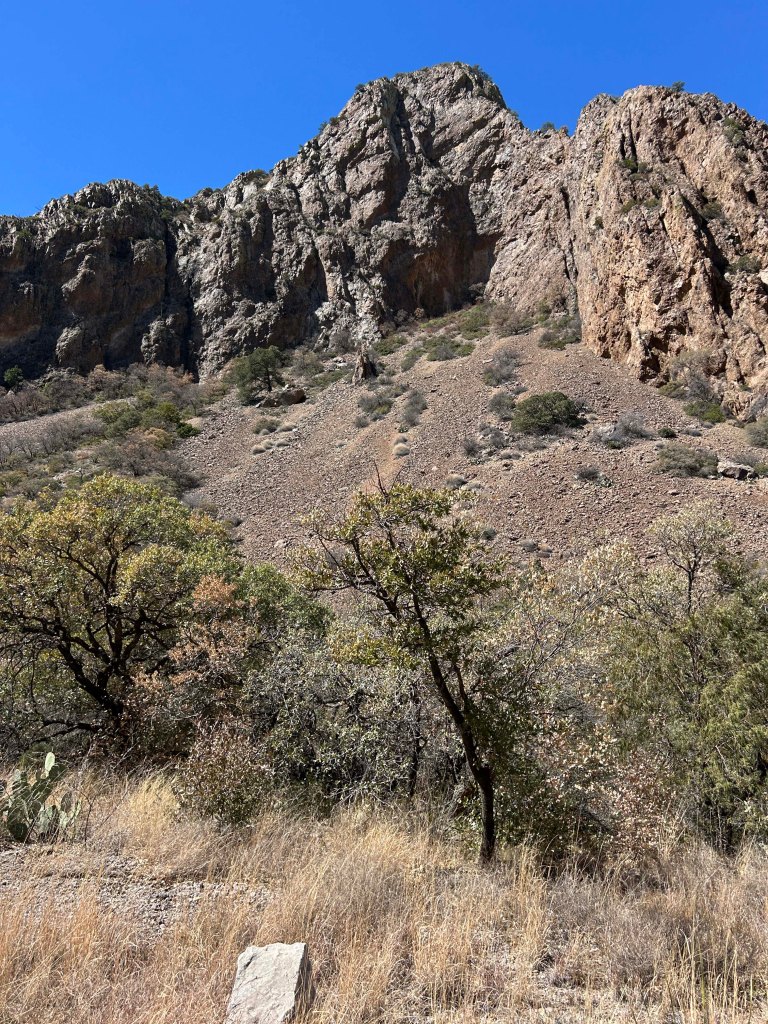

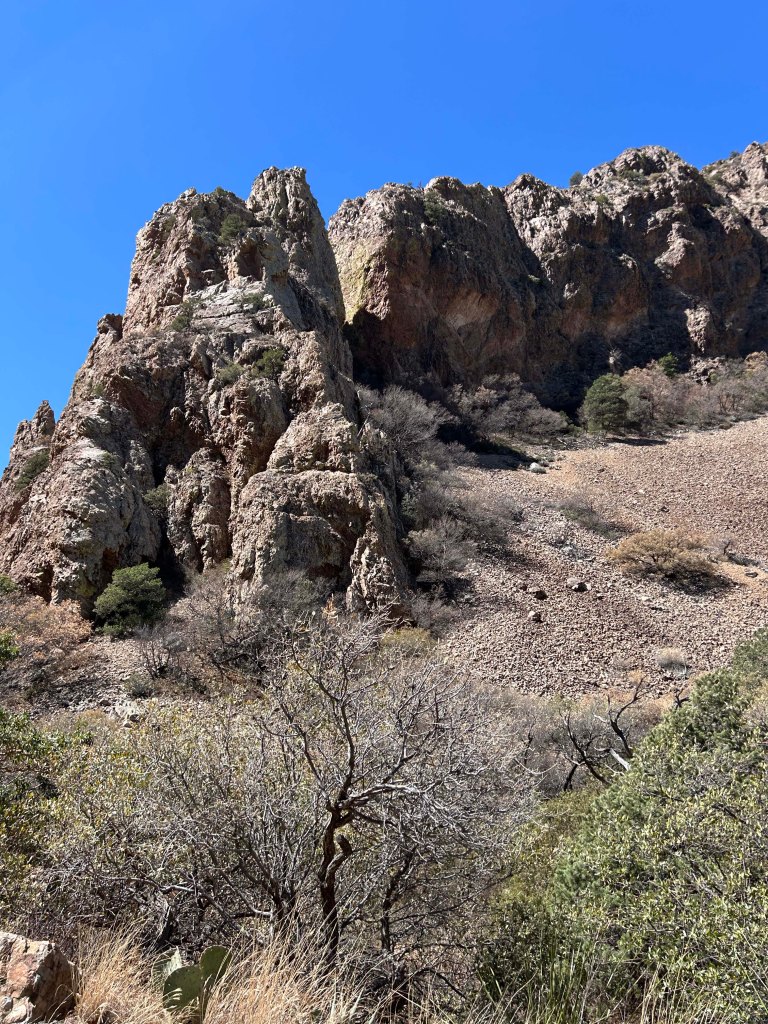
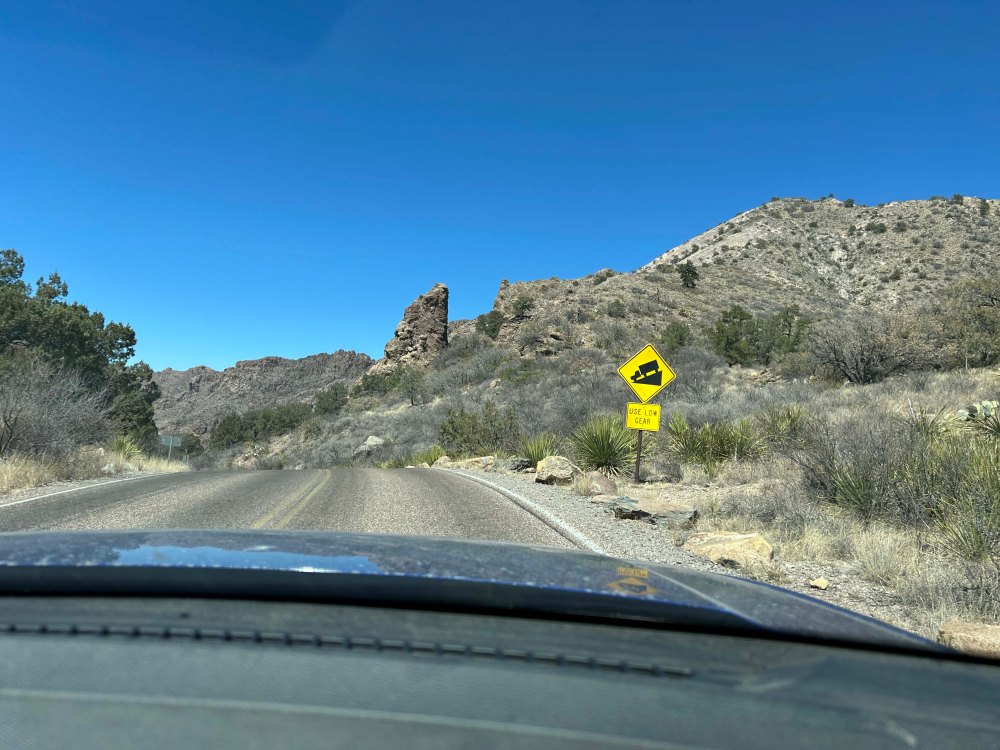


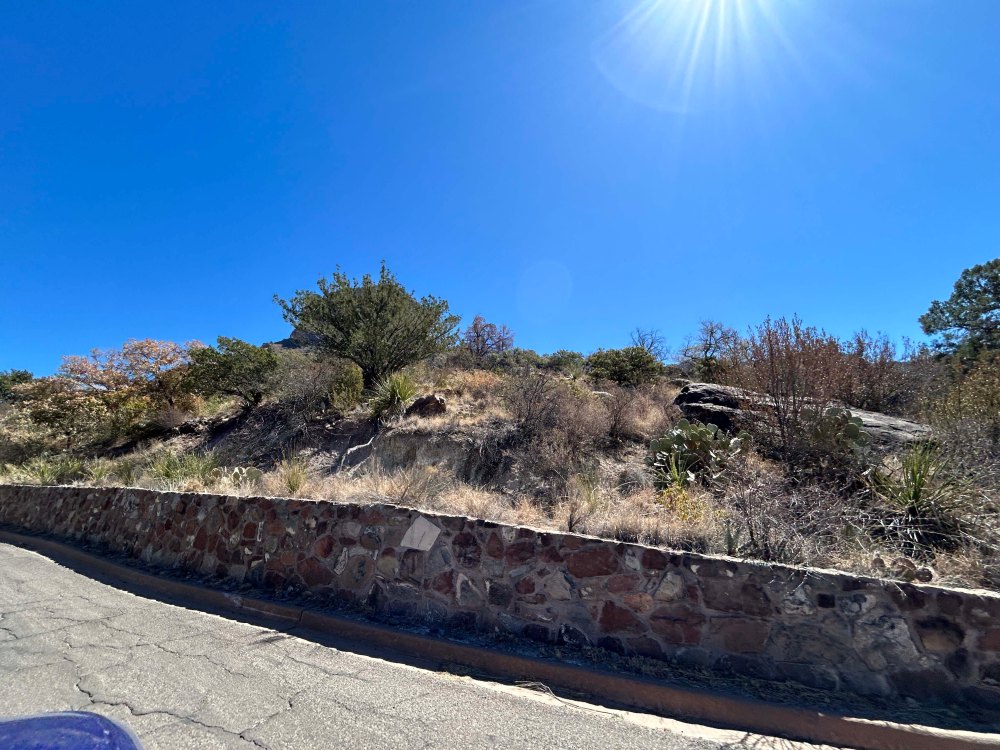
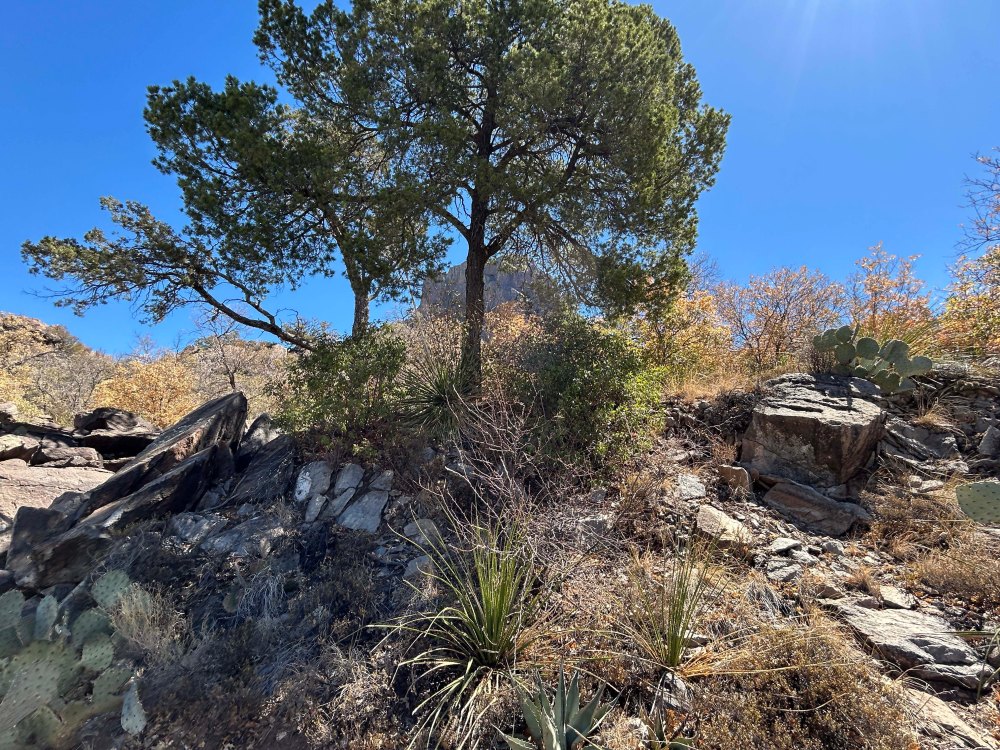

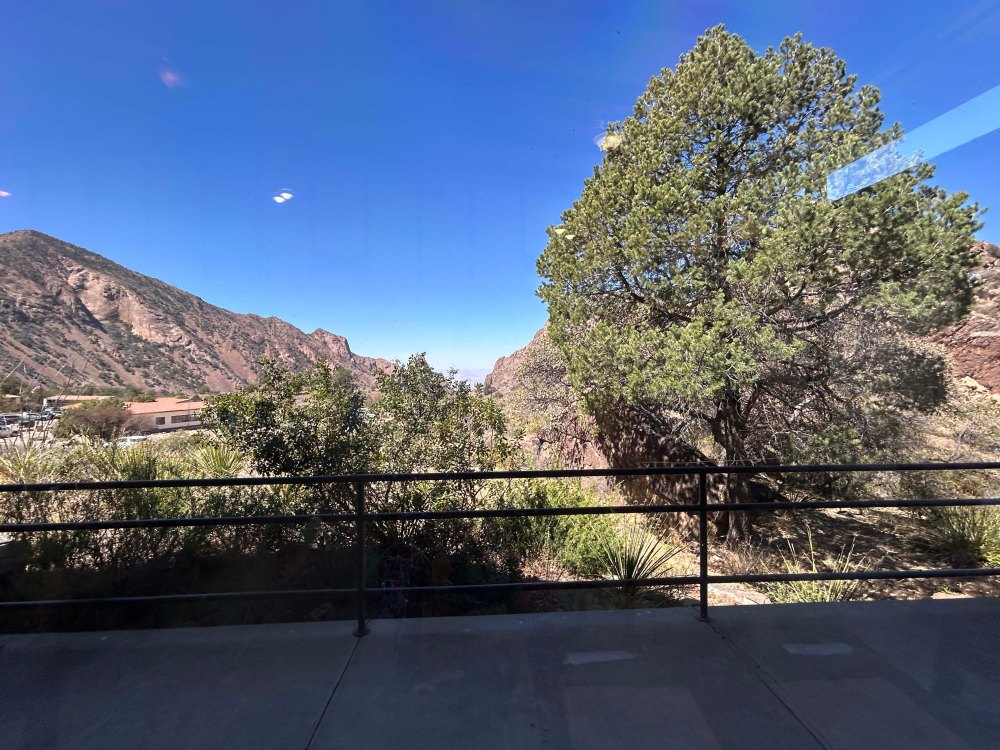

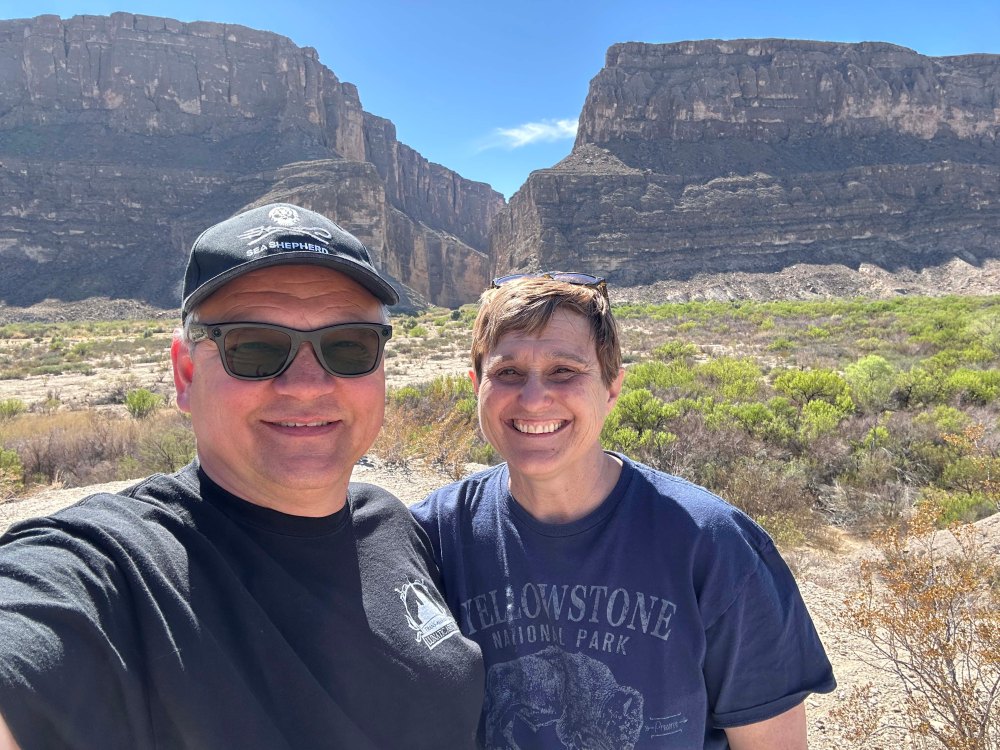
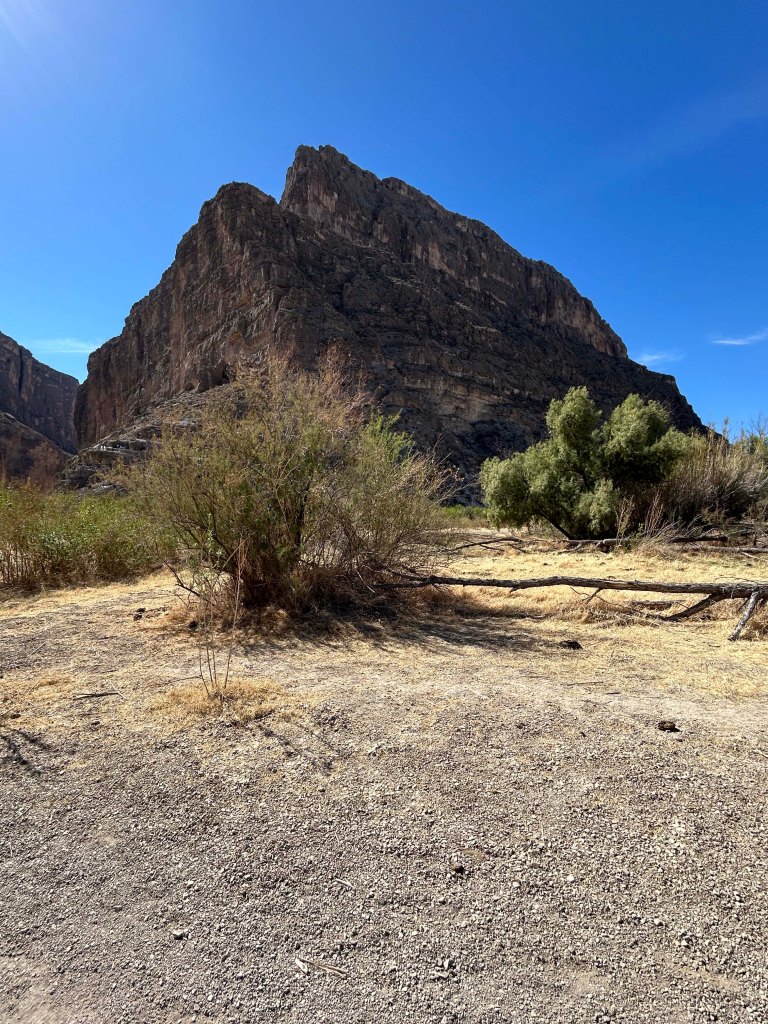
Our last stop was probably the coolest, traveling down to the Santa Elena Canyon. This stop is also along the Rio Grande and there is a HUGE natural wall along that side of the river which reminded me of the giant north wall in Game of Thrones. It was absolutely beautiful and we drove right down and walked to the edge and took some awesome pictures. You can also hike up on the US side, but since we had Jack and it was a steep hike we gave it a pass but definitely walk down to the water. Beautiful.
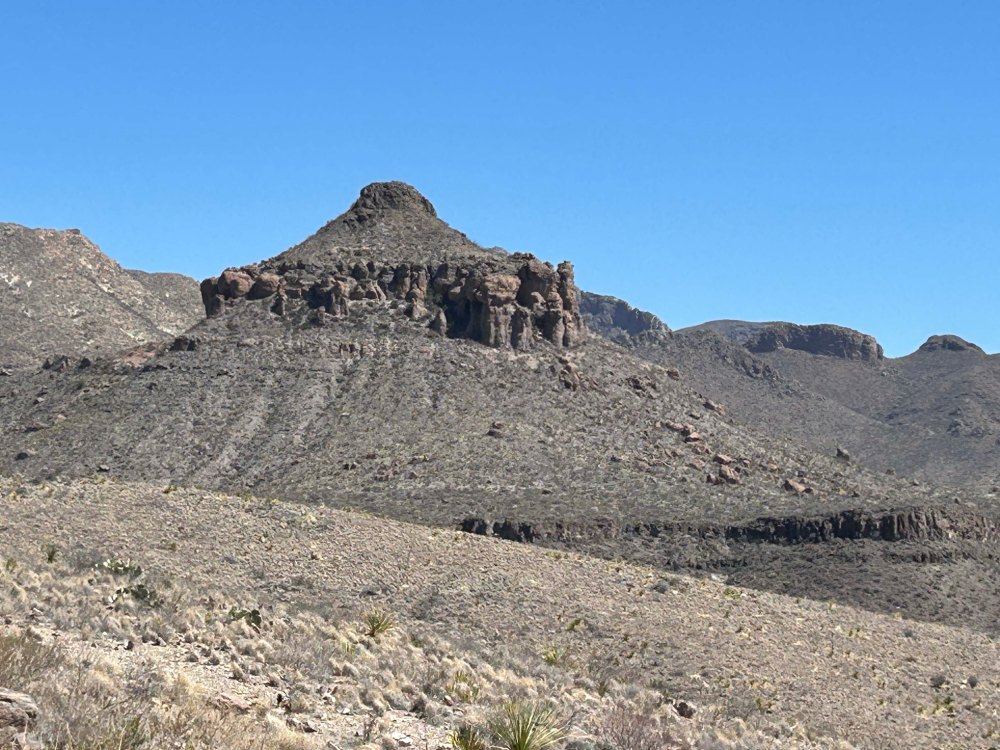


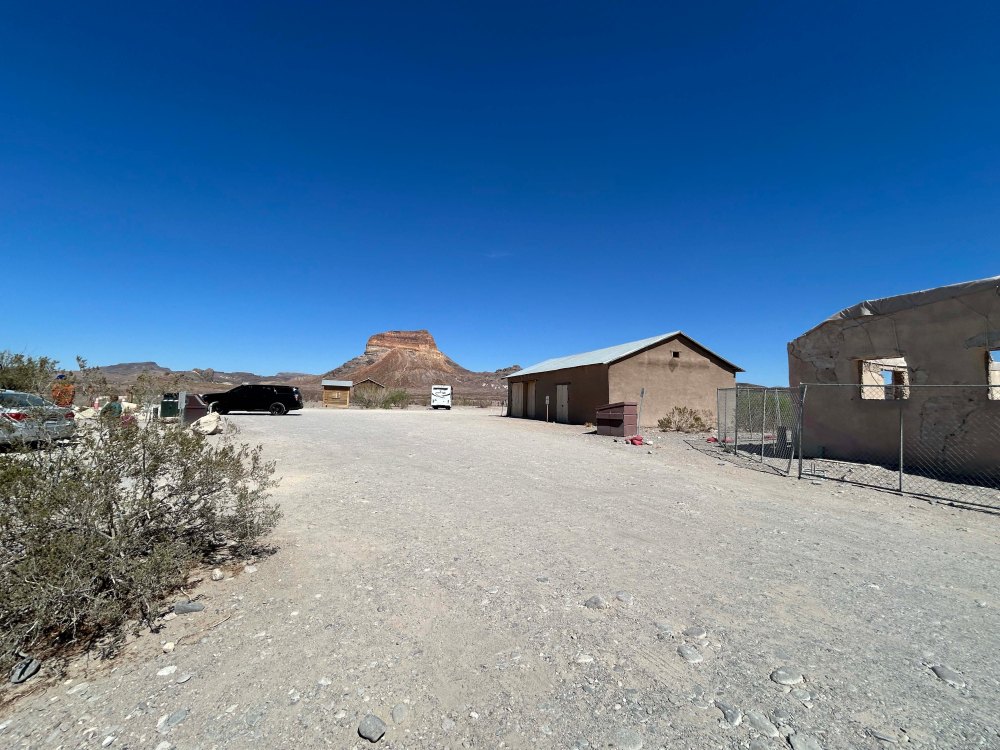


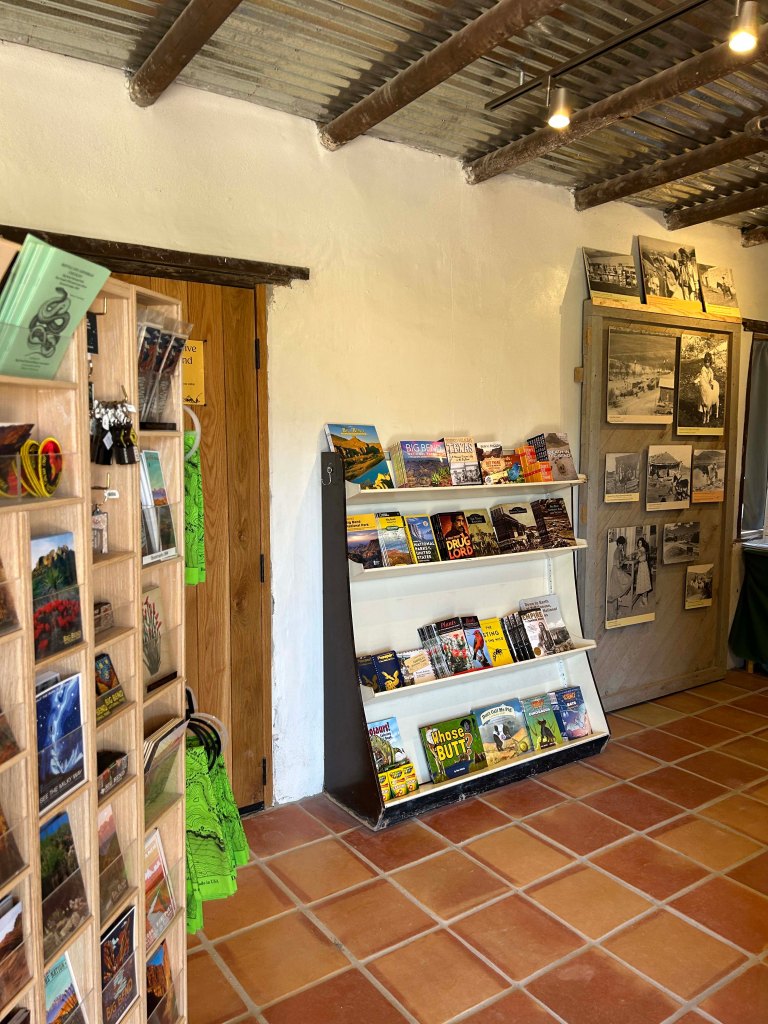






Big Bend was honestly so much more than I expected and I am so glad we were finally able to visit. This is definitely a cooler weather park though and requires some careful planning to see it. Totally worth it though.
We very much appreciate your support of our blog.
 Camper Chronicles
Highly recommend the drive along FM170 between Lajitas and Presidio. It’s a beautiful drive thru Big Bend Ranch State Park.